
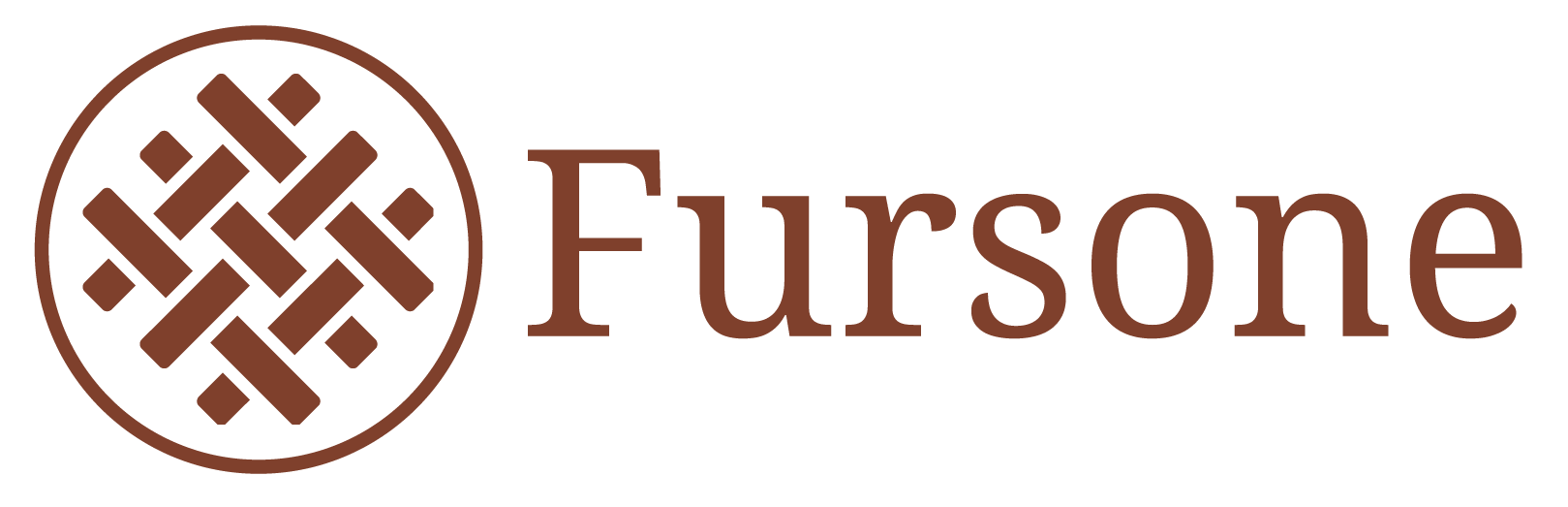
A two-person womenswear label came to our desk last year with a collection pinned on one tweed and a familiar dilemma: 1,000 meters of custom MOQ against a first-season budget that could not carry it. The plan we built with them, stock rolls first and custom runs later, let the brand launch on 160 meters of inventory, prove three silhouettes, and enter the custom phase nine months later with reorder data that changed what they paid for. This is the playbook, with the numbers and the decision points as they actually played out.
Phase One: Stock Rolls as Market Research
The brand bought four stock rolls across two colorways, 160 meters total, from our ready stock program. Stock carries no MOQ and ships in days, so the cash outlay covered fabric, cutting and a 90-piece first drop instead of a factory minimum they could not sell through. The tradeoffs are real and worth naming: stock limits you to existing colors and weights, batch continuity depends on what remains on the shelf, and reorders of the same dye lot are never guaranteed.
What stock buys, at this phase, is information. Which silhouette sold, at what price point, to which customer. The brand tracked sell-through weekly: one coat style hit 80 percent in five weeks, a cape stalled at 30 percent, and a skirt sat between. That ratio, not taste alone, decided which fabric direction earned the custom phase.
The Bridge Decision: When Stock Stops Working
Stock stops working when one of three things happens. First, scale: sell-through data shows a style that justifies more than the shelf can supply, and running out mid-season costs more than the MOQ premium. Second, differentiation: the exact colorway competitors can also buy has served its purpose, and the brand needs a shade and handfeel nobody else carries. Third, unit economics: at real volumes, the custom run’s lower per-meter price beats stock pricing even after the MOQ commitment. Our earlier comparison of stock rolls versus custom runs walks the arithmetic; the short version is the crossover usually lands between the second and third reorder.
For this brand the trigger arrived in month five: the winning coat style had sold through its second stock allocation, and backorders were appearing in customer-service messages. That is the expensive kind of validation.
Phase Two: The Custom Run, Designed by Data
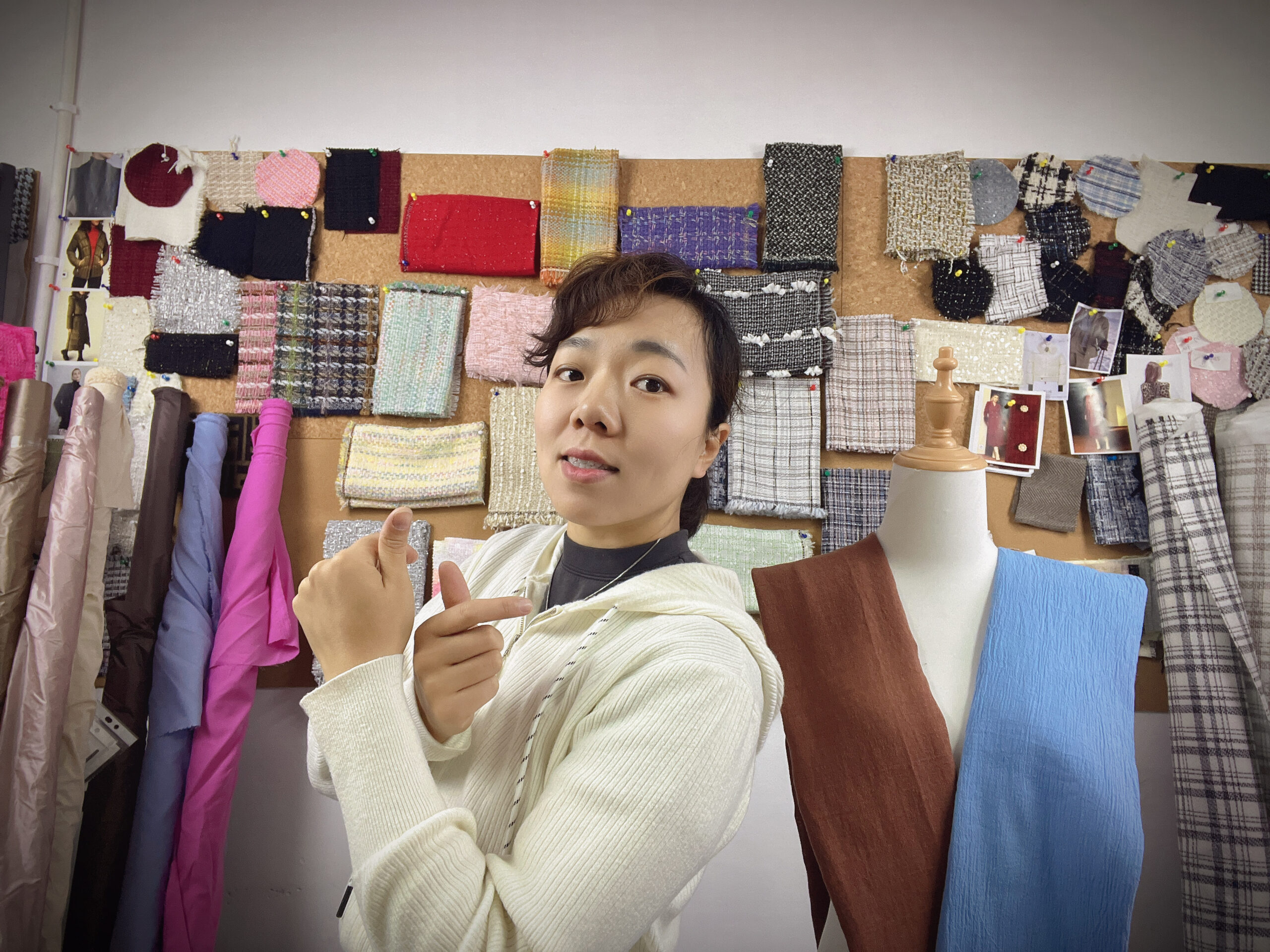
Nine months in, the brand committed to a 1,000-meter custom run of one fabric, not the three they originally planned. The data did the narrowing: one colorway (the one that sold), one weight (the coat GSM, validated by returns and fitting feedback), and a modified handfeel sampled against the stock reference. Because the mill had nine months of the brand’s swatch history and the sold style as a shared reference, sampling took one round instead of three, and the swatch book the brand had been maintaining became the spec sheet for the run.
The 1,000 meters were scheduled against pre-orders from the stock-phase customer list, so the deposit funded production for goods already half-sold. Payment timing mattered as much as quantity: deposit against booking, balance against shipping documents, which kept working capital inside the season instead of ahead of it. Buyers structuring this phase can borrow the same logic exporters use for payment risk, set out in the ITA Trade Finance Guide on methods from cash-in-advance to open account.
What the Two Phases Actually Cost
Compare the counterfactual. Committing 1,000 custom meters on day one would have tied the entire fabric budget into three unproven colorways, with carrying cost, storage and markdown risk on two of them. The phased path spent the first season’s money on 160 sellable meters and bought certainty with the proceeds. Total fabric spend over the year was higher than a single bulk order would have been, and every incremental dollar carried data with it: the brand paid for information the first season and for volume pricing the second.
The pattern generalizes. Inventory left over from a wrong custom bet becomes roll ends and remnant stock, sellable but discounted, as covered in our note on buying mill leftovers. Phasing converts that markdown risk into a sampling budget.
When to Skip Phase One
Two situations argue against starting on stock. Brands with pre-committed retail distribution (a confirmed buy sheet from a stockist) already hold demand data that substitutes for sell-through, so going custom immediately is defensible. And brands whose identity depends on a proprietary handfeel, where stock options genuinely distort the product, should treat sampling as the research phase instead, paying for two or three custom strikes before committing. The failure mode to avoid is neither phase; it is drifting: staying on stock for seasons past the crossover point, competing on the same bolts any competitor can order.
Ofte stillede spørgsmål
How much stock fabric should a first drop carry?
Enough for the planned units plus one reorder of the fastest style. In this case 160 meters across four rolls covered a 90-piece drop and one allocation of the winner before the custom decision.
Does stock fabric hurt brand positioning?
Only if it stays stock. The phase-one fabric is scaffolding: sell it, learn from it, and replace it with a custom shade once data justifies the MOQ.
What triggers the custom commitment, precisely?
Any of three: sell-through that outpaces shelf supply, need for differentiation from publicly orderable colorways, or unit economics where custom per-meter pricing beats stock at realistic volumes.
Can the custom run be smaller than 1,000 meters?
Mills set MOQs by yarn lot and dye batch economics. Blending stock-phase leftovers into the color planning, or accepting batch tolerances, sometimes pulls the practical minimum down; ask with a specific colorway in hand.
If you are weighing stock versus custom for a first collection, send your silhouettes and target price points to info@fursone.com or WhatsApp +86 134 5607 1339, and the desk will lay out both phases with real numbers.
Relaterede indsigter
Casestudie: Tweedlinje opnår ISO-grad 4-pillingresultater i bulk
A UK outerwear brand came to us with a pilling problem wearing a quality-gate costume:...
Case Study: Startup Brand’s Two-Phase MOQ Strategy: Stock First, Custom Later
The most expensive mistake a startup fabric buyer makes is ordering custom fabric for a...
Case Study: Home Textile Brand Trials Tweed for Cushion Covers
When a home textile brand thinks about tweed, outdoor coats usually come to mind first....