
Buyers increasingly ask for “the greener cotton” on knit programs, and the conversation stalls the moment someone asks which kind: organic cotton, grown without synthetic pesticides, or recycled cotton, recovered from cutting waste and post-consumer garments. Both carry certification schemes, both support a claim on the label, and they are not interchangeable: they certify different things, cost differently, wear differently, and suit different programs. Choosing by slogan instead of by program requirements is how brands end up with a certificate that does not match the claim they wanted to make.
What Each Option Actually Certifies
Organic cotton is about how the fiber was farmed. Certification schemes verify that the cotton was grown without synthetic pesticides and fertilizers and track that identity through processing; the Organic Content Standard (OCS) third-party certifies organic content with chain-of-custody documentation from an approved farm standard to the final product. Recycled cotton is about what the fiber was: recovered material, mostly pre-consumer cutting waste pulled back into yarn, with post-consumer garment recycling growing behind it. The Global Recycled Standard (GRS) – Global genbrugsstandard (GRS) verifies recycled content and chain of custody, and layers social, environmental and chemical processing requirements on top.
The claims follow the certificates. “Made with organic cotton” and “made with recycled cotton” are different statements to a compliance desk, and a brand claiming one while holding the other’s paperwork has nothing. Decide the claim first, then buy the matching certificate; the reverse order is how claims fail audits.
Fiber Quality: The Trade Nobody Mentions
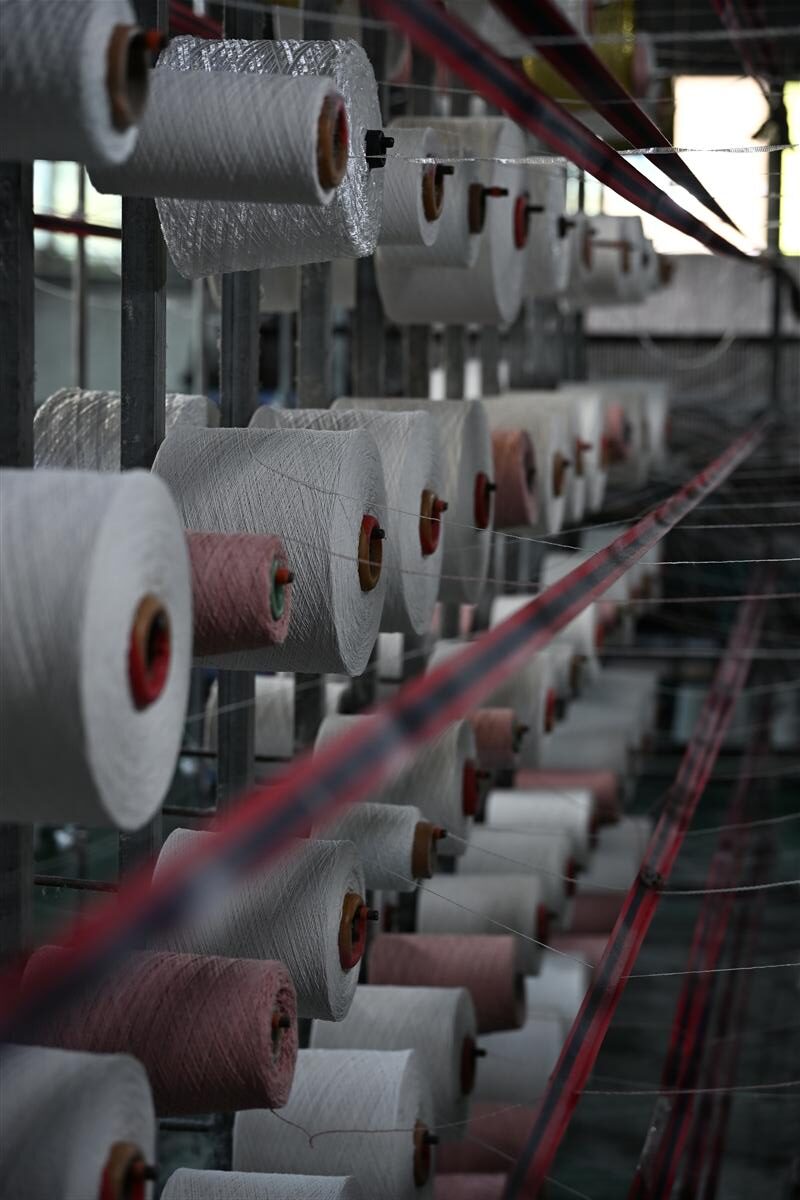
Mechanical recycling shortens cotton fiber. Every pass through the garnett machine cuts staple length, and shorter staple means weaker yarn, more hairiness and faster pilling at the same twist. Blenders compensate: recycled cotton commonly runs in blends, 30 to 60 percent recycled content balanced with longer-staple virgin or organic fiber to hold yarn strength on industrial knitting machines. A 100 percent recycled cotton knit at standard gauge is achievable but demands adjusted gauge, heavier yarn counts or reinforced structures, and the fabric hand reads differently: slightly less smooth, with a heathered look where recycled shades mix.
Organic cotton, by contrast, keeps the full staple length its variety allows, so it spins and knits like conventional cotton and substitutes into existing programs without engineering changes. The quality question is not “which is better” but “which program can absorb the differences”: a heritage cable knit with a smooth hand target leans organic or high-virgin blends; a slub-textured sweater can carry high recycled content where the texture helps the design.
Color and Batch Reality on Recycled Programs
Recycled cotton inherits the colors of what was shredded. Two management options follow: sort feedstock by shade for heather effects, or over-dye the recycled yarn, which costs a dye pass and narrows the environmental advantage. Either way, batch-to-batch shade drift runs wider than on conventional programs because feedstock varies. Programs that need tight color continuity across runs should read our note on batch matching and colour continuity before committing a recycled yarn to a core SKU, and label claims need care in both directions: composition rules for fiber content on labels are strict, and our fiber content label guide covers what the certificate entitles you to print.
Cost and Chemical Claims, Side by Side
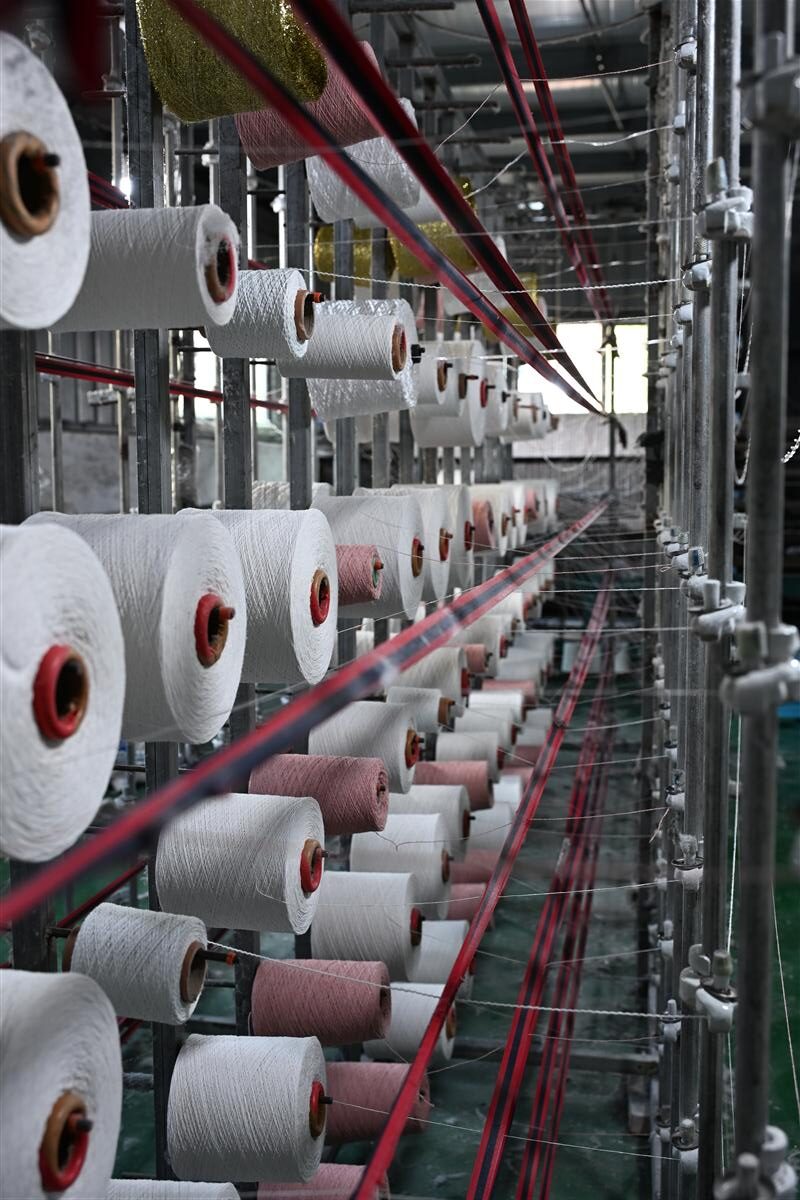
On price, organic cotton carries a farm-level premium that flows through the yarn; recycled cotton’s raw feedstock is cheap, but sorting and blending erode the discount, so certified recycled yarn typically lands near conventional pricing, sometimes above it once transaction certificates and minimum blending ratios are counted. Neither certificate says anything about what finished fabric touches in dyeing and finishing. That is a separate, complementary claim: chemical safety testing under OEKO-TEX Standard 100 tests the finished textile for harmful substances, and buyers who need both a content claim and a chemicals claim stack the two certificates rather than choosing between them.
Matching the Fiber to the Program
Decide with four questions. What claim must the label carry, and in which markets? What handfeel and color tolerance does the program require? What volume and gauge will the knitter run, and can it absorb shorter staple? What premium will the customer pay? A core SKU in a color-critical program with a smooth-hand target points to organic cotton. A fashion program where heather texture is an asset, sold on a circularity story, points to GRS-certified recycled blends. Many mills, ours included, run both under certification across the sustainable tweed and knit fabrics program, and the honest answer a buyer needs is which certificate supports which claim, documented at order time rather than reconstructed at audit time.
Ofte stillede spørgsmål
Is recycled cotton lower quality than organic?
It is shorter-stapled and usually blended for strength, which changes hand and pilling behavior, not safety. For smooth-hand, high-gauge knits organic substitutes cleanly; for textured programs high recycled blends perform well.
Can a knit be 100 percent recycled cotton?
Yes, with adjusted gauge or heavier yarn counts and realistic hand expectations. Most commercial programs blend 30 to 60 percent recycled content with longer-staple fiber to hold yarn strength.
Which certificate should I ask for?
The one matching your claim: OCS for organic content, GRS for recycled content, plus OEKO-TEX Standard 100 when a chemicals claim on the finished fabric is needed. Claims follow certificates, never the reverse.
Does recycled cotton color vary between orders?
More than conventional. Feedstock shades drive heather effects, and over-dyeing adds cost. Color-critical core programs should agree shade bands and batch approval up front.
Send your claim, gauge and target handfeel to info@fursone.com or WhatsApp +86 134 5607 1339, and we will quote both routes with their certificates and batch behavior spelled out.

Relaterede indsigter

From Farm to Fabric: Mapping the Wool Certification Chain
A buyer asks for certified wool and gets three documents back that prove three different...

Fiberindholdsmærkning for tweed og strik: Sådan læses sammensætningsprocenter korrekt
A composition label is a legal document, a marketing claim and a care instruction all...
Fabric Waste in Cutting: How Much Your Collection Throws Away
Every collection throws away fabric twice: once in the cutting room, where markers never fit...