

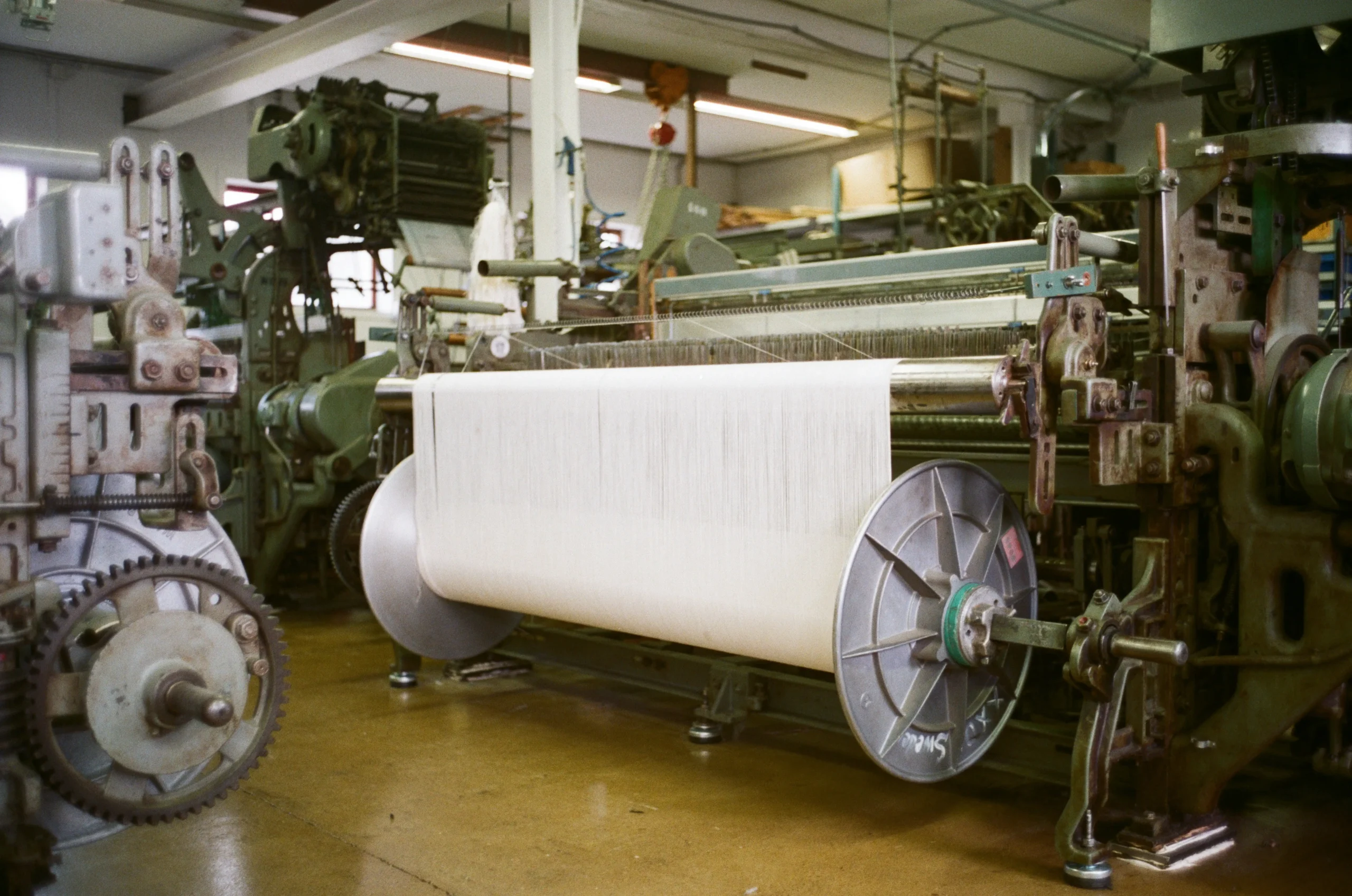
De fleste førstegangsdesignere beregner produktionsomkostningen for tøj på den forkerte måde. De prissætter stof pr. meter, beder en fabrik om en stykspris og tror, de har et budget. Så lander samplingfakturaerne, toldregningen kommer, og pludselig kan et beskedent kollektionsbudget vokse betydeligt, inden det når kunden. Det hul er det, der sænker små brands. Vores partnervæverier i Wenzhou koordinerer kundetilpassede øko-strikprogrammer til nye designere, der har brug for eksklusive strukturer uden overraskelser på fakturaen, der spiser hele marginen.
En designer, der kun budgetterer med bulk-prisen for klip og syning, overser 40 % af den reelle omkostning. En tech pack til 500 USD udarbejdet før sampling kan eliminere et betydeligt beløb i unødvendige sample-runder. Den ene beslutning reducerer sample-fasen fra 4,5 runder til 1,8. For en capsule på 10 dele, der lanceres på et beskedent samlet produktionsbudget, afgør det regnestykke, om brandet overlever første sæson. Produktionspartnere, der tilbyder fuldpakke-prissætning med indbygget certificeringsdokumentation fjerner gætteriet helt.
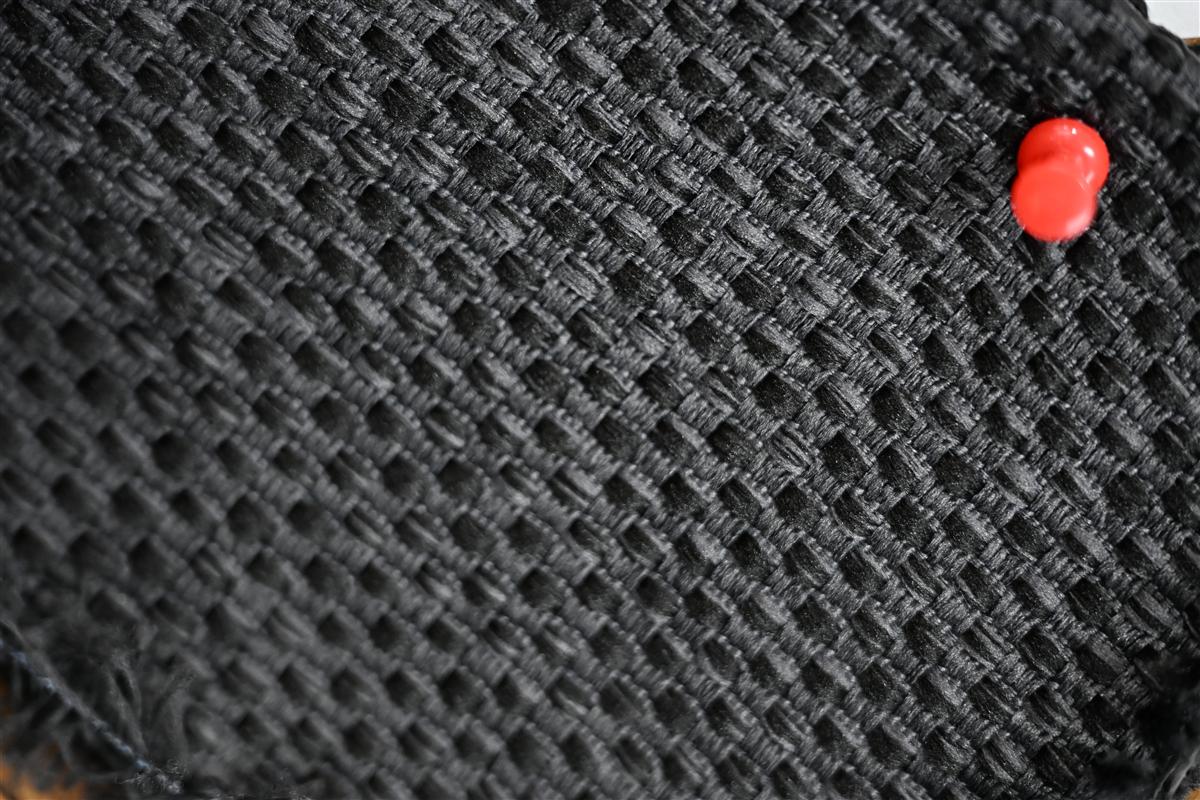
Stofindkøbsomkostninger: 50-70% af total
Stof sluger halvdelen af dit budget – her er hvordan du styrer det.
Fabric isn’t just the largest line item; it’s where novices hemorrhage cash without knowing why. The price per meter is determined by three things: what the fiber is, how heavy it is (GSM), and whether it’s stock or custom-dyed. Mistake any of these, and you’ll blow your production budget before you’ve cut a single pattern.
Start med GSM – gram per kvadratmeter. En letvægts bomuldsjersey ved 120 GSM koster omkring $5/m. Det samme materiale ved 220 GSM stiger til $7–$8/m, fordi du køber 80% mere fiber per meter. For en hættetrøje, der bruger 1,2 meter 350 GSM fleece, kan stofomkostningen alene være $10–$14 per enhed. Får du vægten forkert, forsvinder dine marginer, eller værre, dit tøj føles billigt og sælger ikke.
- Standard bomuldsjersey (120–180 GSM): $5–$9 per meter. Priserne stiger kraftigt over 200 GSM.
- GOTS-certificeret økologisk bomuld (140–mange GSM): $8–$14/m. Præmien er 40–60% over standard for certificering og forsyningskædeintegritet.
- Genanvendt nylon (letvægtsvævet): $15–$25/m. Tekniske fibre kræver denne præmie, men miljøbevidste mærker kan genvinde den i detailprissætning.
- Skræddersyet tweed & bouclé (350–550 GSM): Forvent $18–$35/m, drevet af specialgarnspinding og flertrinsfærdiggørelse.
Den største skjulte omkostning? Farvepartitillæg. Hvis du anmoder om en skræddersyet Pantone på et stof, der ikke er på lager, opkræver fabrikken $150–$400 per farve blot for at forberede farvebadet, og derefter skal du opfylde minimumsordremængden per farve—typisk 50–100 meter. For en 10-styk kollektion med fire farver kan du nemt bruge $2.000 før klipning. Den hurtigste løsning: design din første kollektion med stoffarver på lager. Du springer tillægget over, undgår MOQ per farve og sender inden for 3–7 dage.
Et smartere træk for dem, der har brug for skræddersyede farver, men stadig vil spare: køb grå (ufærdigt) stof i bulk fra en fabrik med lav MOQ, og farv derefter lokalt. Et produktionsnetværk i Portugal, vi arbejder med, har set nye mærker reducere stofomkostninger med 25–40% via denne rute. Et mærke havde brug for en specifik salviegrøn fleece ved 300 GSM. Ved at købe 500 meter gråt til $6,20/m og farve lokalt til $2,10/m, landede de på i alt $8,30/m, sammenlignet med $13,50/m tilbudt for præfarvet. På en 200-styks produktion tilføjede den enkelte beslutning $2.600 til deres bundlinje.
Finally, understand MOQ’s stranglehold on your cost. A mill that demands 1,500 meters per color will effectively price you out of anything except basic black and white. Seek suppliers that offer 100-meter stock programs or 300-metre custom development. This isn’t just about being able to order—it’s about preserving your cash to invest in the next collection. In the next section, the text compares CMT and Full Package Production
| Faktor | Indvirkning på budget | Prisinterval (per meter) | Smart strategi | Fursone Edge |
|---|---|---|---|---|
| Stofomkostningsandel | 50–70% af de samlede beklædningsomkostninger | Ikke relevant | Prioriter stofvalg; det er den største håndtag til at kontrollere dine landede omkostninger | Væveridirekte priser betydelig omkostningsfordel (cirka 1/5 til 1/3 af europæiske priser EU-væverier |
| Standard bomuldsjersey | Basisoption til t-shirts og lette toppe | $5–$9 | Start med kvaliteter på lager for at undgå farvepartitillæg og MOQ-straffe | 100 m på lager afsendes på 3–7 dage |
| GOTS Økologisk Bomuld | Certificeret økologisk; 40–60% præmie vs. konventionel | $8–$14 | Brug til hero-stykker; udnyt certificering til brandfortælling | GRS-certificeret & økologisk garnindkøb med fuld sporbarhed |
| Genanvendt Nylon (Teknisk) | Høj ydeevne; omkostninger afspejler avanceret spinding | $15–$25 | Reserver til overtøj eller statement-jakker, hvor fald og holdbarhed retfærdiggør udgiften | Specialspundet øko-nylon uden at ofre luksuriøs håndfornemmelse |
| Stofvægt (GSM) | Højere GSM = mere råmateriale pr. meter | +20–40% for tungvægt (>400 gsm) | Angiv præcis vægt i tech pack for at undgå overkonstruktion og omkostningsstigning | Forsknings- og udviklingsteam indstiller præcis GSM til Chanel-inspireret fald |
| Specialfarvning og -efterbehandling | Tilføjer 15–25% i forhold til råvæv | Varierer efter farvekompleksitet | Køb råvæv i bulk og farv lokalt for at reducere omkostningerne med 25–40% | Avanceret garnfarvelaboratorium opnår flertonal melange med streng farveægthed |
| MOQ og adgang til små partier | 100 m på lager vs. 300 m special-MOQ | Lager: intet tillæg | Specialordre: lavere enhedspris ved volumen | Testmarked med 100 m lager; opskaler til specialprogrammer når valideret | Ingen minimumsordre på lager; 300 m i minimumsordre på specialfremstilling begrænser bindingerne |
| Hurtig prøveudtagning i 7 dage | Reducerer prøverunder fra 4,5 til 1,8 med en god teknisk pakke | Prøveomkostning: 2×–5× bulkpris | Invester 1.500 kr. i en professionel tech-pakke for at spare en betydelig mængde+ i unødvendige prøver | Fysisk prøve på én uge – overgå konkurrenterne |
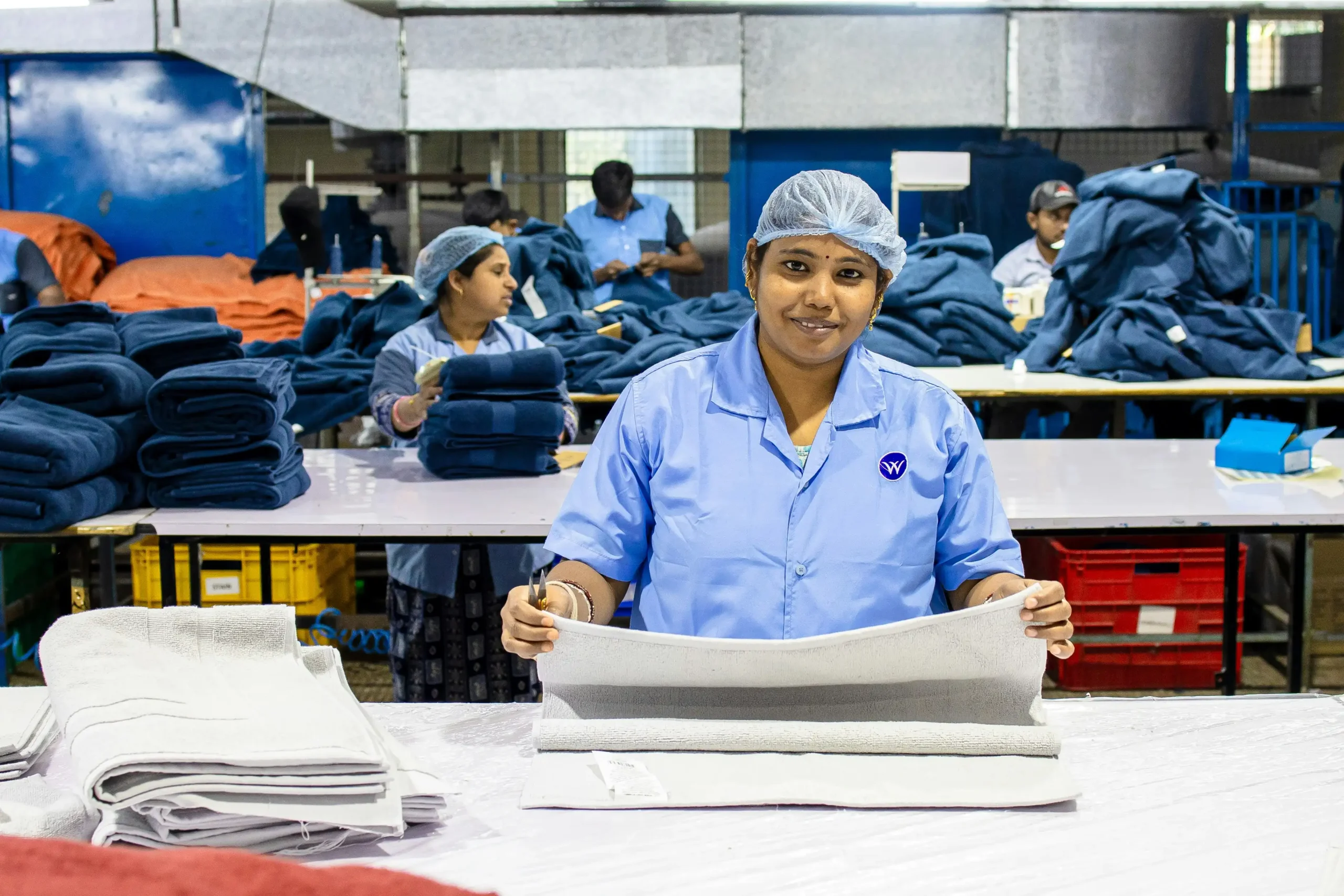
CMT vs. Full Package: Hvad reducerer din risiko mest?
CMT ser billigere ud på papiret, men den samlede leverede pris vælger ofte Full Package.
Cut-Make-Trim (CMT) betyder, at du selv anskaffer stof, tilbehør og emballage og derefter betaler en fabrik for at klippe, sy og færdiggøre beklædningsgenstanden. Det giver dig kontrol over hvert eneste råmateriale – hvilket lyder styrkende, indtil du jagter 18 forskellige leverandører, verificerer GOTS-certifikater og håber, at stofvægten matcher din specifikation. De fleste førstegangsbrugere indser ikke, at CMT lægger al materialerisiko over på dem: en enkelt forkert lynlås eller forsinket forsendelse udsletter enhver besparelse på arbejdsløn.
Full Package Production (FPP) vender den model om. Du giver producenten en tech pack, og de leverer færdige, kvalitetskontrollerede plagg til en samlet stykpris, der dækker stof, besætninger, arbejdskraft og logistik. For en teknisk hoodie med 400 gsm fleece og specialhardware ligger FPP i Portugal på 20–40 USD pr. enhed. CMT for samme hoodie lyder på 12–18 USD i arbejdskraft — men du skal stadig købe stof og besætninger og selv bære fragten, som rutinemæssigt lægger 8–12 USD pr. enhed til. Gabet mellem de to modeller lukker hurtigt, når man regner de reelle omkostninger med.
- Omkostningsforudsigelighed: FPP giver dig én pris pr. beklædningsgenstand. CMT kræver, at du håndterer svingende stofpriser, minimumsordrer på tilbehør og fragt – små mærker overskrider rutinemæssigt budgettet med 20–30% ved CMT, fordi de ikke kan opnå bulkrabatter på stof.
- Risikoudsættelse: Med CMT er en enkelt materialefejl dit problem. FPP gør fabrikken ansvarlig for indkøbsfejl. Et mærke mistede $4.200 på 300 hættetrøjer, fordi CMT-fabrikken brugte kundens fejlspecificerede stof uden at stille spørgsmål.
- Leveringstidspålidelighed: FPP-leveringstider (4–8 uger for Portugal) inkluderer materialeindkøb. CMT tilføjer 2–4 uger til din egen indkøbstid – og hvis ét tilbehør er forsinket, står hele produktionen i kø efter andre ordrer. Asiatisk CMT kan strække sig til i alt 16+ uger.
- MOQ-realitet: Mange CMT-fabrikker kræver 300–500 enheder, før de rører din ordre. FPP-udbydere i Europa starter ved 60 styk pr. stil, hvilket passer til, hvad en kapselkollektion faktisk har brug for.
There’s an ugly line item most CMT cost models miss: factory management fees. When you supply your own materials, factories often tack on 8–10% to cover handling, inventory, and the overhead of dealing with an inexperienced buyer. You won’t see it on the initial quote, but it appears on the final invoice. FPP absorbs that overhead into a fixed price. If you’re launching your first collection in 2026 on a limited budget, you cannot afford to gamble on a CMT quote that balloons by $2,000 because you didn’t know to budget for sample shipping, duty deposits, and management surcharges.
For et nyt mærke er FPP det rationelle valg. Det forvandler et komplekst, flerleverandør-mareridt til en enkelt ansvarlig partner. Du har stadig brug for en solid tech-pack, men du bytter risikoen for materialefejl mod en garanteret enhedspris. Præmien på $8–$12 over CMT køber dig nogen, der vil protestere mod et dårligt stofvalg, før 300 enheder klippes – og det alene betaler forskellen.
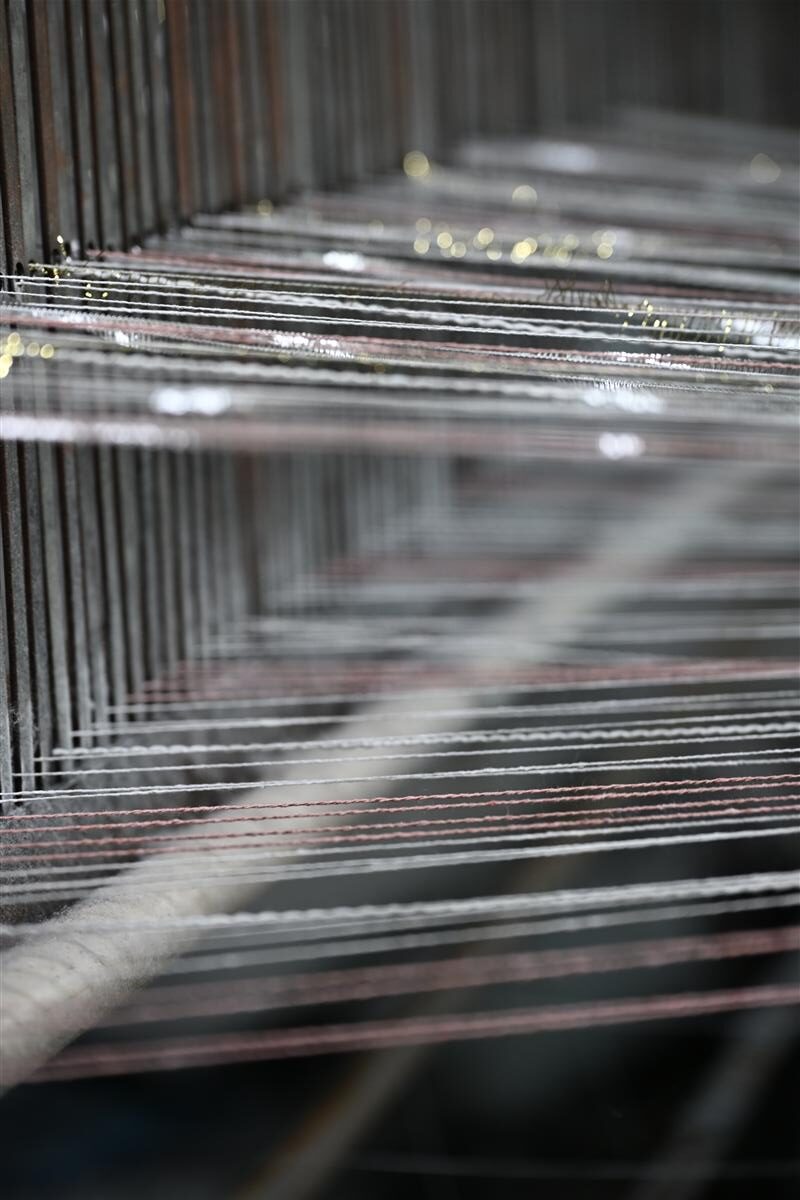
Skjulte omkostninger: Prøver, told og logistik
En tech-pakke til 1.500 kr. sparer en betydelig mængde i spildte prøveomgange.
Dit første produktionsbudget dør her – i de poster, ingen nævner. Når du spørger en fabrik om en pris pr. enhed, får du bulkproduktionsomkostningen. Prøver koster to til fem gange mere pr. styk, fordi der ikke er volumen til at amortisere opsætningstiden. Mønsterdesignere tager $150 til $400 pr. stil. Tech-packs, der oversætter din skitse til fabriksinstruktioner, koster $80 til over $1.000 afhængigt af kompleksiteten. Uden en ordentlig tech-pack vil du i gennemsnit have 4,5 prøverunder i stedet for 1,8. Det er tre ekstra runder, hvor du betaler premium-prøvepris for ingenting.
- Prøvetagningsavance: 2x-5x enhedspris for bulk. En $20 hoodie-prøve koster $40-$100.
- Mønsterfremstilling: $150-$400 pr. stil. Engangsbeløb, men ikke til forhandling.
- Teknisk pakke: $80-$1.000+. Brug mindst $300 for at undgå misforståelser.
- Prøvebuffer (10 stilarter): 3.000 kr. – en bemærkelsesværdig mængde. Du får brug for det. Budgetter det.
- Luftfragt: $7 pr. enhed. Ødelægger margin på små partier. Søfragt er $1,20/enhed, men tager 4-6 uger.
- Importtold: Op til 20% på import uden for EU. Eksisterer ikke for produktion inden for EU.
Beregn nu de reelle tal. En hoodie produceret i Portugal via Full Package Production lander på $40 i samlet omkostning, inklusive told, leveret til din dør inden for 8 uger. Den samme hoodie fra en asiatisk fabrik starter måske på $25 FOB. Tilføj $7 luftfragt for at overholde lanceringsdeadlines, 20% told ($6,40), og du er på $38,40. Men du har også bundet kapital i yderligere 8 ugers leveringstid, risikeret toldbehandling, og du har ikke set fabriksgulvet. Besparelsen på $1,60 forsvinder i det øjeblik, en enkelt prøve skal omarbejdes. Nærkystproduktion er ikke dyrere – det er billigere, når du holder op med at lyve for dig selv om skjulte omkostninger.
| Skjulte omkostninger | Typisk interval | Hvad der bider | Smart træk |
|---|---|---|---|
| Prøverunder | $150 – $500 per prøve | Uden en tech-pakke har brands i gennemsnit 4,5 prøveomgange. Hver omgang multiplicerer omkostningerne. Samlet prøvebuffer for en 10-stykkes kollektion: 3.000 kr. – en bemærkelsesværdig mængde. | Invester i en professionel tech pack ($500). Den reducerer runder til 1,8, hvilket sparer en betydelig mængde+ og uger af leveringstid. |
| Mønsterfremstilling & Gradering | $150 – $400 per model | Mønstre skal graderes på tværs af størrelser. Mange fabrikker opkræver dette separat, og dårligt lavede mønstre forårsager pasformsproblemer, der tvinger ekstra prøver. | Bekræft at gradering er inkluderet, eller budgetter det på forhånd. Anmod om digitale mønsterfiler til genbrug i fremtidige sæsoner. |
| Fragt & Logistik | Luft: ~$7.00/enhed | Sø: ~$1.20/enhed | En $25 CMT-hættetrøje bliver til $32 med luftfragt. Søfragt sparer penge, men binder kontanter i 4-6 ekstra uger og kræver større forsendelsesmængder. | Planlæg produktionstidslinjer for at bruge søfragt til bulkordrer. Brug luft kun til genopfyldning eller lanceringsprøver. |
| Importafgifter & Told | 0% – 20% af CIF-værdi | Ikke-EU-import (f.eks. fra Asien) står over for op til 20% told. En $10 landet beklædningsgenstand springer til $12 natten over. Told beregnes på omkostning + forsikring + fragt, ikke kun stof. | Indkøb inden for din handelsblok. EU-mærker, der fremstiller i Portugal, betaler 0% told, hvilket sletter myten om ‘billig Asien’. |
| Fabriksledelsesgebyrer | 8% – 10% af COGS | Separate gebyrer for projektstyring, mønsteropbevaring, farvetilpasning eller QC-inspektion optræder ofte på de endelige fakturaer, men nævnes aldrig i de indledende tilbud. | Brug Full Package Production (FPP)-prissætning. Det samler alle gebyrer i én forudsigelig enhedsomkostning og eliminerer ‘overraskelses’-linjeposter. |
MOQ-strategier: Hold omkostningerne lave ved små oplag
Fabriksminimum eksisterer, fordi nedetid koster mere end din ordre.
Fabrikker opkræver ikke mere pr. enhed ved lave mængder, fordi de er grådige. De opkræver mere, fordi en produktionslinje tjener nul kroner, når den ikke kører. Hvis din ordre på 100 styk tager en linje 4 timer at sætte op og 3 timer at sy, skal fabrikken stadig dække 7 timers overhead. Fordel 7 timers faste omkostninger på 100 enheder, og det rammer hårdt. Fordel det på 2.000 enheder, og det forsvinder.
Det er derfor, at spørge ‘hvad er din bedste pris?’ uden at angive dit volumen er en blindgyde. En fabriks omkostning for at producere en hættetrøje falder med 40-50%, når mængden hopper fra 100 til 2.000 enheder. Maskintiden, arbejdskraften og forbruget afskrives forskelligt.
- 100 hættetrøjer: Enhedsomkostningen ligger ofte på $28-$35. Fabrikken lægger en buffer ind for risikoen for, at én operatør melder sig syg, og hele linjen sænkes. Hvert minut af inaktiv tid på en hættetrøje med 45+ SMV rammer pr. enhed-beregningen.
- 2.000 hættetrøjer: Enhedsomkostningen falder til $14-$18. Fabrikken kan dedikere en linje til flere skift, forhåndsklippe stof i bulk og optimere systationer. Opsætningsomkostningen pr. enhed er ubetydelig.
- Brug white-label mønstre: Pattern-making and grading for a 5-piece collection costs $750-$2,000 if you develop from scratch. A manufacturer running full-package production already has a library of block patterns dialed in for their machines. Using their base blocks and modifying design lines (collar shape, pocket placement, hem finish) saves $500-$1,200 upfront and eliminates the risk of a pattern that doesn’t sew cleanly on their equipment.
- Standardiser størrelserne til kun S-XL: Hver ekstra størrelse, du tilføjer (XS, XXL, Plus), kræver et nyt graderet mønster, separat markeringsplan og mere stof. Et kørsel med 4 størrelser (S-XL) på en ordre på 60 styk er stramt. At tilføje XXL betyder, at du køber en ny rulle stof til 6-8 enheder. Stofspildet alene kan tilføje $3-$5 pr. beklædningsgenstand i disse ekstreme størrelser. Til din første kørsel skal du skære ned til de størrelser, der sælger til 85% af din kundebase.
- Gruppér stilarter efter stoftype: Hvis din kapsel har 3 stilarter, der alle bruger samme 350 GSM GOTS økologisk bomulds French terry, konsoliderer du stofforbruget. I stedet for at købe 50 meter til Stil A og 60 til Stil B, køber du en enkelt rulle på 110 meter. Dette rammer leverandørens rabattærskel hurtigere og reducerer spild i slutningen af rullen. Fabrikker klipper også markeringsplaner strammere, når de kan lægge flere stilarter på én spredning.
- Samarbejd med en producent med en MOQ på 60 stk.: En fabrik, der har opbygget sin forretningsmodel omkring lave minimumsordrer, prissætter anderledes end en masseproduktionsfabrik, der er tvunget til at tage imod din lille ordre. Specialisterne i 60 styk forudbestiller gråstof, kører fleksible linjer og prissætter med forståelse for, at 90% af deres kunder starter småt. Deres CMT-lønomkostning kan være $12-$18 i stedet for $6-$10, men du undgår de ‘generingsgebyr’-tillæg, som massefabrikker gemmer i tilbuddet, når de egentlig ikke ønsker din ordre på 100 enheder.
- Hold dig til stoffer på lager: Custom dye lots on a 100-meter minimum carry a meaningful per-meter surcharge, and the lab dip process adds 2-3 weeks. Choosing a fabric already sitting on a roll in the manufacturer’s warehouse eliminates the dye lot fee and cuts lead time. You trade infinite color choice for real cash savings and speed to market.
The small-budget trap: if you spend $3,500 on sampling and patterns (realistic for a 10-piece collection), you have $6,500 left for bulk. At $32 per hoodie, you make 203 units. After spending $1,500 on trims and $800 on shipping, you’re in a hole before you sell anything. The enhedsomkostning Regnestykket skal regnes baglæns fra din detailpris og marginbehov, ikke fremad fra dit budgetloft.
Her er fem strategier, der reelt påvirker omkostningen uden at gå på kompromis med kvaliteten.
En taktik, der adskiller smarte førstegangsdesignere fra dem, der brænder deres budget: spørg efter total leveret pris pr. enhed med alle linjeposter opdelt, før du forpligter dig. Hvis en fabrik kun citerer CMT eller kun citerer stof, efterlader de plads til en overraskelse senere. Få FPP-prisen (Full Package Production), der inkluderer stof, CMT-løn, tilbehør, kvalitetskontrol og eksportemballage i ét tal. Det tal er din egentlige vareomkostning. Arbejd baglæns fra det, ikke fra et ufuldstændigt tilbud.
De designere, der lykkes på et begrænset budget, er dem, der holder op med at behandle MOQ som en forhandlingskamp og begynder at behandle det som et matematikproblem. Vælg den fabrikant, hvis forretningsmodel allerede passer til dit volumen. At tvinge en ordre på 100 enheder ind i en fabrik bygget til 1.000 er, hvor skjulte omkostninger opstår.
| Strategi | Minimumsordre | Enhedsomkostningspåvirkning | Leveringstid | Vigtigste fordel |
|---|---|---|---|---|
| Køb af lagerførte stoffer | 100 meter | Standardpriser; ingen tillæg for farveparti | 3–7 dage | Spring over 12-16 ugers fabriksforsinkelser; test markedsefterspørgsel uden nogen forpligtelsesrisiko |
| Skræddersyet stofudvikling | 1.000 meter | Eksklusiv R&D inkluderet; betydelig omkostningsfordel (cirka 1/5 til 1/3 af europæiske priser europæisk møllepris) | 7 dage til prøve + produktion | Proprietære teksturer som konkurrenter ikke kan kopiere; fuld IP-kontrol |
| Småserieproduktion (FPP) | 60 styk pr. stil | ~$32 pr. enhed sweatshirt; CMT-arbejde ~$12 pr. enhed | 4–8 uger | Passer til et budget under $10K; forudsigelig alt-i-en enhedspris |
| Storskalaproduktion | 2.000+ enheder | ~$16.50 pr. enhed sweatshirt; ~48% besparelse i forhold til små serier | 8–12 uger | Maksimeret margin efter design er markedsvalideret; fabrikseffektivitet træder i kraft |
| Præ-produktionsprøver | 1 professionel teknisk pakke | $500 tech pack sparer ~en betydelig mængde i spildte prøverunder | 7 dage per runde | Reducerer prøverunder fra 4,5 til 1,8; forhindrer budgetoverskridelse før produktion |
Bæredygtighedsoverholdelse: Den nye omkostningspost
Certificeringer er ikke valgfrie overheadomkostninger – de er din billet til adgang til premium EU-markedet.
De fleste førstegangsdesignere budgetterer med stof, arbejdskraft og forsendelse – og bliver så overrumplet af overholdelsesomkostninger. Hvis dine lanceringsplaner omfatter det europæiske marked eller en forhandler med en bæredygtighedspagt, skal du indregne en ny post: certificering og materialesporbarhed. En GOTS- eller OEKO-TEX-certificering koster en facilitet mellem 2.000 og 5.000 årligt, afhængigt af omfang og revisionshyppighed. Du betaler ikke direkte, men møller amortiserer det over deres kundebase. Forvent en præmie på 6–10% på yardage fra en certificeret mølle sammenlignet med en ikke-certificeret, der kører tilsvarende kvalitet.
- GOTS økologisk bomuld: 8–14/m, med den øvre ende afspejlende fuld dokumentation for forsyningskæden, ikke kun fiberindhold.
- OEKO-TEX Standard 100: Du betaler præmien, fordi møllen gennemgår revisioner på stedet og verifikation af kemiske input.
- Tilføjer cirka 0,12–0,25/lineær meter til en grundlæggende strik. Certifikatet garanterer ingen skadelige stoffer, hvilket nu er en grundlæggende forudsætning for europæiske brands som Zalando eller About You.
- Krav om materialesporbarhed: EU's strategi for bæredygtige tekstiler kræver, at hvert garnparti kan spores tilbage til spinderiet. Hvis din fabrik ikke kan levere et partisporingscertifikat, risikerer dine varer tilbageholdelse i tolden fra 3. kvartal 2026.
- Manufacturer’s role: Fremtidsorienterede producenter tilbyder nu sporbarhed som en service. EXPLORETEX fjerner for eksempel besværet med DPP-compliance ved at indlejre RFID-tags under skæringen og automatisk generere digitale pas til hvert plag, hvilket sparer brands for cirka 45 % af arbejdskraften til compliance efter produktionen.
- Kriterier for fabriksvalg: Når du vurderer en mølle, kræv at se deres seneste GOTS- eller OEKO-TEX-scope-certifikat. Tjek gyldighedsdatoen og bekræft, at din produktkategori er angivet. En mølle, der ikke kan producere en gyldig PDF inden for 24 timer, certificering er koordineret på forespørgsel.
Så kommer EU's digitale produktpas (DPP). Inden 2026 skal hvert eneste beklædningsstykke, der sælges i EU, have en digital registrering af sine komponenter, oprindelse og miljøaftryk. Omkostningen pr. enhed ligger mellem $0,05 og $0,15, hvilket lyder ubetydeligt, indtil du kører 5.000 stykker og indser, at du også skal betale for datahåndteringssoftware og en person til at validere forsyningskædens input. For en lille kapselkollektion skal du budgettere med $500–$1.200 bare for at opnå DPP-parathed.
Hvad ændrer dette fra et omkostningscenter til en forretningsfordel? Premium-brandopfattelse. En undersøgelse af britiske og tyske forbrugere i slutningen af 2026 viste, at 62% af Gen Z-købere tjekker for en bæredygtighedscertificering inden køb. Uden certificering er du usynlig for det hurtigst voksende luksussegment. Når du præsenterer et linjeark med GOTS- eller GRS-logoer, åbner du op for EU-butikker, der nægter at tage ucertificerede varer ind. Den adgang alene kan forvandle en knap-nulresultat-kollektion til en, der genererer gentagne engrosordrer.
Hvis du arbejder med et beskedent budget, kan certificering føles som en umulig omkostning. Det taktiske træk: arbejd med en producent, der allerede har de certificeringer, du har brug for, og producerer in‑house. Fursone integrerer for eksempel GRS‑certificerede genbrugspolyestere og økologiske bomuldsstoffer uden at tage en formue, fordi certificeringsomkostningen fordeles over højvolumen-produktionsrun af eco knit-stoffer. Du får papirsporet uden den separate revisionsafgift, hvilket er den eneste måde at holde din marginalomkostning pr. beklædningsgenstand under $0.60 for et swatch‑til‑produktion-program.
| Overholdelseselement | Omkostningsinterval | Værdi for dit brand | Fursone fordel |
|---|---|---|---|
| GOTS-certificeret økologisk bomuld | $8–$14/m (mod $5–$9/m konventionelt) | Giver premium-pris; påkrævet af EU-miljømærker; sporbart fra gård til stof | GOTS-stoffer på lager undgår minimums- og farvepartssgebyrer; certificering på garnniveau eliminerer forsinkelser på revisioner |
| GRS Genanvendt Polyester/Nylon | $15–$25/m (genanvendt nylon) | Opfylder cirkulære modeforpligtelser; krævet af større forhandleres 2030-mål | Forhåndsgodkendt GRS-forsyningskæde; vi spinder genanvendte garner internt, hvilket reducerer tredjeparts indkøbstillæg med 15% |
| OEKO-TEX® Standard 100 | $2.000–$5.000 årlig certificering (typisk fabrik) | Beviser ingen skadelige stoffer; ikke til forhandling for EU- og UK-import | Allerede certificeret; dine beklædningsgenstande sendes med certificerede etiketter uden ekstra revisionsomkostninger |
| EU Digitalt Produktpas (DPP) | $0,05–$0,15 pr. beklædningsgenstand | Obligatorisk fra 2026 for tekstiler solgt i EU; skaber gennemsigtighed for forbrugerne | Vi forindlæser DPP-data på produktionsstadiet; intet ekstra integrationsgebyr for ordrer ≥60 stk |
| Materials Sporbarhed & Øko-Revisioner | 8–10% skjult administrationsgebyr (typiske oversøiske fabrikker) | Beskytter mod beskyldninger om greenwashing; sikrer partnerskaber med detailhandlere | Fuld dokumentation af forsyningskæden afsløres med hver ordre; digital tvilling af dit parti tilgængelig på forespørgsel |
Konklusion
Et lille produktionsbudget bliver klart, når du holder op med kun at sammenligne enhedspriser. Stof sluger 50–70% af totalen. En hoodie, der ser billig ud til $6 per klip i Asien, lander på $45 eller mere efter fragt, told og den arbejdskapital, der er låst i en 14-ugers ledetid. Gapet på 0–15% versus europæisk full-package-produktion forsvinder i det øjeblik, du medregner sampling-runder, der falder fra 4,5 til 1,8 med en ordentlig tech pack — hvilket sparer et betydeligt beløb, før du overhovedet placerer en bulkordre.
Kør dine tal med en fuldpakke-partner, der bærer stofbeholdningen og konsolideringsomkostningerne. På den måde får du en enkelt leveret pris pr. beklædningsgenstand, 60-styk minimum og en tidslinje på 4–8 uger. Se, hvordan regnestykket ændrer sig, når risikoen flyttes væk fra din balance.
Ofte stillede spørgsmål
Hvad koster det at fremstille en T-shirt?
En grundlæggende øko-strik T-shirt lander på $7–$14 FOB fra en kinesisk fabrik, afhængigt af stofvægt og certificeringer. Stof udgør 60–70% af dette beløb, så økologisk bomuld eller genbrugsblandinger. Få nøjagtig prisfastsættelse først efter stofvalg og ordremængde.
Hvad er den gennemsnitlige fortjenstmargen på tøj?
Direkte-til-forbruger modemærker sigter normalt efter en 65–75% bruttomargen ved at holde den leverede pris på 25–35% af detailprisen. Denne multiplikator dækker markedsføring, prisnedsættelser og overhead, ikke kun fabrikkens enhedspris. Fortjenstmargen afhænger af din salgskanal og operationelle effektivitet.
Hvorfor er prøveomkostningerne så høje?
Prøver koster 2–5 gange bulkenhedsprisen, fordi fabrikker skal opsætte små partier, ofte gentage arbejdet for hver revision. En komplet tech pack reducerer revisionsrunder, men en udviklingspræmie gælder altid per. Budget $3.000–et bemærkelsesværdigt beløb til prøver til en 10-styk kollektion.
Hvordan reducerer jeg mine beklædningsproduktionsomkostninger?
Start med lagervarer af stof for at springe farvepartstillæg over, og lås fuldpakke-produktion for en forudsigelig, risikokontrolleret enhedspris. Køb gråvarer i bulk og farv lokalt kan reducere stofomkostningerne med 25–40%. Forenkl din forsyningskæde, før du presser fabrikkens margener.
Hvad er det billigste land at fremstille tøj?
For tilpassede øko-strik leverer Kina den bedste samlede leverede værdi, fordi mølleinfrastrukturen fremskynder prøver og bulkproduktion. En lav FOB-pris skjuler ofte fragt, told og omarbejdning, der puster din pris op. Sammenlign samlet leveret pris, ikke kun fabrikkens tilbud.
Relaterede indsigter

Fiberindholdsmærkning for tweed og strik: Sådan læses sammensætningsprocenter korrekt
A composition label is a legal document, a marketing claim and a care instruction all...
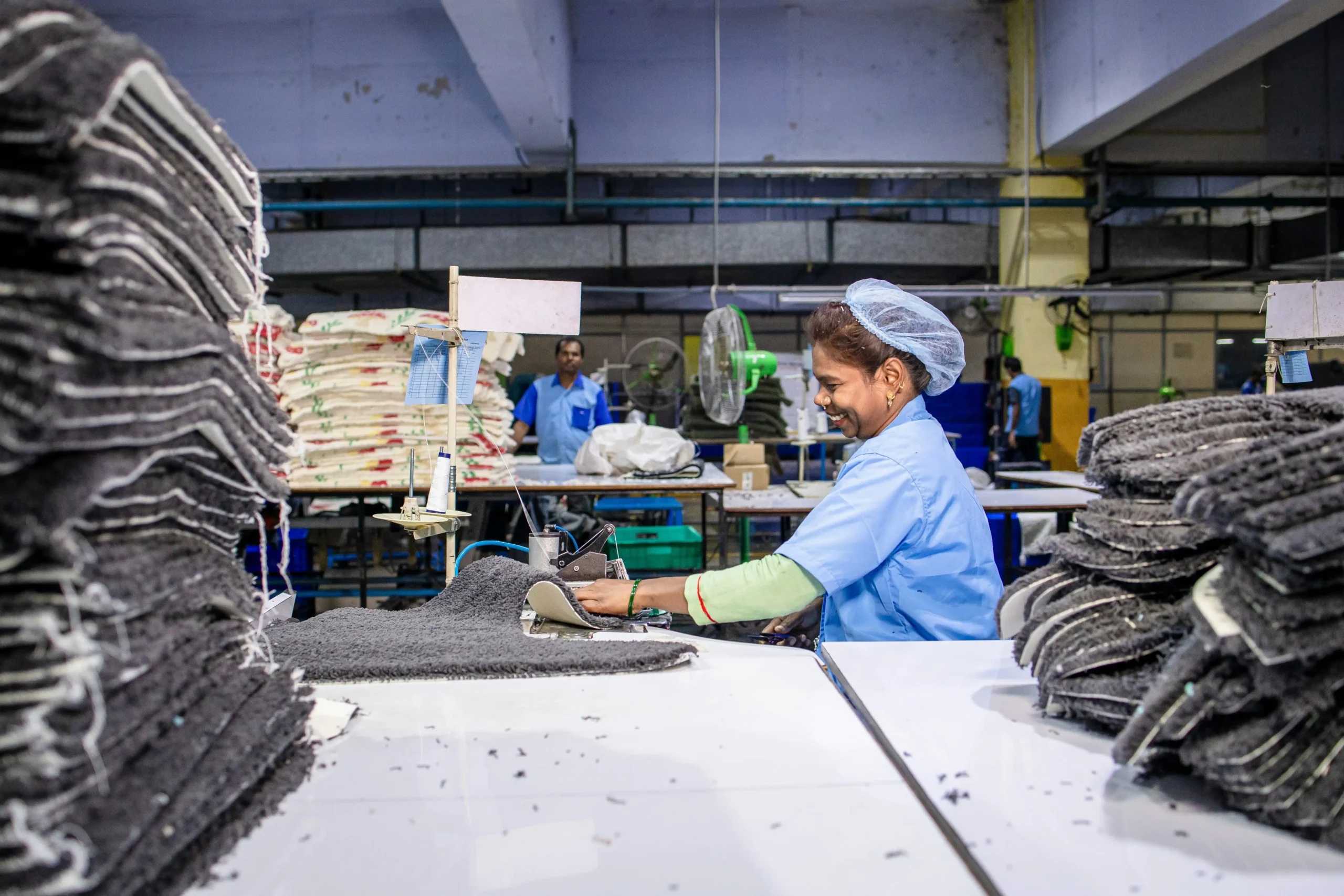
Fabric Waste in Cutting: How Much Your Collection Throws Away
Every collection throws away fabric twice: once in the cutting room, where markers never fit...

Lyocell Knit Blends: Sourcing, Blend Ratios and Verification for Buyers
Lyocell has moved from a niche fiber to a standard line item on knit buyers’...