A buyer opens a mill’s sustainability page, reads “eco-friendly dyes,” and has no way to test the claim without asking the right questions. For anyone comparing low impact dyes wool suppliers, the label covers everything from low-liquor acid dyeing to plant-based natural dyes, and the paperwork differs for each. The questions you ask the mill decide whether your sustainability story survives an audit.
At Fursone, a Wenzhou-based tweed and knit manufacturer with ISO plus GRS/OEKO-TEX certifications, dye chemistry sits at the center of every sustainable program we run. This guide explains what low-impact dyeing actually changes, which standards make the claim verifiable, and the seven questions that separate a controlled dye house from one that borrows the language.
What Low-Impact Dyeing Actually Changes
Dyeing consumes water, energy, and chemical auxiliaries, and low-impact methods attack all three at the machine level. The most measurable change is the liquor ratio. Conventional exhaust dyeing of wool runs around 100 liters of water per kilogram of fiber. Low-liquor eco-dyeing brings that down to roughly 40 liters per kilogram by circulating the dye bath through a sealed, high-pressure system instead of an open bec.
Energy drops with the same engineering. Wool base fibers take acid dyes at 98°C in pressurized vats, and a machine that heats less water to that temperature burns less fuel per batch. Dye class matters next. Acid and milling dyes on wool, reactive dyes on cellulosic knits, and disperse dyes on polyester each have their own effluent profile. Certain metal-complex acid formulations can contain chromium, which is precisely what restricted substance lists exist to police.
Auxiliaries are the third lever. Leveling agents, carriers, and fixing agents carry much of the chemical load in a dye house, and a low-impact program substitutes biodegradable or lower-toxicity versions at every step. The finished fabric must still pass the same fastness tests, so the discipline shows up in the lab reports, not just in the marketing language.
Low-Temperature and Natural Dye Routes
Low-temperature dyeing and natural dyes are the two routes buyers ask about most, and both need the same scrutiny. Low-temperature wool dyeing reduces the energy bill by processing below the conventional 98°C acid dye bath. Published research on wool dyeing with bio-mordanted natural dyes shows the color yield and fastness trade-offs are measurable, not magical. The mechanism matters more than the label. A natural dye fixed with a chromium mordant is worse for the effluent than a well-controlled synthetic acid dye. A low-temperature process that cannot reach fixation simply shifts the fastness risk to the finished garment.
Ask the same questions for these routes as for any other. What mordant or fixative does the natural dye require, and is it on the ZDHC MRSL? What fastness grade does the low-temperature bath deliver on the production lot, and does the mill hold a strike-off under that process? The answers separate a genuinely lower-impact route from a marketing variation of the same chemistry.
The Standards That Make the Claim Verifiable
Three frameworks turn “low-impact” from a slogan into a document trail. OEKO-TEX Standard 100 is a product-level certification that tests the finished textile for harmful substances. The current standard covers more than 300 test parameters across four product classes, from babywear to decorative fabrics. A fabric that carries it has passed an independent lab screen for restricted chemicals, and the OEKO-TEX Standard 100 program publishes the class definitions and the substance list.
The ZDHC Manufacturing Restricted Substance List takes the question one level deeper. It restricts the intentional use of hazardous chemicals at the manufacturing stage, including dye formulations and auxiliaries. Mills conforming to it declare conformance against a published ZDHC MRSL list. Ask for the conformance level and the year of the list version, because the substance list is updated and the version number is part of the claim.
For fiber content, GOTS and GRS complete the picture. GOTS-certified organic fibers with certified dyes prevent toxic chemistry from entering the fabric. GRS verifies recycled content of at least 20 percent by weight, based on ISO 14021 and the US FTC Green Guides definitions. A low-impact dye claim pairs with one of these fiber standards; a certificate on the fabric without the dye house paperwork is only half the story.
Fastness and Color Quality at Lower Cost
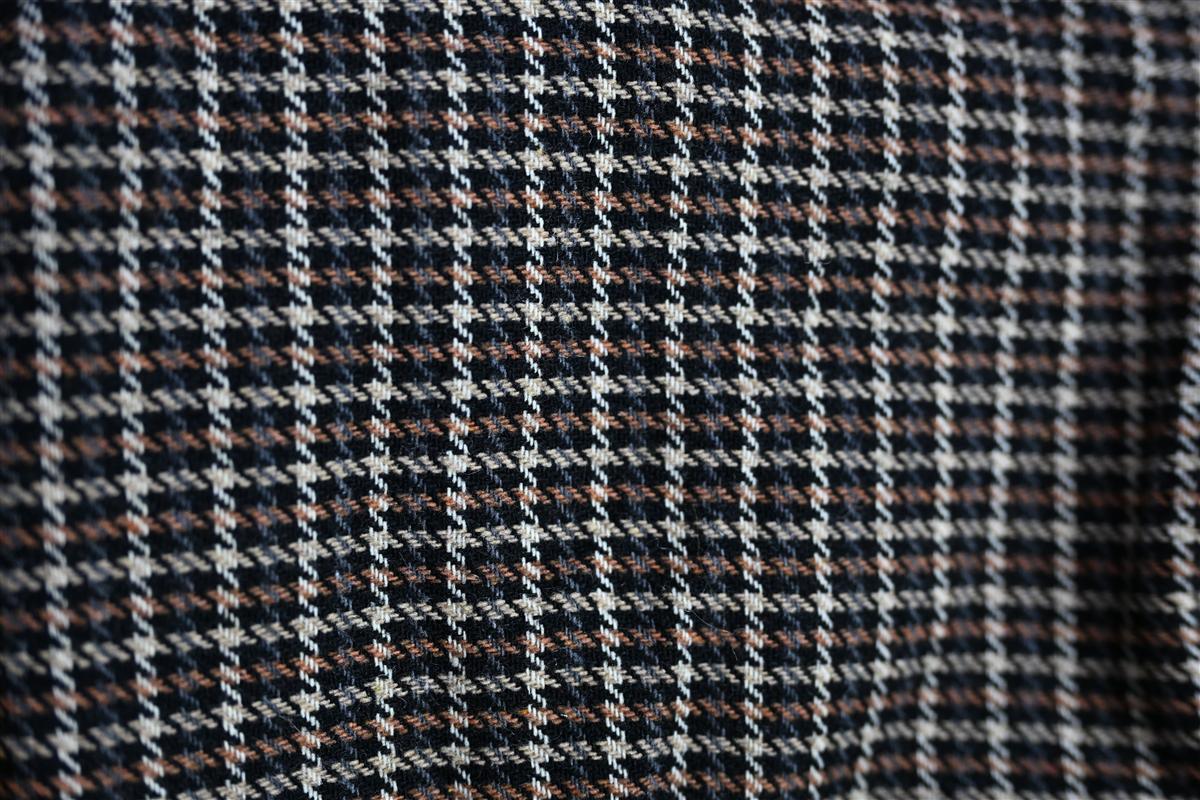
Buyers assume greener dyeing means weaker color, and the assumption is wrong when the dye house controls its chemistry. Industrial yarn dyeing with proper mordanting and fixation delivers ISO 105-C06 wash fastness at Grade 4-5. Yarn-dyed tweeds hold AATCC 4-5 ratings on crocking, wash, and lightfastness because the dye bonds through the fiber. Those grades are the same targets a conventional program uses, and a 20-hour lightfastness exposure on the production lot confirms the shade holds under store lighting.
Color consistency follows the same rules. The tolerance to write into a contract is delta E below 1.0. The mill checks it with a CIE Lab spectrophotometer on a production strike-off against your approved swatch. A mill running low-impact dyeing holds the same tolerance, because the machine parameters, not the dye class, control levelness.
On the cost side, low-liquor dyeing is not a premium product. It saves water, energy, and dye per batch, and those savings partially offset the certification and effluent costs a compliant dye house carries. The price signal to watch is the per-meter quote against the fastness and effluent documentation, not the word “eco” in the brochure. Our bæredygtigt tweedstofdesign programs run on this basis, with GRS-certified materials wherever possible and the dye chemistry documented per lot.
Seven Questions to Put to Your Mill
Question one: which dye class runs on this program, and do the dye formulations conform to the ZDHC MRSL? Ask for the list version and the conformance declaration, not a verbal yes.
Question two: what is the water consumption per kilogram of fiber, and what is the liquor ratio of the dye machine? A low-liquor machine runs below the 100 liters per kilogram conventional benchmark, and the mill should state its number.
Question three: is the dye house OEKO-TEX Standard 100 certified, and what product class does the certificate cover? Check the certificate number against the OEKO-TEX database, because the label can be borrowed.
Question four: which fastness grades does the production lot target, and will the mill supply the test reports? ISO 105-C06 at Grade 4-5 and AATCC 4-5 on crocking are the benchmarks for premium yarn-dyed wool.
Question five: how is the effluent treated? On-site treatment, certified discharge, or a contracted industrial water plant each tell a different story, and the answer belongs in the supplier file.
Question six: what color tolerance does the mill hold between strike-off and bulk? The number to write into the contract is delta E below 1.0, and the mill should confirm the spectrophotometer check.
Question seven: can the dye house separate lot-level documentation for one program? GRS and GOTS both run on transaction certificates per production stage, so a mill that can document one lot can document every lot.
| Question | Document to request | Red flag |
|---|---|---|
| Dye class and chemistry | ZDHC MRSL conformance declaration with list version | No version number, verbal assurance only |
| Water and liquor ratio | Machine spec or mill process sheet | Mill cannot state liters per kilogram |
| Product safety | OEKO-TEX Standard 100 certificate number | Certificate number fails database check |
| Fastness | ISO 105-C06 and AATCC test reports per lot | Reports from sample only, no bulk lot |
| Effluent | Treatment route and discharge documentation | No answer on where the water goes |
| Color tolerance | Strike-off with delta E measurement | Tolerance above 1.0, no spectrophotometer data |
| Kædesporing | GRS or GOTS transaction certificates | No per-stage certificates |
How to Verify the Answers
Paper answers verify in three ways. First, request the actual certificates with certificate numbers and check them against the issuing bodies, because OEKO-TEX and GRS certificates are searchable. Second, require lab reports per production lot, not per marketing season, and confirm the test method names on each report. Third, put the standards into the PO as conditions, so the shipment cannot clear without the documents.
An audit visit adds the layer paper cannot reach. The dye house floor shows the machine type, the auxiliary storage, and the effluent line, and a remote or third-party audit covers the same ground for overseas mills. The full context on both certification systems sits in our GOTS vs GRS certification comparison. The substance-level detail of the product certificate is covered in our OEKO-TEX Standard 100 explainer.
Ofte stillede spørgsmål
What are low-impact dyes for wool?
Low-impact dyes are formulations and processes that cut water, energy, and hazardous auxiliaries in dyeing. On wool this usually means low-liquor acid dyeing in sealed machines, which drops water use from around 100 liters per kilogram to about 40 liters.
Are natural dyes the same as low-impact dyes?
No. Natural dyes come from plant or mineral sources, while low-impact refers to process chemistry and resource use. A natural dye can still need heavy mordants, and a well-run low-liquor synthetic dye bath can beat it on environmental impact.
How do I verify a mill’s eco dye claim?
Ask for the dye class, ZDHC MRSL conformance with list version, OEKO-TEX Standard 100 certificate number, fastness test reports, and effluent treatment details. Check certificate numbers with the issuing bodies and put the documents in the PO as conditions.
Does low-impact dyeing affect color fastness?
No, when the dye house controls its chemistry. Industrial yarn dyeing with proper fixation delivers ISO 105-C06 wash fastness at Grade 4-5, the same target a conventional program uses.
What is the water saving from low-liquor dyeing?
Low-liquor eco-dyeing reduces water use from about 100 liters per kilogram of fiber to roughly 40 liters per kilogram, a saving of around 60 percent on the dyeing stage.
Konklusion
Low-impact dyes for wool and knits are a machine-level engineering choice, not a label. Verify the liquor ratio, the dye class against the ZDHC MRSL, the OEKO-TEX certificate number, the fastness grades, and the effluent route, and put the documents into the PO. The answers turn a marketing claim into a documented program.
Fursone runs GRS and OEKO-TEX certified programs from its Wenzhou design center and Jiangxi weaving base. Sampling takes 7 days, 100-meter stock rolls test a colorway first, and a 1,000-meter program follows for custom production. Send your sustainability brief and we will return the dye chemistry, the certificate numbers, and the fastness data with the sample. Anmod om et tilbud with your fiber blend and target certifications.

Relaterede indsigter

Tjekliste til bæredygtig stofindkøb for modemærker
En bæredygtig tjekliste til stof-indkøb er kun nyttig, hvis den er en tjekliste — en...
How to Verify a GRS Certificate: Validity and Scope Checks
How to verify a GRS certificate: check the Textile Exchange database, validate scope, request transaction...

Water Footprint of Fabric Dyeing: Benchmarks Buyers Can Use
Water is the single largest input by volume in fabric dyeing. A typical dye house...