
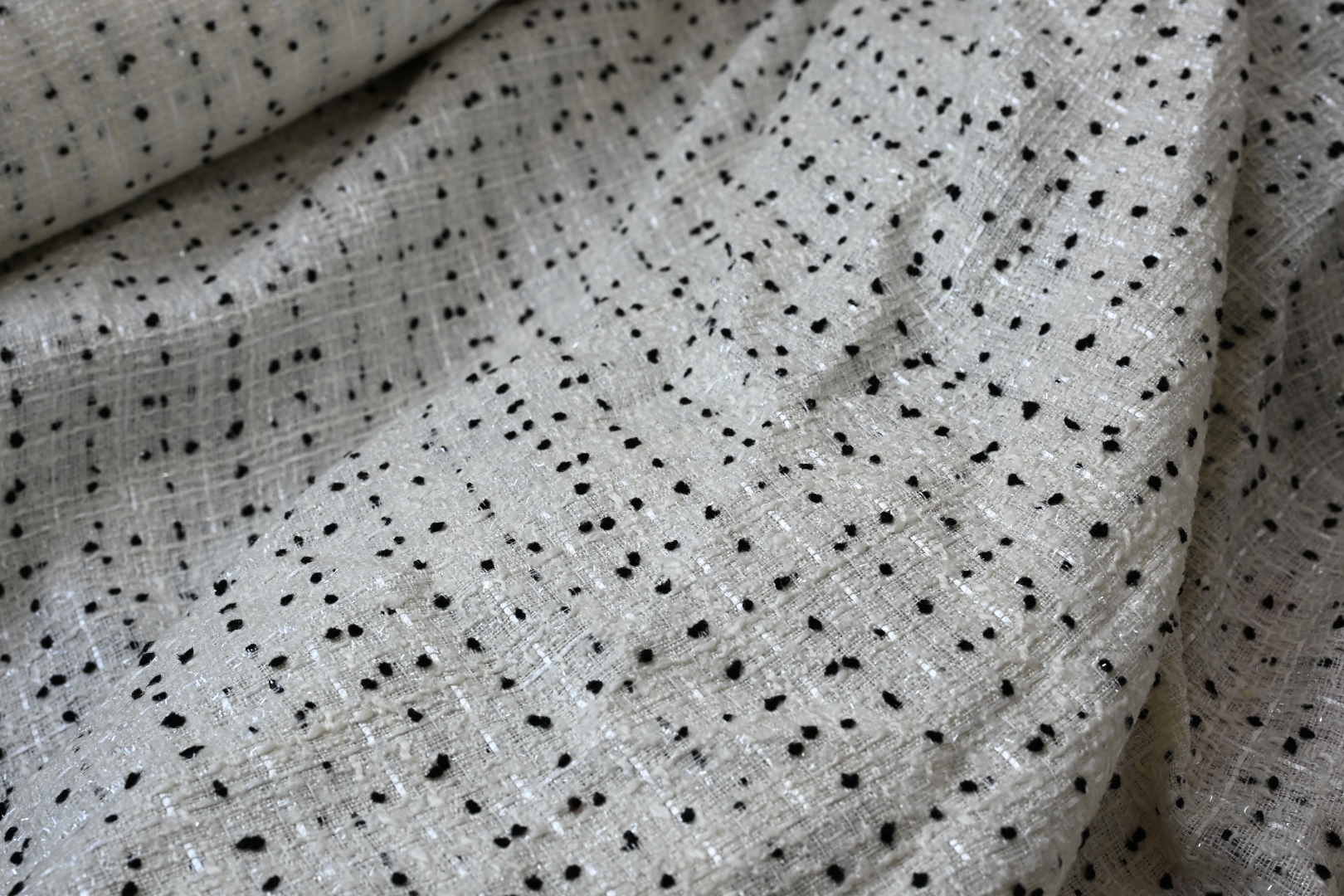
A refused second delivery is a claim case with a deadline, not a test request. Build the file while the rolls are still tagged. Step 1: cut 3 metres from the failing roll and keep the roll ticket with the coupon. Step 2: send the coupon to a lab reporting ISO 12945-2 or ASTM D4970 grades, with the rub count printed beside the grade. Step 3: rebuild the wear by grading one specimen 3 times, at 2,000, 5,000 and 7,000 Martindale rubs. Using Martindale steps in this order shows the count where surface and cuff first look the same. Pilling depends on fibre, yarn, construction and finish, according to ASTM D4970, so a report raised on a mill sample says little about the roll in your warehouse. In practice the 2026 season decides the 80 metres still to be cut in the same week as the claim, not after. A shop refusal usually names pilling in one line, so the answer has to be a document rather than an opinion. Keep the wear photographs dated, because an undated photograph is the first item a mill discounts. Name one person to hold the file, because a refused delivery that two people own gets answered by nobody.
What Sample Does a Re-Test Actually Need?
A re-test sample is a coupon cut from the delivered roll, not a specimen the mill chose, and provenance carries the whole argument. Take 3 metres from the roll end that was actually cut into garments, then photograph the roll ticket beside the coupon. Keep a second sealed coupon from the same roll for a joint test later. Ask the lab to record the tested state, as received or after cleaning, because ASTM D4970 treats those as different tests. The grade you are testing against was fixed when the cloth was specified, so check the coat-weight acceptance line before the coupon is cut. Method must match the order too. A result from the random tumble method in ASTM D3512 cannot be compared with a Martindale grade, and mixing the two wastes the coupon. Pull the per-roll inspection record from delivery before cutting a fresh coupon. In practice three documents, being ticket, coupon and report, decide whether the mill answers the file at all.
Why Does the Mill Report Not Cover the Delivered Roll?
A mill report is a record of one submitted specimen, and the delivered roll is a different population, which is why the first report rarely settles a second-delivery dispute. The method is not recommended for acceptance testing, according to ASTM D4970, and the same section warns that interlaboratory data are not available. Read that line 2 times before quoting a grade. Two labs running the same coupon can land on different half grades, and neither report is wrong under its own method. The fix is procedural. Step 1: name one lab in the order. Step 2: name one cycle count. Step 3: require the tested state. A report with no count, no state and no lab name is a price, not evidence. In practice a shop refusal for the 2026 season gets answered 2 times, once with a report and once with a table.
How Many Martindale Rubs Reproduce Two Weeks at the Cuff?
A reproduction count is the Martindale rub count at which a laboratory coupon matches the wear already visible on the returned coat, and neither ISO 12945-2 nor ASTM D4970 converts wear weeks into rubs for a buyer. Build the count on one specimen. Grade that specimen 3 times, in three steps: 2,000, 5,000 and 7,000 rubs. Step 1 compares the coupon with the dated cuff photographs. Step 2 repeats the comparison at the next higher count. Step 3 fixes the earliest matching count as the reproduction count. Ask the lab for half grades, because grade 3-4 and grade 3 sit on opposite sides of most acceptance lines. A report that jumps straight to 7,000 rubs hides the count where the surface broke down. In practice the 2026 coat season is argued at one count, and a mill report using a different count is not comparable evidence, according to ASTM D4970.
Who Pays for the Re-Test?
A re-test fee is a sourcing cost with three owners, and the order should name all three before the coupon leaves the building. The buyer carries the fee when the coupon passes at the agreed count, because the test then bought reassurance rather than proof of a defect. The mill carries the fee when the coupon fails, credited against the open invoice for the batch. The fee splits when the disagreement is about cycle count or lab identity, because the file then shows a documentation failure on both sides. Agree a fixed fee per specimen set and a turnaround in working days before shipping, and keep the invoice open until the report lands. Inspection rights written into the payment terms decide which of those three owners actually pays, so read them with the pilling line in front of you. In practice the fee clause is read 2 times, once before the coupon ships and once before the credit note.
What Are the Three Settlement Tiers?
A settlement tier is a remedy priced against the affected metres, and the three tiers carry different costs and different side effects. Shearing removes the pills. A concession moves money. Replacement moves cloth. Choose by one test, which is whether the surface re-pills after the remedy has been through a wash or a steam cycle. A sheared boucle also loses loop height, and the lower loop reads as a drier, flatter face under shop lighting. Grade a sheared coupon again at the reproduction count before any signature. In practice the tier agreed in the first week is the tier the shop lives with all season, so put the side effect in the document. A phone call is not a remedy, and the claim returns when the next delivery lands. Read the tier against the reproduction count 1 time before the shop sees the sheet.
Does Shearing Hold at the Cuff?
Shearing is a finishing pass that cuts standing fibres and pills level with the face, and the pass does not remove the fibre that made the pills. Ask for the sheared coupon to be graded again at the reproduction count under ISO 12945-2. A sheared boucle loses loop height, so the face reads flatter and the shop may see a different cloth from the one it approved. Price the tier as processing plus re-inspection plus the risk of a second shearing after the first home wash. Keep one unsheared coupon from the same roll for comparison. Where a loop height was signed off on the original sample, shearing breaks that approval and the approval has to be signed again. In practice the shearing tier is the cheapest to run and the hardest to explain to a shop that already refused the cloth.
Is a Price Concession Enough?
A price concession is a credit per affected metre, and the credit never stops the pilling. Price the concession on the metres the shop can still sell, not on the whole order. Ask for the shop’s written acceptance before the credit note is issued. Without written acceptance a concession pays twice, once as a discount and again as a return. A concession also leaves the rest of the delivery in the shop, which matters when the second batch shares a yarn lot with the first. Record the concession rate on the invoice line. A later claim on the same lot then starts from a known baseline instead of a fresh argument. Read the concession 2 times before signing, once for the rate and once for the acceptance line.
When Is Replacement the Cheaper Tier?
Replacement is a new weaving or a new lot, and the cloth that arrives carries a different yarn lot unless the mill still holds the original. Ask for the replacement lot’s pilling report at the reproduction count before shipment, plus a header from the new lot for shade comparison. Replacement fits when the failing rolls are a small share of the delivery and the colour can be matched against a retained header. Replacement fails when the order sits inside a narrow shade band and the new lot drifts away from the approved standard. In practice replacement backed by a pre-shipment report is the only tier that ends the problem rather than moving the loss to a different month. Ask the mill to hold 3 metres of the new lot as a header before the rest ships.
How Do You Price the 80 Metres Already Cut?
Cut metres are a separate loss because cut panels cannot go back into stock as fabric. Claim the uncut balance at the invoice rate per metre. Claim the cut metres at the invoice rate plus documented conversion cost, which covers cutting labour, trims, lining and the panels that must be recut. Keep the cut record and the marker to prove the metres consumed. Ask the mill to accept this line in the next purchase order: cloth failing the agreed pilling grade at the agreed count is credited at invoice rate for uncut metres and at invoice rate plus verified conversion cost for metres already cut. Stop the lay before the next marker, and copy the lay trial record into the claim. In practice the clause is worth more than any single concession, because the clause applies 2 times, once now and once on the reorder.
What Goes in the Claim Packet, and in What Order?
A claim packet is a numbered file that answers the mill’s first questions before the mill asks, and order matters more than volume. Step 1: roll tickets and the delivery note, because tickets tie the failing cloth to the invoice. Step 2: coupon photographs with a ruler and the roll ticket in frame. Step 3: the lab report showing method, cycle count, grade and tested state. Step 4: dated wear photographs of cuff and underarm, taken before any cleaning. Step 5: the shop’s refusal in writing, naming the fault and the batch. Step 6: the cut record and the settlement table. Keep the original coupons sealed and send copies. In practice a packet in this order shortens the argument by days rather than weeks.
When Do You Refuse the Second Delivery Instead?
Refusal is the right move when the reproduction count lands at or below the grade written into the purchase order. The mill then missed the agreed line, and the load is a specification failure rather than a matter of taste. Refuse in writing before the delivery window closes and cite the order line, the method, the count and the grade. Do not sign the proof of delivery while the dispute is open, because a signature usually ends the right to reject. Offer one joint split sample at a third lab as the last technical step. A joint sample is stronger evidence than two separate reports from two interested labs, according to ASTM D4970, because the method carries no between-laboratory data of its own.
Which Settlement Table Closes the File?
A settlement table is the row of the claim where money, cloth and side effects are fixed together, and the table belongs where the shop and the mill read the same line. Fill the table after the lab report, never before. Match one tier per group of affected rolls rather than one tier for the whole delivery, because a mixed delivery usually needs a mixed remedy. Sign the tier, the metres and the side effect on one page, then attach the page to the credit note. In practice a tier agreed on the phone returns as a second claim in the same season. Read the table 1 time before signing to check that the tier and the evidence column agree.
The Settlement Decision Table
This table maps each tier to the evidence that justifies the tier and the cost each side carries. Use the reproduction count from the lab report as the common reference in every row.
| Settlement tier | Evidence that justifies it | Cost carried by | Side effect to disclose |
|---|---|---|---|
| Shearing or refinished pass | Coupon fails at the reproduction count, pills sit proud of the face | Mill processing, buyer re-inspection | Lower loop height, flatter face, re-approval needed |
| Price concession | Defect confined to a share of the rolls, shop keeps the cloth | Mill credit per affected metre | Pilling continues, shop acceptance must be written |
| Replacement from a new lot | Failure across most rolls, yarn lot still available | Mill cloth and freight | New yarn lot, shade drift, later delivery date |
| Refuse and re-source | Grade at or below the order line, delivery not yet signed | Mill claim, buyer’s lost season time | Lead time, colour match on a different base cloth |

Perspectivas relacionadas
Two 2/28 Yarns, One 12 Percent Gap: Sign the Yarn Equivalence Annex First
Two quotes can both say 2/28 and still describe yarns that differ by more than...
Shrink vs Stretch Returns: Separating Cloth From Care
A shrink-versus-stretch attribution is a controlled comparison that separates cloth change from care change on...

Lab Dip Close to Pantone: What to Sign Before Bulk Dye
A lab dip approval is a signed colour standard that freezes dye recipe, substrate, illuminant,...