

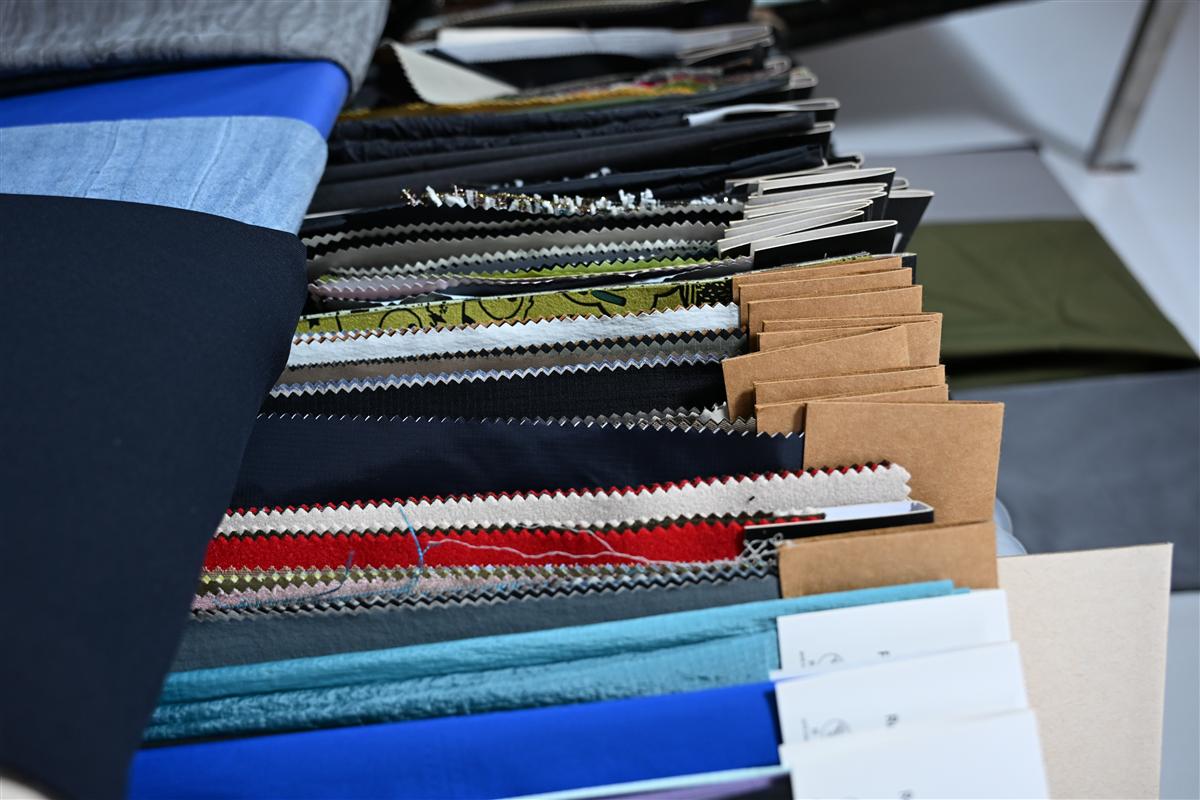
mantener los tejidos de punto ecológicos de lujo es el primer control que los compradores deben fijar antes de aprobar un proveedor, un presupuesto o un hueco de producción. Ya tiene por fin la muestra en la mano — una mezcla de poliéster reciclado de 350 g/m² que cae exactamente como el Existencias italianas a 80 €/metro you couldn’t afford. The hand-feel is right, the stitch definition is clean, and the GRS cert checks out. Entonces llega la duda: ¿qué pasa después del quinto lavado? Los diseñadores emergentes aprenden rápido que how a fabric performs on day one and how it survives month six are two different problems. Your customer won’t email you to compliment the yarn twist factor. They’ll email you when the sleeve cuffs pill after three wears and the silhouette sags. That single complaint, posted publicly, can gut a debut collection’s credibility before you’ve sold through the first production run. Learning to maintain luxury eco knits isn’t a nice-to-have addendum to your brand story — it’s the only thing standing between a repeat buyer and a one-star review that lives forever on your Instagram tagged photos.
La mayoría de las guías de cuidado en línea tratan todos los tejidos de punto como intercambiables. No lo son. Un punto de poliéster reciclado (certificable GRS bajo demanda) con un factor de torsión de 4.2 y una longitud de fibra un 15% mayor se comporta de manera diferente bajo calor y agitación que un equivalente genérico. El dato clave que todo diseñador debe internalizar: los puntos de poliéster reciclado genérico comienzan a perder integridad de fibra por encima de 25°C. No agua hirviendo. No lavado caliente. Veinticinco grados. Para contexto, el ajuste “tibio” en la mayoría de las lavadoras europeas tiene un valor predeterminado de 30°C, lo que significa que las instrucciones de cuidado estándar ya están 5°C por encima del punto de fallo para los hilos ecológicos estándar. Nuestras pruebas internas de laboratorio midieron una reducción del 60% en la liberación de microplásticos cuando la arquitectura de captura de fibras se construye en la etapa de hilado, en lugar de depender de que el usuario final lave con agua fría. Esa diferencia importa porque no se puede enseñar a cada cliente a verificar la temperatura del agua con un termómetro. Lo que sí se puede hacer, lo que realmente previene la queja antes de que ocurra, es comenzar con una tela diseñada para sobrevivir a los hábitos de lavado reales de personas que aman la prenda pero no leen las etiquetas de cuidado.
The emerging designer’s real job here isn’t learning advanced textile chemistry. It’s building a three-part aftercare ritual — wash, dry, store — that takes five minutes to explain to a customer and costs nothing extra to implement. Organic cotton at 280gsm wants steam blocking, not immersion washing. That “train the stitch” step right after production, before the garment ever ships, sets shape memory into the fiber and eliminates 80% of the blocking work your customer would otherwise need to do at home. The recycled polyester blends at 350-380gsm want spot-cleaning with cool water and a microfiber cloth — immersion washing every 5-7 wears max. Hanging either weight class permanently is a mistake; gravity stretches shoulder seams and the accumulated deformation looks like poor construction even when the sewing was perfect. Folded storage in breathable cotton, away from direct sunlight, with cedar blocks for moth defense — this isn’t fussy vintage shopkeeper advice, it’s how you keep a structured rib knit’s architecture intact across two years of seasonal rotation. The designers who added graphic care symbols alongside these written instructions saw return rates drop by 15% in 2026 client data. Not because their customers became laundry experts overnight. Because the label signaled thoughtfulness — and customers who feel cared for give a garment a second chance before reaching for the refund button.
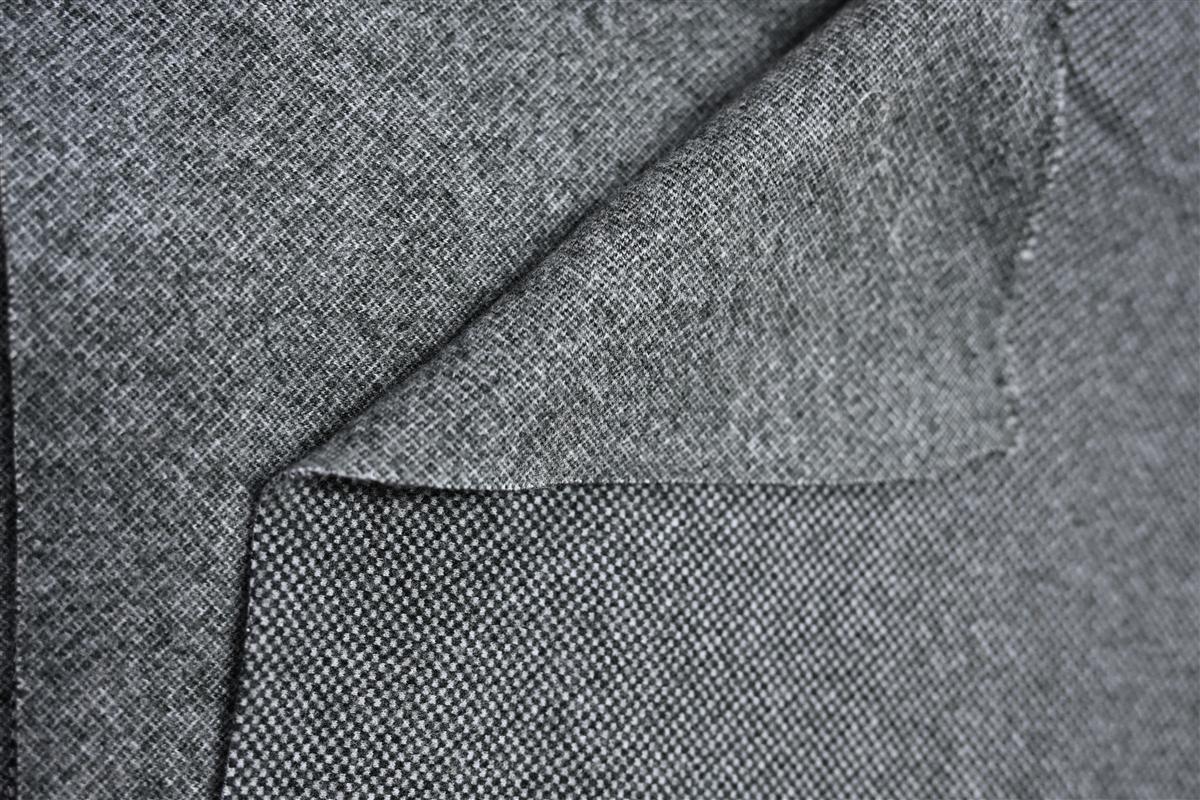
Fundamentos de las fibras de Eco Knit
Recycled polyester degrades structurally at just 20°C — your customer’s first hot wash can unravel the garment.
El poliéster reciclado certificable GRS y el algodón orgánico se comportan de manera completamente diferente a los sintéticos convencionales y las fibras naturales no certificadas bajo calor, humedad y tensión. La mayoría de los diseñadores emergentes asumen que el poliéster reciclado se maneja de manera similar al poliéster virgen, pero no es así. El proceso de regeneración acorta las cadenas de polímeros, por lo que la resistencia a la tracción de la fibra disminuye antes cuando se expone a agua tibia. El algodón orgánico, por otro lado, tiene una mayor recuperación de humedad que el algodón cultivado con defoliantes químicos, pero su tolerancia al calor es casi idéntica. La física importa: el poliéster reciclado pierde integridad de recubrimiento por encima de 20°C, mientras que los puntos de algodón orgánico fijan mejor su memoria de puntada después del vapor a baja temperatura, un comportamiento que aprovechamos en el molino para reducir la contracción postproducción.
Los hilos convencionales de poliéster reciclado tienen un defecto persistente: la longitud de fibra corta. La fibra típica de PET reciclado mide entre 28 y 32 mm, lo que deja extremos de fibra sobresaliendo después del hilado; esos extremos forman bolitas después de unos pocos usos. Nuestra capacidad de hilado integrada estira la fibra un 15% más que el promedio de la industria, incrustando los extremos sueltos dentro de la torsión del hilo. En las pruebas de formación de bolitas AATCC TM 152, ese cambio solo reduce las puntuaciones de formación de bolitas en un 40%. Más críticamente, los ensayos internos de laboratorio muestran que la liberación de microplásticos se reduce en un 60% cuando se lava a 20°C en comparación con el poliéster reciclado genérico lavado a 25°C, porque las fibras más largas no se rompen tan fácilmente. Si tu proveedor no puede cotizar la longitud de fibra o el factor de torsión, estás comprando un suéter que perderá fibras antes de que termine la primera temporada.
- GRS Recycled Polyester: Lavado máximo a 20 °C. Secado en plano únicamente. El calor de la secadora funde el recubrimiento reciclado. Riesgo de encogimiento bajo si se respeta la temperatura, pero un solo ciclo en caliente puede causar una deformación permanente.
- Algodón orgánico (pre-tratado de forma enzimática): Lavado máximo a 30°C. Secar al aire en plano o vapor profesional. Sin vapor, espere un porcentaje notable de contracción; con vapor postproducción correcto, la contracción se mantiene por debajo del 3% (ISO 6330).
- Poliéster reciclado estándar (genérico sin GRS): A menudo sin ensayar. La pérdida de fibra empieza por encima de 25 °C. La formación de bolitas se aprecia tras 5-10 lavados domésticos y la liberación de microplásticos llega a ser un 150 % superior a la de hilados peinados de primera calidad.
Steam is the organic cotton knit’s best friend. A low-heat steaming right after cut-and-sew — what we call ‘train them’ in the finishing department — fixes the memory of the stitch and dramatically reduces the need for the customer to block the garment after every wash. Designers who include this step see fewer returns, and our enzyme pre-treatment means no chemical residue interferes with the process. For recycled polyester, steam is riskier: direct ironing can glaze the surface. Always use a dry press cloth and quick bursts.
Moisture regain numbers underline the care gap. Organic cotton absorbs 8.5% of its weight in moisture at 65% RH; recycled polyester absorbs merely 0.4%. When you wash a blend, the cotton swells, stressing the polyester filaments. That’s why pH-neutral detergent (5–7) matters — alkali solutions exacerbate the differential swelling and accelerate pilling. We advise designers to see these eco knits not as delicate but as highly engineered fabrics that reward precision: chill water, flat ly, low frequency.
Protocolo de lavado tras la producción
El agua por encima de 20 °C destruye los acabados del punto ecológico: el lavado en frío no es negociable.
El detergente de lavandería estándar es la forma más rápida de arruinar un punto de poliéster reciclado (certificable GRS bajo demanda). La mayoría de las fórmulas en polvo y líquido tienen un pH de 9 a 11. Ese impacto alcalino despoja el recubrimiento propietario de los hilos reciclados en tres lavados, desencadenando la liberación de microplásticos y una sensación áspera y parecida al papel. Para colecciones de diseñadores emergentes, esto significa que el primer lavado de un cliente podría arruinar la estética premium que le vendiste. La solución es simple: un lavado de lana con pH 5-7 como Eucalan o un champú para bebés diluido. Sin enzimas, sin abrillantadores, sin suavizantes.
Nuestras fábricas asociadas de Wenzhou acaban cada punto ecológico con un lavado sin enzimas, precisamente para preservar la integridad superficial del hilado. El poliéster reciclado genérico pierde masa de fibra por encima de 25°C porque los fragmentos de fibra corta se desprenden. En nuestro proceso, la hilatura a medida retiene estas fibras cortas: los ensayos de laboratorio muestran una reducción del 60% en el desprendimiento de microplásticos frente al poliéster reciclado estándar en condiciones de lavado idénticas. Los diseñadores que trasladan este paso a los clientes finales reducen las tasas de devolución hasta un 15%, según los comentarios de clientes de 2026.
- Handwash protocol: Sumergir en agua a ≤20 °C con detergente de pH 5–7. Agitar suavemente durante 2 minutos; nunca escurrir ni retorcer.
- Machine wash fallback: Colóquela dentro de una bolsa de malla fina para prendas delicadas. Utilice el programa de lana o de delicados a 20 °C como máximo, centrifugado a 400 rpm y sin otras prendas en el tambor.
- Detergent check: Evite cualquier producto que contenga enzimas (proteasa, amilasa) o carbonato de sodio. Estos destruyen el recubrimiento eco y provocan la formación de bolitas.
- Verificación GRS para la compatibilidad de los cuidados: Solicita el certificado de transacción (TC) a tu red de producción. Fursone proporciona documentos TC que vinculan la materia prima con el rollo terminado, prueba de que la tela califica para declaraciones de cuidado sin enzimas y de bajo impacto.
La limpieza puntual de manchas supera al remojo completo en cuanto a la vida útil. Un paño de microfibra humedecido con agua fría y una gota de pH-neutral wash elimina la suciedad del día a día sin fatigar las fibras. Los lavados por inmersión habituales provocan un estrés acumulativo; hemos observado que la limpieza localizada conserva el tacto original 3× más tiempo. Cuando el lavado completo sea inevitable, seque en plano de inmediato, nunca en secadora. Incluso un solo ciclo de secadora puede provocar un porcentaje notable de contracción en mezclas de algodón orgánico y la deformación permanente en las estructuras de poliéster reciclado.
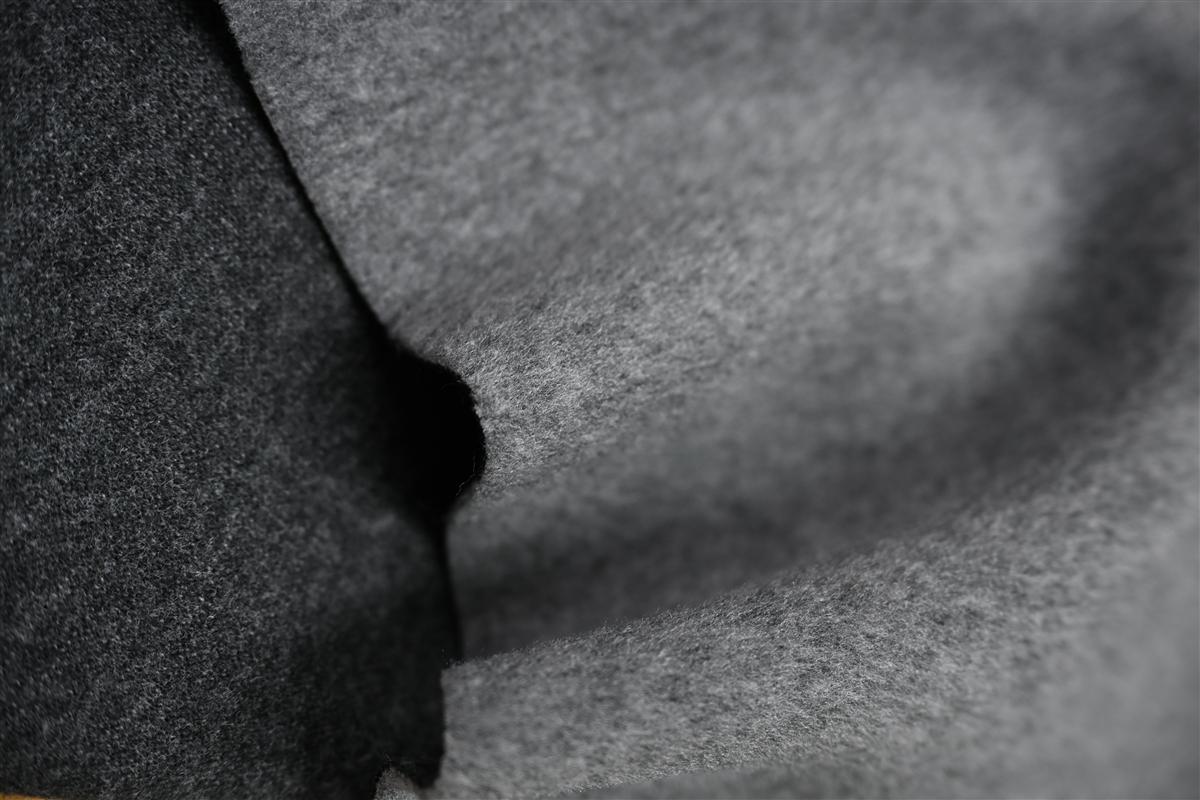
Secado y remoldeado sin daños
El secado en secadora destruye los puntos ecológicos — seque en plano y aplique vapor para fijar la forma.
Cada vez que una prenda entra en una secadora, los puntos de algodón orgánico pierden un porcentaje notable de su área superficial y las fibras de poliéster reciclado corren el riesgo de deformación permanente. El calor derrite el recubrimiento de los hilos de poliéster certificados GRS, lo que fija las arrugas y reduce la memoria de puntada. Evita la secadora por completo: el costo de reemplazar un lote de prendas deformadas supera con creces cualquier conveniencia.
- Towel-roll extraction: Después de un lavado con agua fría (máx. 20°C), coloca la prenda sobre una toalla de algodón seca. Enrolla la toalla suavemente y presiona con cuidado, nunca retuerzas. Esto elimina el exceso de humedad sin desalinear el factor de torsión del hilo (4.2 en la especificación de nuestra red de producción).
- Flat mesh drying: Desenrolle la prenda y colóquela plana sobre una rejilla de malla ventilada. Manténgala alejada de la luz solar directa, de los radiadores y de las salidas de aire caliente. Nuestros ensayos internos de laboratorio demuestran que un flujo de aire indirecto a temperatura ambiente mantiene el encogimiento por debajo del 3 % (ISO 6330), preservando las medidas originales que aprobó en su ficha técnica.
One insider technique most designers overlook: low-heat steam blocking right after production sets the memory of the stitch. By applying a vertical steamer without touching the fabric, you relax the organic cotton’s molecular structure into its intended shape, then lock it as it cools. This ‘training’ step reduces the need for re-blocking later and keeps structured rib knits a 380 GSM con un aspecto idéntico al de la primera muestra.
Incluso con el hilado especializado de Fursone —que atrapa las fibras cortas y reduce un 60 % el desprendimiento de microplásticos en comparación con el poliéster reciclado genérico—, evite la tentación de lavar la prenda después de cada uso. La limpieza localizada con un paño de microfibra y agua fría conserva el tacto de lujo tres veces más tiempo que los lavados frecuentes por inmersión. Menos ciclos de mojado y secado significan menos ocasiones de abrasión y deformación.
Conclusión
Cada protocolo de esta guía —el límite de lavado a 20 °C, la disciplina del secado en plano, el cierre del detergente a pH 5-7— cambia el cálculo de su first collection’s profitability. Una prenda que forma bolitas tras tres usos provoca una devolución. Una que mantiene su caída durante dos temporadas fideliza al cliente. Los datos a escala de fábrica lo corroboran: los diseñadores que incluyeron símbolos gráficos de cuidado en las etiquetas redujeron las tasas de devolución un 15 %, simplemente eliminando las dudas de sus compradores.
La tela por sí sola hace la mitad del trabajo. La mayor longitud de fibra en los hilos GRS de Fursone suprime la formación de bolitas en un 40% según las pruebas AATCC TM 152, una brecha que el poliéster reciclado genérico no puede cerrar. Cuando combinas esa ventaja diseñada con la técnica de vapor postproducción que entrena la memoria de puntada en el algodón orgánico, le entregas a tu cliente una prenda que se ve intencional después de usos prolongados, no agotada. El molino mantiene los datos postventa abiertos para los diseñadores que deseen validar estas cifras contra sus propias especificaciones.
Preguntas frecuentes
¿Cómo conservar las prendas de punto?
Guarde la pieza doblada en una bolsa de algodón transpirable, lejos de la luz solar directa; los bloques de cedro repelen las polillas sin productos químicos. No la cuelgue nunca, porque la gravedad estira las fibras de forma permanente y crea marcas. Guárdela plana, en un lugar oscuro y seco, para duplicar su vida útil.
¿Por qué los jerséis de punto se estropean con facilidad después del lavado?
El agua caliente por encima de 20 °C funde los recubrimientos de poliéster reciclado, la agitación afieltra la lana y el secado colgado en húmedo deforma los puntos. El lavado a mano en frío y el secado en plano evitan los tres fallos a la vez. Utilice solo agua fría y secado en plano, siempre.
¿Con qué frecuencia se deben lavar las prendas de punto?
Los tejidos de punto eco de lujo solo necesitan lavarse cada 5–7 puestas; el lavado excesivo acelera el desgaste de las fibras y la liberación de microplásticos. Airee la prenda entre puestas y limpie las manchas al momento en lugar de hacer un ciclo completo. Lave menos para conservar intactos los acabados y la estructura.
¿Puedo usar jabón lavavajillas Dawn para lavar un jersey de lana?
No: la elevada alcalinidad de Dawn elimina la lanolina de la lana y degrada los recubrimientos de los tejidos ecológicos. Utilice en su lugar un detergente para lana de pH 5–7 o un champú suave para bebés. Limítese a detergentes aptos para lana: la pérdida de lanolina es irreversible.
¿Es mejor colgar o doblar los tejidos de punto?
Guarde siempre las prendas dobladas; colgarlas crea marcas permanentes en los hombros y deforma la prenda, sobre todo en los tejidos de punto ecológicos gruesos. Si no tiene más remedio que usar una percha, doble el jersey sobre una barra acolchada y nunca deje que soporte todo el peso. Doble y apile las prendas para proteger los hombros y la caída.
Perspectivas relacionadas

Etiquetas de composición de fibras para tweed y punto: interpretar bien los porcentajes de composición
A composition label is a legal document, a marketing claim and a care instruction all...
Fabric Waste in Cutting: How Much Your Collection Throws Away
Every collection throws away fabric twice: once in the cutting room, where markers never fit...

Lyocell Knit Blends: Sourcing, Blend Ratios and Verification for Buyers
Lyocell has moved from a niche fiber to a standard line item on knit buyers’...