
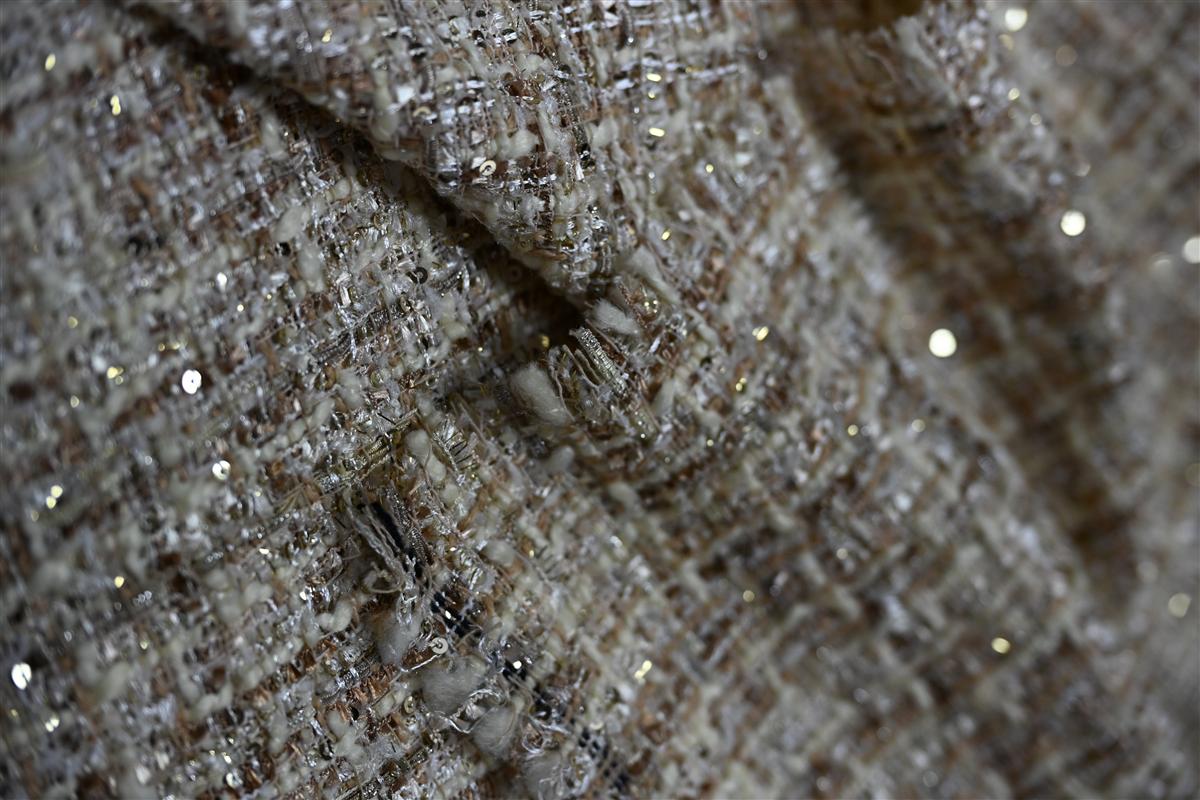
Når en innkjøpsansvarlig hører “7-dagers stoffprøvetaking” for første gang, er instinktet skepsis. Ikke fordi rask gjennomføring ikke er attraktivt – det er det – men fordi fire tidligere fabrikker ga det samme løftet og leverte prøver i uke tre med et skuldertrekk. Det virkelige spørsmålet handler ikke om hastighet på papiret. Det handler om hvorvidt en fabrikk kan forhåndslaste det tekniske arbeidet som normalt tar 18 dager med frem og tilbake, inn i en 168-timers syklus uten å ta snarveier.
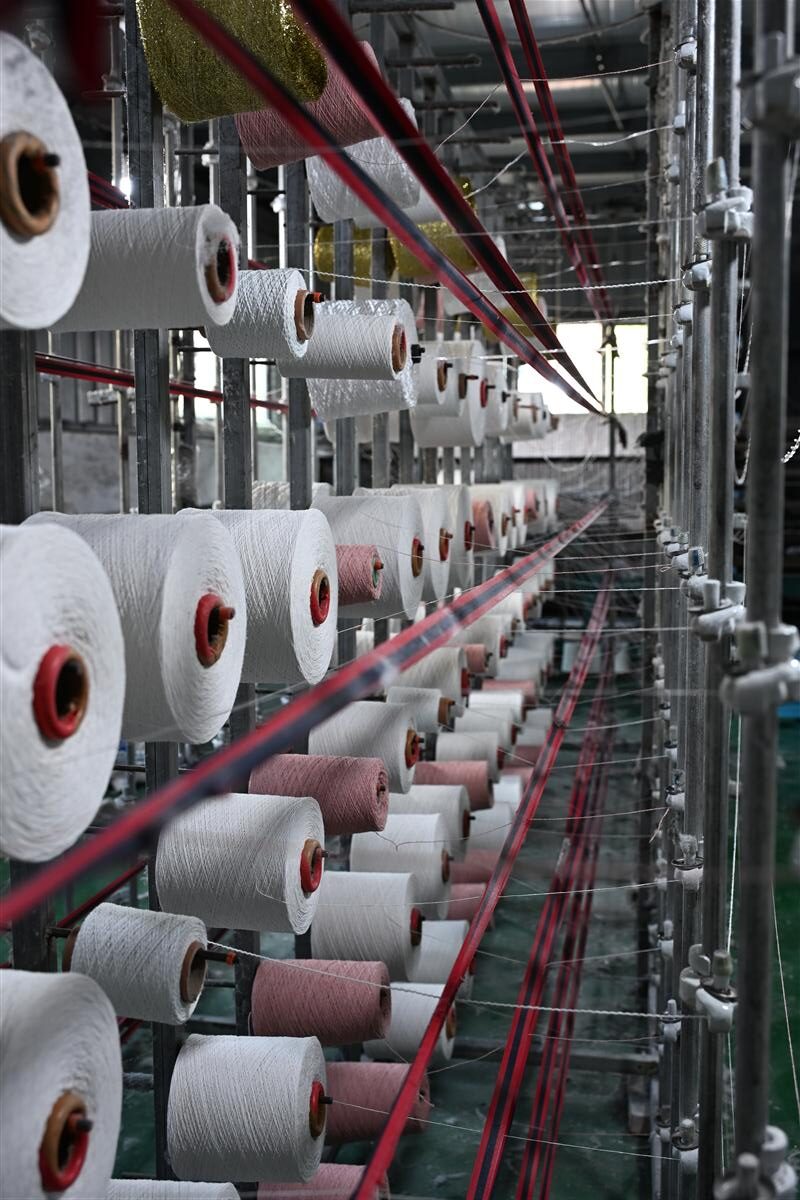
De fleste raske prøvetakingskrav kollapser rundt dag to, når noen innser at det eksakte slub-garnet i teknisk pakke-bildet ikke ligger på en hylle. Det utløser en tredjeparts garnbestilling, og tidslinjen rakner. Fursones oppsett i Wenzhou unngår dette fordi spinnelaben og vevgulvet opererer under samme tak. Mer enn 200 ferdigfargede garnfargevarianter – australsk merino, japansk lurex, GRS-sertifisert resirkulert polyester – står klare før noen prøvetakingsforespørsel kommer. Denne vertikale integrasjonen er det som gjør en 7-dagers tweed- eller strikkprøve logistisk mulig, ikke bare en markedsføringssetning.
Den erfarne kjøperen kjenner den andre fellen: raske prøver som ser vakre ut, men vaskes til et annet stoff. En 1-meters prøve som krymper 8% i første hjemmevaskesyklus er en forhandlingsbyrde, ikke en lanseringsfordel. Derfor kjører fabrikken tre forhåndstestvaskesykluser på hver 7-dagers prøve før den sendes—krymping, loing og fargeekthet data følger med prøven. Ingen konkurrent i hurtigprøvetakingsområdet tilbyr dette som et standardtrinn, noe som betyr at kjøperen som ikke ber om det, arver risikoen i stillhet.
For den bærekraftige merkevaregründeren som kom inn i mote gjennom verdier snarere enn en tekstilingeniørgrad, føles prøvetakingstidslinjer abstrakte inntil en lanseringsdato blir flyttet og en kjøper kansellerer en trunk show-slot. Her teller tallene i konkrete termer. En 10-stoffs sesongpalett prøvetatt gjennom et standard europeisk verksted koster $600–$1 200 og bruker 12–18 uker med revisjoner. Den samme paletten gjennom et 7-dagers tweedprøvetakingsprogram koster $80–$150 per prøve og fullføres på under to uker med en enkelt revisjonsrunde. Kombiner det med OEKO-TEX- og GRS-dokumentasjon tilgjengelig på forespørsel, og bærekraftvinkelen trenger ikke å gå på kompromiss med hastighet eller taktil kvalitet.
Denne guiden kartlegger den nøyaktige dag-for-dag-sekvensen, kostnadsstrukturen og kvalitetskontrollene som skiller et legitimt 7-dagers stoffprøvetakingsprogram fra de spøkelsesaktige alternativene som roter søkeresultatene. Ingen teori. Bare prosessen, tallene og spørsmålene en innkjøpsansvarlig bør stille før han godkjenner noen prøve.
Hvorfor 7-dagers prøvetaking er viktig
Standardfabrikker kaster bort 2–6 uker på å jage garn.
Spør en hvilken som helst innkjøpsansvarlig hva som dreper en kolleksjonskalender, og de vil ikke si “fabrikk kapasitet.” De vil si “garn leveringstid.” En konvensjonell tweed- eller boucléprøve starter ikke på en vevstol. Det starter med en e-post til et spinnemølle, deretter en 7–10 dagers ventetid på prøvegarn, så laboratoriedipper, så en kø for en prøvevevstol som allerede er booket for bulkordrer. Hver revisjon? Ytterligere 2–4 uker. Tre runder med justeringer kaster bort en hel sesong. For et merke som lanserer høst/vinter, en 6-ukers prøvetakingsforsinkelse betyr at stoffgodkjenningen glir forbi plaggproduksjonsvinduet—og ordren blir kansellert, ikke leveringsdatoen.
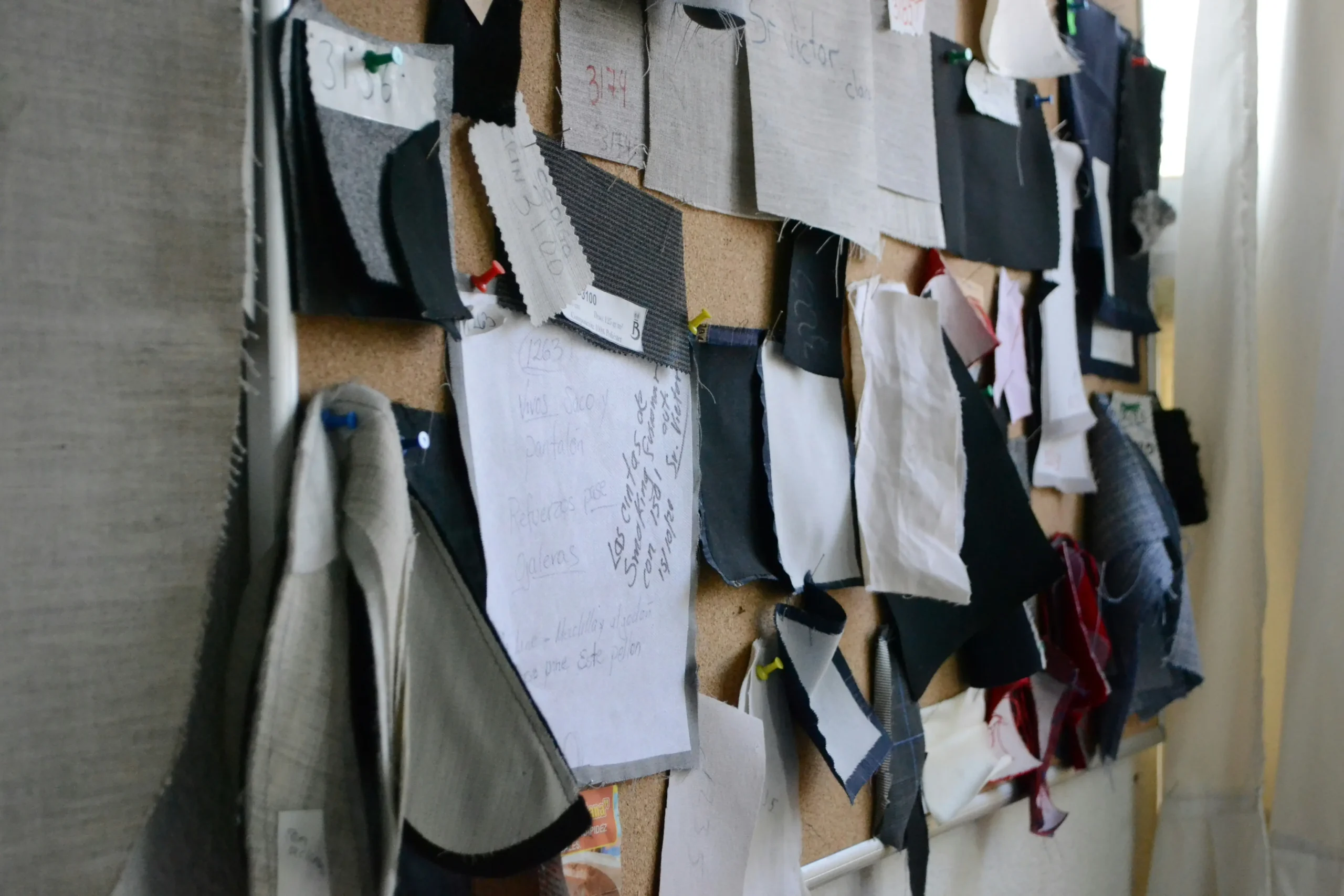
- Garnbanken erstatter garninnhenting: I stedet for å bestille råvare og vente på spinning, henter vi fra over 200 forhåndsfargede, mølle-eide farger av proprietære bouclé-, slub- og chenillegarn. De 4–5 trinnene med tredjeparts garninnkjøp og prøvespinning forsvinner.
- Reserverte prøvevevstoler hopper over køen: Standard møller setter prøveveving bak betalende bulkordrer. Våre prøvevevstoler kjører 24/7 med dedikert kapasitet—ingen allokeringsforsinkelser, ingen venting på at en bulkkjøring skal bli ferdig.
- Innebygd forhåndstesting eliminerer revisjonsløkker: De fleste “raske” møller sender en prøve rett fra veven. Vi kjører 3 vaskesykluser, sjekker krymping (<3% vevd, <5% strikket), og verifiserer pillingsmotstand før prøven forlater gulvet. Prøven du mottar gjenspeiler allerede vasket realitet, så du hopper over revisjonsrunden med “ser flott ut, men krympet 6%”.
Det skitne gapet i markedet: Dusinvis av møller annonserer nå “7-dagers prøvetaking”, men de skiller ut kvalitetsforsikringen. De sender deg en vevstillstandprøve som føles vakker til den treffer vann. Da oppdager du 8% krymping eller fargeblødning, og du er tilbake til start. Vi forhåndssender hver 1-meters prøve med et fysisk prøvekort og de faktiske vasketestdataene vedlagt—fordi en prøve som ikke overlever forproduksjonstesting ikke er en prøve, det er en forpliktelse. europeiske møller tar $200–$400 per runde og bruker fortsatt 3 uker. Vi leverer til $80–$150 og lukker løkken på 168 timer, forhåndstestet.
7-dagers prøvetakingsprosessen: Trinn for trinn
168 timer fra teknisk pakke til fysisk prøve, forhåndstestet mot krymping.
Standard stoffprøvetaking tar 4 til 6 uker fordi møller setter garnordrer i kø fra tredjeparts spinnere. 7-dagers tidslinjen fungerer fordi Wenzhou-anlegget har en proprietær garnbank med over 200 forhåndsspunne farger i merino, lurex og resirkulerte polyesterblandinger. Det eliminerer den lengste ventetiden umiddelbart—ingen eksterne innhentingsforsinkelser, ingen minimumsbestillingsmengde på garnkjegler for prøvekjøringer.
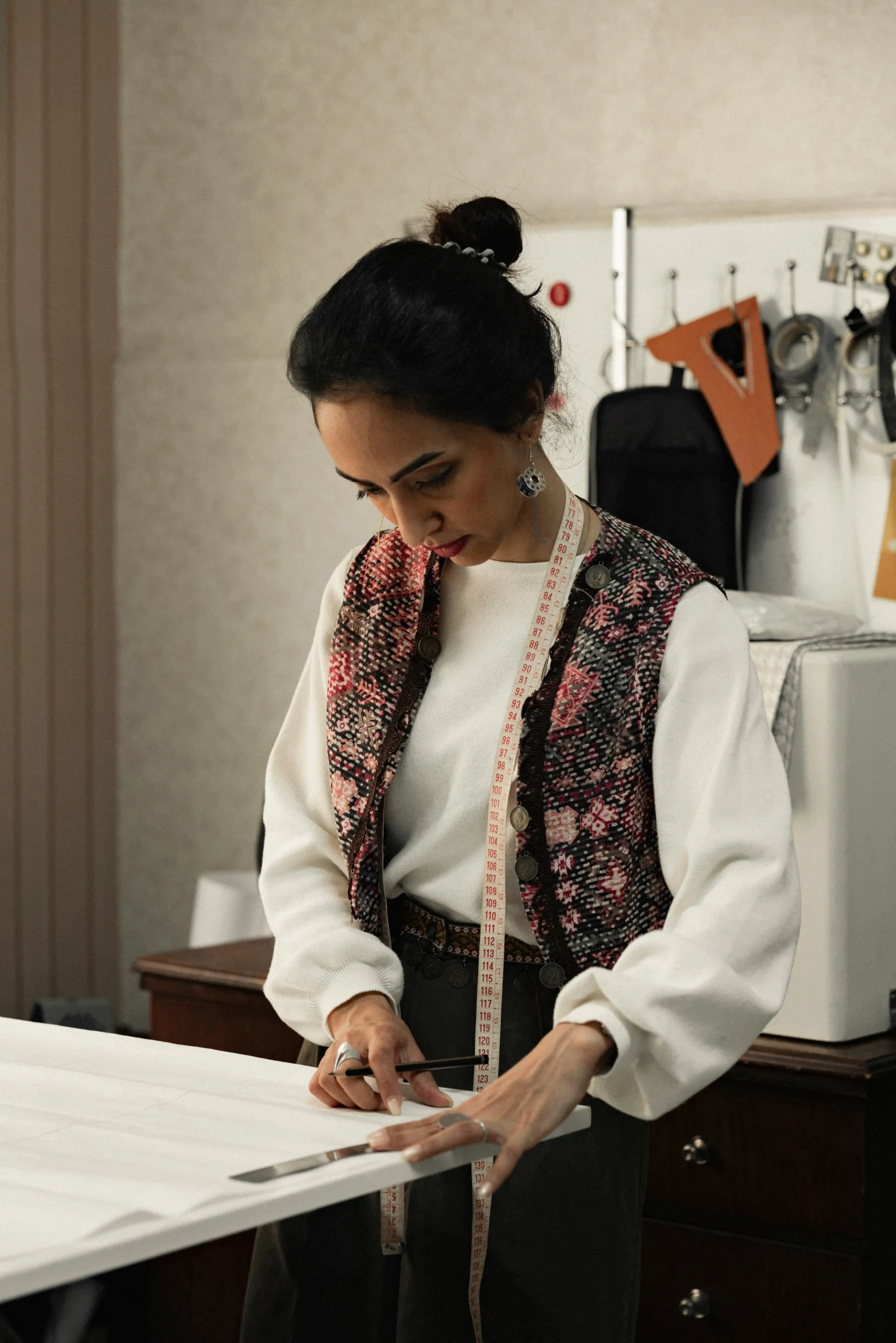
Dag 1 starter når du sender inn en teknisk pakke eller referansebilder. F&U-teamet henter den nærmeste eksisterende garnoppskriften fra databasen. Hvis en eksakt match ikke finnes, beregner fargelaboratoriet en formel ved hjelp av basehvit eller naturlig garnlager. En bestilling og gjennomførbarhetsbekreftelse lander i innboksen din innen to timer, ikke to dager.
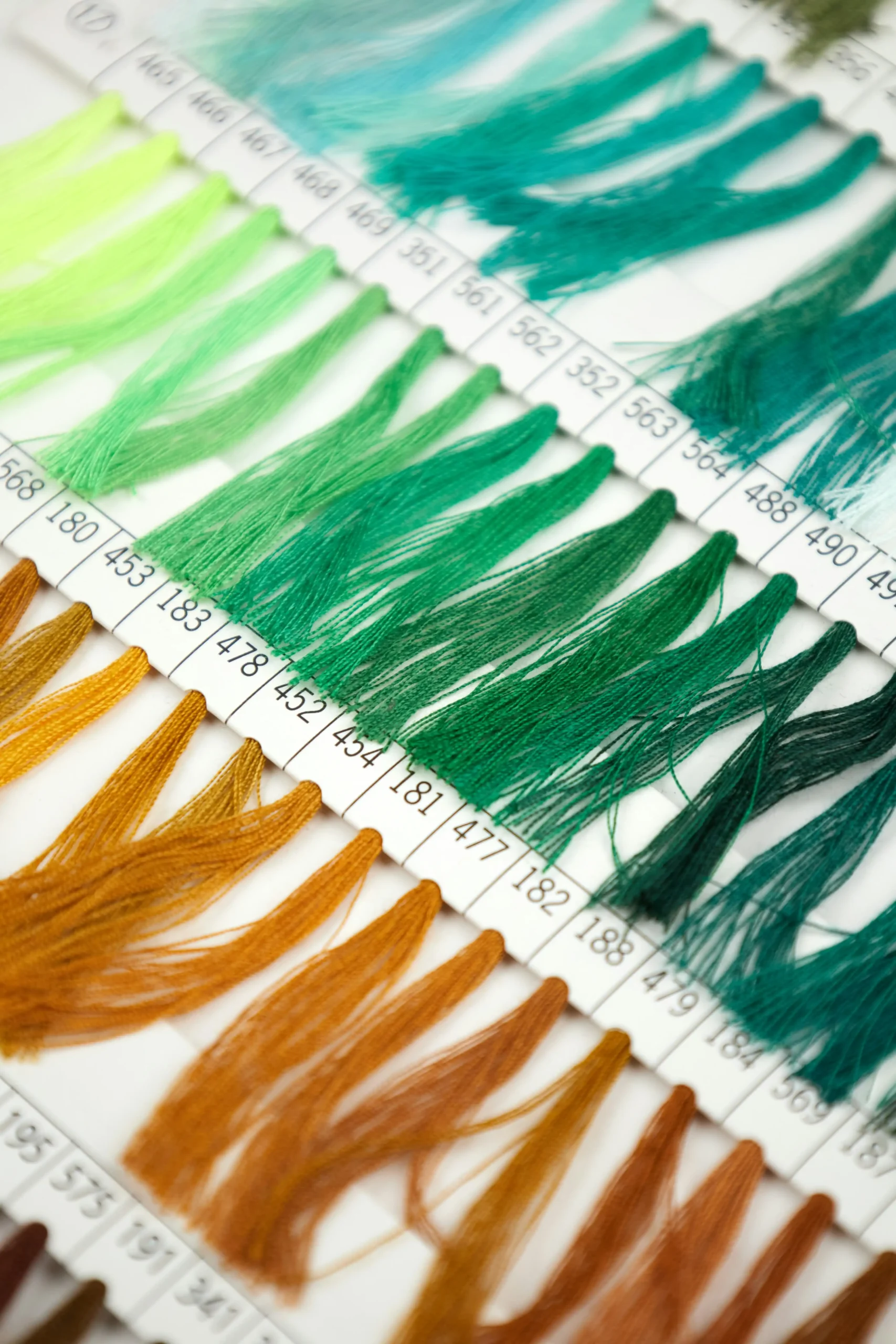
- Fargereferanse: PANTONE-koder, trådprøver eller en digital fargeprøve.
- Vektmål: GSM eller oz/yd²-område; tweed typisk 280–450 gsm, lette blazer-strikk 180–250 gsm.
- Breddekrav: Standard 140 cm for vevde stoffer, 160 cm for strikk; opptil 200 cm tilgjengelig.
- Vev- eller strikkstruktur: Twill, kurvvev, bouclé, fiskebein, houndstooth, kabelstrikk, eller spesifiser et bilde.
- Krymping: Vevd <3%, strikk <5% etter første vask i henhold til intern protokoll.
- Pilling: ICI-pillingboksen metode, målkarakter minst 4.
- Fargeekthet: Vurdert under dagslys og D65 kunstig lys etter 3 sykluser.
- Vektoleranse: Målt mot opprinnelig spesifikasjon; garantert ±2% fra prøve til produksjon.
Dag 2 og 3 går til spesialspinning og farging. Hver farge får et 100-grams mini-parti spunnet på den interne prøvelinjen – nok til å veve prøven og kjøre kvalitetstester uten avfall. Fordi fabrikken kontrollerer spinningen, fastsettes slub-tykkelse, tvistnivå og bouclé-løkkestørrelse nå, ikke gjettes senere under produksjon.
Dag 4 flytter til prøvevevstolen eller strikkemaskinen. En 1-meters stofflengde veves eller strikkes under spenningsinnstillinger som speiler fullproduksjonsutstyret, ikke en bordvevstol. Dette er hvor de fleste hurtigprøveløfter bryter sammen – små prøvevevstoler kan skjule spenningsvariabilitet som først viser seg når du skalerer opp til 1000 meter. Prøven kuttes, merkes og flyttes til etterbehandling.
Dag 5 og 6 fokuserer på etterbehandling og forhåndstesting. Prøven går gjennom vask, tørking og varmefiksering nøyaktig som produksjonsstoffet ville. Deretter kjører kvalitetslaboratoriet tre obligatoriske vaskesykluser og måler krymp, pillingsgrad og fargeekthet før noe sendes. De fleste konkurrerende hurtigprøvetjenester hopper over disse testene helt, og overlater til merket å oppdage krympdefekter etter at produksjonsordren ankommer.
Dag 7 lukker løkken. 1-meters prøven og en trykt testrapport sendes via ekspressbud med sporing. Hele syklusen avsluttes etter 168 timer. For design som bruker eksotiske fiberblandinger – si 40% japansk lurex eller en lin-kashmirblanding – forlenges tidslinjen med to dager for å håndtere langsommere fargeopptak og ekstra etterbehandlingspass.
Prøven du holder er det produksjonen vil levere innenfor 95% fargematch og 98% vekttoleranse. Den garantien støttes av de samme fargeoppskriftene og spinneparametrene som ble brukt i 1000-meterskjøringen. Du vurderer ikke bare en prøvelapp – du godkjenner det nøyaktige oppskriftskortet som vil kjøres i stor skala.

Kostnadssammenligning: 7-dagers vs. standard prøvetaking
Den virkelige kostnaden er ikke prøvelappen – det er 3-måneders forsinkelsen fra revisjonssykluser.
I standard prøvetaking koster en enkelt tweed- eller bouclé-utvikling fra en europeisk mølle $200 til $400 og tar 4 til 6 uker. Én runde er aldri nok. Du trenger i gjennomsnitt tre runder for å finjustere håndfølelse, farge og vekt. Det blir $600 til $1 200 og 3 til 4 måneder før du i det hele tatt har godkjent tekstilet. For en sesongpalett med ti prøver overskrider regningen en betydelig sum og opptar to måneder av kalenderen din – tid du ikke kan få tilbake.
A 7-day sampling program built on yarn spinning at our partner mills and a 200-color yarn bank eliminates those repeat cycles. The cost per sample drops to $80 to $150. The first revision is often included free. The ten-swatch palette costs around a significant amount and lands on your desk in one week, not two months. The timeline compression isn’t magic — it’s vertikal integrasjon: fabrikken eier garnet, fargebadet og prøveveven.
- Kostnad per prøve: Standard: $200–$400. 7-dagers: $80–$150. Inkluder én gratis revisjon i 7-dagersmodellen, og presser den effektive kostnaden per prøve under $100 for godkjente design.
- Syklustid per runde: Standard: 4–6 uker. 7-dagers: 1 uke. Tre runder i standard betyr 12–18 ukers utvikling; 7-dagers komprimerer det til maksimalt 3 uker.
- 10-prøvelappers sesongpalett: Standard: en betydelig sum og 8+ uker. 7-dagers: ~en betydelig sum og 7 kalenderdager. Besparelsene blir større når du prøver flere basisgarn og fargevarianter samtidig.
- Kvalitetsport før forsendelse: 3 vaskesykluser, standard 40°C, ISO 6330-ekvivalent prosedyre. Inkluderer notater om krymping, vridning og loing. Ingen oppfølgings-e-poster nødvendig.
- Fargeekthetsforsikring: ΔE < 1,5 mot godkjent lab-fargeprøve, dokumentert på prøvelappen. Produksjonsserier holder seg innenfor 95% visuell match — garantert skriftlig.
- Vektoleranse: Avvik fra prøve til bulk begrenset til ±3% mot mål-GSM. For en 350 gsm bouclé er det maksimalt avvik på 10,5 gsm — under terskelen en hvilken som helst kutter ville reagere på.
Kostnad per prøvelapp er bare toppen av isfjellet. Standard prøvetaking belaster deg separat for hver iterasjon, og mange fabrikker vil ikke frivillig dele før-testdata. Du godkjenner en prøvelapp som ser bra ut, men som krymper 6% etter første vask eller danner lo etter tre bruk. Det virkelige marerittet dukker opp i produksjonen, når 1000 meter ikke samsvarer med håndfølelsen til prøvevevens lapp.
Her er hva som skiller en produksjonsteknisk 7-dagers prøve fra et hurtigspor-hasard: hver 1-meters prøvelapp gjennomgår tre vaskesykluser før frakt. Krymping er dokumentert – mindre enn 3% på vevde, mindre enn 5% på strikkevarer. Fargetoleranse holdes til 95%, vekt til 98% mellom prøve og bulk. Standard kinesiske fabrikker deler sjelden vasketestresultater med mindre det kreves; disse labdataene er automatisk vedlagt med sporingsnummeret ditt. Du kjøper ikke bare en prøvelapp – du kjøper retten til å hoppe over tre runder med blind iterasjon på et tekstil som svikter i virkeligheten.
| Sammenligningsaspekt | 7-dagers prøvetaking (Fursone) | Standard europeisk mølle | Din fordel |
|---|---|---|---|
| Kostnad per prøve | $80 – $150 (første prøve ofte gratis ved 1000M forpliktelse) | $200 – $400 per prøve | 30 – 50% lavere prøvekostnad |
| Tidslinje per prøve | 1 uke (7 kalenderdager) | 4 – 6 uker | 4–6× raskere prøvetaking |
| Typiske runder til godkjenning | 1 – 2 runder (én gratis revisjon inkludert) | Minimum 3 runder | Færre runder, raskere godkjenning |
| Totalkostnad for 10-prøvepalett | ~en betydelig sum (med gratis første prøve) | en betydelig investering | Spar en betydelig investering per kolleksjon |
| Total tid for 10-prøvepalett | 2 – 3 uker | 3 – 4 måneder | Kom på markedet 2 – 3 måneder tidligere |
| Kvalitetstester før forsendelse | 3 vaskesyklus forhåndstest (krymping, pillering, fargeekthet) inkludert | Tester kun på forespørsel (ofte mot ekstra kostnad) | Full ytelsesdata før du forplikter deg |
| Garanti for farge- og vekttoleranse | ≥95% fargetilpasning, ≥98% vekttilpasning til produksjon | Ikke alltid kontraktsmessig garantert for prøvetaking | Skaler med trygghet — ingen batch-overraskelser |
| Tilgang til garn på lager | 200+ forhåndsgodkjente farger, proprietær garnbank | Garn hentes eksternt, legger til 2–3 ukers leveringstid | Unngå forsinkelser i garnanskaffelse |
Kvalitetsrisiko og hvordan redusere den
Prøve-til-produksjon spenningsdrift ødelegger følelsen — spør alltid om 5 meter på den ekte vevstolen.
De fleste ‘7-dagers prøvetakings’-fabrikker unngår denne samtalen helt. De sender deg en pen prøve og går videre. Vi lar ikke det skje. Løsningen er enkel: før du kutter produksjonslengde, be om en 5-meters produksjonsskala prøve fra den faktiske vevstolen som skal kjøre din bulkordre. Den føles identisk i hånden fordi den er født under samme mekaniske forhold — samme skjede, samme rennebom, samme opptaksspenning. Kostnaden er marginal, beskyttelsen er alt.
- Fargeforskyvningsrisiko: Laboratoriedipper matchet under D65-lys forskyves fortsatt 5–10% når de skaleres til fargepartier på 50 kg eller mer. Vi låser produksjonsfargeoppskrifter til en 95% fargetoleranse mot godkjent prøve, målt spektrofotometrisk på hvert bulkparti.
- Risiko for vektavdrift: Avert behandling på prøvestoff skjuler ofte den faktiske produksjons-GSM. En 98% vekttoleranse garanteres mellom 7-dagersprøven og bulk – vevde stoffer 220–350 g/m² og strikkevarer 180–250 g/m² inkludert.
- Skjult krymperisiko: Standard kinesiske fabrikker deler ikke vasketester med mindre du krever det. Vår 7-dagersprøve sendes med en rapport fra 3 forvaskesykluser. Vevde stoffer holder seg under 3% krymp, strikkevarer under 5% etter første vask.
Når du kombinerer 5-meters produksjonsskala-uttrekk med disse numeriske toleransene, går du fra å gjette til å konstruere. Du kjøper ikke bare en prøvelapp; du får en statistisk forsvarlig referansestandard. Det er forskjellen mellom en innkjøpsansvarlig som sover godt, og en som ber om at containeren ikke blir avskrevet.
Hvordan be om en 7-dagersprøve
To timers responstid og forhåndstestede prøver eliminerer den typiske innkjøpsgamblingen.
Start med å sende en teknisk pakke som dekker fire ikke-omsettelige punkter. Uten disse kan prøvefabrikken ikke fastlåse vevkonstruksjon eller garnblanding – og du kaster bort de første 48 timene på frem-og-tilbake-avklaring.
- Fargereferanse: PANTONE TCX-koder eller en fysisk garklipp. Skjermbilder av farger er verdiløse. Hvis du matcher et eksisterende plagg, send en prøvelapp.
- Vekt: Mål gram per kvadratmeter (GSM) eller oz/yd². For en Chanel-inspirert tweedjakke er typisk område 320–450 GSM. Vær spesifikk; et avvik på 50 GSM ødelegger draperingen.
- Bredde: Standard for vevde tweeder er 140 cm. Egendefinerte bredder opp til 200 cm er mulige, men krever vevjustering – oppgi dette på forhånd.
- Vevstruktur: Skriv den eksakte veven: twill, kurvvev, bouclé, sildebein, houndstooth. En bildereferanse hjelper, men vevnavnet eliminerer gjetting i prøverommet.
Legg ved et høyoppløselig bilde av målstoffets tekstur. Et nærbilde som viser garntvinning, slubfordeling eller boucléløkkestørrelse er mer nyttig enn et helplaggskudd. Vårt FoU-team matcher disse visuelle ledetrådene mot en proprietær garnbank med 200+ på lagerfarger. Slik hopper vi over den 2-ukers garninnkjøpsforsinkelsen som ødelegger standardprøvetaking tidslinjer.
Når teknikkpakken lander, får du en gjennomførbarhetsvurdering og et fastpristilbud innen 2 timer. Ingen dagers venting, ingen spøkelse. Hvis garnoppskriften finnes i banken, går prøven umiddelbart inn i 7-dagers køen. Hvis spesialspinning er nødvendig – fordi du trenger en 40% lurexblanding eller en lin–kashmirblanding – gir vi deg beskjed på forhånd. Disse eksotiske fiberforespørslene legger til 2 dager på tidslinjen, og tilbudet reflekterer det ekstra spinntrinnet.
Hver prøve sendes med en krympings- og pillingsrapport fra 3 forvaskesykluser. Standard kinesiske møller deler sjelden disse resultatene med mindre du spør – og mange ‘raske’ prøvetakingstjenester hopper over testene helt. Vår garanti: <3% krymping for vevde tweeder, <5% for strikk etter én vask, og minimal pilling ved 5000 gnidninger på en Martindale-test. På den måten slipper du å gjette om prøven overlever en sesong.
Din 7-dagers prøvesjekkliste
Å hoppe over disse sjekkene er grunnen til at 60% av produksjonskjøringer skifter nyanse.
En rask prøve er verdiløs hvis produksjonsrullen føles annerledes på skjærebordet. Bruk denne sjekklisten før du godkjenner en prøve og låser 1000 meter.
- 1. Bekreft bredde og vekt umiddelbart.: Skriv ned den faktiske bredden du trenger på mønsterkortet. Standard tweeder lander på 140 cm, men 150 cm gir mer leggplanfleksibilitet. Strikk ligger ofte på 160–180 cm. Vekt må matche silhuetten: dressstoff fungerer mellom 220–350 gsm; uforede blazere feiler under 180 gsm. Hvis prøven ankommer på 147 cm, men fabrikken din oppga 140 cm, merk det nå – bulkruller vil ikke magisk fikse seg selv.
- 2. Spesifiser farge fra PANTONE eller en fysisk klipp.: ‘Lysebeige’ betyr ingenting ved fargekaret. Oppgi en PANTONE TCX-kode eller en klippet prøve. Vårt laboratorium matcher mot en 200-farget garnbank slik at vi treffer <95% Delta E-toleranse. Fest referansen til prøveoppdraget ditt, ikke i en oppfølgingse-post to dager senere.
- 3. Be om minst én meter – ingen kompromisser.: En 15 × 15 cm klipp viser garntekstur; den skjuler drapering. Én meter lar deg feste stoffet på en standform og se hvordan det faller under egen vekt. Be om opptil 5 meter hvis du planlegger å sy et prøveplagg. Mer yardage nå forhindrer samtalen som starter, ‘Produksjonsrullen draperer ikke som prøven.’.
- 4. Krev vasketestresultater før du godkjenner.: Den skitne hemmeligheten i rask prøvetaking: møller hopper over krympings- og pillingsfortester for å rekke tidslinjer. Fursone kjører tre vaskesykluser på hver 7-dagers prøve og sender labarket med prøven. Akseptable terskler er <3% krymping for vevde tweeder og <5% for strikkgensere. Hvis en leverandør ikke kan gi deg disse dataene, er du kvalitetskontrollavdelingen.
- 5. Vurder under dagslys og studiolys.: Metallisk lurex, flertonet bouclé og melerte garner endrer fargetemperaturen dramatisk. Hold prøven nær et vindu kl. 10.00, deretter under studioets 5000 K LED-paneler. Ta et telefonbilde med begge. Hvis nyansen avviker mer enn en halvtone mellom de to, be om en omfarging før bulkproduksjon.
Konklusjon
Standard prøvesykluser brenner 4 til 6 uker per runde. Gang det med tre revisjoner, og en kolleksjonslansering glir et helt kvartal. 7-dagersmodellen fjerner denne lekkasjen ved å samle garnvalg, spinning hos partnerveveriene våre og vasketesting i én enkelt syklus på 168 timer – slik at stoffprøven i hånden din allerede gjenspeiler produksjonsvirkeligheten, ikke en laboratorieillusjon.
Vurder hurtigprøvetaking og tilpassede utviklingsprogrammer når tidsplanen blir stram. En 1-meters prøve med bekreftede krympedata slår seks uker med håp om at neste runde endelig matcher.
Ofte stilte spørsmål
Hvor lang tid tar det å lage en klesprøve?
Standard prøvetaking tar 2–6 uker, men et 7-dagersprogram leverer en forhåndstestet fysisk prøve fra konsept til kurer på én uke. Den raskere tidslinjen avhenger av møllens egne garnlagre og. Bekreft om møllen bruker forhåndsgodkjente garner eller trenger å skaffe eksternt.
Hva er stoffprøvetaking?
Stoffsampling er opprettelsen av en liten tekstilprøve for å vurdere håndfølelse, farge, drapering og finish før bulkproduksjon. Det lar designere validere et tekstil uten å forplikte seg til full metervare først. Test alltid prøver for krymping, nøsting og fargeekthet før du går videre.
Hva er leveringstiden for stoff?
Lagervarer sendes innen 3–7 dager, mens tilpassede tekstiler krever prøvetakingsleveringstid pluss produksjonsuker. Et 7-dagers stoffprøveprogram gir deg en prøve raskt, men bulkleveringstiden. Avklar om leveringstid refererer til prøvetaking, lagersending eller tilpasset produksjon.
Hva er de 5 tekstilteknikkene?
De fem sentrale tekstilteknikkene er spinning, veving, strikking, farging og etterbehandling. Hver prosess forvandler råfiber til ferdig stoff med bestemt struktur, styrke og estetikk. For eksklusive strukturer er spesialspinning hos et partnerveveri teknikken som skaper ekte differensiering.
Hvem er dronningen av tekstiler?
Det finnes ingen universelt anerkjent tittelholder. Noen bransjestemmer refererer til silke som ‘tekstildronningen’ for sin historiske luksusstatus, men uttrykket er uformelt og ikke en fast betegnelse. Fokuser på fiberytelse og opprinnelse fremfor metaforiske etiketter.
Autoritative referanser

Relaterte innsikter

How to Compare Fabric Quotes from Three Mills: A Side-by-Side Method
Three mills return three quotes for the same fabric brief, and the spread between them...

Kapasitetsplanlegging for CNY: bestill stoffveveriet rundt kinesisk nyttår
Every year, fabric buyers lose the same three weeks to the same event: Chinese New...

Strategi for sekundærleverandør: slik kvalifiserer merker et andre tweedveveri
Single-sourcing a signature fabric feels efficient right up to the season it fails: the mill’s...