De vraag naar maatwerk versus standaard stofkosten houdt de meeste eerste collectie-ontwerpers om 2 uur 's nachts naar spreadsheets te laten staren. Je hebt ongeveer 500 meter nodig verdeeld over misschien vijf stijlen. Te veel uitgeven aan exclusiviteit en de rekensom klopt niet. Alleen standaard gebruiken en je loopt het risico een collectie te lanceren die eruitziet als drie andere merken op dezelfde rek. Geen van beide opties is fout. De verkeerde kiezen voor de verkeerde stijl is wat het budget opbrandt.
Standaard stof heeft een concurrerende fabrieksdirecte prijs voor tweed en breisels van een directe fabriek zoals de onze in Wenzhou. Maatwerk begint rond een concurrerende fabrieksdirecte prijs en loopt op afhankelijk van de garenconstructie. Het verschil per meter lijkt eenvoudig totdat u de kosten toevoegt die de meeste ontwerpers bij hun eerste bestelling over het hoofd zien: krimp die 10% van uw yardage opslokt, standaardbreedtes die niet overeenkomen met uw markers, en monsternemingskosten die anders uitvallen wanneer u lab-dips nodig heeft in plaats van voorgesneden stalen. Een bestelling van 500 meter met twee maatwerkstijlen komt uit op een aanzienlijk bedrag zodra verspilling en monstername zijn verrekend. Een volledig standaard aankoop komt op een substantieel bedrag. Het verschil is reëel maar kleiner dan de prijskaart suggereert.
De grotere troef van maatwerk is wat standaard niet kan bieden: een textuur die niemand anders kan verkrijgen. De meeste standaard tweeds gebruiken standaard polyester-nylonmengsels die op gangbare garenlijnen worden gesponnen. Maatwerk stelt je in staat bouclé-, slub- of chenillegaren te specificeren, in huis gesponnen, zodat de stof als uniek van jou aanvoelt. Dat is belangrijk wanneer jouw jas het pronkstuk van de collectie is en de voering generiek kan zijn. Gebruik standaard voor basics. Steek het maatwerkbudget in de twee stijlen die je merk definiëren. Die hybride aanpak zorgt ervoor dat een collectie van 500 meter zowel financieel haalbaar als visueel onderscheidend blijft.
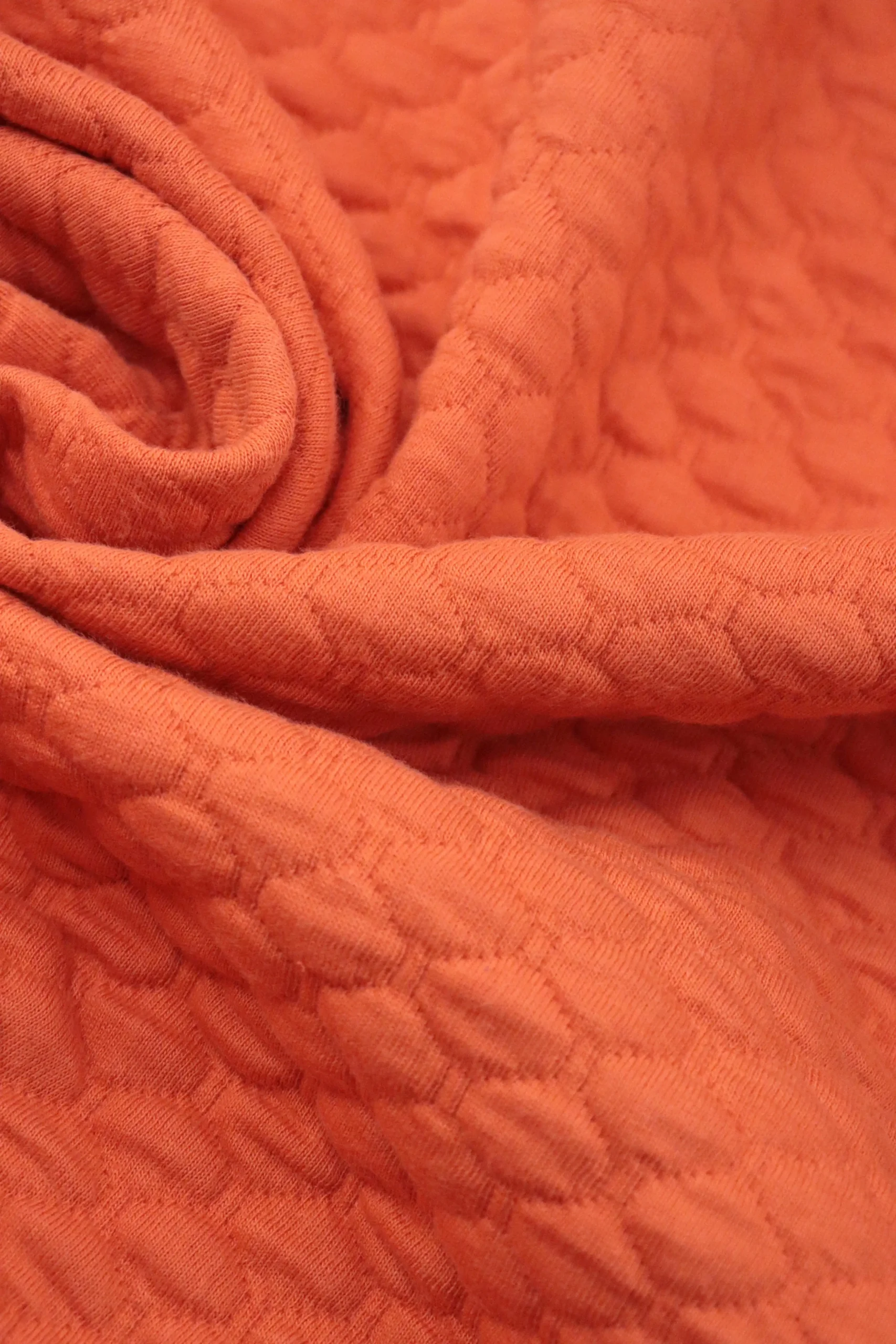
Standaard versus maatwerk stof: kostprijsvergelijking per meter
Maatwerkstof kost aanzienlijk meer vooraf, maar voorkomt verspilling en doublures.
Voor een collectie van 500 meter vallen standaard tweed- en breistoffen tussen een lage fabrieksdirecte prijs en een betaalbare fabrieksdirecte prijs. Maatwerkontwikkeling brengt dat naar een lage fabrieksdirecte prijs. De meerprijs betaalt voor exclusieve garenmengsels en breedtecontrole die u niet kunt krijgen van openmarktrollen.
- Standaard katoenen jersey: Standaard: een concurrerende fabrieksdirecte prijs; maatwerk: een betaalbare fabrieksdirecte prijs. Standaard gebruikt generiek 20/1 gekamd katoen; maatwerk laat u de garentelling en mercerisatie specificeren.
- GOTS biologisch katoen: Standaard: een lage fabrieksdirecte prijs; maatwerk: een concurrerende fabrieksdirecte prijs. Certificering voegt kosten toe, maar maatwerk garandeert volledige ketenbewakingsdocumentatie van het egreneren tot het verven.
- Technisch gerecycled nylon: Standaard: een betaalbare fabrieksdirecte prijs; maatwerk: een lage fabrieksdirecte prijs. GRS-gecertificeerde standaard bestaat, maar maatwerk laat u exacte denier- en filamenttellingen matchen voor prestaties bovenkleding.
- Chanel-stijl bouclé tweed: Standaard: een concurrerende fabrieksdirecte prijs; maatwerk: een betaalbare fabrieksdirecte prijs. Standaard bouclé gebruikt gangbare poly/wol mengsels; maatwerk spint slub- en lussengarens in eigen huis om marktduplicatie te voorkomen.
- Krimpbeheersing: Voorraadstoffen van generieke Aziatische leveranciers hebben vaak een ongecontroleerde krimp van 5–10%. Maatwerkmolens krimpen voor en garanderen <3% — wat productieafwijkingen in maatvoering voorkomt die je retouren kosten.
- Exacte breedte weven: Maatwerkstof kan worden geweven op 140 cm in plaats van de standaard 150 cm, wat tot 8% materiaal bespaart. Bij een bestelling van 500 meter komt dat neer op een lage fabrieksdirecte prijs terug in uw zak.
- Eigen garenspinnerij: Maatwerk maakt bouclé, slub en chenillegarens mogelijk die in eigen huis worden gesponnen — texturen die simpelweg niet op voorraadlijsten voorkomen. Zo bouwen opkomende merken een visuele signatuur op zonder een molen te openen.
Standaard stofprijzen weerspiegelen massaproductie: fabrieken draaien verfpartijen van 5.000 meter, dus jouw 500 meter profiteert van volumeschaalvoordelen. De keerzijde? Nul differentiatie. Elke concurrent met een creditcard kan dezelfde rol kopen. Maatwerk stof Dit keert het om — jij bezit de kleur en textuur, en je weeft op jouw collectiebreedte, waardoor afval van 10–15% wordt teruggebracht tot onder de 8%.
Directe inkoop bij de fabriek Verlaagt de maatwerkkosten aanzienlijk. Terwijl Europese fabrieken een topklasse Europese fabrieksprijs vragen voor soortgelijke ontwikkeling, leveren fabrieken in Wenzhou (waaronder Fursone) een vergelijkbaar handgevoel en duurzaamheid voor een lage fabrieksdirecte prijs. Dit verschil van ongeveer een vijfde tot een derde, beschreven in de fabrieksdirecte prijsvergelijking, komt door in-house garenspinnen en lagere arbeidskosten — niet door lagere kwaliteit.
| Stofsoort | Voorraadprijs per meter | Maatwerkprijs per meter (bestelling van 500 m) | MOQ | Doorlooptijd |
|---|---|---|---|---|
| Standaard tweed (poly/wol mix) | een concurrerend fabriekstarief | een toegankelijk fabriekstarief | Standaard: 100 m; Maatwerk: 1000 m (500 m geaccepteerd tegen een aanzienlijke meerprijs) | Voorraad: 3–7 dagen; Maatwerk: 7 dagen monstername + 4–6 weken productie |
| Zwaar bouclé (fantasiegarenmix) | een laag fabriekstarief | een concurrerend fabriekstarief | Voorraad: 100–200m; Maatwerk: 1000m (500m geaccepteerd tegen een zinvolle meerprijs) | Voorraad: 3–7 dagen; Maatwerk: 7 dagen monstername + 4–6 weken productie |
| Gestructureerde kabelssteekbrei (katoen/gerecycled poly) | een toegankelijk fabriekstarief | een laag fabriekstarief | Voorraad: 100–200m; Maatwerk: 1000m (500m geaccepteerd tegen een zinvolle meerprijs) | Voorraad: 3–7 dagen; Maatwerk: 7 dagen monstername + 4–6 weken productie |
| Eco duurzame brei (GOTS biologisch katoen) | een concurrerend fabriekstarief | een toegankelijk fabriekstarief | Standaard: 100 m; Maatwerk: 1000 m (500 m geaccepteerd tegen een aanzienlijke meerprijs) | Voorraad: 3–7 dagen; Maatwerk: 7 dagen monstername + 4–6 weken productie |
| Fancy garens mengsel (metallic/chanel-stijl) | een laag fabriekstarief | een concurrerend fabriekstarief | Voorraad: 100–200m; Maatwerk: 1000m (500m geaccepteerd tegen een zinvolle meerprijs) | Voorraad: 3–7 dagen; Maatwerk: 7 dagen monstername + 4–6 weken productie |
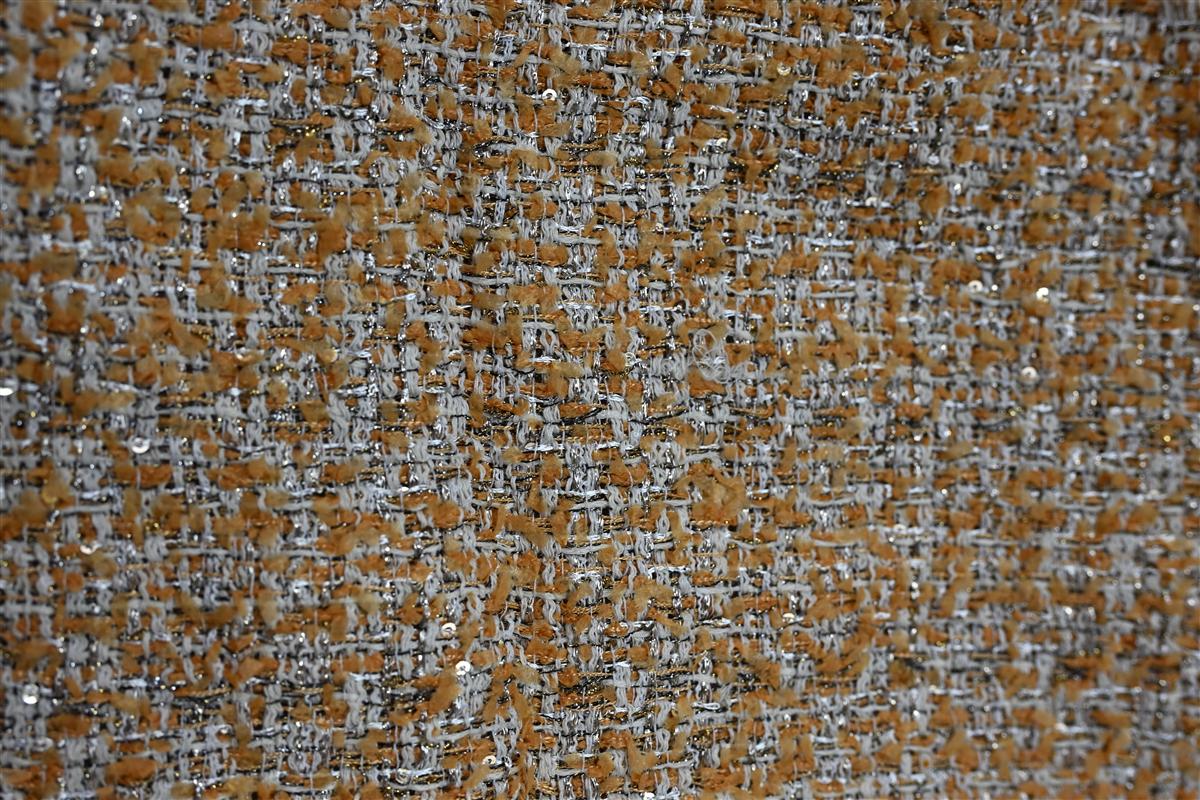
De verborgen kosten van voorraadstoffen: Verspilling & duplicatierisico
De standaardbreedte van voorraadstoffen en de beschikbaarheid op de open markt tasten stilletjes de marges en identiteit van uw collectie aan.
De meeste standaard tweed- en breistoffen worden geleverd in een vaste breedte van 150 cm. Wanneer uw patroondelen niet netjes in die breedte passen, blijft er 10–15% van elke meter op de snijtafel liggen. Bij een bestelling van 500m is dat 50 tot 75 meter betaalde stof die rechtstreeks in de prullenbak verdwijnt—wat u kost tussen een aanzienlijk bedrag, afhankelijk van de prijs per meter.
De financiële aderlating stopt niet bij fysiek afval. Voorraadstoffen zijn open-marktvoorraad. Elke concurrent, fast-fashion merk of groothandelaar kan dezelfde rol kopen. Wanneer je collectie op de markt komt, is er geen garantie dat een ander label niet hetzelfde materiaal gebruikt. Voor een opkomend merk dat een visuele identiteit opbouwt rond textuur, verwatert dit duplicatierisico alles wat je probeert te bereiken.
- Breedtemismatch afval: De standaard breedte van 150cm veroorzaakt 10–15% textielverlies voor patronen die zijn geoptimaliseerd voor een andere snijbreedte. Maatwerkstof die exact volgens uw specificaties is geweven—bijvoorbeeld 140cm—vermindert dit afval tot onder 8%, wat alleen al bij een bestelling van 500m een concurrerende fabrieksdirecte prijs oplevert.
- Krimpinconsistentie: Voorraadstoffen van generieke Aziatische fabrieken hebben vaak 5–10% krimppercentages die beginners over het hoofd zien totdat eindkledingstukken kleiner aankomen dan geclassificeerd. Op maat gemaakte fabrieken met eigen testlaboratoria kunnen voorwassen en krimp onder 3% garanderen voordat u een enkel stuk snijdt.
- Garensamenstelling misleiding: Veel kant-en-klare tweeds vertrouwen op standaard polyester/nylon mengsels die goed fotograferen maar geen dimensionale textuur hebben. Maatwerkontwikkeling stelt u in staat om opdracht te geven voor exclusieve bouclé of slubgarens die exclusief voor uw merk worden gesponnen—een voordeel dat voorraadleveranciers niet kunnen nabootsen.
- Dubbele voorraadrisico: Wanneer een populaire voorraadstof uitverkocht raakt en tegelijkertijd door meerdere merken wordt nabesteld, behoort uw ‘kerntextiel’ plotseling aan iedereen toe. Maatwerkprogramma's bieden patroonkaartexclusiviteit, waardoor uw stofrecept wordt vergrendeld zodat geen ander merk dezelfde constructie kan verkrijgen.
Deze verborgen kosten stapelen zich stil op. Het 8% breedteverlies, 5–7% krimpsurplus en verloren uniciteit zijn geen posten op de factuur van uw leverancier—maar ze komen naar voren wanneer u de werkelijke kostprijs per verkoopbaar kledingstuk berekent. Voor een collectie van 500m kunt u met maatwerk de onzekerheid van voorraad inruilen voor strakke technische toleranties en echte marktdifferentiatie.
| Verborgen Kostenfactor | Voorraadstof Risico | Maatwerkstof Voordeel | Impact van 500m bestelling | Merkgevolg |
|---|---|---|---|---|
| Verspilling door breedte-mismatch | Standaard breedte van 150cm komt vaak niet overeen met patroonindelingen, wat leidt tot 10–15% snijafval. | Geweven op uw exacte breedte (bijv. 140cm), waardoor afval wordt verminderd tot <8% en stof wordt bespaard. | een aanzienlijk bedrag verloren aan verspilde stof; maatwerk bespaart een toegankelijke fabrieksdirecte prijs. | Uitgeholde marges, opgeblazen kosten per kledingstuk en onvoorspelbare budgettering. |
| Marktduplicatie | Dezelfde voorraadrollen worden aan meerdere merken verkocht, wat leidt tot identieke stoffen in concurrerende collecties. | Exclusief eigen garenspinnen (bouclé, slub) voorkomt duplicatie en zorgt voor een kenmerkende uitstraling. | Verlies van collectie-uniekheid – concurrenten kunnen hero-stukken repliceren. | Verwaterde merkidentiteit, verminderde waargenomen waarde en mogelijk verlies van interesse van voorraadhouders. |
| Krimp-inconsistentie | Inconsistente krimppercentages (5–10%) zonder vooraf testen, verstoort de kledingmaat na eerste wasbeurt. | Vooraf geteste krimp <3% en volledige kwaliteitsrapporten bij labdips. | Mogelijke volledige batchafwijzing of dure herbewerking, met risico op duizenden euro's aan productiekosten. | Retourzendingen van klanten en reputatieschade door slechte pasvorm, wat de luxe positionering ondermijnt. |
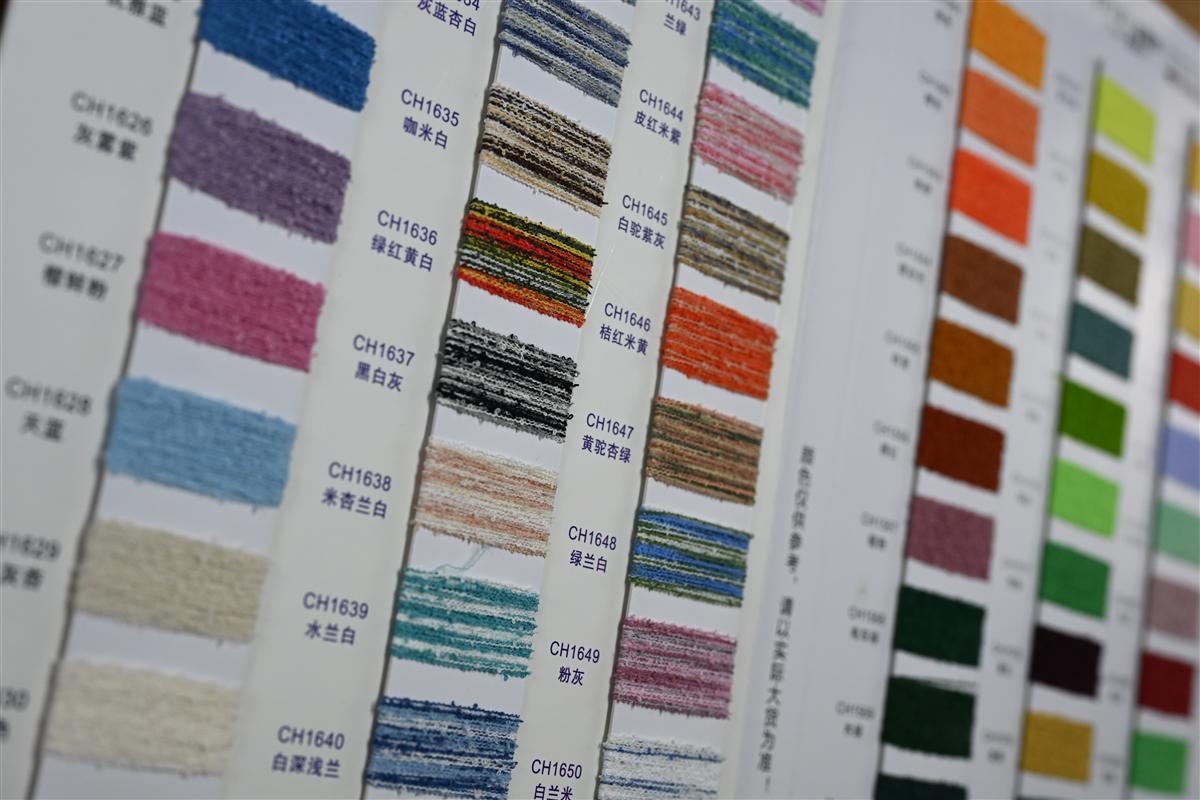
MOQ-Showdown: 500m Bestelling – Welke Optie Wint?
500m is de valstrikbestelling—te groot voor voorraadflexibiliteit, te klein voor standaard maatwerk.
Standaard stoffen op voorraad worden geleverd op rollen van 100 tot 200 meter per kleur. Weverijen breken die rollen zelden. Bij een bestelling van 500m kom je in het nauw: misschien 3 kleuren van 150–200m elk, of 4 kleuren als je kleinere rollen vindt. Je koopt meer kleurstellingen dan je wilde. Je ontwerpt rond de beschikbaarheid van stof—het omgekeerde van hoe een collectie zou moeten werken.
- Voorraadbeperking bij 500m:: Minimaal 1–2 rollen per kleur (100–200m per stuk). Om 500m te bereiken, accepteert u 3–4 kleurverplichtingen. Kostenraming met middenklasse tweed tegen een toegankelijke fabrieksdirecte prijs: 3 kleuren × 200m = een aanzienlijk bedrag. Als u slechts 2 kleuren nodig had, heeft u zojuist een aanzienlijk bedrag uitgegeven aan stof die u niet wilde.
- Custom Fursone-programma:: Standaard minimale bestelhoeveelheid (MOQ) op maat is 1.000m per kleur. Maar een bestelling van 500m wordt geaccepteerd als een halve MOQ met een toeslag van 15–20% op de prijs per meter. U krijgt precies 2 kleuren, niets opgedrongen. Kostenraming voor een premium maatwerktweed tegen een lage fabrieksdirecte prijs + 20% toeslag: 500m tegen een concurrerende prijs = een aanzienlijk bedrag. Hogere prijs, maar elke meter gaat in een kledingstuk dat u had gepland.
- Het kleurrekenvoordeel:: Voorraadkosten voor 5 kleuren die je niet wilt: verspild geld. Maatwerkkosten voor 2 kleuren die je specifiek hebt ontworpen: 100% bruikbaar. De premie per meter krimpt wanneer je stopt met betalen voor ongewenste voorraad.
Het echte kostenverhaal verschuift wanneer u kijkt naar wat maatwerk elimineert. Standaard tweed van generieke Aziatische fabrieken heeft vaak inconsistente krimp—ergens tussen 5% en 10%. Een beginnende ontwerper bestelt 500m, wast een monster en ontdekt dat de afmetingen zijn veranderd. Opeens kloppen de snijpatronen niet en is 25–50 meter afval. Tegen een concurrerende fabrieksdirecte prijs is dat een lage fabrieksdirecte prijs die verdwijnt voordat er ook maar één kledingstuk wordt verzonden.
Een fabriek die een maatwerkprogramma met interne testprotocollen draait—waarbij krimp vooraf wordt getest en gegarandeerd onder 3% blijft—verwijdert die verborgen kosten. Interne productiegegevens uit het laboratorium van Fursone tonen aan dat voorgeschrompelde, geteste maatwerkstof het afval na productie reduceert tot minder dan 8%, vergeleken met de 10–15% norm voor ongeteste standaardgoederen. Bij een bestelling van 500m levert dat verschil in afval alleen al 35–75 meter op, of een substantieel bedrag, afhankelijk van het stofniveau.
Er is nog een hefboom waar niemand over praat: stofbreedte. Standaardstof is meestal 150 cm breed. Als uw patroon is geoptimaliseerd voor 140 cm—een gebruikelijke breedte voor maatwerkjassen en gestructureerde tweedstukken—betaalt u voor 10 cm materiaal dat u bij elke snede weggooit. Maatwerkweven op exacte collectiebreedte herstelt tot 8% van het totale materiaal. Bij een bestelling van 500m is dat ruwweg een concurrerende fabrieksdirecte prijs terug in uw zak. De toeslag voor maatwerk begint zichzelf uit te wissen.
Een laatste waarschuwing: als je leverancier van maatwerkstof geen GRS- of OEKO-TEX-certificering biedt voor de halve MOQ-bestelling, bouw je een duurzaamheidsclaim die je niet kunt bewijzen. Wanneer EU- of VS-retailers om certificering vragen—en dat zullen ze—wordt je maatwerkrun van 500m een aansprakelijkheid in plaats van een aanwinst. Zorg ervoor dat het maatwerkprogramma traceerbare certificering omvat, niet alleen een belofte.
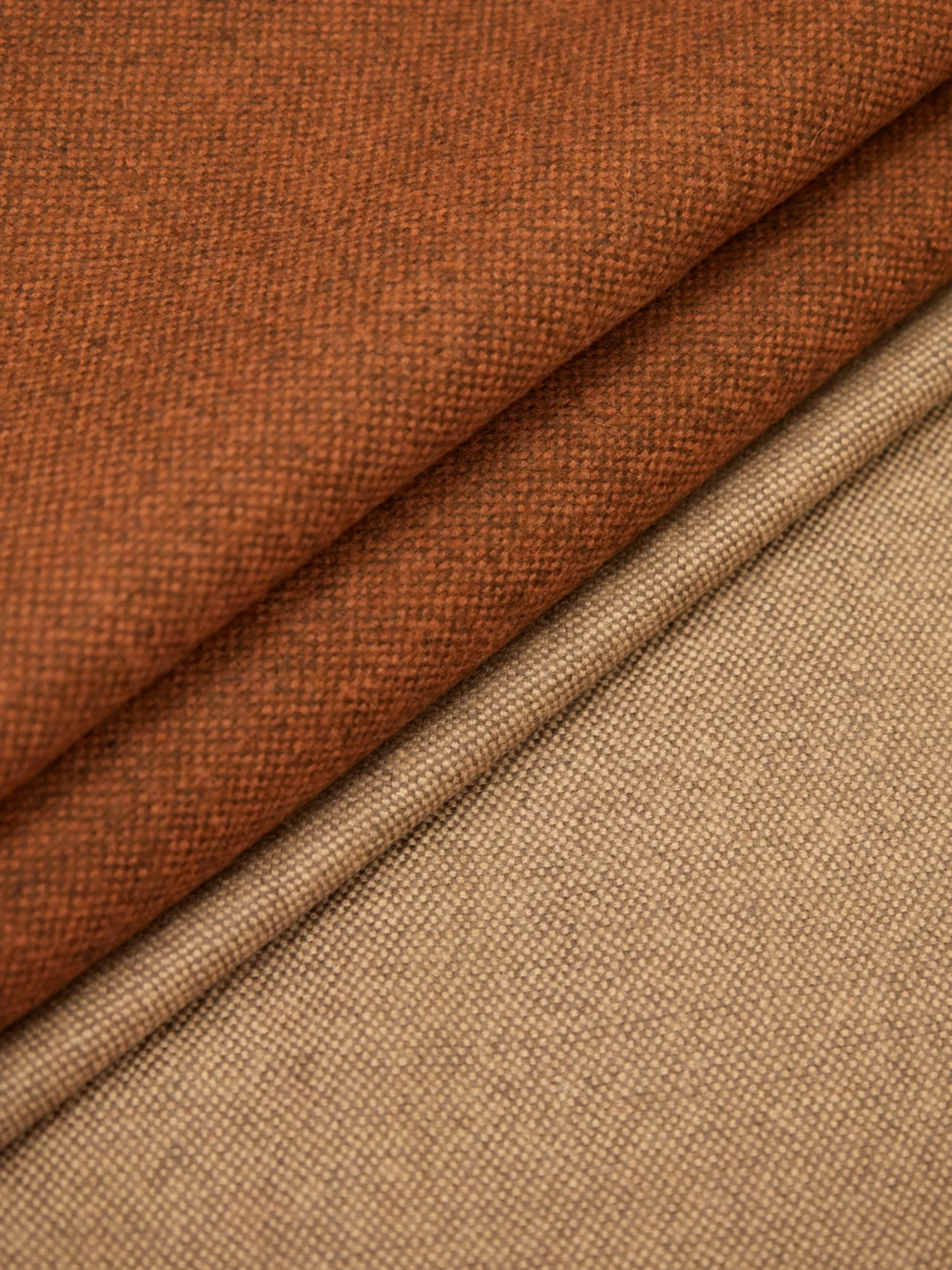
Kosten en doorlooptijden van monsters: voorraadstalen versus aangepaste labdips
Voorraadstalen overslaan het labrapport — aangepaste labdips leveren gegarandeerde krimp onder 3%.
Als u nog nooit maatwerkstof heeft besteld, kan de regel voor monsters aanvoelen als een onnodige tol. Standaard stalen liggen binnen 2 dagen op uw bureau voor een paar dollar per stuk. De maatwerkroute vereist een vergoeding per kleur en een wachttijd van 10 dagen. Het verschil is niet alleen het geld—het is wat u eigenlijk koopt.
- Voorraadstaal: een toegankelijke fabrieksdirecte prijs per stuk. Verzending binnen 2–5 dagen. U ontvangt een voorgesneden rechthoek uit bestaande voorraad — geen testgegevens inbegrepen.
- Aangepaste labdip: een prijs per kleur. Doorlooptijd van 7–10 dagen. U ontvangt een op kleur geverfd stalenkaartje plus een eenpagina technisch rapport: waskrimp, kleurechtheidsclassificatie, en scheeftolerantie.
Een collectie van 500 meter met 2 kleuren telt snel op. Standaard monsterafname kost een lage molendirecte prijs in totaal. Custom labdips landen op een concurrerende molendirecte prijs. Bij een krap budget doet dat verschil pijn. Maar dit vertelt het standaard stalenkaartje u niet: krimp op standaard tweeds van vrije marktmolens ligt routinematig rond 5–10%. Dat ontdekt u wanneer 18 jas-mouwen 2 cm te kort blijken. Een custom molen die vooraf testen en krimp onder 3% garandeert, verandert een toegankelijke fabrieksdirecte monsternamekost in kwaliteitscontrole die u kunt amortiseren over elk kledingstuk.
Labdips omvatten ook kleurechtheid tegen licht en wrijven (nat/droog wrijven) — gegevenspunten die voorraadleveranciers zelden vrijgeven. Als uw collectie naar een boetiek wordt verzonden die de helft van de partij retourneert vanwege afgeven op voeringen, ziet de lage molendirecte labdip eruit als de goedkoopste post op uw P&L.
| Monsternemingsfase | Voorraadstaal (voorraadstof) | Aangepaste labdip (maatwerkontwikkeling) | Belangrijkste beslissingsfactor | Valkuil voor beginners om te vermijden |
|---|---|---|---|---|
| Eerste aanvraag voor stalen | een kost per monster. Verzending binnen 2–5 dagen. Vaak gratis voor actieve kopers. | een prijs per kleur. Doorlooptijd van 7–10 dagen na kleurbevestiging. | Voorraad geeft directe handgevoel; maatwerk onthult ware kleurnauwkeurigheid op uw eigen garenmengsel. | Aannemen dat een voorraadstaalkleur definitief is—partijverfpartijen kunnen 5–10% verschuiven zonder labdip. |
| Technische tests inbegrepen | Bevat zelden technische gegevenskaarten. U krijgt alleen het staal; geen krimp of echtheidsgaranties. | Altijd inbegrepen krimp (<3% garantie), kleurechtheid tegen licht/wrijven, en gewichtsverificatie. | Maatwerk labdips fungeren als een pre-productie kwaliteitsaudit. Voorraadstalen vereisen uw eigen externe tests. | Het overslaan van tests op een voorraadstof die ‘premium’ aanvoelt maar 8% krimpt bij wassen—vernietigt de pasvorm van het kledingstuk. |
| Totale kosten voor monsters (2 kleuren) | een toegankelijke fabrieksdirecte prijs voor twee kleurstalen. Directe verzending. Geen verplichting. | een lage molendirecte prijs voor twee labdips. Deze vergoeding wordt meestal verrekend met uw productieorder van 500 meter. | Standaardmonsters zijn verzonken kosten. Maatwerkmonsters zijn een terugbetaalbare aanbetaling als u doorgaat naar productie. | De concurrerende molendirecte labdip beschouwen als een zuivere uitgave, niet als de enige manier om een exclusief, getest kleurenpalet vast te leggen. |
| Risico op kleurverschil | Hoog risico. Het staal kan van een andere verfpartij zijn dan de rol die u ontvangt, wat gestreepte kledingstukken veroorzaakt. | Bijna nul risico. De goedgekeurde labdip wordt de bindende hoofdstandaard voor uw hele batch van 500 meter. | Voor effen gekleurde jassen of bijpassende sets is een maatwerk labdip de enige verzekering tegen kleurverschillen tussen partijen. | 200 meter van een standaard ‘charcoal’ tweed bestellen, alleen om te ontdekken dat het 20% lichter is dan het goedgekeurde staal. |
| Doorlooptijdimpact op lancering | U kunt basisgoederen goedkeuren en binnen 5 kalenderdagen na ontvangst van het staal beginnen met knippen. | Voegt precies 7 dagen toe van concept tot staal, maar bespaart 3–4 weken herwerk als later standaardverfpartijen niet overeenkomen. | Gebruik standaard voor snelle voeringen en basislagen. Gebruik maatwerk voor hero-stoffen waar een mislukte kleurcombinatie de collectie verpest. | Alles op maat bestellen om ‘veilig te spelen’—en een verkoopperiode van 4 weken verliezen voor uw pre-herfst basisartikelen. |
Totale Eigendomskosten: 500m Collectiebudgetcalculator
Het prijsverschil zit niet alleen per meter—het is de 15% verspilling die je stilletjes betaalt op voorraadstof.
Je plant een voorjaarscollectie van 5 stijlen, 100 meter per stijl. Totale benodigde stof: 500 meter. De vraag is niet simpelweg voorraad versus maatwerkprijs per meter. Het is wat je daadwerkelijk betaalt na monstername, verzending en de snijtafel.
Optie A — Volledig uit voorraad. Stofkosten: een aanzienlijk bedrag. Standaard tweed- en breirollen uit voorraad hebben een breedte van 150 cm. Wanneer uw patroon is geoptimaliseerd voor 140 cm, verliest u 10–15% aan afval. Dat drijft uw werkelijke kosten op tot een aanzienlijk bedrag. Stofstalen uit voorraad hebben een concurrerend tarief rechtstreeks van de fabriek per kleurstelling; de verzending is snel (3–7 dagen), dus het geld verlaat onmiddellijk uw rekening.
Optie B — 2 exclusieve ontwerpen op maat + 3 stukken uit voorraad. Stof op maat heeft een toegankelijk tarief rechtstreeks van de fabriek, dus een vergoeding per stijl, of een aanzienlijk totaalbedrag. Voorraad vult de overige drie stijlen: een aanzienlijk bedrag. Gecombineerd bereik: een aanzienlijk bedrag. Stalen van labkleuren op maat kosten een extra vergoeding per kleur, maar die R&D-kosten omvatten krimptesten (<3% gegarandeerd bij Fursone) en kleurechtheidsgegevens die u niet krijgt met voorraad.
- Afvalvermindering: Stof op maat kan worden geweven op de exacte breedte van uw collectie (bijv. 140 cm). Dit vermindert afval met tot 8% — een toegankelijk tarief rechtstreeks van de fabriek dat bespaart op een bestelling van 500 m.
- Krimpbeheersing: Voorraadstof uit gangbare kanalen heeft vaak 5–10% restkrimp. Fursone test maatwerkpartijen vooraf om dit onder 3% te houden, waardoor postproductie maatafwijkingen worden geëlimineerd.
- Exclusiviteit: Maatwerk garenspinning (bouclé, slub) geeft je texturen die geen ander merk uit de schappen kan kopen. Voorraadstof is beschikbaar voor iedereen, inclusief je directe concurrenten.
Het hybride pad kost vooraf een aanzienlijk bedrag meer dan de volledig uit voorraad route. Maar dat premie wordt gecompenseerd door minder afval, voorspelbare krimp en collectiedifferentiatie. Bovendien vermijdt u de dure fout om uw ‘signatuur’ stof drie maanden later in het assortiment van een concurrerend merk te vinden.
Wijs je maatwerkbudget toe aan hero-stukken—de Chanel-stijl bouclé jas of gestructureerde kabelgebreide jas die de lijn definieert. Gebruik voorraadstoffen voor voeringen, basischoepen en accessoires waar snelheid en prijs belangrijker zijn dan uniciteit.
| Kostenpost | Voorraad stof scenario | Maatwerk stof scenario | Berekeningsbasis | Insiderkennis |
|---|---|---|---|---|
| Basisprijs stof (totaal 500m) | een aanzienlijk bedrag (een laag tarief rechtstreeks van de fabriek) | Een aanzienlijk totaalbedrag (premiumtarief per meter, inclusief een premie voor kleine minimale bestelhoeveelheden) | Prijs/m × 500m. Voorraad gebruikt massaproductie grijze stof; maatwerk absorbeert eigen garenspinnen & kleine partij verven. | Maatwerk lijkt 2x duurder, maar stemt de kosten direct af op de ‘held’ stukken die de visuele handtekening van je merk definiëren. |
| Investering in monsters (voor productie) | een laag tarief rechtstreeks van de fabriek (een vergoeding per monster voor 2 stijlen) | een concurrerend tarief rechtstreeks van de fabriek (een toegankelijk tarief rechtstreeks van de fabriek/labkleur per stijl, voor 2 exclusieve ontwerpen op maat) | Voorraadstalen worden gesneden uit bestaande rollen; maatwerk labdips omvatten proefverfbaden, spectrofotometermatching en 7 dagen R&D-tijd. | Labkleuren op maat omvatten testrapporten voor krimp en kleurechtheid — gegevens die leveranciers van voorraad zelden verstrekken. Dit toegankelijke tarief rechtstreeks van de fabriek bespaart een laag tarief rechtstreeks van de fabriek+ aan vermeden productierampen. |
| Materiaalverspilling (realiteit op de snijvloer) | een aanzienlijk bedrag (10–15% typisch afval op 500 m) | een lage fabrieksdirecte prijs (<8% afval; exacte breedte weven mogelijk) | Voorraadrollen vast op 150 cm vs. het optimum van 140 cm voor uw patroon. Maatwerk kan worden geweven op 140 cm, waardoor onbruikbare zelfkant en reststukken worden verminderd. | Richt u op maatwerk voor uw gestructureerde jassen? Exact-breedte weven op 500m bespaart ~een concurrerende fabrieksdirecte prijs. Dat is uw hele monsternamebudget terug. |
| Verzending, Douane & Logistiek (Azië -> VS/EU typisch) | een concurrerende fabrieksdirecte prijs (luchtvracht voor 3-7 dagen; zee mogelijk) | een toegankelijke fabrieksdirecte prijs (meestal lucht voor snelle doorloop; zee voor 4-6 weken productie) | Voorraad wordt direct verzonden, vaak via luchtkoerier. Maatwerk voegt gewicht en volume toe door bemonsteringsrondes, maar zeetransport verlaagt de kosten met 60%. | Begroot nooit nul voor maatwerklogistiek. We hebben startups een aanzienlijk bedrag zien verliezen aan last-minute luchtvrachten omdat ze de doorlooptijd vergaten. |
| Verborgen Kwaliteit / Duplicatierisico | Hoog: 3+ merken kunnen exact dezelfde rol kopen. Kleurverschil tussen batches komt vaak voor. | Nul: Eigen garen & exclusief weefsel garanderen geen marktoverlap. Consistentie in één verfbad over uw 500m. | Voorraad betekent dat u concurreert op stijl met identiek basismateriaal. Maatwerk geeft u een textiel ‘patent’ zonder de juridische kosten. | In een beoordeling van de showroom van een klant verminderde identieke stof van een massamarktlijn hun premium perceptie. De gederfde omzet kon niet per meter worden berekend. |
| Totale eigendomskosten (TCO) | een aanzienlijk bedrag (incl. afval, monstername, verzending) | een aanzienlijk bedrag (2 stijlen maatwerk + 3 stijlen voorraad, alle kosten inbegrepen) | Som van basisstof + stalen + afval + verzending. Omvat geen ontwerpdifferentiatiewaarde. | TCO onthult ware intelligentie: de custom optie laat u 20%+ marge rekenen op ‘hero’ jassen, wat de hogere initiële stoffenkosten meer dan compenseert. |
Conclusie
De lage prijs per meter van voorraadstof verbergt kosten die u halverwege de productie treffen — 5–10% krimp bij standaard tweeds, 10–15% snijafval door vaste breedtes van 150 cm, en het stille risico dat uw “signature” bouclé bij een concurrent hangt. Maatwerkstof kost aan de voorkant aanzienlijk meer, maar garandeert minder dan 3% krimp, exact-breedte weven dat afval onder 8% brengt, en eigen garenspecificaties die niemand anders kan kopen. Voor een collectie van 500m pleit de rekensom ervoor om voorraadstoffen te gebruiken voor voeringen en basisstukken, terwijl maatwerkontwikkeling wordt gereserveerd voor de twee of drie stijlen die uw merk definiëren.
Bekijk de stock en custom stof opties op de Fursone dienstenpagina om voorradige tweeds vanaf 100 m rollen te vergelijken met custom programma's die 500 m accepteren tegen een bescheiden premie. Vraag stalen aan voor beide routes en bereken uw eigen kosten voordat u zich vastlegt.
Veelgestelde vragen
Hoeveel kost custom stof doorgaans?
Maatwerkstof voor een modecollectie van 500m kost doorgaans een concurrerende fabrieksdirecte prijs. Die marge verschuift sterk op basis van garencomplexiteit, verfproces en fabrieksminima, dus beschouw vroege schattingen als indicatief. Vraag een lab-dip en gewichtsofferte om een vaste prijs vast te leggen.
Hoe berekent u de kosten van stof voor een collectie?
Vermenigvuldig het totale stofverbruik per kledingstuk met de geplande eenheden, vermenigvuldig vervolgens met de prijs per meter en voeg 10–15% toe voor procesafval. De grootste variabele is de prijs per meter, die afhangt van custom. Maak twee kolommen — stockprijs en custom prijs — voordat u zich vastlegt op een volume.
Kan ik een kledingmerk starten met een toegankelijke fabrieksdirecte prijs?
Een laag budget tegen directe fabrieksprijzen kan sampling of een kleine testrun met voorraadstof dekken, maar het financiert geen volledige collectie van 500 m of maatwerkontwikkeling. Voorraadprogramma's met lage minimumhoeveelheden (100 m). Begin met deadstock of onze 100 m voorraadoptie om de vraag te valideren voordat je opschaalt.
Wat is de stofprijscalculator?
Een stofprijscalculator is een kostprijsberekeningstool die de benodigde meters vermenigvuldigt met de door de leverancier opgegeven eenheidsprijs en vervolgens afval, verfsurtoeslagen en vrachtkosten toevoegt. Zonder een bevestigd technisch pakket. Gebruik het als een vergelijkingskader, niet als een definitieve offerte.
Wat is de formule voor het berekenen van stofkosten?
De praktische formule is: (kledingverbruik × aantal × prijs per meter) + productieafval + vracht. Voor maatwerkstof voeg je een substantiële opslag toe aan de voorraadbasis en valideer je tegen de. Vraag altijd naar de geleverde prijs (landed cost), niet alleen de prijs exclusief fabriek.

Gerelateerde inzichten
Hoe breigoed importeren uit China: Douane & Verzending
Import van gebreide stof uit China is de eerste controlepost die kopers moeten vastleggen voordat ze een... goedkeuren.

Bulk stof bestellen: MOQ en prijzen onderhandelen met weverijen
{ “@context”: “https://schema.org”, “@type”: “Article”, “id”: “evo301-geo-ai-block”, “definition”: “Bulk fabric ordering MOQ negotiation succeeds when...
Vermijd douanevertragingen bij het importeren van tweed
vermijd douanevertragingen stofimport is het eerste controlepunt dat kopers moeten vastleggen voordat ze goedkeuren...