
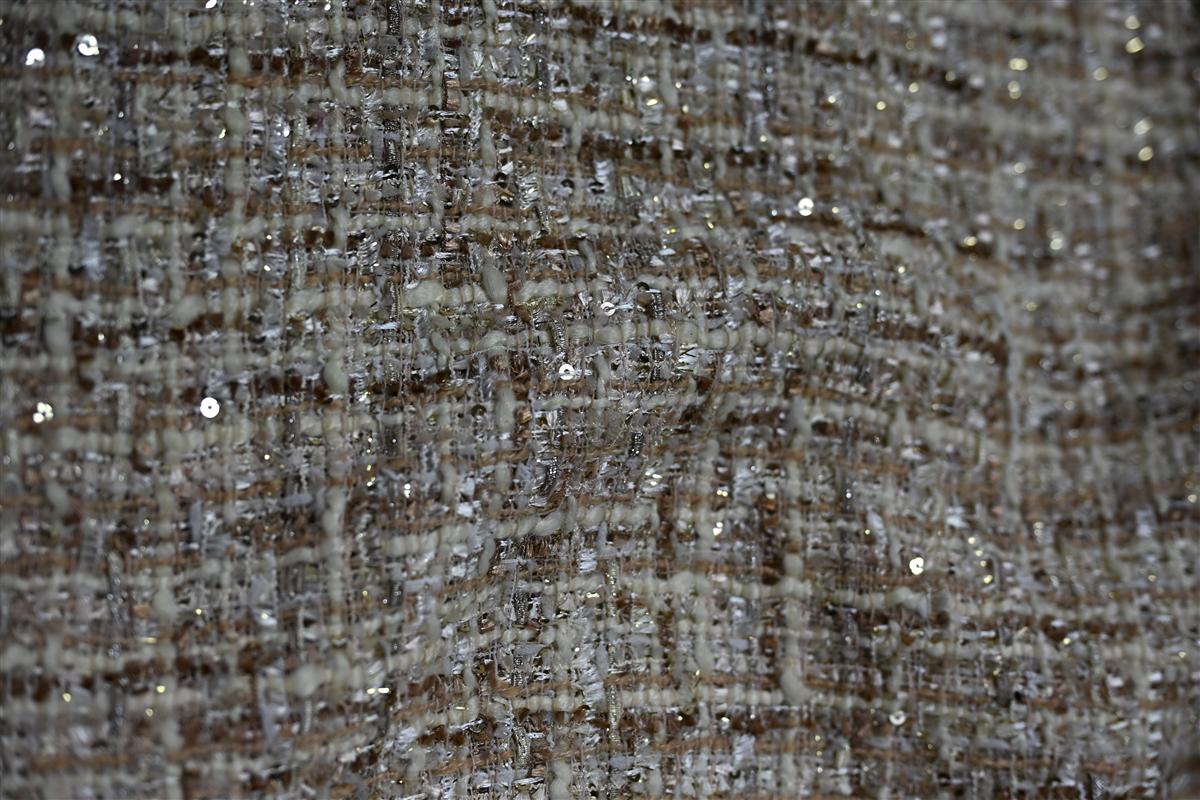
A mill gate is a signed freeze on samples, yarn and dye, or loom start between a June show and a September cloth delivery in 2026. Lock sample approval, yarn-and-dye, then loom start with fields—not month names. According to practice beside ISO 3801, verbal calendars fail. Use the three gates below.

What Is a Signable Mill Gate Before a June Show?
A signable mill gate is a dated document that freezes one production input and names who may change it, and the first gate for a June show is sample approval of cloth that can still be woven in bulk. First, attach the approved handloom or strike-off piece with lot ID. Second, write GSM, width, weave, yarn count, and finish on the same card. Third, require buyer and mill signatures before lookbook photos go public. According to the milestone discipline already used in mill milestones for a pre-order window, a show sample that cannot be remade is a sales trap. In 2026, treat unsigned show cloth as non-orderable. Keep one sealed retain for disputes after September delivery.
Which Three Gates Separate June Selling From September Cloth?
Three mill gates separate June selling from September cloth delivery: sample approval, yarn-and-dye lock, and loom-start lock, and each gate blocks the next until every field is complete on paper. First, sample approval freezes aesthetics and construction against a sealed retain swatch with lot ID. Second, yarn-and-dye lock freezes fibre lot, dip ID, illuminant, and Delta-E cap for bulk colour. Third, loom-start lock freezes sett, width, ends and picks, and finishing route on the weaving ticket. According to buyers who track slot moves in launch-slot protection notes, skipping gate two causes about 40% of post-show shade fails across seasonal programs. In practice, teams that keep signed PDFs reopen fewer than 10% of September claims. In 2026, refuse a loom ticket that cites only a Pantone number without a signed dip ID, and keep those PDFs for 12 months beside the purchase order.
What Fields Belong on Each Gate Form?
A gate form is the signed checklist for sample, yarn-dye, and loom gates in 2026 wool programs. First, refuse blank cells. Second, photograph the form with the retain. Third, file it with the purchase order. According to ISO 3801, GSM without a method note fails about 30% of later audits.
| Gate | Must-lock fields | Who signs |
|---|---|---|
| Zatwierdzenie próbki | Swatch ID, weave, width, GSM method, finish | Buyer + mill tech |
| Yarn and dye lock | Yarn lot, dip ID, illuminant, Delta-E cap | Buyer colour + dye house |
| Loom start | Sett, ends/picks, finishing route, ship window | Buyer + weaving planner |
How Do Parallel Trims Affect the Same Calendar?
Parallel trims are linings, labels, and hardware that must arrive before garment cut, and they do not replace mill gates even when the cloth calendar looks green. First, list trim lead owners beside each cloth gate date. Second, forbid selling a colourway whose trim shade is still open. Third, hold a joint review two weeks after the June show. According to 2026 OEM practice, cloth that passes gate three while lining shade is open still misses September assemblies. Put trim status on the same dashboard as loom start. Do not assume the mill tracks your trim vendors.
How Should Buffers Sit Between Show Day and Delivery Day?
A buffer is reserved calendar time for freight, QC, and one correction loop, and buffers belong after loom start rather than inside marketing slides. First, reserve inspection days after cloth land. Second, reserve one shade or construction correction window before garment cut. Third, publish the buffer dates to sales so June orders are not promised inside the buffer. According to pre-order milestone planning, a zero-buffer September date is the usual cause of airfreight panic. In 2026, write buffers as named days on the PO. Verbal buffers disappear when capacity tightens.
What Happens If Yarn Lot Changes After the Show?
A post-show yarn lot change is a new fibre identity that voids the June sample card until re-approval, and it is common when mills chase price or availability in midsummer. First, stop selling the affected colourway the day the mill discloses the change. Second, demand a new dip and a new construction check on the replacement lot. Third, reset loom start only after both new cards are signed. According to re-approval practice in yarn-lot re-approval before bulk weaving, shipping against the old June retain is the usual September shade fight. In 2026, put a lot-change notice clause in the confirmation. Give sales a forty-eight hour window to revise wholesale notes.
What Contract Sentence Blocks Soft Gates?
A soft gate is an email that says “looks fine” without fields or retains, and the contract sentence must require signed gate forms before each bulk step. First, state that bulk yarn may not be dyed without a signed dip card. Second, state that looms may not start without a signed construction sheet matching the June retain. Third, state that delivery claims cite the signed ship window, not chat timestamps. According to commercial practice around mill slot protection in slot-move protection notes, unsigned approvals are treated as open. In 2026, paste the three sentences into the order confirmation. Keep the signed PDFs with the commercial invoice pack.
When Should You Refuse to Sell a Colourway at the Show?
A refuse-to-sell rule is a pre-agreed stop that keeps unsellable colourways off the June line sheet, and it triggers when gate one or gate two is still open. First, mark any colourway without a signed sample card as “development only”. Second, mark any colourway without a dye lock as “not orderable”. Third, tell sales the two marks in writing before doors open. According to 2026 wholesale discipline, selling unlocked colourways creates September credit notes. Link the rule to the same gate table above. Review the marks again forty-eight hours before the show.
How Do You Audit Gates Weekly After June?
A weekly gate audit is a short meeting that checks which colourways still have open fields, and it prevents silent slips between show week and loom week. First, list every orderable colourway and its three gate statuses. Second, escalate any colourway that sold at the show but lost a yarn lot. Third, republish the orderable list to sales every Monday. According to 2026 planning cadence, teams that skip weekly audits discover blockers only at dyeing. Keep the audit to thirty minutes with the gate table on screen. Store the Monday list beside the PO folder.
How Do Freight and QC Eat the September Window?
Freight and QC consumption is the calendar share taken by transit, customs, and inspection after loom start, and teams that ignore it treat greige exit as customer delivery. First, map ocean or air transit days from the mill region you actually use. Second, add customs and broker days for wool cloth entries. Third, add inspection and one correction loop before garment cut. According to 2026 import practice for piece goods, promising September retail from an August loom exit without those days creates chargebacks. Publish the consumption as named days beside the ship window. Update sales when a mode changes midseason.
What Dashboard Columns Keep Gates Visible?
A gate dashboard is a shared sheet with colourway rows and three status columns, and it is the only view sales and planning should trust after June. First, use green only when a signed PDF exists. Second, use amber when a draft card awaits signature. Third, use red when a yarn lot or dip fails. According to planning notes already linked from mill milestone planning, chat status updates drift within a week. In 2026, refresh the dashboard every Monday before wholesale calls. Export a PDF snapshot into the PO folder.
How Do You Close a Colourway That Cannot Hit September?
A colourway close is a written stop that removes a style from September delivery promises when a gate cannot recover, and it protects margin better than silent hope. First, declare the close when yarn-and-dye remains red after the last recoverable date. Second, offer wholesale a substitute colourway that already has green gates. Third, document the close date on the dashboard and in customer emails. According to 2026 wholesale discipline, late closes cost less than failed deliveries. Keep the close letter beside the original June sample card. Do not reopen without a full three-gate reset.
What Kickoff Packet Should Arrive Before Sample Making?
A kickoff packet is the buyer file that lets the mill open gate one without chasing chat history, and thin packets create unsigned samples. First, include target GSM, width, weave sketch, and fibre content. Second, include season dates for June show and September delivery. Third, include colour intent with illuminant notes even before dips. According to 2026 mill onboarding practice, packets without dates produce pretty samples that miss capacity. Send the packet before the first handloom. Keep a revision log when design changes mid sample.
Document every gate photo with timestamps in 2026 so September disputes cite files, not memory. Keep one shared drive folder per colourway with cards, retains, and Monday audits. Refuse any bulk step that cannot point to that folder.
What Single Rule Prevents Most September Fights?
A single rule is that no bulk step starts without a signed gate or dip card ID on the same ticket, and that rule beats month-name calendars in 2026. First, print the rule on every PO. Second, train planners to reject tickets that cite Pantone or chat alone. Third, audit one random colourway each week against the folder. According to mill discipline already used across this site, unsigned steps create September credit notes. Keep the rule visible in the planning room. Review breaches in the Monday meeting.

Powiązane spostrzeżenia
Whose Line Is It: The Invoice Fields No Trader Can Sign
A commercial invoice for a cloth shipment is a single declaration assembled from three record...
When the Yarn Is Gone: Buying the Balance, Holding the Lot, Timing the Trigger
“The yarn is gone” means one stage in the chain has stopped holding stock, not...
Wool You Paid For: The Deposit, the Weight Basis, the Release
Wool prepayment is the part of a fabric deposit that pays for a named raw...