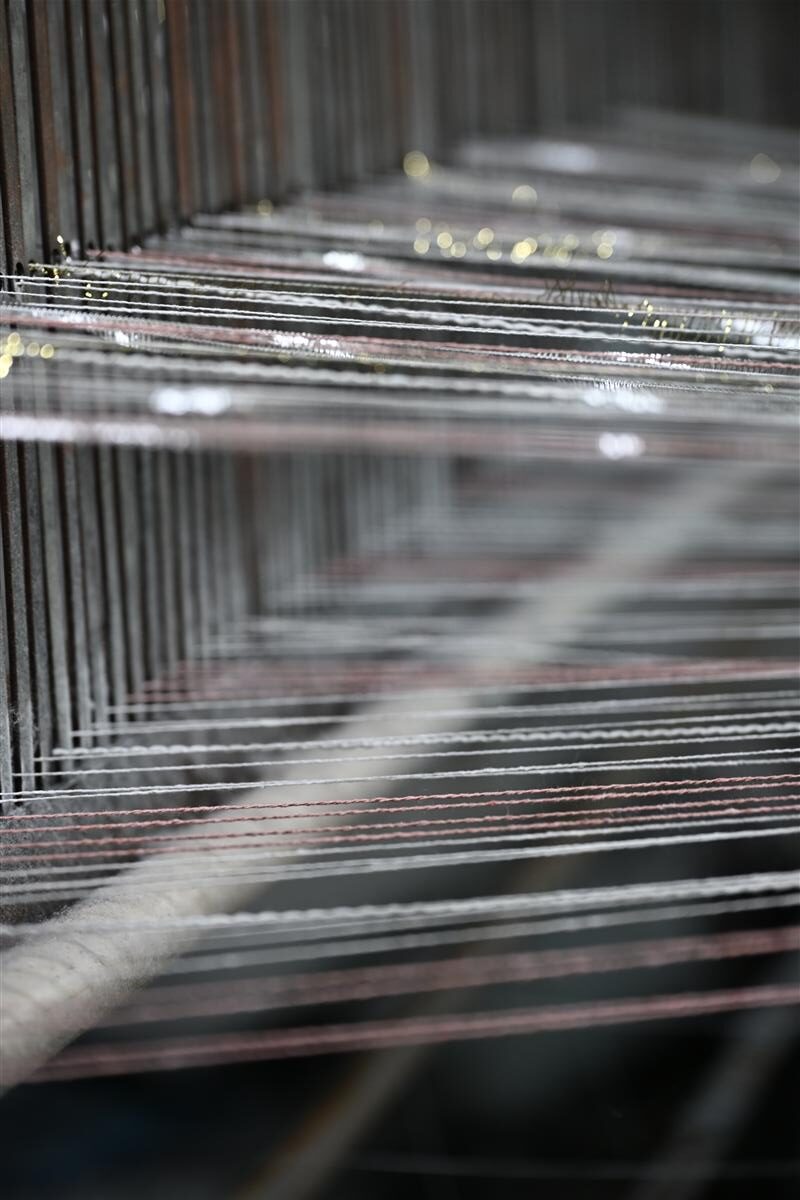
1. Większość początkujących projektantów, którzy szukają swojej pierwszej kolekcji kapsułowej, napotyka ścianę, gdy próbują pozyskać niestandardowe dzianiny poniżej 1000 metrów. Typowa przędzalnia nadal wymaga minimum 3000 metrów. To pozostawia cię z tymi samymi gotowymi rolami, które może zamówić każdy konkurent – albo ryzykowaniem z tanim dostawcą, który ukrywa kompromisy jakościowe w specyfikacji. Tkanina stanowi 60–70% ceny ex-works twojego ubrania. Jeśli źle dobierzesz dzianinę, nie tylko przekroczysz budżet. Wypuszczasz kolekcję, która mechaci się na wieszaku i kurczy po pierwszym praniu.
Prawdziwy koszt to nie cena za jard widoczna w wycenie. Widzieliśmy, jak projektanci tracą znaczne środki na rozproszonych próbkach z niekompatybilnych przędzalni, zanim jeszcze złożą zamówienie. To “podatek od próbek” – a skonsolidowanie próbek w jednej przędzalni, która sama przędzie włókna, może znacząco obniżyć wydatki przedprodukcyjne. Pozwala to również uniknąć luki w postarzaniu termicznym. Wiele tanich dzianin na zamówienie pomija obróbkę cieplną, co oznacza, że tkanina o “3% skurczu” traci od 5 do 8 procent swojego kształtu przy pierwszym kontakcie z wodą. Poproś o raport z testu relaksacyjnego, nie tylko o liczbę na papierze. To jedno pytanie oddziela artystyczne dzianiny od szybkiej mody.
1000-metrowa partia na zamówienie przestaje być kompromisem, gdy kontrolujesz recepturę przędzy. Własne struktury slub lub bouclé są trudniejsze do odtworzenia niż jakikolwiek nadruk – więc twoja tekstura staje się fosą rynkową. Wykorzystaliśmy to podejście z ponad 200 powstającymi markami, aby dostarczyć jakość w stylu Chanel w cenie 30–50% niższej niż europejskie przędzalnie, z czasem realizacji wystarczająco krótkim, by utrzymać harmonogram premier.
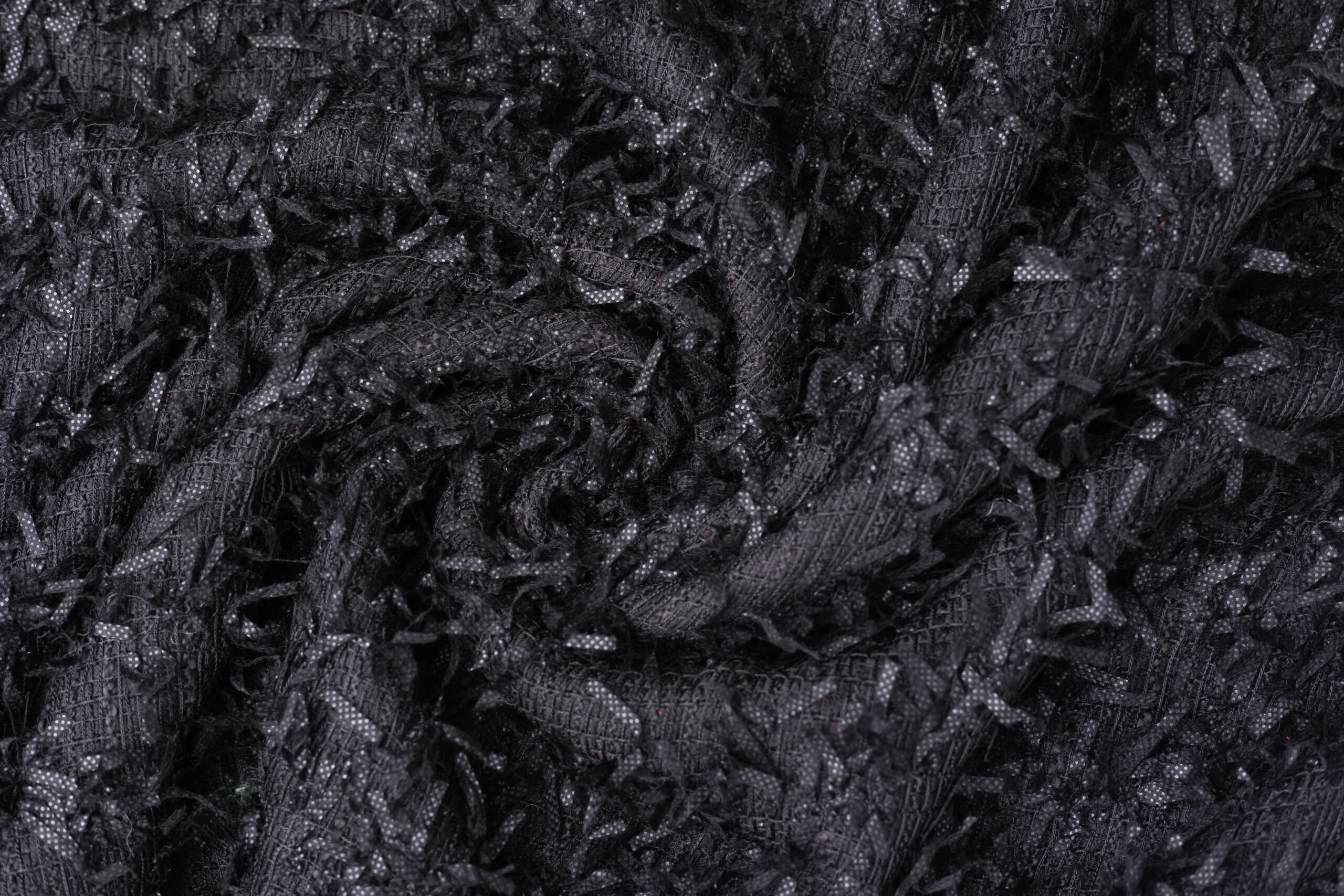
4. Dzianina na zamówienie vs. tkanina z magazynu
5. Dzianiny na zamówienie dają ci fosę projektową; tkanina z magazynu zamienia twoją kolekcję w towar.
Tkanina stanowi 60–70% kosztu fabrycznego odzieży, a jednocześnie jest jedynym elementem, który może podwoić postrzeganą wartość projektu bez dodawania ani jednego szwu. Kupując gotowe rolki, dzielisz tę samą teksturę z każdą inną marką, która kliknęła “dodaj do koszyka”. Dzianina na zamówienie nie tylko kosztuje więcej za metr – buduje niepodzielną tożsamość. Prawdziwe pytanie nie brzmi, czy zamówienie jest droższe, ale czy gotowa tkanina sprawi, że twój ograniczony budżet materiałowy będzie wyglądał jak wydany na coś znacznie droższego.
- Czas realizacji: 7. Niestandardowa: 3–6 tygodni, w tym przędzenie własnej przędzy, barwienie i stabilizacja termiczna. Z magazynu: natychmiastowa wysyłka, zazwyczaj 3–7 dni z magazynu. Minimum 3 tygodnie dla niestandardowej pozwala przędzalni na wykonanie dedykowanej partii farbowania i odpowiednią stabilizację – pominięcie tego kroku powoduje, że tanie dzianiny z magazynu kurczą się o 5–8% po pierwszym praniu.
- MOQ (minimalna ilość zamówienia): Zamówienia indywidualne: 1000 m na kolor to minimum branżowe dla dzianin barwionych przędzą; nasze własne programy dzianin strukturalnych zaczynają się dokładnie od tego progu. Towar z magazynu: 10–100 m, co jest idealne do próbek, ale zamyka dostęp do jakiejkolwiek ekskluzywnej tekstury.
- Koszt za metr: Zamówienia indywidualne: 8–25 USD, uzależnione od złożoności przędzy (bouclé, slub, mieszanki melanżowe) i wykończenia. Towar z magazynu: 3–12 USD. Uwaga: zamówienie 1000 m ma o 20% niższą dopłatę za jard w porównaniu do 100-metrowej próbki – to jest optymalny punkt 500 m, gdzie premium tekstura staje się finansowo uzasadniona.
- 10. Głębokość personalizacji: 11. Niestandardowa wtłacza twoją markę w strukturę przędzy: niestandardowe poziomy skrętu, wielotonowe efekty melanżowe, nieregularne profile slub oraz szczotkowanie lub strzyżenie po dzianiu. Tkanina z magazynu nie daje niczego z tego. Własne przędzenie przędzy dodaje tarczę przed powielaniem – konkurenci mogą skopiować nadruk, ale nie dokładną geometrię slub, którą zbudowałeś z przędzalnią.
- 12. Ryzyko jakości: 13. Niestandardowa zmusza cię do określenia resztkowego skurczu na poziomie 3%–5% i żądania raportu z testu relaksacji. Tkanina z magazynu często dociera bez żadnych danych inżynieryjnych; dostajesz mechacenie, prążkowanie i skośność splotu bez możliwości odwołania. Luka w stabilizacji termicznej jest największym źródłem rozczarowania dla projektantów, którzy myślą, że “magazyn = bezpieczny”.
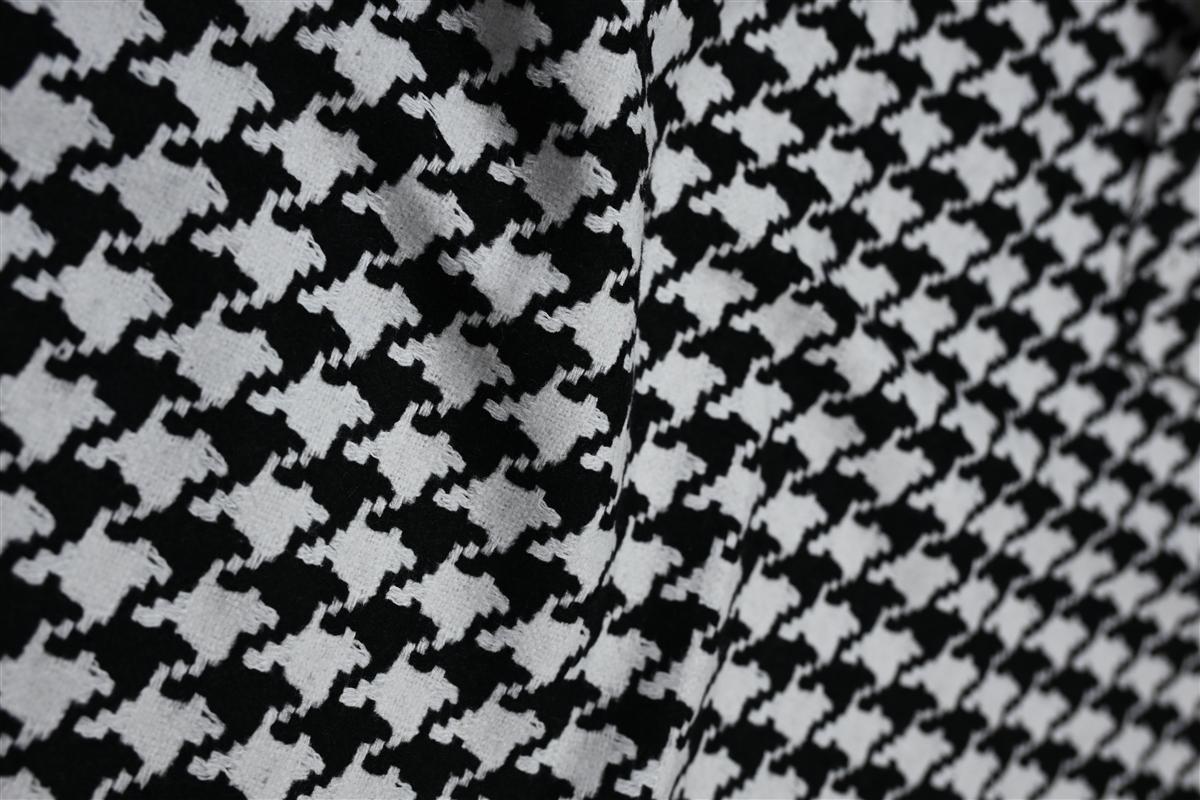
14. Odtworzenie dotyku ręki kiedyś wymagało mediolańskiej przędzalni i ceny 40 €/metr. Ta arytmetyka się zmieniła. Dzięki przędzeniu australijskiej wełny merynos lub japońskiego lurexu we własnym zakresie i kontrolowaniu całego cyklu barwienia, pionowa przędzalnia z Wenzhou może dostarczyć ten sam chropowaty drap i trójwymiarową teksturę o 30–50% poniżej europejskiego benchmarku. Różnica widoczna jest w dzianinie strukturalnej – 350 GSM, ciężka, z czystym drapem i znikomym mechaceniem po 30 000 cykli Martindale – opracowanej na podstawie referencyjnej próbki od jednego projektanta i pobranej w ciągu 7 dni. Nie znajdziesz tego na magazynowej półce. Gdy twoja debiutancka kolekcja polega na jednej tkaninie, by sygnalizować luksus, „podobny” to ryzyko. bouclé w stylu Chanel W dotyku ręcznym kiedyś wymagany był młyn mediolański i bilet za 40 €/metr. Ta arytmetyka się zmieniła. Przędąc na miejscu australijską merynosówkę lub japoński lureks i kontrolując cały cykl barwienia, pionowy młyn z Wenzhou może dostarczyć tę samą grudkowatą draperię i trójwymiarową teksturę 30–50% poniżej europejskiego benchmarku. Różnica widać w Structured Cable Knit – ciężkiej dzianinie 350 GSM z czystą draperią i znikomym pillingiem po 30 000 cykli Martindale – opracowanej na podstawie pojedynczej próbki referencyjnej projektanta i wypróbowanej w ciągu 7 dni. Nie znajdziesz tego na magazynowej półce. Gdy Twoja debiutancka kolekcja opiera się na jednej tkaninie, by sygnalizować luksus, “podobny” jest obciążeniem.
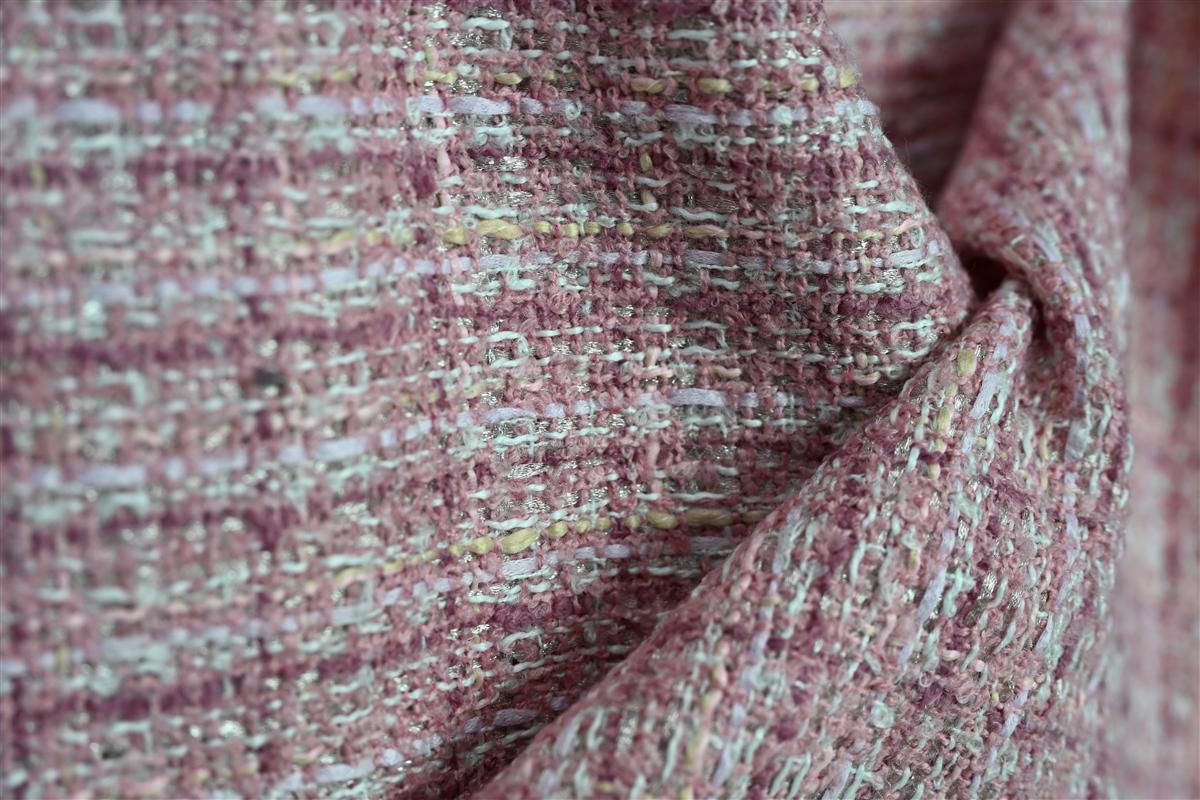
1. Znajdź tkalnie niskich MOQ dla dzianin na zamówienie
2. Większość tkalni pomija termoutwardzanie, aby osiągnąć niskie MOQ – żądaj dowodu, bo stracisz 5-8% na skurcz.
Chińskie przędzalnie w Wenzhou i Shaoxing wyprzedziły konkurencję w zakresie dzianin na zamówienie z niskim MOQ, posiadając pełny łańcuch wertykalny: przędzenie, farbowanie, dzianie i wykończenie pod jednym dachem. Ta integracja eliminuje dopłaty, które firma handlowa dodałaby za koordynację wielu fabryk. Partie barwników na kolor zaczynają się tutaj od 1000 metrów, a druk cyfrowy na dzianej bazie może zejść nawet do 100 metrów. Dla projektanta z ograniczonym budżetem materiałowym oznacza to, że można zamówić autentyczną, ekskluzywną teksturę bez płacenia europejskich premii.
- 4. Własne przędzenie bouclé i slub: 5. Zapytaj, czy tkalnia kupuje przędzę towarową z rynku, czy przędzie własną. Tkalnie, które same skręcają przędzę slub, bouclé i chenille, mogą dostosować nieregularność i grubość do twojego projektu bez dodatkowych kosztów rozwoju. Gotowa przędza zmusza cię do generycznej faktury, którą konkurenci mogą kupić z tej samej szpuli.
- 6. Darmowe karty identyfikacyjne i polityka próbek tkanin: 7. Legalne tkalnie niskich MOQ dostarczają bezpłatne karty identyfikacyjne 8×11 cm z szczegółami przędzy i koloru. Spodziewaj się zapłacić $50–$100 za półmetrową próbkę tkaniny, ale ta opłata jest normalna. Tkalnia, która żąda setek za karty identyfikacyjne lub odmawia ich wysłania, to prawdopodobnie odsprzedawca udający fabrykę.
- 8. Dokładne MOQ dla farbowania przędzy na zamówienie: Każda przędzalnia, która waha się podać konkretną liczbę, np. ‘1000 metrów na odcień dla farbowania na zamówienie’, lub kieruje cię do standardowych kolorów przędzy, nie jest przygotowana do pracy z małymi markami. Otwarcie wyceniamy 1000 metrów na kolor dla farbowania przędzy na zamówienie w dzianinach strukturalnych, z możliwością skalowania do 1000 metrów przy kolejnym zamówieniu.
- 13. Odmowa krótkiej wideo wycieczki po kadziach farbiarskich lub ramie napinającej jest silnym sygnałem, że „tkalnia” to biuro handlowe bez kontroli nad produkcją. Pięć minut materiału wideo oszczędza tygodnie prób z niewłaściwym partnerem. 14. Brakujące lub niemożliwe do zweryfikowania certyfikaty GRS:.
- Brakujące lub niemożliwe do zweryfikowania certyfikaty GRS: Jeśli potrzebujesz dzianin z recyklingowanego poliestru z logo Global Recycled Standard na metkach, przędzalnia musi posiadać ważny certyfikat zakresu oraz wystawiać certyfikaty transakcyjne łączące Twoje zamówienie z certyfikowanym wkładem. Zapewniamy certyfikowane przez GRS dzianiny na zamówienie z recyklingowanego poliestru, który można prześledzić aż do poziomu przędzy.
- Twarde naciskanie na gotowe zapasy: Przędzalnia, która naprawdę realizuje niskie MOQ na zamówienie, nie wpada w panikę, gdy poprosisz o unikalny melanżowy skręt. Opór oznacza, że ich minimalna wielkość kąpieli barwnika jest zbyt duża na twoje 1000-metrowe zamówienie. Jesteś popychany w kierunku czegoś przeznaczonego dla innej marki.
10. Czerwone flagi, które kosztowały wschodzących projektantów tysiące: tkalnia nie zrobi transmisji na żywo 11. z hali dziania i magazynu przędzy; twierdzą, że mają certyfikat GRS, ale nie mogą dostarczyć ważnego certyfikatu transakcyjnego z twoją nazwą marki; albo przedstawiciel handlowy ciągle kieruje cię do „czegoś, co już mamy w magazynie”, zanim skończysz opisywać swoją paletę kolorów. 12. Brak dostępu do rozmowy wideo:.
Przedział zamówień od 300 do 800 metrów to idealny punkt, w którym dopłata za metr personalizacji spada o około 20% w porównaniu do zlecenia na 100 metrów. W tym zakresie mieszamy przędzę zgrzebną na zamówienie z GRS recyklingowanym poliestrem i osiągamy pełną certyfikację OEKO-TEX Standard 100 dla bezpieczeństwa kontaktu ze skórą, więc strukturalna dzianina o gramaturze 350 GSM i odporności na ścieranie Martindale powyżej 30 000 może kosztować o 40-50% mniej niż równoważna włoska dzianina na zamówienie. To zmienia rachunek, czy debiutancka kolekcja może pozwolić sobie na naprawdę ekskluzywną fakturę, czy utknie z dzianiną masową.
Proces samplowania wyjaśniony
Pomiń etap wstępnego skurczu w tenterze, a Twoja dzianina na zamówienie może skurczyć się o 5-8% zamiast obiecanych 3%.
Samplowanie dzianin na zamówienie zaczyna się od kompletnego tech packa. Przedstawiasz swoje zdjęcie referencyjne, docelową gramaturę GSM (180–350 dla sukienek i bluzek) oraz preferencje dotyczące przędzy, takie jak bouclé lub zgrzebna. Jeśli przędzalnia ma w magazynie bazową przędzę – a przędzalnie w Wenzhou, które przędzą we własnym zakresie, zazwyczaj tak mają – zespół techniczny przechodzi bezpośrednio do przędzenia lub selekcji przędzy. Następna jest próbka koloru w laboratorium, potem próbka tkaniny lub próbka 3–5 metrów. W Fursone ten proces od koncepcji do fizycznej próbki trwa zaledwie 7 dni, gdy nie jest potrzebne barwienie przędzy na zamówienie. Jeśli wymagany jest nowy odcień, pierwsza próbka wciąż jest gotowa w ciągu 2–3 tygodni, a nie 4–6 tygodni, jak często słyszysz od agentów.
- Pionowe przekrzywienie splotu po praniu: Dzianiny skręcają się lub przekrzywiają, gdy moment przędzy nie został odpowiednio zrelaksowany. Wymagaj raportu z testu prania pokazującego mniej niż 5% przekrzywienia splotu zgodnie z AATCC 179. Bez tego Twój gotowy kardigan wisi krzywo na wieszaku.
- Pilling po 10 000 cyklach Martindale: Większość przędzalni podaje test pillingu na 10 000 cykli zgodnie z ISO 12945-2. Premium bouclé na zamówienie, jak nasze Heavyweight Boucle, jest oceniane według ostrzejszego wewnętrznego standardu: 30 000 cykli z oceną 4 lub lepszą. Każdy gorszy wynik oznacza, że po czterech założeniach zobaczysz kłaczki.
- Nieprawidłowość Barre: Barre to subtelne poziome paski spowodowane nierównomiernym napięciem przędzy lub nierównomiernym pobieraniem barwnika. Nie da się tego naprawić po dzianiu. Poproś o próbkę o pełnej szerokości w kontrolowanym oświetleniu i porównaj ze skalą szarości. Przędzalnia, która spieszy się z samplowaniem, nie wykryje barre.
Standardem Ciężka boucle przykład pokazuje, dlaczego rygorystyczne pobieranie próbek oddziela rozczarowanie za $12/jard od tekstury w stylu Chanel, która zachowuje swoją ręczną fakturę. Nasz zespół B+R najpierw przędzie własną przędzę bouclé wewnętrznie. Następnie termoutwardzają tkaninę na ramie napinającej, aby zablokować skurcz resztkowy na poziomie 3–5%, a nie 5–8%, jaki uzyskujesz z budżetowych tkalni, które pomijają ten krok. Próbki lab-dip są dopasowane do Delta E ≤ 1,5 przy świetle D65. Pobieramy próbkę o pełnej szerokości, pierzemy ją raz i wysyłamy raport z testu relaksacji tkaniny wraz z wzornikiem – abyś zobaczył gotowy wymiar, a nie tylko życzeniową specyfikację.
Zawsze proś o dowód wideo procesu napinania podczas pobierania próbek. Jeśli tkalnia waha się go pokazać, prawdopodobnie nie posiada ramy napinającej – albo ją pomija, aby zaoszczędzić czas. Ta jedna luka powoduje, że tak wiele pierwszych zamówień na dzianinę na wymiar kończy się niepowodzeniem, nawet jeśli lab-dip wyglądał idealnie. Nalegaj na skonsolidowany pakiet próbek od jednej tkalni. Gonienie za $20 wzornikami z pięciu różnych fabryk nie dodaje wartości; tylko mnoży ryzyko prążków, skręceń i mechacenia na niezgodnych liniach produkcyjnych.
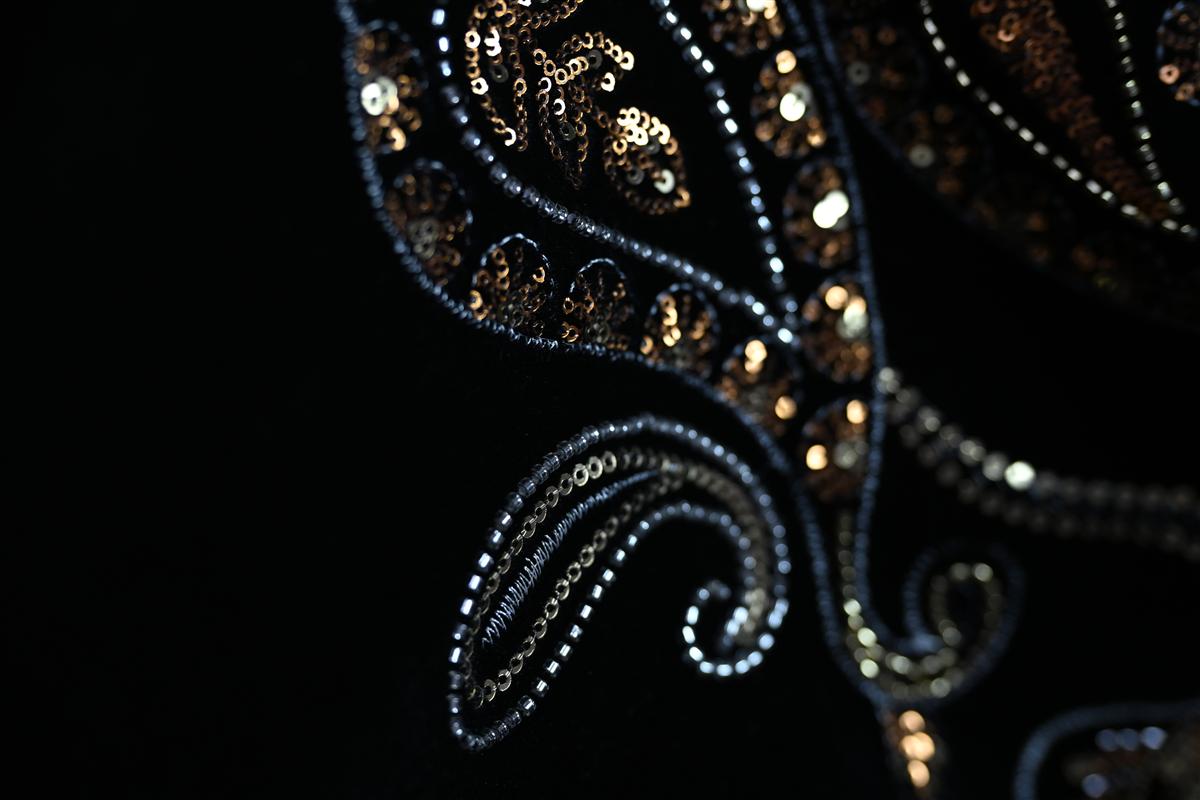
Negocjuj warunki i unikaj pułapek
Kontrakty oddzielają drogie lekcje od dochodowych serii produkcyjnych.
Gdy przechodzisz od próbek do zamówienia hurtowego na 500 metrów, rozmowa przesuwa się z możliwości twórczych na odpowiedzialność handlową. Większość początkujących projektantów podpisuje standardową fakturę pro forma dostawcy bez czytania drobnego druku. Ten błąd kosztuje cię, gdy długości rolek są za krótkie, odcień partii się zmienia, lub dostawa opóźnia się o trzy tygodnie, a twoje okno cut-make-trim znika. Negocjacje nie polegają na byciu trudnym – chodzi o ujawnienie ukrytych luk, zanim staną się twoim problemem finansowym. Stosujemy ramę 3-3-3, która chroniła każdą pierwszą kolekcję, którą przeprowadziliśmy przez produkcję.
- 3% Dopuszczalny odsetek wad: Nalegaj na pisemną klauzulę, która klasyfikuje wszystko powyżej 3% wysłanych metrów jako obciążalne – albo odliczone od końcowej płatności, albo wymienione na koszt tkalni. Bez tego płacisz za każde zgrubienie, dziurę czy nieregularność prążków. Czysty próg 3% odpowiada realistycznemu wskaźnikowi wad w branży dla dzianin na wymiar i daje ci jasne roszczenie, jeśli kontrola ujawni systemowe błędy.
- Struktura płatności 30/40/30: Nigdy nie płać 100% z góry. 30% depozytu na rozpoczęcie farbowania przędzy, 40% po zatwierdzeniu próbki hurtowej, a końcowe 30% dopiero po przejściu kontroli przez stronę trzecią. Ta struktura utrzymuje tkalnię odpowiedzialną na każdym etapie i chroni twoją gotówkę, jeśli gotowa tkanina nie spełni uzgodnionej specyfikacji. Każda tkalnia odmawiająca tego podziału mówi ci, że nie ufa własnej produkcji – odejdź.
- 3 kluczowe klauzule umowne: Po pierwsze, kara za opóźnienie dostawy w wysokości 1-2% za tydzień opóźnienia, z limitem 10%. Egzekwowalne kary zamieniają obietnice dostaw z życzeniowego myślenia w realny koszt po ich stronie. Po drugie, tolerancja koloru Delta E ≤ 1,5 pomiędzy zatwierdzonym lab-dip a wysyłką hurtową. Luźniejsze tolerancje są powszechne, ale widoczna zmiana odcienia zabija kolekcję, zanim trafi na wieszak. Po trzecie, gwarancja ciągłości koloru przy ponownym zamówieniu – tkalnia zobowiązuje się do zachowania receptury barwnika i partii bazowej przędzy przez co najmniej 12 miesięcy, aby twoje uzupełnienie pasowało do premiery.
- Skupienie kontroli: Zleć przeprowadzenie kontroli w systemie 4-punktowym lub równoważnej liczby wad, plus konkretny test ścierania Martindale na gotowej dzianinie (minimum 30 000 cykli dla najwyższej trwałości). Potwierdź, że skład przędzy odpowiada uzgodnionej mieszance poprzez test spalania lub analizę laboratoryjną, jeśli podejrzewasz podstawienie.
- Koszt i harmonogram: Zarezerwuj kontrolę na 3–5 dni przed planowaną datą wysyłki. Raport zazwyczaj dociera w ciągu 24 godzin. Użyj go jako sygnału do dokonania końcowej płatności 30% — bez czystego raportu, brak wypłaty środków.
Kontrakty są bezużyteczne, jeśli nie możesz zweryfikować, co jest w kontenerze. Na swoje pierwsze zamówienie hurtowe zatrudnij niezależną inspekcję – SGS, Intertek lub Bureau Veritas – w fabryce przed końcową płatnością. Koszt wynosi od $300 do $500 za standardową inspekcję obejmującą kontrole wizualne, wagę i GSM rolka po rolce oraz losowy pobór do pomiaru koloru względem zatwierdzonego standardu. Ta opłata $400 wykryła błędne liczby przędzy, pominięte etapy wykończenia, a raz całą partię, w której całkowicie pominięto termoutwardzanie, co dało 7% skurczu resztkowego zamiast określonych 3%. Poproś tkalnię o udostępnienie raportu z testu relaksacji przed wysyłką i porównaj go z ustaleniami swojego inspektora. Jeśli opierają się wizycie strony trzeciej, traktuj to jako czerwoną flagę silniejszą niż opóźniona próbka.
Projektantka, która negocjuje te warunki, chroni znacznie więcej niż jedno zamówienie — buduje reputację w zakresie zaopatrzenia, która zmusza młyny do traktowania jej marki jako poważnego partnera handlowego, a nie jednorazowego eksperymentu. Zacznij od języka umowy zanim go potrzebujesz, a nigdy nie będziesz założycielem zmuszonym tłumaczyć klientom przedpłacającym, dlaczego kolekcja wygląda inaczej niż w lookbooku.
Podział kosztów i ukryte opłaty
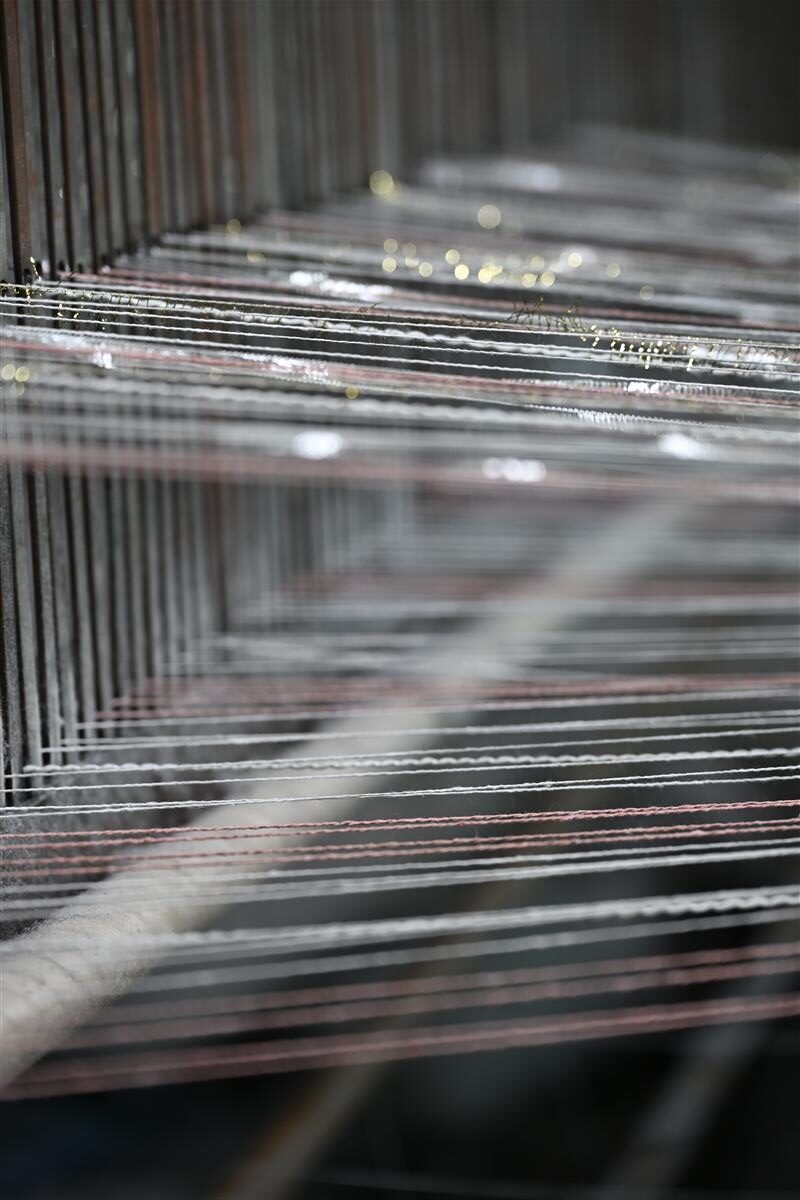
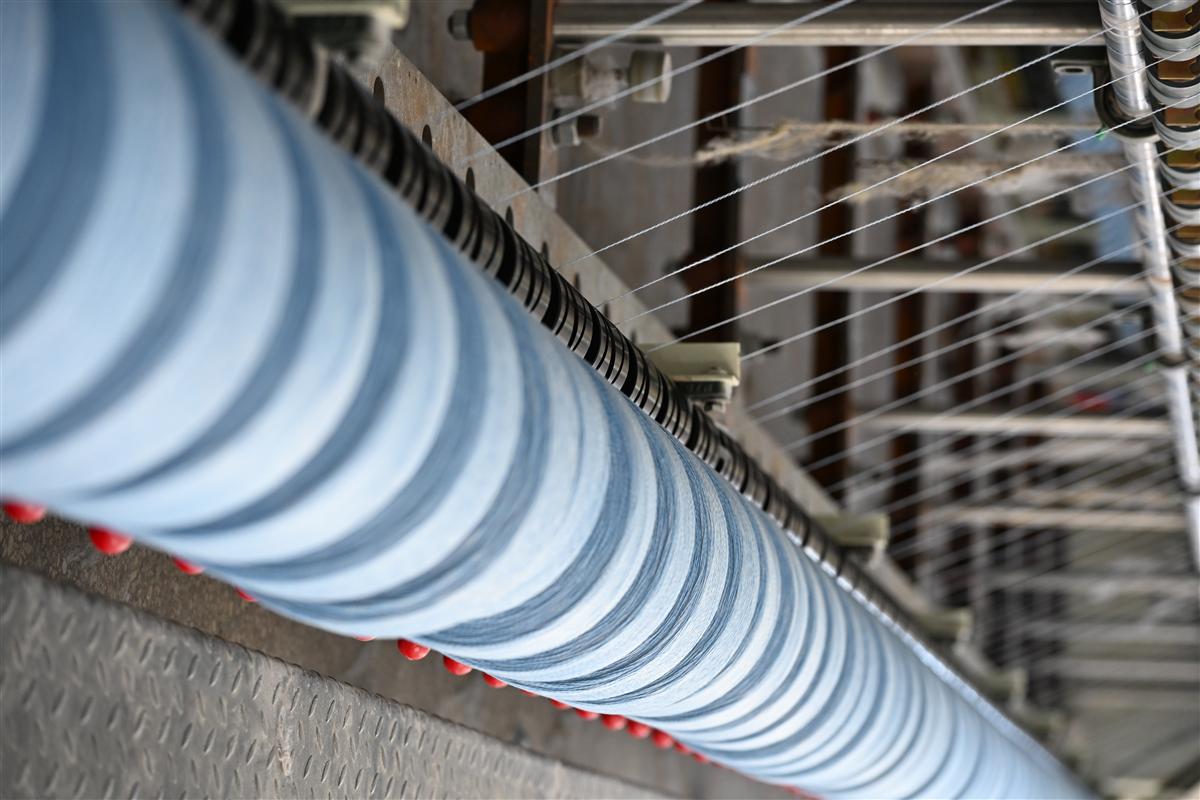
Większość ukrytych opłat wynika z pomijania należytej staranności przedprodukcyjnej, a nie z ceny za jard.
Każdy jard dzianiny na zamówienie ma przejrzysty koszt bazowy, ale pozycje, które niszczą ograniczony budżet materiałowy, kryją się w lukach między próbką a wysyłką. Gdy przędzalnia wycenia 8 USD/jard za dzianinę slub na zamówienie, rzeczywisty koszt w twoim studiu może przekroczyć 14 USD/jard, jeśli zignorujesz cztery ukryte dopłaty.
- Dopłata za niestandardowe farbowanie przędzy: 1,50–3,00 $ za jard. Młyny z własnymi laboratoriami przędzalniczymi i farbiarskimi – jak nasz zakład w Wenzhou – absorbują część tego kosztu, ponieważ kontrolują wielkość partii kąpieli farbiarskiej. Zamówienia poniżej 300 m na kolor zazwyczaj uruchamiają wyższy koniec tego zakresu.
- Podstawowa konstrukcja dzianiny: $5.00–$12.00 za jard. Ciężka strukturalna dzianina splotu kablowego (350 GSM) z zastrzeżoną przędzą slub będzie kosztować około $10–$12; prosty dżersej pojedynczy z ogólną przędzą pierścieniową z bawełny kosztuje $5–$7. Mieszanka włókien, splot, a także to, czy przędza jest produkowana z gotowej półki, czy na zamówienie, decydują o tej liczbie.
- Wykończenie: $0.50–$1.50 za jard. Szczotkowanie, strzyżenie, enzymatyczne pranie przeciwmechowe i – co kluczowe – termoobróbka dla stabilności wymiarowej. Młyny, które pomijają proces napinania, aby zaoszczędzić $0.80/jard, pozostawiają ci 5–8% resztkowego skurczu zamiast 3%, które określiłeś. Zawsze uwzględniaj co najmniej $0.50/jard na odpowiednie odprężenie i termoobróbkę.
- Fracht i logistyka: Fracht lotniczy dla 500 m kosztuje $2.50–$3.80/kg i dociera w 5–7 dni. Transport morski dla tej samej objętości spada do 0,40–0,90 USD/kg, ale dodaje 25–35 dni czasu tranzytu plus obsługę portową i odprawę celną. Dla zamówienia 1000 m dzianiny o gramaturze 350 GSM całkowity koszt transportu może wahać się od 280 USD (morze) do znacznie więcej (lotnictwo). Wielu początkujących planuje budżet na transport morski, ale w panice zamawia lotniczy, gdy harmonogramy się opóźniają – to ukryta pułapka za 900 USD.
Rzeczywiste zamówienie 1000m premium, niestandardowej dzianiny bouclé – z przędzą zgrzebną produkowaną we własnym zakresie, dwukolorowym mieszaniem barwników, szczotkowaniem i odpowiednim termoutrwalaniem – kosztuje $12–$18/jard przy wysyłce morskiej. Ten sam dotyk i układ z włoskiej tkalni zaczyna się od $28–$35/jard przed frachtem. Oszczędność 50% nie pochodzi z obniżenia jakości; pochodzi z pionowej integracji i niższych kosztów robocizny w dedykowanym centrum dzianin niestandardowych, jak Wenzhou.
Prowizje agentów dodają kolejne 5–8%, jeśli komunikacja przebiega przez pośrednika. Dla dużego zamówienia to $450–$720, które mogłyby pójść na lepsze przędze lub dodatkowe 50m tkaniny. Praca bezpośrednio z młynem oferującym przejrzysty podział kosztów na jard i akceptującym bezpośrednie połączenia wideo eliminuje tę warstwę.
Najbardziej szkodliwym ukrytym kosztem jest podatek od próbek: płacenie $100–$200 za kartę nagłówkową trzem różnym młynom, które obiecują trafić w specyfikację, tylko po to, by otrzymać próbki, które mechacą się po 5000 cykli Martindale'a, odkształcają się o 10% po praniu lub przychodzą z Delta E 2,8 na próbce laboratoryjnej. Skonsolidowanie próbkowania z jednym pionowo zintegrowanym młynem, który sam przędzie, farbuje i termoutrwala, redukuje odpady przedprodukcyjne o około 40% i zapobiega znacznym stratom, zanim złożysz zamówienie produkcyjne.
| Składnik kosztu | Zakres cen (USD/jard) | Dla zamówienia 1000m | Wgląd w ukryte koszty | Oszczędności vs fabryki UE |
|---|---|---|---|---|
| Dopłata za farbowanie przędzy na zamówienie | $1,50 – $3,00 | $750 – $1,500 | Opłaty za minimalne partie często ukryte; typowe MOQ to 1000m/kolor, ale nieprzejrzyste młyny pobierają pełną opłatę za partię, nawet jeśli zamówisz mniej. | Młyny UE pobierają 2–3 razy więcej za małe, niestandardowe partie farbiarskie. |
| Produkcja dzianiny podstawowej | $5 – $12 | znacząca inwestycja | ‘Luka w stabilizacji’ – pominięcie obróbki cieplnej powoduje skurcz 5–8% w porównaniu do obiecanego 3%. Zweryfikuj raport z testu relaksacjis. | Porównywalne włoskie dzianiny podstawowe kosztują $18–$35/jard. |
| Wykończenie (szczotkowanie/strzyżenie) | $0,50 – $1,50 | $250 – $750 | Podwykonawcze wykończenie wydłuża czas realizacji o 7–10 dni i powoduje niespójny chwyt; zintegrowane młyny tego unikają. | Europejskie dopłaty do wykończenia często wynoszą $2–$4/jard. |
| Wysyłka (Transport morski vs Lotniczy) | Morski: $0.50 – $1.50 / Lotniczy: $2.00 – $8.00 | Morze: $250 – $750 / Lot: znacząca inwestycja | Transport lotniczy może zniwelować znaczne oszczędności, jeśli jest pośpieszny; uwzględnij odprawę celną i opłaty za przestój, jeśli dokumentacja jest niekompletna. | Wysyłka wewnątrz UE jest nadal o 15–25% wyższa niż transport morski z Wenzhou. |
| Prowizja agenta/pośrednika (opcjonalnie) | 5% – 8% całkowitego kosztu | $600 – znacząca kwota (szac.) | Agenci mogą kierować do młynów o wysokiej prowizji; żądaj przejrzystych audytów fabryk i bezpośredniej komunikacji z młynem po zatwierdzeniu próbki. | Agenci z UE zazwyczaj pobierają 10–15%, zawyżając ogólną cenę ex-works. |
| Inspekcja strony trzeciej (jednorazowa) | Nie dotyczy (stała opłata) | $300 – $500 ryczałt | Pominięcie inspekcji pierwszej partii masowej ryzykuje całą dostawę; $300 zapobiega znaczącej ilości odrzuconej tkaniny. | Te same globalne standardy inspekcji, ale młyny w UE rzadko powodują problemy z akceptacją. |
| Całkowity koszt lądowania (500 m premierowej dzianiny bouclé) | $12 – $18 | znacząca inwestycja | Przy optymalnej ilości 500 m dopłata za jard spada o ~20% w porównaniu z zamówieniami 100 m, osiągając optymalny stosunek ceny do personalizacji. | 50% tańszy niż włoskie alternatywy ($24–$36/jard) przy równoważnym dotyku i trwałości. |
Wnioski
Pozyskiwanie dzianiny na zamówienie poniżej 1000 metrów nie jest już zarezerwowane dla dużych domów mody. Pojedyncza przędzalnia, która tka własne przędze slub lub bouclé, chroni teksturę przed naśladowcami w sposób, w jaki nie mogą tego zrobić gotowe tkaniny. Ustal specyfikację skurczu resztkowego na poziomie 3%–5% i poproś o wideo dokumentujące proces stabilizacji termicznej, a twoja debiutancka kolekcja dotrze z wykończeniem, które zachowuje kształt po pierwszym praniu.
Przejrzyj aktualne programy magazynowe i niestandardowe na stronie usług, aby porównać terminy próbek i koszty na jard przy różnych wielkościach zamówień. Zacznij od karty nagłówkowej, aby poczuć strukturę przędzy przed podjęciem pełnego cyklu rozwojowego.
Często zadawane pytania
Skąd marki modowe pozyskują swoje tkaniny?
Marki modowe pozyskują materiały z wyspecjalizowanych przędzalni i dostawców bezpośrednich z fabryk, a wiele wschodzących marek wybiera pionowo zintegrowane chińskie przędzalnie do dzianin na zamówienie z niższymi minimami. Gotowe tkaniny często. W przypadku dzianin na zamówienie poniżej 1000 m współpracuj z przędzalnią, która tka własne przędze.
Jak pozyskiwać tkaniny na odzież?
Zacznij od szczegółowej specyfikacji technicznej określającej włókno, gramaturę i dotyk, następnie sprawdź przędzalnie pod kątem MOQ i procesów wstępnego skurczu poprzez tentering. Nalegaj na wideo dokumentujące etap tenteringu, aby wyeliminować skurcz 5–8%. Poproś o karty nagłówkowe z trzech przędzalni przed zobowiązaniem się do próbkowania.
Jaka tkanina sprzedaje się najlepiej?
W luksusowej prêt-à-porter, tweed w stylu Chanel i teksturowane dzianiny bouclé są najlepiej sprzedającymi się, ponieważ zapewniają wysoką postrzeganą wartość. Podstawowe dżerseje bawełniane sprzedają więcej sztuk, ale dzianiny na zamówienie budują prawdziwą dywersyfikację marki. Skup się na charakterystycznych teksturach, aby uzyskać wyższe marże.
Jak rozpocząć pozyskiwanie tkanin?
Zbuduj podstawy w nauce o włóknach i operacjach przędzalni, a następnie zdobądź praktyczne doświadczenie na targach lub w biurze zaopatrzenia. Najszybszą ścieżką jest nauka u starszego specjalisty ds. zaopatrzenia, który zna przędze. Opanuj specyfikacje techniczne, zanim zaczniesz kontaktować się z przędzalniami.
Jaka jest zasada 3-3-3 w modzie?
Zasada 3-3-3 to projektowa zasada kapsułowej kolekcji, obejmująca 3 góry, 3 doły i 3 warstwy, które można ze sobą dowolnie łączyć. Przy zamawianiu dzianin na miarę ogranicza to Twój wybór. Dopasuj rozwój tkanin do tej zasady, aby uniknąć nadmiaru zapasów.
Autorytatywne odniesienia
Powiązane spostrzeżenia
Szablon RFQ dla tkanin tweedowych i dzianin: 12 pól dla dokładnych wycen
An incomplete fabric RFQ wastes everyone’s time. The mill quotes based on assumptions, the buyer...
Jak ocenić młyn tweedowy pod kątem jakości tkaniny
, “datePublished”: “2026-06-20T18:08:41-08:00”,.
Młyn bezpośredni a hurtownik: Ogranicz ryzyko pozyskiwania tkanin
, “dateModified”: “2026-07-25T02:11:53-08:00”,.