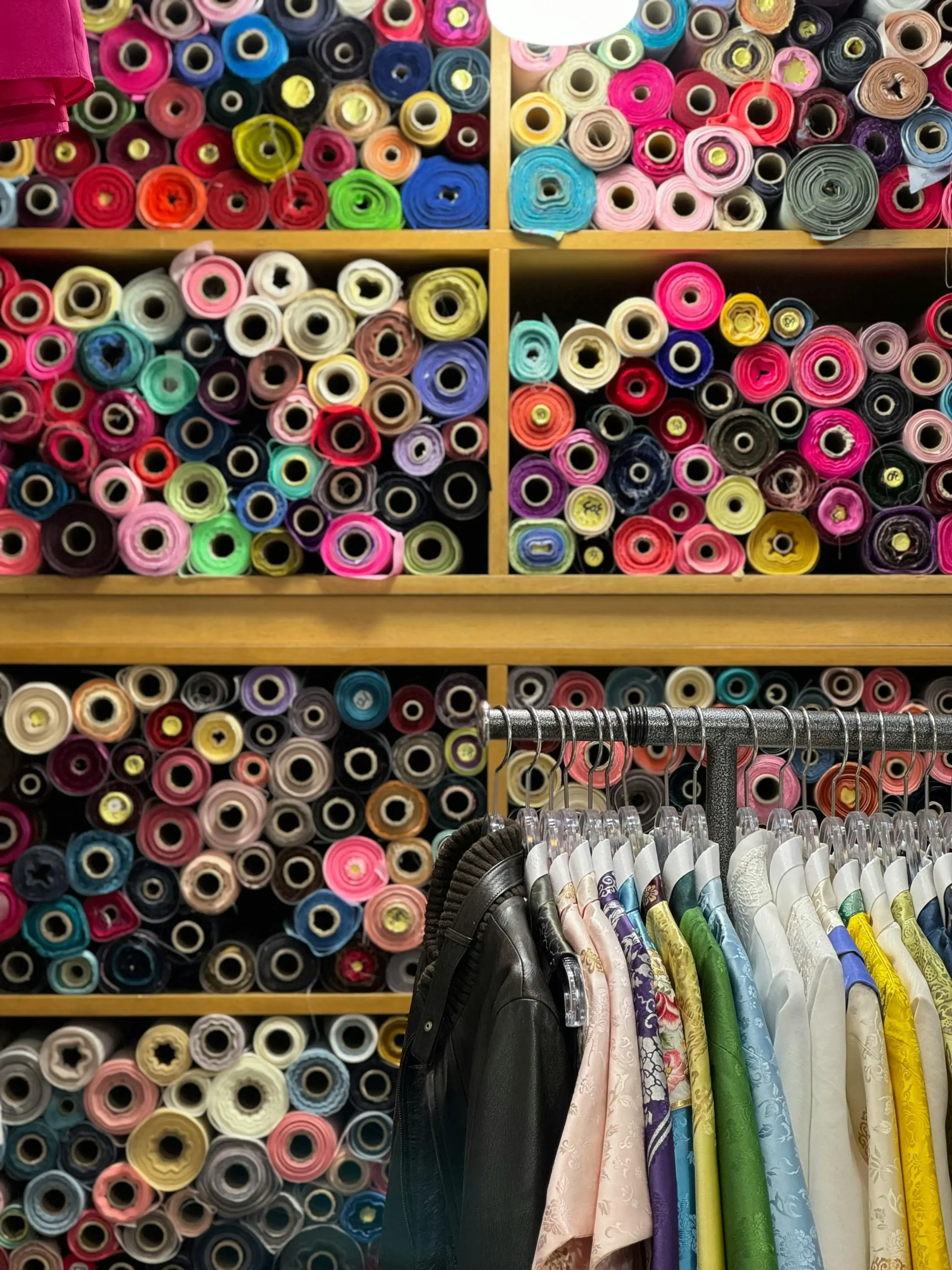
Rozbicie kosztów tkaniny bouclé to pierwszy punkt kontrolny, który kupujący powinni ustalić przed zatwierdzeniem dostawcy, budżetu lub partii produkcyjnej. Każdy menedżer ds. zaopatrzenia, który ma do czynienia z bouclé, zna tę rutynę. Młyn podaje wycenę za jard, zespół projektowy zatwierdza dotyk, a arkusz kalkulacyjny wygląda realnie – aż koszt lądowania przekroczy budżet o 18%. Ta różnica zwykle nie wynika z samej tkaniny. To pozycje, których nikt nie umieścił w pierwszym e-mailu: opłaty rozwojowe ukryte jako koszty próbek, płaska dopłata za “fantazyjne barwienie”, niezwiązana ze zużyciem chemikaliów, lub minimalna ilość zamówienia, która wymusza przechowywanie sporej ilości martwego zapasu. analiza kosztów tkaniny bouclé musi rozpocząć się przed wyceną, a nie po fakturze.
Największa liczba w arkuszu kosztów bouclé prawie nigdy nie jest ceną przędzy. To marża narzucona przez zewnętrznych przędzalników, gdy młyn kupuje gotową przędzę zgrzebną lub bouclé zamiast przędzenia we własnym zakresie. Ta jedna decyzja podnosi koszt surowca o stawkę premium europejskiego luksusu, a większość europejskich młynów traktuje to jako nienaruszalne. Fabryka, która stosuje własne przędzenie, całkowicie pomija tę premię – dostarczając bouclé z mieszanki wełny o gramaturze 450 gsm po niskiej stawce bezpośrednio z młyna, w porównaniu z niską stawką z Mediolanu lub Prato. Różnica nie leży w jakości. Chodzi o to, kto kontroluje etap przędzy. Reszta modelu kosztów – opłaty za trwałość barwników, odpady nadmiarowe, czas realizacji próbek – podlega tej samej logice. Albo dostawca kontroluje proces i przekazuje oszczędności, albo kupuje go i obciąża Cię kosztami za ten przywilej.
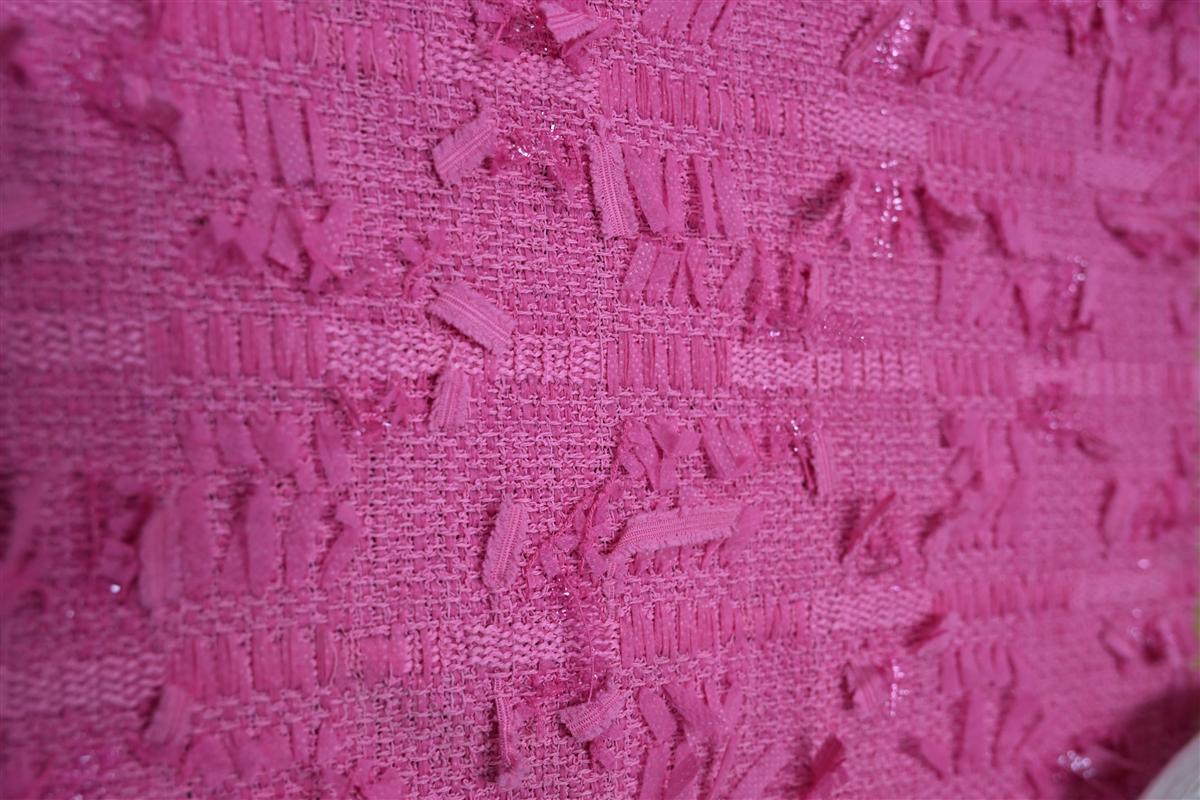
Klasa przędzy dyktuje koszt bazowy
Wybór przędzy jest zdecydowanie największym czynnikiem kosztowym – znacznie większym niż splot czy wykończenie.
Zapytaj dowolnego właściciela młyna, co kształtuje cenę tkaniny bouclé, a wskaże kosz przędzy. Nie krosno. Nie kąpiel barwiąca. Surowiec i sposób jego przędzenia. Bouclé z poliestru towarowego, przędzonego obrączkowo z gotowych przędz zgrzebnych, kosztuje konkurencyjną stawkę bezpośrednio z młyna. Przejdź na wełnę merynosową australijską – 80% wełny, 20% nylonu, 19,5 mikrona – i jesteś przy dostępnej stawce bezpośrednio z fabryki, zanim jeszcze omówisz barwienie czy wykończenie. To różnica 260%, wynikająca wyłącznie z pochodzenia włókna.
- Bouclé poliestrowe towarowe: Przędza zgrzebna poliestrowa obrączkowa, podstawowa tekstura pętelki. Koszt tkaniny: niska stawka bezpośrednio z młyna. Używana do produkcji szybkiej mody w dużych ilościach. Dotyk jest płaski, brak sprężystości, mechacenie po 10 praniach.
- Mieszanka akrylowo-wełniana średniej klasy: 60% akrylu, 40% wełny, gotowa fantazyjna przędza. Konkurencyjna stawka bezpośrednio z młyna. Umiarkowana tekstura, ale zawartość akrylu ogranicza głębię barwienia i kurczy się pod wpływem pary.
- Premium australijska wełna merino (19,5µ): 80% wełny, 20% nylonu, przędzenie czesankowe. Dostępna stawka bezpośrednio z fabryki. Naturalny skręt, pamięć kształtu i suchy, sprężysty dotyk. Podstawa dla każdego luksusowego bouclé, które nie będzie się workowało na łokciu.
Własne techniki przędzenia – zgrzebna, chenille, wielowarstwowe pętelki bouclé – dodają kolejną niską stawkę bezpośrednio z młyna. To nie robocizna; to koszt kontroli architektury przędzy we własnym zakresie. Gdy młyn kupuje gotową fantazyjną przędzę od zewnętrznego przędzalnika, płaci znaczącą marżę za czyjąś tak zwaną “ekskluzywną” teksturę. Młyn, który samodzielnie przędzie własne przędze zgrzebne z surowego włókna, całkowicie pomija tę marżę. Efekt? Otrzymujesz dotyk włoskiego młyna przy mniej więcej połowie premii na surowcu.
- Przędza wełniana obrączkowa ogólnego przeznaczenia: Koszt przędzy: konkurencyjna stawka bezpośrednio z młyna. Koszt tkaniny: ~dostępna stawka bezpośrednio z fabryki. Tekstura jest jednolita, ale płaska. Kolor barwiony w masie, pozbawiony głębi. Minimalne zamówienie 1000 kg od przędzalnika.
Różnica za jard może wyglądać skromnie, ale przy zamówieniu 2000 metrów to znacząca suma zaoszczędzona tylko na surowcu. Prawdziwą korzyścią jest ekskluzywność dotyku: przędza zgrzebna typu mélange produkowana we własnym zakresie nie może być skopiowana przez konkurenta kupującego gotowe produkty. To własność intelektualna na rolce.
Zastąpienie przędzy to sposób, w jaki inteligentne marki obniżają koszty na sztukę odzieży, nie dotykając luksusowej metki. Zastąp 20% dziewicznej wełny merynosów 60% GRS przetworzonym poliestrem i 40% akrylu w inaczej identycznej konstrukcji bouclé, a tkanina spada z niskiej stawki bezpośrednio z młyna. Dotyk pozostaje miękki, pętelki bouclé zachowują strukturę, a historia zrównoważonego rozwoju dodaje postrzeganej wartości. Zadaniem młyna jest opracowanie zamiennika tak, aby konsument nie zauważył różnicy. Wewnętrzny zespół B+R testuje dziesiątki proporcji mieszanek – 75/25, 60/40, 50/50 – z tą samą geometrią pętelek, aż układalność i odporność na mechacenie będą zgodne z oryginalną specyfikacją. Żaden zewnętrzny przędzalnik nie zrobi tego za Ciebie bez dodania 15% do wyceny przędzy. Przykład z życia: przeczytaj, jak projektant obniżył koszty tweedu o 40%, stosując to samo podejście: .
| Rodzaj przędzy | Przędzenie | Surowiec (za kg) | Koszt tkaniny (za jard, 400 g/m²) | Kluczowa zaleta |
|---|---|---|---|---|
| Poliester towarowy | Standardowe przędzenie pierścieniowe | niska stawka bezpośrednia z młyna | konkurencyjna stawka bezpośrednia z młyna | Przyjazna dla budżetu, podstawowa tekstura bouclé |
| Przedprzędzona mieszanka wełny (80/20) | Zewnętrzne przędzenie pierścieniowe | dostępna stawka bezpośrednia z fabryki | niska stawka bezpośrednia z młyna | Ogólne odczucie dotykowe; podlega marży przędzalnika |
| Mieszanka przędzy własnej produkcji (80/20) | Zastrzeżona przędza z efektem slub/bouclé | konkurencyjna stawka bezpośrednia z młyna | dostępna stawka bezpośrednia z fabryki | Wyłączna tekstura, znaczące oszczędności w porównaniu z przedprzędzeniem. |
| Australijska wełna merynosów | Własna produkcja melanżowego bouclé | niska stawka bezpośrednia z młyna | konkurencyjna stawka bezpośrednia z młyna | Luksusowy układ, dotyk w stylu Chanel, pełna identyfikowalność |
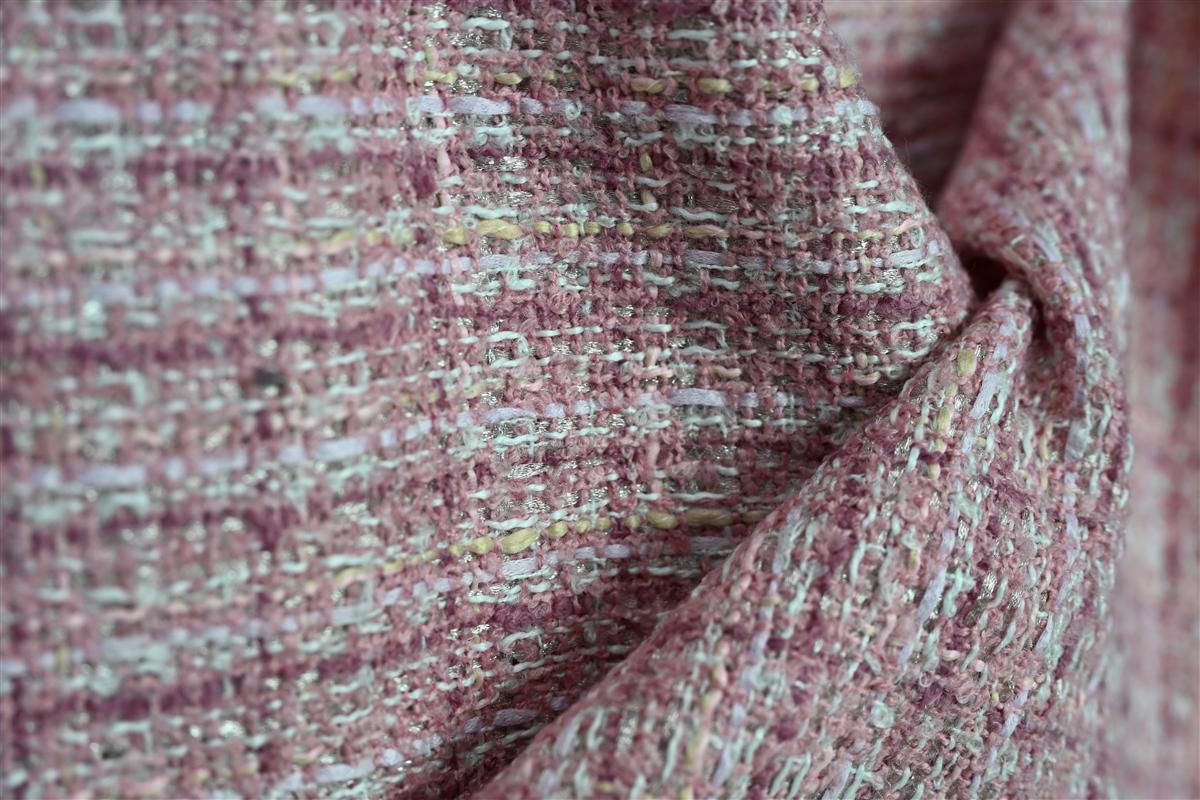
Złożoność tkania i stawki robocizny
Wolniejsze krosna i częste kontrole jakości zwiększają realne koszty robocizny – ignorowanie tego zawyża budżet o 15–20%.
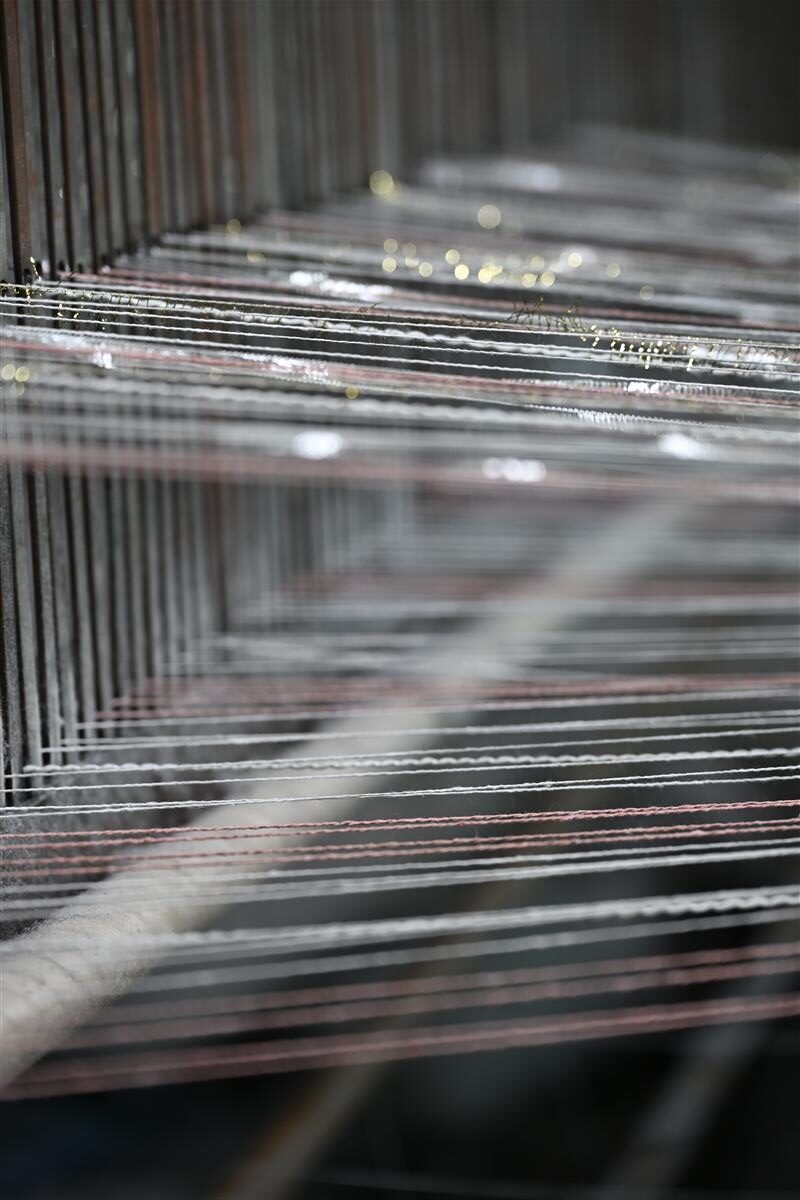
Pętelkowa powierzchnia bouclé nie może być przyspieszana. Prędkość tkania spada do 180–220 wątków na minutę – prawie połowa standardowej produkcji gładkiego splotu. Co 15–20 metrów krosno zatrzymuje się do ręcznej kontroli, ponieważ pojedyncza pęknięta pętelka lub źle wyciągnięta nitka zgrubna staje się wadą cięcia, która niszczy cały uzysk odzieży. Te zatrzymania dodają znacznie więcej minut bezpośredniej pracy na metr w porównaniu z gładką wełną czesankową lub gładkim splotem, a ten koszt jest wliczony w każdą otrzymaną fakturę.
- Stawka wynagrodzenia wykwalifikowanych pracowników w Wenzhou: W pełni obciążona robocizna tkacka to stawka godzinowa, około 50–60% poniżej stawki konkurencyjnej z bezpośrednim dostępu do młyna w Prato i stawki dostępnej fabrycznej w Leicester. Niższa stawka nie wynika z niewykwalifikowanych rąk; to struktura – ekosystem tekstylny Wenzhou koncentruje przędzenie, farbowanie i tkanie w jednej strefie przemysłowej, eliminując nieproduktywny transport i czas przestoju.
- Częstotliwość kontroli jakości: Europejskie młyny często przeprowadzają dłuższe odcinki między kontrolami, aby utrzymać wysokie wyniki liczby na papierze, a następnie pobierają konkurencyjną stawkę z bezpośrednim dostępu do młyna jako ‘dopłatę za obsługę’ za oznaczanie wad. Młyn w Wenzhou, który integruje przerwy jakościowe w standardowym cyklu, wchłania ten koszt w cenę podstawową, eliminując sztuczki z pozycjami linii.
- Odpady skrawkowe i przeróbki: Wysoka tekstura bouclé oznacza, że zaczep często nie może być naprawiony niewidocznie. Standardowy odpad w Prato wynosi 4–5% dla wysokiej jakości bouclé; ściśle zarządzana linia wahadłowa w Wenzhou może utrzymać go na poziomie 2,5–3%, bezpośrednio obniżając dostępną stawkę fabryczną z kosztu lądowego.
Dla partii farbowanej na zamówienie o długości 1000 metrów, te różnice w robociźnie i kosztach ogólnych szybko się kumulują. Niska różnica w stawce z bezpośrednim dostępu do młyna – łatwa do wygenerowania tylko z prędkości krosna i częstotliwości kontroli jakości – oznacza znaczące oszczędności w jednej serii produkcyjnej. Jeśli dodamy fakt, że ceny z bezpośrednim dostępu do młyna w Wenzhou eliminują marżę dystrybutora, którą europejskie młyny często ukrywają jako ‘opłaty koordynacyjne próbek’, różnica jeszcze się zwiększa. analiza całkowitego kosztu posiadania (Total Cost of Ownership) dokładnie przedstawia, jak te liczby na jard mnożą się w całym cyklu kolekcji – ale w skrócie: lokalizacja młyna i złożoność tkania nie są teoretycznymi pozycjami, to różnica między marżą 32% a 28%.
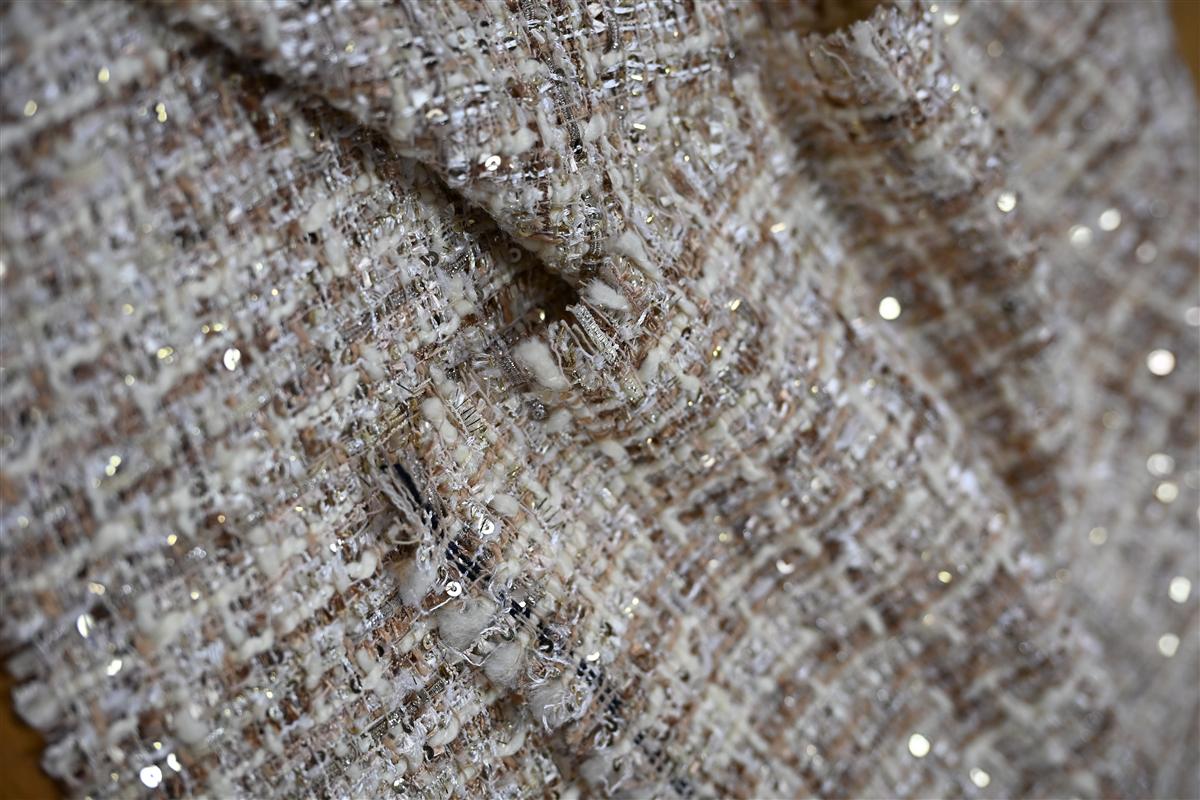
MOQ i zapas vs. kary za partie niestandardowe
Tkanina z zapasu daje szybkość; partie niestandardowe dają marżę.
Zamówienie 100 metrów bouclé z magazynu pozwala przetestować nową sylwetkę bez angażowania się w 1000 metrów spekulacyjnego zapasu. Ta elastyczność kosztuje niską stawkę z bezpośrednim dostępu do młyna więcej na metr w porównaniu z partią farbowaną na zamówienie przy pełnym MOQ. Prawdziwe pytanie, które powinni zadać menedżerowie zaopatrzenia, nie dotyczy różnicy na metr. Chodzi o to, czy premia za 100 metrów faktycznie mniej obciąża wynik finansowy niż posiadanie 900 metrów martwego zapasu.
- Różnica na jard: Bouclé z magazynu w ilości 100 m podlega konkurencyjnej stawce z bezpośrednim dostępu do młyna premium w porównaniu z identyczną ceną na zamówienie 1000 m. Przy zakupie 200 m z magazynu to spora kwota dodatkowego kosztu materiału.
- Odpady z nadwyżki zapasu: Partie niestandardowe pozostawiają w magazynach resztkowy zapas. Odpisy pozasezonowe i opłaty za magazynowanie zewnętrzne regularnie pochłaniają 8–12% wartości pozostałych jardów, niwelując znaczną część początkowej zniżki MOQ na metry, które faktycznie tniecie.
- Luka w konwersji gotówki: Program z zapasu wysyła drogą lotniczą lub ekspresową morską w 3–7 dni. Cykl produkcyjny niestandardowy trwający 4 tygodnie opóźnia wejście na rynek o cały miesiąc. Jeśli przegapisz okno dostaw hurtowych o 30 dni, tracisz 15% możliwości przychodu z kolekcji.
Wykonaj prostą kalkulację dla zamówienia 200 metrów z zapasu w porównaniu z 1000-metrową partią barwioną na zamówienie.. Premia za zapas przy 200 metrach kosztuje mniej gotówki ogółem niż łączny koszt utrzymania i odpady na 800 metrach, których nie potrzebowałeś z wymuszonej partii niestandardowej. Ta kalkulacja odwraca się przy około 600 metrach. Gdy prognoza przekroczy ten próg, program niestandardowy z przejrzystym młynem daje przewagę kosztową na jednostkę, której matematyka nadwyżek zapasu nie jest w stanie pobić.
Europejskie młyny rutynowo ukrywają kary za MOQ w ramach ‘opłat rozwojowych’ lub ‘dopłat próbnych’, które naliczają opłatę za zamówienie, zanim wyśle się pierwszy metr. Działająca bezpośrednio fabryka w Wenzhou, prowadząca własne przędzenie i 7-dniową realizację próbek, eliminuje te pozycje. Płacisz za włókno, tkanie, farbowanie i transport – a nie za czyjeś koszty ogólne sali próbek. To różnica między budżetowaniem na tkaninę a płaceniem czesnego biurokracji dostawcy.
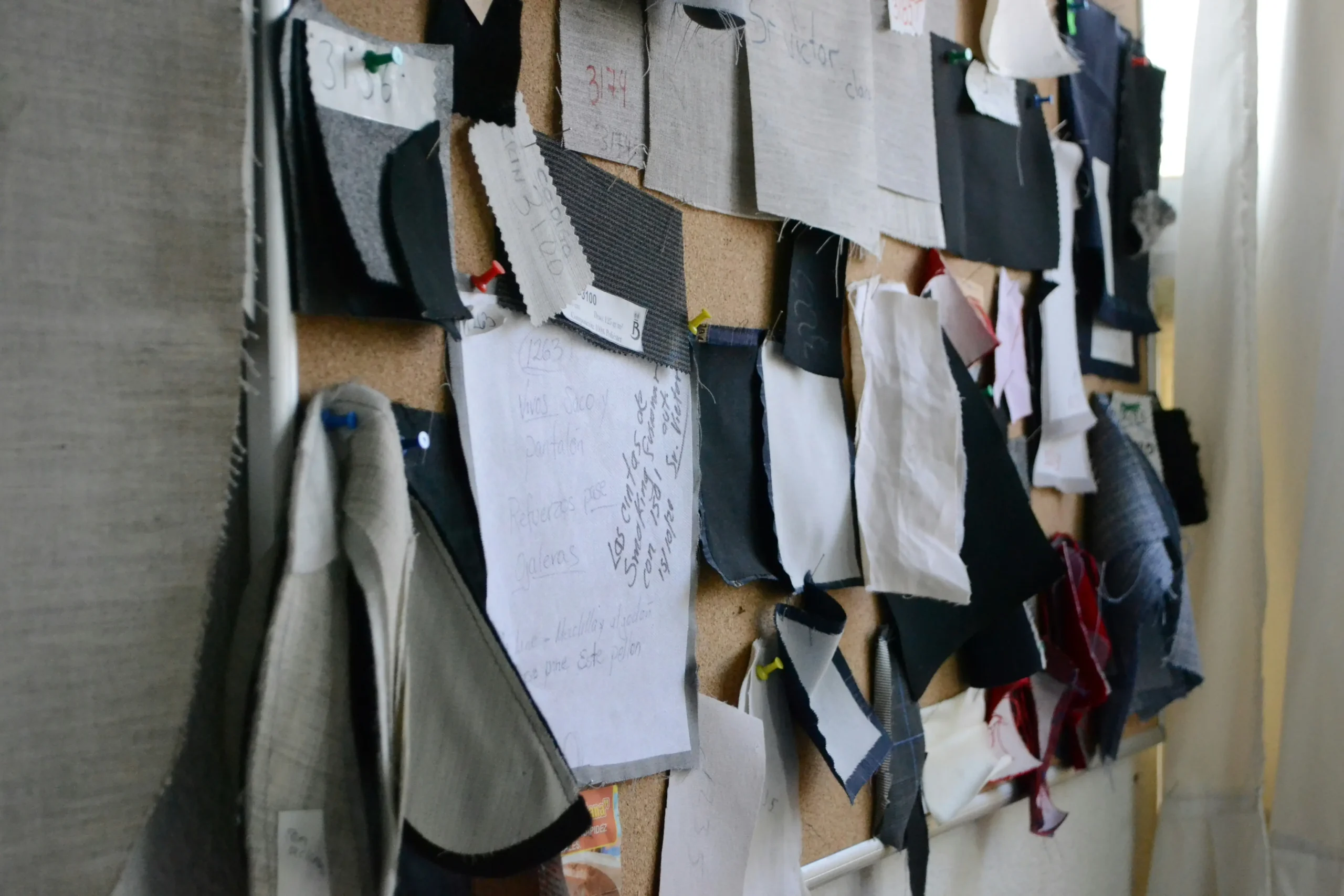
Dopłaty za farbowanie, wykończenie i ekologię
Większość fabryk pobiera płaską dostępną stawkę fabryczną ‘dopłatę za fantazyjne farbowanie’, która nie ma żadnego związku z rzeczywistym zużyciem chemikaliów.
Wykończalnictwo i farbowanie to etap, na którym koszty tkaniny bouclé szybko stają się nieprzejrzyste. Pozycje chemiczne na fakturze młyna – środki odporności na pranie, enzymy antypilingowe, zmiękczacze – są uzasadnione. Pełna obróbka odporności na pranie według AATCC 61 do stopnia 4,5 w przypadku bouclé z wełny i nylonu pochłania mniej więcej niską stawkę bezpośrednią młyna w chemii przy obecnych cenach hurtowych. Wykończenie antypillingowe, kluczowy dla przędz pętelkowych, które łatwo się ścierają, dodaje kolejną konkurencyjną stawkę bezpośrednią młyna. Są to rzeczywiste koszty. Problem polega na tym, że wielu dostawców pakuje je w jedną, zawyżoną opłatę za ‘specjalne wykończenie’, która podwaja rzeczywiste wydatki chemiczne.
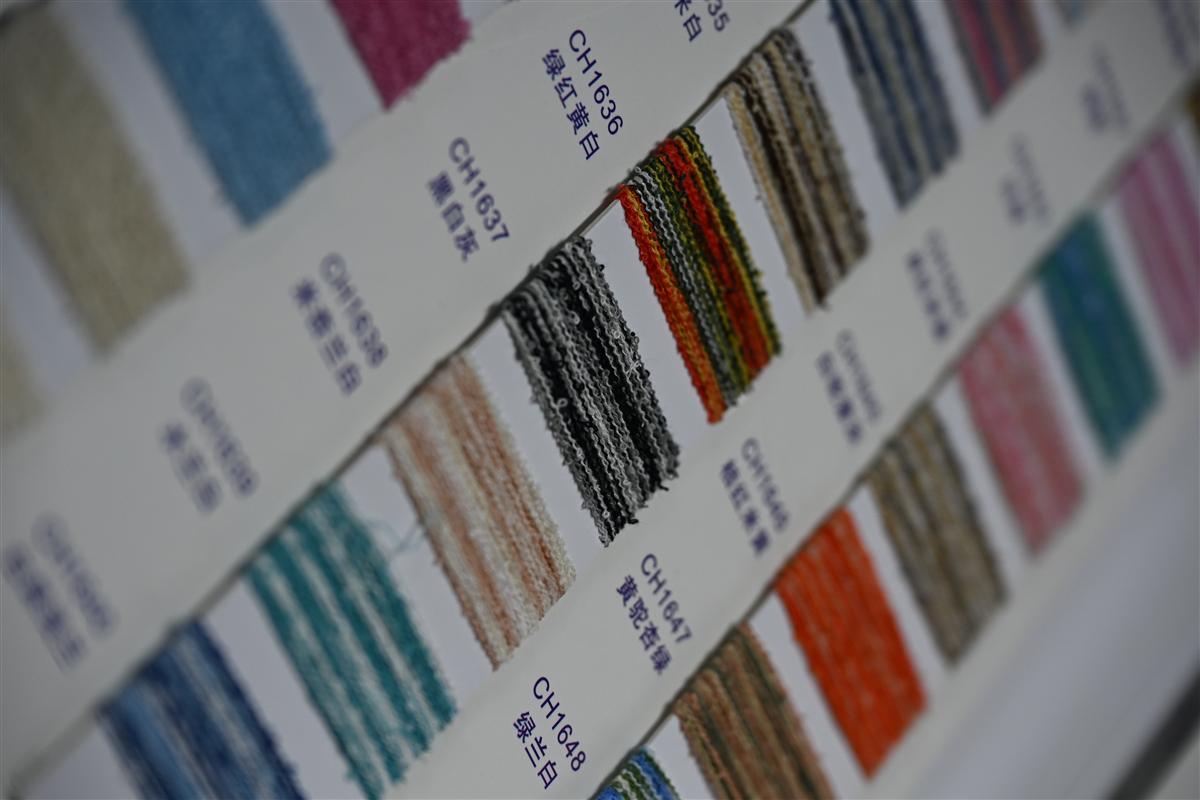
Najgorszym przykładem jest ogólna dopłata za ‘fantazyjne farbowanie’. Młyn wyceni dodatkową dostępną stawkę bezpośrednią z fabryki za wielotonowy efekt mélange, twierdząc, że używa egzotycznych receptur barwników. Ale w odpowiednio wyposażonym laboratorium trójkolorowy mélange na wstępnie przędzonej przędzy bouclé wymaga nie więcej barwnika niż jednolity odcień – tylko innej sekwencji załadunku w kąpieli barwiącej. Prawdziwym czynnikiem kosztów jest znaczący procentowy dodatek za włókno premium do pozyskiwania przedfarbowanych przędz slub i nep, które tworzą wizualną głębię. Jeśli młyn posiada własne przędzarki, ta dopłata za włókno gwałtownie spada, ponieważ mieszanie kolorów odbywa się na etapie zgrzeblenia, a nie u zewnętrznego farbiarza.
- Bouclé farbowane w przędzy: Włókno jest farbowane przed tkaniem. Spójność partii odcienia jest ustalana na etapie przędzy. Skurcz w wykończeniu wynosi poniżej 2%. Dodatkowy koszt to niska stawka bezpośrednia młyna za dodatkową obsługę i mniejsze partie farbowania, ale wskaźnik odrzuceń z powodu niezgodności odcienia spada poniżej 1,5% na całej partii 1000 m.
- Bouclé farbowane w gotowej odzieży: Tkanina lub gotowe odzież są farbowane w kawałkach po konstrukcji. Początkowy koszt wydaje się tańszy o konkurencyjną stawkę bezpośrednią młyna, ale ryzyko skurczu jest realne – przędze pętelkowe rozluźniają się nieprzewidywalnie w kąpieli barwiącej, a utrata wymiarów o 5–7% w przypadku bouclé o gramaturze 450 g/m² jest powszechna. Uwzględniając 6% odpadów, ‘oszczędności’ znikają. Ta metoda również zwiększa różnice odcieni między partiami farbowania, ponieważ barwnik nierównomiernie penetruje gęste skupiska pętelek.
Certyfikowany recyklingowany poliester GRS dodaje dopłatę w wysokości dostępnej stawki bezpośredniej z fabryki do standardowej konstrukcji bouclé o gramaturze 400–450 g/m². Premia pochodzi z dwóch miejsc: samo certyfikowane surowe włókno kosztuje zauważalnie więcej niż dziewiczy poliester przy obecnych stawkach rynkowych w 2026 roku, a dokumentacja łańcucha dostaw wymagana do zgodności z GRS zwiększa koszty administracyjne. Nie jest to pozycja negocjowalna – jeśli młyn oferuje tkaninę certyfikowaną GRS w cenie dziewiczego poliestru, dokumentacja certyfikacyjna jest prawie na pewno sfałszowana. Przed podjęciem decyzji poproś o numer certyfikatu transakcji.
Kluczem do kontroli kosztów farbowania i wykończenia jest oddzielenie chemii od narracji. Poproś każdy młyn o szczegółowy arkusz kosztów wykończenia: zużycie chemikaliów na 100 jardów według nazwy produktu, a nie według niejasnej kategorii. Młyn, który odmawia jego udostępnienia, ukrywa marżę. Młyn, który może pokazać receptury farbowania zgodne z raportami testów AATCC 61 na stopień 4.5, z wynikami antypillingowymi powyżej stopnia 4 w teście Martindale, daje ci przejrzystość kosztów potrzebną do dokładnego modelowania kosztów lądowania.
Koszty wysyłki, próbkowania i czasu wprowadzenia na rynek
Czterotygodniowe opóźnienie w próbkowaniu może zniweczyć falę zamówień hurtowych, zanim tkanina zostanie zatwierdzona.
Większość młynów traktuje próbkowanie jako zwykłe zadanie biurowe. Średni w branży czas realizacji próbki laboratoryjnej lub fizycznej próbki wynosi cztery tygodnie. To nie czas inżynieryjny – to czas oczekiwania w kolejce. W przypadku luksusowego bouclé, gdzie sezonowe okno hurtowe na kurtkę może wynosić 10 tygodni, utrata miesiąca na próbkowanie oznacza przesunięcie konwersji zamówień zakupu na terytorium przecen. Bezpośrednie obliczenie: jeśli Twoja marka zazwyczaj rezerwuje znaczące ilości hurtowe w pierwszych dwóch tygodniach cyklu zakupów, czterotygodniowe opóźnienie w próbkowaniu może kosztować znaczącą część tego okna w postaci utraconych zamówień. Siedmiodniowe próbkowanie, natomiast dostarcza fizyczną próbkę do ręki dwa dni po zakończeniu prac w laboratorium kolorów, co utrzymuje Twoją kolekcję w krytycznej krzywej rezerwacji.
- Koszt frachtu za jard, zamówienie 500 m, Wenzhou do Los Angeles (FOB ocean): niska stawka bezpośrednia młyna. Pełny kontener konsoliduje koszty, ale przesyłka LCL o długości 500 m nadal ląduje po tej stawce, ponieważ bouclé rolki mają wysoką gęstość i efektywnie wypełniają przestrzeń.
- Krajowy transport ciężarowy od dystrybutora ze Środkowego Zachodu do szwalni na Zachodnim Wybrzeżu: Zazwyczaj konkurencyjna stawka bezpośrednia młyna dla przesyłki LTL o długości 500 m. Dystrybutor narzuca marżę na fracht jako centrum zysku, a Ty płacisz za transfer między jego magazynami, a nie bezpośrednią trasę port-fabryka.
- Porównanie czasu dostawy: Transport morski Wenzhou–Los Angeles: 14–16 dni port–port, plus 2–3 dni odprawa celna i transport lądowy – łącznie ~18 dni. Krajowy LTL z Chicago: 5–7 dni. Jednak importowana partia dociera z dostępną stawką frachtową bezpośrednio z fabryki, co przy zamówieniu testowym 500 m daje oszczędność konkurencyjnej stawki bezpośredniej z młyna. Kompromis polega na planowaniu z wyprzedzeniem 20 dni, a nie na niższej jakości lub wyższym ryzyku.
- Ukryte opłaty za próbki, na które należy uważać: Europejskie młyny często ukrywają 200–400 € ‘opłat rozwojowych’ na kolor. Opłaty te znikają w modelu bezpośrednim z młyna z własnym laboratorium do próbek barwnych, pozostawiając tylko rzeczywisty koszt barwnika i robocizny – mniej więcej niską stawkę bezpośrednią z młyna dla efektów melanżowych – który jest już wliczony w cenę za jard.
Prawdziwym zabójcą marży w czasie wprowadzenia na rynek nie jest pozycja frachtu – to koszt alternatywny martwych tygodni. Trzytygodniowa przewaga w próbkowaniu przekłada się na wcześniejszą sprzedaż, co oznacza mniejszą presję konkurencyjną na cenę hurtową, mniej wymuszonych obniżek i cykl konwersji gotówki krótszy o 15–20 dni. To jest warte więcej niż różnica we frachcie przy każdym zamówieniu poniżej 2000 jardów.
| Czynnik | Opis | Fursone | Średnia branżowa | Oszczędności/Zalety |
|---|---|---|---|---|
| Szybkość próbkowania | Czas od koncepcji do fizycznej próbki tkaniny | 7 dni | 4 tygodnie | Skraca cykl projektowania o 3 tygodnie; unika kosztownego przegapienia okna hurtowego. |
| Wysyłka tkanin z magazynu | Materiały dostępne w magazynie gotowe do wysyłki (min. zamówienie 100 m) | 3–7 dni | 2–3 tygodnie (przez dystrybutorów) | Przyspiesza wprowadzenie kolekcji; brak opóźnień związanych z utrzymywaniem zapasów |
| Czas realizacji zamówienia niestandardowego | Ekskluzywny program farbowania partii 1000 m | 4 tygodnie | 6–8 tygodni (europejskie młyny często dłużej) | Koszt za jard spada do dostępnej stawki bezpośredniej z fabryki; tekstura na zamówienie bez wydłużonego oczekiwania. |
| Transport morski (500 m, Wenzhou→Los Angeles) | Koszt frachtu morskiego FOB na jard | ~konkurencyjna stawka bezpośrednia z młyna | dostępna stawka bezpośrednia z fabryki (transport krajowego dystrybutora) | Koszt dostawy obniżony o 55–70% tylko na frachcie |
| Opłaty za próbki i rozwój | Opłaty wstępne za próbki lub przygotowanie | 0 (ukrytych opłat) | opłata za styl | Eliminuje ryzyko wstępne; umożliwia tanie eksperymenty |
Wnioski
Analiza kosztów tkaniny bouclé, która kończy się na cenie za jard, pomija prawdziwe pieniądze. Pochodzenie przędzy, własne przędzenie i przejrzystość receptury barwników to dźwignie, które zmieniają całkowite wydatki na zakupy o 30% lub więcej. Liczby w tym artykule dają ramy do weryfikacji każdej oferty dostawcy – i odkrycia, które opłaty są realne, a które to tylko narzuty.
Weź swój obecny model pozyskiwania bouclé i porównaj go ze strukturą kosztów bezpośrednio z fabryki. Porównaj koszt dostawy dla zamówienia 500 m, a nie tylko cenę próbki. Przejrzyj programy bouclé heavy-weight i niestandardowe, aby zobaczyć, gdzie próba 100 m lub zobowiązanie 1000 m pasuje do harmonogramu twojej następnej kolekcji.
Często zadawane pytania
Czy tkanina bouclé jest droga?
Tak, tkanina bouclé jest droga, ponieważ jej pętelkowa faktura wymaga powolnego tkania i wysokiej jakości przędz. Bezpośrednie źródło z młynów posiadających własne przędzalnie może obniżyć koszty do około jednej piątej do jednej trzeciej ceny europejskich luksusowych tkanin w porównaniu z europejskimi młynami. Przed zamówieniem poproś o zestawienie kosztów całkowitych (landed cost).
Jakie są wady tkaniny bouclé?
Tkanina bouclé łatwo się rwie i często wymaga prania chemicznego ze względu na delikatne pętelkowe przędze. Wybieraj zwarte sploty i mieszane włókna, jeśli priorytetem jest trwałość. Określ mieszanki nadające się do prania, jeśli potrzebujesz łatwej pielęgnacji.
Czy tkanina bouclé jest warta inwestycji?
Tkanina bouclé jest warta inwestycji, jeśli potrzebujesz wyrazistej faktury i luksusowego dotyku, który wyróżnia kolekcje. Koszt ma sens, gdy pozyskujesz bezpośrednio i unikasz narzutów pośredników. Poproś najpierw o próbki magazynowe, aby przetestować swoje konkretne zastosowanie.
Czy bouclé jest luksusową tkaniną?
Tak, bouclé jest uważane za luksusową tkaninę ze względu na jej związek z krawiectwem w stylu Chanel i rzemieślniczym przędzeniem potrzebnym do stworzenia jej pętelkowej powierzchni. Prawdziwy luksus zależy od surowca i młyna. Zweryfikuj skład przędzy i pochodzenie młyna, aby uzyskać prawdziwy luksusowy poziom.
Czy tkanina bouclé wychodzi z mody?
Tkanina bouclé pozostaje podstawą mody, ponieważ jej dotykowa faktura przechodzi między kolekcjami klasycznymi i awangardowymi, nigdy całkowicie nie znikając. Powraca sezonowo w odświeżonych mieszankach przędz i gramaturach, nie jako a. Magazynuj ponadczasowe neutralne bazy i dostosowuj się do sezonowych kolorów akcentujących.

Powiązane spostrzeżenia
Jak importować dzianinę z Chin: Odprawa celna i wysyłka
import dzianiny z Chin jest pierwszym punktem kontrolnym, który kupujący powinni zabezpieczyć przed zatwierdzeniem...

Zamawianie tkanin hurtowo: Negocjowanie MOQ i cen z młynami
{ “@context”: “https://schema.org”, “@type”: “Article”, “id”: “evo301-geo-ai-block”, “definition”: “Bulk fabric ordering MOQ negotiation succeeds when...
Unikaj opóźnień celnych przy imporcie tweedu
Unikaj opóźnień celnych przy imporcie tkanin – to pierwszy punkt kontrolny, który kupujący powinni zabezpieczyć przed zatwierdzeniem...