A pre-production meeting is the last conversation before bulk money is spent, and the cheapest quality instrument in sourcing. What is decided there costs a phone call; the same decisions a week later cost a loom reset, a re-dye, or air freight.
PPM in most factories’ vocabulary, yet many first-time buyers walk into the room not knowing what should happen, so the meeting becomes a slideshow instead of a decision record. This guide lays out the agenda we run for custom programs at our Wenzhou mill, operating 300+ looms since 1995, who should be in the room, and the five documents that must exist when everyone stands up. The format is drawn from standard quality practice, the same review-gate logic bodies like ASQ teach for design and process reviews, applied to fabric.
Who belongs in the room
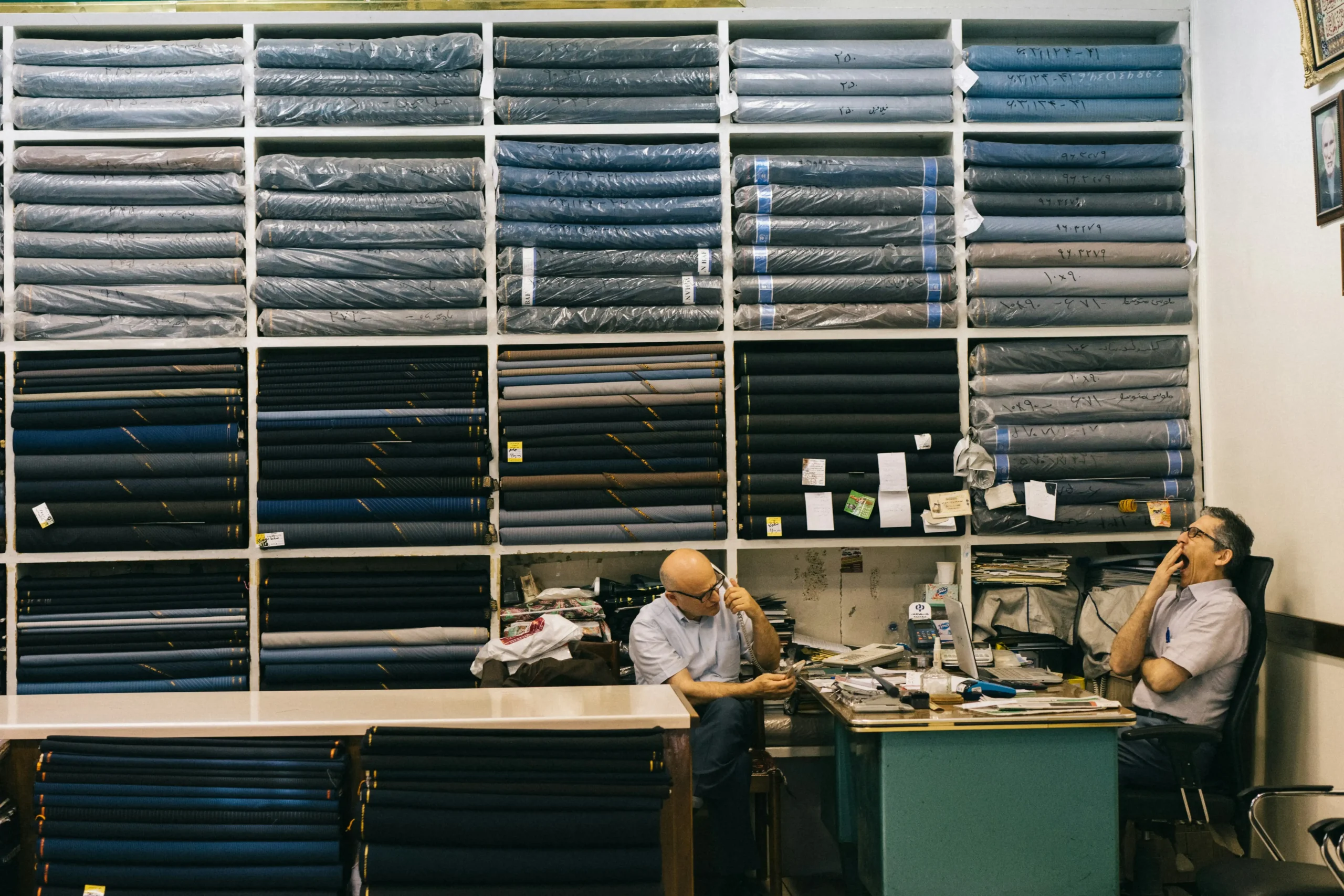
The minimum useful PPM has five seats filled. The buyer or merchandiser who owns the order, the mill’s sales lead who carries commercial responsibility, the mill’s production planner who actually controls the loom schedule, the QC lead who will sign off the finished rolls, and, for custom or technical articles, the development technician who knows what the sample did not tell you. The failure pattern in weak PPMs is always the same: sales attends without production, promises a schedule the loom park cannot hold, and the slip surfaces three weeks later as an “unexpected delay.” If the person who controls the machine schedule is not in the meeting, the timeline agreed in that meeting is a wish. Video calls work fine for cross-border programs, but the sample must have physically arrived before the call, a PPM over photos is a PPM about a different fabric.
The agenda: seven items, in order
Item one, seal sample confirmation: the physical sample everyone signs, which becomes the binding reference for bulk. Item two, composition and construction lock: fiber percentages, yarn counts, weight in grams per square meter, and weave or knit structure, read aloud from the spec sheet so nobody is relying on memory. Item three, shade band approval: the accepted light-to-dark range within which bulk may fall, agreed against the lab dips, because demanding a single perfect color across 5,000 meters is demanding something weaving cannot deliver. Item four, the test protocol: which tests run, on how many samples, from which stage, and against which limits, whether that references internal standards or third-party systems like OEKO-TEX and standard methods. Item five, the production calendar: bulk start, in-process inspection points, finishing date, final inspection, and the shipping cutoff, with named owners per step. Item six, packing and marking: roll length, winding direction, label content, and how irregular short pieces are flagged and counted. Item seven, the escalation path: who is called, within how many hours, when something drifts.
| PPM item | Output document | Common failure when skipped |
|---|---|---|
| Seal sample | Signed and dated physical seal | Bulk judged against memories, not cloth |
| Composition lock | Spec sheet, revision-numbered | Silent fiber swaps to hit price |
| Shade band | Approved lab dip set | Whole lot rejected over drift weaving cannot avoid |
| Test protocol | Test plan with stages and limits | Testing becomes an exit argument, not a gate |
| Calendar | Dated schedule with owners | “Unexpected delay” three weeks in |
| Packing spec | Packing and marking sheet | Cutting room discovers mixed roll directions |
| Escalation path | Contact list with response hours | Problems age quietly until they are expensive |
The five documents that leave the room
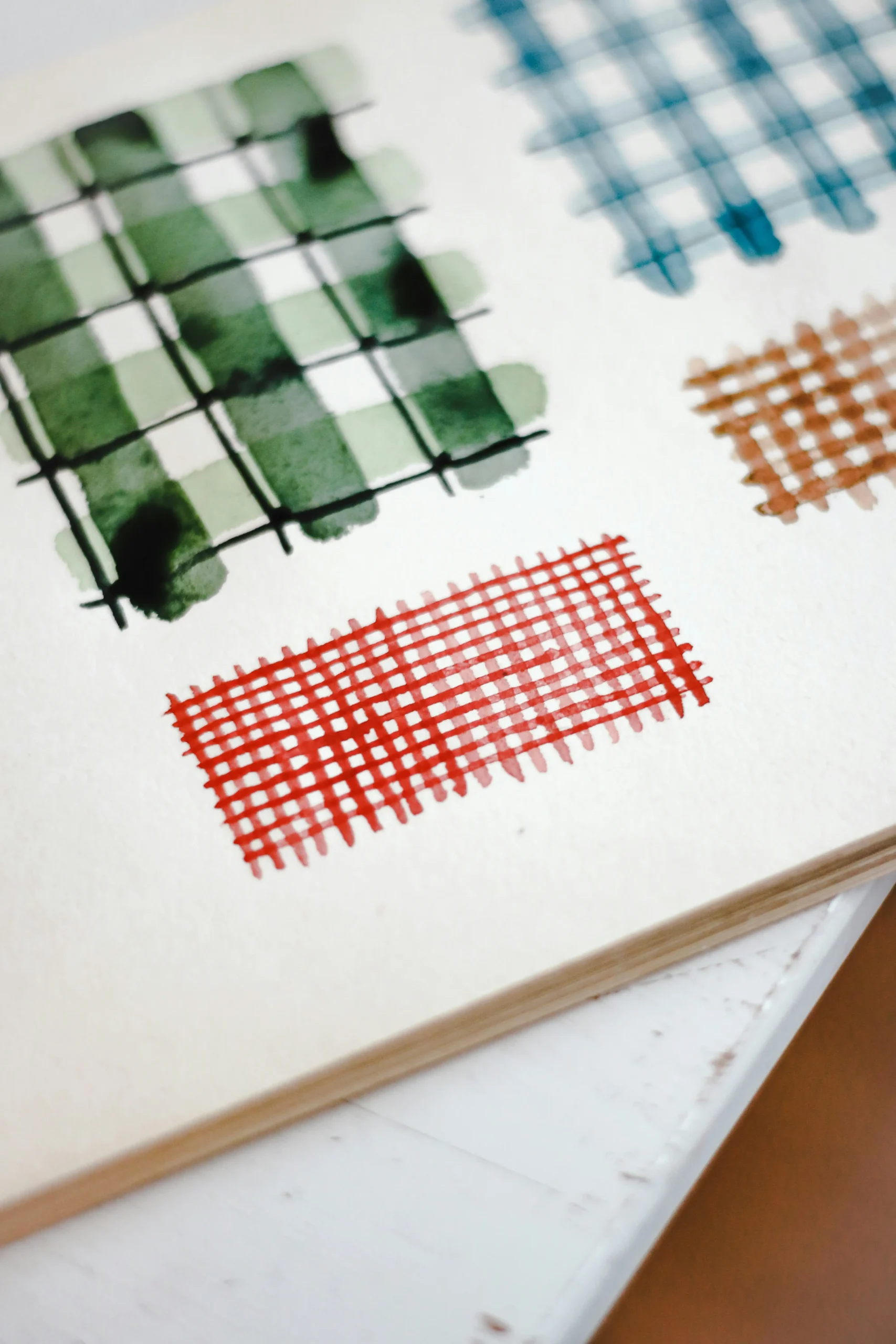
A PPM that produces no paper did not happen, commercially speaking. The five outputs are the signed seal sample held in duplicate, one copy sealed at the mill and one shipped to the buyer; the revision-numbered specification sheet; the shade band record with the approved lab dips attached; the dated production calendar with named owners; and the test plan stating stages, sample counts, and pass limits. Buyers should insist on revision numbers on the spec sheet, because the third most common quality dispute in fabric sourcing is two parties holding two different “final” versions of a spec. Our custom development flow, which starts from a 1,000-meter MOQ with a 7-day sampling cycle, treats the PPM bundle as the trigger for bulk, no signed bundle, no loom time, and the same documents travel with the order through finishing and final inspection so the QC team measures against what was agreed, not against what they assume.
Three questions buyers forget to ask
First, what happens to the loom if we change one variable after this meeting, a color, a weight, a yarn? Mills answer this honestly when asked before commitment, and the answer, usually a re-sampling plus a schedule slip, is information you want while it is still cheap. Second, which parts of the order will run on more than one machine or more than one shift? Multi-machine programs need tighter per-lot tracking, and knowing in advance changes how you read the shade panel later. Third, what does the mill consider out of scope for the quoted price, re-cuts, extra testing, shorter rolls? The question is not distrust, it is turning the invoice into something predictable. Programs that start through our strona o produkcji na zamówienie get these boundaries in writing at quote stage, and stock articles that skip PPM entirely still ship with per-roll labels from gotowy zapas, 100M meters on hand, so the documentation floor never drops to zero.
Często zadawane pytania
Who should attend a pre-production meeting?
Buyer or merchandiser, mill sales, the production planner who controls loom time, the QC lead, and for custom articles the development technician. A PPM without production is a promise without a schedule.
How long before bulk should the PPM happen?
After seal sample approval and before loom setup, typically 3 to 10 days ahead of bulk start, close enough that nothing changes and early enough that decisions are still free.
What is a shade band and why approve one?
The accepted light-to-dark range bulk may fall within, agreed on lab dips. Fabric woven across machines and shifts always drifts; the band defines acceptable drift before it becomes a dispute.
Can a PPM happen over video call?
Yes, but the physical sample must have reached the buyer first. Approving fabric from photographs means approving a photograph, not the cloth.

Powiązane spostrzeżenia
Badanie przesuwania się szwu w tkaninach garniturowych typu tweed
Przesuwanie się szwu to przemieszczanie się nitek z dala od zszytego szwu, gdy tkanina...

Klasyfikacja tkanin: wyjaśnienie rolek klasy A, B i C
Sortowanie rolek tkanin na jakości A, B i C to handlowa konwencja, którą stosują zakłady włókiennicze...

Jak kontrolowana jest spójność partii farbiarskich w produkcji masowej.
Kolor to pierwsza rzecz, którą zauważa kupujący tkaniny, i najtrudniejsza zmienna do kontrolowania...