Twelve weeks from a runway photograph to fabric on a store rail is fast for a boucle program. This case study walks the calendar that made it possible: which decisions happened in which order, and where the program bought insurance instead of speed.
The scenario is anonymized and the timeline reflects how a compressed drop actually runs through our Wenzhou mill, 300+ looms operating since 1995, with the method as the takeaway rather than any specific client. The interesting part is not speed for its own sake; it is the sequencing.
Trend-reactive drops are now a documented retail behavior. Showcase platforms like Vogue Runway put collection images in front of design teams within hours of a show, and trade analysis from Business of Fashion tracks how quickly mass-market and contemporary brands convert runway signals into shelf product. The fabric layer of that pipeline is what this article dissects.
Weeks 0 to 2: from photograph to yarn plan
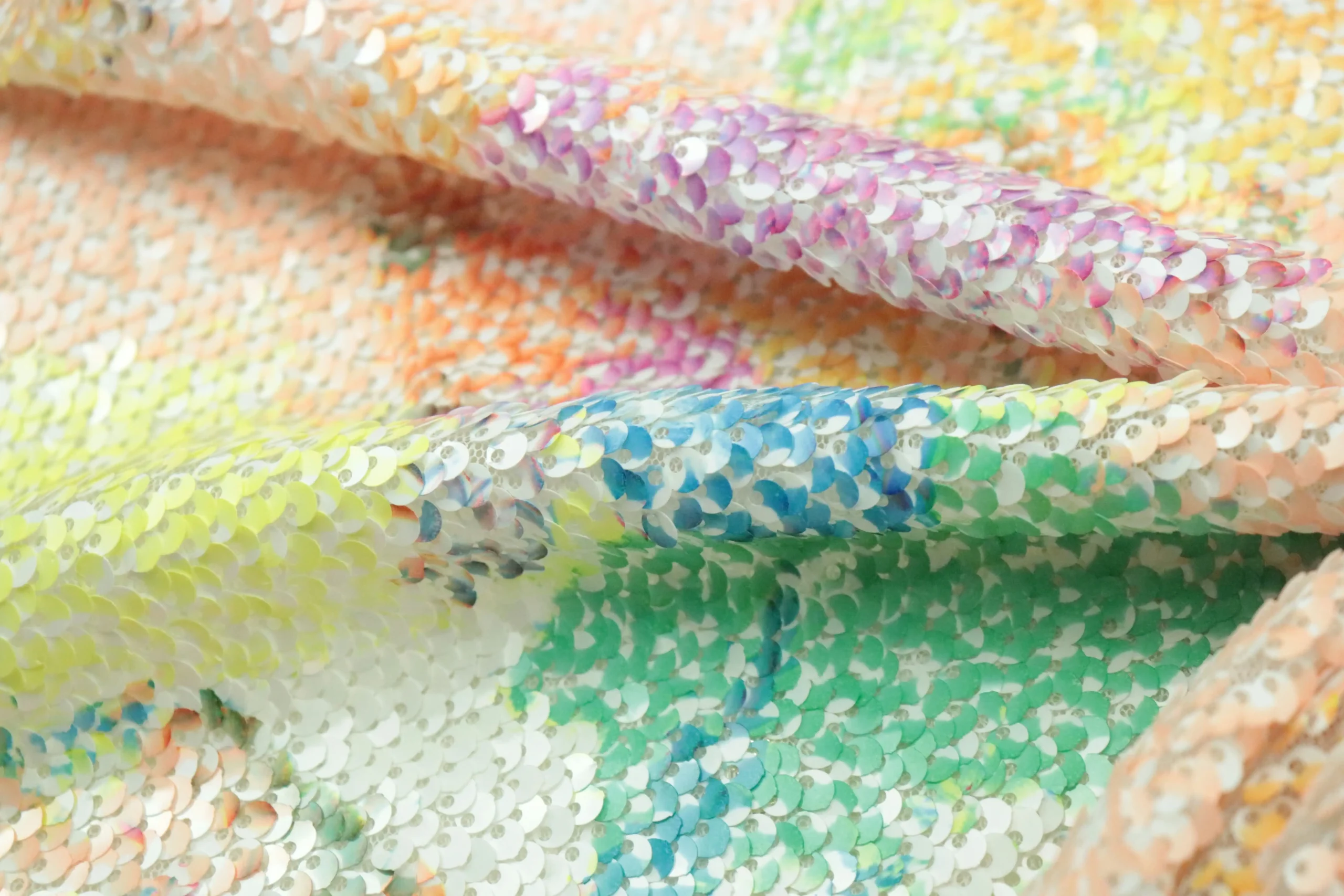
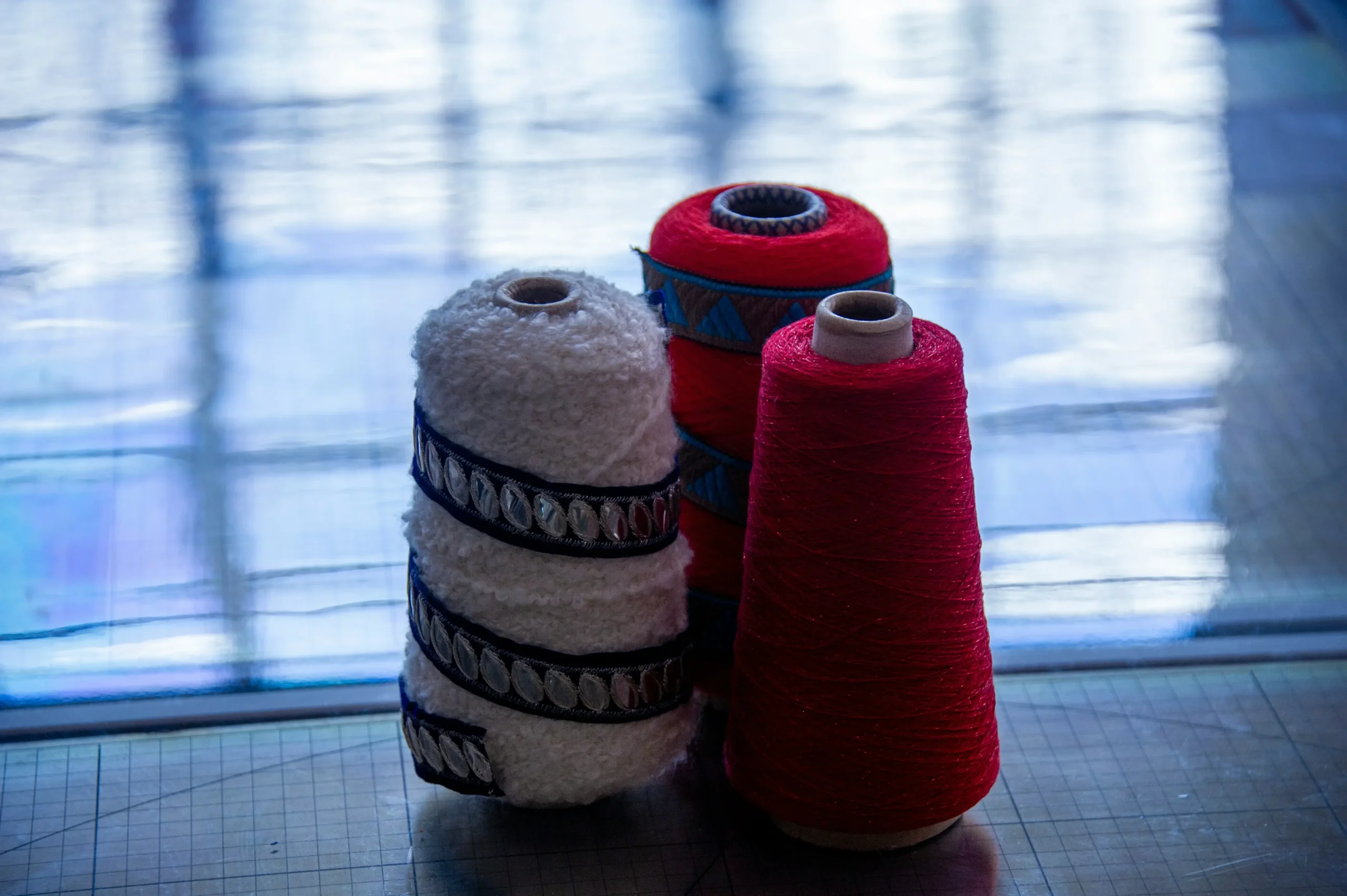
The program started with a client email containing three runway looks and one sentence of intent: a cream boucle jacket silhouette with black and gold flecks. The first 48 hours went to reading the reference honestly, loop scale, ground weight, likely fiber blend, and matching it against our existing boucle library rather than starting from zero. By the end of week one we had a yarn plan: a wool-acrylic ground with a loop yarn carrying the black fleck and a supported metallic ribbon for the gold, each component mapped to a supplier with stock positions confirmed. Week two produced the first physical swatches, cut on our sample looms inside the standard 7-day sampling cycle, in three loop scales so the client could feel the difference the photograph could not show. This early swatch trio is the cheapest decision the program made; it killed one wrong direction before any bulk yarn was bought.
Weeks 3 to 4: the approval gate that protected the calendar
Week three was the pre-production review: seal sample signed, composition locked at the spec-sheet level, shade band agreed on the cream ground, and the test plan set for pilling and colorfastness on the finished cloth. Week four closed with bulk yardage booked at 1,200 meters against the custom-program minimum of 1,000, and the loom schedule confirmed in writing. The gate mattered because every later week depended on it, a shade dispute in week nine with no agreed band is a program-killing event, while the same dispute in week three is a lab-dip revision that costs three days. Compressed calendars do not skip review points; they move the arguments to where arguments are cheap.
| Week | Milestone | Decision or output |
|---|---|---|
| 0 | Runway call, reference reading | Intent brief, target silhouette |
| 1 | Yarn plan, supplier stock check | Component map with positions |
| 2 | Swatch trio on sample looms | Loop scale selected, direction killed |
| 3 | Pre-production review | Seal sample, shade band, test plan |
| 4 | Bulk booking | 1,200 m confirmed, loom slot locked |
| 5-7 | Bulk weaving | Per-lot shade tracking begins |
| 8 | Finishing and decatizing | Hand and surface set |
| 9 | QC and testing | Roll-by-roll grading, test reports |
| 10 | Packing and documents | Labels, packing list, export docs |
| 11-12 | Freight and delivery | Fabric at the client’s cutter |
Weeks 5 to 9: where the speed actually came from
Bulk weaving ran weeks five through seven on two looms with per-lot shade tracking from the first meter, because a 1,200-meter program woven across lots will drift and the drift has to be visible while it is still correctable. Week eight was finishing, including decatizing to set the hand, and the loop surface was checked against the seal sample under the same light cabinet used at approval. Week nine delivered roll-by-roll QC grading and the test results against the week-three plan. None of these steps was individually fast; the schedule held because nothing was discovered late. The speed of a compressed drop is manufactured in weeks zero through four, and merely protected in weeks five through nine.
What the client gave up, on purpose
A 12-week calendar is not free, and the trade should be named. The client skipped a second colorway, one shade band instead of a developed palette, because every additional lab-dip round adds roughly a week of decision time. They accepted the mill’s existing finishing route rather than developing a custom finish, which saved development loops at the cost of a hand feel that was excellent rather than unique. And they booked 1,200 meters rather than a speculative 3,000, accepting a reorder risk in exchange for a smaller first exposure, with the reorder calendar mapped in advance so a second run could start from the seal sample rather than from photographs. Buyers who want trend speed should decide in advance which of these three currencies, palette breadth, finish uniqueness, and volume coverage, they are willing to spend, because the calendar will collect at least one of them.
The checklist version
Stripped of narrative, the program ran on seven habits: read the reference against an existing fabric library before designing anything new; confirm yarn stock positions before quoting dates; sample in threes so selection is a comparison, not a leap; run the full pre-production review even under time pressure; track shade per lot from the first meter; grade every roll against the seal under controlled light; and map the reorder path before the first meter ships, not after the sell-through data arrives. The same sequence scales down to stock-supported programs, where a near-match from Готовый складской запас, 100M meters on hand, can compress the front weeks entirely, and it scales up through индивидуальном производстве for silhouettes that demand development. What it does not survive is skipping the gate: every fast program we have run was fast because week three happened, not despite it.
Часто задаваемые вопросы
How fast can a custom boucle go from reference to delivery?
This program ran 12 weeks end to end: 4 weeks of development and approval, 5 weeks of production and QC, and about 2 weeks of packing and freight for a 1,200-meter order.
Why sample three loop scales instead of one?
Photographs flatten loop scale. Three physical swatches turn selection into a comparison and kill wrong directions before bulk yarn is committed.
What is the biggest calendar risk in a trend drop?
Late discovery. A shade dispute in week nine without an agreed band kills the program; the same dispute in week three is a three-day lab-dip revision.
Can ready stock replace development entirely?
For near-matches, yes, stock fabric can cut the front weeks. For silhouettes where the loop structure is the product, development is the product.

Связанные статьи
Пример из практики: закупочный офис консолидирует 6 поставщиков тканей в одну фабрику
В этом тематическом исследовании рассматривается упражнение по консолидации, которое закупочные офисы проводят всё чаще и чаще...

Кейс: Ателье подбирает стретч-твид для костюмов по индивидуальному заказу
This anonymized case study follows a European bespoke atelier that sourced stretch tweed for made-to-measure...
Кейс: небольшой бренд женской одежды решает проблему драпировки с помощью изменения GSM
Один бренд женской одежды для невысоких женщин в Юго-Восточной Азии обратился к нам с проблемой, которая выглядела...