

Ett damklädesvarumärke för petite i Sydostasien kom till oss med ett problem som såg ut som ett konstruktionsfel men visade sig vara ett fel i tygspecifikationen. Deras bästsäljande tweedkavaj – en kort, enknappad modell riktad till kvinnor under 160 cm – satt stelt på kroppen. Kunder klagade på att kavajen såg boxig och klädsam ut. Designteamet hade försökt allt från att göra om mönstret till att lägga in insnitt, men grundproblemet var själva tyget.
Problemet: 480 GSM tweed på en petite figur
The label had been sourcing a 480 GSM woolen tweed for their blazer line. At 480 grams per square meter, this is a substantial, heavyweight fabric — appropriate for a men’s overcoat or an oversized unstructured jacket. On a petite frame, however, the same fabric creates bulk at the shoulders and waist that no amount of pattern engineering can fully resolve. The fabric’s bending length (a measure of stiffness) was measured at 48 mm on the cantilever test, well above the 30-35 mm range that produces a flattering drape on a close-fitting garment.
The brand’s designer described the issue as the jacket “standing away from the body instead of following it.” This is exactly what happens when the fabric’s flexural rigidity exceeds what the garment’s geometry can manage. On a larger frame, the same fabric drapes adequately because the panels are wider and the curves are gentler. On a petite frame, the shorter panel lengths and tighter curves amplify the stiffness.
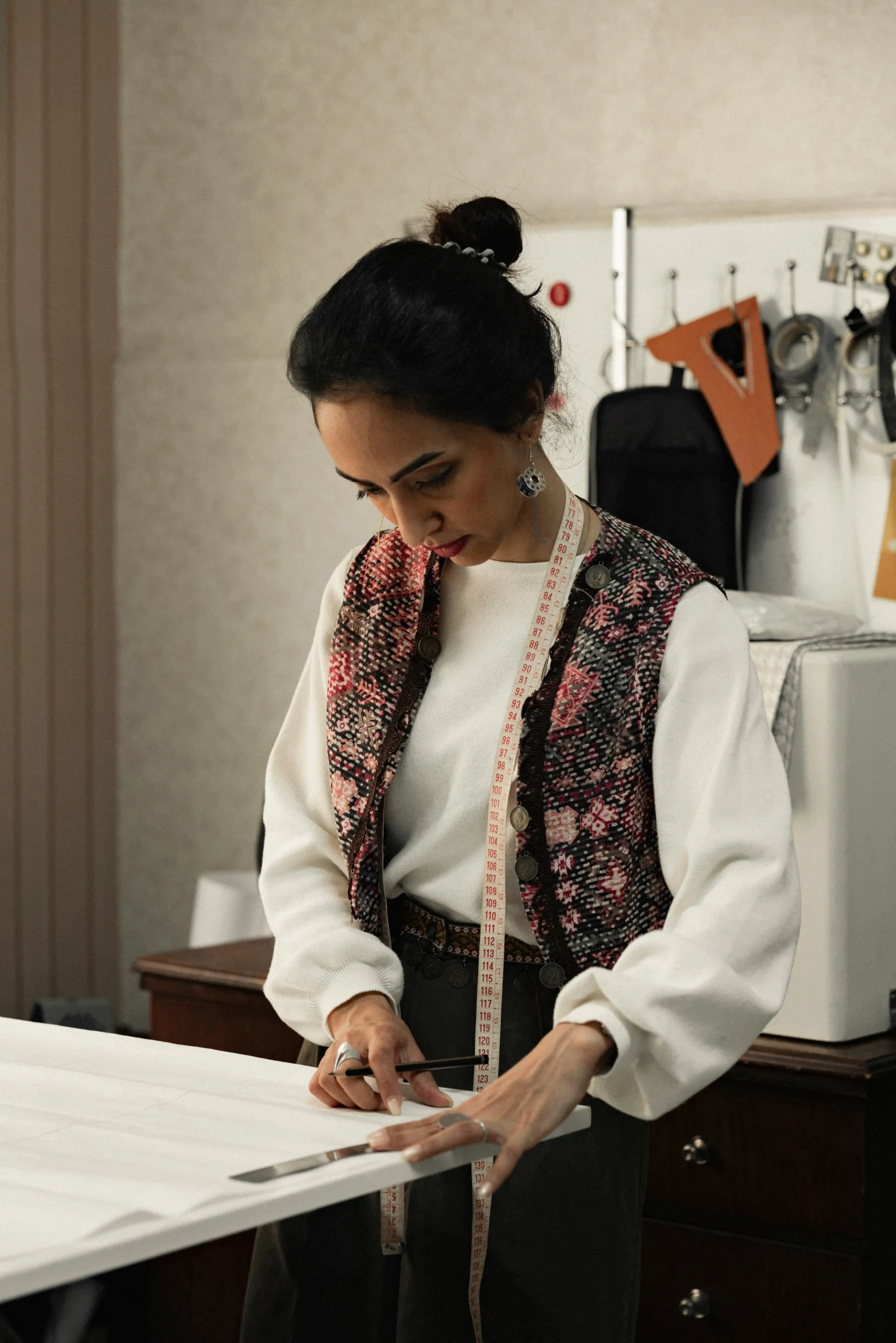
Åtgärden: sänka till 380 GSM med en tätare väv
Vår rekommendation var att sänka tygvikten från 480 GSM till 380 GSM med bibehållen garnsammansättning (85 % ull, 10 % polyamid, 5 % viskos i väften). Enbart viktsänkningen skulle förbättra fallet, men vi ökade också vävtätheten från 22 inslag per centimeter till 26 inslag per centimeter. Det gav ett tyg som var lättare men mer stabilt – den tätare väven gjorde att det lättare tyget inte kändes tunt eller tappade sin tweedtextur.
The 380 GSM version measured 33 mm on the cantilever test — within the target range for a structured but supple drape. The bending rigidity dropped by approximately 35%, which translated to a visible softening of the jacket’s silhouette on the body. The cropped hem, which had previously stood slightly away from the hip, now followed the body’s contour.
Tidsplan för provframtagning: 7 dagar från brief till godkänt prov
Etiketten behövde se och känna skillnaden innan de satsade på en ändring av bulkordern. Vi tog fram tre labbfärgprov i deras befintliga färgställningar (antracit, kamel och elfenben) vid 380 GSM, vävde 5 meter av varje och skickade provsetet inom 7 dagar efter att vi fått den ursprungliga briefen. Den ledtiden är standard för vår program för kundanpassad tillverkning, som bygger på förutsättningen att små varumärken inte kan vänta 6–8 veckor på ett tygprov.
The label’s designer approved the charcoal 380 GSM sample within 48 hours of receipt. She noted that the hand feel was “noticeably softer” and that the fabric “moved with the body” when draped over a dress form. The camel and ivory were approved two days later after minor shade adjustments to match the existing bulk in the other colorways.
Resultat för bulkorder: returgrad och kundrespons
The label switched their entire cropped blazer line to 380 GSM tweed for the following season. The results were measurable: the return rate for the blazer dropped from 14% to 6%, with the most common previous return reason — “stiff and boxy fit” — essentially eliminated. Customer reviews mentioned “much more comfortable” and “actually fits my body shape” at three times the previous frequency.
The cost impact was minimal. The 380 GSM fabric used 21% less fiber per meter, which offset the tighter weave’s additional picks. The per-meter price dropped by approximately 8%, and the garment’s yield improved slightly because the lighter fabric was easier to cut on a spread with minimal slippage.
Lärdomar för andra petite- och figurnära plaggmärken
Den bredare lärdomen är att tygvikt är en designparameter, inte bara en kostnadsparameter. En GSM-ändring på 100 enheter — från 480 till 380 — förändrade plaggets prestanda på den avsedda kroppstypen utan att ändra mönstret, sammansättningen eller tygets visuella identitet. Märken som utvecklar tweedplagg för petite- eller figurnära silhuetter bör prototypa vid 350-400 GSM innan de automatiskt väljer tyngre konstruktioner.
För märken som navigerar liknande specifikationsutmaningar, vår tjänst för jämförelse av tygprover gör att du kan testa flera GSM-alternativ sida vid sida innan du förbinder dig till bulk. Kvalitetskontrollprocesser som de som beskrivs i textilelearner.net:s guide för tyginspektion säkerställer att den GSM du specificerar är den GSM du får i varje rulle.
Om dina tweedplagg inte faller på det sätt som dina designer är tänkta, kan tygvikten vara variabeln att testa först. Kontakta vårt team med din nuvarande GSM och plaggets typ, så skickar vi ett jämförande provset inom 7 dagar.
Vanliga frågor om GSM och tygfall
Vilket GSM-intervall fungerar bäst för figurnära tweedjackor?
För figurnära och petite tweedjackor ger 350-400 GSM den bästa balansen mellan struktur och fall. Tyngre vikter (450-550 GSM) fungerar för oversized- eller ostrukturerade silhuetter där tyget är tänkt att hålla sin egen form snarare än att följa kroppen.
Gör en lägre GSM tyget mindre hållbart?
Inte nödvändigtvis. Hållbarhet beror mer på vävtäthet och garnets tvinn än på GSM ensamt. En 380 GSM-tweed vävd med 26 inslag per centimeter kan överträffa ett 450 GSM-tyg vävt med 20 inslag per centimeter i nötningsmotstånd. Nyckeln är att specificera både vikt och vävtäthet tillsammans.
Kan jag testa olika GSM-alternativ innan jag beställer i bulk?
Ja. De flesta väverier erbjuder provsatser med flera GSM-alternativ i samma färgställning och komposition. Ett 5-metersprov i varje vikt räcker vanligtvis för att göra en falljämförelse på en provdocka och fastställa specifikationen innan bulkbeställning.
Ett genomarbetat exempel på leverantörskonsolidering på bruksnivå, fallstudien om konsolidering av sex leverantörer går igenom siffrorna.
Lär dig mer: Guide till tweedtyg · Utforska Tweed i Chanel-stil. Behöver du prover? Begär gratis provlappar.

Relaterade insikter
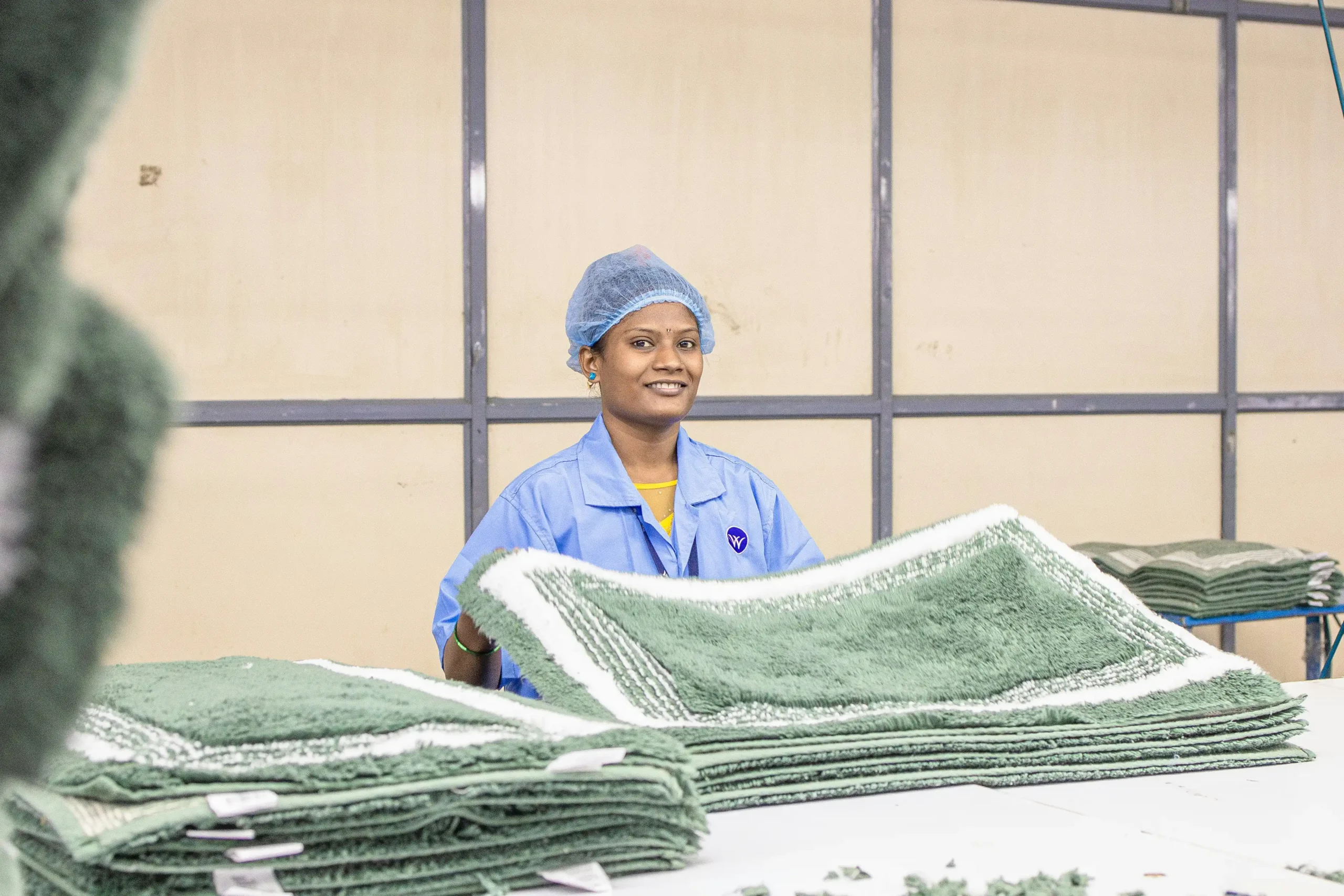
Fallstudie: Tweedlinje uppnår ISO-grad 4 i noppningsresultat i bulk
A UK outerwear brand came to us with a pilling problem wearing a quality-gate costume:...
Case Study: Startup Brand’s Two-Phase MOQ Strategy: Stock First, Custom Later
A two-person womenswear label came to our desk last year with a collection pinned on...
Case Study: Startup Brand’s Two-Phase MOQ Strategy: Stock First, Custom Later
The most expensive mistake a startup fabric buyer makes is ordering custom fabric for a...