What is Fancy Tweed (Linton Style)?
When a fabric weighs between 250 and 500 g/m² and includes yarns as complex as bouclé, slub, and metallic fibers, every design decision affects stability and drape. For both couture ateliers and small studios, an uneven weave or poor fusing choice can mean hours of rework or wasted material.
This guide traces the structure of Linton-style fancy tweed through fiber blends such as 99% wool/1% rayon at 380 g/m and 81% wool/11% cotton/8% viscose at 500 g, explaining how Fursone engineers balance texture, weight, and reinforcement to deliver Chanel-level consistency for jackets and dresses alike.
What is Fancy Tweed (Linton Style)?
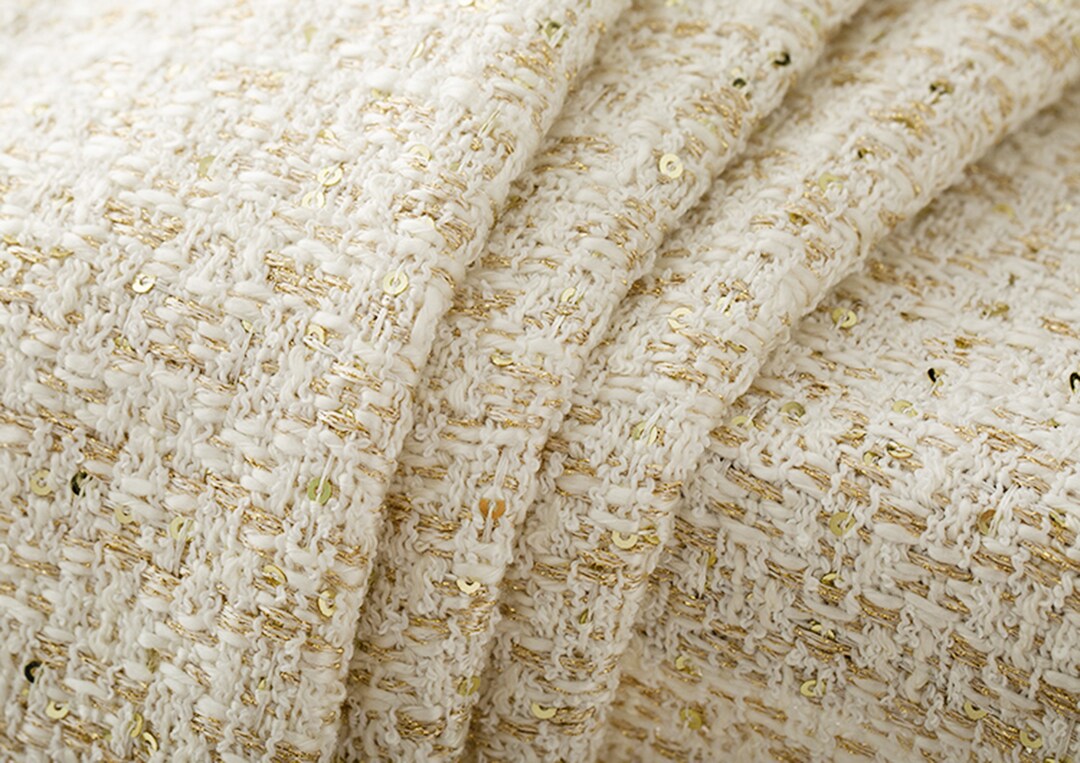
Fancy tweed in the Linton style refers to textured, yarn-rich fabrics originally woven by Linton Tweeds in the UK for couture houses like Chanel. These tweeds feature multi-fiber blends, medium to heavy weights, and a stable, tightly woven structure ideal for jackets and coats.
It combines artistic texture with technical precision—both visually rich and structurally reliable.
Linton-style fancy tweed stands as a hallmark of luxury craftsmanship. Its textured surface and firm construction have defined many couture silhouettes while maintaining durability through careful yarn engineering.
At Fursone, we view fabrics like this as living archives of style and innovation. Our textile experts study such weaves to design modern interpretations that strike a balance between texture, weight, and handling comfort—making us a Smart Choice for designers seeking couture-quality materials at scale.
Definition and Key Characteristics of Linton-Style Fancy Tweed
Linton Tweeds Ltd., based in Carlisle, UK, pioneered a distinctive form of fancy tweed rich in texture and visual depth. These fabrics are both technical and expressive, forming the foundation of many famous couture designs.
- Highly textured, yarn-rich tweed and bouclé fabrics produced exclusively by Linton Tweeds Ltd. in Carlisle, UK.
- Originally crafted for haute couture fashion houses, most notably Chanel.
- Medium to heavy fabric weights, typically from 250 to 500 g/m², adjusting for garment type and structure.
- Wool-rich compositions with complex yarns including slub, bouclé, eyelash, ribbon, and metallic fibers for intricate surface effects.
- Firm, stable construction that resists distortion, providing durability and shape retention over time.
Imagine each yarn acting like a structural thread in an architectural framework—dense enough to hold shape, yet flexible enough for elegant tailoring. This balance defines the appeal of Linton-style tweed and informs how experts at Fursone approach contemporary reinterpretations for modern brands.
Fiber Composition, Weight, and Technical Details
The fiber composition of Linton-style fancy tweeds varies with design intent but always prioritizes tactile richness and structural harmony. Each blend aims to convey visual character while offering reliable weight and performance for outerwear and suiting.
- Examples include blends like 99% wool with 1% rayon at 145 cm width, around 380 g/m (262 g/m²), or 81% wool with 11% cotton and 8% viscose at 150 cm width, weighing about 500 g per length unit.
- Other constructions combine fibers such as wool, polyamide, polyester, acrylic, viscose, cotton, and silk for enhanced texture or sheen.
- Jacket and coat grades typically range between 250–500 g/m², giving the fabric body and resilience suitable for structured garments.
- Dimensional stability is a core attribute—helping to keep seams tidy and limiting fraying despite the textured face.
- Couture tailoring methods often pair these tweeds with fusible interfacing or quilted silk linings to reinforce the shape and longevity of the design.
Similar to how a strong backbone supports smooth movement, the stable weave lends these fabrics form and reliability without losing the tactile allure of their fancy yarns. At Fursone, we apply similar structural reasoning to our woven women’s fabric development—delivering materials that marry classic texture with modern technical performance.
Key Yarn Types: Bouclé, Slub, & Chenille
Bouclé, slub, and chenille yarns bring distinct character to fancy tweeds. Bouclé forms soft loops, slub features intermittent thickness, and chenille has a plush, pile-like surface. Each texture catches light and adds depth, shaping the signature look of Chanel-style tweeds.
These yarns are deliberately irregular, transforming technical construction into visible artistry.
Among all fancy yarns, bouclé, slub, and chenille are the most influential for fashion tweed design. They define not only texture but also the tactile identity of a fabric. Designers use their structure to create both rustic and refined effects that align with modern luxury.
Understanding Bouclé, Slub, and Chenille Yarns
Bouclé yarns use a three-part structure where one strand forms loops around a core under different tensions. Those loops create the small circular forms that give classic tweed its recognizable surface. The loops are controlled during spinning, and their size determines how bold or delicate the texture feels.
Slub yarns show an alternating rhythm of thick and thin portions. Each “slub” is a low-twist area that bulges slightly. In modern spinning, these patterns can be programmed so every meter repeats consistently—an important detail for large runs of fashion fabric.
Chenille yarns come from cutting narrow, woven fabrics into strips. Those short fibers radiate out like tiny spikes around a core yarn, producing a velvety hand. The process gives them bulk and softness but also demands careful finishing to minimize shedding.
All three are engineered through controlled irregularities in twist or density. They deliberately break uniformity to achieve unique surfaces, which is the essence of fancy tweed used by heritage couture houses.
Technical Aspects and Applications in Fancy Tweed
Twist, measured in turns per inch, influences strength, abrasion resistance, and softness. For bouclé, too much twist tightens loops; too little creates uneven curl. The right balance keeps the yarn stable yet tactile.
Different spinning systems—ring, open-end, or air-jet—shape yarn behavior. Most fancy tweeds rely on midweight counts around Ne 20–40, giving enough body for structured garments while maintaining drape.
Bouclé upholstery examples, like “Baloo,” mix polyester, acrylic, and cotton to achieve durability around 570 g/m², resisting more than 100,000 Martindale cycles. That endurance makes them suitable for both apparel and interior use.
Slub yarns are best used in the weft, not the warp. They highlight the surface visually while preventing weak tension points during weaving. This balance reduces loom stops and keeps the weaving process efficient.
Chenille yarns demand stability from how the pile grips the core. High twist in the base and well-chosen fabric weaves reduce shedding. Designers control this through carefully tuned finishing steps such as singeing or resin coating.
In Chanel-style tweeds, these three yarns blend with stable warps for structure. The result is fabric that feels rich to touch yet stays functional for tailored jackets or skirts. At Fursone, this integration of texture and performance drives each new fabric development.
With production centered in Jiangxi and design innovation at our Wenzhou studio, Fursone turns technical yarn engineering into aesthetic storytelling. It’s where craftsmanship meets brand identity, one loop and slub at a time.
Incorporating Metallic Lurex & Sequins
Metallic Lurex yarns are made by coating plastic films with a thin aluminum layer, then combining them with fibers like silk, wool, or polyester. This blend brings a refined shimmer and strength to the weave.
Sequins, stitched onto polyester or nylon blends with light stretch, create movement and gloss while keeping the textile flexible and resilient—ideal for fashion-ready tweeds and dress fabrics.
Lurex and sequins bring a decorative yet functional edge to fancy tweeds, balancing shine and structure. In Chanel-style designs, they highlight texture variation and reflect light differently as the fabric moves.
At Fursone, these materials are integrated with precise control of yarn ratios and weave density. The result is a tweed that feels rich to touch, performs well in wear, and tells a distinct brand story.
Understanding Metallic Lurex Yarns
Metallic Lurex yarns are made by wrapping or twisting thin aluminum-coated films with soft fibers. This process captures the metallic shine while softening the feel and improving weaving performance.
- Lurex yarns often use plastic or metallic polyester/nylon films paired with silk, acetate, wool, or polyester for flexibility.
- Metallic content in commercial fabrics typically falls between 5–30%, while luxury blends mixing silk and acetate may reach 27%.
- Since metallic fibers are non-elastic but resist tarnish, they’re best woven tightly into tweeds or jacquards to reduce snagging and preserve their polished look.
Imagine fine threads of metal woven among soft fibers—the combination captures light while maintaining the textile’s drape. This principle defines much of high-end “Chanel inspired” tweed styling.
Applying Sequins with Metallic Lurex Fibers
When sequins are added to fabrics containing Lurex, the base must remain strong yet accommodating. Polyester and nylon/spandex blends are used to balance weight, stretch, and comfort.
- Common constructions use 100% polyester or nylon with around 6% spandex to absorb stress from sequins and keep seams stable.
- Fabric weights usually range from 175 g/m to 190 g/m at widths of 48–58 inches, offering drape without bulk.
- Stretch is introduced through knitted structures or spandex content, making these sparkly materials suitable for body-contouring and performance-focused garments.
These mixed materials fuse comfort with glamour. Similar to how metallic threads outline form in light, sequins enhance visual rhythm across the surface.
At Fursone’s Jiangxi production base, every roll of fancy tweed featuring Lurex or sequins undergoes precise tension control and finishing checks. This care ensures a fabric that glows naturally and stays durable in wear—ready for brands that value both artistry and performance.
Fursone: Your Trusted Partner in Global Textile Supply
Weight Guide: Jacket vs. Dress Weight
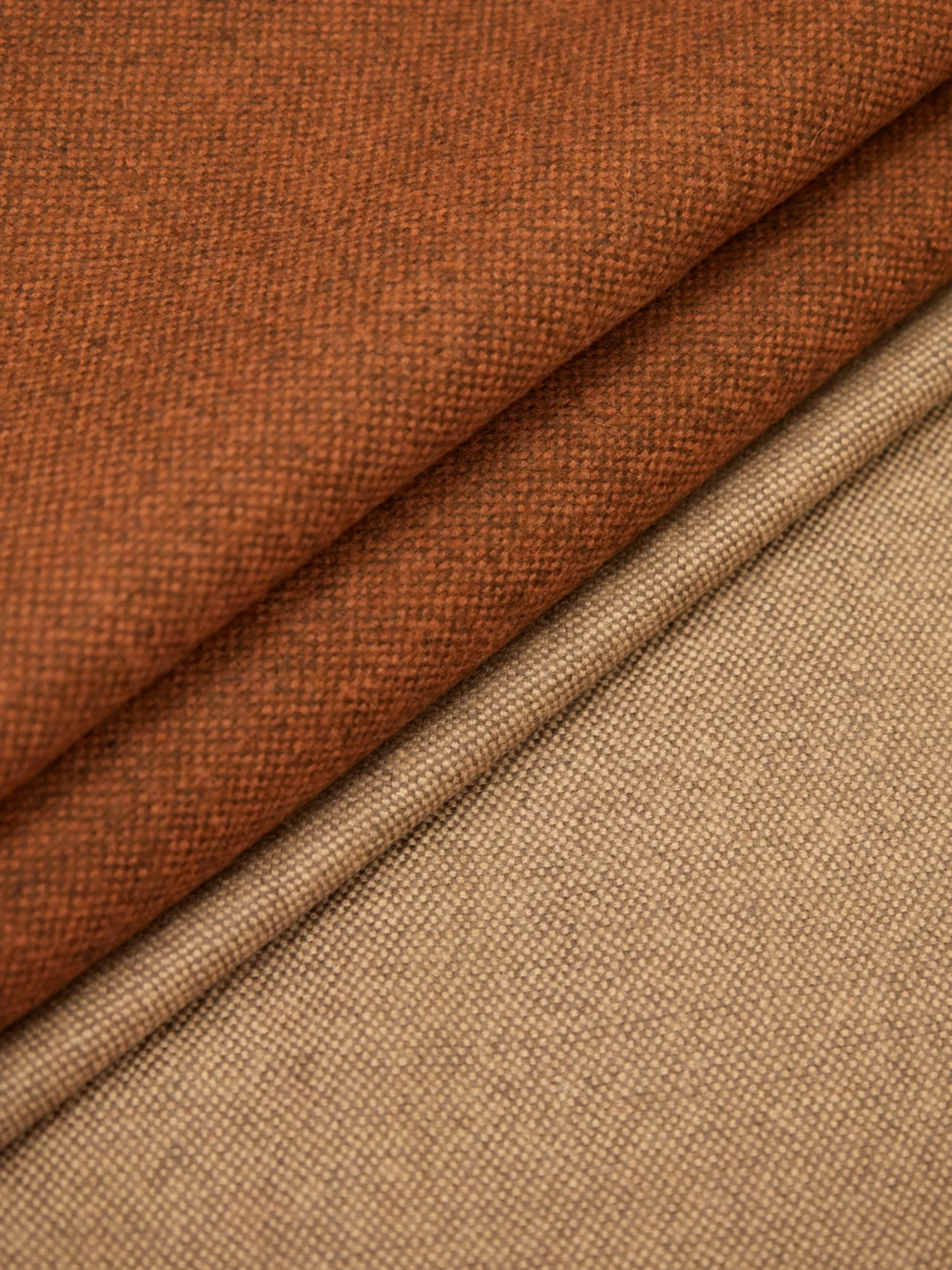
Jacket-weight tweeds usually range from 250 to 430 g/m², giving more structure for pieces like tailored jackets or blazers. In contrast, dress-weight tweeds tend to stay between 200 and 300 g/m², providing a softer drape and comfortable movement for skirts and dresses.
In short, jacket weights bring form; dress weights bring flow.
The weight of tweed fabric decides how a garment feels and behaves. Heavier tweeds shape clean lines for outerwear, while lighter ones create flexibility and grace for movement-focused designs. Understanding this difference helps select the right fancy tweed (Chanel style) for your project.
Understanding Fabric Weight Categories for Jackets and Dresses
Every fabric has a weight, measured in grams per square meter (g/m²). Tweed with greater density gives a firmer body and better structure, while lighter fabric envelopes the body more naturally. Imagine holding a sturdy jacket fabric in one hand and a flowing dress fabric in the other—the tactile contrast tells the story.
- Jacket-weight tweeds are built for structure and durability, typically between 250 and 430 g/m².
- Dress-weight tweeds are lighter, from 200 to 300 g/m², ideal for garments requiring comfort and gentle drape.
- Different weights align with different functions—sturdy materials for jackets; airy weaves for skirts and dresses.
- Heavier weights beyond 400 g/m² often serve outerwear, such as long coats or tailored overcoats.
At Fursone, we maintain precise control of these weight parameters through our Jiangxi weaving base. This consistency ensures our clients receive fabrics that match both creative direction and technical performance standards.
Technical Data on Tweed Weights and Typical Usage
Below is a concise table summarizing typical tweed weight ranges and their garment applications. These values serve as a guide for patternmakers, designers, and buyers aiming for optimal fabric choices in the fancy tweed category.
| Fabric Type | Weight Range (g/m²) | Typical Garment Use | Example / Notes |
|---|---|---|---|
| Jacket Tweed | 250–350 | Tailored Jackets, Cardigans | Typical Chanel-style fancy tweeds, structured but comfortable. |
| Summer Jacket Tweed | 300–400 | Spring Jackets, Lightweight Blazers | Balanced weight for mild climates. |
| Dress / Skirt Tweed | 200–300 | Dresses, Skirts, Tunics | Lightweight structure enhances flow and comfort. |
| Coat / Outerwear Tweed | 300–500+ | Coats, Outer Jackets, Traditional Shooting Jackets | Used for maximum warmth and durability. |
For instance, Holland & Sherry’s “Sherry Tweed” weighs about 340 g/m²—ideal for structured jackets. In tailoring, such weight corresponds roughly to 10–14 oz per square yard, a sweet spot between flexibility and firmness.
When sourcing from Fursone, brands can rely on accurate GSM monitoring through our integrated design and production chain. This approach ensures every roll of tweed meets both tactile and technical expectations—from runway prototypes to full-scale manufacturing.
Fusing & Lining Recommendations
Use lightweight woven or knit fusibles (20–38 GSM) for delicate bouclé tweeds to maintain softness and avoid extra bulk. Choose medium or heavy woven fusibles (55–90 GSM) for structured parts like collars and cuffs.
For complex bouclé fabrics, sew‑in interfacing may perform better since fusible adhesives can struggle to bond evenly on uneven textures. A fine, smooth lining adds stability and protects the garment’s interior over time.
Fancy tweed, often called “Chanel‑style” tweed, blends texture, softness, and a sense of ease. These fabrics can fray easily, so their inner structure and lining play a big role in both drape and durability. Understanding how to combine fusing and lining correctly helps keep the material feeling light while maintaining shape.
Interfacing Types and Their Application in Fancy Tweed
When selecting interfacings for bouclé or fancy tweeds, the fabric’s open texture and soft hand must guide the choice. Using a wrong fusible can flatten the fabric’s character or make seams bulky. Lightweight “skin fuses,” between 20–38 GSM, sit beneath the tweed surface to keep flexibility while subtly reinforcing the weave.
- Lightweight fusibles (20–38 GSM) serve as skin‑level support under delicate tweeds, preserving softness without stiffness.
- Medium to heavy woven fusibles (55–90 GSM) add form and stability to collar stands, cuffs, and jacket fronts where structure matters.
- Sew‑in interfacing is a dependable choice for heavily textured bouclé since glue dots may not adhere well to uneven yarns.
- Bouclé edges need thorough finishing—overlock or serging works best to prevent fraying before assembly.
For brands working on custom tweed pieces, partnering with a specialized supplier like Fursone ensures proper testing across GSM ranges and adhesion behavior. Their integrated setup, from fabric design to production, helps maintain consistency through every roll.
Lining Recommendations and Fusing Conditions
A smooth, lightweight lining complements fancy tweed’s open weave. It gives structure from the inside and shields the outer fabric from friction. When well‑matched, it supports drape while preventing distortion after repeated wear or cleaning.
- Use soft lining fabrics such as lightweight polyester satin or silk blends to stabilize the tweed and avoid inner abrasion.
- For woven interlining, standard bonding conditions are around 160 °C under 2–4 bar pressure for 12–15 seconds.
- Suit‑level fusing often operates between 130–149 °C (266–300 °F), where adhesives activate evenly under steady heat and pressure.
- Premium tweed tailoring usually combines a light “skin fuse,” a sew‑in layer in key zones, and a full lining for lasting shape and comfort.
In a well‑constructed Chanel‑style tweed jacket, these layers act together—much like bones, skin, and lining in fine tailoring—each serving a distinct purpose without overpowering the fabric’s natural character. Working with thoughtful suppliers such as Fursone makes these technical steps repeatable and reliable for global brands.
How to Handle Loose Weaves (Cutting Tips)
Loose weave fabrics like fancy tweeds need careful preparation before cutting to avoid unraveling and distortion. Stabilize edges with stitching or serging first, cut on the warp grain using thread-pulling for straight lines, and limit stacked layers for control.
Precision handling keeps the texture intact and ensures your fabric behaves predictably during garment construction.
Fancy tweed fabrics—often associated with that Chanel-inspired look—have a loose, airy weave that can distort easily when cut. Each thread contributes to the fabric’s texture, so tension or misalignment can quickly show in the final garment.
At Fursone, we design and weave tweeds that retain structure even under stress. Still, the fabric’s open weave demands stability techniques to maintain clean, stable edges during cutting and sewing.
Understanding Loose Weaves and Their Challenges
Loose weave fabrics have fewer interlacements, meaning yarns aren’t tightly locked together. This gives them their beautiful drape and surface texture but also makes them prone to fraying along the cut edges.
- Loose weaves have lower pick counts, especially in the weft, so there are fewer crossings between warp and weft yarns. The result is more movement and higher risk of edge fray.
- Warp yarns provide more strength and stability because they’re held under tension during weaving. In contrast, the weft threads are slightly looser and can shift more easily.
- If yarns can be displaced easily by hand or fingernail, you’re dealing with a true loose weave that needs support before cutting.
Loose weaves are like fragile networks—once one thread slides, others follow. That’s why stabilizing methods such as pre-stitching are essential to hold everything in place.
Technical Cutting Methods for Stability and Precision
When cutting loose weave fabrics, precision is all about control. The goal is to protect the yarn structure while keeping cut lines accurate and fray-free. Here are essential methods used by professionals and employed in Fursone’s production handling.
- Pre-stabilize cut lines with straight stitching or overlock/serger stitching using a short stitch length (2–2.5 mm). Sew directly on or just inside the cutting line to lock yarns together before the scissors touch the fabric.
- Cut strictly on the grain, ideally along the warp direction. Use the thread-pulling method to mark a visible guide and ensure precise, straight cuts.
- Limit fabric layers to a maximum of 4–6 when using rotary cutters. Too many layers can cause slippage, leading to uneven edges or distorted panels.
- Keep the fabric fully supported and flat during cutting. Avoid lifting it off the surface; even small movements can misalign the weave structure.
Following these steps preserves the shape and texture of your fabric. Similar to framing a painting before handling it, stabilization prevents shifting while maintaining the natural beauty of your fancy tweed.
By combining careful cutting practices with well-engineered weaves, Fursone ensures each roll of fabric not only performs beautifully but also simplifies the garment maker’s workflow—from the first cut to the finished jacket.
Customizing Your Own Fancy Tweed Pattern
Customizing a fancy tweed pattern means selecting the right fabric weight and fiber blend to achieve a Chanel-style feel while managing the fabric’s inherent looseness and texture.
The goal is to create structure and authenticity by stabilizing the open weave through smart interfacing or quilting techniques.
Fancy tweed has always been a symbol of timeless sophistication, defined by rich textures and interlacing fibers. When tailoring a tweed pattern, control over weight, fiber, and weave integrity determines how well the fabric performs in garments like jackets, skirts, or coats.
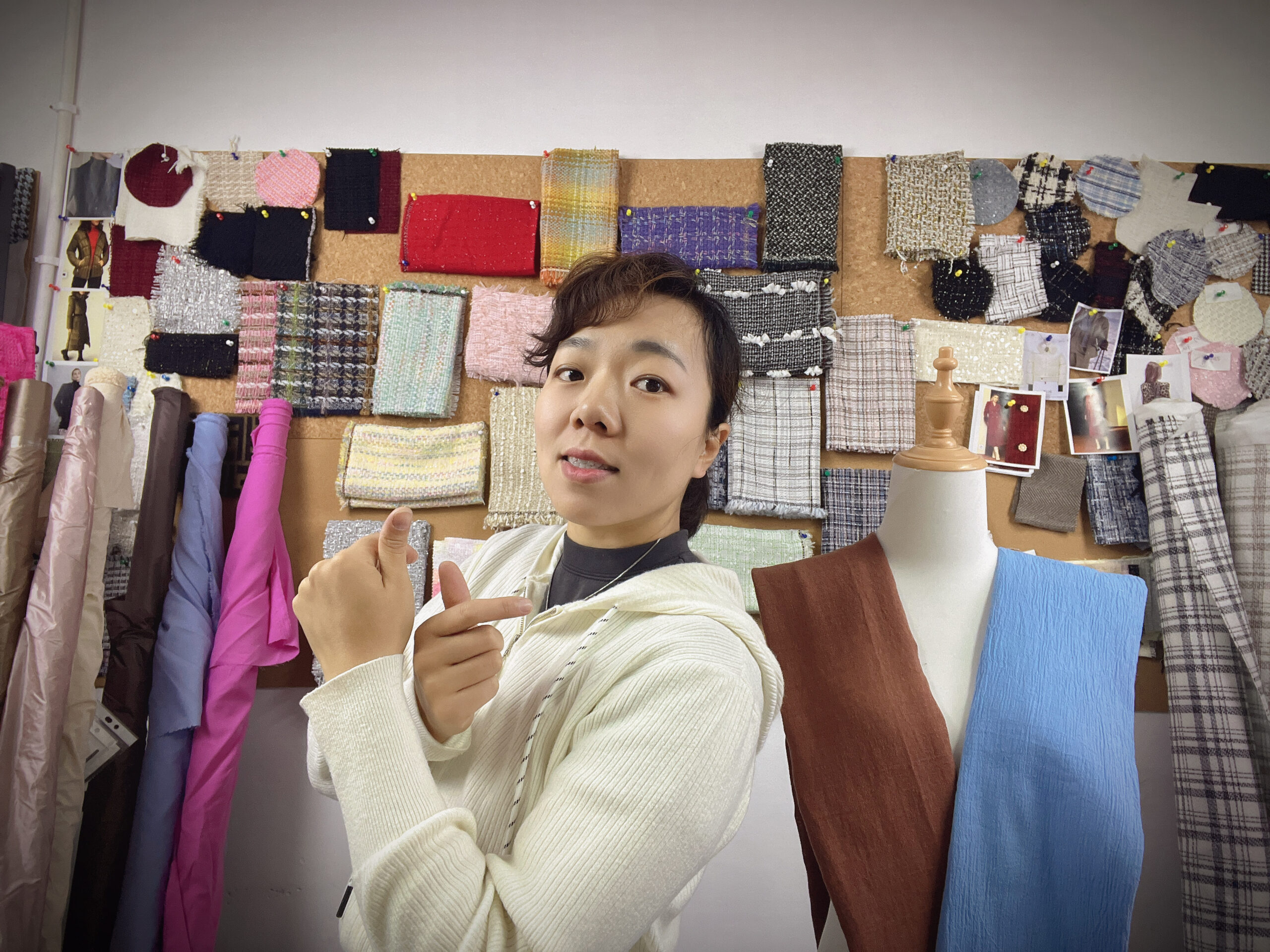
At Fursone, we approach fabric customization with precision—balancing technical stability and design freedom. Our integrated production system ensures that every woven tweed behaves consistently, from trend ideas developed in Wenzhou to weaving execution in Jiangxi.
Understanding Fabric Weight and Fiber Selection
The weight and fiber content of tweed decide its movement, structure, and comfort. Each garment type benefits from a different range, matched to its drape and warmth.
- Jackets and cardigans usually fall between 250–350 g/m², using blends of wool, cotton, or viscose for balanced strength and softness.
- Dresses and skirts work best with lighter fabrics around 200–300 g/m² to sit smoothly and allow better body movement.
- Coats favor higher weights of 300–500 g/m², often with wool or alpaca to trap heat and maintain crisp outlines.
- Mass-market tweeds often rely on 100% polyester or polyester–nitrile blends, which change how the fabric hangs and wears over time.
- Ex-designer bouclé tweeds weigh roughly 630–650 g per linear meter—ideal for jacket-weight applications with authentic texture.
Similar to tuning the tension in a musical instrument, each fiber blend fine-tunes how the tweed moves and reacts to the body. Choosing well ensures both comfort and lasting shape.
Managing Weave Stability and Pattern Design
Fancy tweeds are known for their loose structure and bulky yarns, which gives them visual depth but also brings vulnerability to fraying and stretching. Keeping that texture stable is key when transforming it into tailored pieces.
- Reinforce high-stress zones like hems, fronts, and pocket edges with fusible interfacing to prevent distortion.
- Quilt layers of tweed directly to silk linings for a smooth interior and added firmness without losing softness—a signature of Chanel-style craftsmanship.
- Plan seam allowances generously, use stay-stitching, and consider seam direction to protect the open weave from shifting.
- Add embellishments such as sequins or beads carefully, spacing them to avoid strain or puckering in delicate areas.
Imagine the weave as a loose net—it holds shape only if its anchor points are stable. Proper reinforcement retains the artistry of the fabric while keeping it wearable.
Fursone’s technical team at our Jiangxi production base understands this delicate balance. Every yarn and weave structure is tested and refined to match creative intent with structural reliability, ensuring that each fancy tweed design supports both fashion and function.
Final Thoughts
Fancy tweed isn’t just texture—it’s a technical signature that distinguishes a brand’s craftsmanship. When fibers, weight, and structure align, the fabric delivers both couture appeal and production reliability.
Working with Fursone ensures that balance every time. Their controlled weaving and finishing turn design intent into consistent fabric performance, helping fashion houses cut waste, maintain quality, and strengthen brand value across every season.
Frequently Asked Questions
What is Chanel style fabric called?
The fabric used for “Chanel style” jackets is commonly called bouclé tweed or Chanel bouclé tweed. It is a lightweight, loosely woven fancy tweed often sold as Chanel tweed or Chanel-look tweed. It’s sourced from French and Scottish mills and made from fancy, nubby bouclé yarns. Jacket weights are usually around 250–350 g/m².
It behaves much like a soft lattice—open yet stable enough to create structure without stiffness.
How to sew loose weave tweed?
Stabilize loose weave tweed with lightweight fusible interfacing on the wrong side before cutting. Reinforce shoulder seams with twill tape to prevent stretching. Use sharp universal or denim needles size 80/12 to 90/14. Finish seams with zigzag or overlock stitches, or bind them with bias tape if unlined. Always press using a muslin cloth at low to medium heat to protect texture.
Handling it is similar to baking a delicate pastry—support it early so it holds its shape later.
Does bouclé fabric pill?
Bouclé fabrics can pill, but high-quality upholstery-grade bouclé achieves pilling ratings of Class 3–5 on the 1–5 ISO/ASTM scale, where 5 means no pilling. The actual results vary depending on the fiber blend, such as wool, polyester/acrylic, or viscose/cotton bouclés used in apparel and furnishing.
Over time, it behaves like a soft wool sweater—minimal wear if treated gently.
Is metallic tweed scratchy?
There’s no formal scratchiness rating, but quality Chanel-style metallic tweeds are made to feel substantial and comfortable, not rough. Scratchiness depends on fiber type, blend, and fabric finishing more than the metallic yarn itself. Luxury mills use fine fibers and soft finishes for a smooth, textured handfeel.
It has the tactile feel of soft sand mixed with silk—textured yet gentle on the skin.
Lining fabric for tweed jackets?
Common linings for Chanel-style tweed jackets include silk habotai, charmeuse, or viscose/rayon lining. These smooth, lightweight wovens usually weigh 50–80 g/m², helping stabilize the tweed and prevent seam fray. The lining typically weighs around one-quarter to one-third of the shell fabric, which runs about 250–350 g/m².
It’s much like adding a soft inner frame that gives the outer fabric balance and polish.
Care instructions for fancy tweed?
Fancy tweed garments should be dry cleaned and kept away from bleach or ammonia. Use a pressing cloth and iron on low heat up to 110°C. Hand washing is possible for washable wool tweeds using cool water (max 30°C) and gentle wool shampoo. Avoid machine washing or tumble drying to preserve the yarn character and weave integrity.
Treat it like fine hair—gentle handling keeps its texture lively and intact.
Related Insights
Is European Mill Quality Worth the Price? A Cost Comparison
Stop pricing fabric by the yard. That number hides sampling waste, return rates, and margin...
How to Verify a Tweed Fabric Factory in Wenzhou
Before you commit to a Wenzhou tweed supplier, skip the flight. Three documents tell you...
How to Calculate Total Cost of Ownership for Luxury Fabrics
Sourcing managers usually calculate fabric cost as price per meter plus shipping and duties. That...