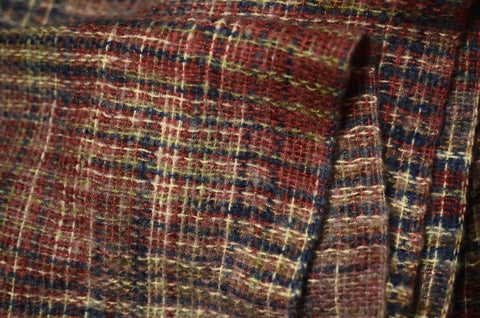
The Revival of Tweed in Modern Menswear
Designers often struggle to balance tweed’s heritage weight—ranging from 350 to 500 g/m²—with the lighter drape demanded by modern suits. Go too heavy and the jacket loses mobility; too light and it collapses at the lapel. The goal is to maintain structure, breathability, and comfort without sacrificing the fabric’s traditional hand feel.
This guide breaks down tweed fabric for suits and menswear through specific measures: 12 oz vs 18 oz thornproof weights, herringbone and Donegal weaves, 300–400 g/m² drape profiles, and 15–25 CFM air‑flow benchmarks that define how classic wool adapts to today’s tailored collections.
The Revival of Tweed in Modern Menswear
Tweed has shifted from a rugged country cloth to a refined choice for city suits and jackets. Its updated versions balance classic wool textures with lighter weights and sleeker patterns for modern tailoring.
Today, both traditionalists and style innovators value tweed for its mix of heritage and function—warm yet adaptable, classic yet current.
For decades, tweed symbolized the outdoors—weatherproof jackets, hunting coats, and countryside living. But fabric technology and a renewed interest in craftsmanship have brought it back to city wardrobes.
The result is a textile that keeps its soul yet changes its form. Worn in tailored suits or smart jackets, modern tweed connects tradition with a contemporary look.
Understanding Tweed’s Heritage and Modern Appeal
Tweed began as a coarse wool fabric built for country life. Its strength and heat retention made it perfect for rural wear in cold, damp climates. Originally woven in earthy hues, it reflected the landscapes where it was used.
Designers later preserved the signature texture while adjusting the patterns and weights for city use. Patterns became finer, and colors shifted to fit office lighting and urban wardrobes.
This combination of nostalgia and practicality keeps tweed alive in modern fashion. People recognize its history yet appreciate its technical improvements—warmth without heaviness and tradition without stiffness.
Technical Characteristics and Contemporary Uses of Tweed
Modern tweed fabrics generally weigh between 350 and 500 grams per square meter, which is thicker than standard worsted wool at about 250 to 300 gsm. This added mass gives the fabric structure and shape retention ideal for outer layers.
- Common weaves include twill, herringbone, and check patterns, all built for durability and texture depth.
- Yarns remain woolen-spun, retaining small air pockets for warmth but reducing stretch and airflow.
- Specialized “shooting tweeds” use twisted yarns to improve toughness and longevity, popular in bespoke tailoring circles, including Savile Row.
These improvements make tweed suitable not just for traditional blazers but also for contemporary sport coats and trousers. It bridges function and elegance—ideal for an urban wardrobe that values texture and shape.
At Fursone, we view textiles as carriers of a brand’s story. Tweed’s evolution mirrors our philosophy: combining craftsmanship with innovation to create fabrics that honor their roots while fitting today’s design standards.
Classic Weaves: Herringbone, Houndstooth, Donegal
Herringbone and houndstooth are signature tweed patterns — one built from repeating V-shaped zigzags, the other from sharp, broken check motifs.
Donegal, on the other hand, is a regional tweed from Ireland known not for its weave but for its colorful flecked yarns, giving it a rustic, lively finish well suited for men’s tailoring.
Among tweed fabrics for suits and menswear, these three—Herringbone, Houndstooth, and Donegal—stand as timeless designs that balance elegance with character. Each represents a lineage of textile craft that blends structure, durability, and cultural identity.
Understanding Herringbone and Houndstooth Weaves
Both herringbone and houndstooth share twill construction at their core, yet they produce distinctly different visual rhythms in fabric. One moves in clean diagonals, while the other dances in jagged contrasts.
- Herringbone uses alternating diagonal columns that reverse direction, in common repeats such as 4×4, 6×6, 8×8, and up to 12×12 ends per change. This structure forms a neat spine of interlocking V-shapes that gives jackets a firm, symmetrical stance.
- The pattern stands out as part of a dense twill weave—strong yet flexible, ideal for suit fabrics that need both shape retention and comfort.
- Houndstooth, by contrast, builds large broken checks of pointed shapes using alternating dark and light yarns in the warp and weft. Imagine a check where every other tooth looks nibbled away—that visual quirk defines its timeless appeal.
- The scale determines its name: larger repeats are called houndstooth, while smaller, sharper ones are known as dogtooth. Both add depth and personality to suiting fabric.
At Fursone, our weaving base in Jiangxi handles complex pattern precision through advanced looms. This ensures every herringbone stripe aligns perfectly and every houndstooth maintains crisp definition, making it a dependable fabric choice for classic and contemporary suit compositions alike.
Donegal Tweed: Regional Identity and Fabric Characteristics
Donegal tweed carries Ireland’s rugged spirit. It is not a specific weave but a textural story told through color—created by mixing dyed wool neps for a speckled, natural look. It’s the visual equivalent of soft rainfall on a stone wall—subtle yet full of life.
- Originating in County Donegal, this fabric stands out for its peppered color effect, where tiny flecks of red, blue, and gold emerge against earthy wool backdrops.
- Typically woven in wool or wool–mohair blends—commonly around 70% wool and 30% mohair at 338 g/m² (~10 oz/yd²)—it offers warmth and a rich handfeel fit for both jackets and full suits.
- Donegal often borrows structural patterns like herringbone or houndstooth, elevating them with colorful flecks for a unique tactile dimension.
- Because of this fusion, Donegal serves both formal tailoring and relaxed outerwear, maintaining durability, insulation, and a strong heritage aesthetic.
For brands seeking grounded authenticity in modern suiting fabrics, Donegal tweed represents a natural choice. Fursone ensures consistency in weight, texture, and color variation—reflecting a balance of craft and precision that supports both timeless design and contemporary menswear needs.
Weight Categories: 12oz vs. 18oz (Thornproof)
The difference between 12oz and 18oz tweed comes down to weight, density, and purpose. A 12oz fabric offers flexibility and comfort for tailored suits, while an 18oz thornproof tweed delivers rugged durability for outdoor wear.
In short, 12oz suits urban movement; 18oz handles country endurance.
Weight in tweed fabrics, especially for menswear, refers to the ounces per square yard of cloth. This number indicates not just heaviness, but also warmth, weave tightness, and how the garment drapes.
In the Fursone collection of tweed fabric for suits and outerwear, understanding weight helps match the fabric to its lifestyle use. Lighter weights excel in formal settings; heavier weights thrive in demanding conditions.
Fabric Weight Comparison
| Weight Category | Typical Use | Characteristics | Suitability |
|---|---|---|---|
| 12oz Tweed | Tailored Suits, Blazers | Lightweight, smoother drape, comfortable indoors | Ideal for year-round urban wear |
| 18oz Thornproof Tweed | Outer Jackets, Country Wear | Dense weave, wind-resistant, high durability | Perfect for cold or rugged conditions |
How Weight Affects Suit Comfort and Style
A lighter 12oz tweed molds easily to body shape and breathes well, which is why it’s preferred for city suits or commute-ready blazers. It behaves like a well-fitted glove, offering ease without stiffness.
The dense 18oz thornproof version, on the other hand, feels firm and protective. Its heavier yarns are engineered to resist snagging—originally meant to withstand brambles and brush outdoors.
Choosing the Right Weight for Your Brand
For brands designing refined menswear or lightweight tailored suits, 12oz tweed provides structure without bulk. For collections focused on heritage or performance wear, 18oz fabrics convey authenticity and endurance.
At Fursone, our tweed selection bridges this spectrum. Crafted through our integrated weaving operations in Jiangxi and designed by our team in Wenzhou, we align each weight class with your brand’s story—whether you seek sophistication or strength.
Fursone: Your Trusted Partner in Global Textile Supply
Drape & Structure for Suits
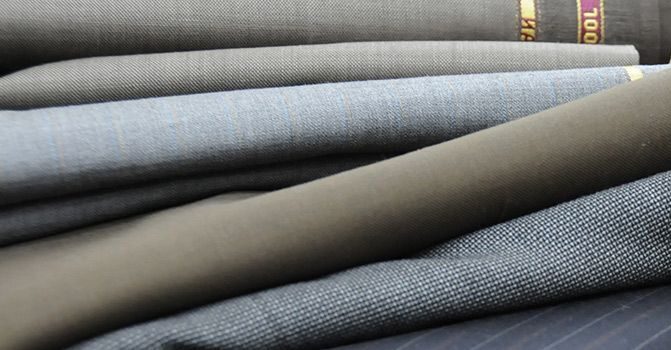
Tweed suiting fabrics usually weigh between 300 and 400 g/m². This range balances the way fabric drapes naturally over the body while still holding enough firmness to keep the jacket and trousers structured.
Heavier weights may look too rigid indoors, while lighter ones lose the tailored shape that defines a fine suit.
A well-made tweed suit walks a fine line between fluid drape and solid structure. The goal is harmony—comfort when moving and clean lines when standing still. The weave, weight, and yarn type together shape that balance.
At Fursone, our fabric team studies this interplay carefully so designers can rely on fabrics that respond predictably from the cutting table to the runway.
Understanding Drape and Structure in Tweed Suits
Tweed suiting is usually woven in twill or herringbone designs. These patterns form diagonal ribs that add natural body to the fabric while keeping it flexible and breathable.
- Twill and herringbone weaves give tweed a gentle diagonal texture that helps it keep its shape without feeling stiff.
- Weight between 300 and 400 g/m² allows a balance between fluid drape and lasting firmness.
- Heavier tweeds over 700 g/m² lean toward the coat category—strong and protective, but not ideal for tailored suits.
- A refined tweed should feel steady under the hand, yet still follow the body’s shape across shoulders and lapels.
You can picture it like a fine leather glove—the ideal fabric should follow the form, never fight it. Fursone’s woven expertise ensures each meter of tweed holds that natural line without excess stiffness.
Technical Details and Weight Recommendations
Choosing the right weight is part science and part design judgment. Weight affects not only drape but also breathability and seasonality of the garment.
- Mainstream tweed suiting ranges from 300–400 g/m² for a balanced hand feel and sharp outline.
- Fine yarns like 110s at 260–280 g/m² yield sleek drape and a smooth touch for lighter suits.
- Lower yarn counts, such as 80s with 320 g/m² or more, create denser fabric that may lose flexibility.
- Weights beyond 700 g/m² are too robust for indoor wear and fit better for outerwear or overwear coats.
In practice, tailors often favor midweight tweeds because they produce stable seams and clean lapels. Fursone’s production facilities in Jiangxi refine this balance at the loom level to help brands achieve both technical consistency and visual richness.
The result is fabric that tailors easily, holds a shape beautifully, and feels naturally aligned with the standards of modern menswear.
Breathability & Lining Choices
Tweed breathability depends mostly on wool content, fabric weight, and finishing. Lighter tweeds with partial linings allow more airflow, ideal for suits worn year‑round.
Heavier and more compact tweeds, often paired with full linings, provide warmth and weather protection but limit ventilation.
Breathability defines how a fabric handles heat, air, and moisture. In tweed, this depends on the type of wool and the way the cloth is finished. A lighter weave releases body heat, while denser treatments trap warmth for colder climates.
At Fursone, we often guide designers to match tweed weight and lining type to the collection’s purpose — whether for light tailoring or durable outerwear. It makes a visible difference in comfort and garment lifespan.
Factors Affecting Breathability in Tweed
Tweed’s air flow and moisture balance come from its fiber makeup, weight, and the final treatment. Each element shifts how the material feels and performs when worn.
- Tweed made from 80–100% wool naturally regulates temperature by absorbing and releasing moisture.
- Suiting tweeds usually weigh between 250–350 g/m², giving a balance of insulation and breathability.
- Fulling or milling compresses the cloth, cutting air flow but boosting weather resistance.
- Heavier tweeds of 400–600 g/m² only allow about 15–25 CFM air flow, which works well for winter jackets.
Imagine the weave as a gate for air: the tighter it’s closed, the better it shields against wind, but the less it breathes. Knowing this balance helps tailor the right fabric for each garment type.
Impact of Lining Choices on Comfort and Performance
A lining can completely change how a tweed suit or coat feels. It sets how the garment slides over the body, holds structure, and loses or retains heat.
- Partial or buggy linings with lighter tweeds improve air circulation and comfort in tailored suits.
- Full synthetic linings add wind and moisture protection for heavy tweeds but restrict breathability.
- Balancing weight, finishing, and lining design keeps the garment both warm and wearable.
- Harris Tweed, woven from pure wool, stays breathable naturally while adjusting to body temperature.
A lightweight half‑lined sport coat feels flexible and airy, while a fully lined overcoat seals in heat for outdoor use. Choosing the right mix depends on lifestyle and climate.
Fursone supports brands in aligning these technical details with design goals — pairing tailored aesthetics with the right functional fabric base. This approach helps craft menswear that moves comfortably through every season.
Sourcing “Vintage Look” with Modern Tech
Sourcing vintage-look tweed means finding fabrics that capture classic textures and patterns while using modern yarns and finishes to improve comfort and longevity.
The goal is to balance the rugged charm of traditional menswear with the benefits of today’s fabric technology.
Creating a truly vintage-inspired tweed fabric doesn’t mean simply copying old designs. It requires understanding how the original aesthetics were achieved through weaving, texture, and yarn structure. Then, modern technologies can refine these qualities for better performance in today’s wardrobe.
At Fursone, we view fabric as the storyteller of a brand—each thread connecting heritage with innovation. This approach allows us to reimagine vintage tweed for modern suits and menswear through intelligent material engineering and design precision.
Understanding Vintage Tweed Characteristics
Vintage tweed is defined by its tactile structure and distinctive patterns. These fabrics often evoke handwoven authenticity, a feature rooted in their original production methods.
- Classic patterns include herringbone, houndstooth, and plaid, which are structural weaves rather than printed designs.
- The typical weight range for vintage tweed suits runs from 250–400 g/m², offering texture while keeping the fabric wearable.
- Traditional yarns are woolen-spun cheviot and worsted merino, both tightly twisted to ensure strength and resistance to abrasion.
- The aesthetic comes from the balance of coarse fibers and dense weave, creating a surface that feels rugged yet refined.
This combination of pattern, weight, and yarn type gives vintage tweed its unmistakable identity—timeless, textured, and deeply tactile.
Incorporating Modern Textile Technology
Modern textile engineering enhances the usability and performance of tweed without losing its nostalgic appeal. It introduces fibers and finishes that make garments more practical for daily wear and long-term use.
- Blended fibers, such as 50% wool and 50% polyester (like Terylene), increase tensile strength and simplify garment care.
- Performance coatings—such as Teflon finishes—are used to create showerproof tweeds for outdoor or sporting wear.
- Fabric weight is aligned with purpose: 250–350 g/m² for soft jackets, and up to 600 g/m² for heavy outerwear.
- Controlled weave density ensures that even fine fibers retain structure, helping the fabric keep its shape over time.
By combining traditional visual cues with modern fiber blends and finishing, a tweed retains its nostalgic quality while gaining resistance to wear and weather. It functions like updating a vintage car’s engine—it keeps the charm but drives smoother.
Through this approach, Fursone enables fashion brands to source tweed fabrics for suits and menswear that feel authentic yet perform reliably in modern contexts. Each collection is built on the idea that durability and elegance can coexist in the same thread.
MOQ for Custom Menswear Collections
For custom menswear collections, typical MOQs run to a few hundred pieces per style and color. These numbers come from both fabric minimums at mills and production efficiency requirements in factories.
Some factories with flexible setups can produce smaller runs of around 50 units, but such options usually limit fabric choice and design complexity.
In custom menswear—especially tailored designs like tweed suits—MOQ matters because it shapes the balance between creative freedom and production cost. Understanding these thresholds helps fashion brands plan efficiently and avoid costly overruns.
Understanding MOQ in Custom Menswear
MOQ stands for Minimum Order Quantity. It defines the smallest amount a manufacturer will produce under one order for a single style and color. It acts like a threshold that keeps production practical for the factory and affordable for the brand.
For menswear, especially tailored pieces, MOQs cover more than the garment cost—they ensure that setup, pattern development, and labor time are worthwhile for production teams. Without this balance, small runs can make pricing unsustainable.
Custom collections such as tweed suits also rely on fabric supply chains. Mills that produce tweed fabric for suits and menswear often require bulk fabric orders, which directly affects the number of garments that can be produced from a single lot.
MOQ Benchmarks and Influencing Factors
Across the menswear industry, the typical MOQ sits at a few hundred pieces per style and color. For higher-end or more complex garments, this figure can climb closer to 300—partly to meet fabric supplier requirements and ensure smooth cutting and assembly efficiency.
- Factories that handle smaller orders often work with stock fabrics instead of custom-milled materials. This allows very low MOQs but limits design options and fabric control.
- Tweed or other custom fabrics typically require buying entire rolls or multiple hundred meters from the mill, pushing minimum garment orders up to 200–300 units.
- Advanced detailing like unique trims, linings, or printed patterns can further raise MOQ needs due to setup and material sourcing requirements.
At Fursone, we understand these production dynamics and help brands navigate MOQ challenges through fabric planning and supply chain optimization. Our integrated design and production centers in Wenzhou and Jiangxi allow flexibility without compromising on fabric quality or tailoring precision.
Final Thoughts
Selecting the right tweed weight and weave defines how a menswear collection feels, performs, and communicates brand identity. The right balance between texture, structure, and breathability transforms fabric from simple material into a mark of craftsmanship.
By pairing traditional weaves with refined production, Fursone helps brands deliver garments that last longer, drape better, and hold value through every season—turning smart fabric choices into measurable returns on quality and reputation.
Frequently Asked Questions
Is tweed good for summer suits?
Standard wool tweed is too warm for true summer suits. For hot-weather tailoring, use summer tweed blends or fabrics at the very light end of the weight range (about 250–290 g/m²), making them suitable for spring-summer or temperate climates rather than high-heat summer wear.
Light tweeds act like a breathable shield—structured yet not suffocating in mild warmth.
What is Donegal tweed?
Donegal tweed is a woollen-spun, flecked tweed from County Donegal, Ireland. It features coloured neps in a plain weave or twill, typically in medium to heavy weights around 14–18 oz per yard. Its characteristic look comes from blending 3 to 6 base colours with contrasting neps in the yarn.
It’s like a painter’s canvas of wool—every small fleck adds a touch of life to the fabric’s texture.
Best lining for tweed suit?
The best lining for a tweed suit is a fully lined construction using Bemberg (cupro) rayon in a 22–25 momme weight range. It offers high breathability, durability, comfort, moisture management, and drape. A mid-tier option is high-tenacity viscose lining weighing 19–22 momme.
Bemberg lining moves with the body like silk but keeps you cooler through the day.
Difference between tweed and flannel?
Tweed is a coarser, woollen-spun suiting cloth with a textured, flecked appearance, often in twill or herringbone, heavier and more weather-resistant. Flannel is softer with a napped surface, usually worsted or woollen, denser and less abrasion resistant, used for softer garments like trousers or shirts.
Tweed is the rugged outdoor coat, while flannel feels more like a soft blanket against the skin.
How many yards for a mens suit?
For a standard men’s two-piece suit with fabric 56–60 inches wide, expect to need about 3.5 to 4 yards of fabric for an average-sized man.
It’s like planning wood for a table—you always want a little extra for finishing and pattern matching.
Is tweed professional for work?
Tweed can be professional in modern offices if you choose lighter, finer wool tweed weighing approximately 250–350 g/m² with subtle colours and patterns. It usually pairs well with classic worsted trousers, but is not suitable for very formal or black-tie settings.
In a business setting, fine tweed works like a tailored handshake—confident but not loud.
Authoritative References

Related Insights

Spring 2027 Tweed Trends: Pastel and Lightweight Directions
Spring 2027 tweed is moving in two directions at once: pastel colorways that bring the...
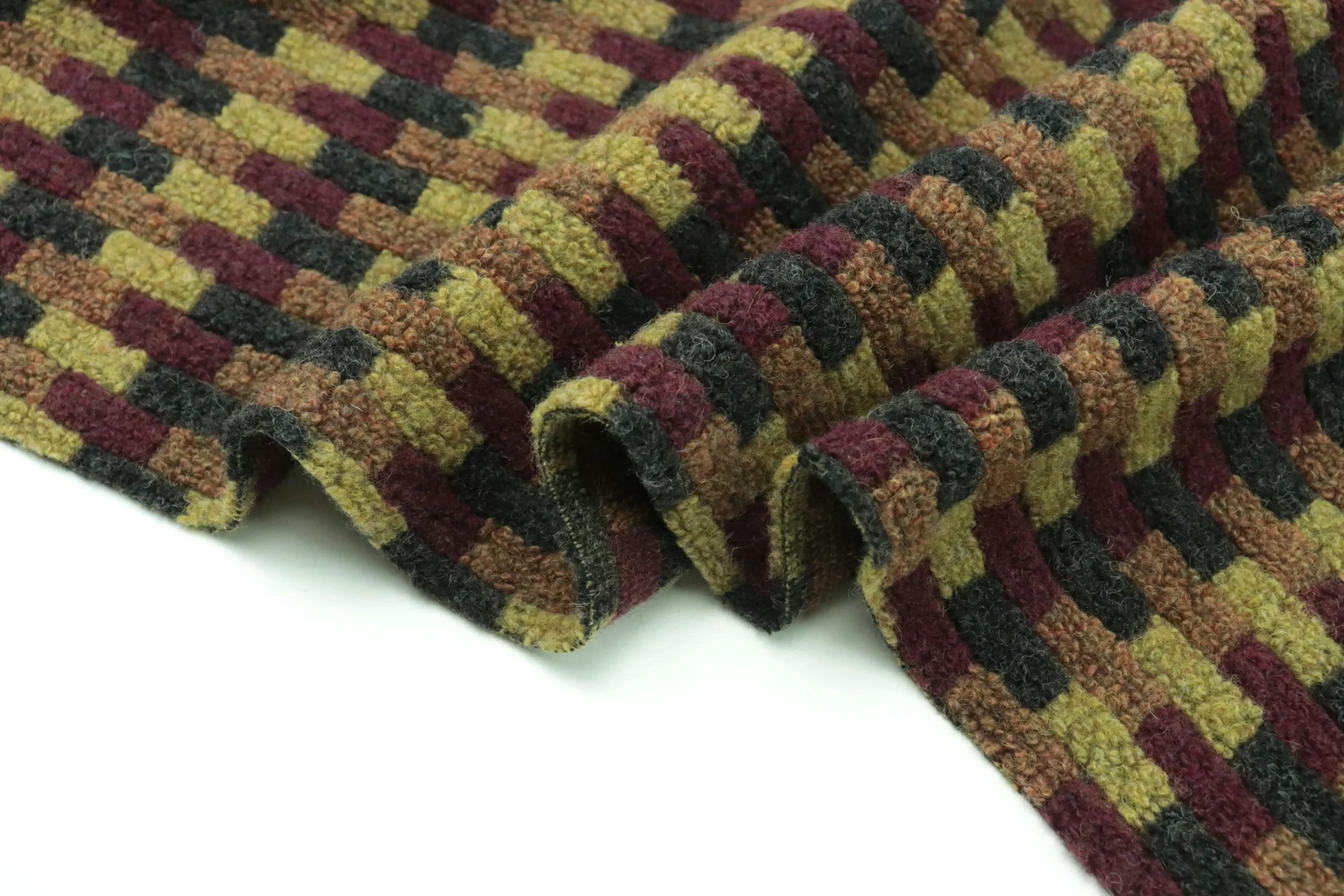
Fall/Winter 2026-27 Fabric Forecast: Boucle, Tweed, and Cable Knit
For more on this topic, see recycled vs virgin wool. The fall winter 2026 fabric...
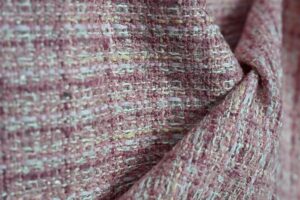
Tweed vs Bouclé: Which One Fits Your Collection?
, “datePublished”: “2026-06-19T18:22:32-08:00”, “dateModified”: “2026-07-25T02:17:30-08:00”, “publisher”: { “@type”: “Organization”, “name”: “Fursone”, “logo”: { “@type”: “ImageObject”,...