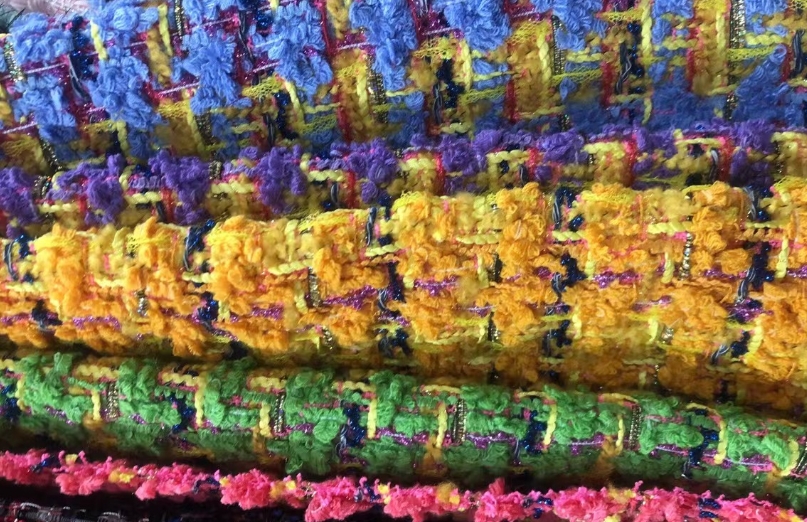
Every menswear brand in the UK faces the same dilemma: how to uphold authentic British quality without letting production costs erode profit. Tweed suits illustrate this balance perfectly—they’re more than garments; they embody craftsmanship and reliability that define a collection’s reputation. After a decade working with English and Scottish mills, I’ve seen how choosing the right tweed strengthens both brand value and consumer trust. This guide explores materials, tailoring, and top UK makers shaping the next season.
How to Choose the Best Tweed Suit in the Coming Year
Fabric Origin and Authenticity
The origin of a tweed fabric reveals almost everything about its quality. Authentic UK-made tweed—most notably Harris Tweed—is still handwoven in the Outer Hebrides from pure virgin wool. The official orb mark from the Harris Tweed Authority remains the most reliable proof of genuine craftsmanship. Mills bearing this certification often adhere to sustainable practices and support local employment—qualities that strengthen both brand credibility and long-term product value.
Material composition directly influences performance and perception. Pure virgin or new wool offers excellent breathability and shape retention, while blends with terylene or similar fibers enhance wrinkle resistance for everyday use. The weave pattern also sets the visual character: herringbone signals time-honored tradition, houndstooth introduces a modern twist, and twill or plain weaves project understated refinement. Matching fabric qualities to your customer’s lifestyle—whether corporate, country, or casual—ensures the collection feels both authentic and commercially aligned.
Fit, Structure, and Tailoring Details
Within British tailoring, structure conveys authority. A classic cut with a lightly padded shoulder and fuller chest expresses formality, well suited for boardrooms or ceremonial events. Increasingly, however, buyers request slimmer silhouettes with softer canvassing and shorter jackets to meet regional style preferences. Providing both options enables brands to appeal to diverse markets without compromising craftsmanship. Beyond appearance, fit determines comfort and defines the garment’s perceived quality during extended wear.
Construction quality distinguishes dependable suppliers from mass producers. Hand-finished buttonholes, half or full canvassing, and properly lined interiors ensure long-lasting shape and drape. For private-label or corporate buyers, these refinements strengthen brand trust and justify premium pricing. Aim to pair modern proportions with traditional workmanship so each piece embodies comfort and British heritage—two attributes that consistently drive repeat orders in the premium menswear segment.
Durability and Maintenance Factors
Durability is the real measure of value in tweed tailoring. Wool’s natural oils repel light rain and resist creasing, making it functional across seasons when handled with care. Heavier weights around 500 gsm are ideal for autumn and winter ranges, maintaining structure after years of wear. Lighter blends suit spring collections or cost-focused markets but trade off some of wool’s inherent resilience.
Proper maintenance extends product lifespan and customer satisfaction. Tweed requires dry cleaning, increasing care costs over time, yet this investment preserves texture and color for years. Educate buyers to prioritize fiber integrity and weave quality rather than short-term cost savings; doing so ensures every suit remains dependable in wear and profitable in the long term.
Comparison of Top UK Tweed Suit Brands (2026)
When comparing UK and Irish tweed suit manufacturers, buyers often assess how each balances heritage craftsmanship with pricing flexibility and production scalability. The table below outlines the defining attributes of leading brands, including fabric composition, intended use, and design focus. This quick-reference overview helps procurement and sourcing teams pinpoint which supplier best aligns with their brand narrative—whether they prioritise traditional authenticity, consistent supply, or a more contemporary tailoring approach.
| Brand | Primary Use | Wool Type & Weight | Design Focus | Key Proposition |
|---|---|---|---|---|
| Harris Tweed | Formal, outdoor, and casual wear | Pure virgin wool, approximately 470–500g | Herringbone, checked, plain weaves | Authentic Scottish handwoven heritage with strong sustainability credentials |
| Magee 1866 | Formal and business wear | 100% wool, mid-weight | Classic Donegal and Irish tweed patterns | Heritage craftsmanship combined with reliable supply and texture consistency |
| Brook Taverner | Business and formal wear | Pure new wool | Traditional British tailoring cuts | Over a century of tailoring expertise delivering consistent, durable quality |
| Lavenham | Business casual and semi-formal | Wool blends and lightweight tweeds | Modern silhouettes using traditional textiles | Combines heritage texture with contemporary design appeal |
| Crombie | Luxury business and formal events | 100% wool, premium-grade fabrics | Refined tailoring and minimalist detailing | Established British luxury with timeless design integrity |
| Walker Slater | Formal and lifestyle wear | Scottish woven tweed, variable weight | Bespoke and vintage-inspired tailoring | Offers a personalised approach to classic Scottish design |
| Tweedmaker | Formal and custom orders | 60% wool / 40% terylene blend, approximately 600g | Handmade-to-order with vintage accents | Practical bespoke-style suits with accessible pricing |
Whether sourcing for high-end retail or mid-range private labels, understanding these brand distinctions ensures you align vendor choice with pricing, quality goals, and design intent. Filtering by fabric weight, heritage story, and tailoring direction early in the process saves sampling time and builds stronger supply reliability from the outset.
Flexible Fabric Solutions for Global Supply
In menswear production, flexibility safeguards margins. Fursone supports steady supply chains through low minimums, ready stock, and precise fabric quality control. The company delivers consistent tweed options—pure wool or blended—at fair, transparent prices. For brands managing multi-regional sourcing, this stability reduces production bottlenecks and ensures scalability without compromising quality or traceability.

Best Tweed Men’s Suits in the UK: Reviews
Best Overall: Harris Tweed Suit
Harris Tweed suits remain the benchmark for British tweed authenticity. Each cloth is handwoven in the Outer Hebrides under the Harris Tweed Act, certifying that it is made from pure virgin wool spun, dyed, and finished on the islands. This protected origin ensures complete integrity and traceability—qualities that resonate with discerning buyers focused on certification and sustainability.
With a dense 470–500-gram weight, Harris Tweed delivers warmth, structure, and mild weather resistance while remaining breathable enough for year-round wear. Classic herringbone and Prince of Wales patterns give versatile styling options across formal, rural, and casual collections. For sourcing managers, this combination of heritage, performance, and recognizability supports premium positioning and lasting margin value.
Pros: exceptional craftsmanship, traceable origin, superior wool density.
Cons: higher cost and heavier weight reduce warm-weather flexibility.
Best for Heritage Value: Magee 1866
Magee 1866 has defined Irish tweed excellence since the mid-19th century, crafting Donegal fabrics celebrated for distinctive flecks and tactile softness. The brand’s strength lies in controlling every stage of production—spinning, weaving, and finishing—to maintain pure wool consistency across orders, a major advantage for dependable long-term supply.
Its designs favor classic restraint over short-lived fashion, appealing to buyers who prioritize traditional lines. Recent innovations have introduced lighter weights that improve comfort while retaining authenticity. For labels emphasizing provenance and dependability, Magee offers a timeless foundation supported by modern finishing standards.
Pros: storied heritage, consistent texture quality, reliable sourcing continuity.
Cons: limited experimentation in pattern or cut variety.
Best for Business Wear: Brook Taverner
Brook Taverner exemplifies British professionalism with over a century of tailoring for executives and uniform programs. Its pure new wool tweeds, reinforced interlining, and precise construction help garments retain structure through frequent use—qualities valued in corporate wardrobes and travel-friendly collections.
From a procurement viewpoint, Brook Taverner combines stability and fair pricing. The company offers traditional British fabrics in subtle checks and browns, projecting authority without excess cost. Reliable supply chains and consistent sizing make it a strong partner for retailers managing volume contracts or long-cycle orders.
Pros: competitive pricing, proven quality control, ideal for corporate collections.
Cons: limited bespoke customization options.
Best Contemporary Style: Lavenham Tweed Suit
Lavenham reinterprets tweed through a modern, design-forward perspective. Its suits favor slimmer silhouettes, refined finishes, and distinctive linings that bring urban relevance to classic textures. This fusion of craftsmanship and contemporary form appeals to younger professionals seeking heritage credibility with current aesthetics.
Lighter tones and updated patterns perform well in lifestyle and smart-casual assortments, offering flexibility for city-oriented retailers. Though less formal than black-tie options, Lavenham’s UK-based production ensures authenticity and build quality that align with premium brand standards.
Pros: modern British styling, consistent domestic production, strong retail appeal.
Cons: reduced formality for traditional ceremonial wear.
Best Custom Option: Tweedmaker Made-to-Order Suits
Tweedmaker specializes in made-to-order tweed tailoring, ideal for emerging brands or boutiques developing signature lines. Each suit, crafted from a durable 60% wool and 40% terylene blend at roughly 600 grams, delivers structure and wrinkle resistance at accessible pricing. Clients can select buttons, lapel shapes, vents, and linings to align design identity with manageable MOQs.
Transparent pricing between £334 and £499 provides predictable cost control for small-batch sourcing or dropship models. While the blends carry less historic prestige than traditional mills, their adaptability, workmanship, and turnaround speed make Tweedmaker a practical option for testing new markets or maintaining agile production.
Pros: wide customization scope, reliable construction, flexible order volumes.
Cons: lower heritage association than legacy UK houses.
Styling Tweed Suits for Modern Wear
Pairing with Accessories
The right accessories can transform a tweed suit from countryside charm to city polish. For heritage-inspired collections, wool ties, flat caps, and brogues reinforce the rural British aesthetic that defines classic tweed. In contrast, subtle leather derbies and minimalist pocket squares bring modern refinement suited to urban markets. Coordinating muted greens, greys, or browns with lighter shirts softens heavier fabrics, making them adaptable for daily professional wear. The aim is to merge authenticity with practicality, encouraging customers to treat tweed as an everyday essential rather than an occasional statement.
Seasonal Fabric Adaptation
Fabric weight and weave directly influence a tweed suit’s comfort across seasons. Summer versions often use looser weaves and finer wool fibers for breathability—ideal for exports to warmer climates. Autumn and winter models rely on dense, brushed textures that retain warmth while preserving structure. Offering multiple weight grades, as done by heritage mills like Harris Tweed and Magee 1866, ensures product consistency throughout global markets. Aligning fabric options with regional climates reduces fit or comfort issues and increases year-round demand without losing the authentic tweed character.
Modern Fit and Tailoring Choices
Refining the silhouette keeps tweed relevant for younger consumers and evolving dress codes. Slimmer lapels, cropped jackets, and tapered trousers lend a contemporary profile yet maintain the fabric’s traditional depth. Structural integrity remains key—the garment should drape naturally while feeling substantial. Bespoke or made-to-measure options that align patterns precisely highlight craftsmanship and elevate perceived quality. For manufacturers, combining authentic wool textures with modern tailoring unlocks higher-margin opportunities in lifestyle and business-casual categories where versatility and durability sustain repeat business.
Sourcing and Business Insights for Brands
Integrating Heritage into Modern Brand Strategy
For British fashion brands, heritage is more than a nostalgic concept—it’s a measurable source of trust and value. Provenance stories, such as fabrics woven in the Outer Hebrides or Irish mills operating since the 1800s, give customers tangible reasons to invest. UK and Irish tweeds are synonymous with reliability and craftsmanship, turning origin from a design embellishment into a strategic selling point.
Effective storytelling reinforces that credibility. Short videos of weaving, dyeing, or tailoring reveal genuine skill rather than polished marketing. To ensure authenticity, brands should secure and display mill certifications like the Harris Tweed Orb Mark, clearly proving origin and production integrity—critical proof points for markets that prioritize sustainability and transparency.
Balancing Authenticity with Commercial Efficiency
Achieving both heritage value and healthy margins starts with clear material economics. A 100% virgin wool suit from Scottish or Irish mills carries a higher cost per unit but supports premium positioning and long-term brand equity. Blends containing polyester or terylene reduce material expenses by roughly a third, making them suitable for accessible collections or seasonal capsules where agility matters more than pedigree.
High-quality blended tweeds still deliver strong texture and appearance when sourced from reputable partners, allowing buyers to explore new markets without heavy upfront commitment. To preserve flexibility, negotiate reduced minimums and adaptable lead times—many UK workshops accommodate tailored production if engaged early. Smart sourcing is less about cutting cost per yard and more about safeguarding brand consistency while sustaining operational control.
Frequently Asked Questions
How do UK-made tweed suits differ from imported fabrics?
UK-made tweed suits feature denser weaves and locally sourced virgin or new wool, often certified under regulations such as the Harris Tweed Act. Imported alternatives may use mixed fibers or lighter constructions, reducing cost but compromising durability. Buyers select British tweeds for their authenticity, natural weather resistance, and traceable production standards.
Which UK tailoring houses provide bespoke tweed suits?
Established British tailors including Walker Slater in Edinburgh, Harris Tweed–certified partners, Magee 1866, and Brook Taverner all offer made-to-measure or bespoke tweed services. These workshops allow full fabric selection, fit personalization, and lining customization suited to retail or private-label requirements.
What determines a tweed suit’s longevity?
Durability depends on the density of the weave, fiber quality, and aftercare. Pure new wool resists wear and retains structure, while the natural lanolin provides mild water repellence. Regular dry cleaning, appropriate hanging, and seasonal rest between wears extend the lifespan—key for retailers managing returns and ensuring lasting customer satisfaction.
Which tweed weights perform best for winter wear?
Heavier herringbone or overcheck tweeds in the 500–600 gram range perform best during cold months. Their dense weave insulates naturally and resists wind, keeping structure without added bulk. Fabrics from Harris Tweed or the heavier Tweedmaker blends provide reliable warmth and form retention season after season.
Can tweed suits be worn throughout the year?
Yes. Suit weight dictates seasonal versatility. Midweight tweeds between 430–470 grams in blended compositions suit spring and autumn, while heavier fabrics are ideal for winter. For brand buyers, offering variations by weight ensures year-round sell-through without deviating from classic British styling.
Final Thoughts
Harris Tweed remains the benchmark for authenticity and craftsmanship in British men’s tailoring. Its handwoven production and enduring durability make it a dependable investment for brands seeking verified Scottish provenance. For buyers prioritizing agility in design or delivery, Tweedmaker’s made-to-order model offers an efficient path to customization with consistent quality control.
The strength of tweed lies in its unique duality—heritage character combined with adaptability to contemporary styling. From enduring herringbones to refined checks, UK-made tweed continues to set the global standard for natural performance and long-term wear. Selecting fabrics by weight and weave ensures comfort and form across every season.
As you prepare upcoming sourcing plans, prioritize textile integrity and supplier transparency. Durable, expertly crafted wool suits protect brand reputation, stabilize lifecycle costs, and align every collection with the timeless standards of British menswear excellence.