
A bonded wool coating lifting at the roll end after one humid warehouse week is a moisture-sensitive bond failure the purchase order must catch before the cloth ships, not a packing surprise for the garment factory to argue after cutting has started. Lock three items while the lot is still at the mill: a named bond-strength test with failure-mode language, a named adhesive type and lot with cure evidence, and climate-pack evidence showing how the rolled product was protected and logged in humidity. Generic replies often accept a dry peel number and stop. A 2026 bonded-coating program still needs dry and post-humidity results, plus package-climate records, on the same Art Rev. Roll-end lift after a humid week is a reason to hold the lot, not a reason to keep sewing from the inner wraps. Write the test, the adhesive evidence, and the climate-pack rule into the purchase order before dispatch, and keep the same evidence pack ready for later warehouse intake.
What Is Roll-End Delamination After a Humid Warehouse Week?
Roll-end delamination after a humid warehouse week is separation of the bonded wool coating at the exposed end of the roll after moisture exposure in storage, not a dry handling scratch and not a mid-roll cut defect alone. First, treat edge lift, blistering, tunneling, or progressive peel at the roll end as a bond-and-climate issue until the file proves otherwise. Second, do not assume the inner wraps are safe simply because the face still looks quiet after the first metre is trimmed. Finally, quarantine the roll and photograph the lift before any further unrolling, so the later test can be tied to the same end. According to IWTO wool-trading practice, a commercial wool claim should be documented under agreed methods, not under informal mill wording. In 2026 intake, 100 percent of humid-week roll-end complaints should start with dated photos and lot IDs. For example, a clean interfacial split at the roll end after warehouse humidity is a bond-evidence problem, not a “soft packing” remark.
Which Bond-Strength Test Should the Purchase Order Name?
The bond-strength test for a bonded or laminated wool coating is ASTM D2724, the standard method for bond strength of bonded, fused, and laminated apparel fabrics, not a dry finger peel at the inspection table. First, name ASTM D2724 on the purchase order for acceptance testing of the bonded construction, and require warp and weft results. Second, if the construction is a coating-to-cloth interface, also name the peel portion of ASTM D751 or ISO 2411, and do not mix results from different peel geometries. Finally, require the report to show average and minimum force, test direction, conditioning history, and the adhesive lot on the same Art Rev. According to IWTO method-based testing culture, a 2026 wool file should cite the method, not a mill slogan. In practice, 100 percent of release packs should include roll-end, mid-roll, and core specimens. A dry peel alone is not a release for a cloth later stored in a humid warehouse.
What Failure-Mode Language Belongs on the Test Report?
Failure-mode language is a written statement of how the bond failed during the peel, not a single force number with no description of the split. First, require the report to state whether the failure was adhesive (clean lift from one surface), cohesive (the adhesive splits), wool-fibre tear, coating split, or fabric delamination. Second, treat a clean interfacial delamination, especially after humidity, as a fail against the written rule, even when a dry force number looks tidy. Finally, keep the force curve or recorded peel trace with the failure-mode note under the same Art Rev. According to IWTO documentation practice, a wool test record should be reconstructable by a later reader. In 2026 QA files, 100 percent of bond reports should name the failure mode in words, not only a peak force. In practice, do not combine 90-degree, 180-degree, T-peel, and ASTM D751 setups as if the numbers were interchangeable. A missing failure-mode line is an incomplete report and cannot release the lot.
Which Adhesive Type and Cure Evidence Should Be Locked?
Adhesive evidence is a named adhesive type, lot, and cure record suited to a hygroscopic wool coating, not a blank “bonded” stamp on the finish ticket. First, require the mill to name the adhesive family and lot used on the production run, and to keep the same lot on the bond report. Second, require cure age, temperature, and time as written on the annex, because an under-cured bond can look quiet when dry and still lift after a humid warehouse week. Finally, refuse a silent chemistry change mid-lot unless a new Art Rev and a new dry-plus-humidity peel pack are filed. According to IWTO, wool processes should be identified in commercial documents rather than described with loose adjectives. In 2026 bonding files, 100 percent of lots should carry adhesive type and lot IDs before ship. In practice, moisture resistance must be demonstrated after humid conditioning, not inferred from a dry peel. A verbal “the glue is strong” is not adhesive evidence.
What Humid-Conditioning Evidence Is Required Besides Dry Peel?
Humid-conditioning evidence is a documented exposure and a post-humidity peel under the same named method, not a dry-lab pass used as a proxy for warehouse moisture. First, test as-made specimens and specimens after a written humid-exposure protocol agreed on the purchase order, then peel again under ASTM D2724 or the named coating-adhesion method. Second, inspect for visible edge lift, blistering, tunnel delamination, or progressive peel after the exposure, and record the visual result beside the force result. Finally, do not release on dry peel alone when the known risk is a humid warehouse week at the roll end. According to IWTO wool-testing discipline, the method should match the commercial risk the cloth will meet. In 2026 annexes, 100 percent of bonded-coating releases should include a post-humidity result. For example, a condensation-humidity principle such as ASTM D2247 may be cited when the parties agree in writing; the purchase order must still name the chosen protocol.
How Should Climate-Pack Loggers and Package Records Be Filed?
Climate-pack evidence is a package-level record of how the finished rolls were wrapped, protected, and logged for humidity before and during dispatch, not a generic “export packed” line on the invoice. First, require a written pack method: wrap type, end protection for the roll face, and any desiccant or barrier layer actually used on the production lot. Second, require a climate logger or equivalent dated humidity record in the pack, tied to the lot ID and Art Rev. Finally, photograph the pack at mill dispatch, including the protected roll end, and file the photos with the logger export. According to IWTO commercial documentation practice, packing claims should be evidenced, not assumed. Cross-check crate and mark acceptance in the ISPM 15 crate-mark checklist so wood-pack marks and cloth climate-pack evidence stay in one dispatch file. In 2026 shipping packs, 100 percent of bonded-coating lots should leave with end protection and a humidity record. In practice, a roll end left bare in a humid warehouse is a predictable lift risk.
Where Should Roll-End, Mid-Roll, and Core Samples Be Taken?
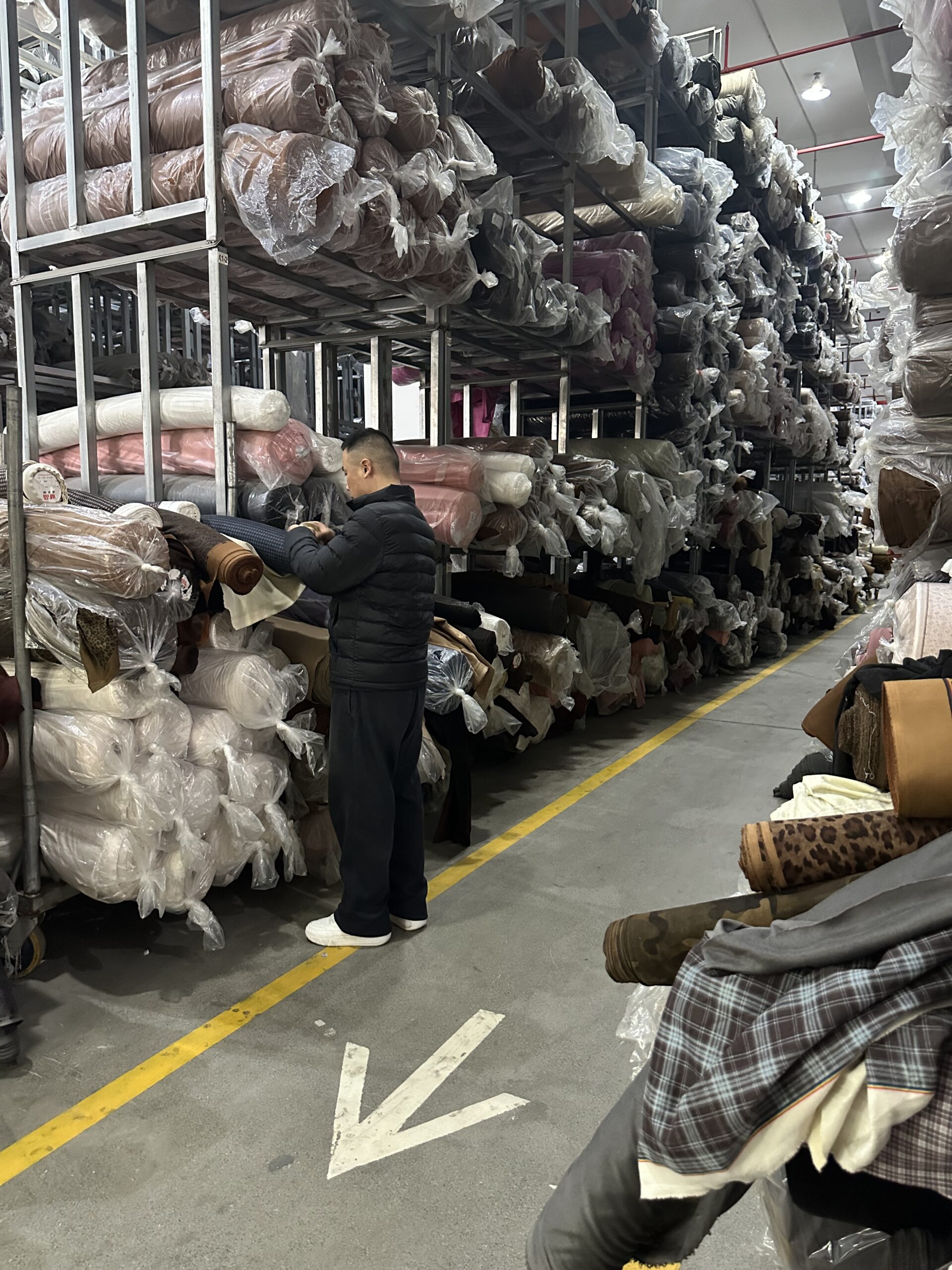
Bond sampling for a humid-week risk is a set of production-representative specimens from the roll end, mid-roll, and core, not a single mid-roll cutting chosen because the end already looks rough. First, cut and label roll-end, mid-roll, and core specimens before the cloth ships, and keep spare end pieces for later warehouse checks. Second, report each location separately under the named method, in warp and weft, with dry and post-humidity results. Finally, fail the lot when the roll-end specimen shows clean interfacial delamination or visible lift, even if mid-roll still passes. According to IWTO sampling discipline for commercial wool, the specimen should represent the goods as delivered. In 2026 release packs, 100 percent of bonded-coating lots should include roll-end results, not only mid-roll lab cuts. Align later open-roll decisions with the ten-rolls open-three or all-lot fail line once the bond pack already names the method and locations. A trimmed-off damaged end is not a passing sample.
What Written Release Rule Should Purchasing Freeze Before the Cloth Ships?
A pre-ship release rule is a written hold keeping the bonded coating in the mill until dry and post-humidity bond results, adhesive evidence, and climate-pack records all pass under the current Art Rev, not a verbal “looks bonded” at the loading dock. First, require production-representative roll-end, mid-roll, and core samples to meet the written dry and post-climate peel rule, with no clean interfacial delamination or visible roll-end lift. Second, require adhesive type, lot, and cure evidence on the same report. Finally, require the climate-pack method, end-protection photos, and humidity-logger data before the truck leaves. According to IWTO, wool commercial documents should carry the method and the evidence, not a finish adjective. Official context for wool-testing practice is on the International Wool Textile Organisation site. In 2026 purchasing files, 100 percent of bonded-coating dispatches should leave with the complete pack. A later humid-week complaint then has a file to test, not an empty folder.
What Belongs in the Pre-Ship Bond and Climate-Pack Checklist?
A pre-ship bond and climate-pack checklist is a one-page annex listing the named test, adhesive evidence, humid-conditioning result, and package-climate records, not a packing slogan on the invoice. First, paste the checklist into the purchase order before bonding starts. Second, require mill stamps and dated attachments against each row before dispatch. Finally, block shipment until every row has a dated pass. According to IWTO method-based trading practice, a 2026 annex should name evidence, not adjectives. Keep colourway, Art Rev, and method IDs in the header so later intake can reuse the same gates after a humid warehouse week.
| Control | Evidence before ship | Fail if |
|---|---|---|
| Bond-strength test | ASTM D2724, plus D751 or ISO 2411 if needed | Dry finger peel only |
| Fejltilstand | Named split type on the report | Force number only |
| Adhesive evidence | Type, lot, and cure record | Blank “bonded” stamp |
| Humid conditioning | Post-humidity peel and visual check | Dry peel alone |
| Climate pack | End protection, pack method, humidity log | Bare roll end, no log |
What Should Intake Do If Roll-End Lift Appears After a Humid Week?
Intake action after humid-week roll-end lift is a written quarantine, photo pack, and method recheck against the pre-ship annex, not a quiet trim of the first metres followed by cutting from the inner wrap. First, photograph the lifted end, the pack state, and the lot ticket before further unrolling, and retain the climate-logger data if the pack still holds a logger. Second, stop cutting and send the intake pack to mill QA with a request to re-run the named bond method on roll-end and mid-roll retains. Finally, apply the written fail line already agreed for the lot, rather than inventing a new hallway rule after garments are in work. According to IWTO claim practice, a 2026 wool complaint should be tested against the original method and evidence pack. Aim for 100 percent of humid-week lift complaints to stay on hold until the named recheck is filed. In practice, a trimmed roll end is not a clearance.

Relaterede indsigter
Decatized Wool Still Shrinks After the First Steam Press: Residual-Shrinkage Method and Reject Rule
A “decatized” finish still moving after the first steam press at the garment factory is...
Half-Width Wool Coating for Sampling Shops: Loom Width, Fold, and Full-Width Shade Gates
A half-width wool coating for sampling shops is a cloth woven and finished to the...
Short Size Runs Before Seal: Ratio Audit, Carton Marks, Claim Clock
Short-shipped size runs that force day-one markdowns are a size-ratio and carton-marking failure you can...