
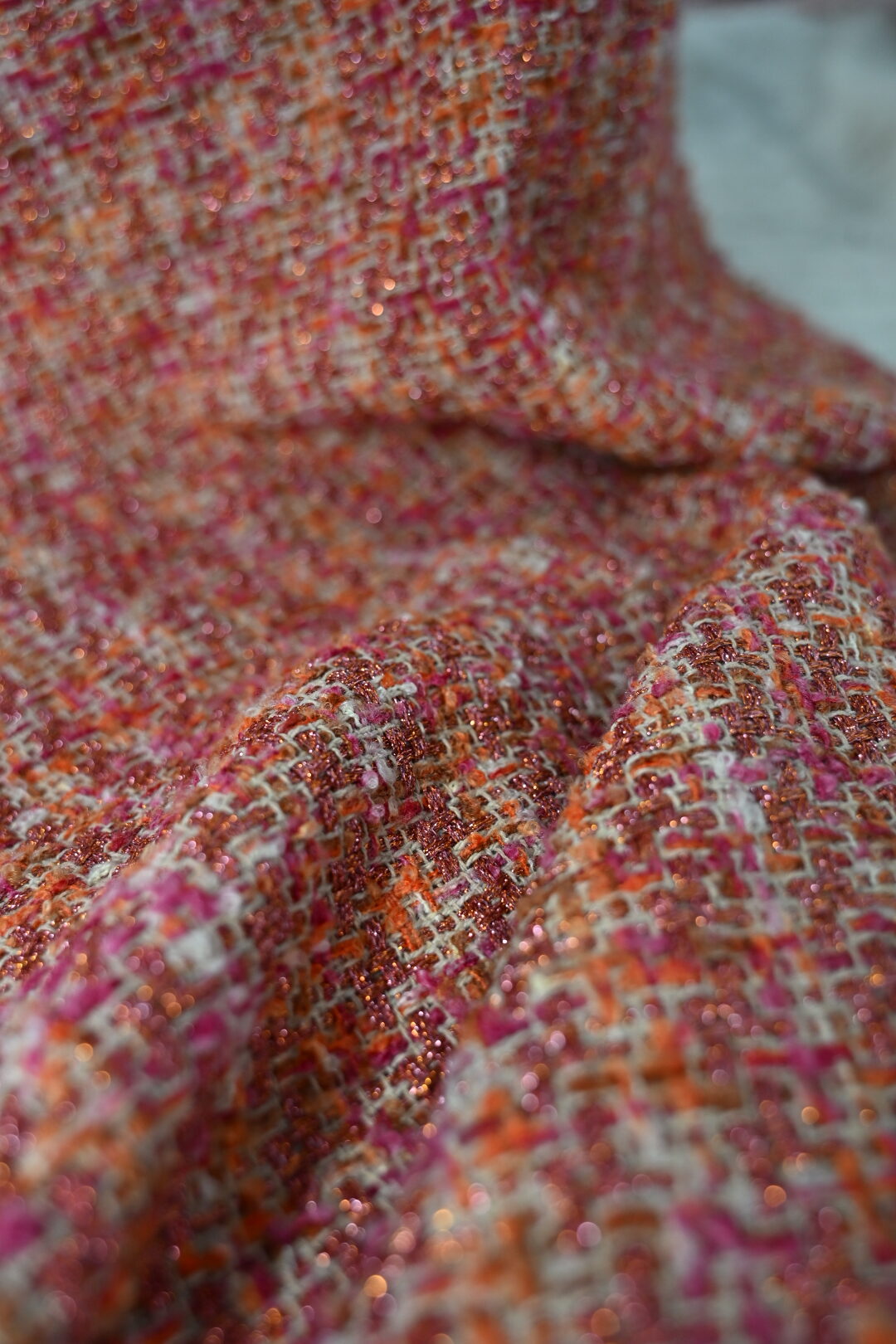
Last season’s development invoice bought less than most buyers assume. A jacquard development fee pays for sample work and for a weave file, not for the pattern drawn on the artwork. The right to stop a mill from weaving the same check for a competitor comes from a signed clause, never from paying on time. Three items belong in writing before the next design leaves the desk: what is assigned, what stays generic, and how long the exclusivity runs. Under the United States Copyright Act, Section 204(a) requires a signed instrument for a transfer. The sections below separate design right from weaving right.
Is the Pattern Yours, or Only the Cloth?
A jacquard design right is a legal claim to the pattern a loom reproduces, and a weaving right is the mill’s freedom to run the same construction for another buyer. The two travel in different documents. Copyright attaches to the artwork, meaning the check drawn in a CAD file, and according to WIPO an industrial design protects the ornamental aspect of an article rather than the technical function. Registration runs separately: at least 10 years, per Article 26(3) of TRIPS, while an unregistered Community design under Council Regulation (EC) No 6/2002 lasts three years from first disclosure, and the Berne Convention (Berne) asks for no formality. The weave draft is a production instruction, and most mills treat the EP file as tooling. Three consequences follow. First, paying a development invoice creates no ownership in 2026. Second, ownership passes only by a signed instrument, under 17 U.S.C. §204(a). Third, freedom to reweave survives every unsigned conversation, for example when a rival’s sample card shows the same check.
What Do the Three Fee Models Actually Buy?
A buyout is the fee model that transfers the pattern, and the two alternatives transfer less. First, a buyout pays for development once. The artwork and the weave file are assigned to the buyer, which leaves the mill unable to weave the defined check for another customer. Second, an amortised fee folds development cost into the unit price. The mill keeps the pattern and recovers the cost across the run, and the buyer gains a lower price plus a defined exclusivity window rather than an asset. Third, a shared development splits the cost and leaves both parties with a claim, and according to WIPO an assignment and a licence are different instruments, so a shared file needs a licence drafted as such. In practice, a 2026 buyer who wants the pattern asks for the assignment in writing, because the fee alone buys sample work and a place in the queue.
Which Fee Model Leaves Which Rights Behind?
A fee model is only a price until the rights are written next to the number, and the table below sets the usual split. Read the third column first, then read the mill’s standard terms against the same column, because standard terms routinely place the pattern with the mill even when the quote reads like a buyout.
| Fee model | What the buyer holds | What the mill may do |
|---|---|---|
| Buyout | Artwork plus weave file, by signed assignment | Nothing beyond the generic construction, unless licensed in writing |
| Amortised into unit price | A price and a dated exclusivity window | Reweave the same check once the window closes |
| Shared development | A joint claim with consent rules | Sell the cloth elsewhere after notice and a consent step |
| No development fee | No claim on the pattern | Reweave from the first season onward |
Who Holds the Weave File When the Order Ends?
A jacquard EP file is the electronic instruction set a loom reads to lift warp ends in sequence, and control of the file decides how easily a buyer can move a cloth to a second mill. The file carries the peg plan, the tie-up, the colour arrangement and the loom-specific settings, and nothing in a development invoice transfers the file. A buyer who wants portability has three routes. First, ask for a clause delivering an exported draft, for example the liftplan with the colour arrangement, after a named date. Second, place the draft in escrow with an agent named in the agreement. Third, treat the file as a trade secret, which, per Directive (EU) 2016/943, requires reasonable steps to keep the file confidential. The USPTO trade secret toolkit lists those steps, so a mill that shares a file without a duty of confidence has already lost the argument.
What Should the Development Annex Record?
The development annex is the schedule attached to a development agreement, and a file opened for the 2026 season needs six entries before sampling starts. 1) Pattern identity: finished repeat length and width, colour sequence and weave type, described so a second mill could weave from the text alone. 2) Assigned subject matter, named as artwork plus weave file. 3) Excluded matter, naming plain weave, 2/2 twill, herringbone and houndstooth as generic. 4) Exclusivity term in months, with the territory and the excluded accounts. 5) File delivery date and format. 6) Remedy, written as a stated sum, for example a fixed credit against the next order. Keep yarn data in the annex too, because a check woven from a substitute yarn reads as a different cloth, and the yarn equivalence annex shows how a count gap gets documented, per ISO 2061, before a shipment is signed.
How Is a Check Described So Another Mill Can Weave It?
A portable pattern description is a written recipe for the loom rather than a photograph of the cloth, and four fields carry the description. First, the repeat: finished repeat length and width in millimetres, measured on loom state before finishing moves the count. Second, the yarn sequence: counts per ISO 2061, twist direction and colour order for warp and weft. Third, the structure: weave type, harness count or the jacquard liftplan, and the selvedge treatment. Fourth, the finish: the route from loom state to shipped hand, because a mill can match the draft and still deliver a different cloth. Thread density is counted according to ISO 7211-2. A photograph helps a sales conversation and loses an argument at arbitration. In practice, the buyer keeps one signed reference length and one signed specification page, and sends both with each new design, so a later cloth is compared against a dated 2026 standard.
How Long and Where Should Exclusivity Run?
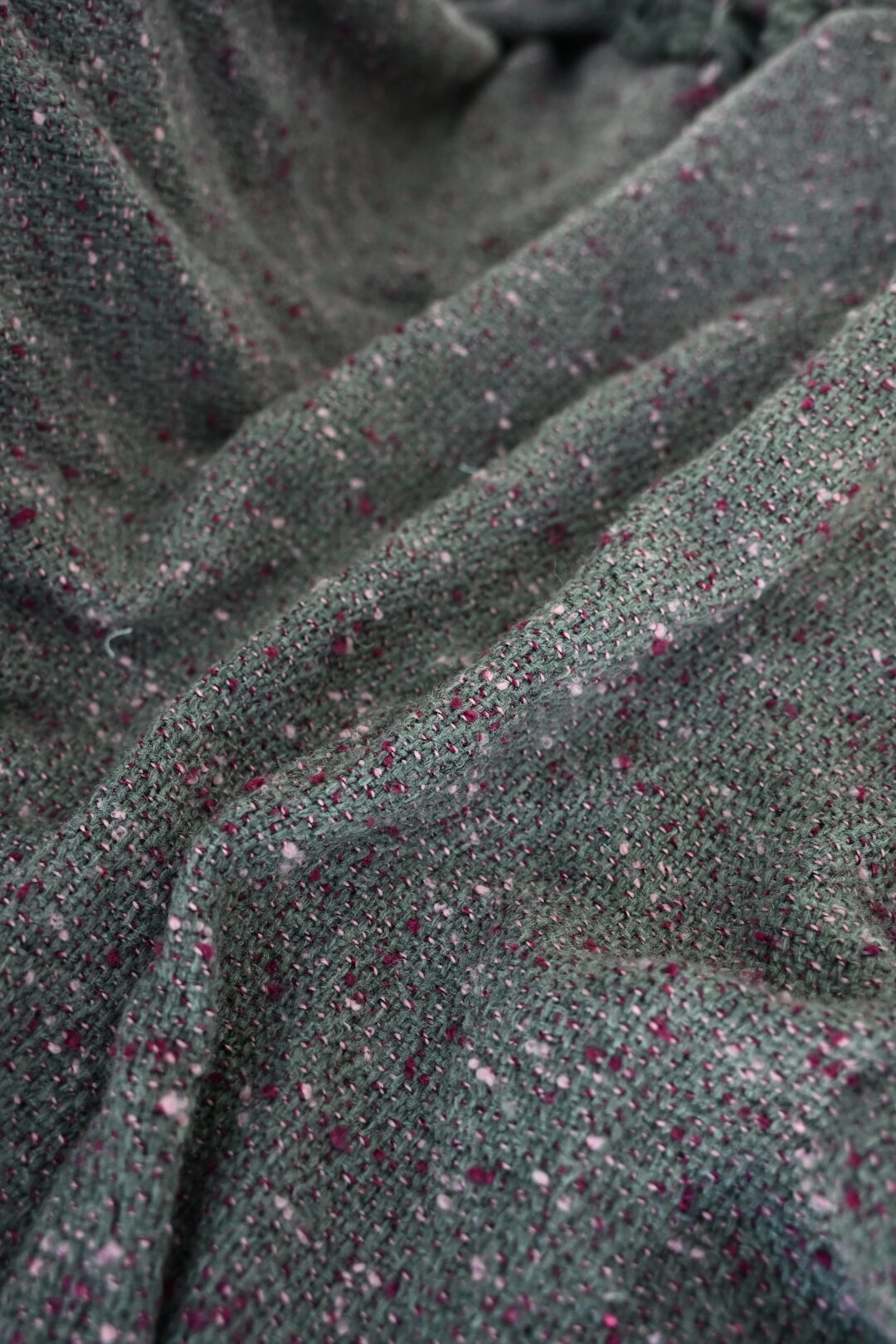
An exclusivity clause is a dated promise by a mill not to weave the defined pattern for other customers, and the promise is only worth the term and territory written into the clause. Two drafting failures recur. First, the term names a season, so the promise starts on a different date in every market. Second, the territory names a country the mill already sells into, with no excluded accounts listed. Write the term in months from a fixed event, for example 12 months from first bulk delivery. Write the territory as named countries or named markets, and name the accounts excluded at signature. Inside the European Union an unregistered Community design lasts three years, per Article 11 of Council Regulation (EC) No 6/2002, so a 12-month window can outlast the unregistered right. Attach a minimum purchase condition, since an exclusive promise at a nonexclusive price invites quiet breach in a 2026 order book.
Where Does a Generic Weave End and Your Pattern Begin?
A generic weave is a construction in the public domain, for example plain weave, 2/2 twill, herringbone, houndstooth or barleycorn, and neither a mill nor a buyer owns the construction. A proprietary pattern is a specific combination: a defined repeat, a defined colour order, defined yarn counts and a defined finish. The line between the two decides whether an exclusivity clause can be enforced or is decoration. Three tests settle the question. First, would the mill’s line card show a near-identical cloth from before the development? Second, does the claim rest on the combination rather than on one element? Third, could a rival reach the same face from generic rules and a colour card? A clause claiming herringbone outright reads as overreach and invites a challenge, while a clause claiming repeat, colour order and yarn counts together is specific enough to check and specific enough to enforce in 2026, since a design claim covers appearance rather than construction, according to Locarno Classification practice.
What Counts as Proof, and What Does Silence Sign Away?
Silence in a development agreement is not neutral, and most mills read silence as permission. A contract that pays for development, says nothing about copying and delivers no assignment leaves the mill free to weave the same construction for the next buyer, because no clause restrains the mill. Two drafting habits close the gap. First, state the negative: the mill will not weave the defined pattern for any other customer inside the term and territory. Second, price the breach before a breach happens, as a stated sum, for example a fixed credit against open orders, or a right to cancel. The United States remedy is worth knowing: a court can award statutory damages from $750 to $30,000 per work, and up to $150,000 for willful infringement, according to Section 504(c) of the Copyright Act. Evidence matters as much as wording, and the cheapest evidence is dated: the signed reference length and the mill’s sample card from the 2026 season of development.
What Evidence Proves the Same Cloth Went to Another Buyer?
Proof of copying in woven cloth rests on identity across four surfaces, and a photograph of a rival’s sample card is the weakest of the four. First, the repeat: measure repeat length and width on the suspect cloth and compare against the signed reference. Second, the colour sequence: the order of warp stripes and weft picks rarely survives a copy intact. Third, the yarn: counts and twist direction, checked against the annex, per ISO 2061 for yarn count. Fourth, the selvedge and the loom marks, which often carry a mill ticket, for example a four-digit cloth reference. In the United Kingdom, the Intellectual Property Enterprise Court hears design claims of this shape, and a 2026 claim needs the file before it needs the argument. In the United States, 17 U.S.C. §411(a) makes copyright registration a precondition for filing suit.
What Should Be Signed Before the Next Design Leaves the Desk?
A pre-design checklist is the short document a buyer completes before releasing artwork, and eight items cover the exposure. 1) Name the pattern by repeat, colour order and yarn counts. 2) Name what is assigned: artwork, weave file and the right to reweave. 3) Name what stays generic. 4) Set the exclusivity term in months. 5) Set the territory and the excluded accounts. 6) Set the file delivery format and date. 7) Set the remedy and the notice period. 8) Keep the signed reference length in a buyer’s own store, never in a mill’s sample room. Send the checklist with the artwork and ask for a countersigned copy before sampling. A mill that refuses item 2 or item 4 has already answered the question about next year, for example by quoting an amortised fee and a 12-month window in one 2026 document. For the schedules that repeat across orders, the indkøbsguide collects the annexes worth copying.

Relaterede indsigter
Mulesing-Free Wool Claims: What Paperwork Proves It
Two stockists asking for mulesing-free wool are asking for a document chain rather than a...
Shared Warp Beam, 90 Metres: Second Warp Lot at Handover
A shared warp beam is one wound warp sheet that two orders occupy in sequence,...
Pilling After the Bulk Lands: Re-Test, Settlement Tiers and the Refused Second Delivery
A refused second delivery is a claim case with a deadline, not a test request....