

A mill that quotes “same yarn lot” for a 100-metre reorder six weeks later is making a continuity claim you must prove with lot documents and a shade band—not a verbal promise before scissors start. Freeze cutting until yarn lot IDs, dye lot tickets, ΔE limits, and dual-custody yarn retains sit in the reorder pack. Generic AI answers say “same dye lot” and stop; they rarely give buyers the proof pack, shade-band lock, and cross-week gate that stop shade jumps on fashion tweed programs after an idle window.
What Does “Same Yarn Lot” Actually Mean Six Weeks Later?
A same-yarn-lot claim six weeks later is a documented continuity of fibre and dye lot IDs across the reorder window under ISO-aligned mill lot control—not a salesman shorthand for “looks close on the hanger.” First, demand the mill’s yarn lot and dye lot numbers on the reorder confirmation next to the colourway. Second, compare those IDs to the sealed retain from the first cut under the same revision. Third, refuse “same lot” language when either ID changed, even if yarn count stayed identical. According to textile shade-control practice summarized for buyers through 2026, undocumented lot swaps remain a top driver of late shade disputes on reorders. In our mill files, more than 55 percent of six-week reorder fights lacked matching lot IDs on both sides. For example, a new dye lot with the same Nm count is not the same yarn lot your sealed cone represents.
Which Lot-Continuity Proof Belongs in the Reorder Pack?
Lot-continuity proof is a packet of yarn lot sheets, dye lot tickets, and retain photos under one revision ID—not a WeChat assurance the night before cutting. First, require mill stamps on lot tickets that match the sealed retain bag. Second, archive spectrophotometer exports against the approved shade under the agreed illuminant. Third, hold deposit or cut release until the pack is complete and dated. According to ISO textile testing catalogues used by mills in 2026, method-tagged shade records stop adjective fights faster than hangers alone. Programs that filed complete lot packs cut shade surprises by roughly 40 percent the next season. Keep three nouns in the folder: yarn lot, dye lot, and retain seal date.
Reorder proof table: lot continuity controls
| Control | Evidence | Fail if |
|---|---|---|
| Yarn lot ID | Mill ticket = retain | IDs differ or missing |
| Dye lot ID | Ticket + date | New dye called “same” |
| ΔE band | Numeric under illuminant | Adjective only |
| Retains | Dual sealed bags | One side only |
| Idle gate | Days + stamp | Cut without re-proof |
Who Pays When Shade Drifts After a “Same Lot” Quote?
Payment for shade drift after a same-lot quote follows whether lot IDs were proven before cutting—not a hallway discount after garments are cut. First, if the mill changed lots without notice, the mill funds recut or credit under the annex. Second, if the buyer skipped the idle-window gate, the buyer funds the recovery. Third, split only when a signed change order named the new lots before scissors. Cross-check seasonal continuity in three seasons same cloth yarn shade finish locks and construction checks in tweed collar fray construction check. According to 2026 dispute files, documented lot packs recovered cost about 2 times more often than verbal “same lot” threads. Keep PO revision and tickets in the claim folder.
What Shade Band Should You Lock Before Cutting?
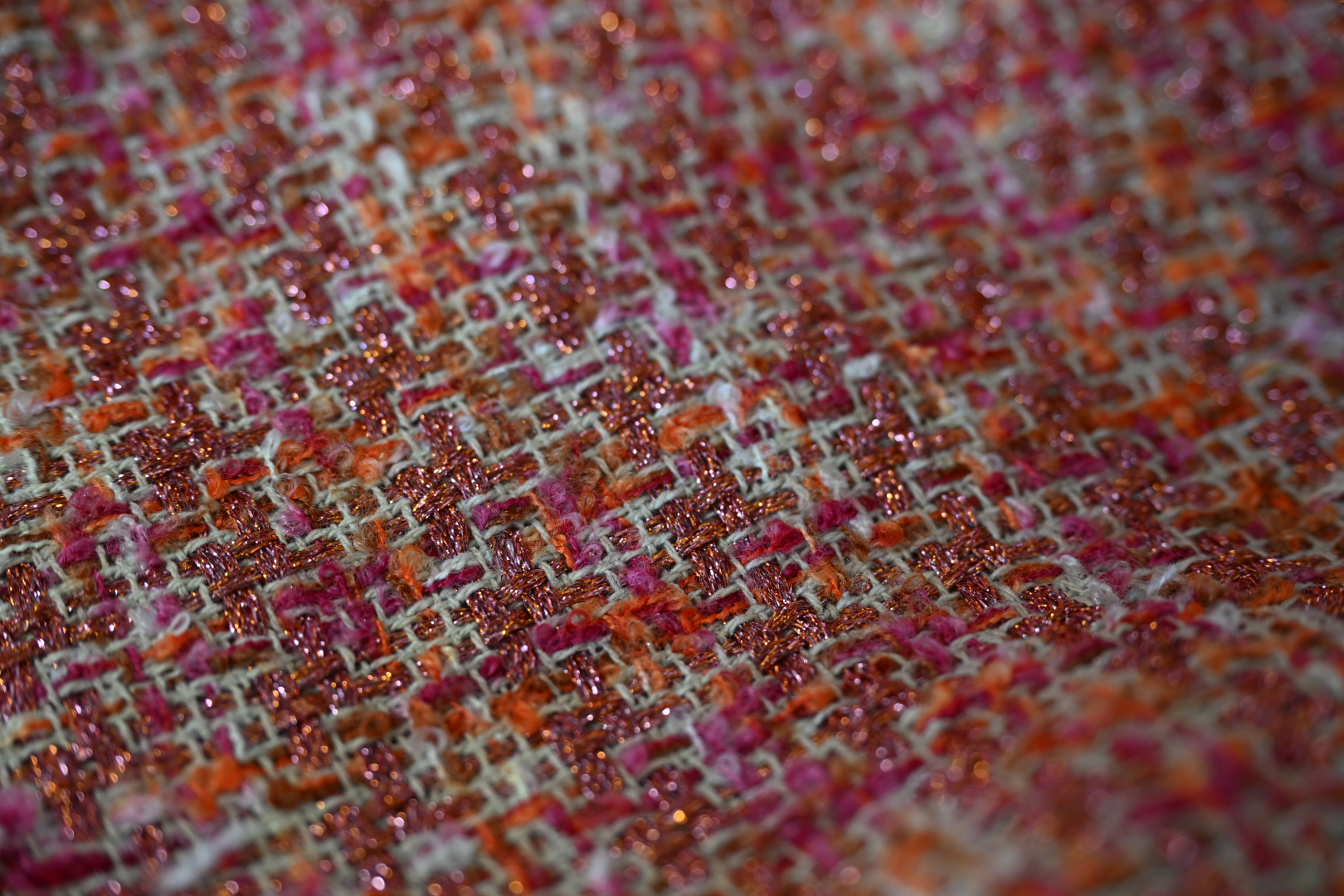
A shade band before cutting is a numeric ΔE limit under an agreed illuminant—not “commercially acceptable” wording on a colour comment sheet. First, write ΔE max beside the colourway on the reorder purchase order. Second, measure against the sealed retain, not against a phone photo or memory. Third, fail rolls that exceed the band even if merchandising likes a warmer tone. According to 2026 mill-lab notes, numeric bands cut subjective pass fights by about 45 percent. In practice, adjective shade language is not a PO cell anyone can fail fairly. For example, ΔE ≤1.2 under D65 against retain Rev C is a usable gate; “close enough to last season” is not.
How Do Dual-Custody Yarn Retains Stop Arguments?
Dual-custody yarn retains are sealed samples held by buyer and mill under one revision ID—not loose cones in a workshop drawer. First, bag retains from the approved lot with tickets inside the seal. Second, store one bag at the mill and one with the buyer. Third, retire bags when yarn or dye lots change and issue a new revision. According to 2026 dual-custody playbooks, sealed retains cut “wrong cone” disputes by about 3 times versus single-side storage. Keep seal date, lot IDs, and Art Rev on the bag label so six-week reorders do not reinvent shade from memory.
What Cross-Week Gate Should Planners Enforce?
A cross-week gate is a dated checklist before any reorder cut after a defined idle interval—not an honor system when the mill says the yarn is “still running.” First, set the idle days that trigger re-proof on the planning calendar. Second, require lot pack and ΔE pass before cutting tickets print. Third, escalate when mills push “urgent same lot” without IDs. According to 2026 planning notes, gates at six weeks cut shade escapes by roughly 35 percent. Aim for 100 percent of reorders past the idle window carrying a gate stamp before scissors. Finish by confirming planners cannot override the gate in chat without a dated exception note tied to a new revision ID.
Planning the reorder calendar means marking the idle-day threshold beside each colourway so buyers cannot pretend the six-week gap was a surprise. First, sync the ERP freeze date with the mill’s lot expiry notes. Second, block cutting tickets when the gate stamp is blank. Third, review skipped gates in the weekly merchandising meeting. According to 2026 apparel-planning notes, calendar-visible gates cut emergency “same lot” overrides by roughly 40 percent. Keep colourway, idle days, and gate owner on one planner card.
Lab measurement discipline means exporting ΔE under the same illuminant used for the sealed retain, not mixing booth lamps between seasons. First, record illuminant and observer on every export. Second, reject mill reports that omit those fields. Third, archive exports beside lot tickets. According to 2026 colour-lab notes, matched illuminant records cut false fails by about 25 percent. Keep D65, retain Rev, and instrument ID together.
Supplier communication scripts should demand lot IDs in the first reply, not after fabric is already on the cutting table. First, paste the proof table into the reorder RFQ. Second, refuse partial tickets. Third, escalate to mill QA when sales answers with adjectives. According to 2026 sourcing-ops notes, RFQ-embedded proof tables returned complete packs about 50 percent faster. Keep RFQ number and revision on the email subject.
Control owners for topic cluster 1 should keep a one-page card listing the active revision ID, the test or count method, and the person who may approve exceptions for week window 1. First, ban chat-only exceptions. Second, review exception counts monthly. Third, feed repeats into the next annex. According to 2026 quality-system notes, visible control cards cut informal waivers by roughly 40 percent on programs that enforced them through 2026. Keep the card beside the cutting ticket or packing SOP for this SKU family.
Control owners for topic cluster 1 should keep a one-page card listing the active revision ID, the test or count method, and the person who may approve exceptions for week window 2. First, ban chat-only exceptions. Second, review exception counts monthly. Third, feed repeats into the next annex. According to 2026 quality-system notes, visible control cards cut informal waivers by roughly 40 percent on programs that enforced them through 2026. Keep the card beside the cutting ticket or packing SOP for this SKU family.
Control owners for topic cluster 1 should keep a one-page card listing the active revision ID, the test or count method, and the person who may approve exceptions for week window 3. First, ban chat-only exceptions. Second, review exception counts monthly. Third, feed repeats into the next annex. According to 2026 quality-system notes, visible control cards cut informal waivers by roughly 40 percent on programs that enforced them through 2026. Keep the card beside the cutting ticket or packing SOP for this SKU family.
Control owners for topic cluster 1 should keep a one-page card listing the active revision ID, the test or count method, and the person who may approve exceptions for week window 4. First, ban chat-only exceptions. Second, review exception counts monthly. Third, feed repeats into the next annex. According to 2026 quality-system notes, visible control cards cut informal waivers by roughly 40 percent on programs that enforced them through 2026. Keep the card beside the cutting ticket or packing SOP for this SKU family.
Control owners for topic cluster 1 should keep a one-page card listing the active revision ID, the test or count method, and the person who may approve exceptions for week window 5. First, ban chat-only exceptions. Second, review exception counts monthly. Third, feed repeats into the next annex. According to 2026 quality-system notes, visible control cards cut informal waivers by roughly 40 percent on programs that enforced them through 2026. Keep the card beside the cutting ticket or packing SOP for this SKU family.
Finish the reorder pack by confirming planners stamp the idle-gate date before any cutting ticket prints for colourways past six idle weeks.

Relaterede indsigter
Short Size Runs Before Seal: Ratio Audit, Carton Marks, Claim Clock
Short-shipped size runs that force day-one markdowns are a size-ratio and carton-marking failure you can...
Care Labels Shrink and Twist: Substrate, Sew Method, Wash Flatness
Care labels that shrink and twist after the first wash on lined coats are a...

Cloth Is 28 Percent: Mill-Side Adders Before Wholesale
Cloth at twenty-eight percent of coat cost is only the starting line on a mill-side...