

Six garments and two weeks cannot answer the question the release decision is asking. A wear trial is a fault hunt on finished garments, and six units give the trial one power. Six pieces can show that a named defect occurs in this lot, on this pattern, through this care route. Six pieces cannot estimate how often a fault appears or whether the lot is acceptable. Lot acceptance by attributes needs a stated sample size with accept and reject numbers. A result reported as a fraction of six is a rate claim wearing a costume. A stop rule built on repetition needs a frequency the trial cannot estimate. The rule that survives is the inverse. Every failure class is named and signed before the garments leave. Any occurrence of a stop class halts the release, and every other observation is logged. In practice the log does the work and the signed list protects the release. Nine steps put the rule in writing, add the control the trial is missing, and name the signatures.
What Can Six Garments Prove, and What Can They Not?
A wear trial is a fault hunt on finished garments, and six units establish one fact only. Six pieces can show that a named defect appears in a named lot, on a fixed pattern, through a fixed care route. The power runs one way. Six garments cannot estimate how often a defect occurs, because lot acceptance by attributes runs on a stated sample size with accept and reject numbers. Six garments cannot rank severity across a lot. One answer in a 2026 run of four assistants called an hours-based figure an established benchmark and attributed the figure to a supplier’s guide. The guide (Red Kap) was downloaded and read for this article, and runs to about a thousand words of text. The text holds no hour target, no measurement method, no acceptance criterion and no signature block. A wear trial means a trial period of about a fortnight, a survey filled in by wearers, and a set of product recommendations, according to Red Kap’s wear-trial guide.
Why Must the Stop Line Be Signed Before the First Garment Leaves?
A stop line is a closed list of failure classes, each marked stop or log, dated and signed before any garment is issued. Three properties make the instrument work, and each one costs nothing to add. First, the list is closed, because a class invented after the result is a class chosen to fit the result. Second, each class is named by mechanism and position rather than by impression. A shoulder seam that opens under arm raise can be decided; a garment that looks worn cannot. Third, every class carries the names of the people who agreed the class, because a stop is a finding about a lot and not one inspector’s view. Acceptance criteria should be set before the trial, according to PPEgen’s laundering-trial guide, and no single generic pass rule fits every garment. The 2026 run produced four stop rules, and every one was built out of repetition across some number of garments. Repetition is the one thing six units cannot support.
Why Does the Trial Need a Control Garment Nobody Wears?
A control garment is a seventh coat from the same lot and the same pattern. The control carries the same trims, fusible and thread, stays unissued and is never washed. A wool coat changes for four different reasons during wear. 1. The cloth relaxes or pills on the surface. 2. The making-up moves at a seam or a shoulder line. 3. The care route shrinks or felts the surface. 4. The wearer abrades the places a body touches. Finally, one unworn seventh garment separates the four. Without an unworn comparator, a flat surface has four possible parents and no way to choose between them. A plan should retain an unprocessed reference, according to PPEgen’s guide, and store the reference under suitable conditions, identified separately from the trial samples. Where the care route is the question, add one washed and never worn garment. Neither extra garment proves a rate, and both make attribution possible. No answer in the 2026 run proposed either. For example, a surface that went flat can be blamed on the care route rather than on the cloth.
What Must the Record Carry About the Cloth and the Making?
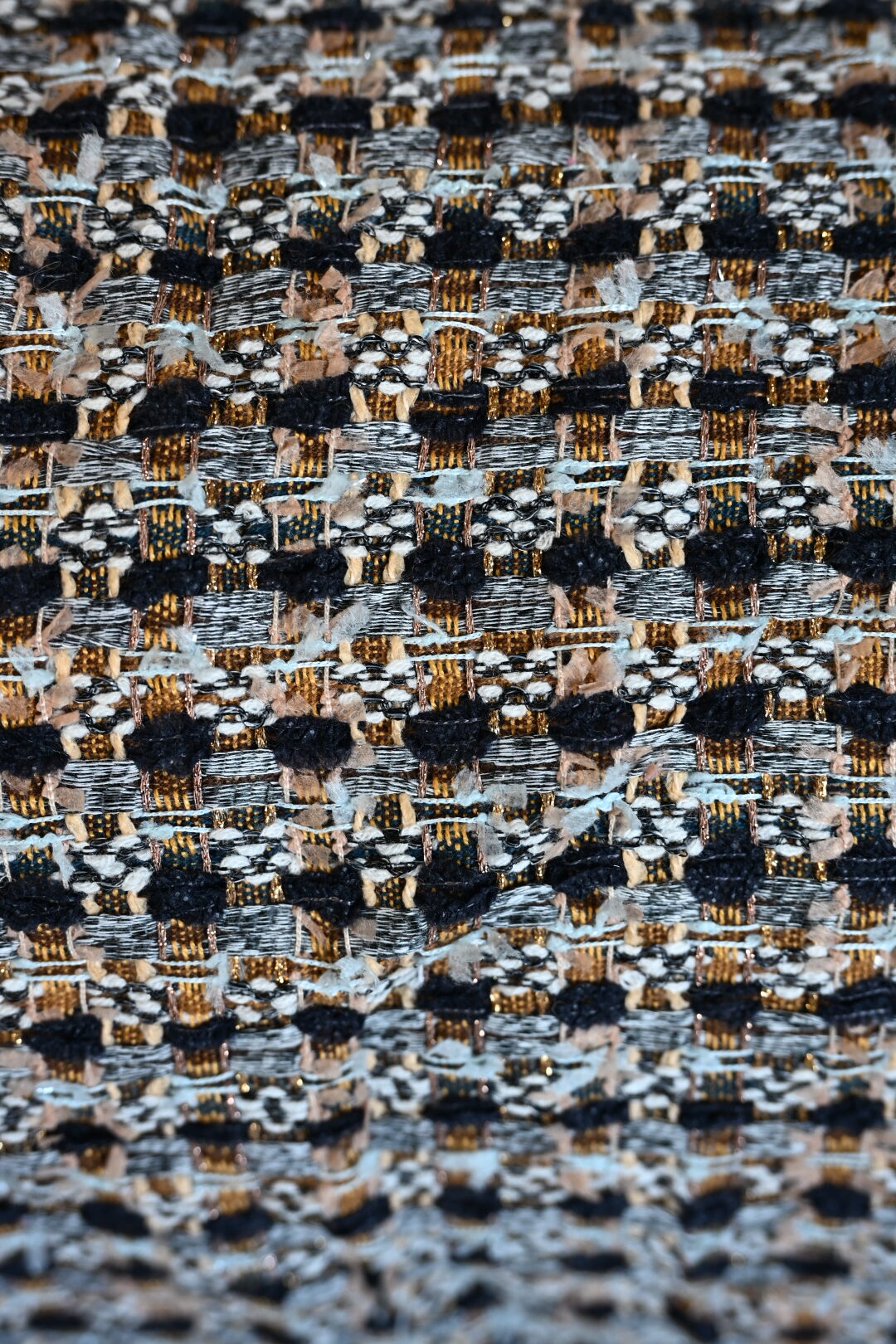
A trial record is an identification block followed by a history, and the block has to match paperwork the mill already holds. Seven entries carry the block. 1. The lot, beam or roll reference exactly as printed on the roll ticket. 2. A garment identifier on every piece, written on the care label. 3. Pattern number, size and the maker’s machine. 4. The trims, fusible and thread actually used. 5. Measurements taken before issue. 6. The care route used rather than the route printed on the label. 7. The name of the person who cut and sewed each garment. The history then records what happened, where on the garment the change appeared, and what was done about the change. A row reading only pilling is not a record. Pilling at a cuff edge and pilling across a back panel are two findings with two different parents. Photograph each garment 3 times, at issue, at return and after care, on one background at one distance.
What Can the Wearer Report, and What Must the Inspector Judge?
A wearer is a witness to use, and a witness reports observations rather than grades. Three questions produce answers a customer can actually give. 1. Where did the garment rub or restrict? 2. What changed after the wash the wearer gave the garment? 3. Would the wearer put the garment on again for a full day? A form built from those three questions stays answerable by a customer with no textile training. A form asking the same customer to grade pilling, abrasion or colour transfer produces numbers nobody can defend. The property judgement belongs to the person who inspects the returned garment beside the unworn control. The inspection happens under one light, with the sealed sample from the lot on the table. A fit-analysis page read in 2026 makes the same point about forms. Assessor notes belong on a standardised scoring form rather than in free-text comments. Free text produces a paragraph and a form produces a column. In practice only a column can be read against the stop list.
Which Findings Stop the Run and Which Only Get Logged?
A stop class is a failure class whose single occurrence ends the release. The class earns that status by being named in writing before issue. Any occurrence on any one garment stops the release. Six garments cannot separate a one-off from a frequent fault, so frequency never enters the decision. Three tiers keep the decision mechanical and the argument short. First, immediate stop: a seam that opens, a closure that fails, a cloth that tears in wear, or any injury. Second, stop pending investigation: a change the inspector cannot attribute to cloth, making-up, care or wear. Third, log only: a finding the class list declared minor in writing before the trial. Every logged finding carries the garment, the wearer, the position on the garment, the care received and the action taken. A log entry without a position and an action cannot be routed. A finding nobody routed has changed nothing. For example, a row reading pilling at the left cuff after wear carries a decision.
Which Document Does Each Finding Change?
A routed finding is a record line naming the document the finding changes, and four documents absorb almost everything a six-garment trial produces. First, the specification absorbs a cloth property that fails in wear. The property returns to a specification row with a method and an acceptance criterion. A shoulder that collapses after two wears gets closed by the specification row instead of argued again. Second, the making-up sheet absorbs a seam, a fusible or a shoulder line. The pattern and the sewer’s method own that work, not the cloth. Third, the care instruction absorbs a surface changing after washing, and a bulk wash pretest on boucle coats settles the claim before a label is printed. Fourth, customer communication absorbs a comfort complaint, which needs an isolation and repair route og a written split between cloth shrinking and a care route stretching the piece. A finding filed against none of the four documents is an opinion.
Who Signs the Record, and What Does a Signature Actually Prove?
A signature is a statement that the signer saw what the signature covers, and nothing more. Four signatures carry the record, and one of the four is routinely misread. First, the wearer signs for wear and washing. A wearer’s signature on the garment log is evidence of use, and evidence of use is not approval to produce. Second, the coordinator signs the record complete: every garment returned, every photograph filed, every row filled. Third, the technical owner signs the six garments as representative of the bulk construction, with the same lot, pattern, trims and maker. Fourth, the release decision is signed by someone whose own target does not depend on the release. One signature is missing from every protocol in the 2026 run. The mill countersigns the lot reference and the retained sample. A counter-signature turns a stop into a finding about a lot the mill wove, rather than one buyer’s internal opinion. In practice the counter-signature moves the next conversation onto cloth instead of trust.
What Does the Close-Out File Hold Before the Next 200 Metres?
What Are the Three Dispositions?
A disposition is the release decision written as a sentence with a condition attached, and three sentences cover every outcome. First, release: the next 200 metres ship against the existing specification with no change. Second, release under a control plan: the 200 metres ship with a named control, a named person watching, and a review date. Third, stop: the 200 metres do not ship until the document in the routing line is revised and signed. A verdict without one of the three sentences is a conversation. The close-out also settles the physical record. The failed garment is sealed with the lot reference and the photographs. The control garment stays unwashed and unworn in its bag. The outside of the file carries the same lot reference as the roll ticket. For example, a stop on the care route keeps the failed garment and the control together in one bag.
What Belongs in the Close-Out Table?
One row per failure class, plus the control garment, the retained failed garment and the record itself.
| Finding class | What the record states | Signed by | Stop or log | Document changed | Release condition |
|---|---|---|---|---|---|
| Shoulder line collapses | garment identifier, position on the shoulder, wear interval, photographs at issue and return | technical owner | stop | pattern and fusible sheet | revised fusible and a new sample |
| Seam opens under arm raise | seam position, thread used, machine and maker | trial coordinator | stop | making-up sheet | resewn parts and a new sealed sample |
| Surface flattens after washing | care route used, wash record, comparison with the control | inspector | stop | care instruction and label | care route retested on bulk cloth |
| Cloth shrinks or stretches | measurements before issue and at return, against the control | inspector | stop pending investigation | specification row | tolerance row written and signed |
| Collar or cuff feels scratchy | position, wear interval, activity, repair attempted | wearer and inspector | log | making-up sheet | none |
| Shade shifts against the sample | light source, viewing distance, sample identifier | inspector | log | specification row | none |
| Mark declared minor in writing | position and size on the garment | wearer | log | none | none |
| Control differs from the six | control identifier and storage condition | technical owner | stop | all three product documents | control re-cut and re-sealed |

Relaterede indsigter
Mill Passes, Your Inspector Fails: Whose Number Decides?
Two four-point reports on one roll of wool coating can both be correct and still...
Is ‘Quality 6501’ a Specification? What to Get in Writing
“Quality 6501” is not a specification. A specification is a document with four parts: an...

Stiff Grey Band at the Front Edge: What the Marker Must Cut
A stiff grey band along the front edge of an unlined coat is the selvedge,...