
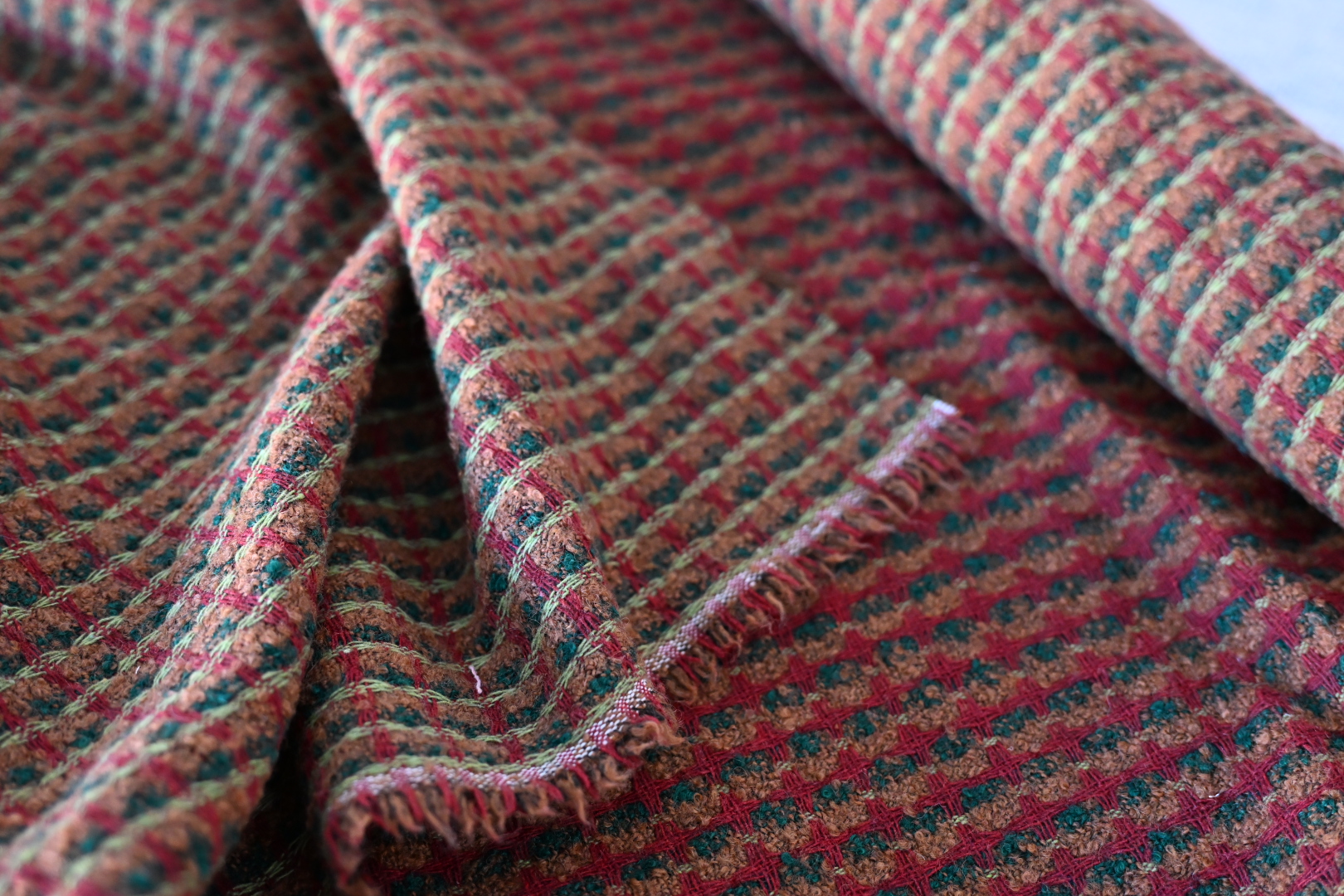
A roll the mill already knows is not first quality should never leave the works as an anonymous first. Before those two odd rolls shipped, the seller owed you three things: a written disclosure naming the rolls as seconds and stating the specific fault, a physical mark on each affected roll so the grade survived the journey, and matching notes on the packing list and invoice together with the agreed allowance. A credit issued after you spotted the difference is an admission that the mill skipped its own grading step, not a substitute for disclosure. What should be disclosed when selling second quality fabric is not a matter of courtesy; it is the line between a managed concession and a misrepresentation, and it belongs before the rolls ship, not after they land.
Name the Grade and Name the Fault
Trade language gives you several words for the same event. A roll that fails first-quality inspection becomes a second, an irregular, or B-grade, and in general retail the same idea is known as a factory second: goods that are serviceable but carry flaws serious enough that the maker will not sell them as first quality. The label matters because it changes what the buyer is buying. First-quality cloth carries an implied promise that it matches the approved sample within tolerance. Seconds carry no such promise, and the price should reflect that.
The grade word alone, though, is not a disclosure. Seconds tells a buyer that something is wrong without saying what, and the useful question in every dispute is what should be disclosed when selling second quality fabric: the specific fault and its scale. Shade drift against the approved standard, a weaving fault that repeats, oil or dirt marks, usable width below specification, short measure, heavy mending, or a finishing fault each call for a different buying decision. The disclosure should state which fault, roughly where it sits in the roll, how much of the length it touches, and whether it affects appearance only or performance as well.
That level of detail exists for a practical reason. You allocate rolls to lays, colour blocks and size runs based on what you can trust. Two rolls with a visible shade difference might still serve a dark, unlined style or an internal component. The same rolls cut into a pale coat panel become a claim, a re-cut and a missed shipment. Disclosure before shipment lets you make that allocation yourself; disclosure after arrival only lets you argue about it.
Grading Happens Before Packing, Not After a Claim
A mill that runs a controlled bulk operation inspects every roll before it is wrapped, usually with a final pass built on a point system such as the 4-point method. The idea is simple: an inspector walks the cloth on the frame, scores each defect by its size, and totals the points across a fixed area of fabric. The cutoff that separates firsts from seconds is not universal; it is whatever the purchase order names, and mature buyers write both the method and the number into the order precisely so the grade cannot be argued later.
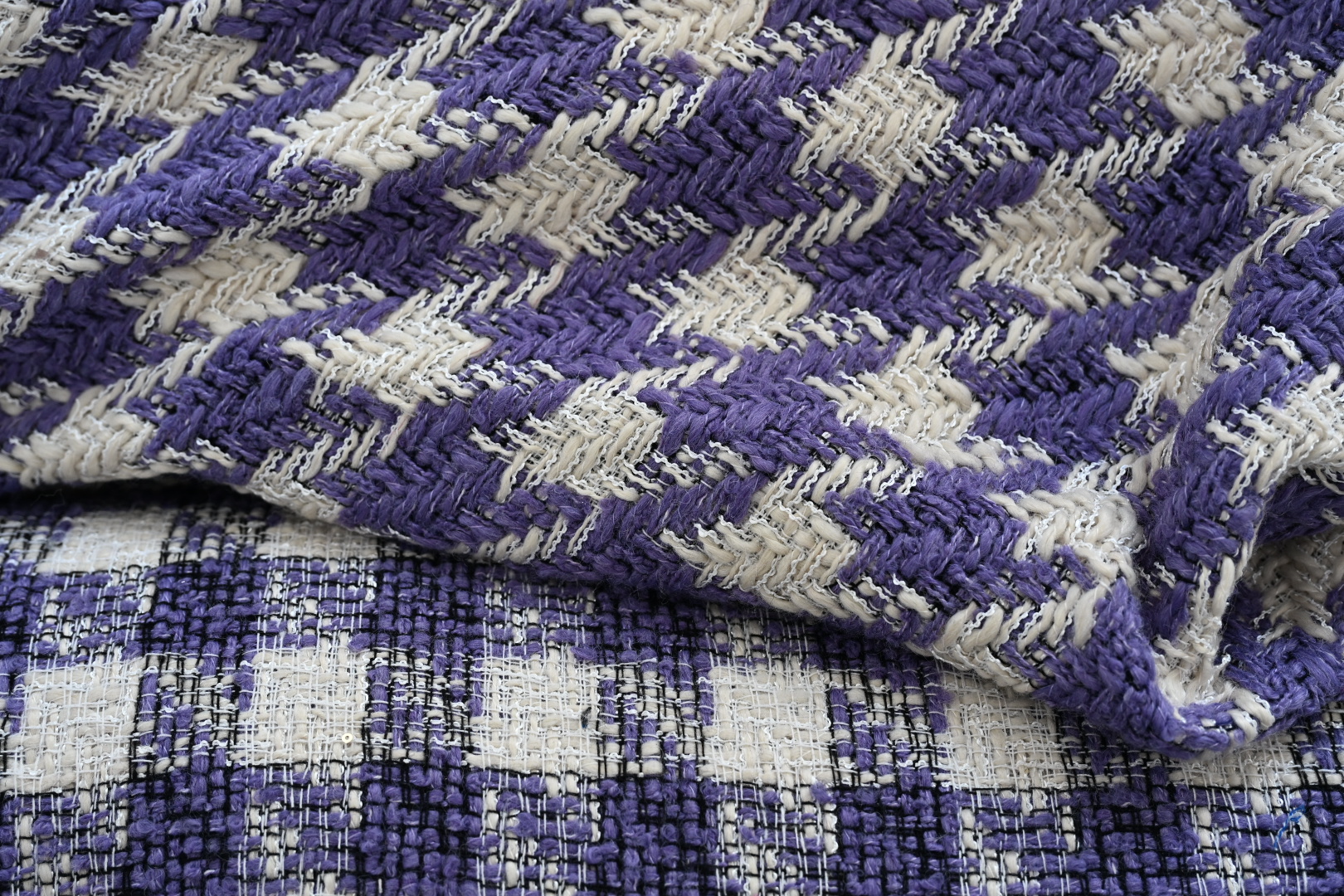
Alongside the point count, every roll is compared against the approved reference: the sealed sample, the lab dip and the first bulk length you signed off. Shade banding sorts the rolls of one lot into groups by depth so the cutting room receives matched rolls. When two rolls sit visibly outside the group, the likely cause is a later dye bath, a different position in the vessel or a separate finishing pass, which is exactly what dye-lot numbering exists to expose. Shade is the fault behind most seconds disputes, and it is also the fault a mill can catch earliest, before a single roll is wrapped.
Caught at this stage, the deviation is a production event rather than a dispute. The rolls come off the packing line, the grade changes on the ticket, and the commercial team can raise the question while the goods are still on the mill’s floor. That sequence, seconds disclosed before shipping with the dye lot and the fault named, is what trade practice expects of a serious mill. If you want to see how lot-to-lot drift is produced in the first place, and why one bath never repeats another exactly, the mechanics are unglamorous: water, temperature and time never run twice the same way, a subject we covered in why lot 1 and lot 5 never match exactly.
Marking: the Ticket, the Roll and the Paperwork Must Agree
Second quality fabric rolls must be marked so the grade survives handling, transit and a busy receiving dock. Best practices for marking and labeling textile seconds are physical rather than administrative: the roll ticket or end label carries the grade in plain words, stamped or tagged, next to the roll number and the actual length. Many mills go further and flag the defects themselves, with paper slips at the fault or marks at the selvage, a habit customs textile practice recognises: each piece uniquely identified, defects flagged where the inspector found them. A buyer unrolling the cloth then finds the fault where the mill said it would be.
The documents have to carry the same story. The packing list and the invoice should identify the two rolls by number, grade them as seconds, and show the allowance agreed for them, instead of listing the container as uniform first quality. The inspection report for those rolls, with the mill’s own scoring, belongs in the same envelope. None of this disturbs the ordinary textile identification: fibre content, country of origin and the responsible party stay labelled as the law in most markets requires. Grade marking adds information; it does not replace it.
Consistency is the test. A ticket marked SECOND on a roll that the invoice calls first quality is worth nothing in a claim, because the paper wins. That is the same discipline behind fixing definitions before goods move, whether the subject is how a roll is measured before the rest ships or how a grade is stamped: the documents that travel with the cloth must already agree when the container doors close. Definitions fixed before shipping are cheap. Definitions argued after arrival are not.
The Disclosure You Should Have Received in Writing
Before tender, the mill’s notice should have read like a concession note: here are the roll numbers, here is the fault measured against the standard you approved, here is what we propose, an allowance, a discount against the invoice, or replacement from the next lot, and here are your options with a reply date. You then accept or refuse, and the agreed disposition becomes part of the shipment documents. With that note, the two rolls are a managed exception. Without it, they are a claim.
A credit raised after you noticed the difference fails as a remedy because it removes every option except the one the mill chose. You might have preferred full replacement in the next production slot, a larger allowance, or refusal of the two rolls altogether, and each of those choices was only available before the goods shipped. Once the rolls sit in your warehouse with a cutting date approaching, the mill’s credit stops being an offer and becomes the only live option. That quiet shift in who decides is what the disclosure was for.
Trade rules in the major markets point the same way. Consumer protection and fair-trading frameworks, including the position the United States Federal Trade Commission has long taken on textile goods, treat the sale of irregulars as first quality as deceptive, and equivalent fair-trading principles apply across other jurisdictions. A mill that trades internationally usually keeps a written seconds disclosure policy for exactly this reason. Asking to see it is a reasonable pre-production request, and the answer tells you how the house handles re-graded rolls when nobody is looking.
If the Two Rolls Are Already on Your Floor
Quarantine them first. Release nothing into the cutting room, and keep the tickets attached. Compare each roll against the approved sample under the same light you used at approval, record the shade gap, and photograph the faults next to the roll number. Measure usable width and actual length, because both feed the allowance calculation. If the rolls came from a different dye bath, the shade difference will read consistently from end to end; a weaving or finishing fault will sit in a band or repeat at intervals.
Then check what the paperwork said. An invoice that calls every roll first quality, sitting next to tickets marked seconds, is the mill’s problem in writing, and it frames the negotiation. Ask for the mill’s inspection record for the two rolls; a house that runs a point system will have one, and the gap between that record and the shipping documents tells you whether the grading failed or the disclosure did.
Put your answer in writing with a deadline: accept at the allowance offered, request replacement from the next lot, or reject the two rolls and credit them in full. Reserve your position on consequential costs, such as re-cutting, if part of the cloth was already used. Where pieces were cut before anyone noticed, segregate every panel that came from those two rolls, check them against the colour blocks they joined, and decide panel by panel whether the cloth can serve the style or must be re-cut.
Write the Terms Into the Next Purchase Order
None of the above should depend on goodwill; it needs clauses. Name the inspection method and the point cutoff that separates firsts from seconds. Require the grade to appear on the roll ticket, and require defects flagged at the selvage or with slips. Set a deadline: any re-graded roll must be disclosed in writing before tender, with roll numbers and the proposed allowance, and the shipment documents must repeat the grade. Add an allowance schedule by grade so the number is agreed in calm conditions rather than argued against a sailing date.
Two more clauses close the loop. State what happens to rejected rolls: returned at the mill’s cost, or destroyed locally against a certificate, never diverted into your market. And require a per-roll inspection report with every shipment, so the record you would otherwise be demanding after a claim exists by default.
Mills that mark and disclose keep accounts for years, because a buyer who trusts the ticket reorders without re-inspecting every roll. The two odd rolls themselves were a manufacturing event no mill escapes entirely. The missing marks and the retroactive credit are a different matter: they describe a seller who hoped the buyer would not look. Decide, in the next order, that looking is part of the process, and that the ticket tells the truth before the container doors close.

Verwandte Einblicke
Shoulders That Collapse After Two Wears: Spec the Cloth
A coat that holds its line on a hanger and folds at the shoulder after...
Eighty Metres Against Two Hundred: Which Route Keeps the Colour
The shortest route to the same colour is not a new dyeing. It is the...

Repeating a Donegal Effect From Stock Yarn: Fleck Count, Shade Band, Transition
What the mill should show you is not a sample box. It is a trial...