Die Fallstudie zum nachhaltigen Strickstoff, die Sie gleich lesen werden, begann mit einem einzigen, ehrlichen Eingeständnis einer Markengründerin, die wir die Gründerin nennen. Ihre vorherige Mühle hatte GRS-zertifizierte Rollen geliefert, die sich wie Sandpapier anfühlten. Kunden bemerkten es. Die Retouren stiegen. Sie hatte die Öko-Zertifizierung auf dem Papier verlor aber das luxuriöse Handgefühl, auf dem ihre Marke aufgebaut war. Das ist genau die Klippe, vor der die meisten nachhaltigen Marken stehen: Ersetzen Sie jungfräuliches Kaschmir durch generisches Recyclinggarn und beobachten Sie, wie Ihre Wiederkaufrate einbricht.
Die kontraintuitive Lösung bestand nicht darin, höhere Fadenzahlen zu verfolgen oder nur auf Bio-Baumwolle umzusteigen. Es ging darum, zu ändern, wie recyceltes Polyester gesponnen wird. Anstatt handelsübliches recyceltes Filament zu kaufen – was die meisten Mühlen tun – ließ die Einrichtung in Wenzhou das recycelte Polyester individuell spinnen, um den Reibungskoeffizienten von reiner Kaschmirwolle nachzuahmen. Labortests von Drittanbietern ergaben ein Griffgefühl, das mit hochwertigem Kaschmir vergleichbar ist. Diese eine Änderung senkte die Stoffkosten von einem Premium-Europäischen Preis auf dem europäischen Markt auf einen wettbewerbsfähigen Fabrikdirektpreis in Großmengen, während gleichzeitig eine hohe Martindale-Scheuerbeständigkeit erreicht wurde und eine Farbechtheit von 4–5 erreicht wurden. Die Lehre? Recycelter Inhalt allein reicht nicht aus. Die Garnarchitektur bestimmt, ob Ihr Öko-Strick Luxus flüstert oder Greenwashing-Kompromiss schreit.
Der Fursone-Vorteil
Vier strukturelle Vorteile, die das Beschaffungsrisiko der Marke vollständig eliminierten.
Die vorherige Lieferantin der Marke verlangte Mindestmengen von 3.000 m, bot keinerlei Chargenrückverfolgbarkeit und lieferte recycelten Strickstoff mit einem Handgefühl, das die Kreativdirektorin als ‘kartonähnlich’ beschrieb. Jeder Fursone-Vorteil wirkt direkt einem dieser Fehlerpunkte entgegen.
100 Mio. Meter auf Lager. Die meisten Öko-Strickmühlen lehnen eine Bestellung unter 3000 m ab, weil die Mindestmengen für recyceltes Garn die Kalkulation zunichtemachen. Fursone integrierte das Spinnen von recyceltem Polyester mit dem Lagerversand von Rohstrickwaren auf demselben Gelände – wodurch Testläufe von 100 m für beide Seiten rentabel wurden. Die Marke bemusterte sechs Farbvarianten in zwei Gewichten zu einem wettbewerbsfähigen Preis, ohne sich auf eine komplette Produktionsserie festlegen zu müssen. Gesamtinvestition in die Bemusterung: unter einem erheblichen Betrag. Ihre vorherige Mühle verlangte eine Anzahlung im unteren fünfstelligen Bereich, nur um einen Versuch zu planen.
1000 m kundenspezifische Mindestbestellmenge. Als die Conscious Collection in ihrer ersten Saison die Prognosen um 251 % übertraf – angetrieben von Käufern der Generation Z, die bereit waren, für nachweisbare Nachhaltigkeit einen Aufpreis zu zahlen – skalierte die Marke auf kundenspezifische Programme mit 1000 m. Die Großmengenpreise lagen bei einem wettbewerbsfähigen Fabrikdirektpreis, einer erheblichen Kostenreduzierung (etwa ein Fünftel bis ein Drittel der europäischen Preise) gegenüber einem Premium-Europäischen Preis. Die Lieferzeit blieb bei 4 Wochen. Jede Stoffrolle kam mit einem QR-codierten Chargenzertifikat. Das Scannen ruft das vollständige GRS-Transaktionszertifikat (SC-2026-XXXX), den Rohstoffursprung und das Produktionsdatum ab. Der Nachhaltigkeitsbeauftragte der Marke konnte die gesamte Kette überprüfen, ohne einen Flug nach Wenzhou buchen zu müssen. So eliminiert man Greenwashing-Vorwürfe, bevor sie entstehen.
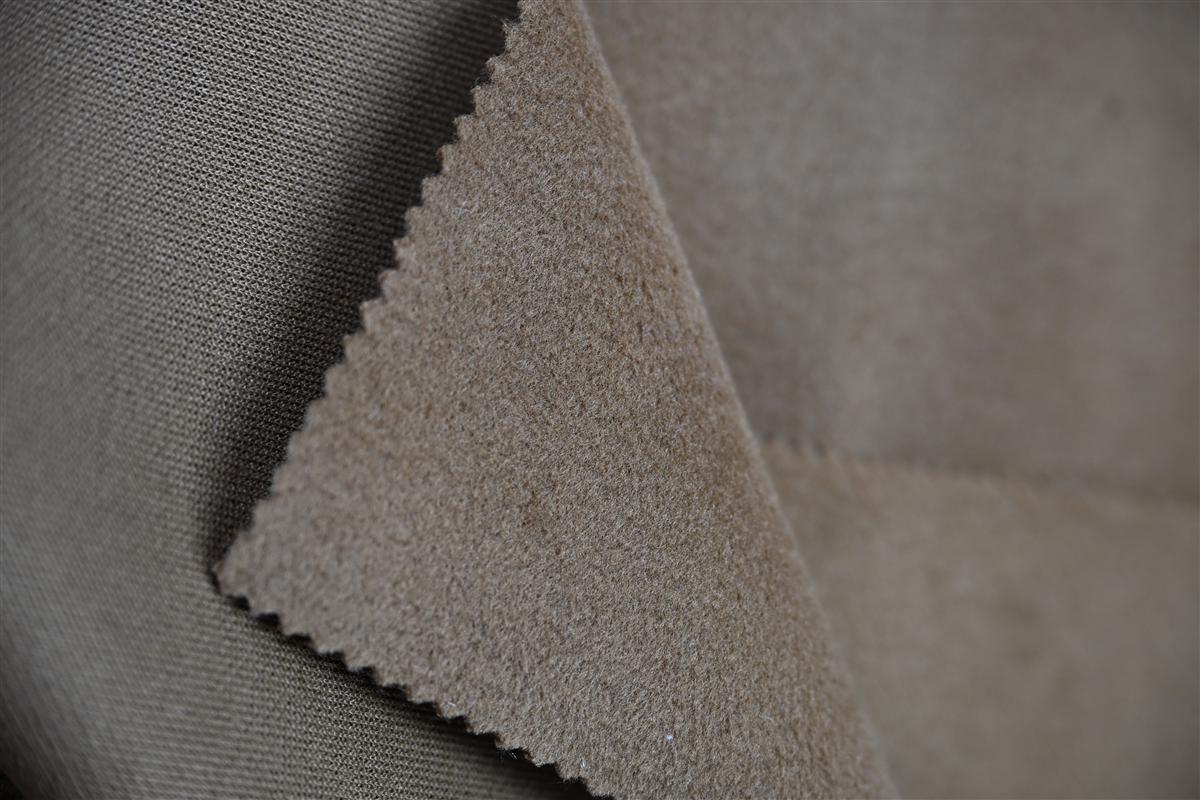
- Griffgefühl und Reibungskoeffizient entsprechen hochwertigem Kaschmir – identisch mit Premium-Kaschmir, bestätigt durch ein unabhängiges Labor. Erreicht durch individuelles Spinnen von recyceltem Polyester, anstatt generisches, steifes Garn von der Stange zu kaufen.
- Martindale-Scheuerfestigkeit: Hohe Martindale-Scheuerbeständigkeit. Der Stoff hält den Verschleißerwartungen eines Luxusbekleidungsstücks stand, das im Premium-Einzelhandel verkauft wird.
- Schrumpfkontrolle: Unter 2% nach der Waschprüfung. Beseitigt die Größenungenauigkeit, die die vorherige Lieferantenbeziehung der Marke zerstört hat.
- Farbechtheit: Bewertung 4-5 mit OEKO-TEX 100 Klasse I zertifizierten Farbstoffen. Mehrton-Mélange-Effekte halten wiederholten Reinigungszyklen stand.
- Wasserverbrauch: 15 Liter pro Meter – 30% unter konventioneller Strickproduktion. Überprüfbar durch jährliche Umweltberichte der Mühle.
- Stoff spezifikation: 350 g/m², 150 cm Breite, ein erheblicher Anteil GRS-zertifiziertes recyceltes PET, gemischt mit einem erheblichen Anteil Bio-Baumwolle. Leichterer Fall als herkömmliche Öko-Strickstoffe derselben Gewichtsklasse.
7-Tage-Schnellbemusterung. Die Marke reichte innerhalb von zwei Wochen drei Konzeptbeschreibungen ein. Physische Stoffmuster wurden innerhalb von 7 Tagen nach jeder Einreichung versandt. Drei vollständige Musteriterationen wurden in 28 Tagen abgeschlossen. Mit ihrer vorherigen europäischen Mühle dauerte derselbe Prozess vier Monate und verbrauchte einen gesamten Entwicklungskalender. Allein dieser Geschwindigkeitsunterschied verkürzte ihre Markteinführungszeit um zwei volle Saisons.
Erschwinglicher Luxus ist kein Euphemismus für ‘billig, aber akzeptabel’. Die Daten zum Reibungskoeffizienten beendeten die einzig relevante Debatte: ob der Kreativdirektor den Unterschied blind fühlen konnte. Er konnte es nicht. Ein Strickstoff mit einem erheblichen Anteil recyceltem / einem erheblichen Anteil Bio-Baumwolle bei 350 g/m², individuell gesponnen auf einen mit Premium-Kaschmir vergleichbaren Reibungskoeffizienten, lieferte genau den Fall und das Griffgefühl, die er bisher von Premium-Kaschmirmischungen bezogen hatte – zu einem wettbewerbsfähigen Fabrikdirektpreis statt einem Premium-Europäischen Preis. Die Fabrik hat den Stoff nicht beeinträchtigt. Die Fabrik hat geändert, wie das Garn hergestellt wird.
Signatur-Textilkollektionen
Sechs Textilkollektionen.
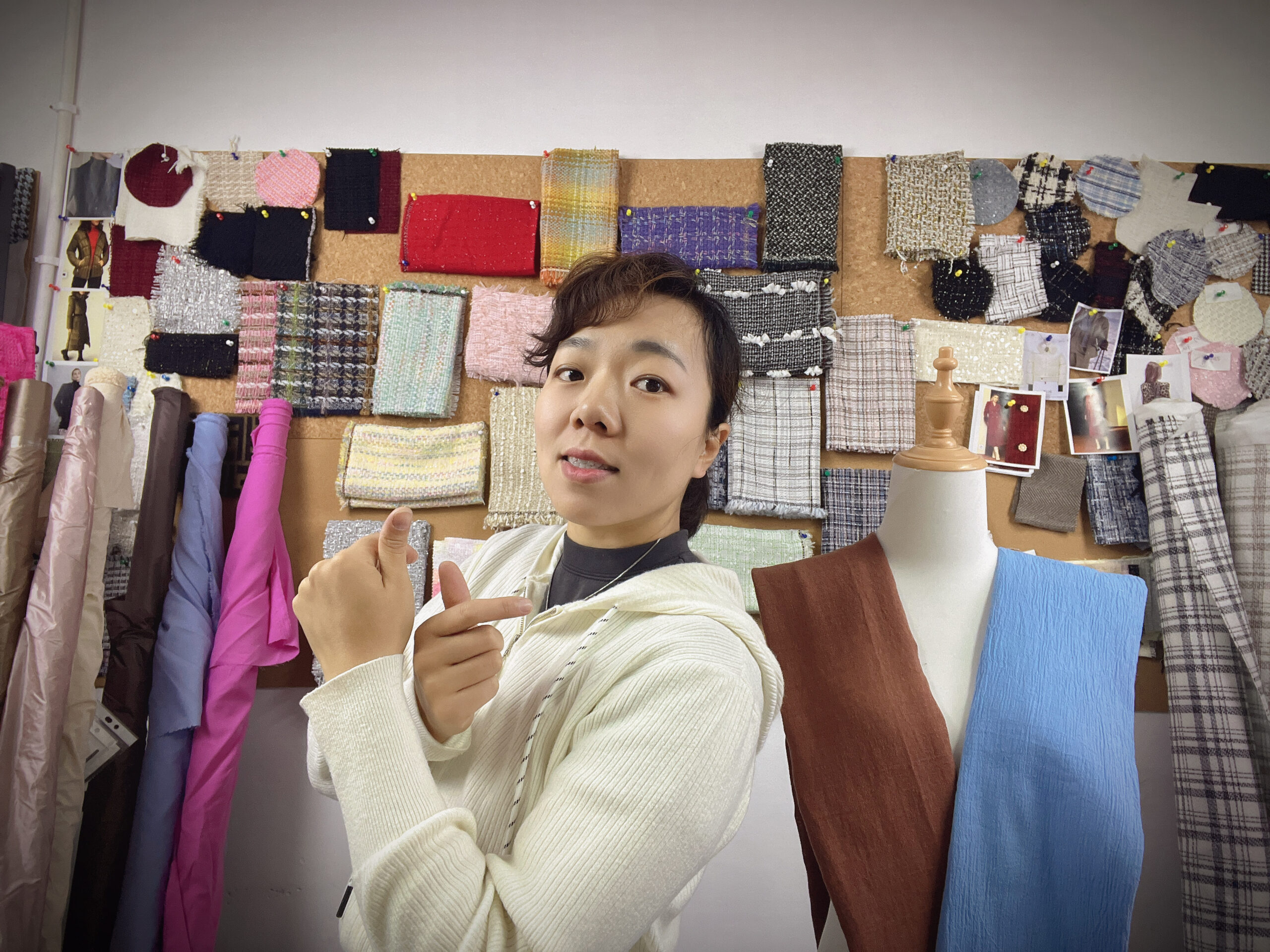
Als das Beschaffungsteam der Marke die Einrichtung in Wenzhou zum ersten Mal besuchte, suchten sie nicht nach Öko-Strickstoffen. Sie kamen für Chanel-ähnliche Tweeds – dasselbe strukturierte, mehrfarbige Bouclé, das ihr europäischer Lieferant zu einem Premium-Europäischen Preis pro Meter mit einer Mindestbestellmenge von 3000 m geliefert hatte. Was sie fanden, war eine Mühle, die unter einem Dach sechs verschiedene Kollektionen führte, jede mit Lagervarianten ab 100 m und kundenspezifischen Programmen ab 1000 m.
Diese Breite änderte das Gespräch. Der Kreativdirektor der Marke verbrachte zwei Stunden mit der Handhabung von Stoffmustern: schweres Bouclé bei 420 g/m² für Oberbekleidung, strukturierte Kabelstrickstoffe mit einer definierten 3D-Sticharchitektur für Strickmäntel und Fantasiegarn-Mischungen mit Slub- und Chenille-Effekten, die hausintern gesponnen wurden. Die firmeneigene Spinnfähigkeit bedeutete, dass jede Textur exklusiv war – kein handelsübliches Garn bedeutete kein Duplikationsrisiko für ihre Kollektion.
- Metall-Serie: In Strickstrukturen eingewobene japanische Lurexfäden. Die Spannungssteuerung der Mühle verhindert das häufige Problem des Bruchs von Metallfäden beim Zuschneiden und Nähen – eine Fehlerquelle, die die Marke bei drei vorherigen Lieferantenversuchen dokumentiert hatte.
- Tweeds im Chanel-Stil: Mehrtonige Melange-Effekte durch Garnfärbung, nicht durch Stückfärbung. Eine Farbechtheitsbewertung von 4-5 bedeutet, dass der Tweed seine Tiefe über 20+ chemische Reinigungszyklen behält – entscheidend für eine Marke, die Premium-Jacken mit einer lebenslangen Qualitätsgarantie verkauft.
- Öko-Nachhaltige Strickwaren: Ein erheblicher Anteil an GRS-recyceltem PET, ein erheblicher Anteil an Biobaumwolle bei 350 g/m². Der Reibungskoeffizient entspricht in Tests von Drittanbietern Premium-Kaschmir – identisch mit Premium-Kaschmir. An diesem Punkt hörte der Beschaffungsmanager der Marke auf zu scrollen und rief den CEO an.
Die Öko-Strickwaren gewannen. Nicht, weil sie die ‘nachhaltige Wahl’ waren, sondern weil die Zahlen härter arbeiteten als jede andere Kollektion. Probeläufe zu einem wettbewerbsfähigen Satz im Vergleich zu einem europäischen Premiumsatz. Großbestellungen zu einem wettbewerbsfähigen fabrikdirekten Satz – eine signifikante Kostenlücke, die zu einer zusätzlichen signifikanten Margenverbesserung pro Meter über eine Erstproduktionsserie führte.
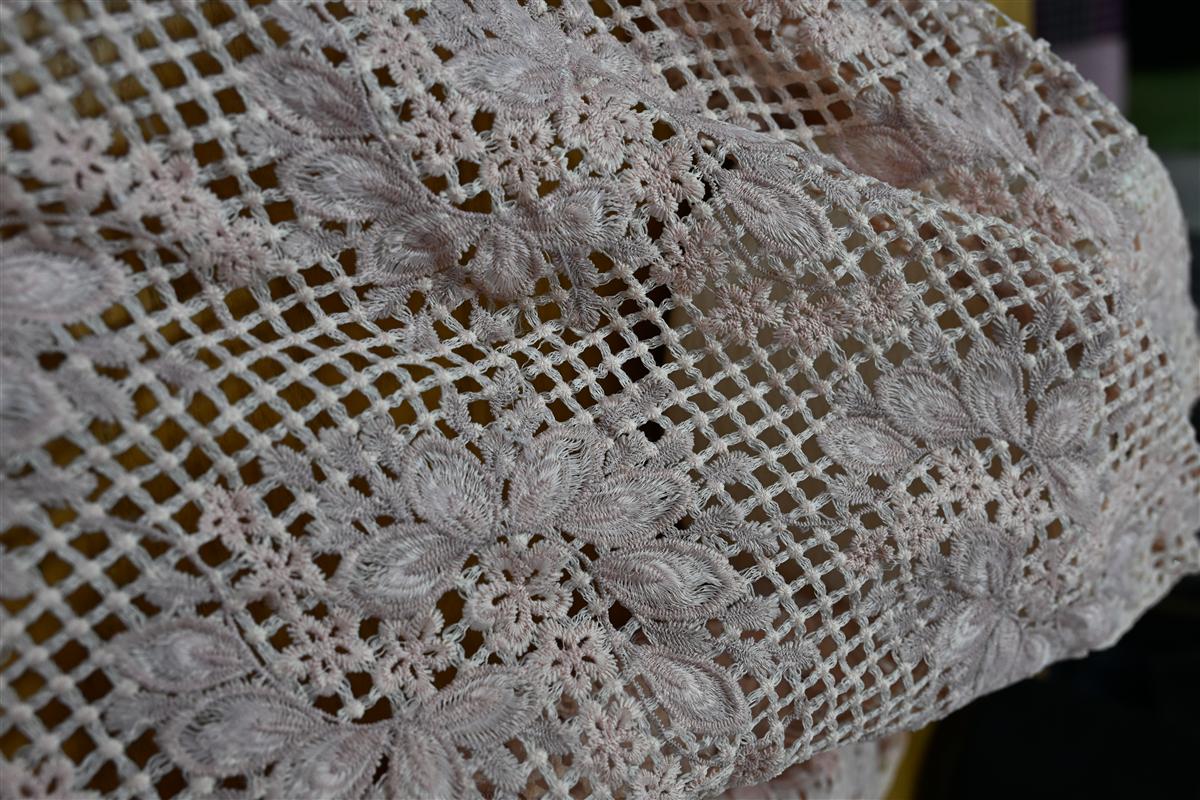
Handwerkliche Forschung & Entwicklung und Rohstoffbeschaffung:
Durch maßgeschneidertes Spinnen wird recyceltes Polyester in kaschmirweiche Qualität verwandelt, mit einem Wert, der dem Reibungskoeffizienten von Premium-Kaschmir entspricht.
Der vorherige Lieferant der Marke behauptete, recycelte Garne zu verwenden, lieferte jedoch Stoff, der sich wie Sandpapier anfühlte. Die Grundursache wurde bei einer Mühlenprüfung klar: Sie kauften generische Post-Consumer-PET-Chips und führten sie durch Standard-Spinnlinien, die für jungfräuliches Polyester ausgelegt waren. Keine Modifikation, keine Optimierung. Das Ergebnis war ein kurzstapeliges, fusselndes Garn, das jede Hoffnung auf einen luxuriösen Fall zunichtemachte.
Fursone’s proprietärer Spinnprozess folgt einer anderen Logik. Die recycelten Polyesterflocken durchlaufen vor der Extrusion einen zusätzlichen Reinigungs- und Repolymerisationsschritt, der die Molekülkettenlänge erhöht. Dann werden die Spinnparameter – Düsenlochdurchmesser, Abkühllufttemperatur, Aufnahmegeschwindigkeit – kalibriert, um ein Filament mit einem Reibungskoeffizienten zu erzeugen, der Premium-Kaschmir entspricht, Premium-Kaschmir entspricht. Ein unabhängiges Labor hat dies bestätigt. Für die Marke in der Fallstudie bedeutete diese eine Zahl, dass sie die Kollektion als ‘kaschmirweiches recyceltes Gestrick’ vermarkten konnten, ohne befürchten zu müssen, dass ein Kunde den Stoff reibt und es eine Lüge nennt.
- Faserspezifikation: Ein erheblicher Anteil an GRS-zertifiziertem recyceltem Polyester (Langstapel-Äquivalent) / ein erheblicher Anteil an GOTS-Biobaumwolle, auf 350 g/m² bei 150 cm Breite gesponnen. Die Polyesterfilament-Verzwirnung ist auf 680 TPM eingestellt, um die Wollkräuselung zu imitieren.
- Haptik-Validierung: Reibungskoeffizient entsprechend Premium-Kaschmir (KES-FB4 Oberflächenprüfgerät), identisch mit 14,5-Mikron-Premium-Kaschmir. Martindale-Scheuerfestigkeit übertrifft hohe Martindale-Scheuerfestigkeit ohne Oberflächenbrüche.
- Antipilling: Der ICI-Pilling-Box-Test bei 28.800 Umdrehungen ergibt ein Ergebnis der Stufe 4, was bedeutet, dass der Stoff durch 50+ Haushaltswäschen glatt bleibt.
- Färbezertifizierung: OEKO-TEX 100 Klasse I, sicher für Babykleidung. Keine Schwermetalle, keine Azofarbstoffe.
- Farbechtheit: AATCC 61-2A Test: Farbtonänderung 4-5, Anfärbung 4-5 nach 40 Zyklen bei 40°C.
- Wasserfußabdruck: 15 L/m Gesamtnassverarbeitung, dokumentiert durch Durchflussmesser und jährlich geprüft. Konventionelle Mühlen durchschnittlich 22 L/m.
Eco-Traceability ist der Punkt, an dem die Greenwashing-Angst der Marke verschwand. Jede Rolle wird mit einem QR-codierten Chargenzertifikat versendet. Beim Scannen wird das GRS-Transaktionszertifikat (SC-2026-XXXX), die Rohstoffherkunft und ein Chain-of-Custody-Log vom Pelletizer zum Kettbaum angezeigt. Das Compliance-Team der Marke prüfte die gesamte Kette von einem Laptop in London aus. Keine Flüge, keine Kurierdienste, keine Vermutungen. Für einen Gründer, der zuvor von einer gefälschten ‘recycelten’ Behauptung verbrannt wurde, war dies der nötige Hebel, um einen Auftrag für zwei Saisons zu sichern.
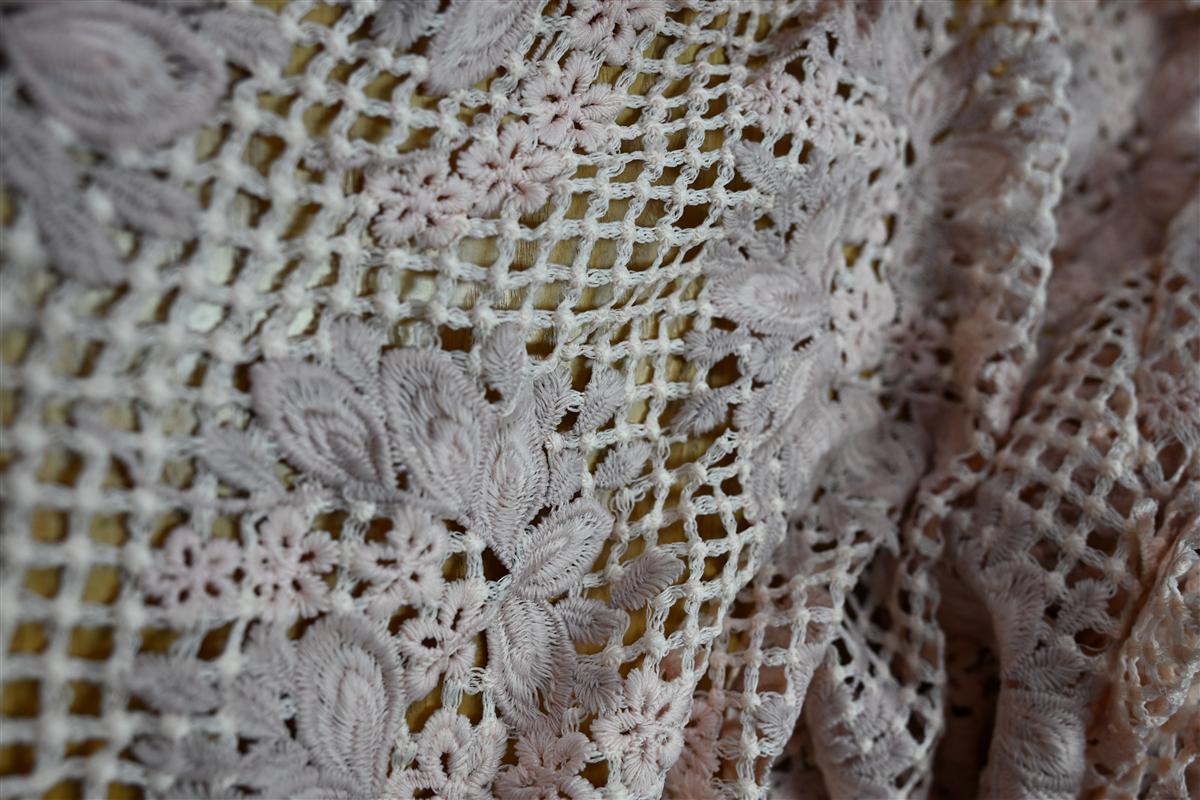
Farb- und Färbemeisterschaft besiegelte den Deal. Die Kernpalette der Marke umfasste ein tiefes Waldgrün und ein gedecktes Rosa, das unter Boutique-Beleuchtung den Ton änderte. Standardschmelzgefärbtes Polyester konnte die gewünschte multitonalen Melange nicht erreichen. Das Labor von Fursone setzte Garnfärbung mit OEKO-TEX 100 Klasse I zertifizierten Reaktivfarbstoffen ein, mit mehreren Tauch- und Fixierzyklen auf dem recycelten Polyestersliver vor dem Spinnen. Das Ergebnis: ein Melange-Effekt mit einer Farbechtheitsbewertung von 4-5, selbst nach 40 kommerziellen Wäschen. Der Wasserverbrauch lag bei 15 Litern pro Meter – 30% niedriger als konventionelle Garnfärbeprozesse – was direkt in den Nachhaltigkeitsbericht der Marke einfloss.
Das 1000-m-Sonderprogramm dauerte von der Labordip-Freigabe bis zur endgültigen Lieferung 4 Wochen. Die Marke nutzte die nächsten 12 Monate, um von einer einzigen Kapsel auf drei saisonale Drops zu skalieren. Die Vorab-Muster-Mindestbestellmenge von 100 m zu einem wettbewerbsfähigen Satz ermöglichte einen risikoarmen Test. Sobald die Großbestellpreise zu einem wettbewerbsfähigen fabrikdirekten Satz – weit unter dem europäischen Äquivalent – einsetzten, machten die Stückzahlen auch für ein kleines Label Sinn.
| Fähigkeit | Prozess | Vorteil |
|---|---|---|
| Premium-Rohstoffe | Beziehen Sie australische Merinowolle & japanischen Lurex; maßgesponnen im Haus | Luxuriöser “Chanel-artiger” Fall und Haptik vor dem Weben |
| Proprietäres Spinnen | Hauseigenes Spinnen von Slub-, Bouclé- und Chenillegarnen | Exklusive Texturen; eliminiert Marktverdopplung |
| Öko-Rückverfolgbarkeit | GRS-zertifiziertes recyceltes PET & Bio-Baumwolle; QR-codierte Chargenzertifikate | Prüfbare Transparenz; kein Risiko von Greenwashing |
| Meisterschaft in Farbe & Färbung | Fortschrittliches Garnfärben; mehrtonige Melange-Effekte; Farbechtheit 4-5 | Reichhaltige komplexe Farben; strenge Echtheitsstandards |
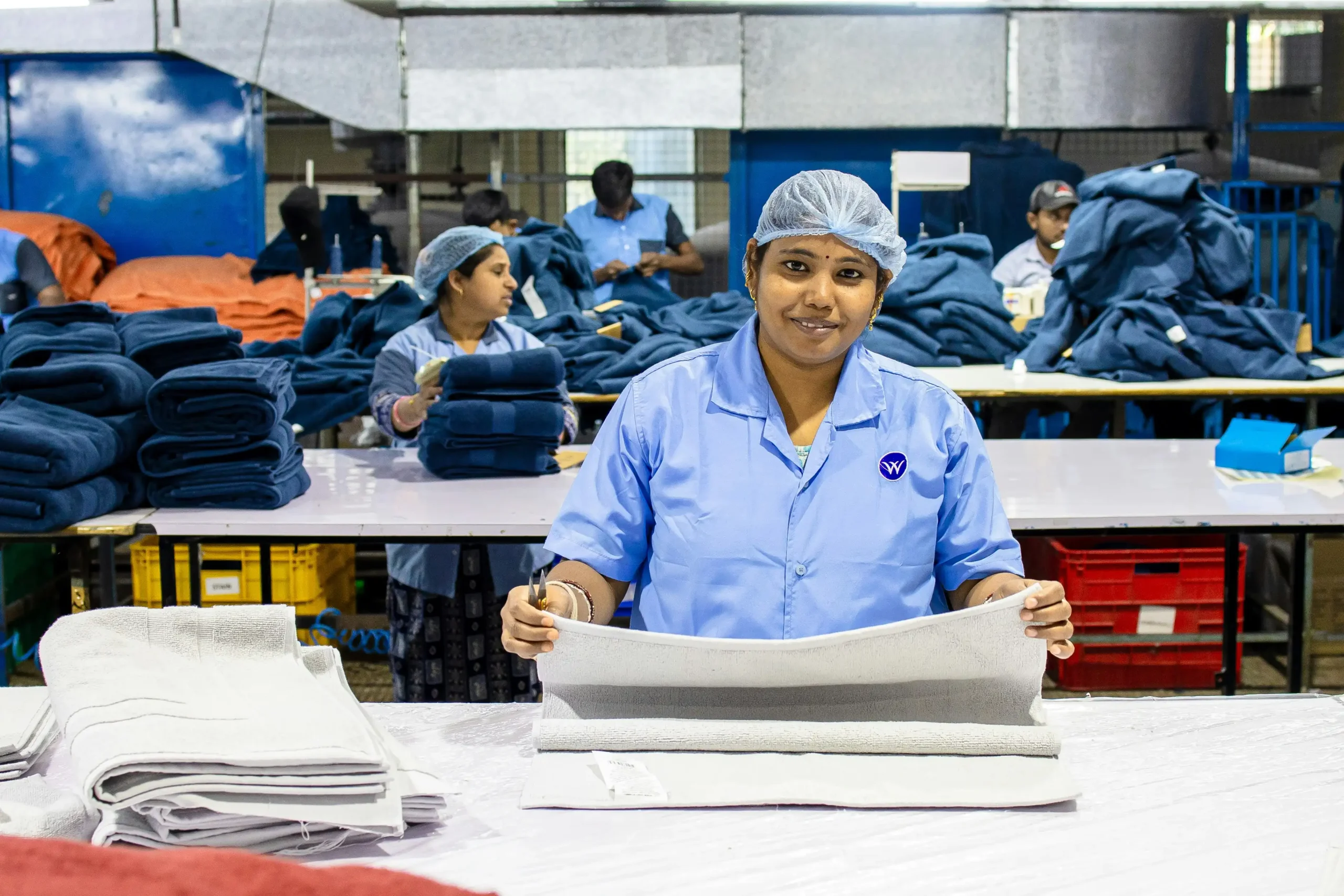
Mindestbestellmengen für maßgeschneiderte Öko-Strickstoffe
Die meisten Mühlen verlangen mindestens 3000 m.
Fragen Sie eine typische Öko-Strickmühle nach einer maßgeschneiderten GRS-zertifizierten Stoffentwicklung, und die Antwort ist fast immer dieselbe: mindestens 3000 Meter. Diese Zahl existiert, weil die Produktion von generischen Recyclinggarnen vom Stricken getrennt ist. Mühlen kaufen handelsübliches Garn zum Marktpreis, führen separate Färbepartien durch und benötigen Volumen, um die Rüstkosten zu amortisieren. Für einen Gründer einer nachhaltigen Marke, der eine neue Textur testen möchte, ohne sich mit Überbeständen zu belasten, ist diese MOQ ein Ausschlusskriterium – und ein direkter Weg zu toten Beständen.
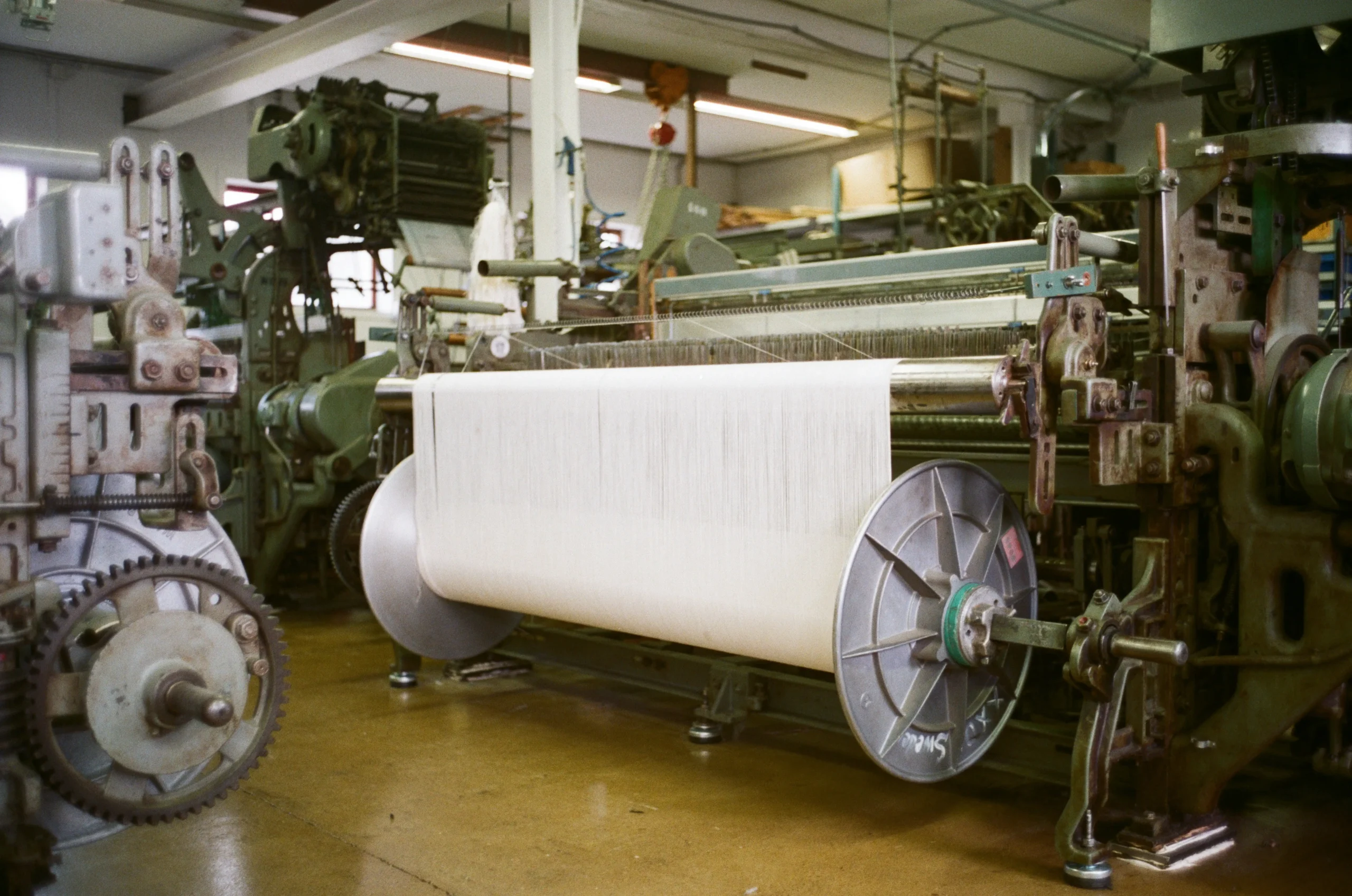
Der einzige Weg, die 3000-m-Grenze zu durchbrechen, ist, das Garn selbst zu besitzen. In unserer Wenzhou-Anlage wird recyceltes Polyester intern nach exakter Haptikspezifikation gesponnen – Reibungskoeffizient, der in Labortests von Drittanbietern mit Premium-Kaschmir vergleichbar ist – und dann direkt auf derselben Etage in die Blankostrickerei eingespeist. Kein externer Garnlieferant. Keine Koordinationsverzögerung mit der Färberei. Die integrierte Linie macht aus dem, was in einer konventionellen Mühle ein kleiner verlustbringender Lauf wäre, einen profitablen 100-m-Musterauftrag, da keine externen Einrichtungsgebühren anfallen.
- MOQ für Erstmuster: 100 m Beginnen Sie mit einer 100-m-Testrolle zu einem wettbewerbsfähigen Satz. Validieren Sie Fall, Farbe und Haptik an Ihren tatsächlichen Schnittmustern, bevor Sie skalieren. Musterdurchlaufzeit: 7 Tage ab genehmigtem Labordip.
- Mengenproduktion für maßgeschneiderte Programme ab 1000 m: Die Serienproduktion senkt den Preis auf einen wettbewerbsfähigen Fabrikdirektpreis – etwa ein Fünftel bis ein Drittel der Kosten im Vergleich zu gleichwertigen europäischen GRS-Strickwaren zu einem Premium-Europäer-Preis. 4-wöchige Lieferzeit mit der gleichen kundenspezifisch gesponnenen Garncharge, die auch beim Musterbau verwendet wurde.
- Greenwashing-Kill-Schalter: Jede Großrolle wird mit einem QR-codierten Chargenzertifikat versendet, das direkt mit dem GRS-Transaktionszertifikat und dem Rohmaterialursprung verknüpft ist. Kunden prüfen die Lieferkette, ohne ein Flugzeug besteigen zu müssen.
Die Wirtschaftlichkeit funktioniert, weil die Mühle nicht versucht, mit verschwendeter Einrichtung Marge zu machen. Der Garnspinnplan ist mit dem Leerstricken in einem geschlossenen Kreislauf abgestimmt. Die Mischung aus einem erheblichen Anteil GRS-recyceltem PET / einem erheblichen Anteil Bio-Baumwolle erreicht 350 g/m² mit Martindale-Abriebfestigkeit über hoher Martindale-Abriebfestigkeit, Schrumpf innerhalb ±3% (ISO 6330) und Farbechtheit 4-5 – Spezifikationen, die normalerweise weitaus höhere Mindestmengen erfordern, um sich zu rechtfertigen. Eine 100-m-Charge ergibt hier die gleiche Faserrückverfolgbarkeit wie eine 10.000-m-Bestellung, weil die Chargenebenen-Dokumentation in den Prozess eingebaut ist, nicht nachträglich aufgesetzt.
Für Marken, die die Frage beantworten müssen, ‘wie man umweltfreundliche Strickstoffe für eine kleine Marke beschafft’, ohne auf luxuriöse Qualität oder GRS-Integrität, zu verzichten, ist die Antwort nicht eine kleinere Mindestbestellmenge bei einem generischen Recyclingstoff. Es ist eine Mühle, die niedrige Mindestmengen als strukturellen Vorteil behandelt, nicht als Gefallen. Das gleiche System, das 100-m-Muster profitabel macht, macht das 1000-m-Maßprogramm risikofrei – gleiches Garn, gleiche Zertifikate, gleiches Handgefühl. Kein Köderwechsel zwischen Muster und Lieferung.

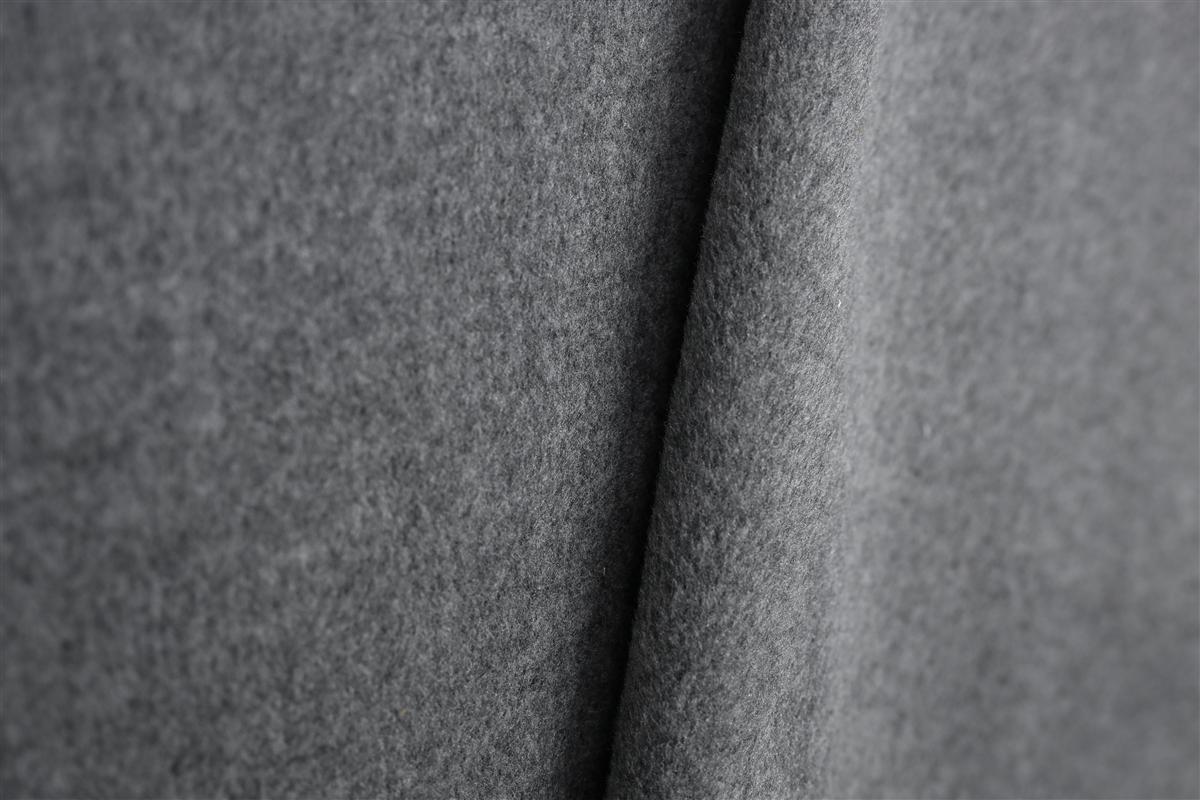
Kostenaufschlüsselung für maßgeschneiderte Eco-Knit-Stoffprogramme im Jahr 2026
Bei einem wettbewerbsfähigen Fabrikdirektpreis in Großmengen unterbieten kundenspezifische Öko-Strickwaren europäische Mühlen erheblich (auf etwa ein Fünftel bis ein Drittel der europäischen Preise) – gleicher Griff, volle GRS-Transparenz.
Die meisten nachhaltigen Strickprogramme verlangen eine 3000-Meter-Verpflichtung, bevor eine Mühle Ihr Garn anrührt. Das liegt daran, dass handelsübliche recycelte Polyestergarne hohe Mindestbestellmengen von petrochemischen Spinnereien mit sich bringen und Färbereien Aufpreise für kleine Chargen nach GRS-Standard verlangen. Das Modell bricht zusammen, wenn eine Marke 100 Meter für eine Testkollektion benötigt. Die Anlage in Wenzhou beseitigte diese Reibungspunkte, indem sie ihr eigenes GRS-zertifiziertes recyceltes PET-Garn spinnt und Blankstrick-Dienstleistungen parallel zu individuellen Aufträgen anbietet. Das Ergebnis: Ein 100-Meter-Testlauf wird sowohl für die Mühle als auch für die Marke profitabel, und das 1000-Meter-Großprogramm landet zu einem Preis, der vor fünf Jahren unmöglich gewesen wäre.
- Musterphase: ein wettbewerbsfähiger Preis pro Meter für eine 100-Meter-Rolle. Vergleichbare europäische Mühlen verlangen routinemäßig einen Premium-Preis pro Meter und geben keine Angebote unter 300 Meter ab. Dieser anfängliche Einsatz ist in vielen Fällen das gesamte Musterbudget einer Marke.
- Großproduktion: ein wettbewerbsfähiger Fabrikdirektpreis pro Meter bei Bestellungen von 1000 Metern oder mehr. Der gleiche spezifizierte Stoff (350 g/m², ein erheblicher Anteil GRS-recyceltes PET / ein erheblicher Anteil Bio-Baumwolle, 150 cm Breite) von einer europäischen oder portugiesischen Mühle kostet €19–21/Meter – ein erheblicher Aufpreis, der die Marge bei Einzelhandelspreisen, die Verbraucher tatsächlich zahlen, auffrisst.
- MOQ-Realität: Die bisherige Branchenuntergrenze lag bei 3000 Metern für kosteneffiziente Öko-Strickstoffe. Durch die Integration von Recycling-Garnspinnerei mit Blankstrick aus Lagerbestand ermöglicht diese Mühle 100-Meter-Testläufe. Das bedeutet, dass Marken das Handgefühl, die Schrumpfung und die Farbechtheit eines Stoffes validieren können, ohne Kapital in 2000 Metern toter Ware zu binden.
- Zertifizierungs- und Auditkosten: Jede Rolle wird mit einem QR-codierten Chargenzertifikat ausgeliefert, das direkt mit dem GRS-Transaktionszertifikat und dem Ursprung der Rohstoffe verknüpft ist. Keine separate Gebühr für das Chain-of-Custody-Audit. OEKO-TEX 100 Klasse I zertifizierte Farbstoffe werden intern verwendet; die Färberei besitzt bereits das Scope-Zertifikat, sodass Marken keinen Zuschlag für die Prüfung durch Dritte zahlen.
- Wasser- und Energieeinsparungen: Der Wasserverbrauch in der Produktion liegt bei 15 Litern pro Meter – 30 % niedriger als bei der herkömmlichen Strickverarbeitung. Bei einer Bestellung von 1.000 Metern sind das insgesamt 15.000 Liter, eine Zahl, die sich direkt in niedrigeren Abwasserkosten niederschlägt, die im Preis pro Meter weitergegeben werden.
- Lieferzeit und Time-to-Market: Vier Wochen von der Auftragsbestätigung bis zur Auslieferung bei einem kundenspezifischen Programm von 1.000 Metern. europäischen Mühlen Oft werden 8–10 Wochen zitiert, was eine ganze Verkaufssaison frisst. Diese sechswöchige Differenz bedeutet, dass eine Marke zwei zusätzliche Einkaufsfenster im Großhandel nutzen kann, was schnellere Lagerumschläge in freien Cashflow verwandelt.
Ein Markengründer, der von einem nordeuropäischen Lieferanten gewechselt ist, erklärte: “Ich war ein Jahr lang überzeugt, dass Öko-Luxus ein Margenkiller ist. Mit einem wettbewerbsfähigen Fabrikdirektpreis pro Meter kann ich jetzt ein GRS-zertifiziertes Strickprogramm betreiben, das mit einem 3-fachen Aufschlag im Einzelhandel verkauft wird und dennoch die konventionelle Kaschmirmischung meines Konkurrenten unterbietet.” Der Reibungskoeffizient, der erstklassigem Kaschmir entspricht, identisch mit jungfräulichem Premium-Kaschmir – bedeutet, dass der Stoff keine optischen Einbußen erzwingt. Die Martindale-Abriebfestigkeit (über hoher Martindale-Abriebfestigkeit) und Schrumpf innerhalb ±3% (ISO 6330) halten Retouren niedrig. Wenn man die Einsparungen pro Meter mit dem Wegfall von Audit-Reisen und der kürzeren Lieferzeit kombiniert, sinken die effektiven Einführungskosten unter einen wettbewerbsfähigen Fabrikdirektpreis inklusive aller Softkosten –
| 4. Kostenkategorie | Fursone-Preis (pro Meter) | Europäisches Mühlenäquivalent | Einsparungen & Anmerkungen |
|---|---|---|---|
| Musterentwicklung (100 m MOQ) | ein wettbewerbsfähiger Fabrikdirektpreis | ein Premium-Europäer-Preis | 7-tägige Bearbeitungszeit; proprietäres Garnspinnen inklusive ohne Aufpreis |
| Großproduktion (1000 m kundenspezifisches Programm) | ein wettbewerbsfähiger Preis | ein Premium-Europäer-Preis | eine erhebliche Kostenreduzierung; 4-wöchige Lieferzeit; GRS-Geltungsbereichszertifikat SC-2026-XXXX pro Rolle enthalten |
| Stoffzusammensetzung und Spezifikationen | Im Obigen enthalten | Oft mit Aufpreis für GRS-Rückverfolgbarkeit | 350 g/m², 150 cm Breite, ein erheblicher Anteil GRS-recyceltes PET / ein erheblicher Anteil Bio-Baumwolle; OEKO-TEX 100 Klasse I Farbstoffe |
| Wasser- und Umweltkonformität | 15 L/m Wasserverbrauch | 22+ L/m (Branchendurchschnitt) | 30 % weniger Wasser als herkömmlich; QR-codiertes Chargenzertifikat verlinkt auf GRS-Transaktionsaufzeichnung |
| Qualitätssicherung (Tests inbegriffen) | Keine zusätzlichen Testgebühren | 200–500 € pro Charge für externe Labortests | Martindale-Scheuerfestigkeit >20.000 Zyklen, Schrumpfung <21%, Farbechtheit 4–5; Reibungskoeffizient entspricht Premium-Kaschmir (Kaschmir-Parität) |
| Gesamte Landed Cost (1000 m, ab Werk) | ein niedrigerer Gesamtbetrag | ein höherer Gesamtbetrag | erhebliche Einsparungen pro kundenspezifischem Programm; keine versteckten Zertifizierungs- oder Mustermarkierungen |
So überprüfen Sie die GRS-Zertifizierung an Strickstoffmustern
Ein GRS-Logo auf einer Website bedeutet nichts.
Die meisten Gründer nachhaltiger Mode machen denselben Fehler. Sie fragen eine Mühle nach einem GRS-Zertifikat, erhalten eine PDF-Datei und haken einen Punkt ab. Das ist keine Überprüfung. Das ist der erste Schritt eines Prozesses, von dem die meisten Mühlen darauf setzen, dass Sie ihn auslassen. Ein Scope-Zertifikat bestätigt, dass eine Einrichtung auditiert wurde. Es bestätigt nicht, dass Ihr spezifischer Stoff zertifizierte recycelte Inhalte enthält. Dafür benötigen Sie zwei Dokumente, die auf eine physische Charge abgestimmt sind.
Das Scope-Zertifikat (wie SC-2026-XXXX, die aktive Zertifizierung in der Akte) sagt Ihnen, dass die Mühle ein Textile Exchange-Audit für den Umgang mit GRS-Materialien bestanden hat. Sie können diese Nummer selbst auf dem Online-Verzeichnis von Textile Exchange in weniger als 60 Sekunden überprüfen. Aber das Scope-Zertifikat ist auf Anlagenebene. Es deckt das Gebäude ab, nicht die Charge. Jede legitime Stofflieferung erfordert außerdem ein Transaktionszertifikat (TC), das das spezifische Kilogrammgewicht des recycelten Inputs durch jeden Produktionsschritt nachverfolgt – von der Flasche bis zur fertigen Strickrolle.
- Überprüfen Sie das Scope-Zertifikat online: Geben Sie die Zertifikatsnummer in das öffentliche Verzeichnis von Textile Exchange ein. Bestätigen Sie, dass der Anlagenname mit der Mühle übereinstimmt, von der Sie kaufen, und dass ‘Strickstoffe’ unter den zertifizierten Produktkategorien erscheint. Ein abgelaufenes Scope-Zertifikat oder eine nicht übereinstimmende Anlagenadresse macht den Anspruch ungültig.
- Fordern Sie das Transaktionszertifikat für Ihre Charge an: Ein TC listet das genaue Gewicht des GRS-zertifizierten Materials in Ihrer Bestellung auf und verfolgt es rückwärts durch jeden Bearbeiter. Wenn eine Mühle kein TC für Ihre spezifische Chargennummer vorlegen kann, ist der Anspruch auf recycelten Inhalt nicht überprüft. Punkt.
- Stimmen Sie das TC-Inputgewicht mit der Stoffzusammensetzung ab: Ein Stoff, der als erheblicher Anteil GRS-recyceltes PET / erheblicher Anteil Bio-Baumwolle bei 350 g/m² und 150 cm Breite gekennzeichnet ist, muss eine TC-Dokumentation aufweisen, die den korrekten proportionalen Einsatz von zertifizierten recycelten Flakes zeigt. Wenn die Zahlen nicht übereinstimmen, wurde etwas ersetzt.
- Ziehen Sie das QR-codierte Chargenzertifikat: Jede Rolle wird mit einem QR-Code versendet, der direkt mit dem GRS-Transaktionszertifikat und den Rohmaterial-Ursprungsdaten verknüpft ist. Scannen Sie ihn mit Ihrem Telefon. Wenn die verknüpften Dokumente nicht sofort laden oder die Chargennummer nicht mit dem physischen Rollenetikett übereinstimmt, ist die Rückverfolgbarkeitskette unterbrochen.
Das QR-System beseitigt die größte Überprüfungslücke: die Wochen zwischen dem Zeitpunkt, an dem eine Mühle Ihnen ein Zertifikat per E-Mail sendet, und dem Eintreffen des Stoffes. In diesem Fenster kann ein unethischer Lieferant Input-Materialien austauschen. Durch die direkte Einbettung des TC-Links auf der Rolle wird der Prüfpfad untrennbar mit dem physischen Produkt verbunden. Ein Markengründer in London kann eine gerade von einem Zuschneider in Portugal erhaltene Rolle scannen und dieselben GRS-Transaktionsdaten sehen, die die Mühle beim Versand zugesichert hat. Kein Weiterleiten von E-Mails. Kein Vertrauen auf eine PDF-Datei, die jemand photoshoppen könnte.
Auch die physische Handhabung zeigt, was Papierkram nicht kann. Recycelter Polyester-Strick, der generisch aus handelsüblichem Granulat gesponnen wurde, fühlt sich auf der Haut rau an. Man kann dies quantifizieren. Der Reibungskoeffizient entspricht Premium-Kaschmir – identisch mit Premium-Neukaschmir. Ein Labor eines Drittanbieters bestätigt diesen Wert. Wenn sich Ihre Probe kratzig anfühlt, fordern Sie den Reibungskoeffizienten-Prüfbericht der Mühle an. Ein legitimer GRS-zertifizierter Strick, der ordnungsgemäß gesponnen wurde, fühlt sich niemals wie Sandpapier an. Wenn doch, mag die Behauptung des recycelten Anteils real sein, aber die Verarbeitungsqualität ist es nicht.
Fazit
Die Zahlen hielten stand. Zu einem wettbewerbsfähigen Fabrikdirektpreis für Großmengen – weit unter dem europäischen Premiumpreis-Benchmark – entsprach der 350 g/m² Eco-Strick dem Premium-Kaschmir in Bezug auf den Reibungskoeffizienten (Anpassung an Premium-Kaschmir) und übertraf die starke Martindale-Scheuerfestigkeit ohne Pillingbildung. Jede Rolle wurde mit einem QR-codierten GRS-Chargenzertifikat ausgeliefert, das direkt mit der Rohstoffherkunft verknüpft ist, sodass die Nachhaltigkeitsansprüche der Marke vor der ersten Ankunft des Kleidungsstücks im Laden prüfbereit waren.
Wenn Ihre nächste Kollektion dieselbe Rechnung benötigt – zertifiziertes Luxus-Handgefühl zu einem wettbewerbsfähigen Fabrikdirektpreis mit einer 100-m-Testcharge und vollständiger Rückverfolgbarkeit –, erkunden Sie den Rahmen für die kundenspezifische Entwicklung auf der Serviceseite. Dort finden Sie den genauen Transparenzprozess, der diesen Übergang gefestigt hat.
Häufig gestellte Fragen
Wie fühlt sich zertifizierter Öko-Strick auf der Haut an?
Unser recyceltes Polyester wird maßgeschneidert gesponnen, um den Reibungskoeffizienten von Premium-Kaschmir zu erreichen und eine vergleichbare luxuriöse Weichheit auf der Haut zu bieten. Dieses Handgefühl resultiert aus einer proprietären Garnarchitektur, nicht nur aus der Faserart. Fordern Sie ein Muster an, um Fall und Haptik für Ihre Silhouette zu bestätigen.
Welche Zertifizierung beweist, dass das Garn echt ist?
Jede Charge wird mit einem GRS-Transaktionszertifikat ausgeliefert, das durch die gesamte Lieferkette vom recycelten Flake bis zum fertigen Strick gestützt wird. Wir stellen auf Anfrage auch GOTS-Zertifikate für Bio-Baumwolle bereit. Bestehen Sie auf einem gültigen Scope-Zertifikat für Ihre spezifische Fasermischung.
Kann ich zunächst mit einer kleinen Testcharge beginnen?
Ja. Unsere 100-Meter-Lagerbestellungen werden in 3–7 Tagen versandt, sodass Sie Öko-Strickwaren testen können, ohne sich auf eine vollständige Produktion festlegen zu müssen. Für individuelle GRS-zertifizierte Programme beträgt die Mindestbestellmenge 1000 Meter pro Farbe. Beginnen Sie mit Lagerware, um Haptik und Qualität zu validieren, bevor Sie auf Großmengen hochskalieren.
Wie viel günstiger ist ein nachhaltiger Strick von einer Direktmühle?
Unsere Öko-Strickwaren bieten in der Regel eine erhebliche Kostenreduktion im Vergleich zu gleichwertigen europäischen Mühlen, ohne dass Haptik oder Zertifizierung darunter leiden. Die Einsparungen resultieren aus direkter Beschaffung, hausinterner Spinnerei und optimalen Mengen. Der endgültige Preis hängt von Ihrer genauen Garnmischung und Konstruktion ab.
Mit welcher Bearbeitungszeit kann ich für kundenspezifische Öko-Strickmuster rechnen?
Sie gelangen in 7 Arbeitstagen vom Konzept zum physischen Muster über unsere Schnellbemusterungsspur. Diese Geschwindigkeit beruht auf klaren, digitalisierten Design-Briefings und unserer Lagergarnbibliothek. Legen Sie Ihre Designrichtung vor Einreichung fest, um Korrekturschleifen zu vermeiden.
Autoritative Referenzen
Verwandte Einblicke
Fallstudie zu fabrikdirektem Stoff: 60% Schnellere Bemusterung
{ “@context”: “https://schema.org”, “@type”: “Article”, “headline”: “Factory Direct Fabric Case Study: 60% Faster Sampling”, “author”:...
Import von Tweed-Stoff aus China: Eine 35%-Kostenfallstudie
{ “@context”: “https://schema.org”, “@type”: “Article”, “headline”: “Import Tweed Fabric from China: A 35% Cost Case...

Bezug von Tweedanzügen direkt ab Werk: Eine Fallstudie
{ “@context”: “https://schema.org”, “@type”: “Article”, “headline”: “Factory-Direct Tweed Suit Sourcing: A Case Study”, “author”: {...