A coat that comes back from the dry cleaner with a flattened finish and a changed length is usually two effects with two causes, and the mill’s finishing route is the place to look before the cleaning is blamed. What the mill should have supplied with the bulk is a care and finishing specification for that cloth: the finishing route it went through, what the surface finish is sensitive to, whether it was sponged or decanted, and what the acceptable cleaning method is. Then the garment maker can test the actual cloth through the actual cleaning process before the bulk is cut, instead of discovering the answer on delivered garments.
Two effects, and they are not the same problem
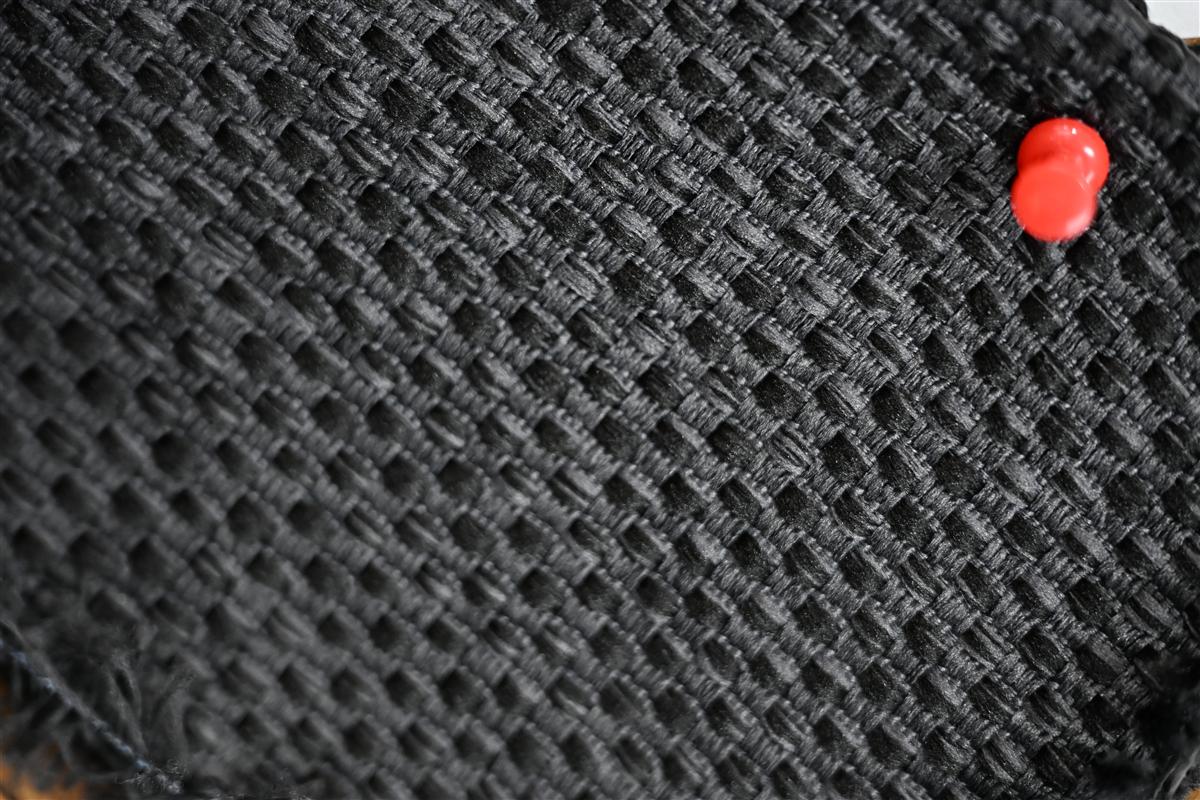
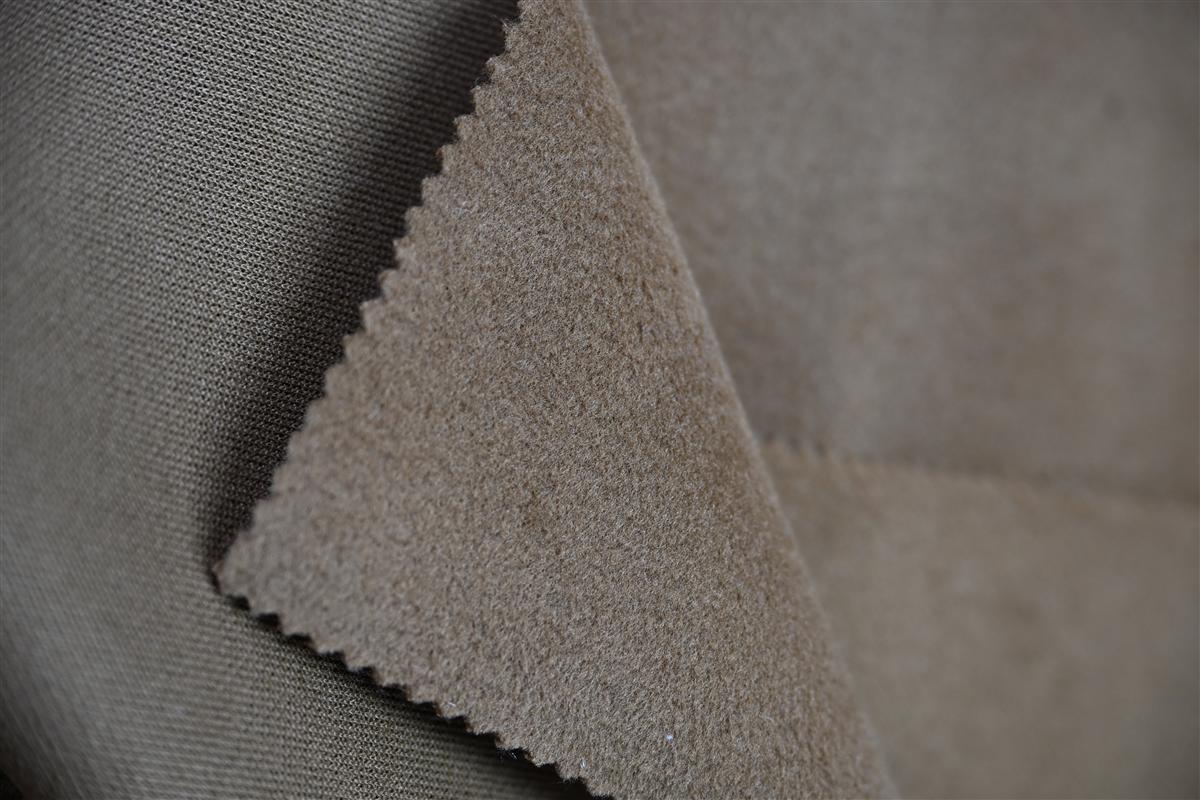
The flattened finish is a surface effect. A woollen or brushed tweed carries a raised, directional surface that was created by a finishing process, and a solvent cleaning cycle can lay that nap down, mat it, or strip a dressing that gave the cloth its hand. Whether the finish recovers depends on what it is: a mechanically raised nap can often be brought back by steaming and brushing, while a surface that relies on a chemical finish may not recover at all if the solvent dissolved it.
The changed length is a dimensional effect, and it is the more serious of the two because it does not come back. Dry cleaning involves solvent, mechanical action and heat, and the cloth can relax, shrink or grow relative to its pair, which is the same family of behaviour described in the note on relaxation and pressing shrinkage. When one coat moved and its pair did not, the cloth and the making-up are both suspects: two garments from the same roll can be cut from pieces that were pressed differently, and the difference appears only after the first full cleaning cycle.
What the mill should have sent with the cloth
Four documents make the cleaning question answerable before the garments exist. The finishing route, naming the processes the cloth went through, from scouring to the final steam, because the cleaning behaviour is a consequence of that route. The surface or dressing specification, naming what the nap is and what it is sensitive to, including whether a solvent will remove it. The dimensional data at the finishing stage, in the form that suits a cleaner: what the cloth does when relaxed, steamed and pressed, rather than a single shrinkage figure. And the care recommendation, in the language of the destination market, which is what the label will eventually carry.
On the mill’s side of the conversation, the useful question is not “should we dry clean it” but “what happens to this finish and this dimension in the cleaning process this market uses”. A mill that answers with the finishing route and a test result has given the buyer something to work with; a mill that answers that the cloth was never meant to be cleaned that way has described a problem rather than solved one.
Test the finished garment, not the swatch
Cleaning tests on a loose swatch understate the problem, because the effects that matter appear in the made-up garment: seams, interlinings and the pressing that follows cleaning all contribute. The practical test is one finished piece, made from the actual bulk cloth, put through the actual method a customer would use, and judged on two criteria: whatever surface change occurred, and any dimensional change measured against the pattern. That is the same discipline that governs fabric care generally, applied once at the beginning of a programme rather than after the first complaint.
Two details make the test useful. It should be run by the garment maker, since they control the making-up, and it should be documented with the before and after photographs and the measurements, so that the mill’s records and the maker’s records agree about what was tested. Where the cloth fails the test, the decision is not a cleaning instruction; it is a finishing change, which is a mill decision made before the bulk rather than a customer service remedy afterwards.
The care label, and who owns it
The care label is the buyer’s document, prepared from the mill’s recommendation but owned by whoever sells the garment, which is why the mill’s input has to be a specification rather than a suggestion. Three decisions belong on it: the cleaning method the cloth is designed for, the method it tolerates without the surface changing, and what a customer should not do. A coat label that says only “dry clean” has told the customer the legal minimum and left the brand carrying the difference between one cleaner and another.
Where a market requires the cleaning method to be stated, the wording is usually prescribed, and the safest route is to have the phrasing checked against the destination market’s requirements rather than writing it from memory. What the mill can contribute is the technical part: the solvent families that are acceptable, the temperature limits that matter, and whether the cloth must be re-pressed on a particular form after cleaning to restore its shape.
What the cleaning process does to a wool cloth
A dry cleaning cycle is not a gentle operation: the cloth is tumbled in solvent, spun, and then dried with warm air, and the whole sequence is repeated before pressing. For a woollen tweed that means mechanical action on a raised surface, solvent contact with whatever finish the mill applied, and a thermal cycle that can relax the cloth in the same way steam does. Three consequences follow, and they appear in a predictable order: the surface flattens first, the cloth relaxes second, and the pressing afterwards sets both.
Where the mill knows the cloth is destined for garments that will be cleaned rather than washed, the finishing route can be chosen with that in mind, which is why the conversation belongs at the sampling stage rather than at the first complaint. A finish that survives a water-based wash may behave differently in solvent, and the reverse is equally common, so the mill’s recommendation has to name the cleaning method rather than state that the cloth is finished.
Restoring what came back, without making it worse
Where garments have already come back changed, the first step is an assessment rather than a remedy: measure the affected garments against their pattern, record the surface change with a low-angle photograph, and separate the ones that changed in dimension from the ones that only lost their finish. Then take the cheapest route that can work. Surface flattening is often recoverable by re-steaming and brushing the piece on a form, which is a making-up operation rather than a cleaning one. A dimensional change cannot be unpicked, and the options are to sell the piece as a different size, to remake it, or to accept it with a documented credit, which is a commercial decision that should be taken with the size range in view rather than garment by garment.
What should not happen is a second cleaning cycle to fix the first. Re-cleaning adds another mechanical and thermal cycle to a cloth that has already moved once, and it converts a recoverable surface problem into a dimensional one.
Who pays, when the answer is not obvious
Where a cleaning fault surfaces after delivery, the responsibility question is decided by evidence rather than by argument. If the cloth was tested at sampling and passed, and the production garments failed, the difference lies in the making-up or in the cleaner’s process, and the maker’s test record is what distinguishes them. If the cloth was never tested, the mill’s specification is the only document in play and the conversation becomes a negotiation about how much of the failure each party absorbs. And where the finish was changed after the sample was approved, the change itself, rather than the cleaning, is the cause.
That is why the test is worth doing even when the cloth looks unproblematic in a swatch. It converts a later dispute into a comparison with a dated result, and it gives the mill a reason to look at its finishing route before the bulk is woven rather than after the coats are in the shop.
What to write into the order
Five lines. The finishing route, in writing, as part of the order’s technical documentation rather than a footnote on a delivery note. The care recommendation for the destination market, with the mill’s technical advice on acceptable cleaning methods. The cleaning test on a made-up piece from the bulk, before cutting, with the results recorded. The dimensional data at the finishing stage, in the form a cleaner’s process can be compared against. And the responsibility line: the mill provides the finishing and the specification, the maker runs the test, and the brand owns the label.
None of that removes the risk entirely, since cleaning processes vary between shops and markets. It does mean that the first time the question is asked is a test piece rather than a delivered coat, and that whichever way the answer goes, the responsibility for the finish sits with the party that chose it and documented it.
Verwandte Einblicke
Shrink vs Stretch Returns: Separating Cloth From Care
A shrink-versus-stretch attribution is a controlled comparison that separates cloth change from care change on...
Lab Dip Close to Pantone: What to Sign Before Bulk Dye
A lab dip approval is a signed colour standard that freezes dye recipe, substrate, illuminant,...
Merino Is Not a Fibre Name: Labelling a Wool Coat for Two Markets
A wool coat sold in both markets needs two different fibre lines, and the words...