

Key Takeaway
The quoted price is the headline; the landed number hides 1-3% in wire chains, FX spreads and duty-valuation rates. Four fee sources, one alignment page.
Currency and payment fees quietly move the real price of imported fabric by one to three percent, which is enough to erase the margin a buyer negotiated over three emails. The quoted unit price is only the headline; the landed number depends on which currency the invoice is issued in, who absorbs the transfer chain’s fees, when the rate is locked, and how duty valuation treats the exchange. This article walks through the four fee sources, what each one typically costs, and the sequencing that keeps them from compounding.
Las cotizaciones de tejidos de las fábricas chinas suelen emitirse en USD, y los mecanismos de pago que hay detrás se detallan término por término en nuestro guía de condiciones de pago T/T y L/C. Aquí el foco está en la capa que los compradores suelen descubrir después de firmar: los costes de divisa y de transferencia que se sitúan entre la cotización y la transferencia bancaria.
Los cuatro puntos donde se fuga el dinero
| Fee source | Mecanismo | Typical cost range | Quién lo controla |
|---|---|---|---|
| Transfer chain | Los bancos corresponsales se llevan comisiones en las transferencias transfronterizas | Fijo por etapa, a menudo USD 15-50 cada una, 1-3 etapas | División según el acuerdo entre pagador y beneficiario |
| FX spread | El banco convierte al tipo minorista, no al tipo medio de mercado | 0,3 %-2 % del importe convertido | Buyer’s bank choice |
| Timing drift | El tipo varía entre la cotización, el anticipo y el saldo | Sin límite; habitualmente oscilaciones del 1-2 % por trimestre | Compartido; se soluciona con cobertura a plazo |
| Duty valuation | La aduana convierte la divisa de la factura según su propio tipo periódico | Cero si la valoración coincide; penalizaciones si no | Importer’s paperwork |
The transfer chain is the most avoidable: a wire routed through two correspondent banks costs two hops of fees, and the industry’s standard fix is to state on the proforma invoice who bears which charges, using the OUR/SHA/BEN instruction codes. Mills that quote “net to beneficiary” are pushing all hops to the buyer; buyers who push back to SHA with a defined split usually land within one hop either way, which is why the split belongs in the order confirmation, not in the wire instructions on payment day.
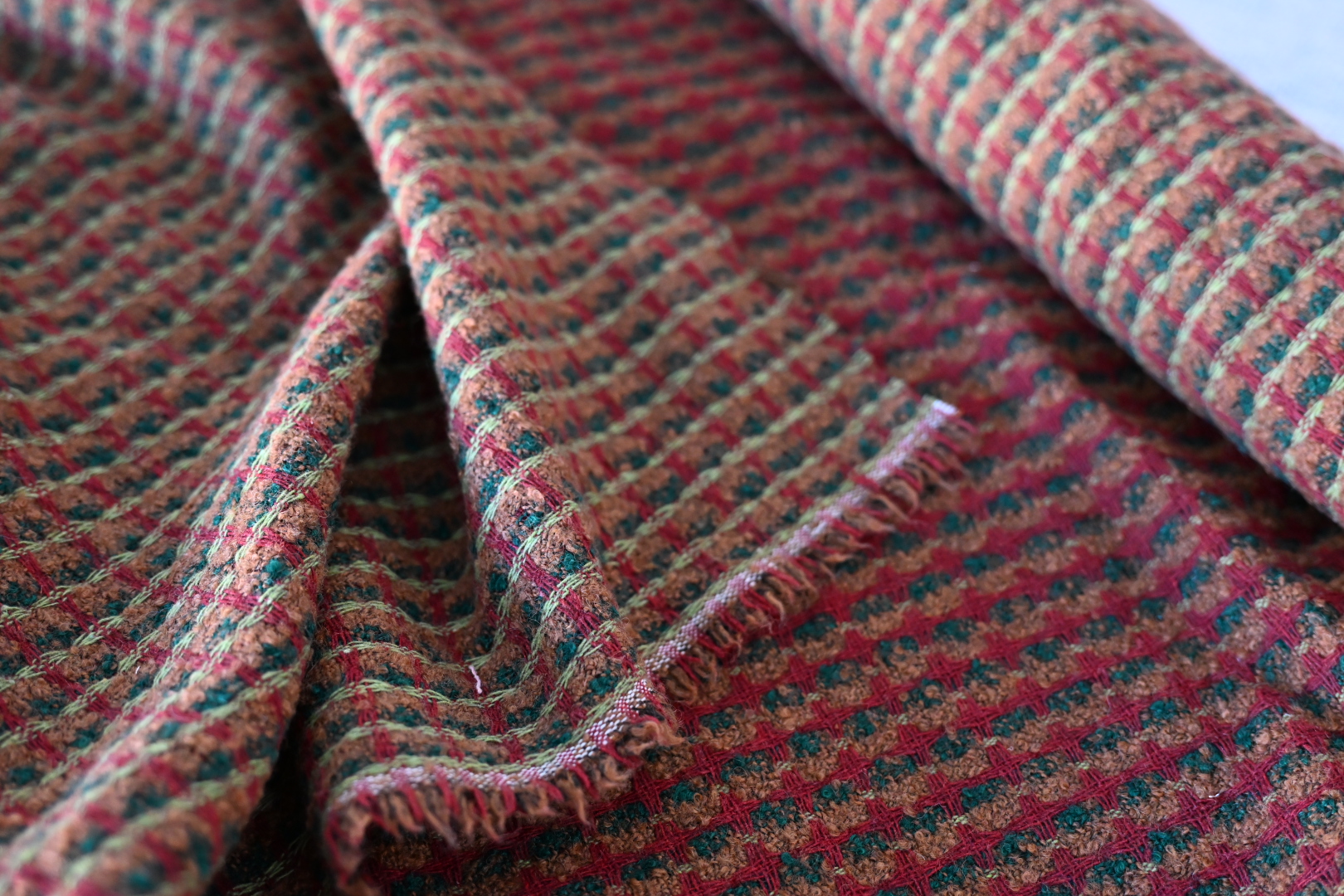
Momento del tipo de cambio: cuando la cotización deja de ser el precio
A USD quote removes most currency risk for the buyer and hands it to the mill, which is why USD quotes occasionally carry a small premium or an expiry date. When a buyer’s home currency is not USD, two conversions still happen: local bank to USD for the wire, and USD to RMB on the mill’s side. The buyer controls the first and can manage it with a forward contract through their own bank if the program is large enough for the spread to matter; the second belongs to the mill and is already priced in. What neither side can manage is drift between the deposit and the balance on a long lead-time order, which is why quotes should carry a validity window, and why orders with long gaps between deposit and shipment sometimes carry a re-confirmation step.
US-bound programs have an extra wrinkle: duty is calculated on the converted value using Customs’ own exchange rates, which CBP publishes periodically rather than taking the invoice rate, and importers who reconcile their entries against those published rates avoid the small mismatches that trigger exams. The basics of import valuation and entry documentation sit on US Customs and Border Protection’s trade pages, y el apartado arancelario de la clasificación de tejidos es un tema aparte en nuestras guías de aprovisionamiento.
Secuenciar la documentación para que los gastos no se acumulen
El efecto acumulativo se produce cuando cada fuente de cargos la decide un documento distinto en un momento distinto. La solución es una página de alineación en la confirmación del pedido: divisa de la factura y vencimiento, código de reparto de cargos, cuenta del beneficiario verificada contra una carta bancaria firmada, fechas de anticipo y saldo, y la divisa de valoración arancelaria anotada para el agente de aduanas. Los compradores que preparan esta página antes de la transferencia del anticipo refieren dos efectos prácticos: menos transferencias devueltas o retenidas, y una hoja de coste total que por fin cuadra con las cotizaciones, porque cada punto porcentual añadido tiene ahora un responsable y una cifra. La misma disciplina se extiende a cómo interactúan las cantidades y las condiciones con el flujo de caja, tema que tratamos en el guía de pedidos en serie y negociación del MOQ, y las comparaciones de precio unitario entre proveedores solo se mantienen honestas cuando todas las cotizaciones se convierten el mismo día y con la misma base, como en nuestro guía de conversión de yardas a metros muestra las unidades de medida.

Vídeo: la fábrica asociada detrás de la factura
A look at the mill’s tweed program, the production side of every invoice discussed above: what the money pays for, from yarn to finished rolls on the packing floor.
Preguntas frecuentes
¿Debería pedir a la fábrica que cotice en mi moneda nacional?
Usually not. Most mills price inputs in USD or RMB and will pad a conversion risk premium for exotic currencies. A USD quote plus your own bank’s conversion is normally cheaper than a padded quote.
¿Quién debe correr con los gastos de la transferencia bancaria?
Whatever you agree, write it on the proforma with the OUR/SHA/BEN code. The common split is SHA with each side covering its own bank; “net to beneficiary” quietly adds one to two percent to the landed cost.
¿Cómo puedo proteger un pedido de gran volumen frente a las fluctuaciones de divisas?
Establezca un plazo de validez en la cotización y, para programas grandes, consulte a su banco sobre la cobertura a plazo por su parte de la conversión. Las fábricas gestionan su parte en RMB por sí mismas.
¿Afecta el tipo de cambio de mi factura a los aranceles?
No directamente. La aduana aplica el tipo de cambio periódico que publica, así que concilie su declaración de entrada con ese tipo en lugar de dar por hecho que se mantiene el de la factura.
See also our demoras y detenciones en contenedores de tejidos.

Perspectivas relacionadas

Short Size Runs Before Seal: Ratio Audit, Carton Marks, Claim Clock
Short-shipped size runs that force day-one markdowns are a size-ratio and carton-marking failure you can...

Care Labels Shrink and Twist: Substrate, Sew Method, Wash Flatness
Care labels that shrink and twist after the first wash on lined coats are a...

Same Yarn Lot Six Weeks Later: Lot Proof, Shade Band, Idle Gate
A mill that quotes “same yarn lot” for a 100-metre reorder six weeks later is...