

A UK outerwear brand came to us with a pilling problem wearing a quality-gate costume: their previous bulk lot of a tweed-look knit had passed a lab report showing grade 3 pilling, met the letter of the contract, and still triggered returns from customers who saw fuzz balls across their sleeves after a month of commuting wear. The brand’s next order carried a new acceptance line, grade 4 minimum on bulk, and asked whether any mill could hold it on a textured knit at production volume. The bulk run that followed is a useful case in what actually moves a pilling grade, because the answer was not one change but four, made in a specific order.
What a Grade Demands Before Anyone Touches a Loom
Pilling grades come from standardized rub testing, not opinion. The Martindale family of methods, specified in standards such as BS EN ISO 12945-2, rubs fabric specimens under controlled pressure for fixed cycle counts and grades the surface against photographic scales; grade 4 means only slight surface change visible at the assessment interval. The first discipline is naming the method, the cycles and the grade in the contract. “Good pilling resistance” cannot be breached; “grade 4 minimum at 7,000 cycles, assessed per the named method” can, and that is what makes it enforceable.
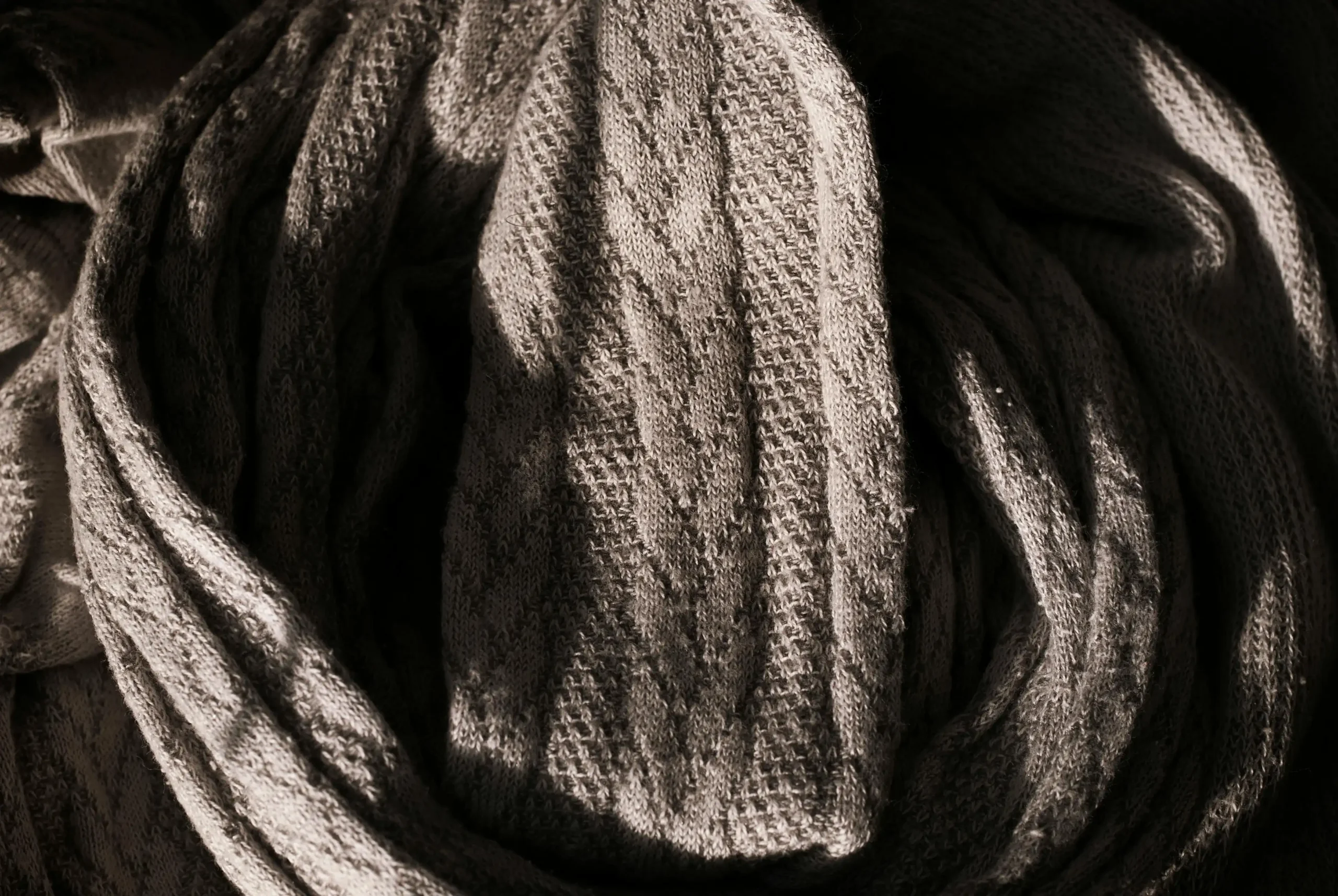
For a textured knit, the target is harder than it sounds. Loop and boucle surfaces carry more fiber standing off the cloth than flat knits, so every grading decision happens against a background of intentional texture. So the mill and the brand agreed the grade would be assessed on the fabric’s own reference photos at each interval, texture preserved, fuzzing measured above it.
Change One: The Yarn, Not the Finishing
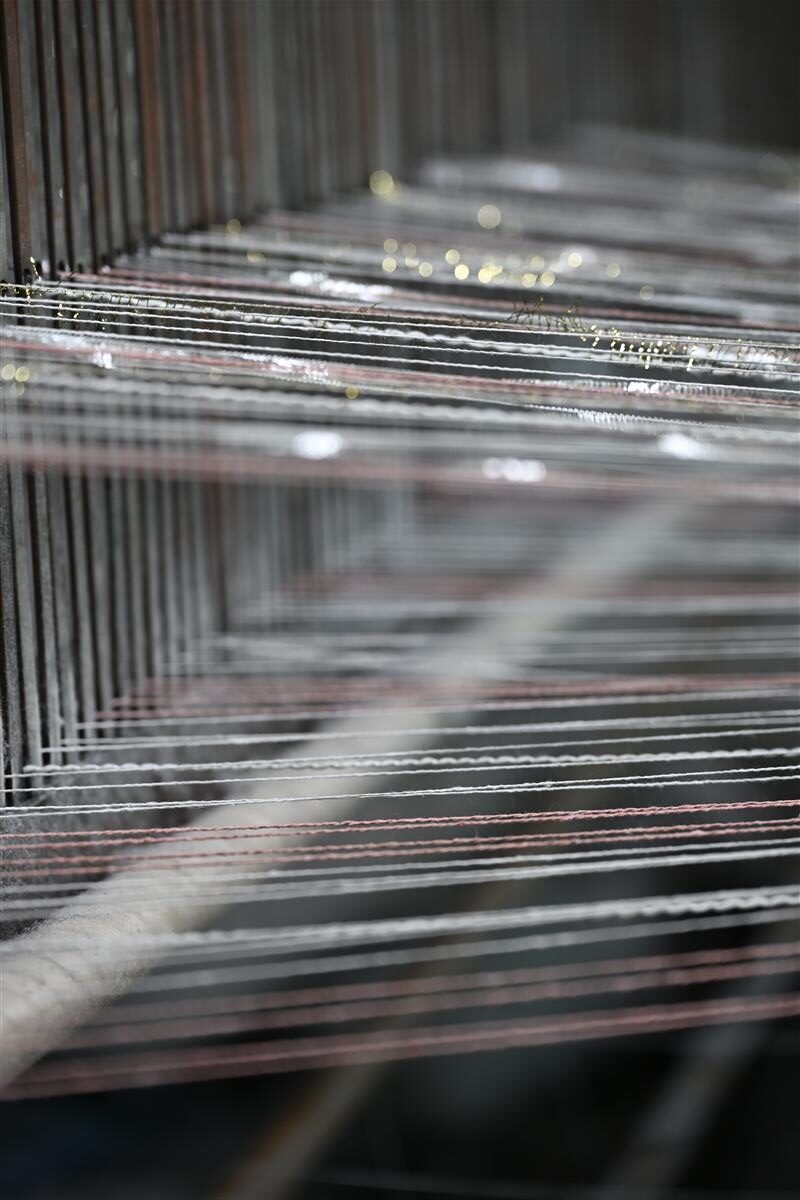
The previous lot used a soft-spun effect yarn that gave the tweed look and shed fibers under abrasion. The fix started at twist: raising the twist on both the effect and binder yarns locks short fibers into the structure, trading a small amount of loft for surface stability. Fiber choice moved the same direction, from a shorter-staple blend component to a longer-staple wool-rich composition. The earlier lot had been “improved” with a chemical anti-pilling finish; that layer washes thin across home laundering, which is exactly why the returns curve steepened after week three. Finishes decay, twist does not. Our technical note on twist, ply and pilling covers the mechanics; in this run the twist change alone moved lab results from grade 3 toward grade 3-4 on first trials.
Change Two: Knit Structure That Hides Less Fiber
The second change was structural. The original construction floated the effect yarn on the face for maximum texture; the revised structure anchored the same effect yarn more frequently, shortening the spans that could lift. Loop height came down by a fraction of a millimeter, invisible on the garment but decisive under a rub head. This is the change brands rarely see quoted because it lives in the knit spec: identical look across a swatch book, different fiber-retention geometry underneath. Sampling compared three anchor densities before locking one, and the mid-density sample won: grade 3-4 on early trials with the texture still reading as premium at arm’s length.
Change Three: Finishing, Gently
The third change removed more than it added. Shearing, which the previous supplier used to clean the surface, actually shortened fiber ends and seeded future pills; the revised finishing plan replaced it with a low-agitation wash and a stabilized drying profile that relaxed the fabric without roughing the surface. Each candidate finishing recipe went through the same rub test before the bulk run, and the winning recipe carried forward as a locked parameter: same method, same cycles, on every subsequent lot, so batch two is judged against batch one rather than renegotiated each season.
Change Four: Verification on Bulk, Not Just Lab Knits
Laboratory knitting frames predict bulk imperfectly; tension and humidity differ on production machines. So the run was gated in two stages. First, fabric from the first production hour went to the lab alongside the retained lab-knit reference, and the two had to agree before the run continued. Second, rolls from the start, middle and end of the lot were tested, because twist and tension drift across a long run. The lot cleared grade 4 at the agreed cycles on all three checkpoints, and the test reports shipped with the fabric, roll numbers attached, so the brand’s QA team could tie any future claim to a specific roll and method. Batch acceptance runs on the same documents mill-side, alongside the blend verification described in our blend ratio verification guide and the mill test report explainer covering what an MTR actually certifies.
What Transfers to Your Program
The sequence matters more than the specifics. Grade targets fail when mills try to buy them with finishes; they hold when twist, fiber and structure do the work and finishing stays gentle. Spec the method, cycles and grade; sample the yarn and structure before the finish; verify on bulk with mid-run checkpoints; and file reports against roll numbers. A brand following that order, on a programa de fabricación personalizada that keeps these parameters locked lot to lot, can push a textured knit to grade 4 in bulk, and the conversation with its own customers changes from apology to specification.
Preguntas frecuentes
Is grade 4 realistic on boucle and loop knits?
Yes, with the work done in yarn and structure. The intentional texture is measured against the fabric’s own reference at the assessment interval, so the loop look is preserved while fuzzing above it is graded.
Why did the anti-pilling finish stop working after a few washes?
Chemical finishes sit on the surface and thin with laundering, which matches the returns curve steepening in week three. Twist, staple length and knit geometry are wash-stable; finishes are consumables.
How many samples should a pilling-critical program test?
Three: the yarn and structure candidates at sampling, the approved lab knit against first production output, and start-middle-end rolls of every bulk lot. Reports go against roll numbers.
Does raising twist change the fabric hand?
Slightly: loft drops and the surface firms. Sampling across twist levels with the brand on handfeel is how the balance point is found, and it usually costs less loft than buyers fear.
Send your pilling target, cycles and construction to info@fursone.com or WhatsApp +86 134 5607 1339, and our lab will return a sampling plan that tests yarn, structure and finish in the right order.

Perspectivas relacionadas
Case Study: Startup Brand’s Two-Phase MOQ Strategy: Stock First, Custom Later
A two-person womenswear label came to our desk last year with a collection pinned on...
Case Study: Startup Brand’s Two-Phase MOQ Strategy: Stock First, Custom Later
The most expensive mistake a startup fabric buyer makes is ordering custom fabric for a...
Case Study: Home Textile Brand Trials Tweed for Cushion Covers
When a home textile brand thinks about tweed, outdoor coats usually come to mind first....