

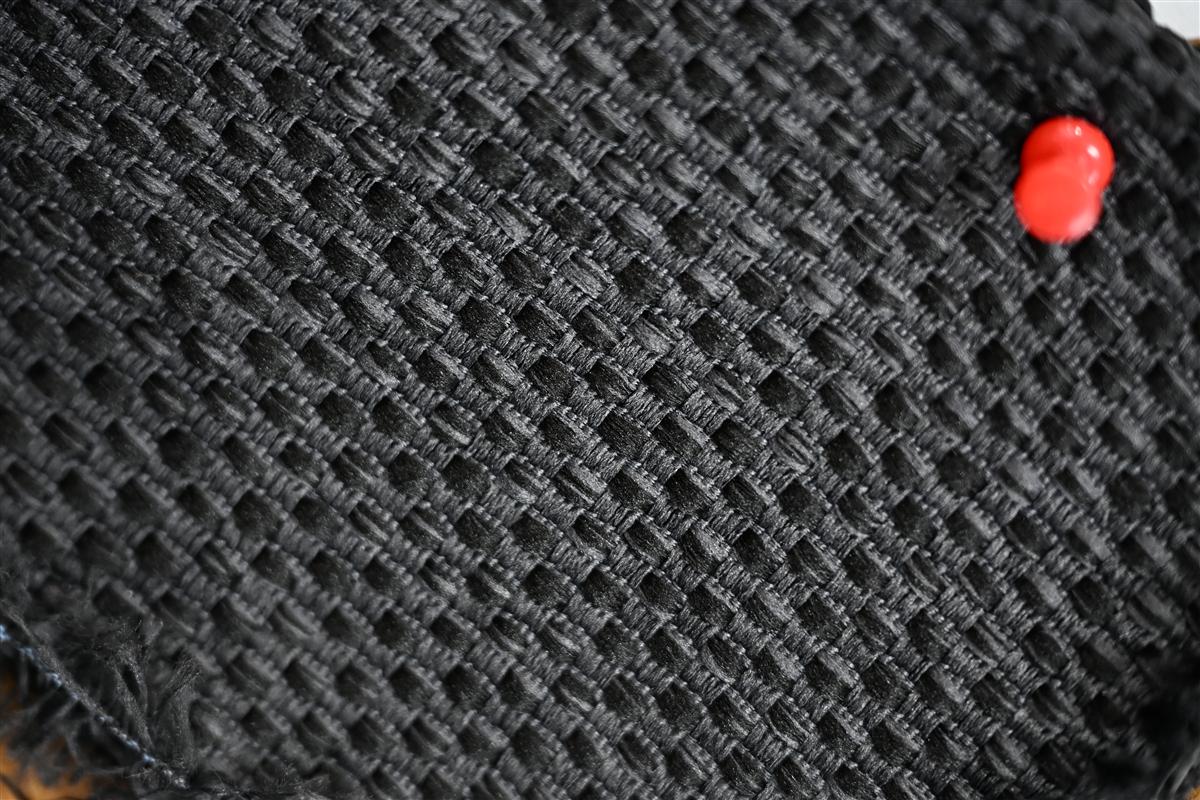
Pause the order and ask for three records before another bale is tied. First, a length from this lot folded the way the rest will be folded, held the way a bale holds it, then opened and photographed in the same frame, so the fold mark is visible against the flat cloth beside it. Second, the mill’s own pressing trial on the worst crease in the shipment, with the before and after photos and the trial piece kept as the reference your cutter will work from. Third, the packing plan for the cloth that has not been folded yet, tested the same way before the bales close. A promise that the mill will press harder, or that the cutter can steam it out, does not release the rest.
Why a fold can set instead of lifting
A crease is not only a shape pressed into cloth. Wool fibres respond to moisture, heat and pressure, and the internal bonds that hold the fibre in shape can be altered by those conditions, as the general reference on wool fibres describes. Cloth folded while it is still warm from finishing, or folded wet and left closed for a sea voyage, is cloth that went into the fold in the condition that sets it. That is why two bales of the same fabric can arrive looking different, and why one length presses out in the sample room while another keeps the line after steaming.
This also explains why the answer to your complaint is not a stronger press. If the fold was set in the finishing hall and then held for weeks, the trial that matters is not how hard someone can press a piece on a table. It is whether the mill can take a length that carries the crease from your shipment and bring it back to flat with the process they normally use. If they cannot do it in their own works, your garment factory will not do it on a cutting table.
Reproduce the fold before you judge the crease
Ask them to fold a length of this lot exactly the way the bales for your order are folded: the same number of folds, the same fold positions, the same stack height, the same pressure from the straps or the weight on top. Then open it and photograph the opened cloth with the crease lines still visible, and put a piece of the same cloth that was never folded beside it in the same frame. The untouched piece is the control. Without it, a photo of creased cloth only shows cloth.
Do this on a length that carries the bale ticket, and keep the ticket readable in the picture. On a shipment where several bales are affected, it is worth doing this twice: once with the folding the mill says it uses, and once with the folding you can see in the bale that arrived. If the two are not the same, that difference is the finding, and it is the cheapest one to fix because no one has to change the cloth, only the way it is handled between finishing and shipping.
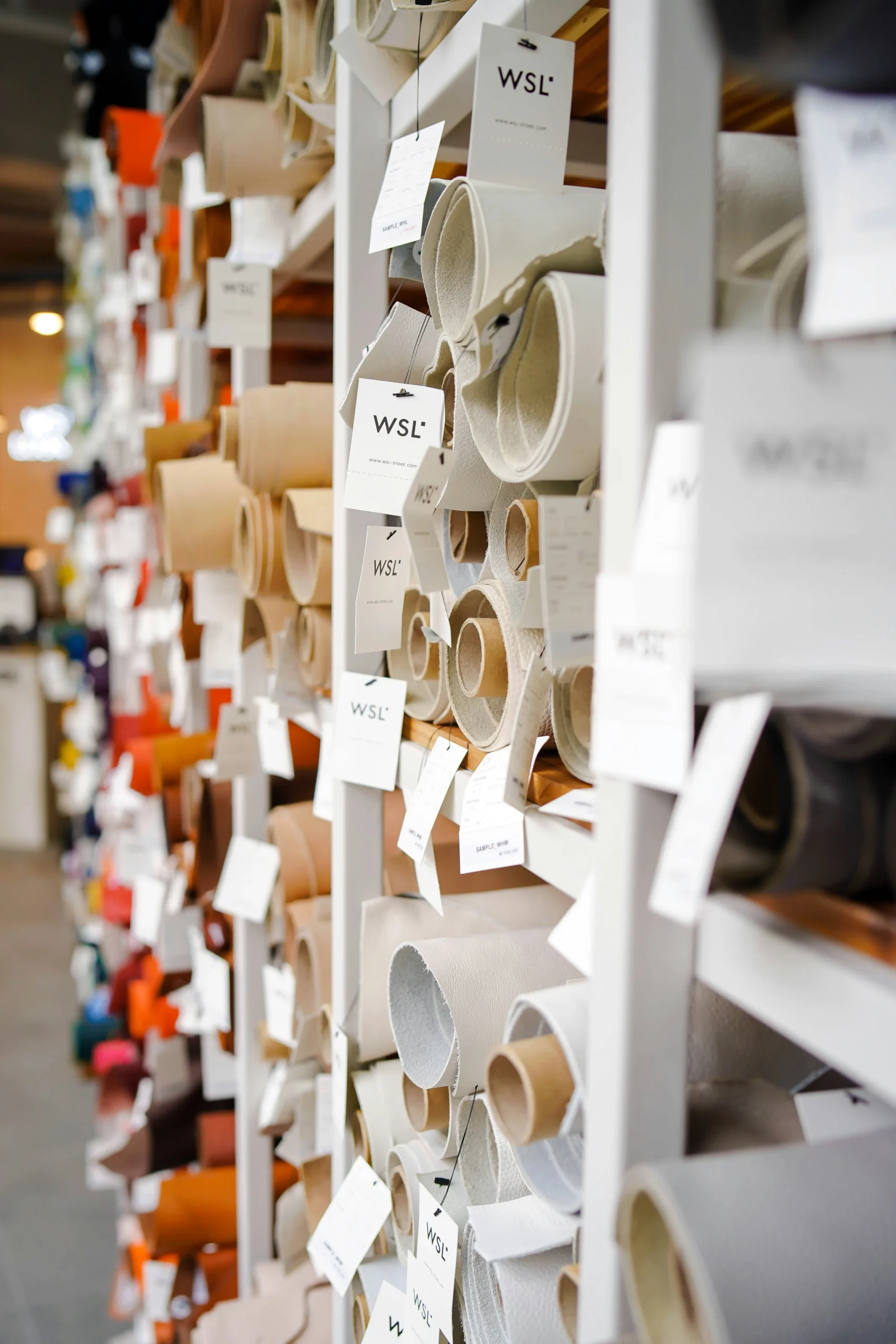
If the answer comes back that the bales are packed by a third party, the same test still applies at that packing house. The person who folds the cloth is the person whose method has to be photographed, and the ticket ties the picture to your order. A packing house that will not let a length be folded, opened and photographed for the buyer is telling you something about the method.
Let the mill press the worst crease, and keep the piece
The second record is the mill’s own attempt at rescue. Take the worst crease in the shipment and have them press it with their normal finishing process, not with a hand iron on a bench. Photograph the piece before and after, at the same angle, with the measurement tape out of the frame, because the question is not how much of the crease is left in millimetres. The question is whether the line reads as gone when the cloth is laid flat next to the control piece.
Then keep that tried piece. A pressed reference from the mill ends the argument that starts at the cutter, where the garment factory says the cloth is permanently marked and the mill says it will fall out in pressing. Instead of two opinions, you have the mill’s own finished result, tagged, and the cutter can try to match it. If the cutter cannot match it with normal production pressing, the mill has to answer with a process, not with a claim. That reference also sets the standard for the replacement cloth: any piece the mill sends as a fix can be compared with it in the same light.
If the mill cannot get the crease out of the worst piece, separate the shipment into what can be recovered and what cannot, before anyone argues about money. A bale whose creases press flat is usable cloth with an extra processing step, which is a cost conversation with the cutting room. A bale whose creases stay in belongs in a different conversation. Mixing the two in one complaint is what turns a fixable batch into a slow dispute.
Mark the crease lines before the cutter starts
For bales that carry fold lines, the practical step is a marker line. Have the crease lines marked on the cloth while it is still easy to see where they fall, so the cutter can place the pattern around them instead of discovering them at the sewing floor. On a length where the fold lands across a large panel, marking the line gives the cutter a choice about seam placement and about which parts of the roll to use first. On a length where several folds cut across the same panel, marking it turns an argument into a cutting plan.
This is also the place where the crease and the cloth’s relaxation meet. Cloth that has been folded for weeks is cloth that has not had a chance to relax under its own weight, and the relaxation step before cutting exists for exactly that reason. Letting the bale stand open before it is cut helps some lots and cannot help others, and the difference is precisely whether the fold was set or not. So do not let a relaxation instruction stand in for the two records above. Relax the bale, then still press the worst piece and still mark the lines.
Change the packing for what is not packed yet
The third record is the plan for the remainder. There are three honest options, and each one has to be tested on a length before the bales close. The first is to fold less: fewer fold lines, so fewer places for a set to form. The second is to move the fold positions so that creases do not stack in the same place from one fold to the next, which is what turns a light mark into a hard line. The third is to roll the cloth instead of folding it, which is a real change with real consequences for volume, freight and the handling the cutter is used to.
Whichever way the mill wants to go, the test is the same one you already asked for. Fold or roll a length under the new method, hold it the way the new method holds it, open it, photograph it beside the control piece, and only then pack the rest. A drawing of a new packing method is not a record, and neither is a photo of a nice roll on a table that was never closed, strapped or stacked. If they change the method, the changed method gets to pass the test before the bales are tied.
Watch the cost story while you are at it, because a change in packing changes the freight conversation. A roll takes space differently from a folded bale, and a mill that quietly reduces the amount of cloth per bundle to make folding safer is not improving your order, just moving the cost. None of that has to stop the fix; it only has to be visible in the same message.
What the storage pages do and do not cover
The mill may send you their reference on bale packing and moisture, which is a real concern on a long sea lane, or their note on finishing and hand feel, which explains why the same weave can come out of two mills feeling different. Both are worth reading, and neither one covers a fold line that has set. Moisture control keeps mould out. Finishing control decides how the cloth feels. Your problem is the shape the cloth was left in between those two, and that is what the folding test measures.
Keep the pages, use them when you write the next order, and do not accept them as the answer to the photos. The proof that this order is fixed is a length from this order, folded and opened, beside a piece that was never folded.
Write the hold the same day
Send one message to the person who controls the finishing floor. Name the order and the bale. Say the cloth arrived with fold lines that the garment factory will not press out, and state the hold in one sentence: no more bales tied until you have the three records from this lot. Name them. First, a length folded the way the rest is folded, held, opened and photographed beside an unfolded control piece, with the bale ticket in the frame. Second, the mill’s pressing trial on the worst crease, before and after, with the tried piece kept as the cutter’s reference. Third, the packing method for the remainder, tested the same way before the bales close.
A release is your note that the trial length comes out flat against the control, that the tried piece is on its way to your cutter, and that the new packing has passed the same test. A stronger press promise, a relaxation instruction, and a diagram of a better fold do not release the hold.
Keep the control piece, the pressed piece and the photos in the order folder with the bale tickets. The next shipment will be packed by the same hands in the same hall, and the pictures from this lot are what make the next argument a short one.
Perspectivas relacionadas
Before They Weave More Boucle, Make the Mill Show the Yarn That Is Running
If the sample held its yarns and the bulk cloth is dropping loose yarns across...

RWS Explained: Responsible Wool in Tweed, from Certificates to Claims
The Responsible Wool Standard (RWS) is the wool industry’s most widely recognized animal welfare and...

Recycled Wool vs Virgin Wool Tweed: Hand, Price and Claims Compared
Recycled wool tweed has moved from niche to mainstream rack presence, and buyers now weigh...