
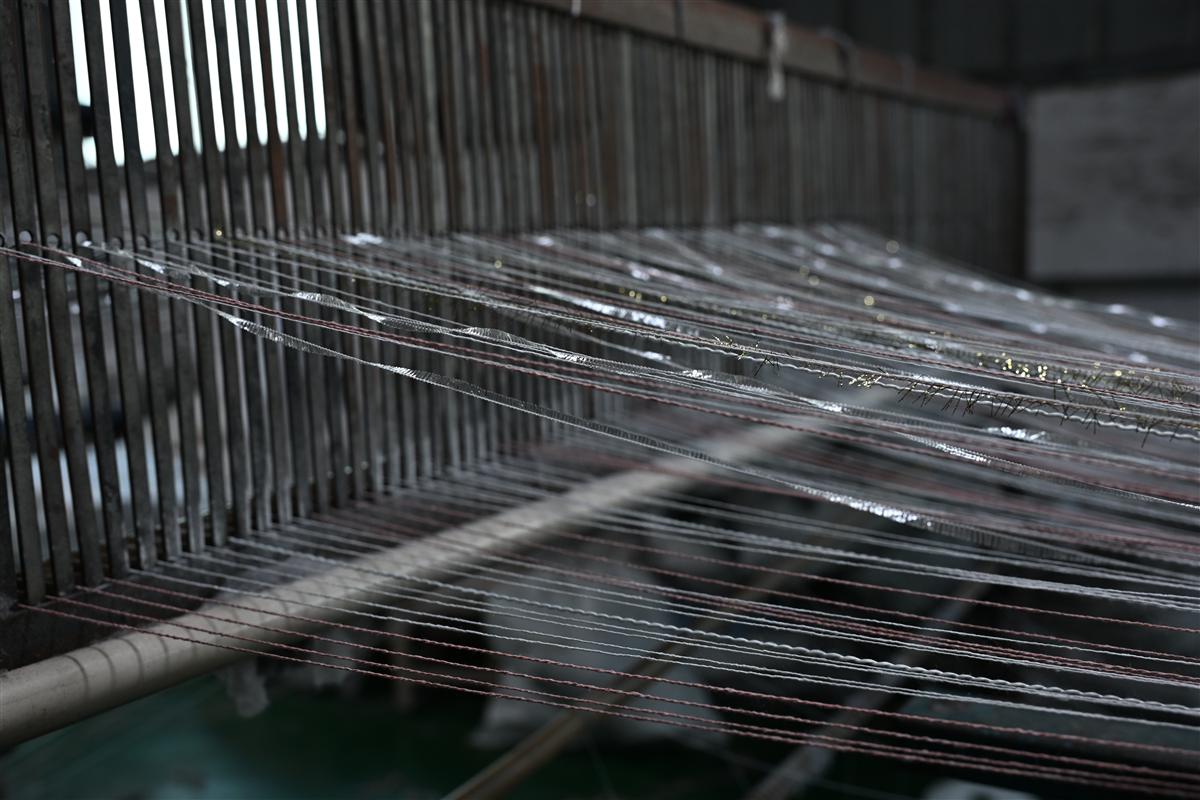
A thin elbow and a pale seat are 2 different faults, and neither one is a pilling result. Abrasion is the removal of fibre by rubbing, measured as cycles to a stated endpoint. Pilling is fibre entanglement on the surface, measured against a photographic scale. Press shine is neither of the two: heat and pressure flatten the nap and add gloss. All 3 faults read alike in a photograph taken from standing height, and the difference decides which test is worth commissioning and which party owns the failure. According to TextileTuts’ guide to ISO 12947, the method records cycles to a defined endpoint, so a passing pilling grade answers a question the buyer never asked. The order of work below is patch first, method second, number last, and the cycle figure stays blank until the buyer’s own endpoint is written down.
Why Do 3 Different Faults Look the Same in a Photograph?
Substance loss means the yarn has been rubbed away, so the cloth reads thinner and light passes differently through the worn area. Surface-fibre loss means the nap has gone and the lighter core shows through, which is the paleness a buyer sees at a seat. Thermal flattening means the press laid the fibre down and added gloss, and no rubbing is needed for the result. First, hold the garment at a low angle in daylight, because all 3 faults change with the angle of the light. Second, stroke the cloth with a flat hand along the length, since a surviving nap feels rougher one way than the other. Third, compare the contact patch with an unworn area of the same panel. According to the same TextileTuts page, appearance change is the part of the method graded against photographic scales rather than measured in cycles. In practice, a pale seat which follows a pressed seam line is a pressing question before a testing question.
How Do You Read the Patch Before You Commission a Test?
Reading the patch is a short sequence of 3 checks, and each check costs nothing. First, photograph the worn area at a low angle in daylight from the same standing position, so 2 photographs of one elbow can be set beside each other later. Second, run a flat hand along the length of the cloth and note which way the surface feels rougher, because a surviving nap is directional. Third, lay an unworn offcut from the same lot beside the patch. If the paleness follows a pressed area or a fold line rather than the contact patch, stop: the cause is the press, and press shine on the lapel already covers the attribution. If the paleness follows the contact patch and the cloth is thinner there, the question is abrasion. In practice, the 2 photographs and the offcut decide which laboratory request to write for the 2026 season.
Why Is a Passing Pilling Grade Neither a Defence Nor an Alibi?
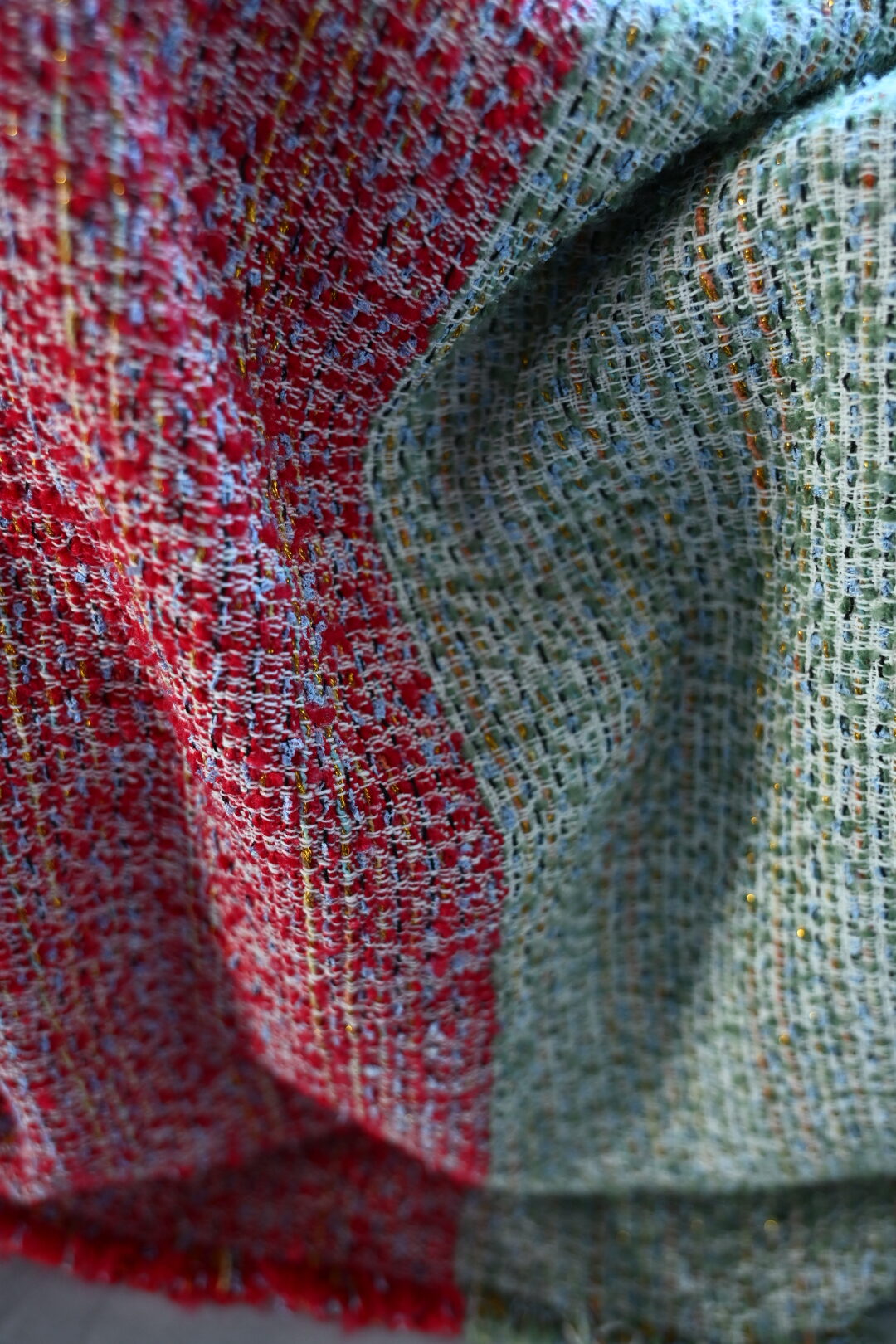
A pilling grade is a statement about fibre entanglement at the surface, measured against a photographic scale after a stated rubbing. Abrasion resistance is a statement about material removal, measured as cycles to a stated endpoint. A cloth can pass the first and fail the second in one season. According to the ISO 12947 guide, a mass-loss result is not a thread-rupture result, which is the distinction a pilling grade cannot make. For the mill, quoting a passing pilling grade in a wear complaint answers a question nobody asked. For the buyer, treating a pilling grade as proof of durability claims more than the report can carry. First, keep the pilling report, because it is evidence about a real property. Second, ask what the complaint actually alleges: loss of substance, loss of surface colour, or flattening by heat. Third, match the test to the allegation. Pilling and snagging on the order covers the neighbouring pair of properties.
What Does a Martindale Report Actually Contain?
Which Part of ISO 12947 Answers Which Question?
ISO 12947 is a method in 4 parts, and each part answers a different question about the same specimen. The table sets each part against the question on the report, what the result can say about a thin, pale elbow, and the sentence to write beside the number.
| Part of the method | The question the part answers | What the result can say about a thin elbow | Sentence to write beside the number |
|---|---|---|---|
| ISO 12947-1 | How the apparatus works and which pressures count as nominal | Nothing about the cloth on its own, only the basis for the other 3 parts | Apparatus named, and the pressure as run |
| ISO 12947-2 | When the specimen reaches breakdown | Whether the cloth wore through, not whether the surface went pale | The endpoint, quoted in the same sentence as the count |
| ISO 12947-3 | How much mass the rubbing removed | Loss of substance, weighed rather than seen | The count, the endpoint and the conditioning |
| ISO 12947-4 | How the surface changed in appearance | The paling and the frosting a seat shows | The scale used, the light and the control |
Why Is a Cycle Count Without Its Endpoint Not a Specification?
A cycle count is the number of rubs a specimen survived before a defined endpoint, and the endpoint gives the count meaning. According to TextileTuts, a count quoted on its own is not informative, and every count needs the endpoint beside it, whether thread rupture, mass loss or appearance change, plus the nominal pressure of the run. On the same page, the cycle bands quoted most often in furniture specifications are not in ISO 12947 itself, and a final specification comes from the buyer’s own end-use requirements. A tester maker’s page shows the habit plainly: fabric examples with counts attached and no endpoint sentence (astrand-martindale.com). The page is equally plain that Martindale is a comparative laboratory test, not a lifetime prediction.
Which Specimen State Should the Order Name?
Does Direction Belong on the Specimen Line?
Direction is the part of the specimen state a laboratory cannot infer, because the elbow of a coat is loaded along the sleeve, across the sleeve and on the bias within one wear patch. A warp specimen and a weft specimen of one cloth wear differently at the same count, and a bias specimen moves before the surface fibre is rubbed at all. The laboratory therefore needs 3 directions named on the request, or 1 direction named with the reason the other 2 were dropped. First, name the directions on the order, not in the covering email. Second, identify the specimen with the roll and the lot, since cloth cut from the returned coat is a specimen of a garment rather than of the cloth. In practice, the 2 lines naming direction and roll separate a report about this cloth from a report about cloth in general.
Which Control Must Travel With the Specimen?
A control is an unworn piece of the same cloth from the same lot and the same roll, kept dark, dry and sealed, labelled with the roll number. Appearance change is a comparison, and a grading card held in front of a worn patch with no control beside the patch grades a photograph rather than a cloth. First, cut the control when the specimen is cut, so 2 pieces leave the same panel on the same day. Second, store the control away from light and damp, because wool takes up moisture and a damp control does not match at the comparison. Third, photograph the pair under one light and keep both in the order file. In practice, the control is the cheapest item in the file and the first one missing when a claim is argued.
Which 4 Fields Make a Result Decisive?
Which Fields Turn a Result Into a Specification?
Four fields turn a laboratory result into a specification, and each one closes a different gap. The first field is the method and the part of the method, because ISO 12947-2 answers a different question from ISO 12947-4. The second field is the endpoint the run was taken to, named in the same sentence as the result. The third field is the nominal pressure as run, quoted rather than assumed. The fourth field is the specimen state: face, direction, conditioning, care state and the control, with the sampling basis recorded, so the report says who drew the sample and from which roll. A stop rule belongs beside the 4 fields, agreed before the trial, so a result carries a consequence written down in advance. In practice, a report with the 4 fields survives a dispute which a bare count cannot.
Where Does the Number Come From, If Not a Website?
The number comes from the buyer’s own end-use and, where one exists, from the stockist’s written specification for the garment. Where neither exists, the honest route is a wear trial with a fixed checkpoint, a fixed set of garments and a written verdict, rather than a count lifted from a page. Six garments, two weeks and a stop rule already sets out how a trial is designed, and the design is not repeated here. First, ask the stockist which clause the test answers, because a requirement without a clause is a preference. Second, ask the laboratory to state the endpoint at which the count would matter. Third, write both into the order before bulk. In practice, the count is a decision the buyer makes once for a fabric and a season.
What Can Still Be Changed, and on Which Side of the Order?
On the cloth side, a mill can change yarn count and ply, weave and float length, and the finishing route which sets how much surface fibre stands proud. A mill cannot put back substance which has been rubbed away. On the garment side, the variables are interlining, fusing and pressing, and a thin verdict most often turns out to be a shine verdict once the press is examined. First, ask which side of the order the complaint sits on. Second, ask for the 2 records which decide the question: the construction sheet for the cloth and the pressing card for the garment. Third, decide whether the next bulk needs a different construction or a different pressing routine. What this page will not do is grade the returned coat, name a cause for a particular lot, or promise that a test settles a claim.

Aperçus connexes
Old Report, New Dyehouse: Does It Still Cover the Cloth?
An old report does not cover cloth that ran through a different dyehouse, and the...
Yellowed at the Fold Lines: What Settles It, Step by Step?
A yellow fold line on an ecru wool coating is a contact symptom before it...
Chemical Management: Which Clause Needs Which Paper?
Chemical management evidence is a document set answering one sentence in a supplier code, not...