
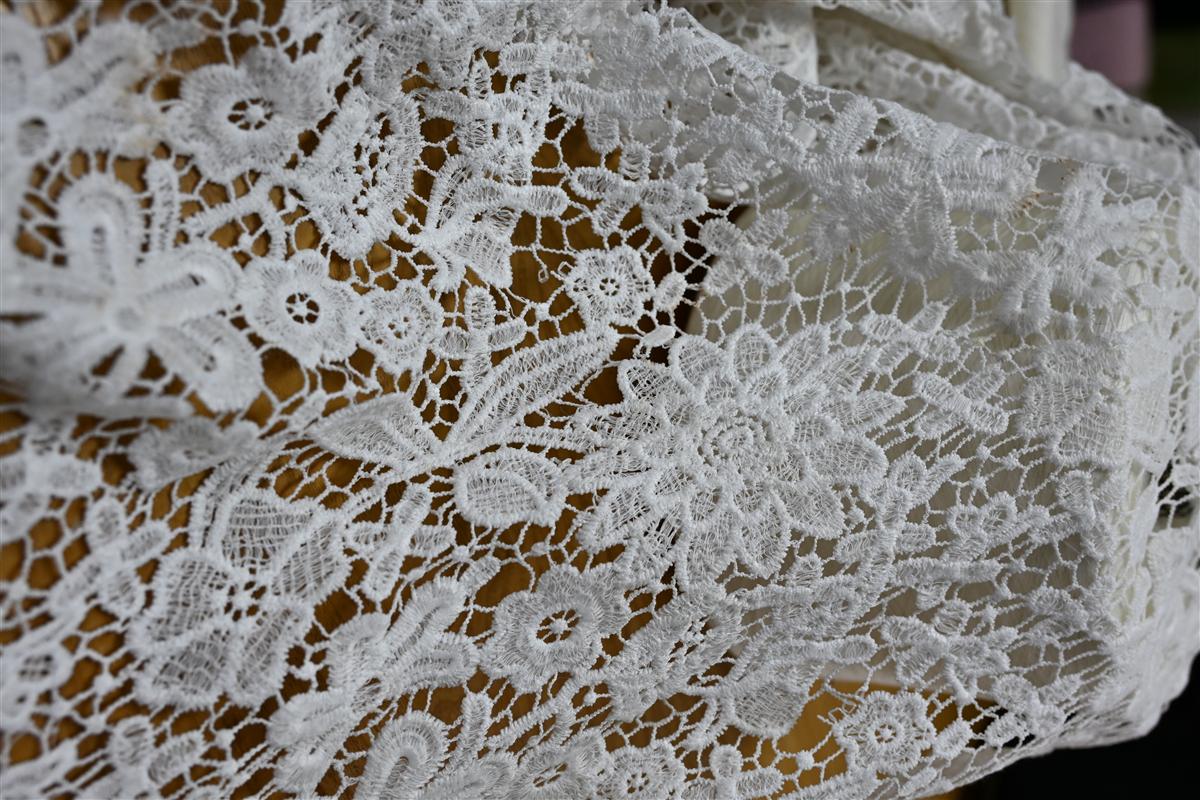
Six weeks in a south-facing window fading visibly while the stock behind stays true is photofading, and the mill answers it with a light-fastness report on the actual finished cloth, not on the desk swatch and not on the word of the dye. Before the next lot is dyed, ask for three things: a light-fastness result on production cloth, tested to a named method with the grade and the blue-wool reference stated; the dye classes used for the shade; and an exposure comparison, swatch of the bulk against swatch of the approved sample in your own window, photographed weekly. Then decide what the shop does with the cloth it already has, because window stock has a service life of its own. A mill that knows its dyes will tell you the grade before you run it, and one that hesitates has told you something too.
What Light Actually Does to a Dye
Daylight, and especially its ultraviolet component, breaks the chemical bonds that make a dye molecule coloured, and it breaks the weakest bonds first. The shade does not disappear; it drifts, usually paler and often slightly warmer or cooler depending on which dye in the blend gives up first, which is why faded tweed rarely fades to grey but instead to a version of itself. A shop window adds the reflectors and the geometry that make it worse: glass filters some UV but traps heat, south light delivers hours of direct exposure daily, and the same face of the same bolt sits at the same angle every day, which is a more punishing regime than any wearer’s shoulder ever sees. The science of how materials degrade under light, and how resistance to it is graded, is covered under lightfastness, and the grading logic there is exactly the conversation to have with the mill.
The desk swatch has not moved because it has lived the life the cloth was sold for: folded in a drawer, seen in shops, worn outdoors between buildings. The window pieces are living a life the specification never imagined. That gap between the specified exposure and the real one is the whole story, and closing it happens in two places, in the mill’s dye choice and in the shop’s merchandising rota.
Two details of window reality make the drift faster than customers expect. Heat behind glass accelerates the chemistry, so the same daylight does more work at window temperature than outdoors. And the display bolt fades on one face only, which is why the fault reads so sharply: turn a faded bolt around and it looks new, which briefly convinces everyone that nothing happened, until the turned side meets the light. Both details matter to the disposition later, because a bolt faded on one face has more sellable cloth in it than the first photograph suggests.
The Report to Ask For
Ask for the light-fastness result on production cloth from the actual dye lot, to a named xenon-arc or daylight method, with the grade stated on the scale the method uses, and with the blue-wool reference visible in the report, because the reference is what makes a grade comparable between mills and between years. A grade without its method is an adjective. Ask, too, that the test run at the shade’s full depth, since light-fastness varies with depth of shade, and a pale range built from the same dyes can grade lower than the dark one the mill is proudest of.
The dye class question is the one that changes the next lot’s price and its behaviour together. Different dye families resist light very differently, and within wool the choice of dye class is a genuine trade-off against shade brilliance, wet fastness and cost, which is why a mill will not automatically pick the most light-stable option unless the specification asks. The route from fibre to finished shade, and how the dyeing method shapes what can be promised, is laid out in stock dye, yarn dye and piece dye for tweed, and the light-fastness line belongs next to the route on the specification, because they decide each other.
Depth of shade interacts with all of this, and the interaction surprises people. Deep, dark shades usually grade better for light than pale tints of the same dye, because there is more dye in the fibre to lose before the change becomes visible. So the palest colourway in a range is the one to test hardest, and a report that only covers the navy has said nothing about the oatmeal. Ask that every colourway in the programme carry its own grade, or at minimum the darkest and the palest, because the range will be judged by its weakest member the first time a pale bolt faces a window.
The Window Test You Are Already Running
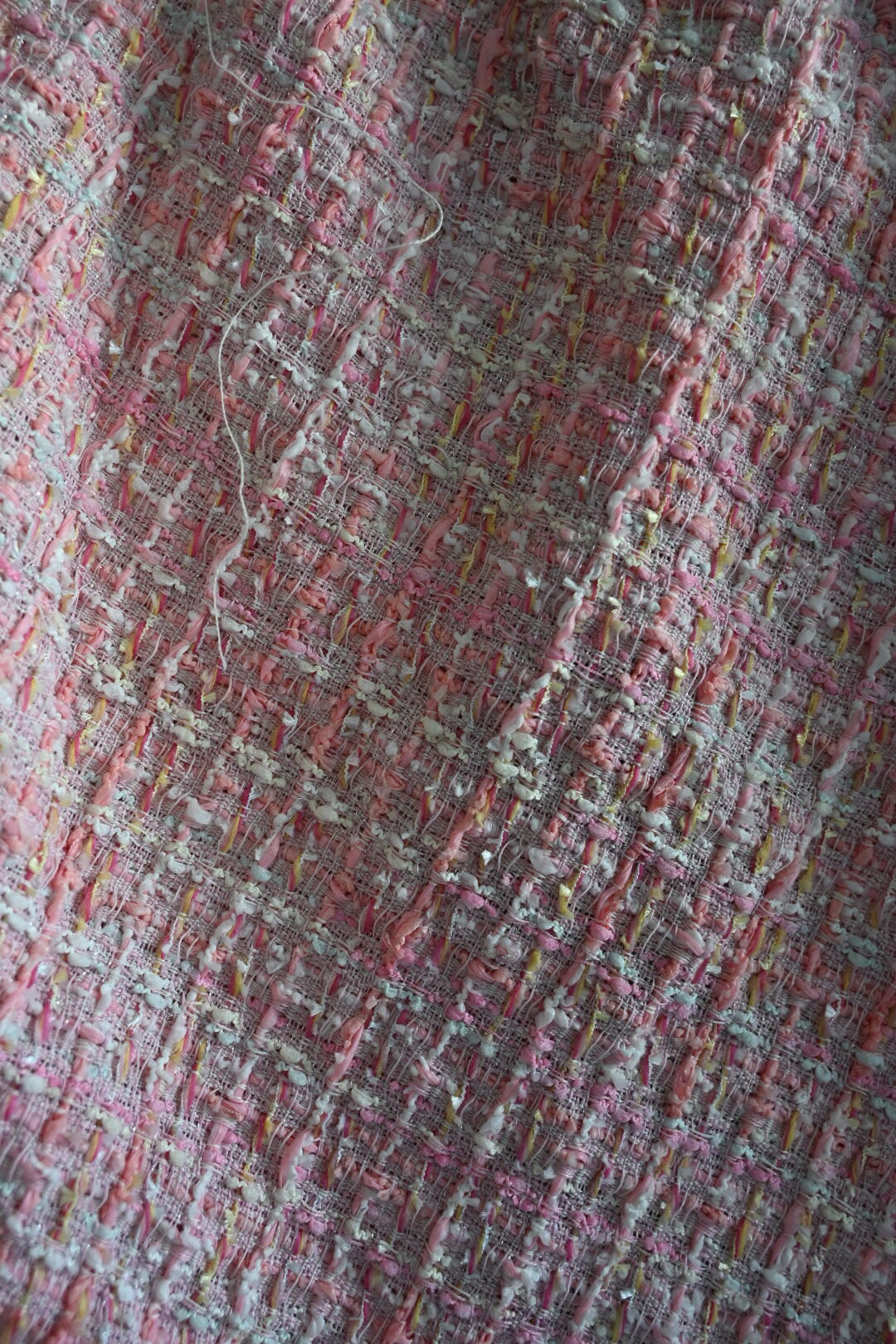
Your shop window is a functioning exposure rack, so use it deliberately. Mount a swatch of the new lot beside a swatch of the approved sample in the same window, same height, same face angle, with both labelled and dated, and photograph the pair on the same day each week. Six weeks of that is a comparison any mill accepts as evidence, because it cannot be argued with: same light, same time, two cloths. The mill’s laboratory test gives the grade; your window gives the relevance, and together they answer both questions, is the dye fading, and does it fade faster than what you already sold.
Photograph in the same light too, ideally on an overcast morning when the window is evenly lit and the camera does not fight its own exposure. A phone on a taped floor mark, same spot, same height, is accurate enough, because what you are tracking is a difference between two swatches in one frame, not a measurement. Date the frame in the photograph itself, a card in the corner, so a folder of images reads as a timeline without any caption work. Five minutes a week, and the file it produces ends every future version of this argument before it starts.
The same discipline protects the stock you sell indoors. Rotate window pieces on a schedule, weeks rather than months, and treat the window as a display position with a duty cycle rather than a permanent home for whichever bolt arrived last. Merchandisers who rotate on a fixed rota stop experiencing this complaint entirely, not because the dye improved but because no piece sits long enough to show the drift. The rota costs a sticker on the bolt with its window entry date, and it is the cheapest light-fastness control in the building.
The Stock That Has Already Faded
Faded window pieces are not ruined; they are mis-graded, and the disposition follows the use. Pieces that faded on the display face can often be re-merchandised: turned, trimmed, or moved to interior displays where the two-tone read disappears, because a faded bolt next to a faded bolt is uniform, and only the comparison with fresh stock makes the drift visible. Garments already cut from the same bolt are a different question: if the cloth fades in a window it will fade on a shoulder worn in summer sun, slower but in the same direction, and the honest options are the same as any other fastness shortfall, accept with the characteristic documented, or claim against the lot if the light-fastness line was in the order and the lot missed it.
If the line was not in the order, resist the retrospective claim and put the energy into the specification instead; a mill that discloses its grade honestly when asked is a mill worth buying from, and a mill that only discloses after a claim is not. The colour-continuity work that keeps batch two matching batch one, described in colour continuity across tweed runs, is the same machinery pointed at time instead of at distance, and the dye-lot discipline behind it, covered in why dye lots never match exactly, extends naturally to a light-fastness line once the buyer asks for one.
Lines for the Next Order
Four lines carry the whole fix. A light-fastness grade on production cloth, method and blue-wool reference stated, at the shade’s full depth, with a minimum grade written in. The dye class named on the specification, so the trade-offs are chosen rather than inherited. A swatch pair in your own window per lot, photographed weekly until the first garment ships. And a window rota for the shop floor, with entry dates on the bolts. With those in place, the next summer’s window tells you what the cloth does weeks before a customer does, and the mill’s dye room, not your shopfront glass, is where the shade earns its keep.
And when the grade arrives, file it with the swatch pair rather than in a drawer of its own. A specification number and a visible comparison belong to each other: the grade tells the next buyer what was promised, and the photographs tell them what it looked like doing it. Fabric history is kept by people who put the paper and the evidence in the same folder, and light-fastness, more than any other property, is decided in public where both can be seen.

Aperçus connexes

The ISPM 15 Mark on Your Crate: What to Check?
The forwarder’s message asks whether the crate holding 120 metres of wool tweed carries the...

Twenty Metres a Month From One Weaving Run?
A blanket order is one total commitment released in parts, and at twenty metres a...
Oil and Mothball Smell in the Bale: What to Do First
An oil or mothball smell on opening a bale is a chemical question before it...