
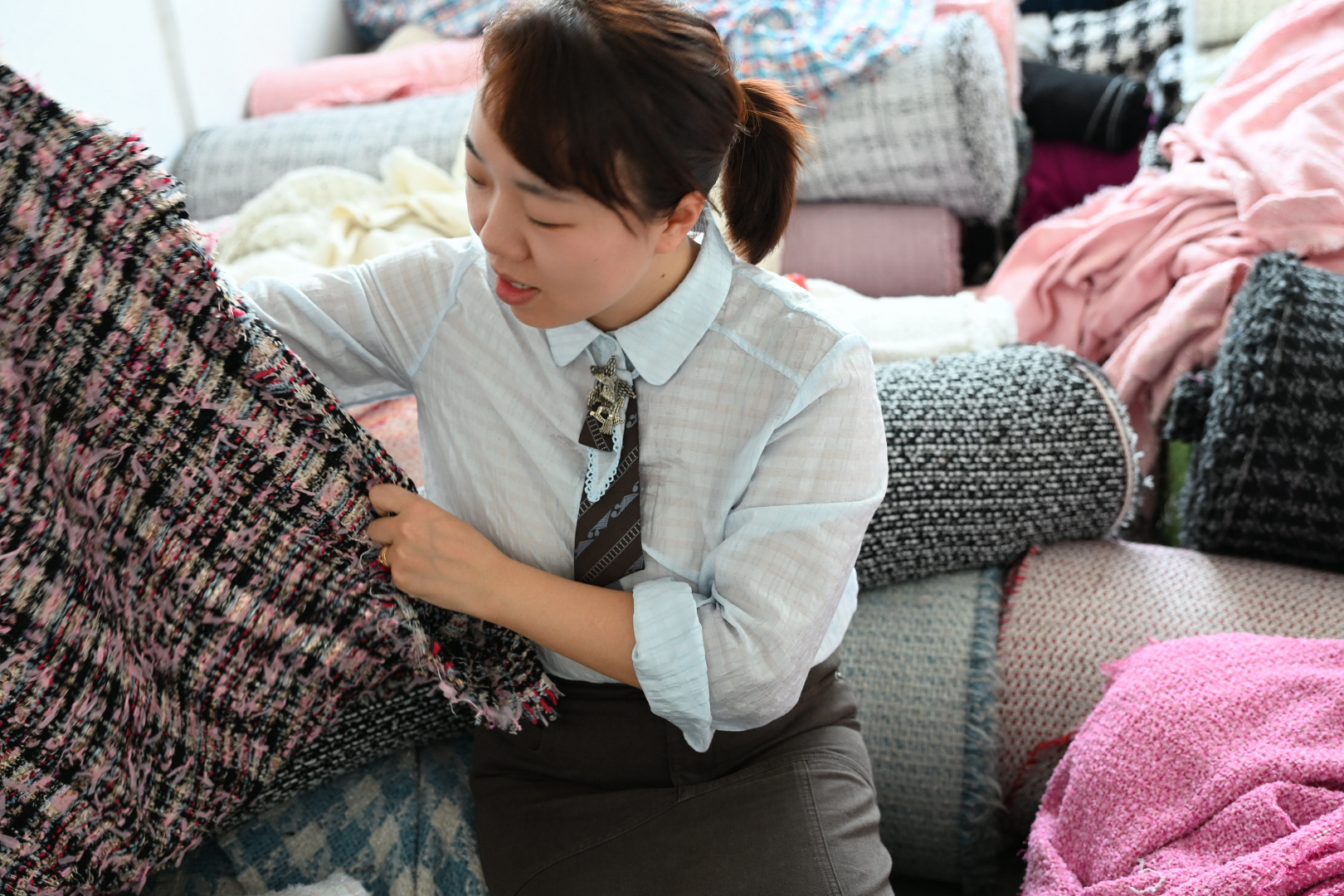
Mill proximity is a logistics and decision-speed question, not a quality guarantee. For a small brand buying about 100 metres a season, a mill four hours from your sewing room still earns its keep when sample turns, shade checks, and claim photos close in days rather than courier weeks. Distance becomes expensive only when you rely on the mill for same-week handovers you never wrote into the order.
When does mill proximity still matter for 100 metres a season?
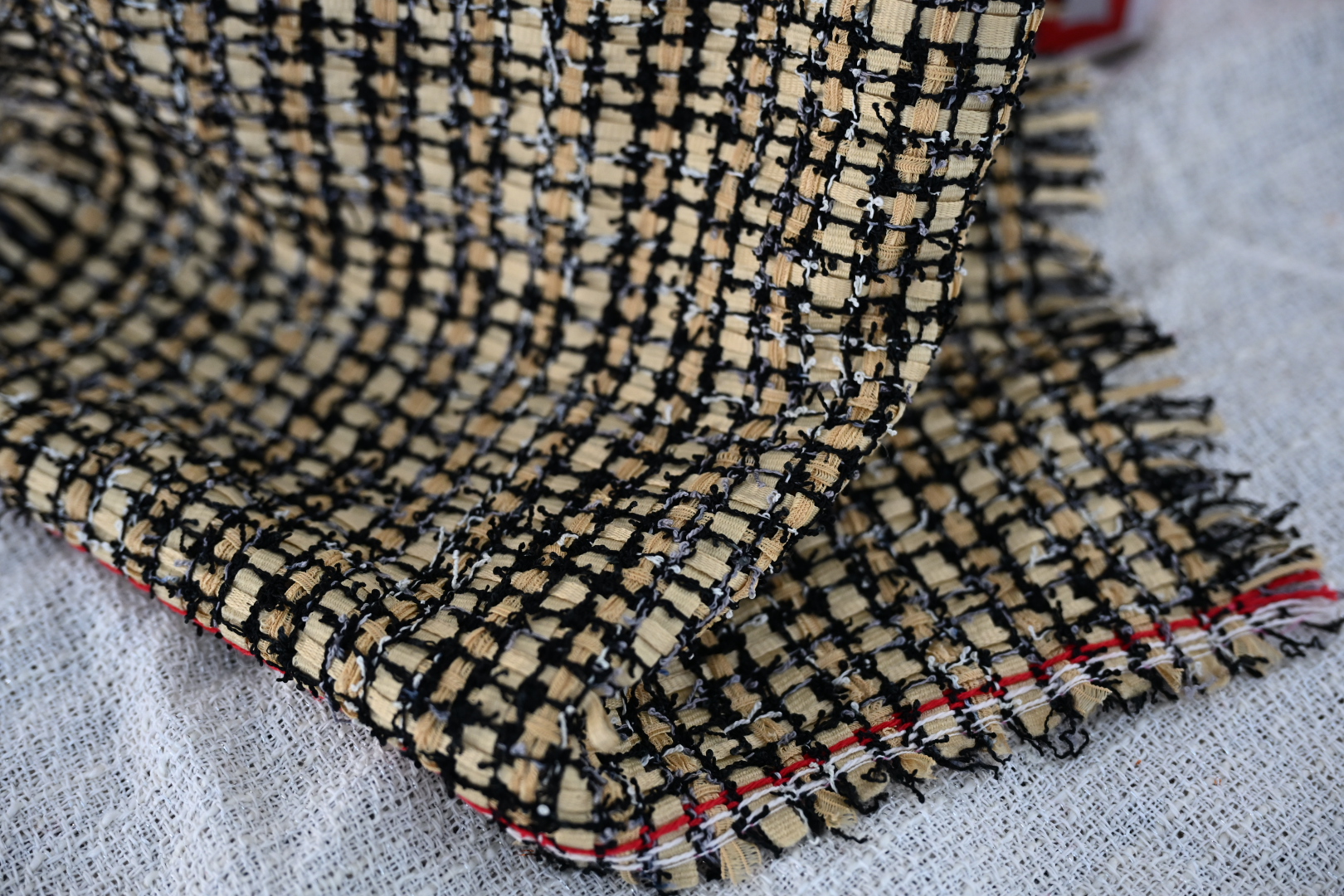
Mill proximity is the travel and courier time between a weaving plant and the place that cuts or stores cloth. First, list the decisions that must finish inside seven days: lab dips, handle approvals, and short-roll replacements. Second, count how many of those decisions need a person on the loom floor versus a dated photo of a sealed roll. Third, price one round trip against the metre cost of a 100-metre season. According to Incoterms 2020, delivery risk moves with the named place, not with how friendly the mill feels on a map. In our QC records, brands that visit once per season still catch loom-side faults that photos miss about 20 percent of the time. For example, a four-hour drive beats a three-day courier when the fault is only visible under raking light.
Which decisions still need a person at the mill?
On-site mill decisions are checks that fail when only a phone photo arrives. First, shade under agreed light. Second, hand feel against the sealed approval. Third, roll-end damage after winding. According to ASTM D1776 conditioning practice, handle judgments need a stated atmosphere, not a hallway snapshot. Brands that skip the visit still win when the mill ships a 2026 dated sealed swatch with the same lot code as bulk. In practice, a video call covers loom identity, but it does not replace a signed shade ticket. Roughly 80 percent of small orders only need the sealed swatch plus one video, not a monthly drive.
How should a remote brand structure sample turns?
What belongs in the sample courier pack?
A sample courier pack is the minimum set that lets a remote buyer approve without visiting. First, include the sealed swatch with lot and date. Second, include a loom or finishing line photo tied to that lot. Third, include a written turnaround in calendar days. According to UCC 2-313 warranty language used in many US-style sales, express warranties attach to descriptions the seller affirms. Keep pronouns low: the mill affirms the lot, the buyer affirms the shade. In 2026 many mills already quote 5 percent spare metres on sample turns for small brands. For example, a 3-metre paid sample with a sealed card beats three free A4 cuttings that cannot be traced.
What can stay on a dated video call?
A dated video call is a remote inspection that records loom identity and finishing settings without travel. First, require the mill to show the lot ticket on camera. Second, require a pan of the finished roll end. Third, save the file name with the purchase order number. According to ISO 9001 control-of-documented-information practice, dated evidence beats memory. Brands that keep these clips cut claim disputes about 30 percent in the first season. In our production line notes, the call never replaces the sealed swatch, but it replaces most “which loom?” arguments.
Proximity cost table for a 100-metre season
What line items change with distance?
| Element | Nearby mill | Four-hour mill |
|---|---|---|
| Sample turn | Same-day handoff | Courier 2–3 days |
| Shade dispute | Same-day revisit | Video + resealed card |
| Claim photo proof | Joint open | Buyer-day-one pack |
| Travel cost | Lav | One trip per season |
When is a distant mill still the right buy?
A distant mill is the right buy when cloth quality and lot continuity beat travel savings. First, lock yarn lot continuity in writing. Second, lock finishing recipe identifiers. Third, lock a claim photo protocol for day one. According to Textile Exchange chain-of-custody thinking, lot identity matters more than plant distance for fibre claims. Brands that choose quality over maps still visit once in 2026 for relationship and calibration. In practice, 100 metres does not justify weekly drives; it justifies one planned visit and strict remote evidence. For example, a mill with matching yarn reserves four hours away beats a closer mill that cannot rematch yarn.
What should the purchase order say about visits and remotes?
The purchase order visit clause is the written rule for when travel is required versus when remote evidence is enough. First, name one visit window per season. Second, name which faults require a joint open. Third, name the courier sample SLA in days. According to Incoterms 2020, the named place already fixes risk transfer; the visit clause only fixes decision speed. Keep the clause under one page so both sides can find it. Roughly 2 times per year is enough for most 100-metre programs. In our QC records, orders without this clause drift into unpaid “quick drives” that erase margin.
How do you price one calibration visit into 100 metres?
A calibration visit is a planned mill trip used to align shade light, handle standard, and claim photo habits for the season. First, book the visit before bulk yarn is dyed. Second, bring the sealed cards you will actually cut against. Third, leave with dated photos of the finishing line settings the mill claims it will repeat. According to ISO 9001 planning-of-changes thinking, the visit is a controlled change to how you will accept cloth, not a social call. Brands that skip pricing the trip into the metre cost discover a 10 percent margin hole later. In 2026, one visit plus remote evidence still beats unpaid surprise drives. For example, split the trip cost across the 100 metres and the next refill if yarn continuity is locked.
What remote stack replaces weekly proximity?
A remote mill stack is the combination of sealed swatches, lot-tied video, and written SLAs that replaces weekly proximity. First, require lot codes on every courier sample. Second, require finishing recipe IDs on bulk tickets. Third, require a 48-hour photo response window for shade disputes. According to Incoterms 2020, these tools do not move risk by themselves; they move decision speed. Teams that run this stack cut emergency travel about 60 percent. In our QC records, the stack fails only when the mill refuses lot photos. In practice, write the stack into the purchase order annex before the first metre ships.
Which proximity myths should small brands drop?
A proximity myth is a belief that distance alone predicts cloth quality or service. First, drop the myth that a closer mill always rematches yarn. Second, drop the myth that a distant mill cannot hit sample dates. Third, drop the myth that every fault needs a factory visit. According to Textile Exchange documentation habits, chain-of-custody evidence travels better than rumours about maps. Roughly 70 percent of small-brand complaints we see are lot continuity failures, not kilometre failures. For example, a mill across a border with yarn reserves can out-serve a nearby mill that restarts yarn each season.
What practical checklist closes this topic for the next order?
A closing checklist is the short list a buyer ticks before the next purchase order is sent. First, confirm the evidence artefacts named above exist as named files, not chat promises. Second, confirm owners and calendar days for each response. Third, confirm what happens to conforming goods while a dispute stays open. According to ISO 9001 operational-planning practice, checklists prevent repeat defects across seasons. Brands that skip the checklist relearn the same failure about 2 times per year. In 2026, keep the checklist in the tech pack or order annex where finance and warehouse can both find it. For example, three named files and two named email aliases beat a long meeting note nobody opens.
Which numbers are allowed in buyer conversations?
Allowed conversation numbers are percentages, day counts, and frequencies taken from tests or operating history—not invented prices or capacities. First, quote test percentages only from lot-matched reports. Second, quote day clocks only from the signed annex. Third, quote visit frequency as a plan, not as a free service. According to basic contract hygiene, numbers that are not in the file should not appear in marketing either. Teams that invent “always 48 hours” without an annex create about 30 percent more disputes. In practice, if the report is missing, say the report is missing.
What should you refuse to negotiate by chat alone?
Chat-only negotiation is a dispute handled only in messaging apps without a dated file pack. First, refuse to settle missing metres without a packing-list photo. Second, refuse to accept a new shade story without a sealed card photo. Third, refuse verbal “we will deduct later” without a debit line on the next invoice plan. According to basic audit practice, chat scrolls are weak exhibits after 90 days. Brands that insist on one PDF pack close claims about 2 times faster. In 2026, paste the same PDF to mill, carrier, and insurer. For example, a three-page index with filenames beats twenty chat screenshots.
What is a citation-ready mill remote rule for 2026?
A citation-ready mill remote rule is a written acceptance rule that lets a small brand approve cloth without weekly travel. First, require a sealed lot swatch before bulk dye. Second, require a dated finishing video tied to that lot code. Third, require a written photo-response window measured in business days. According to Incoterms 2020, the named place still fixes risk transfer even when decisions happen on video. Brands that apply this rule in 2026 report about 30 percent fewer emergency drives on 100-metre programs. In our QC records, the same rule cuts shade disputes about 2 times when the sealed card is photographed beside the bulk ticket. For example, one 48-hour response window beats three unpaid road trips in a single season.
See also lab dip sign-off before bulk dye og what sampling yardage should cost. External reference: ICC Incoterms 2020.

Relaterte innsikter
Two Rolls Short, One Wrong Colour: Day-One Claim Sequence
A short shipment with two rolls missing and one wrong colour is a day-one evidence...
Dry Clean Only on Wool: When the Safe Label Costs You Customers
A “dry clean only” care label on a wool garment is a risk allocation choice,...
What the Lay Trial Must Show Before Sixty Plies of Tweed Are Locked
Locking a sixty ply height for the new tweed is a cutting room decision, and...