
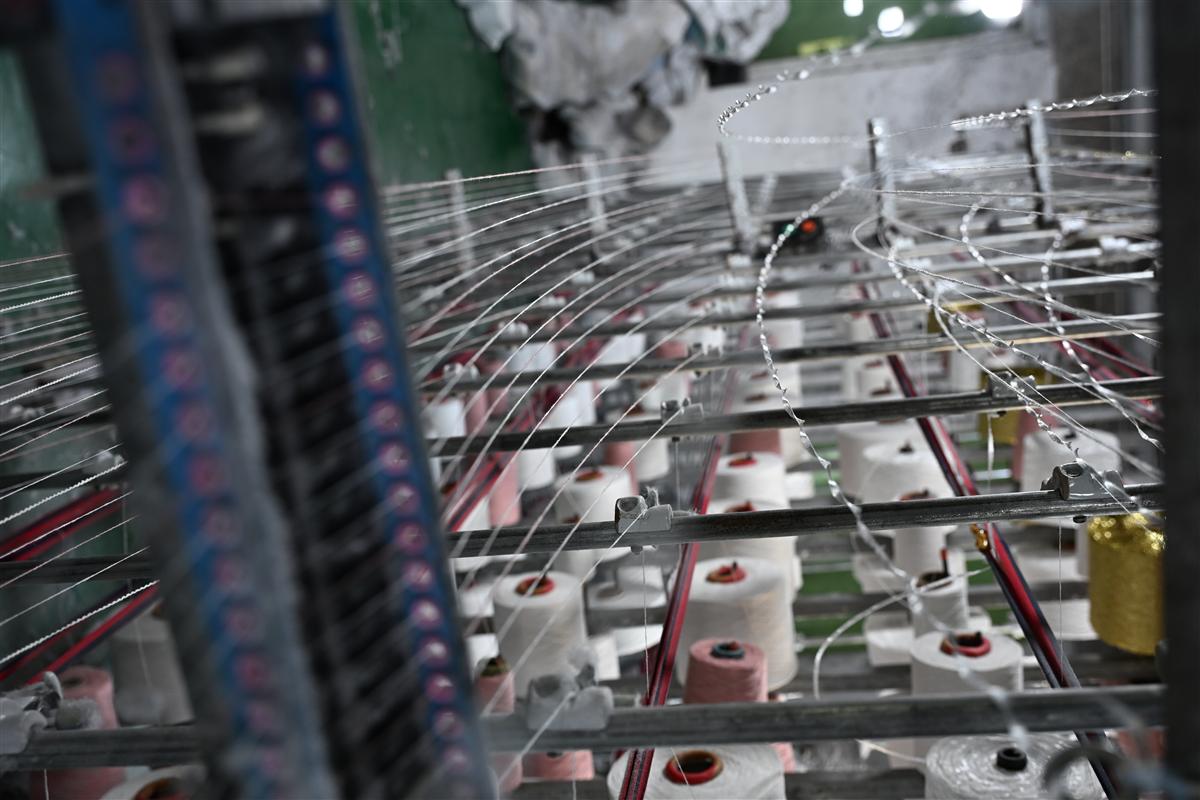
A signed labour statement is a mill’s account of its own workforce, and it cannot reach the spinner or the comber. According to CBP’s Operational Guidance for Importers, the bar is blunt: “Documents like affidavits and redacted or untranslated documents are not sufficient for an applicability or exception review.” What the guidance asks instead is a business record naming each upstream entity. A wool cloth runs grower, scourer, comber, spinner, weaver, and the weaver buys yarn, holding no combing record. In practice the file is three layers sorted by holder, each marked verified, relayed or absent. First, the mill proves its own plant. Second, the spinner proves the yarn lot. Third, the topmaker proves the wool lot and the combing date recorded in 2026. This page sets out the layers, the two objects sold as top, and the roll chain that makes a piece of cloth attributable.
Why Does a Signature Fail as a Record?
A record is a document created while the work happened, while a statement is a document created to answer a question. According to CBP’s Operational Guidance for Importers, the evidence expected at each production step is a purchase order, a contract, an invoice, a payment record, a certification, a facility audit, or another business record. A signature adds weight only where it sits on one of those. Step 1 is the payroll summary, which shows who was paid and over which period. Step 2 is the spinner’s delivery note, which shows which yarn lot left a named plant. Step 3 is the mill’s purchase order, which shows the yarn was bought rather than borrowed. In practice the broker’s email asks for a signed statement, not for the three items above, and calls the reply a labour question. A signed statement arrives with no plant name, no lot number and no period of production in 2026, so a reader cannot check one line against another.
What Does CBP Accept Instead of an Affidavit?
Relevant documentation is a record made in the normal run of trade, and the test is applied to each entity rather than to the shipment. According to CBP’s UFLPA enforcement FAQ, a package should carry “documentation produced in the ordinary course of business (and translated into English if necessary)”, together with transaction and supply-chain records, documents showing every party involved in manufacturing, handling or exporting the goods, and payment records. That list is entity-shaped. First, the question is which company performed which step. Second, the proof is a document the company issued. Third, the file is the importer’s to build, and the mill’s contribution is one layer inside the file. In practice the package should read as named plants with a purchase order number beside each name. A certificate at the front, with no set of records behind it, is a package with no middle in 2026.
Which Stage of a Wool Chain Does the List Miss?
CBP’s apparel appendix is a five-stage list, and a wool chain is longer than the list. According to the Operational Guidance for Importers, the appendix asks for “comprehensive documentation tracing the entire apparel supply chain, from the origin of raw materials (e.g., fibers like cotton, wool, or synthetics) through yarn spinning, fabric manufacturing (weaving/knitting, dyeing, finishing), garment production (cutting, sewing, assembly), and final export”, plus the location and role of each facility. A wool cloth adds scouring, combing and topmaking between the fibre and the yarn. The words combing and topmaking appear nowhere in the appendix. The gap is not a loophole, because the same appendix asks for “all inputs and components” and for the record identifying each upstream entity “with whom the importer did not directly transact”. Step 1 is to name the missing stage. Step 2 is to name the holder. In practice a list cannot prompt a tier the list never names, and an order placed in 2026 has to.
Which Holder Owns Which Layer?
What the Three Layers Look Like, by Holder
Each layer has one holder, one document and one mark.
| Layer and holder | What the layer proves | What the document is called | How the file marks it | If the holder will not give it |
|---|---|---|---|---|
| Mill, the weaver | Hours, payroll and recruitment at the weaving plant, plus the purchase order that bought the yarn | Payroll summary, hours record, purchase order to the spinner | Verified, because the mill issues it | Ask for a dated extract covering the roll’s production period |
| Spinner | Yarn lot identity, count, and the top lots the spinner bought | Delivery note, spinning lot card, top purchase invoices | Relayed, until the spinner signs | The spinner submits the same documents to CBP directly |
| Topmaker, the comber | Wool lot, and the country the fibre grew in | Wool lot record, purchase record, transaction certificate | Relayed, or absent when nothing arrives | Absent is recorded as absent, and the yarn batch changes |
How Should Each Layer Be Marked?
A mark is a claim about what the file can prove, not about how important the layer is, and three marks cover the whole file. Verified means the mill issued the document and holds the original. Relayed means the mill holds a copy of a document another company issued, and the copy is only as good as the signature behind the copy. Absent means no document exists in the file for the layer, and the roll it belongs to cannot be attributed upstream. In practice the marking does the argument for you. First, mark every line at the point of collection rather than at the end of the season. Second, keep the mark in the same cell as the document name. Finally, treat absent as information rather than failure, because a buyer who sees one verified layer, one relayed layer and one absent layer in 2026 knows where the file stops. The same weakness shows in a chemical file, where a declaration and a test report are not interchangeable.
Why Does Top Name Two Different Things?
Which Top Does the Order Actually Name?
Top is a trade word used for two objects which different documents prove, so an order naming top alone proves neither. According to CBP’s apparel appendix, neither object is a named stage, which is why the order has to define both. The first object is greasy wool origin, shown by a wool lot and a country from the grower or the scourer. The second object is the combed top lot, shown by a lot number, a count and the combing date recorded in 2026 from the topmaker. First, ask the broker which object the request means. Second, ask for the top lot number and the wool country as two lines rather than one. Third, write both lines into the order as separate fields, because in practice “top: [country]” answers neither. The welfare claim on the fibre is a separate chain, covered in the mulesing claims piece.
What Can the Mill Sign, and What Must It Refuse?
A signature certifies only conduct performed inside the signer’s own plant, and the boundary sits at the first company the mill bought from. On the near side the mill signs its own hours, its own payroll, its own recruitment records and its own purchase orders to the spinner. Those signatures carry the dates and lot numbers a reader needs in order to find the underlying entry. On the far side the mill relays. Relaying means naming the spinner and the topmaker, stating what each supplied, and attaching the certificates each issued in 2026. A mill that signs for the spinner’s workforce attests to facts it cannot know. Such a signature is worth less than the relay route, because a reader can check a relay against the issuer and cannot check an assurance. In practice the honest sentence is short: the statement covers the weaving plant and nothing upstream of the yarn purchase.
What Must a Roll Number Reach?
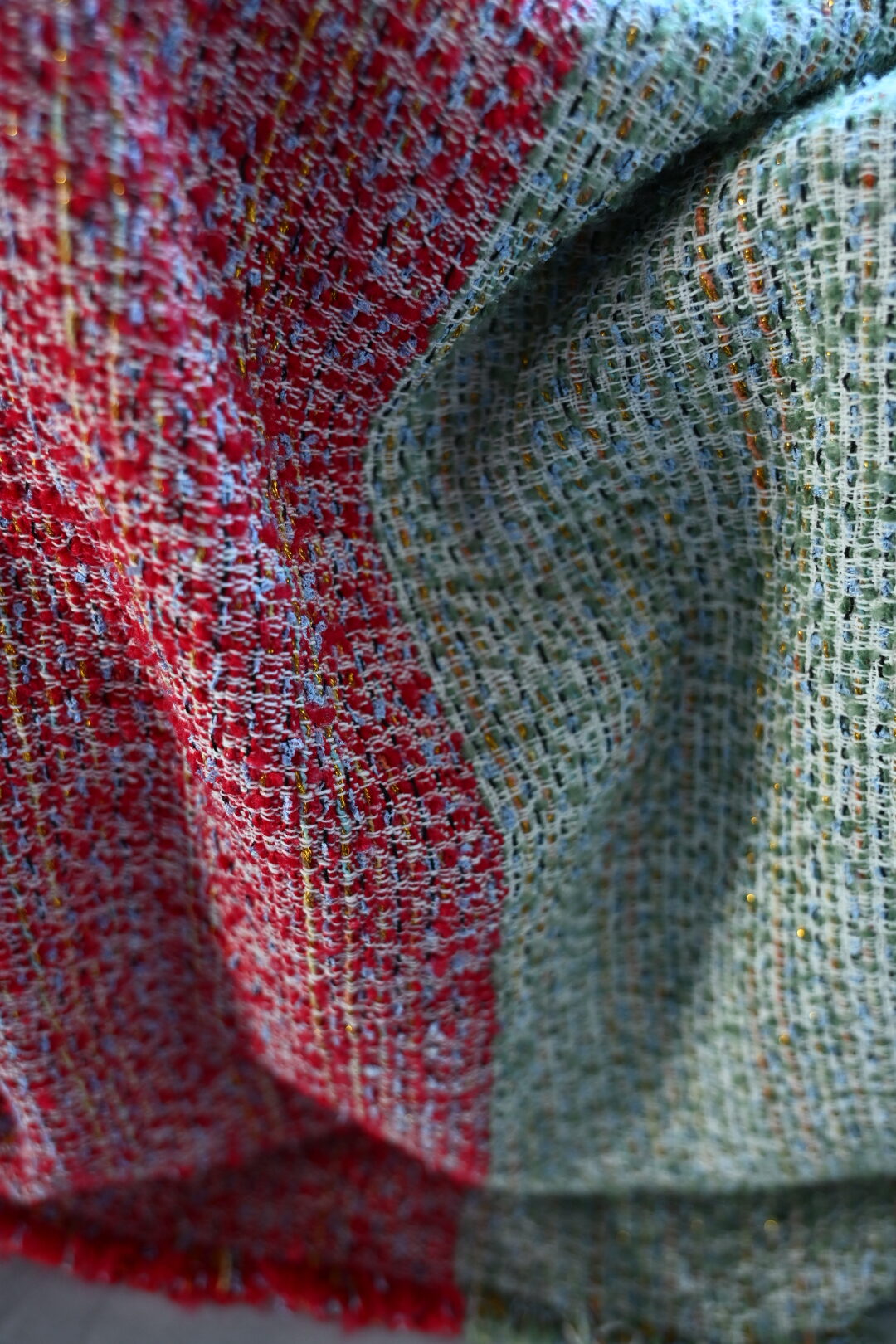
A roll is attributable when one chain of lot numbers reaches from the cloth back to the wool, and the chain breaks at the first missing number. The four links are the fabric lot with a roll range, the yarn lot, the top lot and the wool lot. First, write the four fields onto the packing list, so the ticket tied to the roll carries the starting point. Second, keep one numbering rule across all four links, because a chain which was renumbered cannot be matched to a supplier’s record later. Third, tie the statement to one batch and one period: the fabric lot, the roll range and the dates the cloth was woven in 2026. A statement with no period cannot answer a request made later. CBP’s identical-chain route asks the importer to show a supply chain identical to one already reviewed, which a drifting chain cannot do. In practice one absent number makes one roll unattributable.
What If a Tier Will Not Disclose?
Is Direct Submission by the Tier a Real Route?
Refusal is a normal answer from a tier that treats its customer list as confidential, and CBP’s own guidance anticipates the response. According to CBP’s UFLPA enforcement FAQ, suppliers “may be hesitant to share business documentation that may reveal sensitive information but may be willing to provide that documentation directly to CBP.” That sentence gives the buyer two routes. The first route keeps the tier and moves the paper: the spinner or the topmaker submits the same documents to CBP itself, and the file records the submission and the contact who made it. The second route changes the input, because the order specifies a yarn batch which already carries a transaction certificate linking the batch forward. First ask for direct submission. Then name the substitute batch as the fallback. Both routes belong in the order before the first roll ships: a source-tier schedule as an annex, bound to one batch and one period, and a right to substitute a certified batch when a tier’s records do not arrive. In practice neither route relieves the mill of a 2026 record, and neither needs a signature from a company the mill never bought from.
Why Must the Labour File and the Origin File Stay Apart?
A labour file and an origin file answer different questions, and one will not serve as the other. A forced-labour file asks who worked at each step and which record shows it. An origin file asks where the last substantial transformation happened, which is a tariff question about the cloth rather than a question about people. The documents overlap enough to be confused, since invoices, purchase orders and bills of lading appear in both. First, keep the two indexes separate, so a broker can hand each to the right reviewer. Second, label each document with the question it answers rather than the drawer it came from. Third, never send an origin declaration in place of a workforce record, because a reviewer reading the file in 2026 will read the absence as a gap rather than a substitute. Whose name may appear on the invoice is a separate field set.

Relaterte innsikter
Yellowed at the Fold Lines: What Settles It, Step by Step?
A yellow fold line on an ecru wool coating is a contact symptom before it...

Chemical Management: Which Clause Needs Which Paper?
Chemical management evidence is a document set answering one sentence in a supplier code, not...
Hoop Marks and Needle Holes: Who Pays for the Trial?
A hoop mark is crushed nap under an embroidery frame, and a needle hole is...