
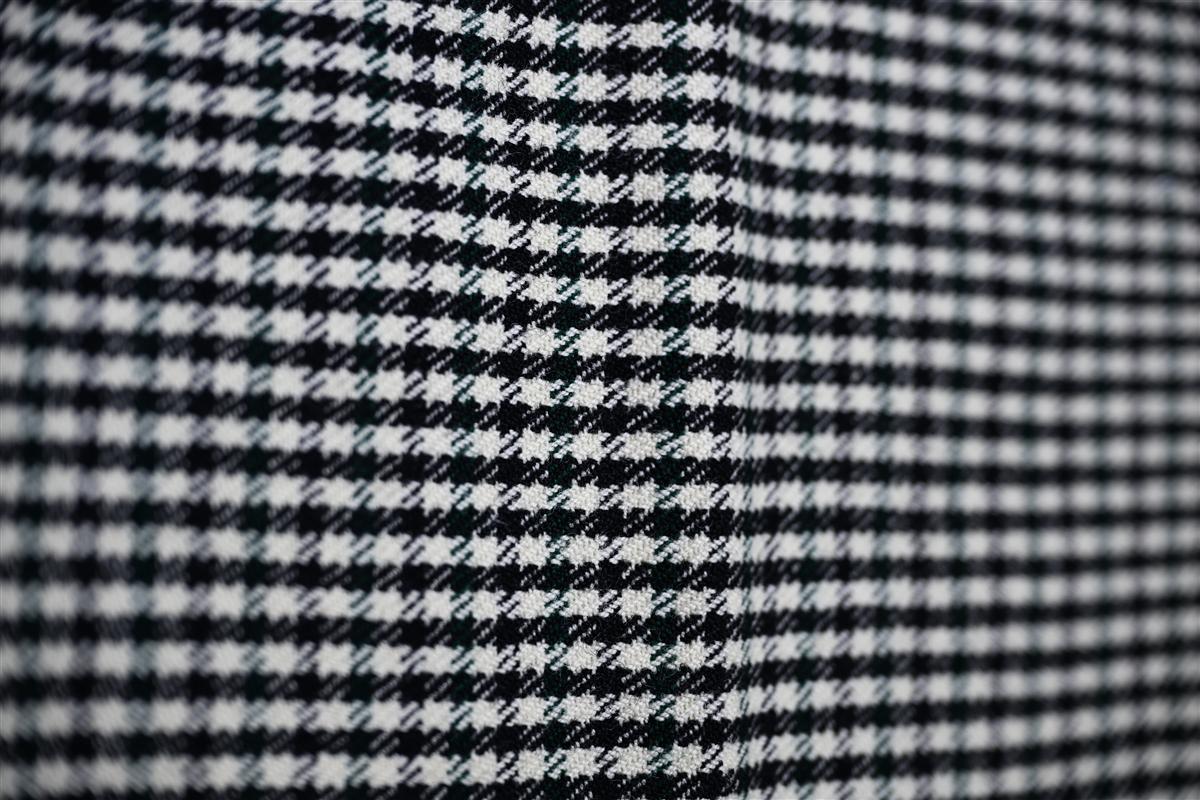
Ask for the tolerance in writing, with the method and the specimen next to it, because “within tolerance” without those three parts is not a fact, it is a habit. Weight per square metre and weight per running metre are different numbers, and a roll can be light on one and correct on the other. The measurement has a method, a specimen size and a conditioning rule, and the only fair comparison is measurement against measurement: the approved swatch measured under the same conditions, the bulk roll measured the same way, and the result converted into metres per garment before you decide whether to accept. Then write the method, the tolerance and the reference swatch into the next order, so the conversation becomes arithmetic instead of opinion.
Two different numbers, and the one you actually buy
Mass per unit area is what the swatch book quotes, usually in grams per square metre, and it describes the cloth itself. Mass per unit length is what you pay for when you buy metres, and it depends on the width: the same cloth at a narrower usable width gives fewer square metres for every metre you buy. That is why a roll can weigh the same per square metre as the sample and still feel like less cloth in the cutting room, and it is also why a genuine shortfall in grams per square metre can hide inside a roll that looks the right size.
Start by separating the two. Take the width as delivered, measure it, then weigh the piece and do the arithmetic in both directions: grams per square metre from the piece’s area, and grams per running metre from its length. If the usable width has moved because of a wider selvedge or a stiffer finish, the yield loss appears in the second number even when the first one is honoured.
The method that “within tolerance” is hiding
There are recognised ways to measure both numbers, and mills quote them by name when they are being careful: a standard method for mass per unit area, another for mass per unit length, and a third for thickness where the “feels thinner” complaint is really about loft. These are described among the general units and methods of textile measurement, and their existence is the point: the method fixes the specimen size, where on the piece it is taken, and whether the weight is measured as conditioned or as oven-dry.
That last question decides arguments. A cloth weighed straight off a damp warehouse floor carries water, and the same cloth dried in an oven weighs less; both numbers can be honestly reported and they differ by more than the tolerance you are arguing about. So the specification needs one sentence that says which number governs: mass per unit area determined by the agreed method on a conditioned specimen, measured after the cloth has been allowed to reach equilibrium in the standard atmosphere. Any complaint that does not state its conditioning is a complaint that can be answered with a shrug.
Measuring at receipt without a laboratory
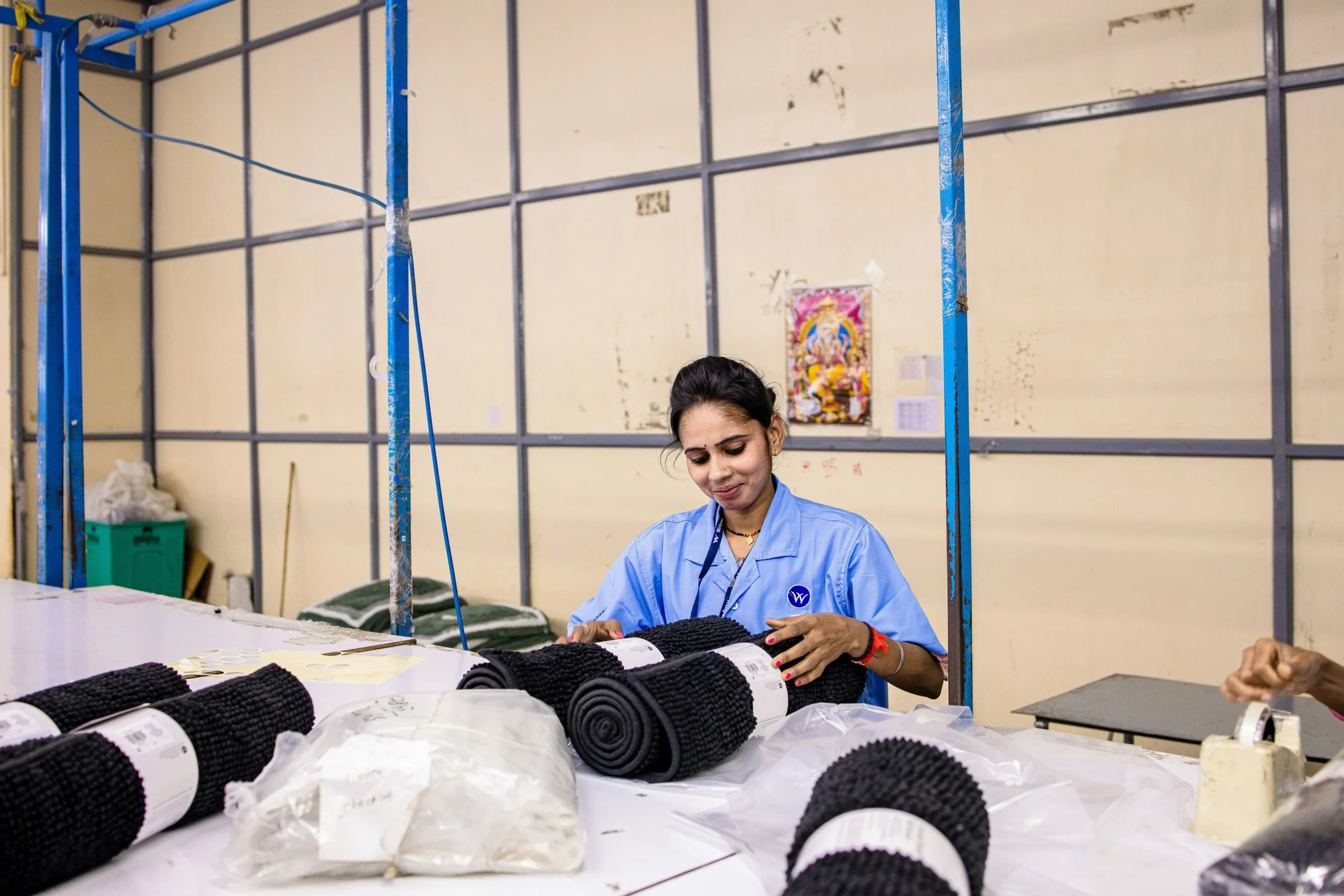
You do not need a textile lab to make the claim solid. You need a scale that reads to a gram, a cutting mat with a square template or a rotary cutter and a ruler, and the discipline to take the specimen from the same part of the roll each time. Cut a square of a known size from the middle of the piece rather than the first metre, which is the end the mill handled most and sometimes the end it trimmed; weigh it; photograph the scale reading with the roll ticket visible in the same frame; and keep the specimen in a bag labelled with the roll number.
Do that on a sample of rolls rather than all of them, following the sampling plan the order sets out, and do it the same day the container is unloaded, because a specimen cut after a week in a humid warehouse measures the warehouse as much as the cloth. Where the delivery inspection is done by a third party, the same method and the same specimen sizes belong in their brief, which is what an inspection that quotes a sampling plan for rolls is for. Keep two specimens per roll: one for your own measurement and one sealed, in case the dispute needs a second opinion.
The finish that changes the hand at the same weight
Weight is not the only thing that makes cloth feel thinner, and confusing the two wastes weeks. A change of yarn count, a tighter pick density, a heavier raising pass or a different final finish all change the hand at an identical grams per square metre. That is why “it feels thinner” has to be converted into two measurable questions: does the mass per unit area match the approved swatch, and does the thickness, measured by the thickness method, match it too? Where the first matches and the second does not, the conversation is about finishing and construction rather than about weight, and the mill’s answer will be found in the yarn ticket and the finishing record.
Where both match and the cloth still handles differently, compare the two pieces under the same light and against the same reference, side by side on a table rather than in the hand at different times. A swatch kept in a drawer for three months has relaxed; the swatch that governs is the one sealed and dated at approval, which is the habit the mill test report supports when it records what was measured at the time of shipment.
Turning the shortfall into metres
The commercial question is not how many grams are missing but how many metres that costs. Multiply the shortfall in mass per unit area by the area of the order to get the missing cloth by weight, then divide by the actual mass per running metre to get the missing metres, and add the cutting-room truth: a lighter cloth with a different hand may need a marginally larger marker allowance, and a heavier one can change the drape of the finished garment. Present the loss as a number of metres and a number of garments, and the remedy conversation becomes short: a credit for the metres, a replacement roll, or an accepted delivery at a price that reflects the shortfall, with the specimens and the photographs attached either way.
Decide which of those you want before you write to the mill, because a claim that arrives without a proposed remedy tends to be answered with a tolerance document. The claim that arrives with a measured specimen, a photograph, a computed metres figure and a proposed credit is answered with a settlement.
Where the mill’s own tolerance comes from
When a mill says “within tolerance”, it is usually quoting its internal band: the range of output it regards as normal for that construction on that loom, which has been set by what the machines can hold rather than by what your garment needs. That band may be perfectly honest and still be wider than your specification, and the two are not the same document. The mill’s band is a statement about its process; your specification is a statement about your product, and the negotiation is about which one governs the order.
Two clauses make that negotiation concrete. The first is a tolerance table that lists each property with its own number rather than one blanket percentage: mass per unit area, mass per running metre, usable width and thickness, each with the band you will accept. The second is a disagreement clause: where the buyer’s measurement at receipt and the mill’s measurement at shipment differ, a specimen from each side is sent to a third-party laboratory and the result of the agreed method decides, with the cost of the test carried by whichever measurement was further from it. That single sentence replaces most of the correspondence that follows a weight complaint.
There is also a version of this that arrives before the shipment. Ask the mill to send its own measurements as the rolls are packed, on the document that travels with the shipment, so the shipment arrives with a number rather than a claim, and so any deviation is raised while the cloth is still in the mill’s control. Where the mill’s measurement is inside your band, the receipt test becomes a confirmation rather than a dispute; where it is outside, the conversation happens before the container is loaded.
What to write into the next order
Six lines carry it. Mass per unit area in grams per square metre with the agreed method and the tolerance around it. Mass per running metre, computed from the same cloth, with its own tolerance. Usable width, measured after finishing, selvedge included or excluded as agreed. Thickness with its method, where the hand matters to the garment. Conditioning as the basis of measurement, stated in one sentence. And the reference swatch, sealed, dated and signed by both sides, which is the physical object all four numbers were measured against.
Add the reporting side: the mill’s own measurement of each property at shipment, recorded on a document that travels with the rolls, and the buyer’s right to re-measure a sample at receipt by the same method. Those two lines turn a quality argument into a comparison of two measurements taken the same way, which is the only kind of weight dispute that can be settled without a laboratory visit and a month of correspondence.

Relaterte innsikter
Shrink vs Stretch Returns: Separating Cloth From Care
A shrink-versus-stretch attribution is a controlled comparison that separates cloth change from care change on...
Lab Dip Close to Pantone: What to Sign Before Bulk Dye
A lab dip approval is a signed colour standard that freezes dye recipe, substrate, illuminant,...
Merino Is Not a Fibre Name: Labelling a Wool Coat for Two Markets
A wool coat sold in both markets needs two different fibre lines, and the words...