
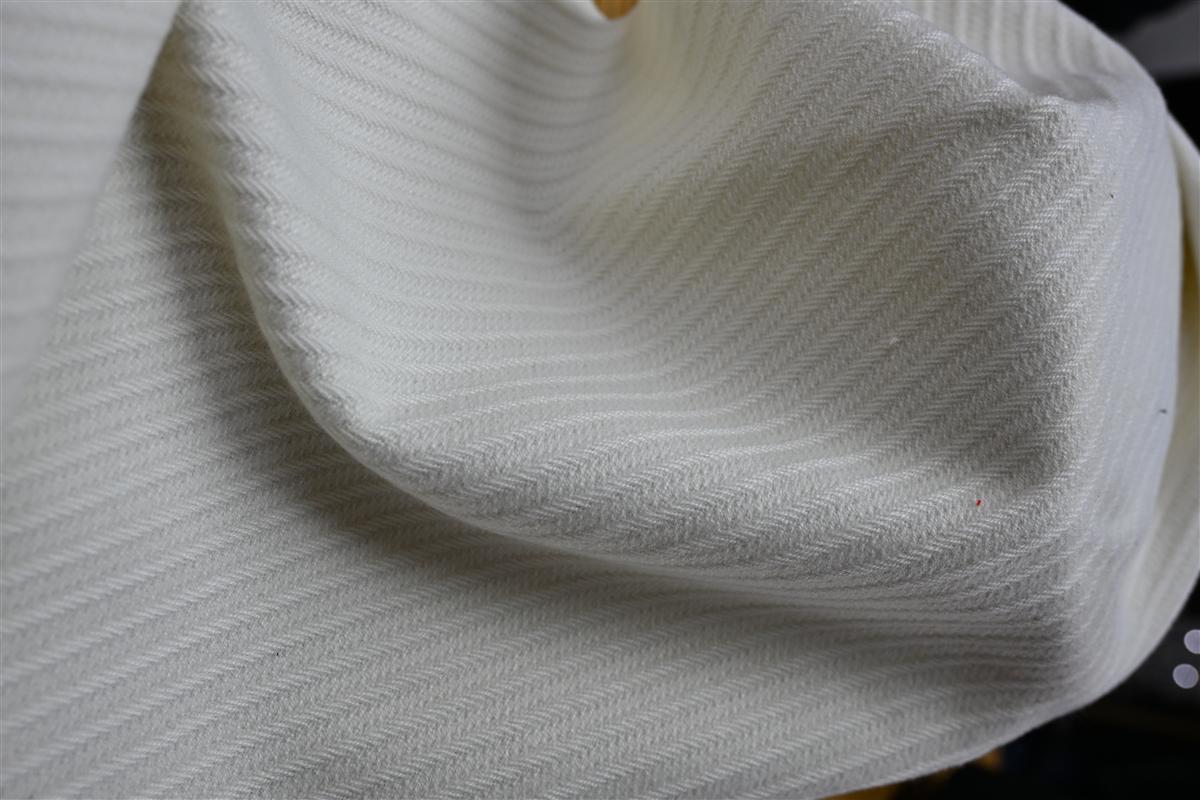
No mill can honestly promise that bulk will be the same as a sample whose yarn lot no longer exists, because the reference itself has become irreplaceable. What they can do, and what you should require, is a formal re-approval: weave a short trial from the replacement yarn now in stock, compare it against the retained sample you still hold, re-check both colour and handle under named conditions, and write the new lot numbers into a signed approval before any bulk weaving starts. That document, not the six-month-old swatch, becomes the standard the bulk is judged against. Here is how to spot when re-approval is really needed, what each step must contain, and what the re-approval sheet should say.
What Actually Changes When the Lot Is Gone
Six months is long enough for several quiet substitutions: the spinner reformulated the blend, the dye house changed to a different dye lot, a felting or finishing route was adjusted, or the original yarn was simply used up on another customer’s order. None of this is misconduct; it is normal mill life. The problem is only the sentence same as sample, which quietly converts from a promise into a habit of speech. Once the reference lot is gone, the old sample turns from a control into a memory, and memory is not a quality system. Your standing in this conversation is simple: you hold the retained sample, so you control what the bulk gets compared against. A mill that understands this will welcome a re-approval, because it protects them too. A mill that resists writing lot numbers down has told you something you need to hear before the looms run, not after.
Signs, Causes, and the Ask That Fixes Each One
Re-approval issues show up as small, easy-to-miss signals in correspondence and on cloth. Run any new-lot conversation against this table before you let bulk weaving proceed, because each sign has a specific cause and a specific document that resolves it.
| Sign | Likely cause | What to ask the mill for |
|---|---|---|
| The quote says same as sample but no sample reference number appears anywhere | The sample is being used as a vibe, not a control | A named sample: your approval date, your reference number, the lot it was woven from |
| The original yarn lot is out of stock or discontinued | The visual and handle reference cannot be reproduced, only approximated | A trial piece woven from the replacement lot, offered for your approval before bulk |
| The mill offers photos or renders of the new yarn instead of cloth | Colour and handle cannot travel through a screen | A physical header or hanger of the replacement lot, cut from the trial piece |
| Nobody can say which dye lot the bulk will run on | Dyeing has not been scheduled against your approval | The bulk dye lot number, written into the approval before weaving starts |
| The retained sample you hold has faded or soiled | The control itself has drifted after months in daylight or a drawer | A joint re-reference: freshly cut samples from both sides, stored dark and sealed |
Our earlier piece on right colour, wrong handle covers how to record colour and handle together at first sampling. Re-approval is that same discipline run a second time, under worse conditions, which is why it needs more formality, not less.
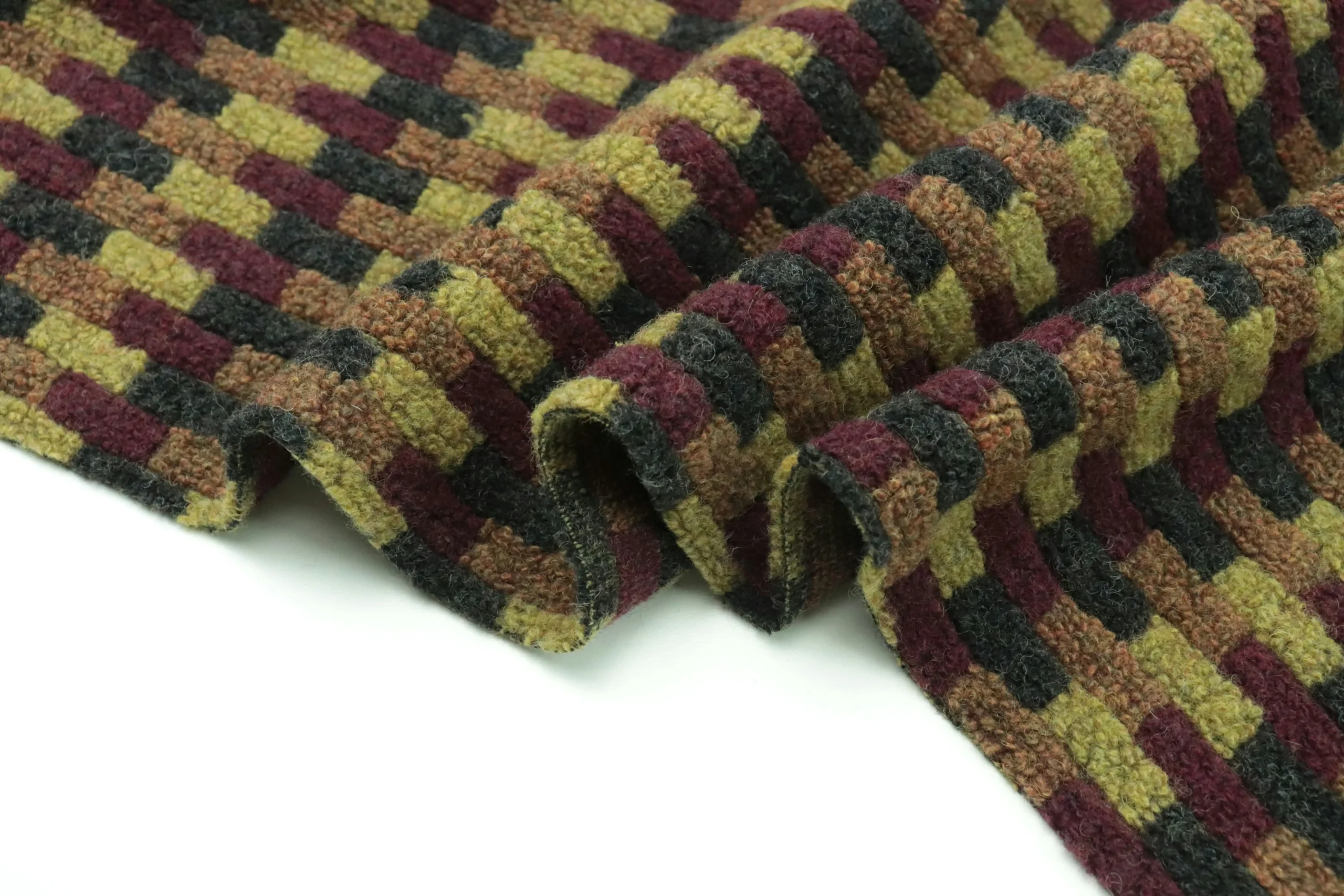
The Re-Approval Steps, Item by Item
Step One: Reweave From the Stock Yarn
Insist on a short trial piece, woven on the same machine class that will run the bulk, from the yarn lot that will actually be used. A loom-state or lightly finished trial is enough; it does not need to be a full development sample. What matters is provenance: the mill should state, in writing, that the trial and the bulk come from the same yarn purchase and the same intended dye lot. If the bulk later runs on a different lot, the approval is void and the exercise repeats. This single sentence, trial and bulk same lot, is the part mills most often leave out and buyers most often never ask for.
Step Two: Compare Side by Side, Under Named Light
Put the trial against your retained sample from the first run, edge to edge, under daylight and under the shop light your customers actually meet the garment in, the way our piece on two greens splitting in daylight describes for colour approval generally. Check colour first, then handle: compress the cloth, release it, drape a corner, run a finger across the surface. Note anything you can measure, weight per square metre if you have a sample scale, thickness between your fingers as a consistent personal reference, and write the observations down in one session. If the trial is visibly different, stop there. A difference you can see across a desk on day one is a difference your customers will see across a shop on day one hundred. If it passes, grade any residual difference honestly: minor shade movement within a family is normal across lots; a changed surface character is not, because the surface is the design in a tweed.
Step Three: Sign With the New Lot Numbers
The approval is a document, not an email thread. It should carry: your style or cloth reference, the retained sample reference from the first approval, the new yarn lot numbers, the new dye lot number, the date, what was compared under which lights, and the tolerance you agreed verbally, now in writing. Both sides keep a copy and both keep sealed hangers of the approved trial. From that moment, same as sample means same as the approved trial, and every future inspection of the bulk is judged against a document that exists, not a swatch that has quietly become the only one of its kind.
The Re-Approval Sheet, Field by Field
Keep the sheet short enough that a busy mill will actually fill it in. Eight fields cover the failure modes that re-approval exists to prevent.
| Field on the sheet | Why it is there |
|---|---|
| Cloth and style reference | Ties the approval to one order, not to a relationship |
| Original sample reference and date | Preserves the chain back to first approval |
| New yarn lot number(s) | Makes the substitution visible and traceable |
| New dye lot number | Locks the colour source behind the approved trial |
| Lights under which comparison was made | Prevents later arguments about who saw what where |
| Handle observations and any measurements | Gives the next reorder a written baseline |
| Agreed tolerance and decision rule | Says in advance what happens if the next lot differs again |
| Signatures and date, plus retained hangers | Converts the sheet into the operative standard |
The Bulk Itself Still Gets Inspected
Approval before weaving does not retire inspection after finishing. The bulk rolls should still be graded on a four-point basis against the agreed rules, and ASTM D5430 is the standard most mills’ inspection reports quietly assume when they score woven defects. The difference a re-approval makes is that inspection now has a current, signed reference to inspect toward. When the replacement lot’s trial and the bulk share a lot number, a defect is a defect. When they do not, every conversation starts with an argument about which cloth is the real one, and by then the cloth is already cut.
When Not To Re-Approve at All
Re-approval has limits, and it is worth naming them. If the replacement yarn changes the fibre content, the bulk is not a continuation of your cloth, it is a new cloth wearing its name, and it needs your design judgement, not a signature on a sheet, and a substitution file like the one described in our weft substitution guide before any approval. If the mill cannot supply lot numbers because they genuinely do not know which yarn will arrive, the honest sequencing is to wait until they do; approving a trial against unknown bulk yarn approves nothing. And if the colour has to match a garment already sold in stores, as happens on a reorder of a live style, treat shade movement as the deciding factor: our guide to dye lots and colour consistency explains why lot-to-lot movement is expected and how to contain it. Approving around those three situations feels efficient and bills you later, in returns, in credit notes, and in the one currency a small brand cannot reprint: customer trust in the hand of your cloth.
The Question That Ends the Argument
If a mill ever pushes back on re-approval, one question settles it: which document does the bulk weaver work to, and which lot numbers does it name? If the answer is a real sheet with real numbers, you are safe to let the looms start. If the answer is same as sample repeated with more confidence, then the sample is six months dead, the yarn is gone, and the only honest move is the one this article started with: a fresh trial, a side-by-side, and a signature. It costs the mill a short trial piece and it costs you a few days. Skipping it can cost a season.

Relaterte innsikter
Tweed Collar Fray: Check Construction Before Changing Cloth
When a tweed jacket collar frays after a month, customers often blame the cloth first....
Merino Is Not a Fibre Name: Labelling a Wool Coat for Two Markets
A wool coat sold in both markets needs two different fibre lines, and the words...
It Feels Thin: Turning a Complaint into Five Specification Rows
A hand-feel gap is the distance between a measured property and a customer’s report. The...