
When a tweed jacket pills after three wears, the complaint usually lands on finishing or fiber, but the decision that mattered most was made upstream at the spinning frame: how much twist went into the yarn, and whether it was plied. Twist anchors fibers; ply balances yarns. Get either wrong and no amount of finishing rescues the surface. This guide explains the mechanics, what to specify, and how to test before bulk on a realistic sampling clock.
What Twist and Ply Actually Do
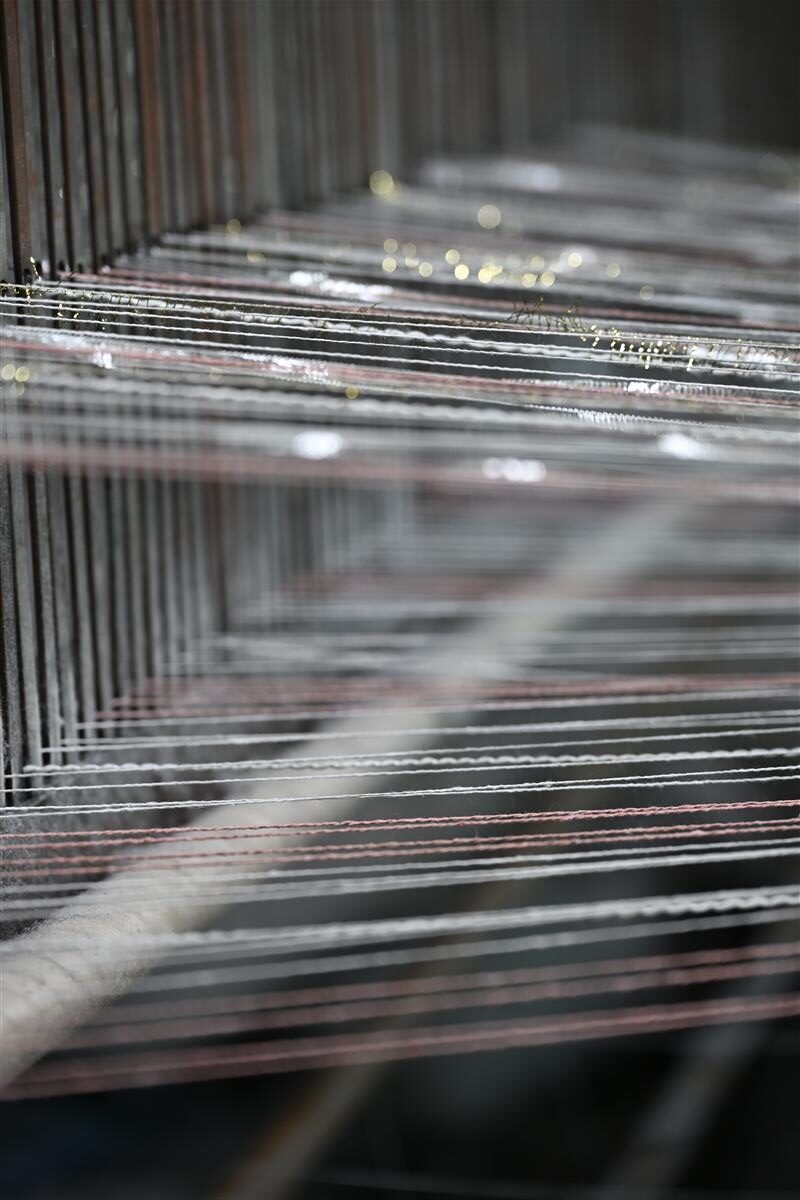
Twist is the number of turns per unit length spun into a yarn. More twist binds fibers tighter to each other, which raises strength and abrasion resistance and makes the yarn feel crisper and look flatter. Less twist leaves fiber ends proud of the surface, which is where halo, softness and pilling all come from. Ply is a second step: two or more single yarns twisted together. Plying locks short fibers in place, balances the torque of the single, and produces a rounder, more durable yarn that resists the fiber migration behind pill formation. A single-and-loose yarn is cheap and fuzzy; a plied-and-firm yarn costs more per kilo and survives wear. Neither is wrong; they are different tools, and the mistake is choosing on hand feel alone without asking what the garment will be asked to survive. There is also a direction to twist, S and Z, which mills use to balance torque and build crosswise effects into fancy yarns; it rarely decides pilling on its own, but it matters for how a boucle loop sits and wears, which is one reason fancy yarns are almost always plied even when they look loose.
How the Choices Show Up as Pilling
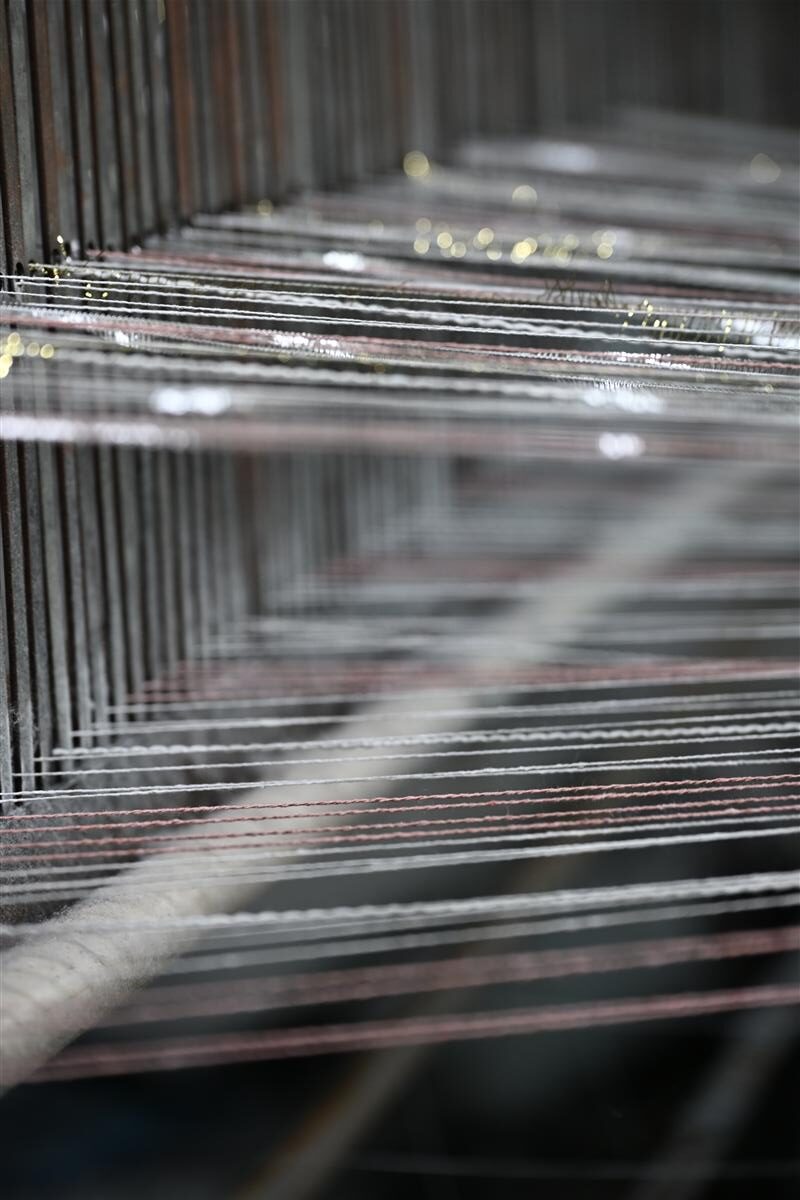
Pilling is fiber ends working loose and tangling into balls under friction. Loose twist and unplied yarns feed the mechanism two ways: they leave more fiber ends exposed, and they shed short fibers into the surface fuzz that tangles. This is why two tweeds of identical composition and weight can grade differently in the same test, and why composition claims like 100 percent wool say nothing about surface durability. Our Chanel-style tweed line holds ISO grade 3 to 4 pilling resistance, and the difference is engineered at this stage rather than hoped for at inspection; the backing for that figure is the mill process behind the Chanel-style tweed program. Buyers comparing mills should ask what twist level and ply construction a quoted fabric uses, because at equal price points those choices are where quality gets traded away first.
What to Specify Before Sampling
Three fields turn this from theory into a spec. Twist level: not every buyer needs the number, but every buyer should state the intent, soft-halo versus clean-face, and let the mill propose the twist to match. Ply: state single or plied explicitly, because quotations that look identical often differ here. Test method: name the pilling standard the program will be judged against so the bulk inspection has a number to check, the same way standards bodies such as The Textile Institute frame textile testing as method-first. Put the three fields into the tech pack next to composition and weight. Our sampling runs in 7 days, which makes it cheap to compare a plied and an unplied version of the same design side by side before the 1,000-meter custom minimum is committed. Keep the language in the spec plain: intent plus test method outperforms jargon, because it survives translation between your designer, the mill’s spinning master and the inspector who signs off bulk.
Balancing Hand Feel Against Durability
The reason mills do not simply max out twist on everything is that the same fiber anchoring that stops pilling also hardens the hand and flattens the halo that makes boucle and fancy tweed attractive. The engineering question is always where the garment lives: a heirloom coat gets plied, high-twist yarns; a statement piece worn occasionally can carry a softer, loftier yarn with a care note attached. Blends complicate the picture because synthetic fibers are strong enough to hold a pill on the surface instead of letting it wear away, which is why fiber choice and yarn construction have to be decided together. The finishing stage can still adjust the surface, and our walk-through of the tweed production process shows where; for the earlier mill steps that shape hand feel, the fulling and finishing guide covers the sequence. Decide yarn first, then let finishing polish it.
Ofte stilte spørsmål
Does plying yarn prevent pilling?
It strongly reduces it. Ply locks fibers inside the yarn structure, leaving fewer ends free to migrate and tangle into pills under friction.
Why does a soft tweed pill more than a firm one?
Softness usually comes from lower twist and unplied yarns, which leave fiber ends proud of the surface. Those ends are what form pills.
What should I ask a mill about pilling?
Ask the twist level, whether the yarn is plied, and which pilling test method and grade the fabric is built to meet.
Can finishing fix a pilling problem?
It can reduce surface fuzz, but the root cause is yarn construction. Fix twist and ply at sampling instead of hoping a finishing pass will rescue bulk.
Video: Hidden Craftsmanship in Tweed Fabric
Comparing mills on a tweed program? Send the target hand and duty cycle, and the team behind our Chanel-style tweed line will quote plied and unplied constructions side by side with a 7-day sample on each.

Relaterte innsikter

Fargegodkjenning uten overraskelser: Labdips, vevtilstand og lysskapet
Color is the most common reason a tweed bulk run disappoints. Not because mills cannot...

Fulling and Finishing: The Mill Steps That Change Tweed’s Hand Feel
Two tweeds can leave the loom with identical yarn, identical weave and identical weight, and...

Garment Dyeing vs Piece Dyeing: Cost, Color Control and When Each Wins
Garment dyeing, dyeing the finished garment instead of the fabric roll, has quietly become a...