

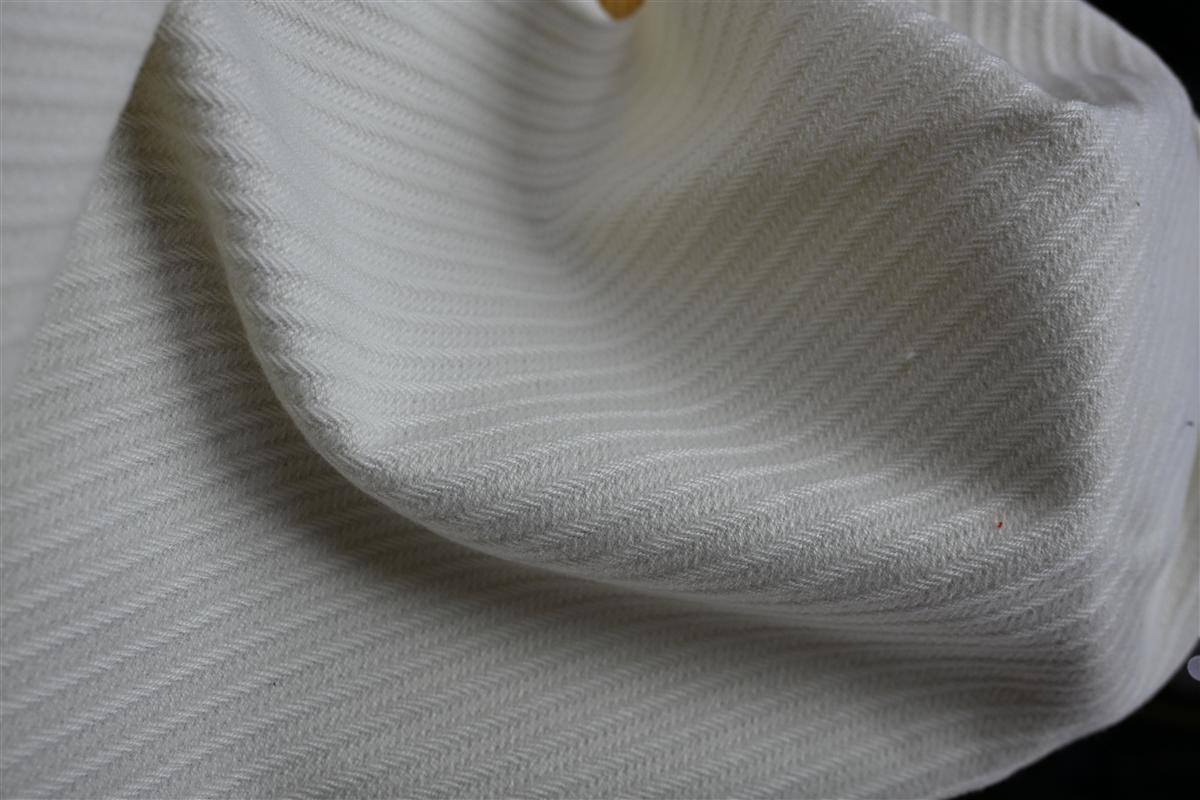
Two rolls sit side by side on a knit buyer’s table. Both are chunky, cream-colored sweaters weight. One is labeled cable knit, the other Aran knit, and to a garment factory’s cutting team they look interchangeable. They are not. The cable knit uses one stitch family, repeats cleanly across the roll, and cuts like a commodity. The Aran knit layers four or five stitch families into a panel system, carries more yarn per square meter, and demands pattern matching that changes your yield. The cable knit vs aran knit decision is a stitch-structure decision. It carries cost and lead-time consequences. This guide walks through the differences a fabric buyer needs on the spec sheet.
The starting point for both is the same: knit fabric built on a rib or plain base with stitch crossings that create raised columns. The differences live in how many stitch families are combined, how much yarn the pattern consumes, and what weight band the construction lands in. Fursone’s Wenzhou mill runs heritage cable and Aran constructions from 350 to 700 GSM. The fibers are wool, acrylic, and cotton blends. Stock rolls cut from 100 meters, and custom programs start at 300 meters per color. The numbers below come from that production floor, not from a pattern book.
Co odróżnia splot warkoczowy od splotu aran
Dzianina warkoczowa to technika dziewiarska. Grupy oczek krzyżują się z sąsiednimi grupami w ustalonych odstępach, tworząc przypominające liny wypukłe kolumny, od których tkanina wzięła nazwę. Jedna rodzina ściegów, jedno powtórzenie wzoru, czyste pionowe linie. Łatwo ją zaprogramować na płaskiej maszynie dziewiarskiej, łatwo skroić i łatwo dopasować między rolkami, bo wzór jest regularny.
Dzianina aran to system wzorów, a nie jeden ścieg. Ta tradycja pochodzi z Wysp Aran u zachodniego wybrzeża Irlandii. Tam dziewiarki łączyły ściegi warkoczowe, romby, plaster miodu, koszyczek i ścieg mchu w układ paneli. Centralny warkocz otaczają romby, a całość zamyka tekstura plastra miodu i mchu. Gotowe wyroby zaczęto nazywać swetrami rybackimi. Każdy motyw ma w folkloreze swoje znaczenie. Dla kupującego praktyczny wniosek jest ten sam: rolka dzianiny aran zawiera kilka rodzin ściegów na jednej powierzchni. To zmienia zużycie przędzy i zachowanie materiału na stole krojczym.
Obie konstrukcje wywodzą się z tradycji ręcznego dziergania i obie są dziś odtwarzane w przemysłowej gęstości oczek. Rozróżnienie, które ma znaczenie przy zaopatrzeniu, jest strukturalne: warkocz to powtarzalny motyw, a Aran to kompozycja. Na maszynie powtarzalny warkocz można zagęścić lub rozciągnąć, zmieniając gramaturę bez utraty tożsamości. Panel Aran traci równowagę w momencie rozciągnięcia, bo to proporcja między kolumną warkocza a polami rombów sprawia, że odczytujemy go jako Aran.
Architektura splotu i powierzchnia
Architektura splotu decyduje o trzech mierzalnych rzeczach: reliefie powierzchni, szerokości tkaniny na daną liczbę igieł i zużyciu przędzy. Skrzyżowania warkoczy zaciskają oczka w miejscu przecięcia, co miejscowo zwęża tkaninę i tworzy głębokie linie cienia widoczne na zdjęciach. Panele Aran dodają wokół warkoczy pola faktury oparte na oczkach lewych, które pogrubiają powierzchnię i zużywają zauważalnie więcej przędzy na metr kwadratowy niż zwykły powtarzalny warkocz przy tej samej gęstości oczek.
| Właściwość | Dzianina warkoczowa | Aran knit |
|---|---|---|
| Rodziny splotów na jednej powierzchni | 1-2 (cable on rib base) | 4-5 (warkocz, romb, plaster miodu, koszyk, mech) |
| Pattern repeat | Regular vertical columns | Skład panelu, odbicie lustrzane |
| Yarn consumption | Wartość bazowa | Około 10-20 % więcej za metr kwadratowy |
| Surface relief | Raised columns | Głębokie, wieloteksturowe powierzchnie |
| Dopasowanie wzoru przy krojeniu | Simple, columns align | Wymagane przy szwach bocznych i rękawach |
| Stretch behavior | Even, predictable | Varies by motif zone |
Luka w zużyciu przędzy to liczba, która uderza w twój arkusz kosztów. Powierzchnia Aran z czterema polami faktury zużywa więcej przędzy na metr kwadratowy niż zwykły powtarzalny warkocz przy identycznej gęstości splotu i docelowej gramaturze. Przy zamówieniu hurtowym 1 000 metrów różnica w zużyciu przędzy na poziomie 10–20 % odczuwalnie zmienia koszt tkaniny — dlatego konstrukcje Aran są wyceniane wyżej niż zwykły warkocz przy tej samej gramaturze (GSM). Kupujący, którzy wyceniają Aran z cennika warkoczy, planują budżet błędnie.
Przedziały gramatury: GSM i gęstość splotu
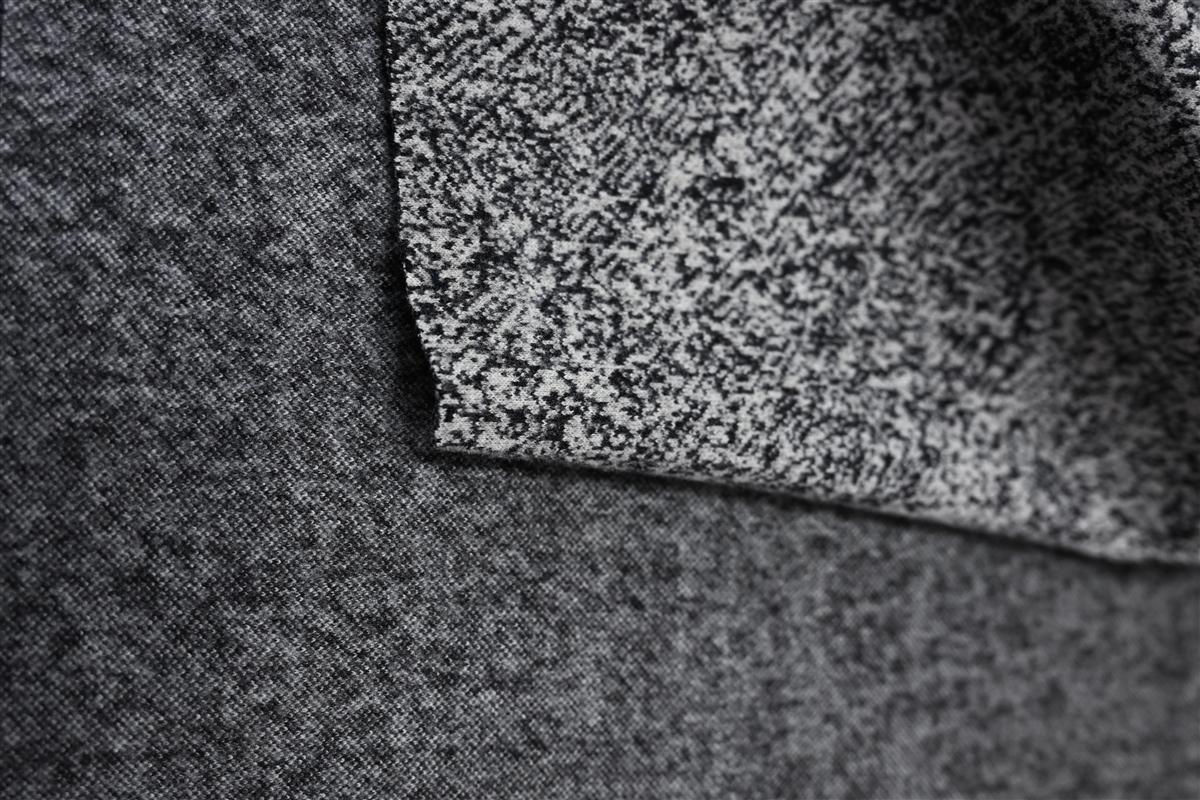
Weight is where most cable vs aran buying mistakes happen, because the same gauge can produce different weights depending on yarn count and stitch density. Knit fabric for sweaters typically uses 30-80 Tex yarn depending on gauge, and the finished weight lands in bands that map to garment types. Fursone’s heritage cable and Aran range runs 350-700 GSM at 148-150 cm width, with midweight constructions around 300-400 GSM and chunky weights at 500+ GSM.
| Weight band | Garment fit | Typical use |
|---|---|---|
| 350-400 GSM | Swetry o średniej gramaturze, kardigany | dzianiny do warstwowego noszenia, swetry sezonowe |
| 400-500 GSM | Structured sweaters | Samodzielne dzianiny zimowe |
| 500-600 GSM | Chunky cable and Aran | Ciężkie pulowery, sylwetki oversize |
| 600-700 GSM | Heavyweight outerwear | Dziane płaszcze bez podszewki, poncza |
Przedział 600–700 GSM to ten, w którym sploty warkoczowe w pełni się sprawdzają. Nasze najcięższe gatunki warkoczowe są na tyle stabilne, że nadają się na niepodszewkowe płaszcze dzianinowe i poncza, ponieważ regularna struktura oczek równomiernie rozkłada obciążenie. Aran o tej gramaturze wygląda spektakularnie, ale jest proporcjonalnie cięższy — w porządku na płaszcz w roli głównej, ale zły do kroju podkreślającego sylwetkę.
Kontrola kurczliwości ma znaczenie przy każdej gramaturze. Obie konstrukcje są wstępnie kurczone do nie więcej niż 3 % skurczu resztowego w praniu według ISO 6330, a zachowanie przy mechaceniu testuje się zgodnie z ISO 12945-2. Struktura splotu nie zmienia metody badania, ale zmienia wynik. Przeploty warkocza mocniej zamykają powierzchnię niż otwarte pola faktury. To jeden z powodów, dla których dzianiny warkoczowe zachowują wygląd przez więcej cykli prania niż luźno fakturowane pola aran przy tej samej jakości włókna.
Właściwości użytkowe: ścieralność, powrót do kształtu, zmechacanie
Dane o trwałości wyraźnie różnicują oba sploty pod względem odporności na zużycie. Dzianiny warkoczowe (cable knit) osiągają w naszych testach produkcyjnych średnio ponad 20 000 cykli ścierania Martindale. Typowe dzianiny boucle o strukturze pętelek wypadają na poziomie 15 000–18 000. Wzajemnie przeplatający się splot daje stabilność wymiarową i powrót do kształtu po rozciągnięciu, czego otwarte struktury nie są w stanie dorównać. Dzianiny aran należą do tej samej rodziny splotów. Przejmują większość właściwości warkocza. Zastrzeżenie: głęboko fakturowane powierzchnie łatwiej zaczepiają się o ostre przedmioty i biżuterię.
Wybór włókna przesądza o części tych różnic. Mieszanki bogate w wełnę, o zawartości wełny 60 % lub więcej, dobrze wracają do formy po rozciągnięciu; mieszanki z dużą ilością akrylu lub wiskozy mogą tego nie robić, niezależnie od architektury splotu. Gruby warkocz o gramaturze 500 GSM ze 100 % akrylu trzyma formę inaczej niż ten sam wzór w mieszance wełny z akrylem. Wynik mechacenia według ISO 12945-2 zależy od włókna, a nie od wzoru. Określ włókno w specyfikacji, zanim zaczniesz spierać się o splot. Gdy gotowe wyroby trafiają na rynek amerykański, deklarowany procent wełny jest obowiązkiem prawnym. Dzianina wełniana podlega Ustawa o oznakowaniu produktów wełnianych (Wool Products Labeling Act, 16 CFR Part 300). Numer na etykiecie musi być zgodny z zawartością w raporcie z badań tkaniny.
W kolekcjach odzieży wierzchniej liczba cykli ścierania jest warunkiem koniecznym. Dzianinowy płaszcz, który ociera się o torby i pasy bezpieczeństwa, wymaga poziomu 20 000+ cykli. Modny sweter, który sprzedaje się dzięki strukturze i przez większość roku wisi w szafie, może mieć lżejszą specyfikację. Specyfikacja parametrów użytkowych powinna zostać wpisana w quote request, ponieważ przędzalnia, która nie przeprowadza testów, chętnie wyśle dowolny parametr, o jaki poprosisz.
Tkaniny z magazynu a zamówienie indywidualne: ile czasu zajmuje każde z nich
Oba sploty są dostępne z magazynu lub jako programy niestandardowe, a różnica polega na tym, gdzie mieści się harmonogram. Fursone trzyma w gotowym magazynie 15+ wzorów warkoczowych z minimum 100 m i wysyłką w 72 godziny z magazynu w Wenzhou — to rozwiązanie dla marek testujących sylwetkę albo rynek. Niestandardowe wzory warkoczowe i aran programuje się ze zdjęcia lub szkicu w 7–10 dni na potrzeby próbkowania. Produkcja masowa trwa 25–35 dni, a tryb ekspresowy 15–20 dni. Minimum to 300 metrów na kolor.
Branżowe cykle próbkowania dzianinowych struktur na miarę wynoszą 14–21 dni, gdy przędzę trzeba uprząść na zamówienie. Nasze 7-dniowe szybkie próbkowanie skraca ten czas, sięgając wcześniej po zapas przędzy. Moc produkcyjna jest dedykowana do serii próbnych. Marka może wtedy ocenić chwyt, układ i gramaturę, zanim zaangażuje się w program 300 metrów. Te same rolki magazynowe, które wysyłamy w 72 godziny, służą do testów kapsułowych, a następnie program na miarę przejmuje rolę na skalę.
Ceny wynikają z tej struktury. Bezpośrednie zakupy w fabrykach w Wenzhou przy porównywalnej fakturze, tej samej gramaturze, tym samym włóknie i tej samej złożoności dają cenę około jednej piątej do jednej trzeciej cen europejskich tkalni couture. porównanie dzianiny o splocie warkoczowym z magazynu i na zamówienie indywidualne na tej stronie znajdziesz pełną logikę kosztów. Ta różnica cen sprawia, że najpierw stan magazynowy, a dopiero potem zamówienie własne stało się standardową ścieżką startu dla marek dzianinowych.
Która konstrukcja pasuje do Waszej kolekcji
Wybierz splot warkoczowy (cable), gdy liczy się wolumen, uzupełnianie zapasów albo wydajność krojenia i szycia. Regularne powtórzenia wzoru kroją się czysto, kolumny układają się bez ręcznego dopasowywania, a wyrób szybko uzupełnia się z magazynu. Prognozy jesień/zima lokują dzianinę warkoczową w segmencie wolumenowym właśnie dlatego, że łączy 20 000+ cykli Martindale'a z 4–6-tygodniową produkcją masową i 3–7-dniowym uzupełnianiem z magazynu. Dla większości kupujących dzianiny pytanie „cable czy aran” rozstrzyga się na poziomie SKU, a nie całej kolekcji.
Wybierz Aran, gdy historia jest dziedzictwem, sylwetka jest oversize, a cena detaliczna uzasadnia zużycie przędzy. Aran czyta się jak rzemiosło, dobrze wychodzi na zdjęciach i niesie narrację kulturową, której sam warkocz nie zapewni. Koszt jest wyższy za metr, wydajność kroju niższa, bo panele trzeba dopasowywać, a termin realizacji jest taki sam, gdy wzór jest już zaprogramowany. Marki, które sprzedają Aran, sprzedają system motywów, a karta specyfikacji powinna to uwzględniać.
Większość kupujących stosuje oba warianty: prosty dzianina o splocie warkoczowym heritage for the volume SKUs and one Aran hero pattern for the campaign piece. That split keeps the average cost down and the collection’s texture story intact. Whichever you choose, put the stitch family, GSM band, fiber blend, and test method on the RFQ before sampling. The fabric RFQ template na tej stronie wymienia pola, których przędzalnia potrzebuje, aby prawidłowo wycenić obie konstrukcje.
Najczęściej zadawane pytania
Czy dzianina aran to to samo co dzianina o splocie warkoczowym?
Nie. Dzianina warkoczowa to jedna technika ściegu — wypukłe skrzyżowania oczek w regularnych kolumnach. Dzianina aran to system paneli, który łączy warkocz ze ściegami rombowym, plastra miodu, koszykowym i ryżowym na jednej powierzchni, dzięki czemu zużywa więcej przędzy i daje wrażenie głębszej faktury.
Co jest cieplejsze: dzianina o splocie warkoczowym czy dzianina aran?
Przy tym samym GSM izolują podobnie, bo ciepło zależy bardziej od włókna i grubości niż od splotu. Powierzchnia Aran zatrzymuje nieco więcej powietrza w swojej fakturze, ale różnica jest niewielka w porównaniu z wyborem włókna.
Jaką gramaturę ma gruba dzianina o splocie warkoczowym?
Grube sploty warkoczowe i aranowe zaczynają się od około 500 g/m² i sięgają 600+ g/m² przy szerokości 148-150 cm. Wersje średniej gramatury mieszczą się w 350-400 g/m².
Czy dzianinę o splocie warkoczowym można wykonać z bawełny?
Yes. Cable structures run in wool, acrylic, and cotton blends. Cotton cables drape differently and recover less after stretch than wool-rich versions, so the fiber should match the garment’s use.
Jakie jest minimalne zamówienie na dzianinę Aran na wymiar?
Wzory custom cable i Aran wymagają minimum 300 m na kolor, a próbki wykonujemy ze zdjęcia lub szkicu w 7-10 dni. Wzory z magazynu startują od 100 m, z wysyłką w 72 godziny.
Wnioski
Dzianina warkoczowa kontra dzianina aran to decyzja o strukturze, która zmienia zużycie przędzy, wydajność krojenia i cenę, a nie tylko wygląd. Warkocz to koń roboczy produkcji: regularne powtórzenia, mniejsze zużycie przędzy, czyste krojenie, ponad 20 000 cykli Martindale'a i szybkie uzupełnianie zapasów. Aran to gra na tradycję: cztery lub pięć rodzin splotów łączonych w panele, wyższy koszt za metr, niższa wydajność i mocniejsza opowieść w sprzedaży detalicznej.
Wpisz do zapytania ofertowego (RFQ) rodzinę splotów, przedział GSM, mieszankę włókien i metodę badania. Próbkę pobiera się ze stanu magazynowego od 100 metrów. Po zatwierdzeniu wzoru przejdź na niestandardowy program od 300 metrów. Fursone programuje niestandardowe warkocze i wzory Aran na podstawie szkicu w 7-10 dni, a wzory magazynowe wysyła w ciągu 72 godzin. Poproś o wycenę z docelową gramaturą i wzorem, a tkalnia wyceni obie konstrukcje na tej samej bazie surowcowej.
Powiązane spostrzeżenia
Blend Ratios and Batch Verification: Reading a Wool Blend Honestly
Two tweeds can share the same weave structure, the same weight and the same colour...

From GSM to Drape: How Fabric Weight Turns Into Silhouette
Weight is the first number buyers see on a fabric spec, and the last one...

Szerokość tkaniny i linie krajki: planowanie efektywności kroju przed zamówieniem tweedu
Buyers compare tweed by weight, color and price, and then discover at the cutting table...