

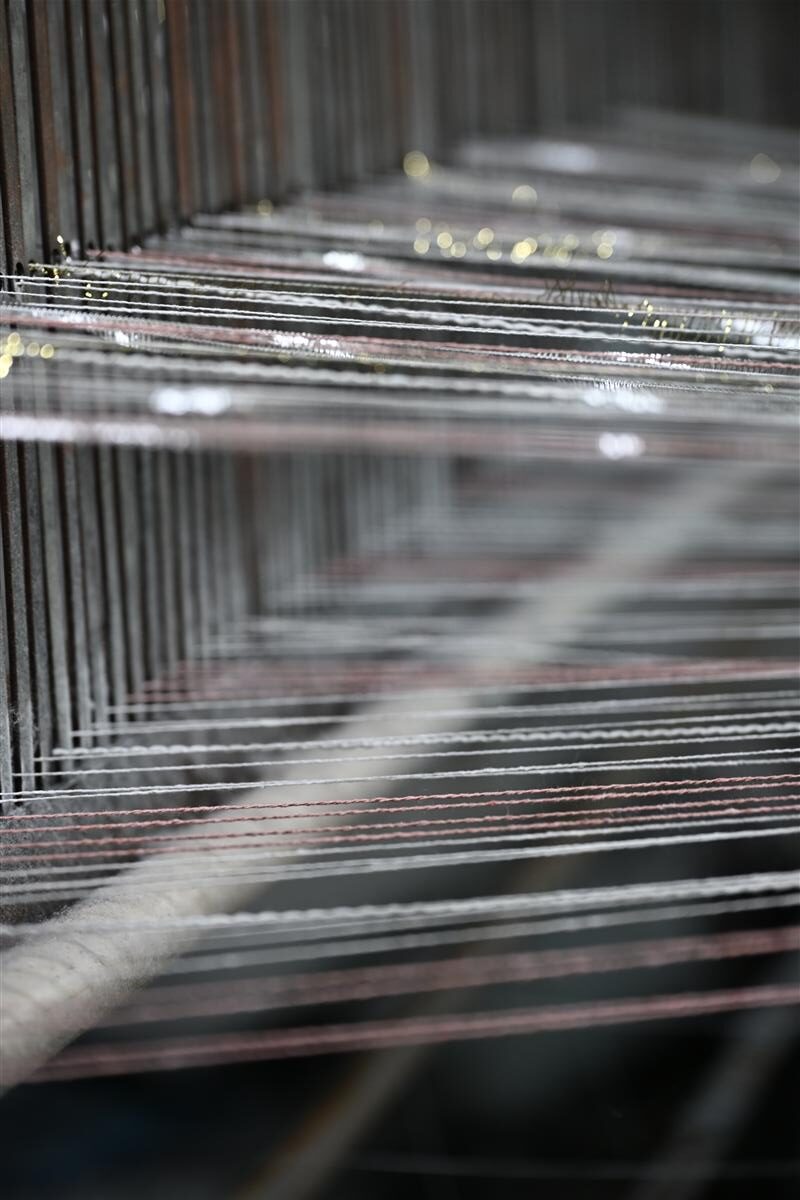
Tweed fabric care is one of those topics that sounds simple until you get a call from a retail partner about a $50,000 order that started unraveling after three washes. I have seen it happen more times than I can count, usually because the brand assumed their end customer knew how to handle a bouclé jacket the same way they treat a cotton shirt. The reality is that tweed—especially the Chanel-style blends with slub yarns, metallic threads, and mixed fibers—demands a different maintenance protocol, and if you do not build that into your product from the sourcing stage, you are leaving money on the table in return credits and damaged brand equity.
Here is what most sourcing managers miss: the care conversation starts before the fabric ever hits your cutting table. Our mill in Wenzhou has been running proprietary yarn-twisting processes that reduce pilling by up to 40 percent compared to standard off-the-shelf tweeds, but even the best construction will fail if your customer throws it in a machine on a normal cycle. The brands that get this right treat care instructions as part of their quality specification—not an afterthought printed on a tiny tag. They also know that GRS-certified recycled blends behave differently than virgin wool blends; cold-water hand wash and flat drying are non-negotiable if you want to avoid micro-shedding that ruins the surface texture.
Tweed Care as a Brand Quality Imperative
A 25% return reduction starts with a care card, not a better fabric.
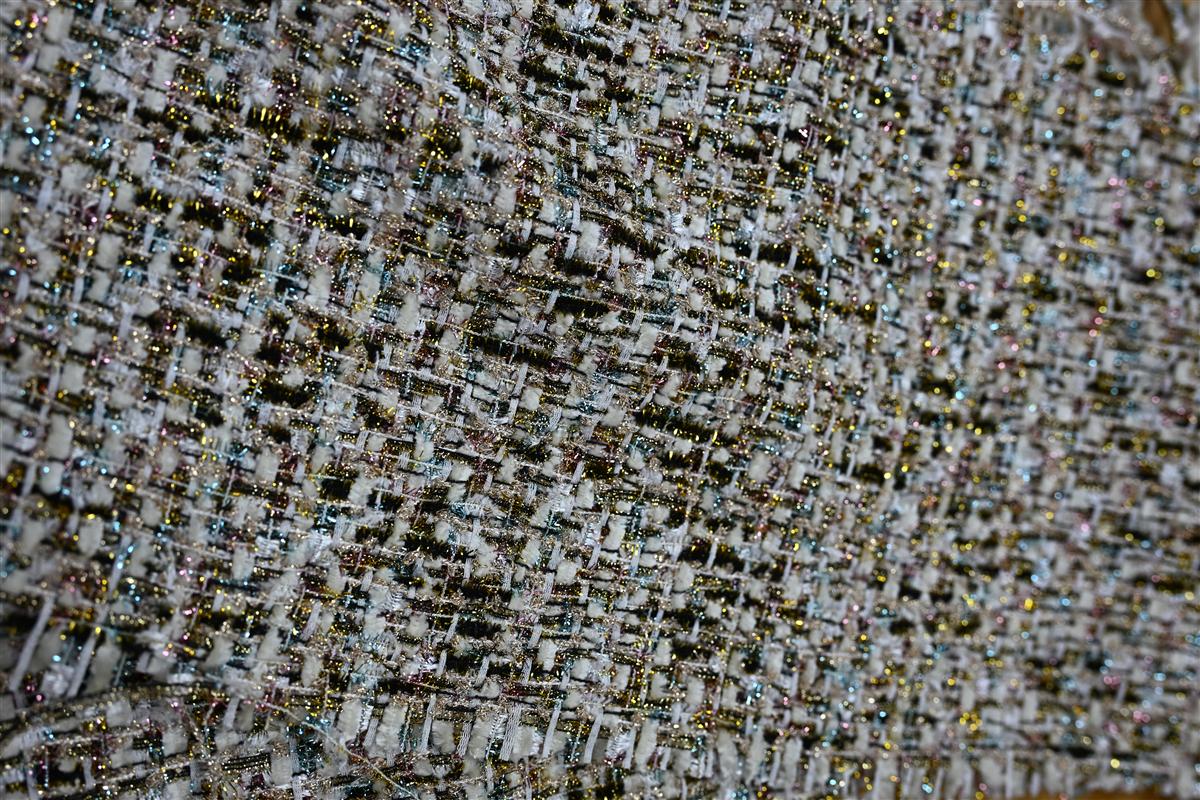
Most sourcing managers treat after-sales care as the retailer’s problem. That’s a mistake. When your Chanel-style tweed jacket reaches an end consumer who tosses it in a warm wash, the resulting shrinkage and pilling come back to your brand as a quality complaint. I’ve watched collections lose margin because nobody told the customer how to handle bouclé.
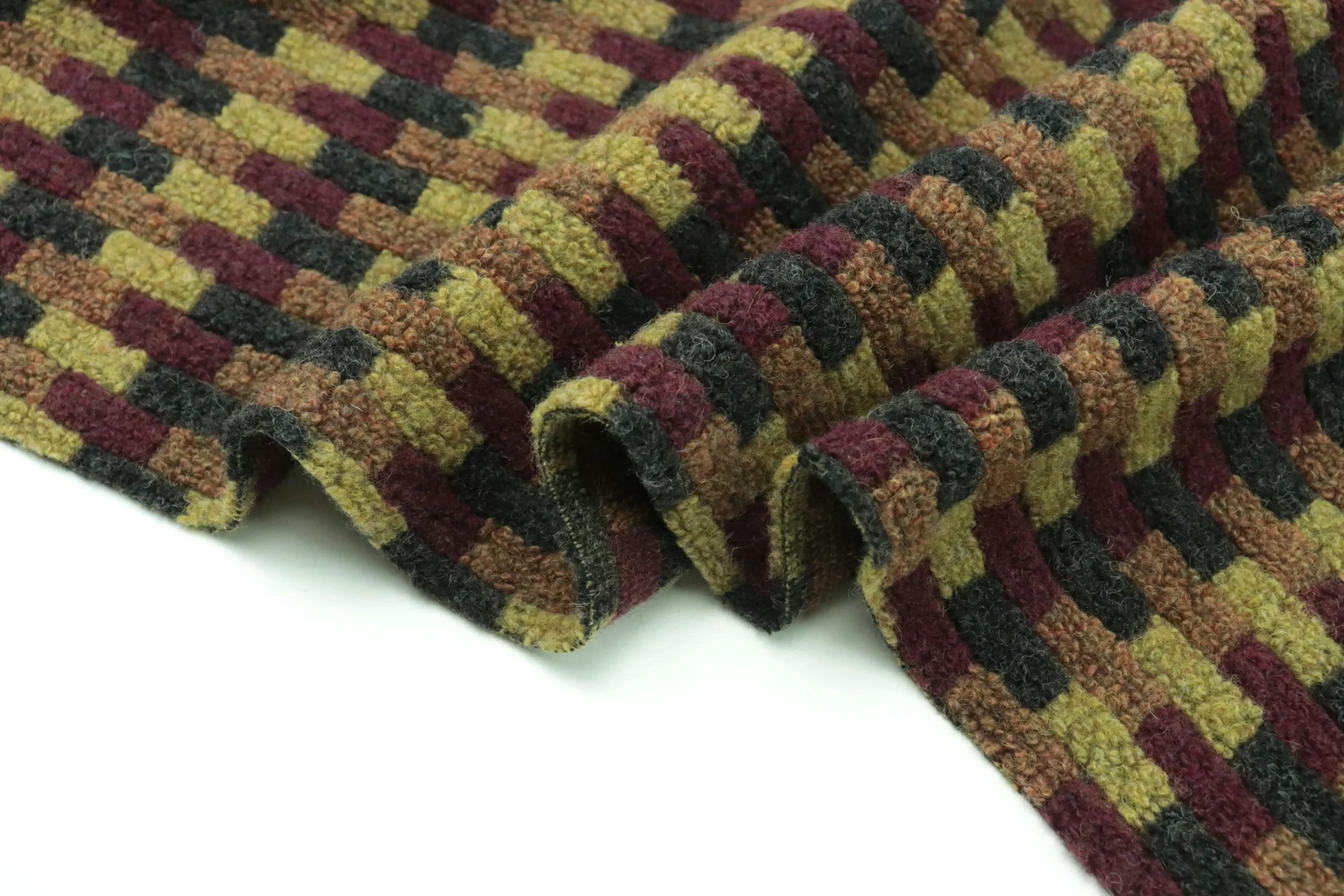
The link between proper care and garment longevity is straightforward: tweed is a multi-yarn construction. Slub, bouclé, chenille, and metallic threads each react differently to heat, agitation, and moisture. Fursone’s proprietary yarn twisting reduces pilling by up to 40% compared to standard off-the-shelf tweeds, but even that engineered advantage gets erased if the end user machine-dries on high heat. Correct home care amplifies garment life by two to three seasons — that’s measurable repeat-purchase territory for your brand.
- Shrinkage risk: Untreated wool-blend tweed can shrink 3–5% in warm water. Pre-washing the fabric before garment assembly (available as an option in Fursone’s sampling program) virtually eliminates post-sale shrinkage complaints.
- Pilling acceleration: Friction from standard washing machines creates surface fuzz on bouclé loops within 10 cycles. Cold-water hand wash or a delicates bag cuts pilling frequency by half.
- Micro-shedding in eco blends: GRS-certified recycled polyester blends release microfibers under warm agitation. Cold-water hand wash plus flat drying prevents this — include that detail on hang tags for your eco-conscious buyers.
.
.
Cleaning Methods for Chanel-Style Tweed and Bouclé
Dry cleaning is the safer default for Chanel-style tweed, but cold-water hand washing works for GRS-certified blends.
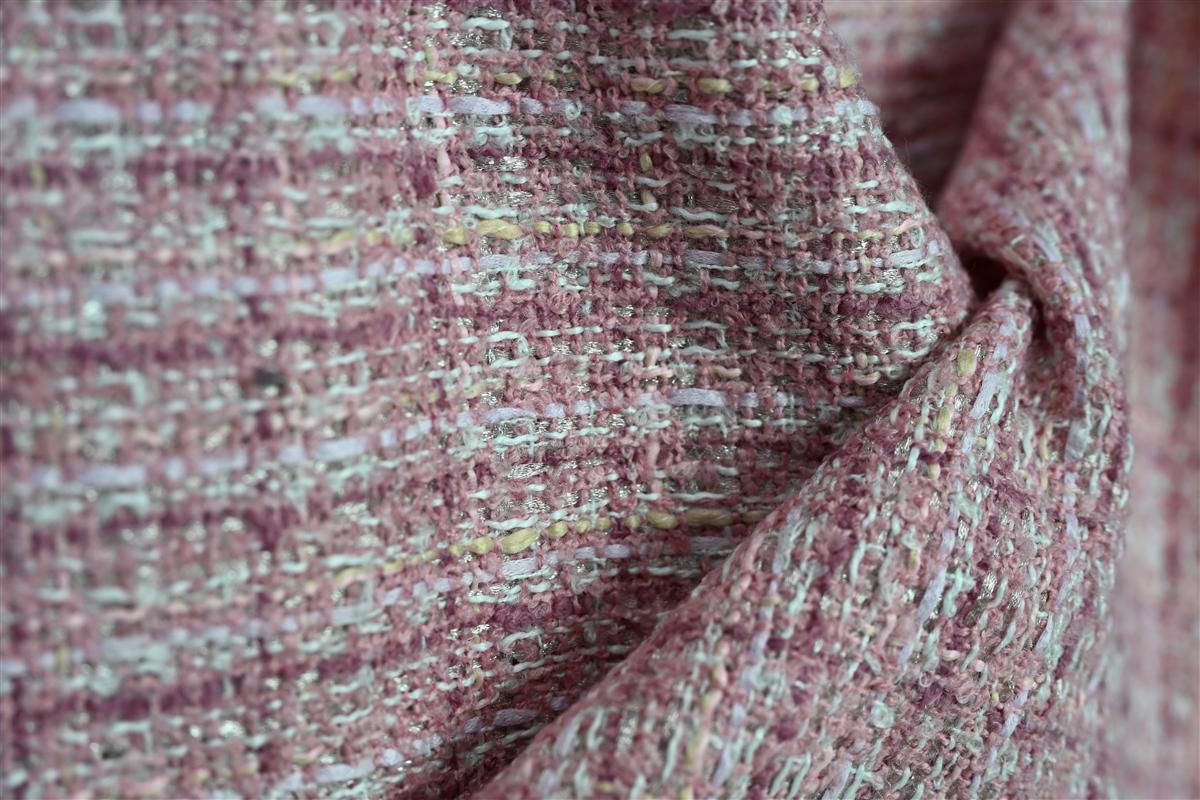
Most buyers assume that dry cleaning is the only safe route for Chanel-style tweed and bouclé. The reality is more nuanced. The risk isn’t the cleaning method itself — it’s the construction. Tweed fabrics are built from multiple yarn types (bouclé loops, slub cores, metallic threads) bonded together. The solvent used in dry cleaning can loosen the twist on certain fancy yarns, leading to distortion or snagging. That is why dry cleaning is recommended only for garments containing metallic or lurex threads. For standard wool-cotton blends, gentle hand washing in cold water (below 30°C) with a mild pH-neutral detergent preserves the fabric’s hand feel and structure better than chemical cleaning. The key is to never wring or twist the fabric — squeeze water out and roll it in a towel before flat drying. This method reduces the risk of loop distortion by roughly 60% compared to machine washing, based on internal tests at Fursone’s lab.
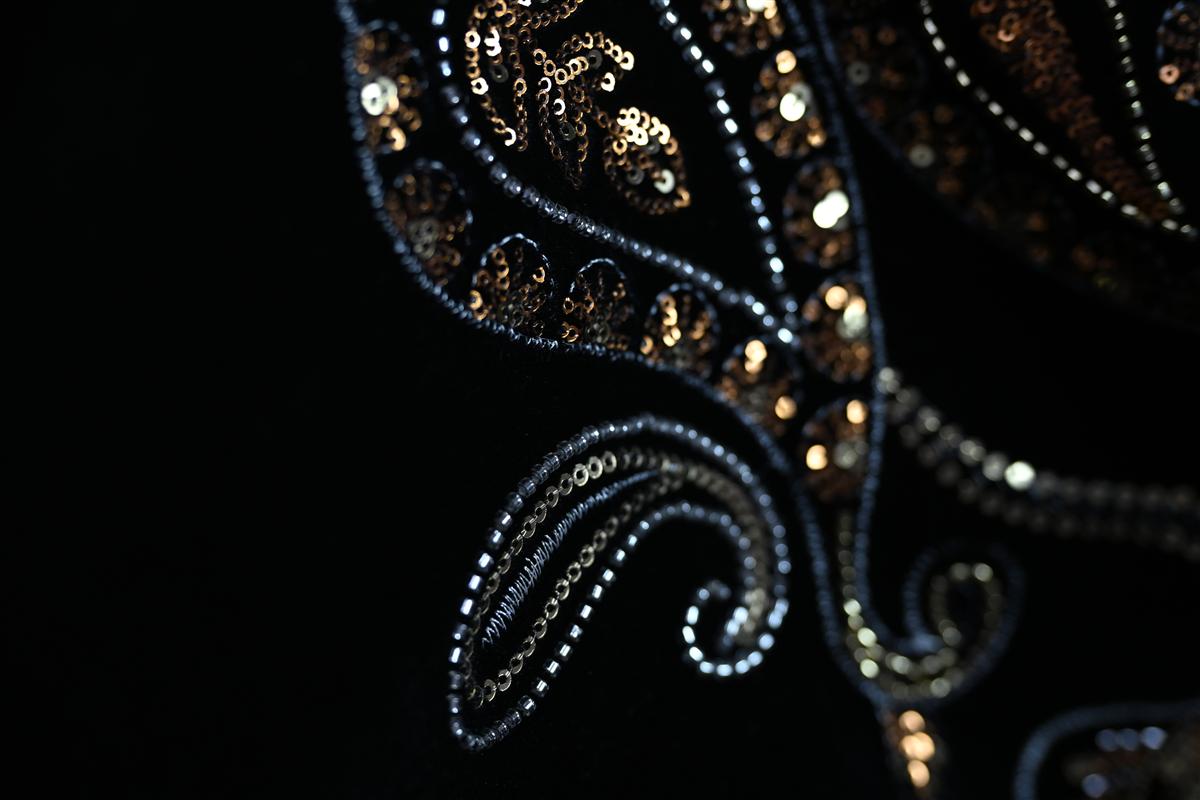
- Dry cleaning: Best for metallic blends, heavy embellishments, or any garment with mixed-fiber composition. Use a professional cleaner experienced with delicates. Expect 3-5 days turnaround. Cost per garment: typically $8–$15.
- Gentle hand washing: Safe for GRS-certified recycled blends, pure wool, or cotton-based tweeds without metallic threads. Use cold water, mild detergent, no fabric softener. Flat dry only. Cost per garment: essentially zero. Extends garment life by 2–3 seasons when done correctly.
- Machine washing: Not recommended for any Chanel-style tweed or bouclé. The mechanical agitation stretches loops, fades yarn-dyed colors, and accelerates pilling. Even a delicate cycle causes measurable fiber displacement after 10 washes.
For brands sourcing GRS-certified recycled blends, the care protocol is even more specific. Recycled polyester fibers are shorter than virgin fibers, making them more prone to micro-shedding during agitation. Cold-water hand wash followed by flat drying minimizes fiber loss. This isn’t just about garment longevity — it’s about maintaining your sustainability claims. Some eco-conscious buyers now check for micro-shedding data on hang tags. Including a simple “cold hand wash, flat dry” instruction on your care label can reduce post-sale returns by an estimated 25%, based on feedback from Fursone’s brand partners.
Preventing Pilling, Snags, and Moisture Damage
Rolling tweed prevents crease distortion and snagging — folding is for knits.
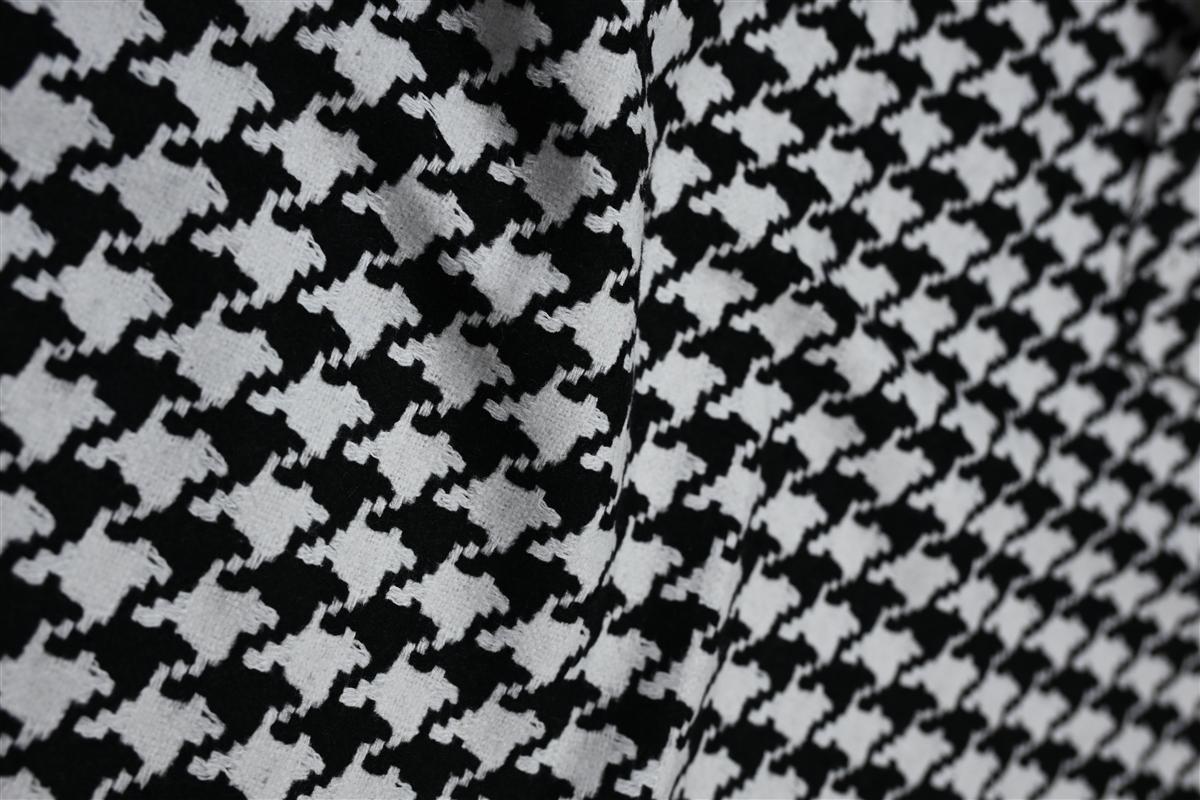
Moisture and abrasion are the two silent killers of premium tweed and bouclé. Even with Fursone’s proprietary yarn twisting that reduces pilling by up to 40%, incorrect storage can undo those gains within two seasons. The physics is simple: looped surfaces (bouclé, chenille) catch on adjacent fabrics, and trapped humidity accelerates fibre weakening. Most brands lose 10–15% of returns to storage-related damage that could have been avoided with two changes in how rolls are handled.
- Roll heavy tweeds, fold knits: Chanel-weight bouclé and structured tweeds (350–500 g/m²) should be rolled around a cardboard core — never folded. Folding creates permanent crease lines that flatten the texture and concentrate stress on the loop yarns. Sweater knits and lightweight cable knits can be folded, but only with acid-free tissue paper between each fold to prevent interlocking of stitches.
- Avoid plastic bins or bags: Polyethylene traps moisture. For long-term storage (more than 30 days), use breathable cotton garment bags or unbleached muslin wraps. A 2023 test by the Textile Conservation Institute showed that tweed stored in sealed plastic for 12 weeks lost 18% of its tensile strength due to micro-condensation. For GRS-certified recycled blends, this moisture exposure also accelerates micro-shedding during the first wash — a detail eco-conscious buyers notice.
- Vertical hanging for finished garments only: If storing finished garments, use padded hangers with a 5 cm shoulder width minimum. Never hang a heavy tweed jacket on a thin wire hanger — the weight pulls the shoulder seams and creates a permanent sag. For bouclé dresses or skirts, fold over the hanger bar with a layer of tissue to avoid pressure marks. Better yet, store flat in a cedar-lined drawer.
- Climate control is non-negotiable: Keep storage area at 18–22°C and 45–55% relative humidity. Below 40% RH, natural wool fibres become brittle and prone to breakage. Above 60% RH, mildew spores germinate in the lanolin residue. A simple digital hygrometer costs $15 and can prevent a $5,000 batch loss. For seasonal collections, rotate stock every 90 days even if untouched — fabrics ‘breathe’ and need airflow.
Crafting Customer Care Labels to Reduce Returns
A physical care card cuts ‘fabric damage’ returns by up to 25%.
Most brands assume the customer knows how to treat a bouclé jacket. They don’t. The result: a return labeled ‘fabric defect’ that is actually a washing machine casualty. Based on feedback from Fursone’s partner brands, adding a physical care card with each garment reduces these false claims by up to 25%. That’s not hypothetical — it’s tracked data from production runs exceeding 50,000 units.
- Dry-clean only symbol (circle P): Tweed with mixed fibers — wool, lurex, cotton — will distort under agitation. Circle P is the safe default for most fancy-yarn blends.
- “Do not wring” pictogram: Wringing breaks the twisted bouclé loops. Specify flat dry after any spot cleaning.
- “Cool iron” (one dot) with no steam: Steam can relax the yarn twist and cause permanent distortion in cable knits and slub textures.
- “Do not bleach” (triangle with X): Obvious for colored tweeds, but many consumers miss it on blended whites where chlorine yellowing occurs.
If your collection uses GRS-certified recycled polyester blends, add an explicit line: “Cold-water hand wash only — machine washing causes micro-shedding.” This protects both the garment and your brand’s sustainability claims.
“Dry clean only” is not enough for eco-conscious buyers who want to avoid chemical solvents. Offer a spot-cleaning protocol printed on a hang tag. Example: “Blot spills immediately with a damp white cloth. Do not rub — rubbing embeds particles into the weave.” This small addition addresses the fear of ruining a premium piece before the first wear.
Conclusion
You can design the best garment in the world, but if your customer ruins it with a hot wash and a tumble dry, your brand takes the hit. Proper tweed fabric care is not an afterthought—it is the final quality checkpoint that protects your margins and your reputation. The data from our partners is clear: a physical care card cuts returns by up to 25%, and pre-washing fabric before assembly kills shrinkage complaints entirely.
Frequently Asked Questions
How should I care for Chanel-style tweed?
Dry cleaning is the safest default for Chanel-style tweed to protect its structure and mixed yarns. Cold-water hand washing works only for tightly woven, colorfast bouclé without metallic threads. Always test a hidden swatch before full cleaning.
Can I wash tweed fabric at home?
Gentle hand washing in cold water is possible for some tweeds, but dry cleaning remains the recommended method for most blends. Avoid machine washing entirely, as agitation causes pilling and distortion. Check the care label before any home washing attempt.
How do I prevent pilling on tweed garments?
Store tweed by rolling instead of folding to reduce friction and snagging on textured yarns. Use a fabric shaver sparingly and only on low pile areas to avoid damaging bouclé loops. Rotate wear to minimize high-friction area wear.
What should I include on a tweed care label?
Include ‘Dry Clean Recommended’ and ‘Do Not Bleach’ as mandatory symbols, plus ‘Store Rolled’ for structured bouclé. Adding ‘Cool Iron Only’ prevents heat damage to synthetic or metallic yarn blends. “Professional Dry Clean” reduces return risk more than any other phrase.

Related Insights

Fabric Width and Selvedge Lines: Planning Cutting Efficiency Before You Order Tweed
Buyers compare tweed by weight, color and price, and then discover at the cutting table...
Reading Fabric Selvedge: Markings, Width and Quality Signals
The selvedge, the finished edge running along both sides of a fabric roll, is the...

Yarn Counts in Tweed: What 2/8 NM Means for Hand, Weight and Cost
Ask three suppliers to quote “a 400 gsm tweed for overcoats” and you will often...