
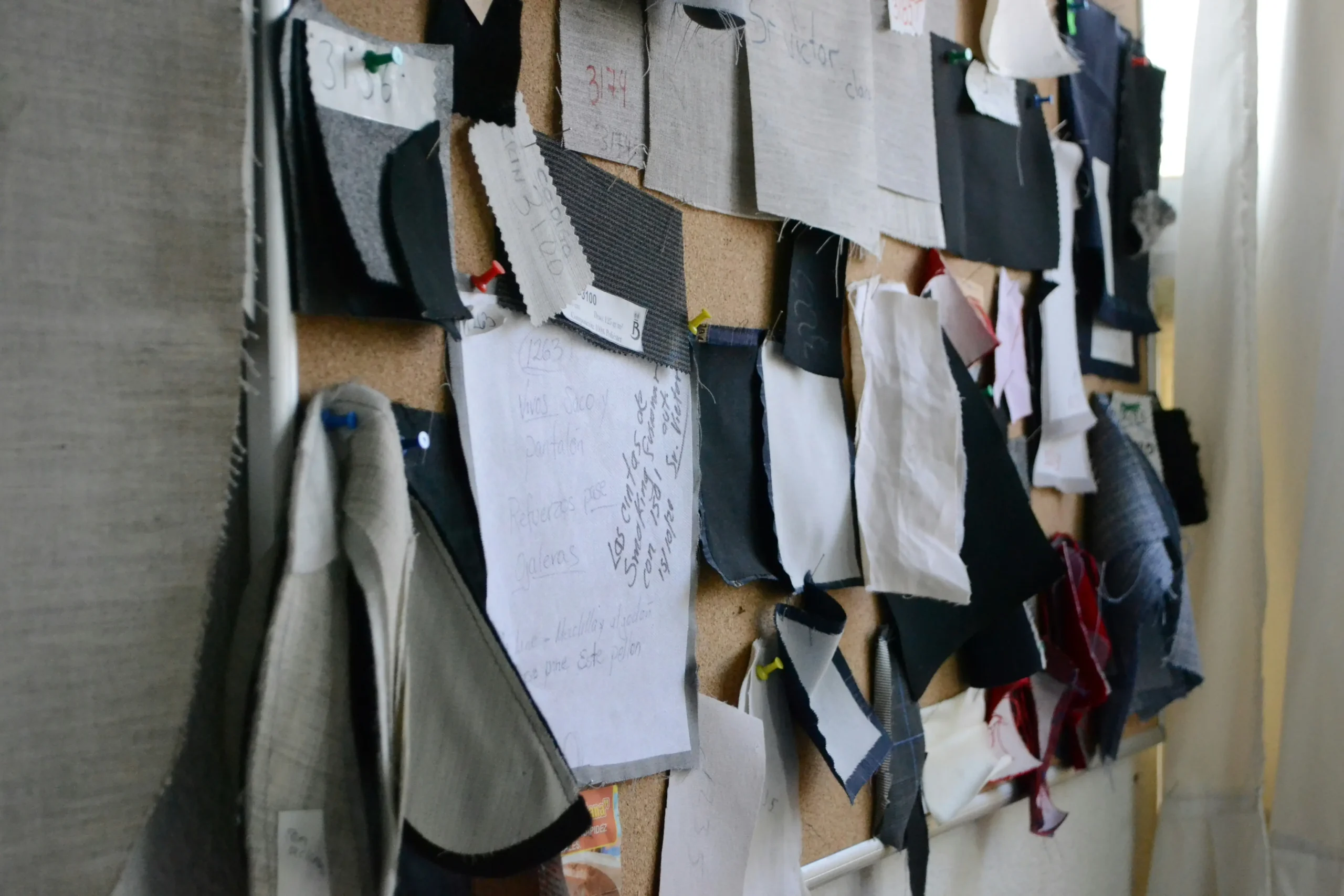
What do you say to a mill when your a substantial amount tweed suit order lands stiff and off-shade, and you approved the pre-production sample with your own hands six weeks earlier? If you’ve been burned like that, you already know that the standard playbook on how to select tweed fabric suit misses the point entirely. Sample approval isn’t a sign-off on a swatch—it’s a gap analysis between what a mill can produce once and what it can reproduce across 500 meters with a tight quality tolerance.
I’ve sat in approval rooms across twelve countries, rubbing swatches under controlled light and then watching the container unload months later. The disconnect almost always traces back to a tolerance range that nobody bothered to write into the purchase order. When you’re working with FOB pricing that leaves zero room for a rejected run, the ability to select tweed fabric suit isn’t about weight or weave on paper—it’s about forecasting exactly what lands on your studio floor after ocean freight. The guide that follows covers the 90% every designer needs: weight bands, twill versus herringbone, stretch recovery, and lining pairings. The last 10%—the piece that separates pro from amateur—lives in the pre-production tests and mill-side tolerance agreements that no sample swatch can reveal.
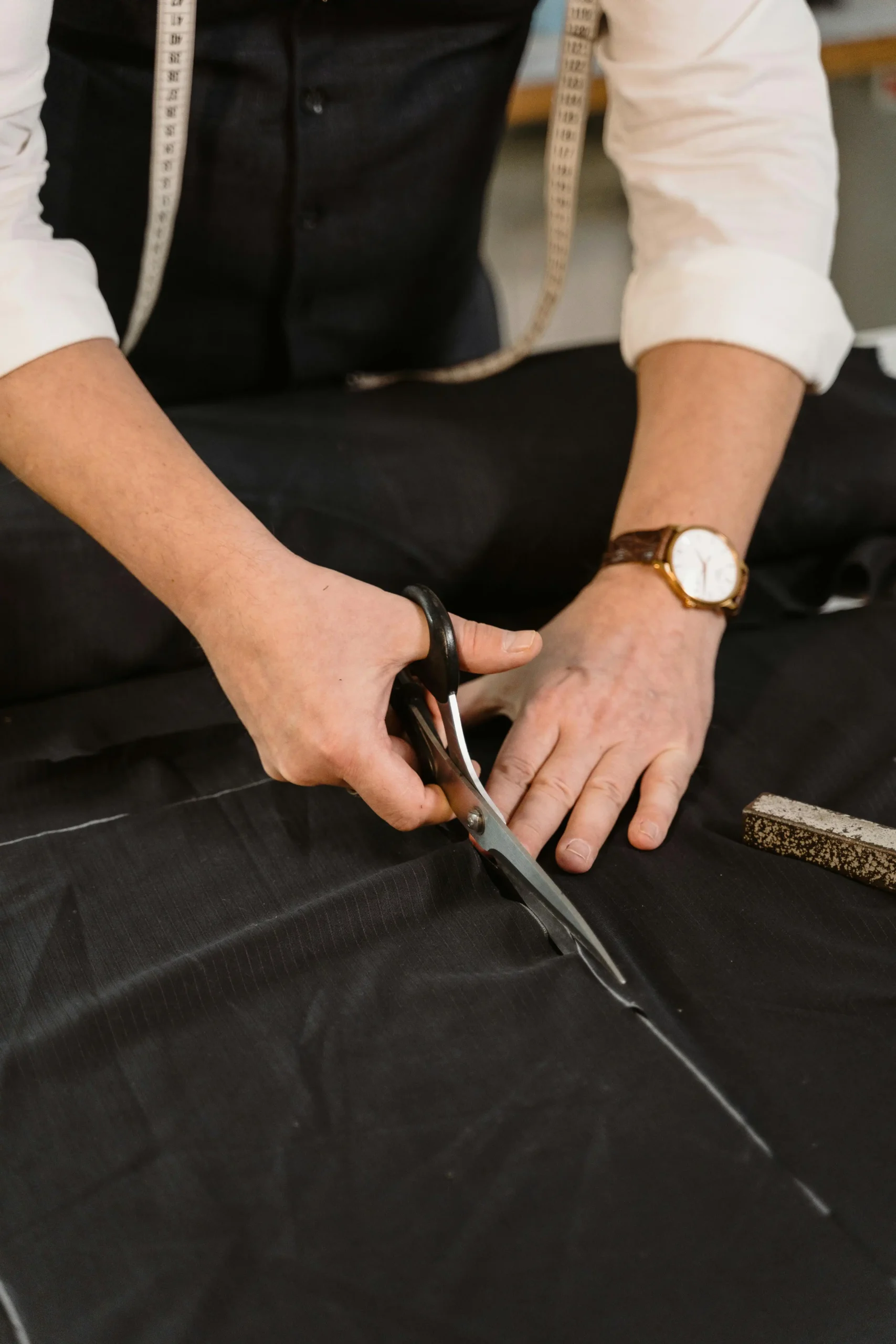
Why Tweed Weight Matters in Modern Suiting
Miss the 350–450 g/m² weight window and your suit turns into costume armor.
Last November, I stood in a warehouse in Milan inspecting a substantial shipment of tweed. The pre-production sample had a beautiful drape — a soft, 380 g/m² handle that moved with the body. The mass production run arrived at 520 g/m². The jackets couldn’t bend. Half the order was unwearable. The mill had pushed the weight up without notifying the buyer, and the entire collection had to be re-cut from a backup stock at a loss. That’s when you learn: a 40‑g/m² shift in tweed fabric weight for suits isn’t a small change — it’s a structural defect.
Modern men’s suiting demands a precise balance between structure and mobility. Traditional country tweeds at 600+ g/m² are meant to stand up to Scottish winters while you’re stationary in a shooting lodge. That same fabric in a contemporary slim‑fit jacket leaves the wearer feeling like he’s in cardboard. For today’s fashion collections, the sweet spot is 350–450 g/m². Within that band you get enough body to hold a clean silhouette without sacrificing the fluidity that separates a tailored garment from a coat. Anything over 500 g/m² and you’re fighting the fabric on every seam.
- 350–400 g/m²: Lightweight territory for three‑season blazers and deconstructed jackets. Works best with a twill weave for drape. Pairs with Bemberg lining for breathability. Ideal for modern tailoring where mobility is the first priority.
- 400–450 g/m²: The professional’s choice. Balances memory (enough to hold pocket flaps and lapels) with the mobility needed in a boardroom. Our 420 g/m² Merino wool blends, for example, deliver Chanel‑style hand feel without the weight penalizing the wearer. This is where 350 gsm tweed suiting ideas meet real‑world wearability.
- 450–500 g/m²: Heavyweight for statement outerwear or cold‑climate collections. Use with caution in true suiting — the extra mass can overwhelm delicate pattern matching. At the 500 g/m² threshold you’re essentially making a soft coat, not a suit.
- The formula: 1 oz/yd = 33.906 g/m². Multiply the ounce figure by 33.9. So a 12‑oz tweed = 12 × 33.9 ≈ 407 g/m². A 14‑oz cloth = 475 g/m² — already at the stiff edge for suiting.
- Sample approval clause: Always request a production‑weight swatch or a pre‑production sample labelled with the exact target weight in g/m². Write into your purchase order that mass production must remain within a ±5% quality tolerance of the approved sample weight. This single clause saved one of our clients a 28‑piece replacement run last season.
- FOB pricing check: Heavier fabrics cost more to ship. If your FOB pricing doesn’t account for a 450 g/m² roll versus a 350 g/m² roll, you’ll absorb the freight delta. Get a weight‑based quote breakout before you confirm the order.
When communicating with Chinese mills, you’ll hit an immediate translation problem: most domestic suppliers in Wenzhou and Shaoxing quote fabric weight in grams per square metre (g/m²) — the international standard unit for area weight — while a lot of Western pattern books and historical references still list ounces per square yard (oz/yd). Mixing up the two can cause exactly the kind of a substantial amount mistake I walked into.
The math is simple: 350–450 g/m², confirmed with a physical swatch within tolerance, keeps your tailoring modern and your supply chain predictable. If you’re sourcing from a mill that offers 7‑day sampling, you can hold the cloth in your hand before committing to a 100m minimum — and you’ll catch the 520‑g/m² problem before it catches you in front of your buyers.
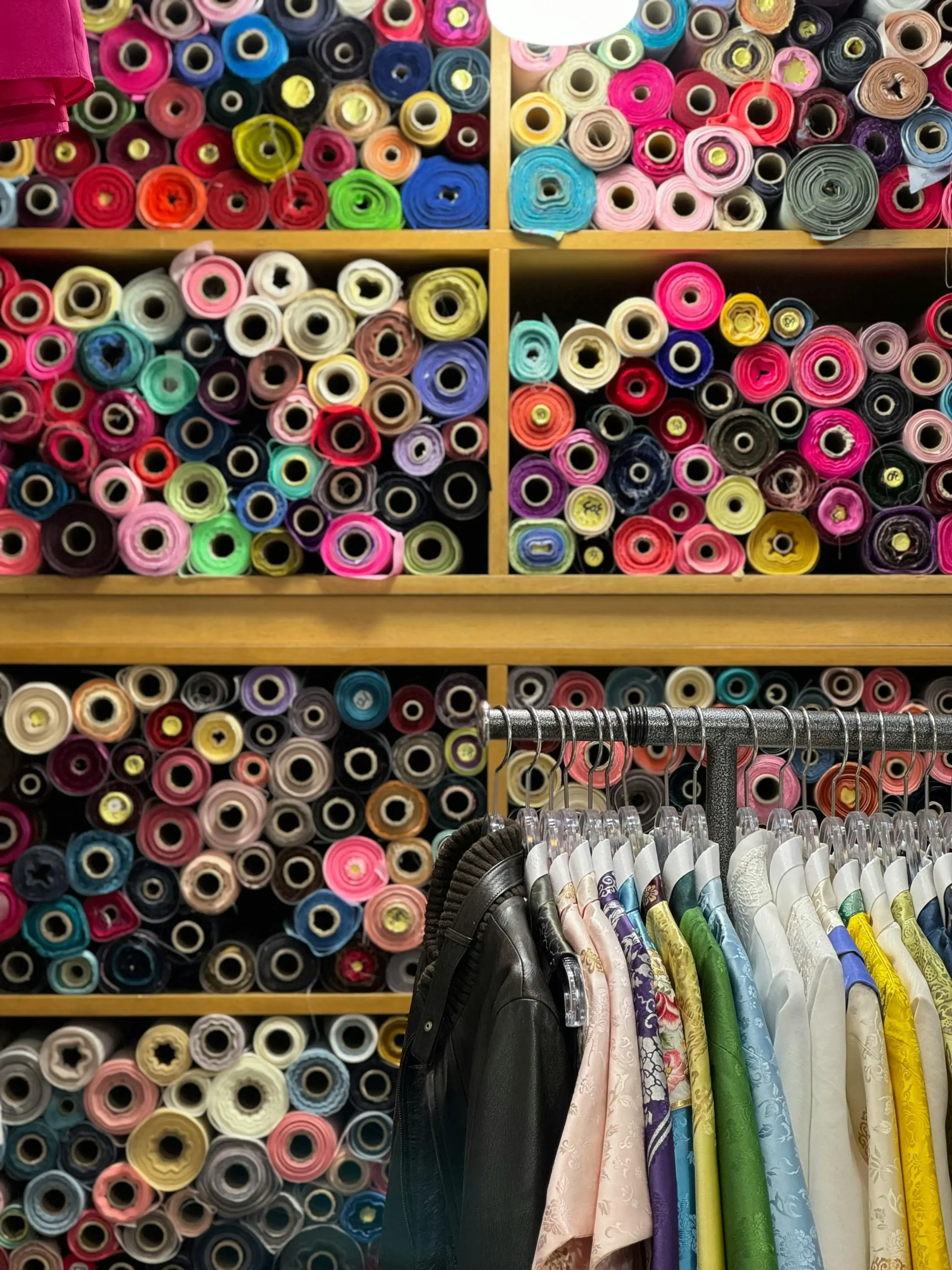
Weaves That Move: Twill, Herringbone, and Plain Structures
Most mills get this backwards—they chase weight when they should be engineering the weave structure first.
Here’s something you won’t read in textile textbooks: a 400 g/m² plain weave tweed can feel stiffer and wear heavier than a 450 g/m² twill. The weave geometry—how the warp and weft yarns interlace—determines more about drape, handfeel, and mobility than the gram weight on your spec sheet ever will. For a men’s suit jacket that needs to move with the body, you’re not just selecting a fabric. You’re selecting an internal structure.
When I’m reviewing pre-production samples from the Wenzhou mill, the first thing I check isn’t the color. It’s the float length on the twill. A 2/1 twill with a moderate float gives you that subtle diagonal ridging without the spongy looseness that causes jackets to lose shape after six months of wear. Pair that with the 380–420 g/m² range we recommend for three-season suiting, and you get a jacket that drapes clean off the shoulder without requiring the weight of a traditional Harris Tweed.
- 2/1 Twill (our standard for suiting): Each weft yarn floats over two warp yarns, then under one. This creates a visible diagonal at roughly 45 degrees. The longer float means fewer interlacing points per inch—less rigidity, more fluid movement. At 380–420 g/m², this is the sweet spot for a jacket that feels structured but doesn’t fight the wearer when he raises his arm.
- 3/1 Twill (heavier drape, steeper diagonal): Three-over-one produces a longer float and a more pronounced diagonal, typically at a steeper angle. You’ll see this in heavier tweeds above 450 g/m². The risk: longer floats snag easier. If your client wants that pronounced texture, insist on tight twist yarns in the weft to reduce fiber pull-out during wear.
- Broken Twill (zigzag pattern): The twill direction reverses every few ends, breaking the diagonal into a zigzag. This eliminates torque—the fabric won’t twist when cut, which saves your cutter 15–20 minutes per lay. If you’re producing a run of 50+ jackets, that time adds up fast.
- Herringbone—the quiet signal:Best for a suit that needs to work in a boardroom and a restaurant. The broken twill structure inherits the drape benefits of a standard twill, but the tighter reversal pattern (typically every 6–8 ends) adds visual density without physical weight. A 360–400 g/m² herringbone with a 2/2 base twill is a recommended specification for a designer’s first commercial suit run. It forgives minor cutting errors because the pattern masks slight grainline deviations.
- Plain Weave—the contrarian’s choice for lightweight tweed: Every generic sourcing guide will tell you plain weave is ‘basic.’ They’re wrong. A plain weave in the 280–340 g/m² range, using high-twist crepe yarns in the weft, produces a crisp, modern tweed that holds a pressed crease longer than any twill. The trade-off: less drape, more structure. This is what you use for an unstructured summer blazer where the fabric itself IS the architecture—no canvas, no padding, just the weave doing the work. At our mill, we run a 300 g/m² plain weave with GRS-certified recycled polyester twisted into Australian merino—lighter than any European mill’s comparable offering and 40% lower on FOB pricing.
- When plain weave fails: Push plain weave above 400 g/m² and you get a board. The frequent interlacing that gives lightweight plains their crispness becomes a liability at heavier weights—the fabric fights the tailor’s shears and refuses to shape on the ironing table. If a mill offers you a 450+ g/m² plain weave tweed for a suit, walk away. They don’t understand how their own product performs.
One thing I drill into junior designers: twill weaves expose poor yarn spinning faster than any other structure. A plain weave can hide mediocre fiber length because the frequent interlacing locks short fibers in place. A twill can’t. The longer floats mean individual fibers have room to work loose. At our mill, we learned this the hard way on a 2026 run where a batch of shorter-staple wool looked fine on the loom but pilled after three wear tests. We now specify minimum 65mm staple length for any wool going into a twill weave intended for suiting—no exceptions.
If you’re sourcing a twill tweed for the first time, don’t just request a swatch. Request two swatches from different positions on the roll—30cm from the selvage and dead center. Twill tension varies across the width of the loom more than plain weave does. A swatch from the edge tells you nothing about what the center of your jacket panels will actually feel like.
Now the discussion turns to the two weaves designers confuse most often—herringbone and plain.
Herringbone is technically a broken twill, but buyers treat it as its own category because the visual effect is so distinct. The V-shaped pattern comes from reversing the twill direction at regular intervals. That reversal point creates a subtle ridge that catches light differently than the rest of the fabric. On a men’s suit, that means the jacket reads as textured from six feet away but doesn’t scream ‘tweed’ from across the room. That’s exactly what luxury menswear buyers want in 2026: texture that rewards a second look.
One last thing that separates professionals from amateurs: the quality tolerance conversation. When you approve a pre-production sample, you’re not just approving a weave structure. You’re setting the acceptable deviation for the float length across the entire production run. A 2/1 twill with a 2.8mm float looks completely different from one with a 3.4mm float, even if the yarn and weight are identical. I’ve seen a substantial order go sideways because the buyer approved a sample with a tight float and received production with a loose float—same weave name on paper, completely different handfeel in reality. Specify your float tolerance in millimeters on the PO. If your supplier can’t or won’t do that, find one who will.
Mobility & Stretch: Rigid vs. Stretch Tweed for Suits
Stretch without recovery is just a blown-out jacket waiting to happen.
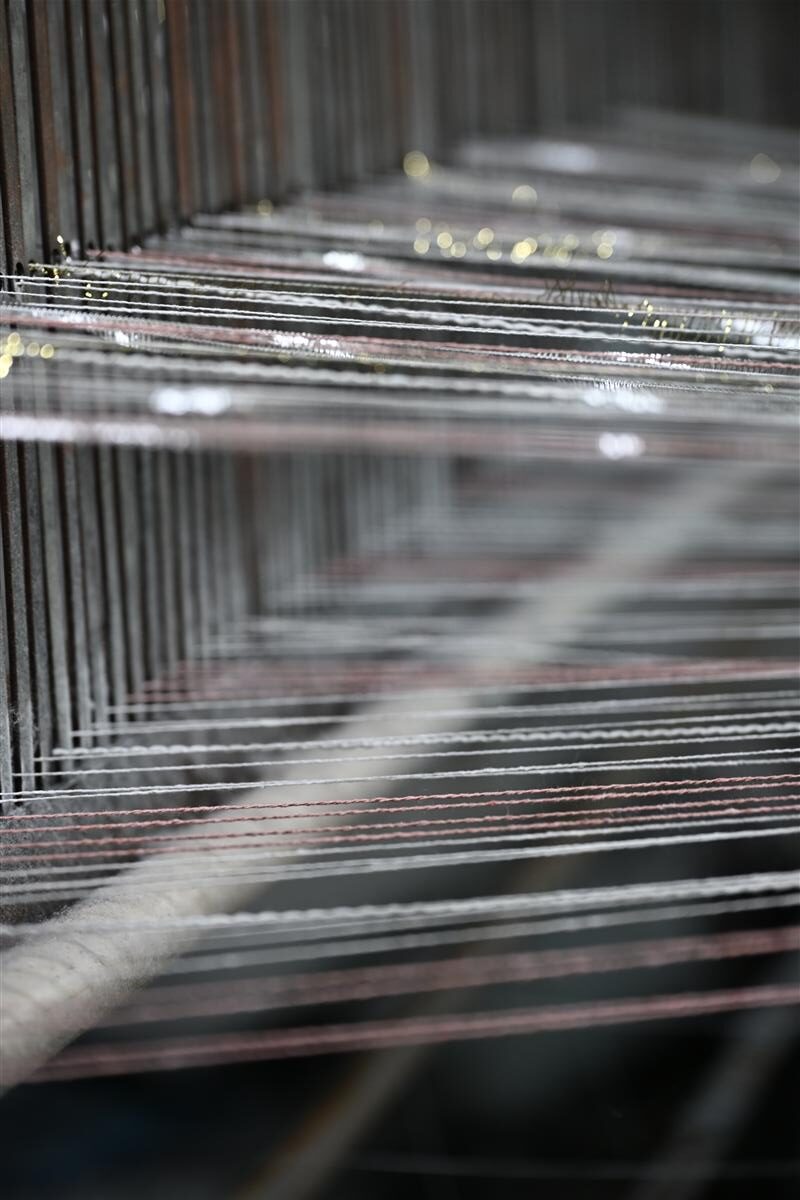
A rigid tweed jacket looks impeccable on a hanger. On a body that sits, reaches, and twists, it becomes a straitjacket within an hour. That’s where 2–5% elastane changes the game. This small percentage—added at the yarn-spinning stage, not as a finish applied to the cloth—introduces horizontal give without altering the authentic hand feel of a classic tweed. The goal isn’t spandex-level stretch; it’s micro-mobility: enough to release tension across the back and elbows, yet invisible to the eye in a constructed suit.
From a production standpoint, our partner mills in Wenzhou spin elastane-core yarns directly into the bouclé or slub structure. This means the elastane is fully encapsulated by wool or cotton, preventing that shiny synthetic sheen that cheapens fabrics. Most European mills still treat stretch tweed as a specialty upcharge with 4-week lead times. With direct mill access, you can request a sample run with 3% elastane in seven days, test it on your block, and order as little as 100 meters if the recovery passes your standards. No middleman means you’re not paying a markup for an additive that costs less than $0.50 per yard.
- ASTM D3107 or simple manual method: Cut a 25cm square of the pre-production sample. Mark a 20cm line parallel to the stretch direction (usually the weft). Stretch the fabric by hand to a 10% extension—that’s 22cm—and hold for 30 minutes. Release and measure after 1 hour of resting flat. Acceptable recovery: the line should return to within 5% of its original length (19cm or better). If it stays at 21cm or more, the elastane yarn quality or set is compromised.
- Cycle test for high-wear zones: Repeat the stretch-and-release three times. Performance tweeds should show no more than an additional 1% growth by the third cycle. Where we see failure is with cheap core-spun yarns using polyester wrap instead of premium cotton or wool—the elastane snaps internally after repeated tension, and the fabric permamently bags.
- Pre-wash recovery check: Always request a washed swatch if your garment will be dry-cleaned or laundered during use. Some elastane blends lose 30% of their recovery after the first wash cycle. A supplier that won’t provide a washed swatch is hiding something.

Pairing Lining Fabrics by Tweed Weight and Season
Your lining choice can either support or sabotage your tweed’s drape.
Emerging designers often spend 95% of their time sourcing the perfect tweed shell and only 5% on the lining. This is a critical, and costly, mistake. The lining isn’t just for comfort; it’s a structural component that dictates how the jacket hangs, moves, and feels. Get it wrong, and you’ve turned a premium fabric into a stiff or lumpy garment before the first stitch is even sewn.
The core issue is a mismatch in physical properties. If your lining is heavier, stiffer, or has a different stretch recovery than your tweed, the two fabrics will fight each other. The tweed wants to drape naturally, but the lining pulls it taut in some places and allows it to sag in others. This kills the fluidity of the silhouette, creating an amateur-looking product.
- Midweight Tweed (350–450 g/m²): Pair with a breathable Bemberg (cupro). It’s slick, allowing the jacket to slide on easily over a dress shirt, and it has excellent moisture-wicking properties. Its weight is substantial enough to support the tweed without overpowering it.
- Lightweight Tweed (<350 g/m²): Use a true lightweight lining like silk charmeuse or a high-end viscose. These materials are feather-light and won’t compromise the breezy, modern feel of a spring/summer tweed. Using a standard-weight lining here is the fastest way to make a lightweight suit feel heavy and cheap.
- Heavyweight Tweed (>500 g/m²): For traditional, thick winter jackets, often a partial ‘butterfly’ lining is best to reduce bulk. If a full lining is required for warmth, a quilted satin or flannel-backed lining is used, but this moves the garment from suiting into the outerwear category.
How to Source Tweed Fabrics Direct from the Mill
7-day sampling and 100m stock cut the wait from months to days.
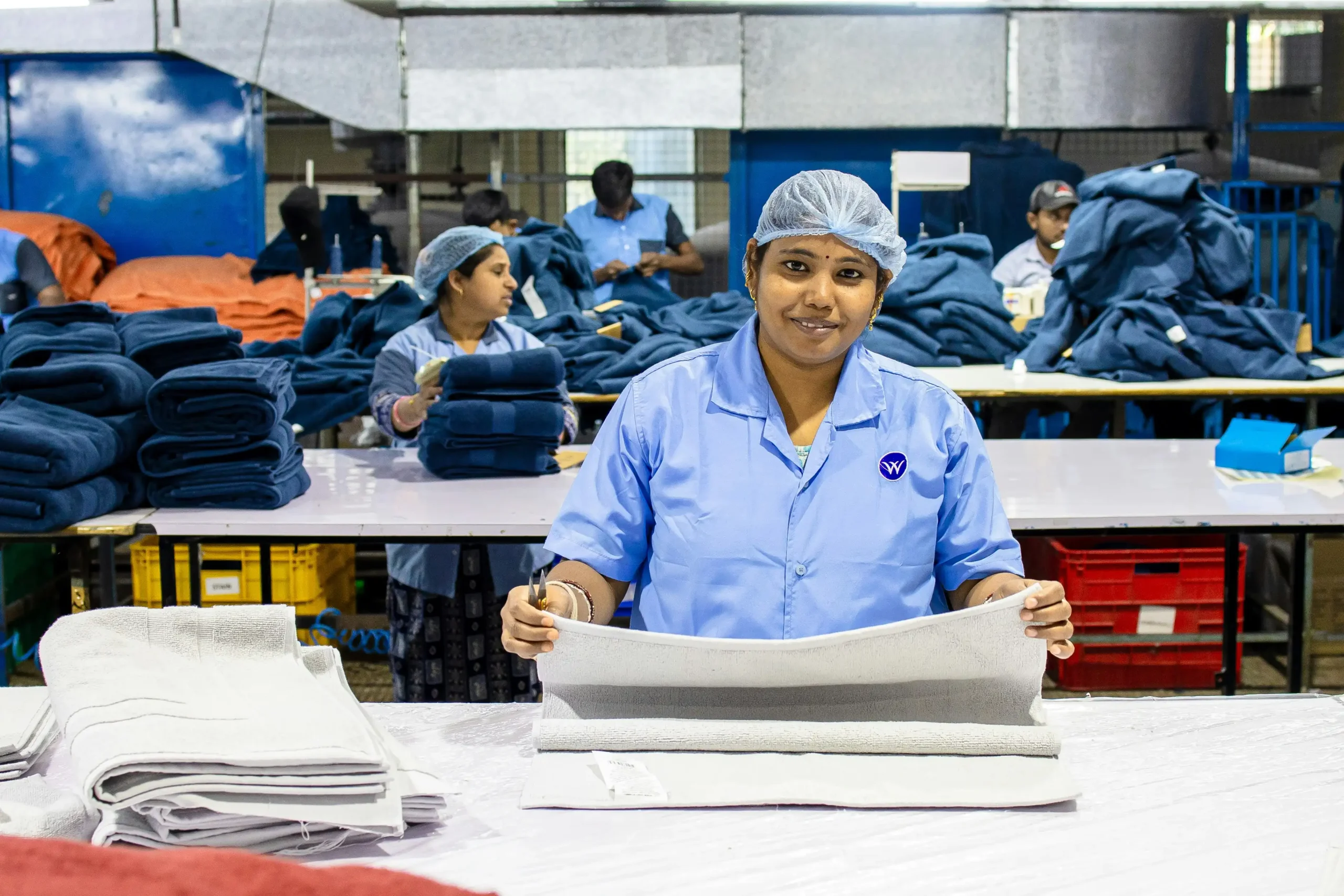
Sourcing directly from a mill removes the standard 30–50% distributor markup, but the real value is speed and exclusivity. Most European mills operate on 4–6 week lead times for swatches. A Wenzhou-based operation like Fursone ships physical swatches within 7 days. That timeline means you can iterate three times before a traditional mill sends its first set of hangers.
When you request swatches, don’t just ask for ‘a few tweeds.’ Specify the exact weight band (350–500 g/m²), weave structure (twill, herringbone, plain), and any stretch requirements (2–5% elastane). Also request the technical data sheet—this should include composition percentages, yarn count, and colorfastness ratings. This immediately filters out mills that can’t deliver precision.
- Sample specification: Provide a target weight (e.g., 350 gsm tweed suiting), weave preference, and color story. Ask for a pre-production sample approval process so the bulk matches what you held.
- Production lead time: Stock fabrics ship in 3–7 days. Custom dyeing and spinning add 15–25 days, but total cycle is still far shorter than the 8–12 weeks common in Italy.
- Quality tolerance: Set a weight tolerance of ±5% and a shade band requirement of 4.0 or higher on the grey scale. Ask how they handle slubs and neps in bouclé – specialist spinning prevents random defects.
- 100m Stock MOQ: Immediate availability, ships within 3–7 days. No setup charge. Ideal for capsule collections or sampling runs.
- 300m Custom MOQ: Full customization: proprietary yarn spinning, dye-to-match, and lab dips included. Your fabric becomes a protected asset.
The low MOQ structure is the safety net that makes mill-direct sourcing viable for emerging designers. The 100m stock program lets you test market response with zero development risk. If the fabric moves, scale into the 300m custom program where you control every yarn—Australian Merino, Japanese lurex, recycled polyester—and lock in an exclusive texture that can’t be sourced elsewhere.
The real differentiator is how a mill handles the pre-production sample. At Fursone, you’ll receive a 50cm x 50cm lab cut that is your binding reference for mass production. If the bulk yardage deviates from that approved swatch by more than the agreed tolerance, the mill re-runs it. No arguments, no cost to you. That’s the piece that separates professionals from amateurs.
Conclusion
Selecting tweed for a men’s suit comes down to three decisions: a 350–450 g/m² weight for drape without stiffness, a twill weave for mobility, and a lining that matches the weight. When they align, the jacket moves with the body and the collection holds its value.
Review the stock and custom programs available through Fursone. Request swatches early—most European mills take 4–6 weeks for a sample; a direct mill partner should get you a swatch in 7 days.
Frequently Asked Questions
What’s the ideal tweed weight for a suit?
Aim for 350–450 g/m² to keep the jacket structured with natural drape. Above 500 g/m² it quickly turns stiff and bulletproof. Request a weight sample swatch before placing your order.
Should I choose twill or herringbone weave?
Twill weaves give the most fluid drape and subtle surface texture for a modern suit. Herringbone adds interest but can stiffen the hand if the yarn twist is too tight. Check the weave structure on the spec sheet before ordering.
Does tweed suit fabric need stretch?
A modest 2–5% elastane is enough for comfortable movement without compromising jacket shape. Anything beyond 5% risks bagging and poor recovery. Test fabric recovery by stretching a swatch and checking if it snaps back.
How do I source tweed samples from the mill?
Request a physical swatch with the weight, composition, and width clearly marked, plus current lead times. Most mills ship in-stock swatches within a week. Start with a 100-meter stock program to test the fabric before a custom run.
Authoritative References
For a step-by-step guide: How to Source Fabric from China for Small Brands. Need samples first? Request free fabric swatches.

Related Insights

How to Compare Fabric Quotes from Three Mills: A Side-by-Side Method
Three mills return three quotes for the same fabric brief, and the spread between them...

CNY Capacity Planning: Booking a Fabric Mill Around Chinese New Year
Every year, fabric buyers lose the same three weeks to the same event: Chinese New...

Second-Source Strategy: How Brands Qualify a Second Tweed Mill
Single-sourcing a signature fabric feels efficient right up to the season it fails: the mill’s...