
low moq tweed fabric is the first checkpoint buyers should lock before they approve a supplier, budget, or production slot. You approved the golden sample. The color was perfect, the hand-feel was there. So why did the 1,000 meters of tweed that just landed feel cheaper and look slightly off? This is the question that sinks new collections and burns through cash. I’ve seen it happen on a substantial order where the beautiful pre-production swatch was nothing like the final run. The real issue wasn’t the sample approval process; it was what wasn’t discussed about production consistency, especially when sourcing low MOQ tweed fabric for a capsule collection.
Most suppliers will talk about weight and composition, but they rarely volunteer the yarn spinning method. A fabric woven from cheaper, faster open-end yarns can pass a visual sample check. But after the first dry clean, it starts to pill and lose its structure. A fabric made from ring-spun yarn, however, holds its integrity. This single technical detail is often the difference between a blazer that looks premium for years and one that looks worn out after a single season.
Getting this right isn’t just about finding the lowest FOB pricing. It’s about asking the right
What Is Low MOQ Tweed?
Low MOQ isn’t about buying less fabric; it’s about gaining access to custom production previously reserved for giants.
Let’s be clear: “low MOQ tweed” doesn’t just mean a small order. It means a factory is willing to run a custom production batch for you, typically starting at 1,000 meters for custom orders. This is a world away from traditional mills that won’t even talk to you for less than 1,000 meters. For a startup or a capsule collection, it’s the only viable path to creating a unique fabric.
This access unlocks full control over your material. You’re not just picking from a pre-made list. A proper low MOQ program allows you to specify the yarn blend, the exact colorway, the final weight (g/m²), and the fabric’s finish. It’s the difference between buying off-the-rack and going bespoke with your core textile.
Here’s the critical detail that separates professional sourcing from amateur mistakes. The real quality gap isn’t in the weave; it’s in the yarn. Most low-cost producers use cheap, fast “open-end” spun yarns that pill and look worn out quickly. You need to demand “ring-spun” yarns. The process is slower, but it produces a stronger, smoother yarn that can significantly reduce pilling and ensures the garment maintains its structure. If a supplier can’t tell you which method they use, that’s a major red flag.
Low MOQ vs. Traditional Mill Ordering
The choice isn’t just cost per meter; it’s about capital risk and speed to market for your collection.
Let’s be direct. The main difference between ordering from a traditional European mill and a modern, flexible supplier isn’t just the logo on the invoice. It’s a fundamental clash of business models. Legacy mills are built for huge, predictable runs. Low MOQ suppliers are built for the speed and agility that emerging brands need to survive.
A traditional mill will quote you a minimum of 500, often 1,000 meters, with an 8–12 week lead time. For a startup, that’s a massive capital risk tied up in a single fabric. A low MOQ supplier flips the script: you can run a custom tweed order of 1,000 meters and have it in 4–6 weeks. You’re not just saving money; you’re buying options and reducing inventory risk.
The trade-off is brand prestige. You lose the ‘Made in Scotland’ story. But you gain the ability to launch a collection, test the market, and generate revenue while your competitors are still waiting for their fabric to clear customs. For a new designer, that speed is more valuable than a heritage tag.
- Lab Dips: Request dyed yarn samples (‘lab dips’) for every color in your tweed before they begin weaving. This is your final check to ensure the color matches your approved swatch. Do not approve production without it.
- Shrinkage Report: Demand a wash/shrinkage test report for the production batch. For a blazer-grade tweed, your quality tolerance should be firm: anything over 3% shrinkage is a red flag and can ruin your garment patterns.
- Colorfastness Data: Ask for a colorfastness test result, specifically referencing the ISO 105 standards. This test proves the fabric won’t bleed or fade excessively after washing or exposure to light. A supplier who can’t provide this is hiding something.
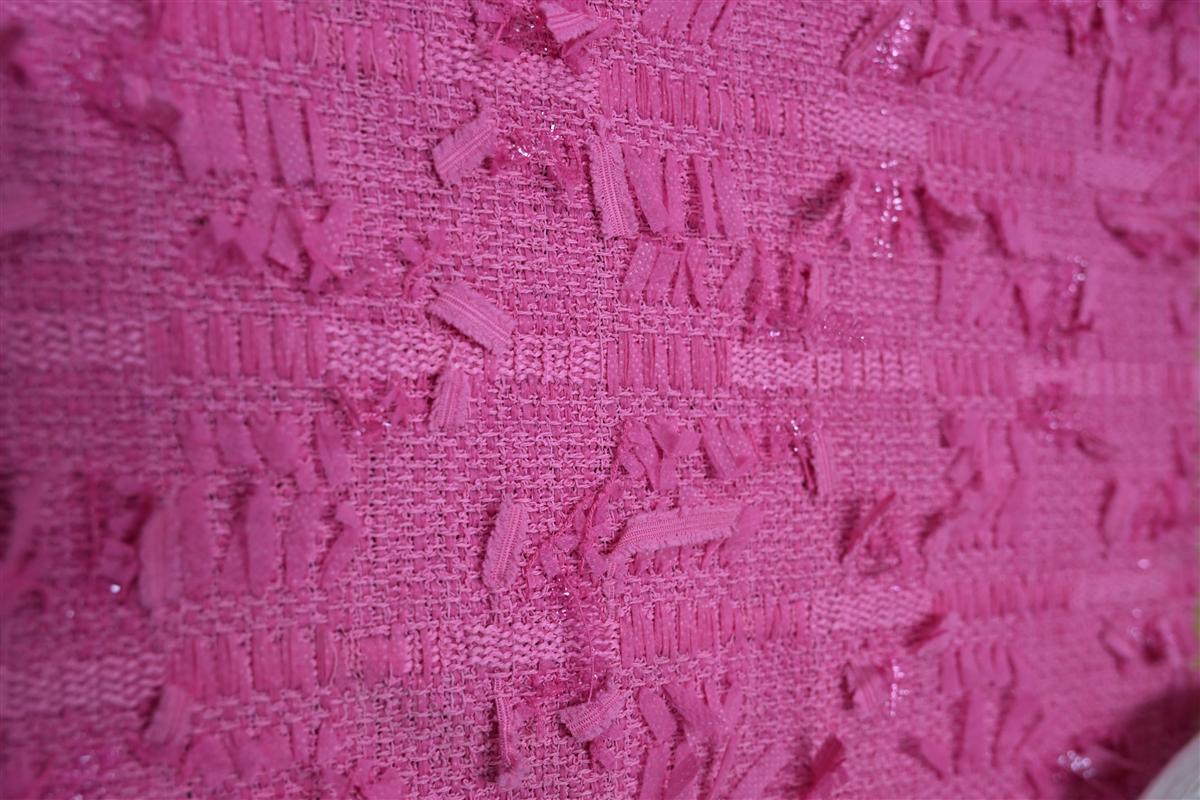
How to Find Low MOQ Tweed Suppliers
Finding a real low MOQ partner isn’t about searching, it’s about vetting.
Your search for a low MOQ tweed supplier will start on B2B platforms, but it shouldn’t end there. Filtering for ‘Manufacturer’ is step one, but it’s a flawed filter. Many trading companies list themselves as manufacturers to get more clicks. A true factory direct tweed with low minimum order quantity has control over its looms and production schedule; a trader is just a middleman who will push you toward their existing stock.
The real work begins after you have a shortlist. Your goal is to disqualify the pretenders and confirm which suppliers have the actual capability to run a small, custom batch. This is how you avoid paying a premium for what is essentially just off-the-shelf fabric.
- Request a Factory Audit Video: Don’t just ask for photos. Ask for a continuous video walking from the yarn storage area to the weaving looms. A real mill is organized. A trader’s ‘factory’ often looks like a chaotic workshop. Look for neatly stacked, labeled yarn spools.
- Demand Separate Yarn Samples: Before you get a woven swatch, ask for samples of the actual yarns they plan to use. This is a pro move. The quality of the yarn—its twist, color, and feel—determines 90% of the final fabric’s quality. This step prevents them from using cheaper yarn on your bulk run after the sample approval.
- Verify Certifications: Ask for their OEKO-TEX or GRS certificates. Don’t just accept a logo on their site. Get the actual certificate number and verify it on the official database. This is a basic check for legitimacy and commitment to standards.
Finally, you must distinguish between two types of ‘low MOQ’. Some suppliers offer ‘low MOQ’ by cutting from their existing rolls of stock fabric. This is not custom. A true low MOQ partner, like a flexible mill, will set up a loom specifically for your 100-1000 meter custom design. Many claim ‘custom color’ but will only do it for 500m+. Test them: ask for a custom Pantone color match on a tweed fabric MOQ of 100 meters. Their answer will tell you everything you need to know about their real capabilities.
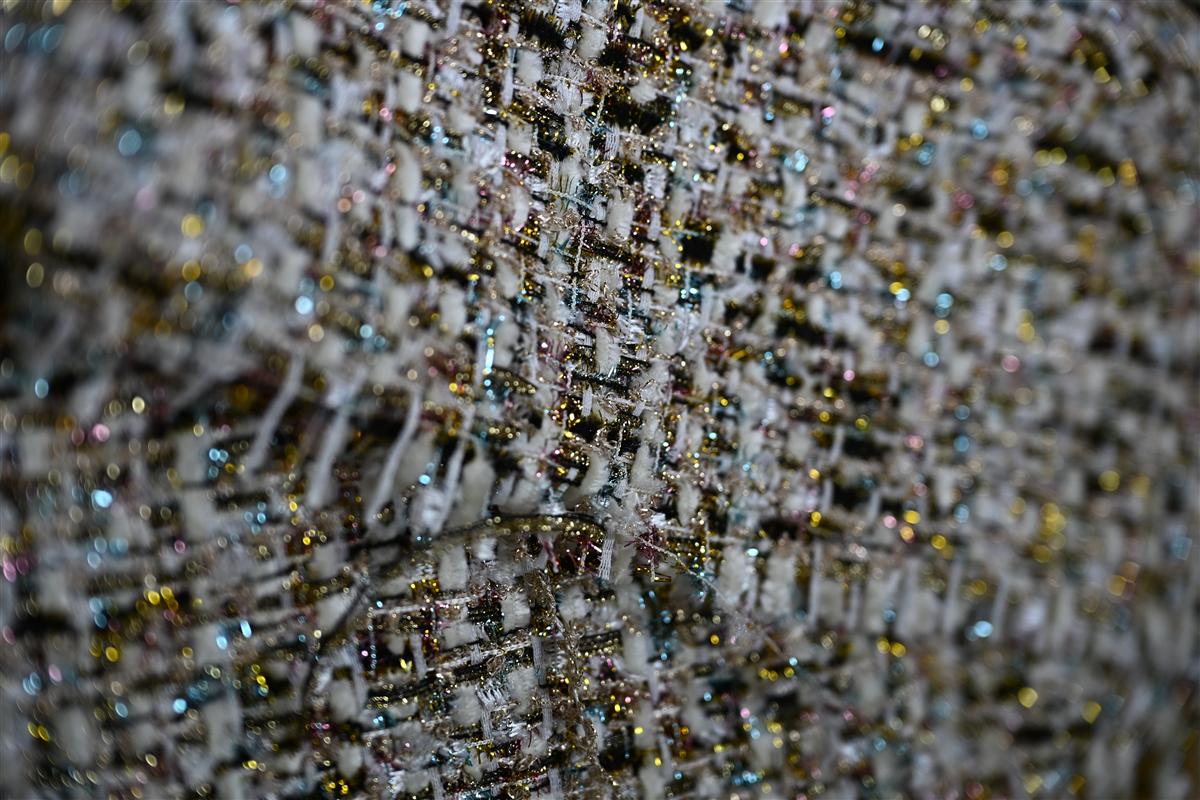
Blazer-Grade Tweed: Specs That Matter
A cheap-looking blazer is a spec failure, not a design failure.
Any mill can sell you a ‘tweed’. But a blazer-grade tweed that gives a garment structure and longevity is built on a few non-negotiable specs. Ignore these, and you’re not getting a deal; you’re buying future inventory problems. This is the data I look for on every tech pack before approving a purchase order.
- Weight (GSM): Aim for a fabric weight between 250–350 g/m². Lighter fabrics will lack structure and feel flimsy. Heavier, and you lose drape and comfort. Our internal standard for classic tweed jackets is 280-320 g/m², hitting the perfect balance of form and wearability.
- Yarn Blend: A 70% wool / 30% polyester blend is a workhorse for a reason. The wool provides the authentic hand-feel and drape, while polyester adds critical durability and shape retention. This blend also improves your margin without a noticeable sacrifice in the luxury feel.
- Weave Density: This is a spec most suppliers won’t volunteer. Demand a minimum of 60 ends × 45 picks per inch. A lower density means the weave is too loose, leading to sagging at stress points like elbows and shoulders. It’s the hidden cause of poor garment structure.
- Working Sample: Never commit to a bulk order based on a small swatch. Insist on a 1-meter sample for a proper sample approval. Your pattern maker must cut and sew it to see how it frays, presses, and handles. This is your final, and most important, quality tolerance check.
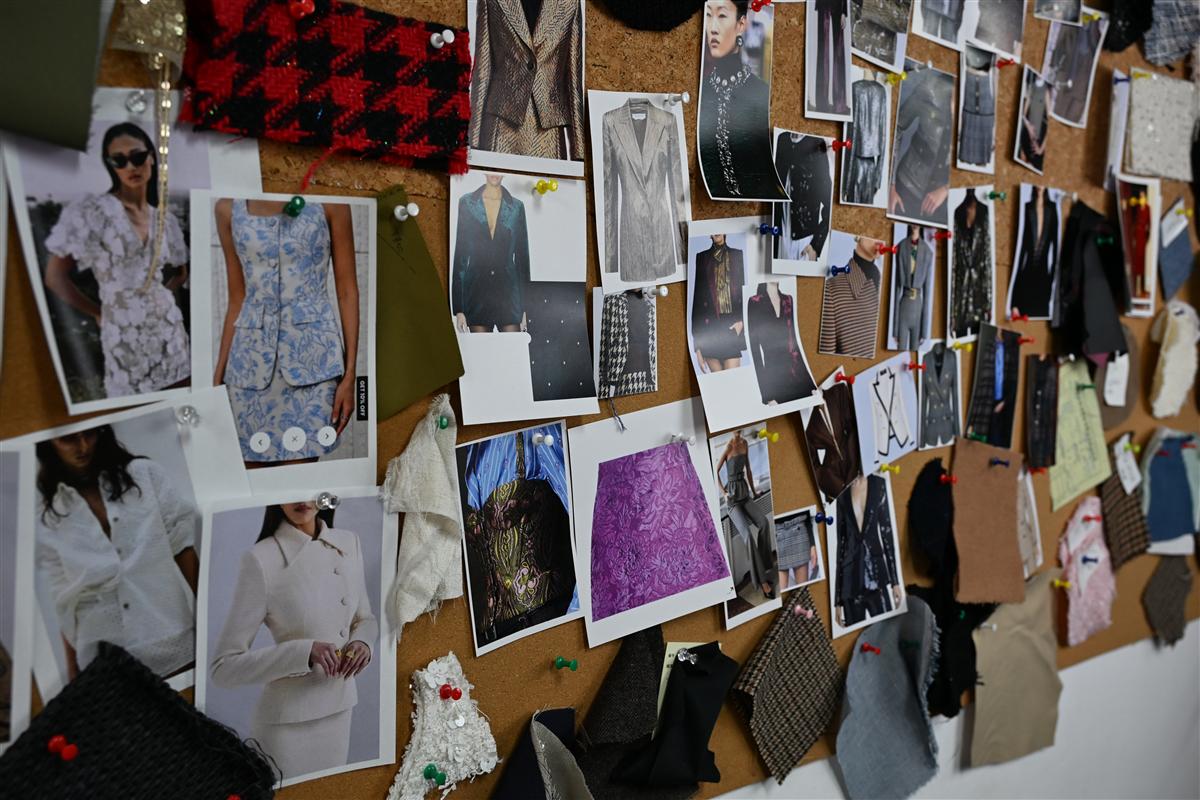
Sampling and Reducing Risk
A $50 courier fee for samples is the cheapest insurance against a costly fabric mistake.
Designers have lost entire collections because the bulk order didn’t match the single sample they approved. The problem isn’
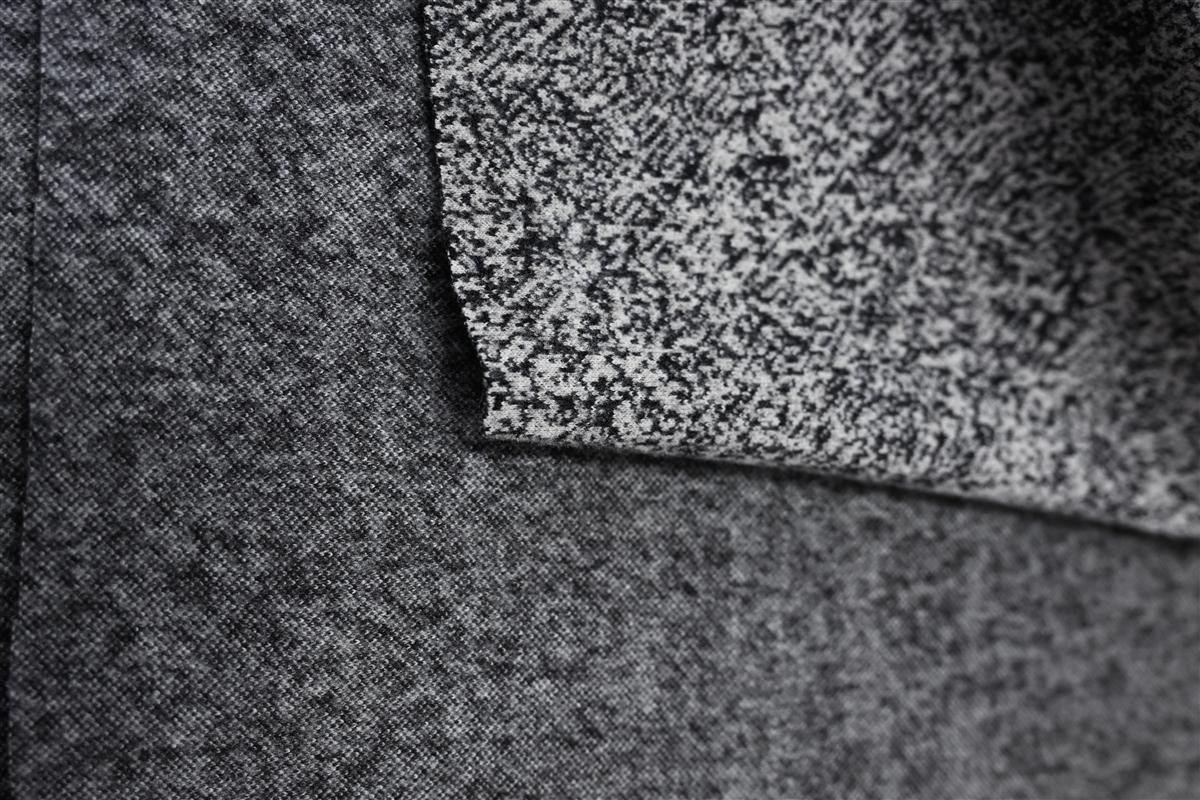
Never evaluate a supplier in a vacuum. Your first move should be ordering A4-sized swatches from your top 3-5 potential mills. Pay the courier fees. When they arrive, you’re not just looking at fabric; you’re creating a physical benchmark for quality versus price. This is how you find the sweet spot for an affordable tweed fabric for a blazer without it feeling cheap.
- The Hand Test: Don’t just touch it. Crumple it in your fist for 30 seconds and release. Does it hold deep wrinkles (a bad sign for polyester blends) or spring back? How is the drape and hand-feel? This is your first indicator of yarn quality.
- The Weave Inspection: Look at the fabric against a light source. Is the weave consistent, or can you see gaps and irregularities? For tweed, some variation is desired, but you’re looking for unintentional flaws that signal poor loom calibration.
- The Yarn Check: Use your phone’s magnifier. Are the individual yarns tight and well-defined, or are they fuzzy with loose fibers? Fuzzy yarns lead to pilling. This is where you can spot the difference between cheap open-end and more durable ring-spun yarns.
Once you’ve chosen a contender, you move to the formal sample approval. The A4 swatch is your reference. The next step is ordering a 1-meter cut to confirm consistency before committing to a full production run. This two-step process separates the pros from the people who get burned on a bad batch.
Conclusion
You now have the technical specifications and sourcing strategy to secure affordable, low-MOQ tweed for a capsule collection. This knowledge covers 90% of the process, putting you ahead of designers who only look at price per meter. You understand how to compare yarn quality and verify a supplier’s actual capabilities.
The final 10% is what protects your capital: the final sample approval. Professionals insist on a swatch pulled directly from the bulk production run before it ships, not just the initial pre-production sample. This is your last chance to confirm the fabric meets your quality tolerance before releasing the final payment. The first step in this professional process is to get those initial swatches in hand to begin the conversation.
Frequently Asked Questions
What are the disadvantages of tweed fabric?
Traditional tweeds can be bulky, prone to snagging, and feel scratchy against the skin. However, modern Chanel-style tweeds use softer bouclé or slub yarns to improve hand-feel and reduce weight. Always request a swatch to evaluate the specific hand-feel and drape.
What is the most famous tweed company?
Harris Tweed is the most famous tweed brand, legally protected by an Act of Parliament defining its specific origin and hand-woven production. This differs from fashion houses like Linton Tweeds. Note that ‘Harris Tweed’ refers to a specific origin-protected fabric, not a general style.
When should you stop wearing tweed?
Tweed is traditionally a cool-weather fabric, making heavyweight versions unsuitable for hot, humid months. Lighter weight custom tweeds using breathable yarns can be appropriate for transitional seasons like spring. Specify a lower fabric weight (GSM) when developing for spring or resort collections.
How to spot fake Harris Tweed?
Authentic Harris Tweed is identified by the official Orb Mark label ironed or sewn onto the fabric or garment. The fabric itself is also stamped by the Harris Tweed Authority before sale. Always verify the supplier’s certification and look for the official label.
What is the most unhealthy fabric to wear?
Fabrics with heavy chemical finishing, such as formaldehyde for wrinkle-resistance, pose the most health concerns, regardless of the fiber. Certifications like GRS or OEKO-TEX ensure textiles are tested for harmful substances. Prioritize suppliers who offer transparency on their dyeing and finishing processes.
Authoritative References
Related Insights

How to Compare Fabric Quotes from Three Mills: A Side-by-Side Method
Three mills return three quotes for the same fabric brief, and the spread between them...

CNY Capacity Planning: Booking a Fabric Mill Around Chinese New Year
Every year, fabric buyers lose the same three weeks to the same event: Chinese New...

Second-Source Strategy: How Brands Qualify a Second Tweed Mill
Single-sourcing a signature fabric feels efficient right up to the season it fails: the mill’s...