

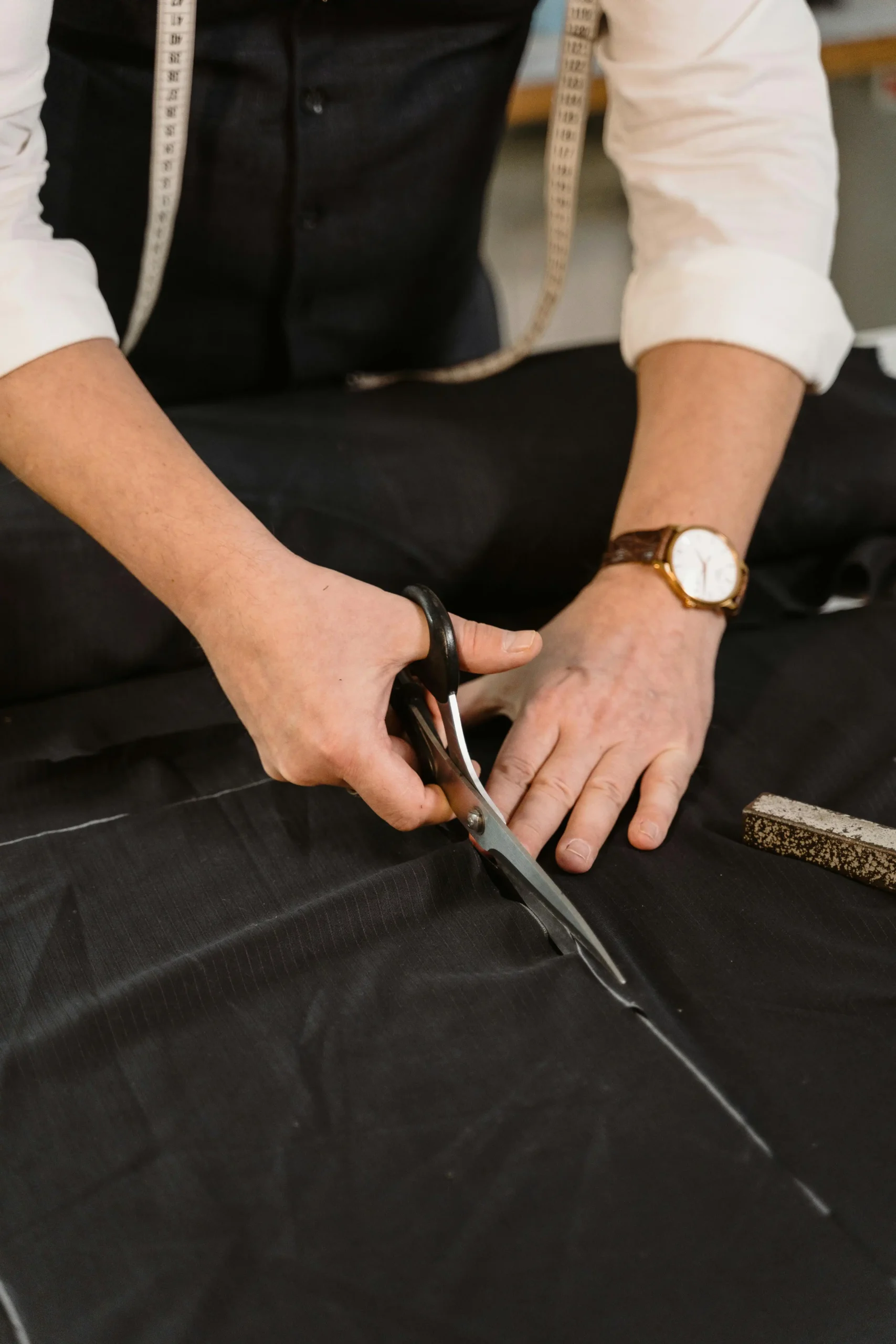
Fabric customs clearance is rarely what keeps sourcing managers up at night — until your shipment sits at the port for nine days because the tariff code doesn’t match the declared fiber content. The real headache isn’t dramatic seizures. It’s preventable paperwork mismatches that eat into your delivery window.tariff classificationdelivery windows
Most delays trace back to one missing piece: the Certificate of Origin. Mills in China, India, or Turkey can issue one if asked, but they don’t volunteer it. On a large wool-blend coating order, lacking that single form can flip your duty rate to the higher non-preferential line — and trigger a full container exam (confirm the exact rates against live tariff data). Fix: put a line in your purchase order making that document mandatory, not optional.Certificate of Origin
HTS Codes & Documentation
Most clearance delays start at the 6-digit HS level. Upgrading to the correct 10-digit HTS code before shipment eliminates the most common cause of holds.
The 10-Digit HTS vs. the 8-Digit HS: Why the Difference Matters for Your Landed Cost
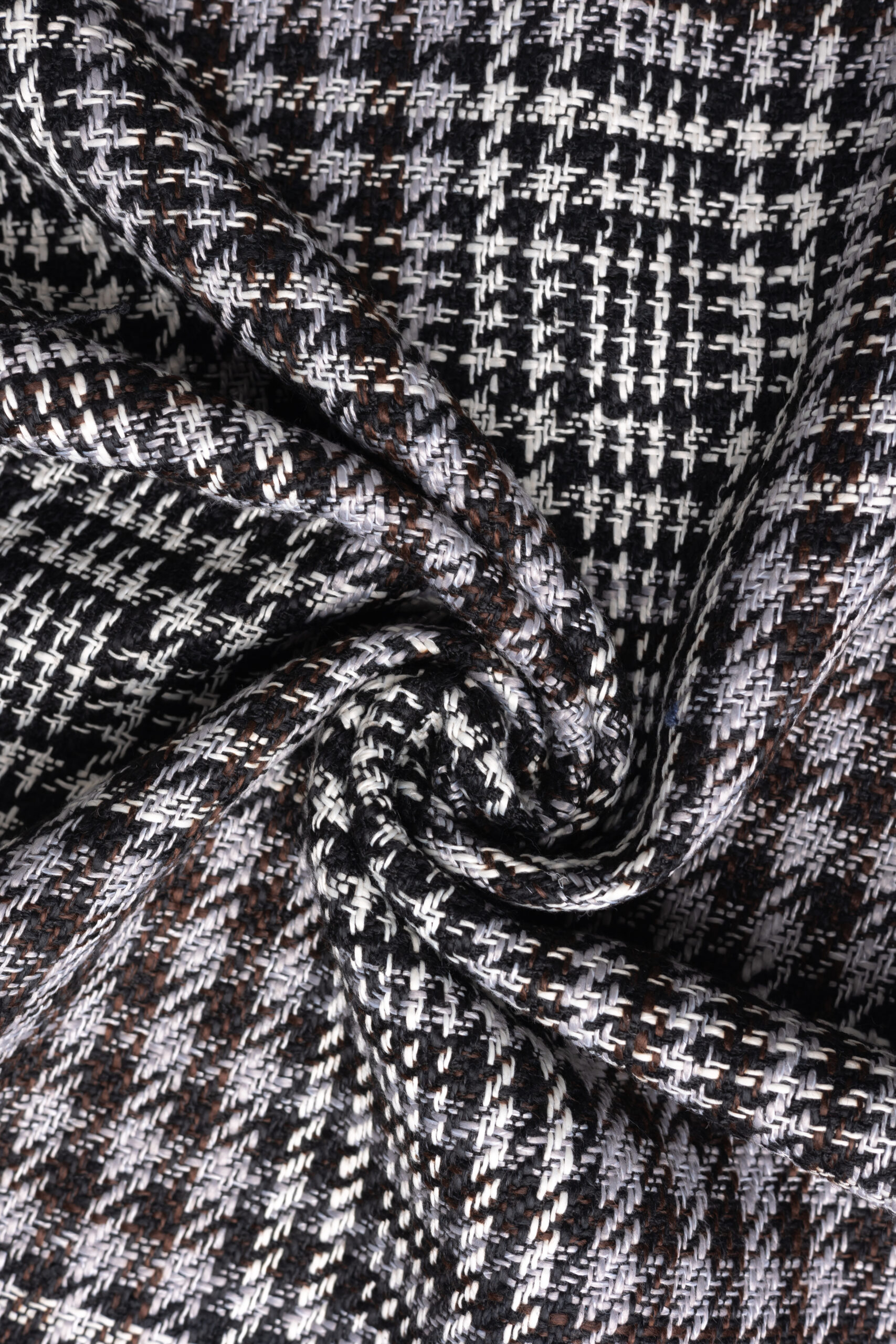
Listen. The 8-digit HS code is the international standard used across all 200+ WCO member countries. It gets your fabric to the right border. The 10-digit HTS code is country-specific — in the U.S., that’s the Harmonized Tariff Schedule maintained by the USITC. Those extra two digits determine the exact duty rate, quota eligibility, and any anti-dumping or safeguard measures. For a tweed fabric (e.g., HS 5112.11 in the U.S.), the extra digits can shift your duty from a reduced rate under a preferential trade program to the full MFN rate if you mislabel and fail to claim the correct preference (confirm the exact rates against live HTSUS data). Filing at only the 8-digit level? Guarantee a CBP hold.8-digit HS codeWorld Customs Organization
Documentation That Survives a CBP Exam
Customs officers don’t read invoices for fun. They look for three specific data points to release your fabric shipment quickly. Here’s the checklist that matches what CBP actually audits:
- Commercial Invoice: Must show the full 10-digit HTS code, not just the 8-digit HS. CBP requires a unit of measure in Square Meter Equivalent (SME) per 19 CFR §141.88. An invoice that lists only “rolls” or “yards” without the SME conversion is a common basis for a penalty.
- Certificate of Origin: Required for claiming preferential duty rates under U.S. Free Trade Agreements or GSP. For fabric from China, a standard COO works — but if the fabric contains yarn from a third country, you may need a “substantial transformation” statement. That requires a legal review. Not a quick fix.
- Getting the INCOTERM wrong on your invoice triggers a valuation dispute every time. We use FOB or CIF with pre-shipment photos and lot tracking. That keeps your import process cost-effective by stopping customs from questioning your declared value.
COO labeling trips up a lot of fabric importers. Each bolt needs a durable, legible country-of-origin mark. Miss that, and CBP issues a re-labeling directive under 19 CFR 134.43 — tacking days onto your clearance.
Avoiding the Misclassification Trap: A Concrete Example
Most misclassification happens at the 6-digit level because fabric categories overlap. A bouclé tweed with 55% wool and 45% nylon sits near HS 5112 (woven wool) and 5407 (woven synthetic) — weight and weave decide the heading. We cross-check against CBP rulings via CROSS before assigning a code. Skip that, and a standard tweed from our 100-meter ready stock gets flagged for lab testing and a multi-week delay. Not cost-effective at all.
CBP eRulings: The 30–90 Day Clock for Certainty
CBP’s eRulings system locks in your classification — no retroactive changes. Official processing is commonly around 30 days for simple cases and longer for multi-fiber constructions. For a high-volume importer running 300m custom MOQ runs, a single eRuling can materially cut review time on future entries. We supply all the high-quality technical specs — weight, fiber percentage, weave type — needed to file.custom MOQ runs
Using the CROSS System to Predict CBP Decisions
CROSS is the most cost-effective tool for avoiding misclassification. Search by HS prefix, description, or ruling number. For example, past rulings have landed a wool-blend bouclé under a 5112.11 subheading based on weight and weave. Run that lookup before your ISF entry, and you get a free pre-ruling. We keep a library of these for our tweed and knit lines to speed up filing.

Documentation Accuracy & Consistency
A mismatch in any single field across the Commercial Invoice, Packing List, and Bill of Lading can trigger a hold — adding weeks to clearance.
Why “Three-Way Match” Matters More for Fabrics
Documentation alignment looks like basic paperwork, but for fabric imports it’s the difference between fast clearance and a multi-week detention. Your 10-digit HTS on the entry must match the commercial invoice exactly. Square meter equivalent and exact blend percentages also dictate admissibility. A 55/45 wool-poly bouclé at only 6 digits? Flagged instantly. The quality of your documentation determines whether the system accepts or detains your shipment.
What Actually Triggers a Hold (and It Isn’t What You Think)
Most of the time, the mismatch we catch isn’t a huge error. It’s a material weight difference between the Packing List and Bill of Lading, or a container seal number typed wrong. For fabric rolls, a meaningful variance in declared versus measured weight can trigger reclassification. Declare by linear meters when the duty band uses Square Meter Equivalent? The system recalculates at a higher rate. That holds your container until you file a correction — with penalties and detention fees accruing daily.
- Material Weight Mismatch: Triggers a CBP re-weigh order and a potential penalty.
- SME vs. Linear Meter Misalignment: Apparel fabrics are duty-assessed per SME. Ship 1,000 linear meters at 1.5m width — that’s 1,500 SME. Enter it as 1,000 SME on your filing and you underpay. The penalty is calculated on the underpaid amount.
- Country of Origin (COO) Incorrect: For knits from China, the COO certificate must match the manufacturer. We ship OEKO-TEX and GRS-certified documents with lot numbers. If the Bill of Lading says “Wenzhou” but the COO says “Shenzhen,” expect a hold.Country of Origin
A Practical Supplier Checklist to Prevent Mismatches
Before any shipment leaves, we run a three-step cross-check. Every lot of tweed or knit fabric — 100m stock roll or 300m bespoke order — our team verifies the Commercial Invoice against the Packing List, cross-references the Bill of Lading draft, and snaps pre-shipment photos with visible lot numbering. The exact 10-digit HTS code, net weight, and fabric width must match on all three. If your supplier doesn’t have a documented alignment protocol, request a sample set of documents and audit for consistency before your next order ships.Commercial InvoiceBill of Ladingpre-shipment inspection photos10-digit HTS code
Conclusion
Most delays trace back to one preventable root: misclassification or incomplete docs. One digit wrong at the 6-digit HS level can trigger an exam or a duty reassessment that eats your margin. Locking in the full 10-digit HTS and a binding ruling? That can significantly cut CBP review time.
Run a quick audit on your last three fabric shipments. Cross-check the classification code against CROSS rulings, then verify the square-meter-equivalent calculation matches your quota schedule. And if you need a partner who hands you the documentation upfront, take a look at Fursone — we dispatch 85% of ready-stock orders within 72 hours (100m minimum) and include pre-shipment inspection reports right in the package. Contact us or browse our woolen overcoat fabric range.supply partner who can provide the documentation upfront
Frequently Asked Questions
How do I avoid customs delays on fabric imports?
Get the classification and paperwork right before the goods ship. Your commercial invoice must show the full 10-digit HTS code, exact fiber percentages, weight (in square-meter equivalent where required), and country of origin — matching the packing list and bill of lading. Pre-arrange a textile-experienced broker and confirm the code against CROSS rulings.
What documents prevent clearance delays?
Submit a complete, consistent set before shipment: commercial invoice, packing list, bill of lading, and certificate of origin (plus any preference or sustainability certificates). The three-way match across these documents is what customs checks first. Vague descriptions like “textile” or “wool blend” invite holds — state exact fiber content and construction.
How can I speed up customs clearance?
Confirm classification early (a binding eRuling or CROSS lookup removes uncertainty), pre-arrange a customs bond, and file electronically (ACE for US imports) with a textile-specialist broker. Accurate HS codes, GSM, and fiber percentages prevent the queries that cause holds. For urgent orders, consolidated air freight can bypass port congestion.
What actually triggers a customs hold on fabric?
Usually a document mismatch, not a major error: a weight discrepancy between the packing list and bill of lading, a wrong container seal number, an SME-vs-linear-meter misalignment, or a country-of-origin inconsistency. Make the HS code, weights, and descriptions identical across every document and attach lot-level photos.
What is the $800 de minimis rule, and can I use it for fabric?
The US de minimis threshold historically allowed duty-free entry for low-value shipments, but the rules — including the treatment of China-origin goods — have changed and must be confirmed against current CBP guidance. Do not split shipments or undervalue goods to fall under the threshold; that is illegal and risks seizure. For commercial fabric orders, plan to pay the correct duty.

Related Insights

Shipping Tweed Through Humid Seasons: Moisture, Bale Packaging and Mold Prevention
Wool fabric has an inconvenient relationship with the ocean: it absorbs moisture, and a shipping...

Exchange Rate Risk in Fabric Imports: 3 Ways to Hedge
Fabric importers quote retail prices months before they pay their mills, and currency moves in...

Demurrage and Detention on Fabric Containers: The Clocks That Eat Margins
A fabric container that arrives on time can still lose its margin in the port...