
Before you commit to a Wenzhou tweed supplier, skip the flight. Three documents tell you everything: a current production capacity chart, a dye-lot control log, and a QC summary from the last 60 days. That’s how you verify quality and durability without relying on a glossy brochure. Missing any? Walk away.production capacity chart
Real tweed mills show process signals. Not promises. Demand a daily production schedule and dye logs. Missing documents or inconsistent dye logs? Log it in your supplier scorecard and move on.dye logs
Why Verify a Wenzhou Tweed Factory?
Verify a Wenzhou tweed factory by separating genuine mills from spot traders through licenses, third-party audits, and dye-lot traceability.
Two groups in Wenzhou: genuine mills and resellers posing as factories
Wenzhou tweed has two types of operators. Real mills own in-house looms and have decades of traceable records. Industry estimates say about 70% of “manufacturers” on major sourcing platforms are intermediaries. A license check won’t catch that.
Risks for small labels: delayed deliveries, inconsistent hand feel, and counterfeit batch labels
Small brands and solo designers get hit hardest by supply chain gaps. Here are the three biggest risks:
- Delivery delays. Intermediaries miss lead times, and that collapses your launch calendar. For small operations, that kills cash flow — and makes even a cost-effective fabric unaffordable.
- Inconsistent hand feel. Batch-to-batch variance happens when the supply chain uses spot traders pulling from different mills. That kills product quality and repeat orders for anyone chasing consistent durability.
- Counterfeit batches don’t just happen. They arrive with fake certificates. You’ll spot them by poor color consistency, loose fabric density, and sloppy finish quality. Verify every document in the chain before you buy.
A single defect on 100 meters can ruin a whole collection
One defect stops your line cold. The industry AQL for major defects is 2.5 per 100 meters. Quality-driven mills push that down to 1.0. They also hold dye lot variance under ΔE 3.0 between batches. Unverified suppliers routinely miss that mark—killing the color consistency you need for premium Chanel-style bouclé. A ΔE of 3.0 or higher ruins the look. Full stop.
Verification is an affordable insurance against supply chain failure
Validation steps pay for themselves. Direct mills deliver the same Chanel-style bouclé at significant savings than trading intermediaries. For small runs, a verified mill offers 100m ready stock with 7-day sampling, so you launch fast. Before committing, demand third-party audits (SGS works) and dye-lot traceability. OEKO-TEX Standard 100 certs help too. That’s how you cut risk without slowing down.Direct millsdye-lot traceability
Step 1: Check Business License and Registration
Your first defense is the license: only manufacturing scope confirms a real mill, not an intermediary.
1) Confirm Licensing Scope: Manufacturing must be listed
Check the business license first. “Manufacturing” must be in the scope. If it says “wholesale” or “trading,” you’re talking to an intermediary, not a factory. Push back. Or insist on a dual-entity setup with a verified manufacturer.
2) Cross-check English and Chinese Names Against SAMR Records
Cross-check the English company name against the Chinese name in SAMR public records. Mismatches or missing entries are a red flag. Can’t find the entity in SAMR at all? Move on. That supplier is unverified.
3) Distinguish Trading Company Names from Factory Names
Trading companies register as “XX Textile Trading Co., Ltd.” Manufacturers use “XX Textile Manufacturing Co., Ltd.” Confirm the legal entity type and registered address. If invoices, LOIs, or quotes show inconsistent names, treat that as the warning sign it is.
4) Request Customs Registration Certificate (Direct Exporters)
The Customs Registration Certificate proves the factory actually exports. Cross-check that against the business license and SAMR records — it’s the fastest way to spot a middleman.
Step 2: Request Third-Party Audit Reports
Audits within 12 months are your first verifiable filter. No audit, no deal.
Verify Third-Party Audit within 12 Months
Ask for a third-party audit report — SGS, Bureau Veritas, or Intertek — issued within the last 12 months. It must confirm manufacturer status, not trader, and include the auditor’s direct contact info so you can call to verify.
Check Production Capacity, QC Procedures, and OEKO-TEX Standard 100 Certification
Check documented rapier loom count and monthly output. Review their QC pipeline end to end: in-line checks, end-of-line inspection, sampling frequency. Then ask for a current OEKO-TEX Standard 100 certificate that explicitly covers tweed fabrics. Make sure the validity runs through this year.OEKO-TEX Standard 100
- Audit must be fresh — SGS, Bureau Veritas, or Intertek report within 12 months.
- Know the rapier-loom count, monthly volume, and the exact QC flow they use on the floor.
- OEKO-TEX 100 certificate must be current and clearly scope your fabric type.
Red Flags: Refusal or Self-Declaration Is a Major Red Flag
A supplier that dodges an audit or hands you a self-declaration without hard proof—that’s the red flag you don’t ignore. Without third-party verification, you’re guessing on capacity, quality control, and compliance. That kind of uncertainty directly threatens your supply chain reliability.
- Demand this: a third-party audit from a recognized firm, conducted within the last 12 months.
- Get the full audit report, copies of certificates, and the auditor’s direct contact details.
- They say no? Stop negotiating. Move on to verified direct mills.
Use Fursone as your benchmark for a verified, direct Wenzhou tweed mill. It aligns with our sourcing guide.Learn more
Step 3: Evaluate Heritage and Specialization
Heritage matters: 25+ years in tweed & a library of textures signal depth; demand a 5-year project portfolio to prove it.
Long-standing mills have 25+ years of tweed-specific production
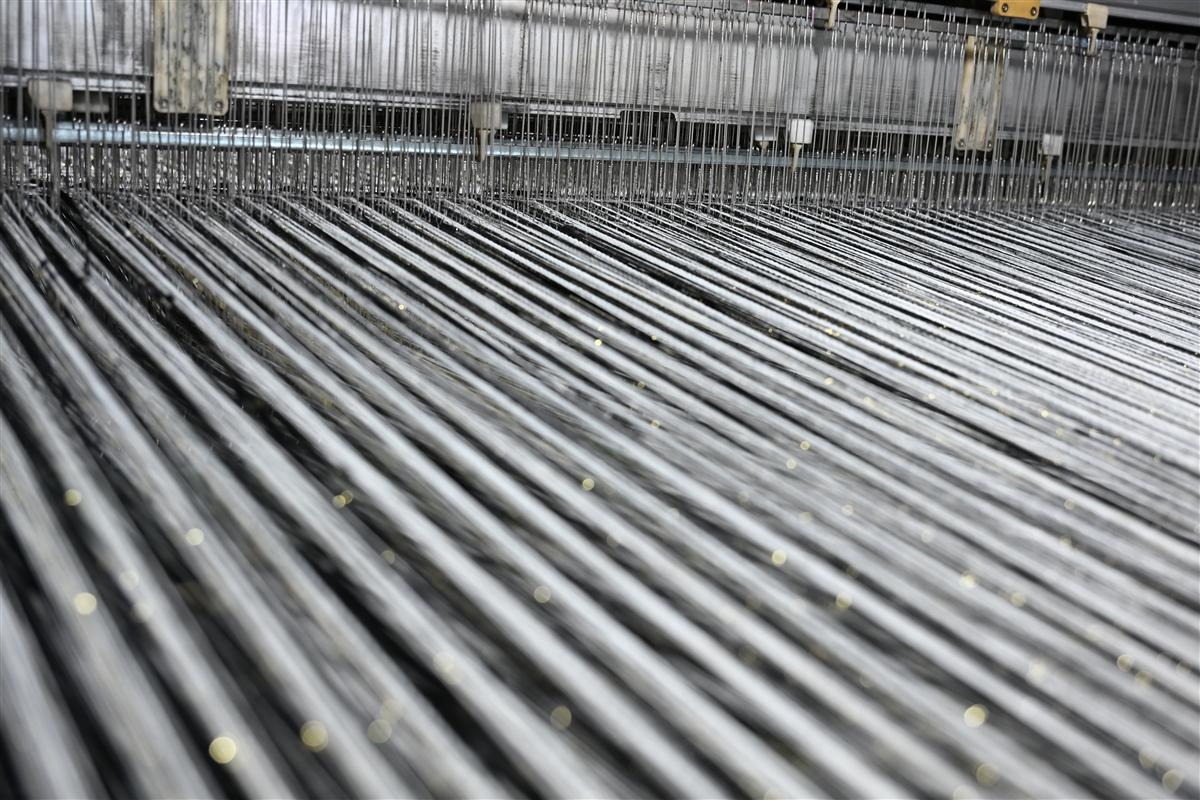
With 25+ years focused on tweed, these mills have fine-tuned weaving, dyeing, and finishing to handle the quirks of Chanel-style bouclé and heritage knits. That history means tighter color consistency across dye lots and fewer surprises in bulk production. Check for documented production histories, a clear loom inventory, and a proven track record of on-time shipment across multiple seasons.25+ years
A library of thousands of bouclé textures and color formulations indicates depth
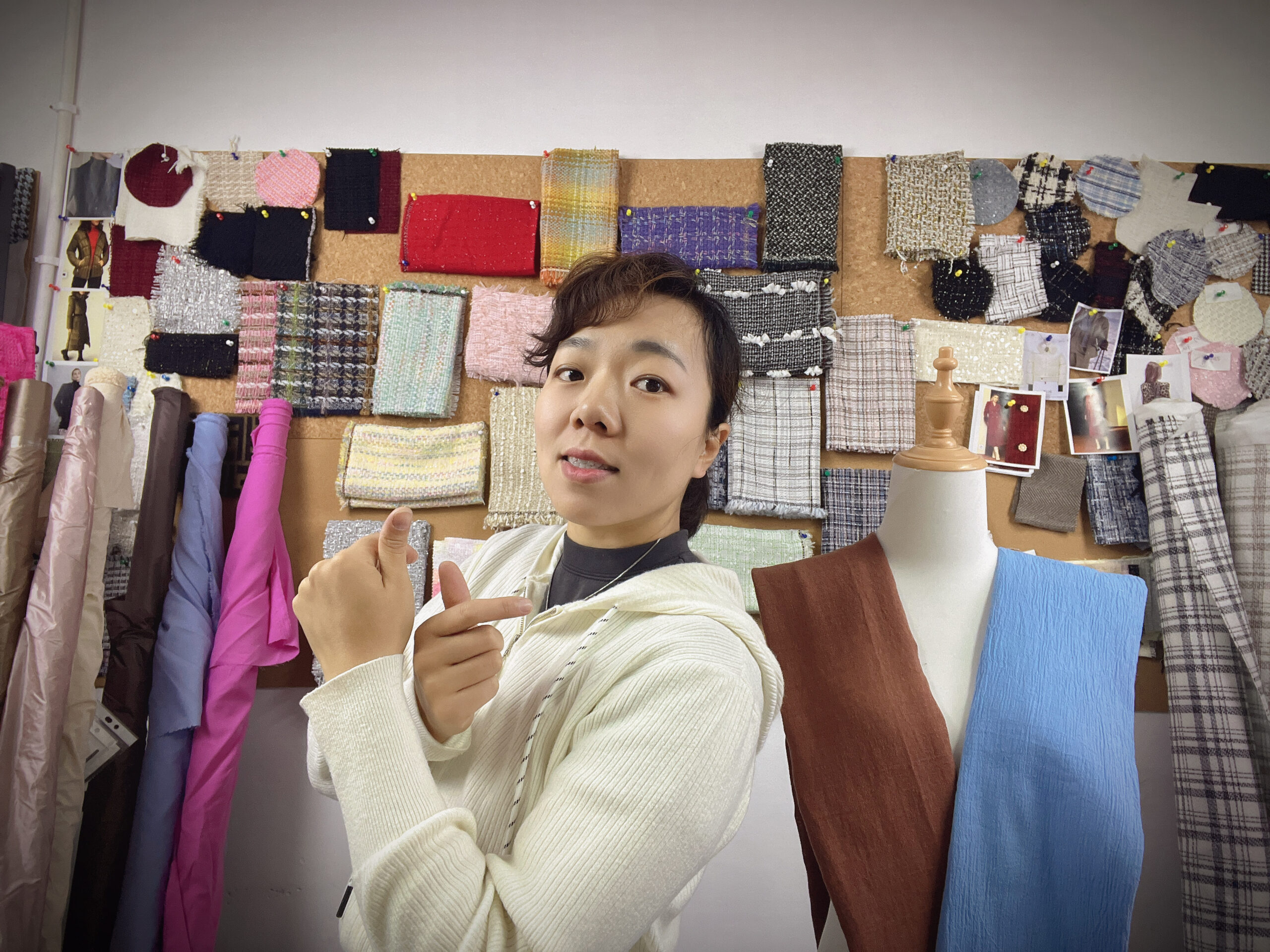
You need a deep texture library — not just a few swatches — to speed up development and lock in color across orders. When you ask for options, the supplier should show a broad catalog of bouclé textures with pre-tested color formulations that hit your design targets without running test looms again. That depth cuts the risk of variant runs when switching dye lots and delivers consistent color with ΔE < 1.5 across production batches.
Ask for a portfolio of custom development projects over the last 5 years to assess real depth
Here’s what actually works. Ask for a portfolio of custom projects completed in the last 5 years. Look for evidence of texture construction, color matching precision, and documented transitions from sample to bulk. A strong portfolio proves the mill can deliver exclusive textures at real scale — not just pitch capabilities in a presentation.
Step 4: Test Sample Quality and Consistency
Step 4: Test Sample Quality and Consistency
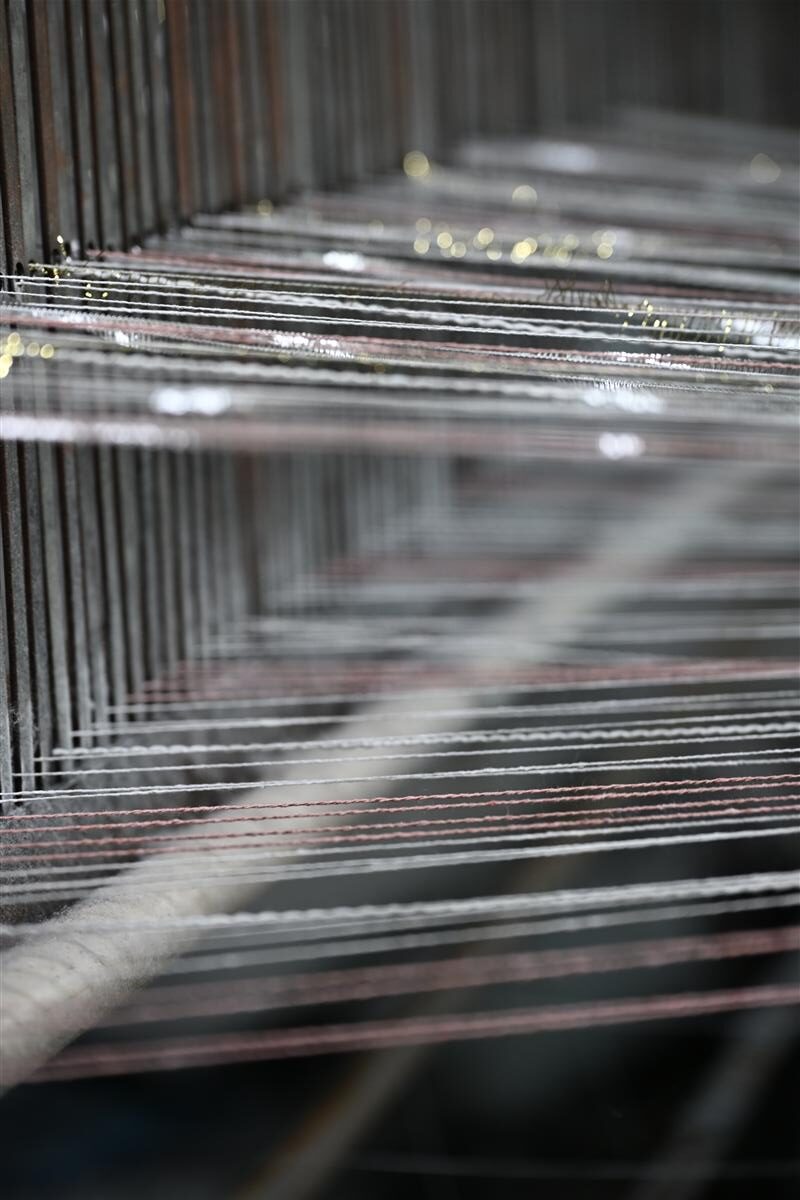
Don’t commit to bulk without running a dye-lot audit on samples first. Check that the color, hand feel, and bouclé stability match your spec. Skip this step, and you risk finding out the hard way after 3000 meters are wound.
- Catch dye-lot variance early. Order at least 3 samples of the same SKU from different production runs. That way you see the range of color shifts before they hit your cutting table.
- Color and hand-feel must hold. Expect consistent hand feel, loop density, and color match within ΔE < 1.5. If the supplier can’t guarantee that window, move on.
- The bouclé integrity test is simple but revealing. Loops should not unfurl easily. Wash a 20 cm square at 40°C — shrinkage must stay under 3% after 3 wash cycles. Anything higher and the fabric will distort at the seams.shrinkage must stay under 3%
- Rapid sampling — seven days from concept to physical swatch. We keep 100+ styles in stock, ready to ship. That’s speed, not a promise. The real payoff? You test quality and durability before tying up capital.7-day sampling
This tiered structure lowers risk on small trial buys. It gives you hard data to approve bulk orders with confidence — not gut feeling. For a cost-effective supply chain, that’s the difference between profit and pile-up.
Step 5: Compare MOQ and Pricing Transparency
Transparent MOQs cut through trader markups. 100m ready stock and 300m custom MOQ align pricing with actual production.
Real mills offer transparent MOQ tiers
Real mills post clear MOQ tiers: 100M ready stock for small orders, 300M custom MOQ for bespoke development. No marketing noise — just practical planning that protects your budget from unsold inventory. In-stock ships in 3-7 days; custom runs follow your timeline, not the other way around.
Trading companies may hide MOQ or require 3000m+
Trading houses play games with MOQs — “flexible” quotas masking hidden thresholds of 3000m+. For emerging brands, that creates costly overhang and kills speed to market. Demand transparency upfront.
Ask for a breakdown: yarn cost + weaving + finishing
Always get a line-by-line quote: yarn cost, weaving, finishing, inspection, freight — itemized. If a supplier can’t break those out, they’re hiding margin in ambiguity. That’s not quality sourcing; that’s buying blind.
- Track yarn cost: price per meter, fiber content, waste factor — every variable that hits your bottom line. Master these details and you control cost from first sample to final delivery. Quality and durability depend on getting those numbers right early.
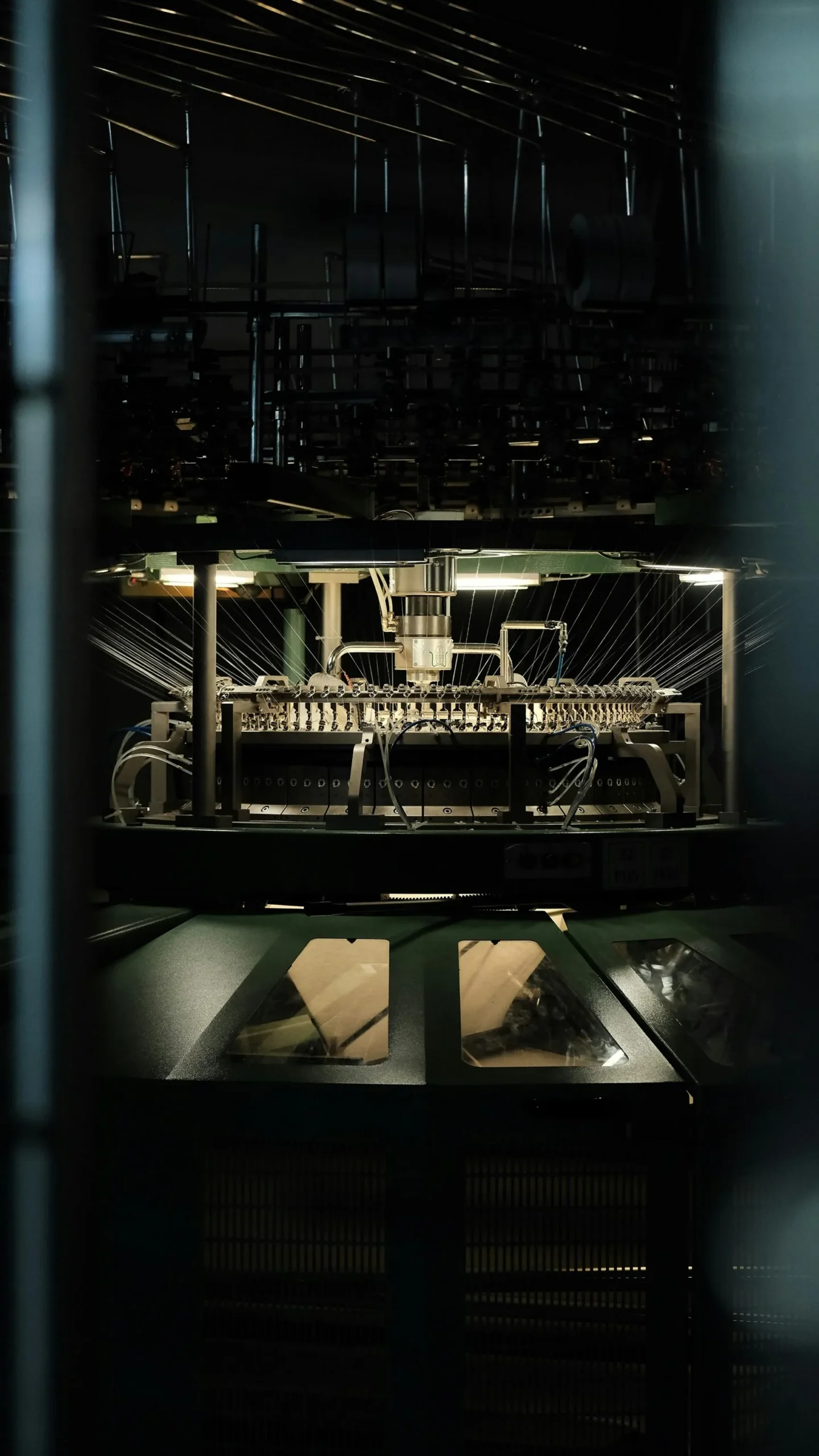
- Loom type drives the weave structure. Fabric width affects cutting efficiency. Weave density changes how it feels and drapes. Minutes per meter is the number that tells you true throughput.
- Dyeing sets the color. Washing shrinks the fabric to its final size. Pressing fixes the surface texture. Specialty finishes add water resistance or anti-pilling performance.
If they can’t itemize, they are not the producer
A supplier who can’t break out material, labor, and finishing costs is a middleman, not a mill. Demand a line-by-line cost breakdown. If they won’t show you the numbers, find a direct manufacturer that lists pricing and minimums up front. That kills hidden markups before you spend a dollar.cost breakdown
Conclusion
Auditing a tweed factory directly cuts out trading-company fees and locks in consistent quality. Industry checks show roughly 70% of mills listed as manufacturers on Alibaba are actually trading firms. A formal factory audit, third-party certifications, and a live loom tour separate real production from middlemen. Direct mills give you 20-40% lower bulk pricing, 100 meters in stock that ships in 3-7 days, and a 7-day rapid sample cycle backed by a color-match report under ΔE 1.5. That’s the difference between cost-effective sourcing and paying for someone else’s phone calls.
Check the verified mills page to shortlist candidates. Request a 7-day sample to match color and texture against your brief. The Pillar Page has audits, certifications, and real workshop photos. Compare direct-mill pricing side by side — the numbers speak for themselves.
Frequently Asked Questions
Is a Chinese manufacturer legit?
Verifying legitimacy starts with official registration and verifiable business history. Look for a registered legal entity, a current business license, tax registration, and a traceable address—ideally with a long track record like Since 2020 for Wenzhou textile experts such as Fursone. Validate credentials on reputable platforms (Alibaba Gold Supplier, Made-in-China, Global Sources) and request third-party audit reports or certifications (ISO, social compliance). Ask for a factory visit or live video tour to confirm equipment, production scale, and the ability to ship from stock (100,000 meters in stock) or produce bespoke runs (300M MOQ). Reputable suppliers should promptly provide samples (7-day rapid sampling) and clear terms.
How can I check if Chinese products are real?
Verify product authenticity by checking documented specifications: fiber content, weight, finish, and construction against the supplier’s stated claims. Request third-party lab test reports from recognized labs (e.g., SGS, ITS) for composition, colorfastness, and performance of tweed and bouclé fabrics. Compare samples to the described lot and ask for lot numbers or certificates of authenticity. If possible, request a short-run production traceability from the factory and a product development timeline to confirm the quality control processes. With a trusted partner like Fursone, you can expect 7-day sampling and access to 100,000 meters in stock or 300M bespoke options, which reduces risk and ensures you get the fabric you ordered.
How to search for Chinese manufacturers?
Start with reputable industry directories and marketplaces such as Made-in-China, Alibaba, Global Sources, and verify the company’s physical address and contact details. Refine searches to target textile hubs—e.g., Wenzhou for tweed and knit specialists—and look for factories with transparent capacity, such as 100,000 meters in stock and 300M bespoke MOQ. Narrow candidates by requesting product catalogs, client references, and a factory video tour or on-site visit. Shortlist suppliers who offer rapid sampling (7 days) and steadfast supply chain support, like those from Since 2020 Wenzhou Textile Expertise.
What signs show a legitimate manufacturer?
Key signs include verifiable business registrations, a physical factory address, and a track record of client deliveries over several years. Transparent documentation (certificates, inspection reports, and third-party audits) and clear, professional communication are essential. Demonstrable manufacturing capabilities—consistent sampling timelines (7-day rapid sampling), stock levels (100,000 meters in stock), and reliable minimum order quantities (300M custom MOQ)—signal maturity. Request references and arrange a factory visit or video tour to confirm operations, equipment, and quality control processes; reputable partners will accommodate this without friction.
Which city is famous for textiles in China?
Keqiao District in Shaoxing, Zhejiang, is widely recognized as China’s textile capital, boasting the world’s largest textile market and a dense network of mills and suppliers. For premium fabrics such as tweed and bouclé, Wenzhou is a leading source on the coast, offering specialized expertise since 2020 via Fursone. When evaluating suppliers, consider the city’s ecosystem, logistics, and proximity to mills that can support stock programs and bespoke development. Together, these locations form a robust supply chain for high-end fabrics used by global fashion brands.
Authoritative References
Related Insights

How to Compare Fabric Quotes from Three Mills: A Side-by-Side Method
Three mills return three quotes for the same fabric brief, and the spread between them...

CNY Capacity Planning: Booking a Fabric Mill Around Chinese New Year
Every year, fabric buyers lose the same three weeks to the same event: Chinese New...

Second-Source Strategy: How Brands Qualify a Second Tweed Mill
Single-sourcing a signature fabric feels efficient right up to the season it fails: the mill’s...