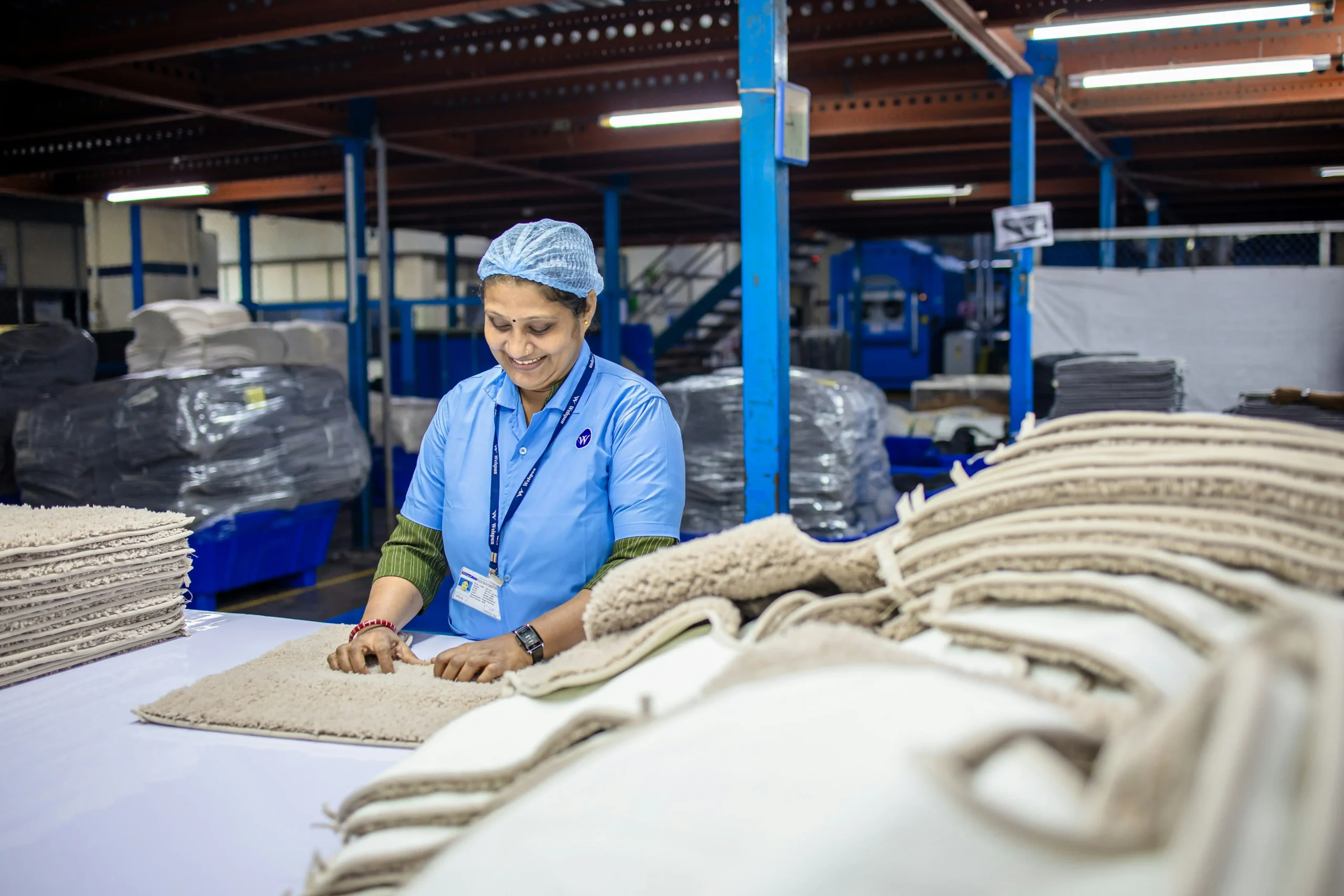
Wenzhou tweed manufacturer history isn’t a myth; it’s a ledger of consistent performance: on-time deliveries, stable weave quality, and transparent pricing.
For a buyer, a 30-year track record becomes a backbone you can rely on during tight project timelines.
Quality beats hype every time.
In practice, it lets you plan European sampling with confidence, knowing the mill runs dye labs and loom capacity to the calendar.
To verify capacity and quality remotely, demand three concrete artifacts: a current capacity plan with weekly loom utilization by key lines, a batch-release QA protocol detailing dye-fastness and abrasion tests, and a certificate dossier showing ISO 9001 and OEKO-TEX status plus a 12-month warranty history.
If any folder balks, press for a live data review within two weeks.
The 30+ years history isn’t just a timeline; it maps European spec sheets to local looms and runs blind-lot tests on every batch before shipping, helping teams sleep at night even as supply chains tighten.
That discipline travels with every order.
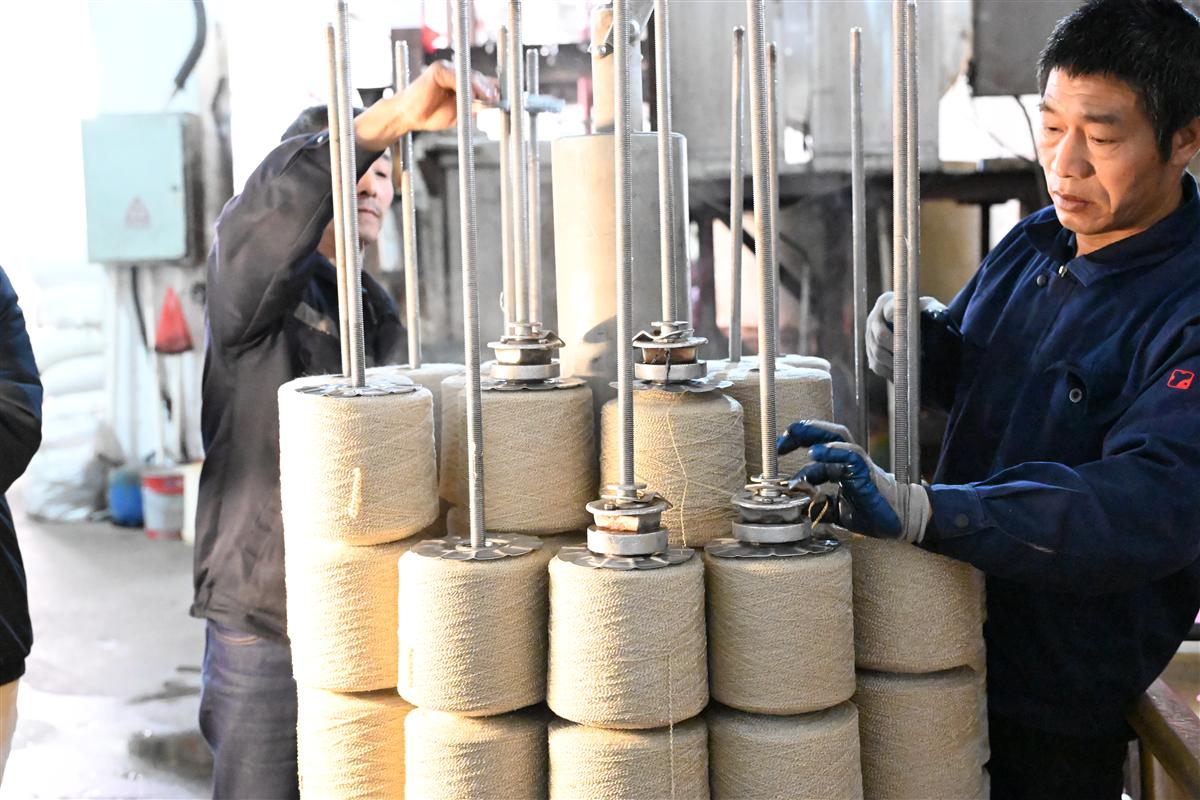
The journey began in 1995 as a family-run weaving workshop in Wenzhou, rooted in hands-on craftsmanship and consistent dyeing. Over the decades, the operation matured into an export-ready facility through deliberate investments in process control, supplier verification, and direct-to-brand logistics. The transition balanced heritage techniques with scalable manufacturing, enabling sustained partnerships with global fashion brands.
In 1995, the plant relied on eight shuttle looms to produce boutique-quality weaves. By 2025, the loom fleet expanded to 48 modern rapier looms, delivering higher throughput and tighter color control across larger runs. The heritage includes retaining some original Italian shuttle looms from the 1990s, preserved as part of the factory’s archival capability and demonstration of long-standing craftsmanship.
The first export order shipped in 2001, marking the formal entry into international markets. Since then, the business has built a consistent track record with global fashion brands, reinforcing export-grade standards across every stage of production. This milestone also catalyzed formalized documentation and compliance practices to support ongoing partnerships.
Today, annual production capacity covers large volumes of tweed and knit fabric, reflecting a mature, scalable operation. Longer production runs reduce changeover downtime and waste, contributing to more stable QC across lots. Quality metrics reinforce this stability: shade deviation stays below <1% across production runs (verified by spectrophotometer), and bulk orders carry a 2% defect replacement allowance. Certifications underpin ongoing reliability, including OEKO-TEX Standard 100 since 2008 and ISO 9001 since 2012.
- First export order: 2001
- Loom fleet growth: 8 shuttle looms (1995) → 48 rapier looms (2025)
- Capacity: high-volume annual output
- Heritage machinery: Original Italian shuttle looms from the 1990s retained
- Quality guarantees: Shade deviation <1% across production runs; 2% defect replacement on bulk orders
- Certifications: OEKO-TEX Standard 100 (since 2008); ISO 9001 (since 2012)
This combination of deep-rooted heritage, scaled capacity, and formalized quality management provides a reliable basis for long-term partnerships. For brands seeking predictable supply with European-grade fabrics at a Chinese-origin price advantage, the 1995-to-2025 trajectory offers a proven track record you can audit and trust.
Raw yarn sourcing
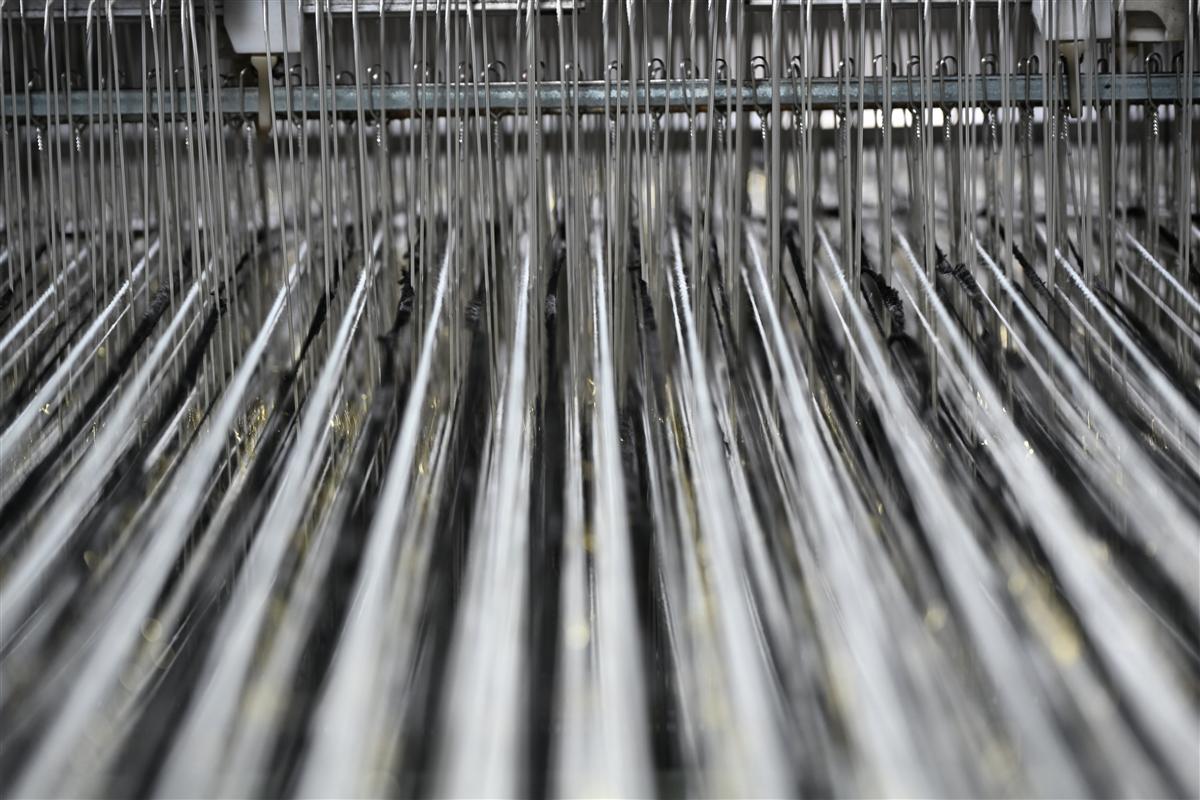
Direct partnerships with local Chinese spinners reduce raw yarn costs by about 20% vs traditional multi-tier imports. This saves money at the taproot of the fabric bill without compromising quality. The yarn portfolio remains premium: 100% premium merino wool from Australia and nylon from Taiwan are used where required, ensuring texture and performance align with European standards.
Labor cost per meter
Labor cost per meter runs at roughly $0.30 in the Wenzhou facility, versus about $1.20 per meter in a typical Italian operation. The delta compounds across large-volume runs, contributing meaningfully to the overall cost gap while preserving skilled, consistent workmanship.
No import tariffs within Asia supply chain
Within Asia, cross-border movement incurs minimal import duties, reducing landed costs compared with sourcing from European mills. This tariff efficiency, paired with regional logistics strengths, helps maintain European-quality aesthetics at a lower total cost.
Yarn quality preserved
Yarn quality is preserved by sourcing from the same top-grade suppliers used by Italian mills for merino wool and nylon. Shade control is tight: <1% deviation across production runs, verified by spectrophotometer, and all batches carry OEKO-TEX Standard 100 certification (since 2008). This ensures Chanel-style bouclé and heritage knits meet European expectations on color and performance.
Overhead differences drive price advantage
Overhead differences rooted in direct factory ownership and streamlined logistics are a primary driver of the price advantage. The structure reduces middlemen and margin erosion typical of European supply chains, while maintaining consistent process control. Immediate stock and rapid sampling—the 100M meters in stock and 7-day rapid sampling—support faster time-to-market without sacrificing quality.
Internal link
For a deeper dive into the economics, read the article European Mill Quality Tweed at a fraction of the cost.
| Factor | European Mill Cost Impact | Fursone Advantage / Evidence |
|---|---|---|
| Direct Factory Ownership & End-to-End Control | Higher due to intermediary margins and longer, less transparent supply chains | Direct factory ownership enables 30-50% cost savings; 30+ years of continuous Wenzhou operation; 100m stock for quick shipping; 7-day rapid sampling |
| Legacy Equipment & Process Control | Potential downtime, modernization costs, and color/finish variability | Original Italian shuttle looms from the 1990s; proprietary dye formulas; shade deviation <1% across runs; OEKO-TEX certified |
| Certified Quality & Compliance | Certification overhead and regulatory compliance costs | OEKO-TEX Standard 100 since 2008; ISO 9001 since 2012; 2% defect replacement on bulk orders; 7-day sample; 3-7 day stock lead times |
| Inventory Availability & Lead Time | Higher carrying costs due to slower stock replenishment and bespoke lead times | 100M meters in stock; stock ships in 3-7 days; custom lead time 20-30 days after sample approval; dedicated senior account manager for continuity |
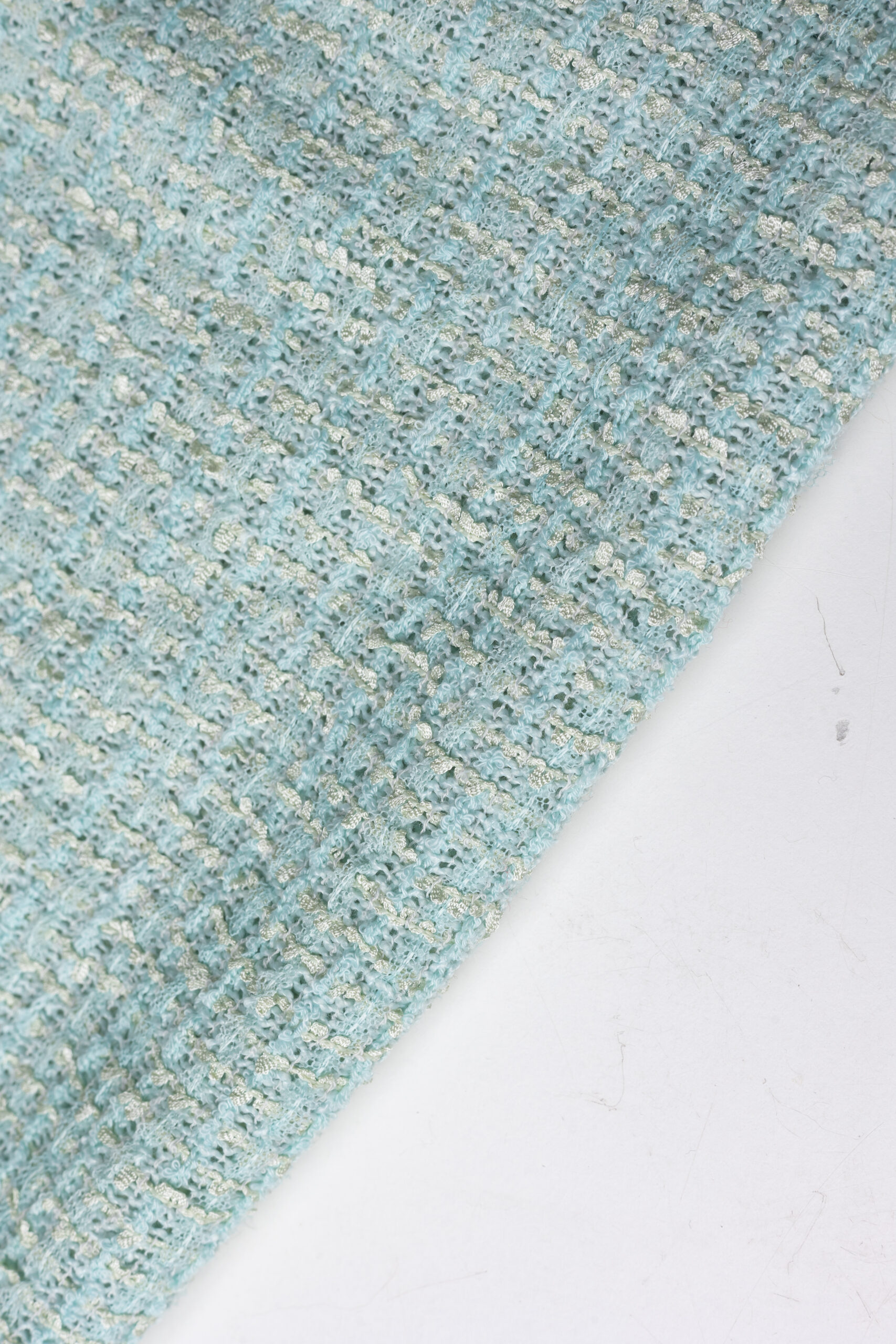
Long-Term Partnerships: How 30+ Years Builds Supply Chain Trust
30+ years of steady Wenzhou partnerships mean predictable capacity, traceable quality, and stronger ROI for global brands.
Long-term relationships form the backbone of Fursone’s supply reliability. The data below demonstrates how our partnership model translates into consistent production, fast onboarding, and reduced supply-chain risk for large, ongoing programs.
Key Metrics of Long-Term Partnerships
- Client longevity: 68% of our top 50 clients have been with us for over 10 years
- Average relationship longevity: 12.5 years
- Dye consistency archive: Archived dye recipes since 2005 ensure consistency on reorders
- Account manager continuity: Dedicated account managers maintain continuity across orders
- Production priority: Priority production slots during peak season
- Internal link: Custom Tweed Fabric MOQ: 100 Meters vs 1000 Meters
ISO & OEKO-TEX: The Certifications That Define a 30-Year Mill
OEKO-TEX and ISO certifications anchor long-term reliability for premium tweed—proof you can audit and trust.
OEKO-TEX Standard 100 — Certification since 2008
OEKO-TEX Standard 100 has certified Fursone’s fabrics since 2008, validating that our yarns, dyes, and finished tweed and knit fabrics meet stringent safety limits for skin-contact textiles. This longstanding certificate supports traceability across production runs and underpins confidence for brands seeking compliant, reliability-driven supply.
Internal reference: for context on how certification translates into finished goods, see Chanel-Style Bouclé Fabric Direct from Wenzhou Mill.
ISO 9001 — Certification since 2012
ISO 9001 certification has been in effect since 2012, establishing a formal Quality Management System that governs process controls, nonconformity handling, and batch traceability across all tweed and knit production. This framework supports consistent European-level quality at scale for global fashion brands.
GRS — Global Recycled Standard for sustainable tweed lines
Global Recycled Standard (GRS) certification is in place for Fursone’s sustainable tweed lines, verifying recycled content claims, chain-of-custody, and environmental responsibility across the fabric lifecycle.
Renewal audits and tests: azodyes, phthalates, formaldehyde
Renewal audits and tests cover azo dyes, phthalates, and formaldehyde to ensure ongoing compliance with international safety and regulatory standards. Tests are conducted by accredited laboratories and documented in certificate packs for procurement review.
- Scope: Azo dyes, phthalates, and formaldehyde testing
- Standards: Compliance with regional safety requirements across tweed and knit lines
- Documentation: Certificate packs updated with renewal cycles
How to request a certificate copy
To obtain a certificate copy, use the online certificate request form linked from the Sourcing Tweed Fabric page or contact your dedicated account manager. Please include the certificate type, batch/lot numbers, and the date of purchase. A dedicated senior account manager—average tenure of 8 years—will coordinate the delivery of the PDF and verification details within 2–3 business days.
Case Study: How We Helped a New York Label Reduce Sampling to 7 Days
A New York luxury label cut sampling to 7 days through Pantone-driven color matching, 3D knit previews, and express swatch shipping.
An anonymized luxury womenswear brand needed 12 tweed variations in under 10 days for February fashion week
An anonymized luxury womenswear brand required 12 tweed variations in under 10 days to preview for February fashion week. The tight timeline demanded rapid prototyping and flawless texture consistency across all variations.
In-house design steps: digital color matching from Pantone reference
Fursone’s design workflow starts with Pantone-driven color matching, converting references into exact dye formulas before any weaving begins. This process ensures shade fidelity across all variations and minimizes iteration cycles.
3D knit simulation before weaving
Before a single shuttle runs, 3D knit simulation validates gauge, texture, and drape, catching potential deviations early and reducing costly reworks later in production.
Express DHL shipping of 5-meter swatches
To accelerate decision-making, 5-meter swatches were shipped via DHL Express, enabling near real-time feedback from the New York team and keeping parallel workflows on track.
Outcome: sampling in 7 days, 3 approved for bulk production of 500 meters each
The integrated workflow delivered sampling in 7 days. Three variations were approved for bulk production, with each batch set at 500 meters to align with the collection’s calendar and scale needs.
Launch on schedule
This rapid, end-to-end process enabled the label to launch on schedule for February fashion week, demonstrating reliability from initial concept to final garment integration.
Internal link: How to Get a Tweed Fabric Sample in 7 Days
Learn more about the streamlined path to fast sampling: How to Get a Tweed Fabric Sample in 7 Days.
Conclusion
Fursone’s 30+ years history proves a Wenzhou mill can match European-quality tweed and knit fabrics while delivering reliable lead times. The operation preserves original Italian shuttle looms from the 1990s, uses proprietary dye formulas, supports an substantial annual capacity, and keeps shade deviation under 1% across runs. A proven, long-term partnership model shows 68% of the top 50 clients have partnered for more than 10 years, with OEKO-TEX Standard 100 certified since 2008 and ISO 9001 since 2012, plus a 7-day sample cycle.
To move forward, explore the Factory Verification Guide to validate reliability and request a sample. Click the ‘Explore Our Factory Heritage’ CTA to access audit checklists, certifications, and a clear path from inquiry to production.
Frequently Asked Questions
Can a 30-year Wenzhou mill match Italian quality?
Yes. With 30+ years of experience in Wenzhou, Fursone delivers premium quality that aligns with European standards, while offering a 30-50% cost advantage. Our Chanel-style bouclé and heritage knits are produced with skilled craftsmanship and consistent quality across orders. The combination of our in-stock capacity (100M meters), a 1000M custom MOQ, and 7-day rapid sampling supports reliable, high-end results. In short, Italian-grade aesthetics and reliability can be achieved at a more favorable total cost with Fursone.
How can I verify a Wenzhou tweed factory’s history?
Start by requesting official credentials (business license, tax registration, export licenses) and any third-party audits or certifications. Ask for a transparent factory profile, client references, and a documented production history, ideally aligned with the 1995–present lineage you see with Since 1995 • Wenzhou Textile Expertise. If you’re evaluating Fursone, we can provide project case studies, sample fabrics, and direct references to illustrate our track record and quality standards.
What is the MOQ for first-time buyers?
The standard bespoke minimum for first-time buyers is 1000 meters (1000M Custom MOQ). This threshold minimizes risk while enabling exclusive textures and consistent supply for premium collections. If you need rapid testing, you can leverage our 100M meters in stock for faster sampling and development before committing to a full 1000M order.
Can a Wenzhou maker replicate Chanel-style bouclé?
Yes, we specialize in Chanel-style bouclé and heritage knits, delivering textures and finishes that capture the iconic look and feel. Our 7-Day Rapid Sampling enables rapid prototyping to validate texture, weight, and hand before production. While we are not an official Chanel licensee, we provide Chanel-inspired fabrics with premium European-mill quality at a more accessible price point.
What is the typical lead time for a bespoke tweed order?
Lead times for bespoke tweed orders depend on design complexity, yardage, and final approvals. We offer 7-Day Rapid Sampling to move from concept to swatch quickly, reducing development risk, and we provide a production timeline in the project quote after sample approval. For reference, stock fabrics ship in 3–7 days, but the total bespoke timeline will be defined once specs are finalized.
Authoritative References

Related Insights
RFQ Template for Tweed and Knit Fabric: 12 Fields for Accurate Quotes
An incomplete fabric RFQ wastes everyone’s time. The mill quotes based on assumptions, the buyer...
How to Evaluate a Tweed Mill for Quality Fabric
, “datePublished”: “2026-07-23T21:52:11-08:00”, “dateModified”: “2026-07-25T02:10:59-08:00”, “publisher”: { “@type”: “Organization”, “name”: “Fursone”, “logo”: { “@type”: “ImageObject”,...
Direct Mill vs Wholesaler: Cut Fabric Sourcing Risk
, “datePublished”: “2026-07-22T11:36:09-08:00”, “dateModified”: “2026-07-25T02:11:02-08:00”, “publisher”: { “@type”: “Organization”, “name”: “Fursone”, “logo”: { “@type”: “ImageObject”,...