
A sourcing manager who can name benchmarks negotiates differently from one who can only name feelings. Instead of “the quality feels weak”, the conversation becomes “the lot measured grade 2-3 for pilling against our agreed 3-4 floor”. The wzorce jakości tkanin poniżej znajdują się te, które decydują o akceptacji lub odrzuceniu w realnych zamówieniach, wraz z metodami badań potwierdzającymi każdą liczbę.
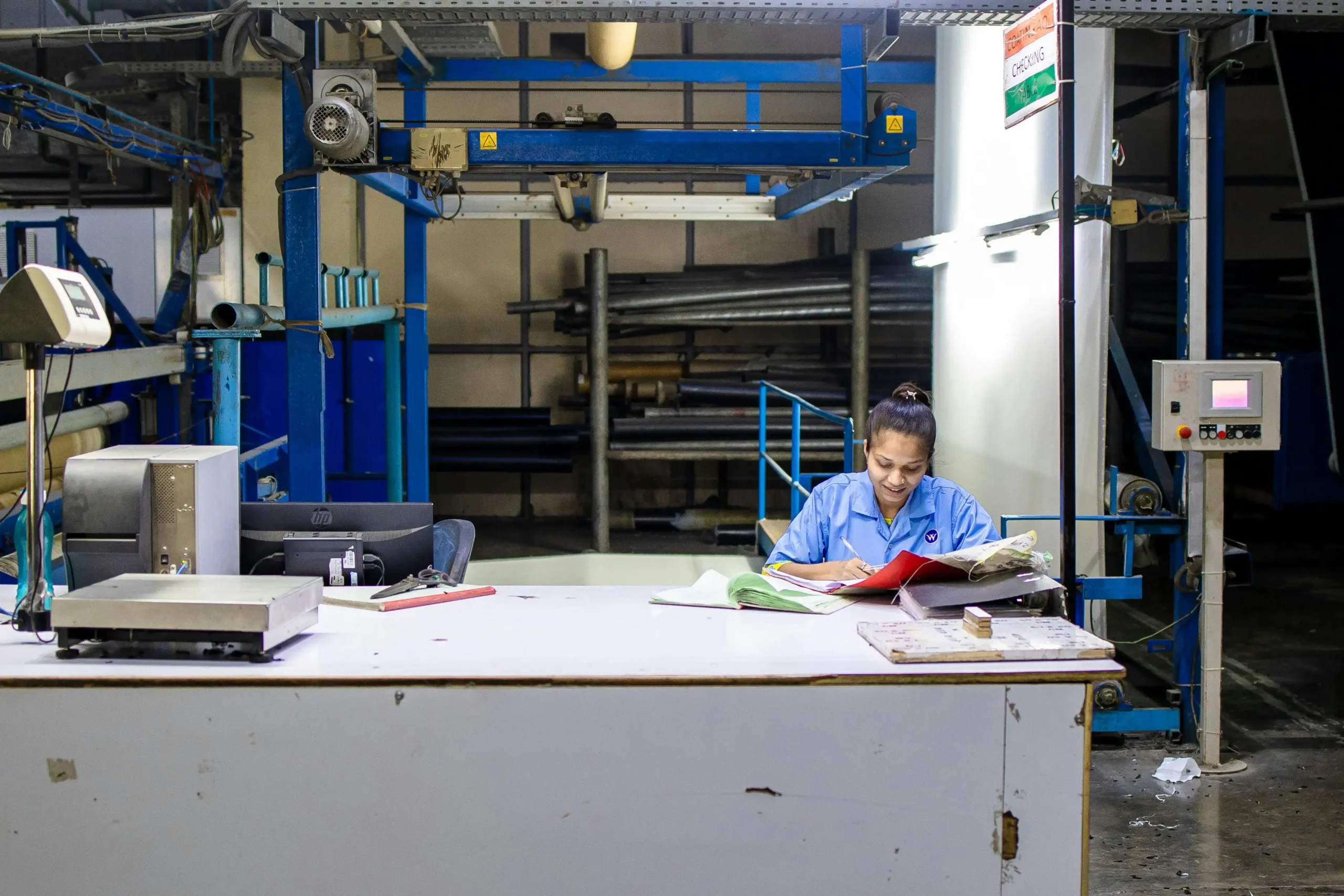
Gramatura i skład: weryfikacja tożsamości tkaniny
We broke the same topic down in performance knits in luxury outerwear
GSM is the first benchmark on every fabric inspection report, and the practical tolerance around the agreed weight sits near 5 percent. A 420 GSM order arriving at 385 is not “close” – it drapes differently, costs less to make, and signals a loom running someone else’s priority. Composition gets the same treatment: fibre content on the label must match the yarn, verified by chemical analysis. The accepted error bars are narrow in buyer manuals, and the standard reference for most fibre and colorfastness methods in sourcing contracts is the katalog metod badawczych AATCC. Put both the number and the method in the same sentence of your purchase contract: “420 GSM plus or minus 5 percent, verified per method X”, and the benchmark becomes enforceable rather than decorative.
Kłaczki, trwałość koloru i skurcz: testy odporności na zużycie
Pilling is where fabric quality shows up first in retail lighting. The workable floor for coats, seating and anything touched daily is grade 3-4 on the five-point visual scale, which is the level we hold across our tweed and knit programs. Colourfastness runs on a separate ladder – light, rubbing, washing – and grade 4 is the common acceptance line for garments that will see a washing machine. Shrinkage closes the trio: garment-grade wovens carry a common benchmark of around 3 percent or less after washing, with knits running looser because the structure compresses. Each of these numbers is testable on your actual lot, which is the point: a datasheet describes a fabric family, a lot report describes your fabric.
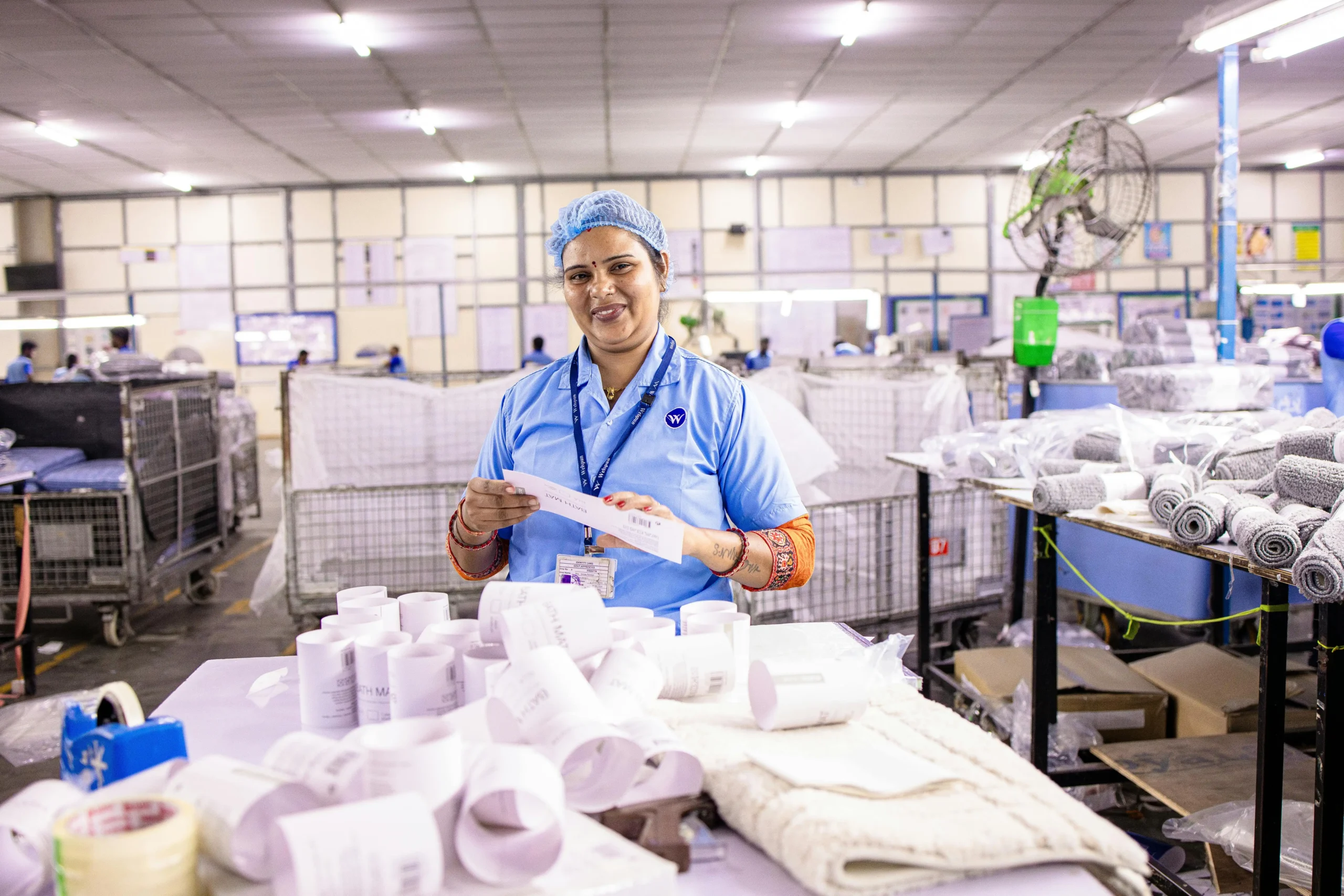
Wygląd i konstrukcja: kontrole wizualne
Not every benchmark carries a decimal. Fabric inspection in bulk runs on a points-per-area logic – penalty points assigned to weaving defects, stains and slubs within a defined length – and the classic four-point system remains the language most garment factories speak. Beyond the counting systems sit construction checks that catch what points systems miss: selvedge straightness, bow and skew in the weave, and shade consistency between the head, middle and tail of a roll. A roll can pass every lab test and still disappoint because the middle of the bolt is a different dye lot than the ends. Shade continuity checking across rolls from the same dye lot is the benchmark buyers forget to specify and factories forget to run unless asked.
W naszych zakładach partnerskich w Wenzhou te kontrole przeprowadzane są dwukrotnie: raz na tkaninie surowej przed wykończeniem, raz na wyrobie gotowym przed pakowaniem, a rolki wysyłane są z numerami partii nadrukowanymi na krajce, dzięki czemu ciągłość można prześledzić po dostawie. Nasze produkcji na zamówienie Fursone dokumenty pokazujące, gdzie każda kratka znajduje się w sekwencji produkcji, a odpowiednik po stronie dostawy omówiono w naszym przewodniku po sprawdzanie próbki tkaniny przed złożeniem zamówienia.
Przekładanie benchmarków na język zapisów umownych
Benchmarks only protect you when they appear in three places: the RFQ, the approved sample record, and the purchase contract. The RFQ gets you comparable quotes because every mill prices to the same floor. The approved sample anchors what “right” looks like physically. The contract makes the numbers enforceable when the third-party inspector arrives, and AQL sampling on arrival converts benchmarks into accept-or-reject decisions – our walkthrough of próbkowanie AQL dla rolek tkaniny pokazuje, jak te liczby przekładają się na decyzje na poziomie kartonu. Rozciągliwość i powrót do pierwotnej długości są tak samo ujęte dla dzianin, a protokół opisujemy w naszym przewodnik po testowaniu odzysku po rozciągnięciu.
Wideo: wzorce jakości tkanin
Jeden nawyk spina całą listę kontrolną: badaj ponownie każdą partię, nie tylko pierwszą. Dostawcy odpuszczają, gdy program staje się rutyną, a właśnie przy drugiej lub trzeciej dostawie masowej wzorce jakości pokazują swoją wartość.
Quality benchmarks are not bureaucracy; they are the shortest conversation you will ever have with a supplier about what good means. Write the numbers down once, test against them on every lot, and disputes end before they start. Fursone ships tweed and knit programs against written benchmarks grounded in daily mill practice since 2020 – send your specification sheet and we will confirm each line item with our own test reports.
Powiązane lektury: Czy tweed się mechaci? Klasy zmechacania

Powiązane spostrzeżenia
Three Seasons Same Cloth: Yarn Shade Finish Locks
Running the same cloth for three seasons like a larger brand means locking yarn, shade,...
Free Swatches, Paid Yardage: What Sampling Should Cost
A free A4 swatch is the mill’s marketing. Paid sample yardage is a small production...
A 40 Metre Sample From the Same Beamed Warp: What to Ask the Mill
The 40 m is not something you take out of the lot; it is a...