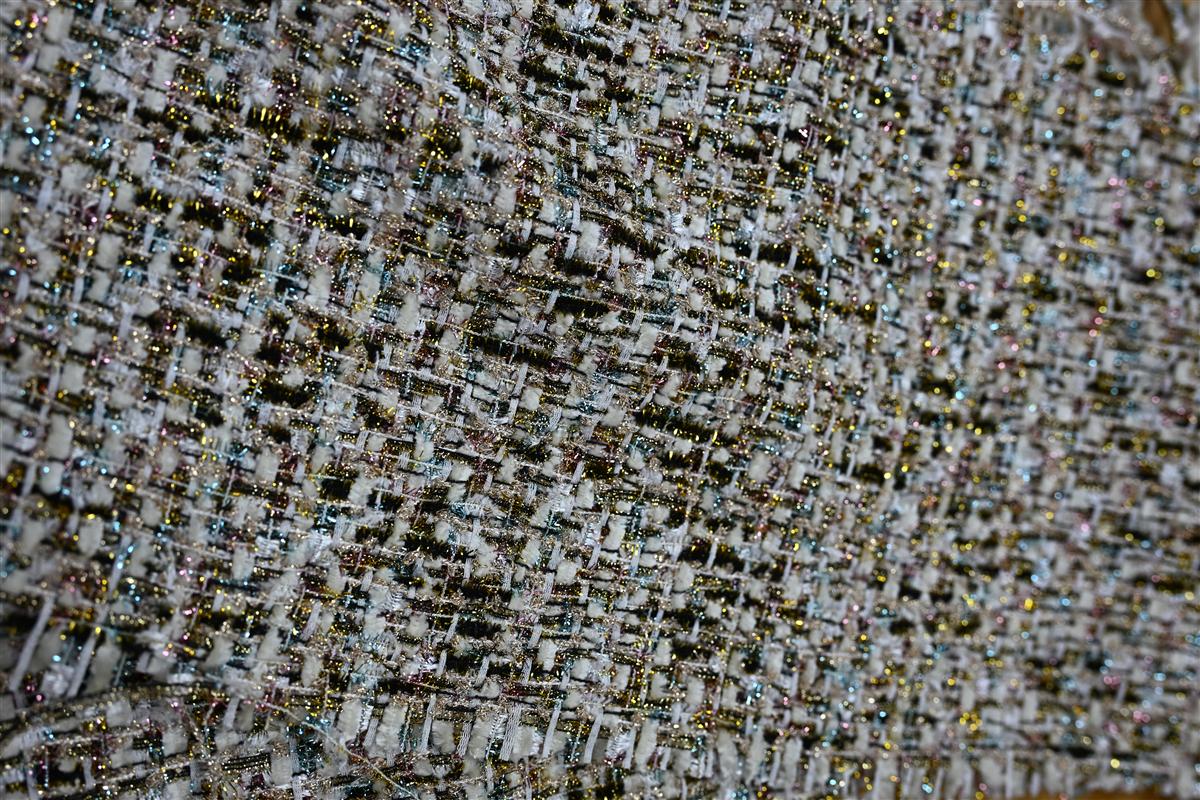
import tweed fabric is the first checkpoint buyers should lock before they approve a supplier, budget, or production slot. I learned the hard way that the pre-production sample To obietnica, a nie gwarancja. Kupujący, którego mentorowałem, stracił bolesną sumę na swoim pierwszym kontenerze włoskiej tkaniny tweedowej, ponieważ produkcja masowa wyszła zauważalnie jaśniejsza niż zatwierdzona próbka. spec sheet was immaculate. The quality tolerance clause in the contract was vague enough to be useless. When you import tweed fabric for suits, the gap between what you sign off on and what lands at your cutting table is where margins die. The mills know you cannot return 800 meters of custom-dyed goods. You eat the cost, or you make cheaper suits.
Sample approval is not a formality. It is the only legally binding reference point you have before a single yard is cut. A proper approval locks in the weight, the hand feel, the yarn blend, and the selvedge finish. Without it, you are negotiating from a position of pure weakness if the container shows up with fabric that drapes like burlap. Most first-time importers skip the step of sealing a master swatch with the supplier and an independent third party. Do that, and you change the dynamic. The factory knows you have a physical standard they cannot argue with, and your freight forwarder has a reference point for any quality tolerance disputes that arise during unloading.
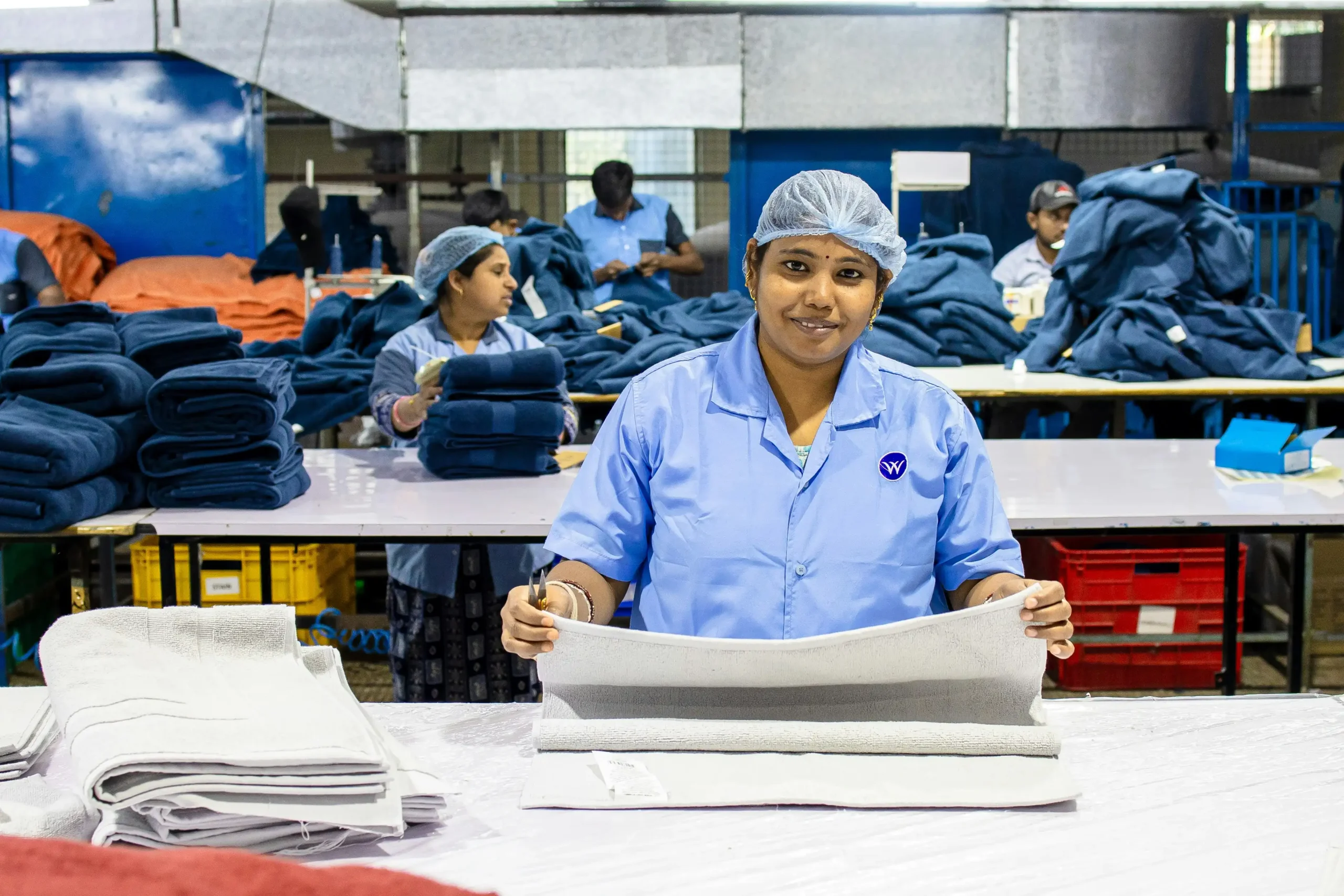
Essential Customs Paperwork for Importing Tweed Fabric
A customs broker files the paperwork.
Każdy poradnik sourcingowy dla początkujących projektantów zaczyna się od tej samej leniwej rady: “Zatrudnij agenta celnego i przestań się martwić”. Audytowałem dostawy od dostawców w 12 krajach i widziałem, jak to podejście zniszczyło duże zamówienie. Kupujący zatwierdził próbkę przedprodukcyjną tweedu z mieszanki wełny, ale produkcja masowa zastąpiła ją wyższą zawartością syntetyczną, aby osiągnąć cel cenowy. Skład włókien się zmienił. Kod HS powinien się zmienić. Nie zmienił się. Służby celne oznaczyły przesyłkę, wstrzymały ją na tygodnie, a opłaty magazynowe i za rekwalifikację zjadły znaczną część marży, zanim jeden jard trafił na stół krojący. Papierologia to twój problem, nie agenta.
When you import tweed fabric from a mill like our Wenzhou facility, the document stack falls into two categories: what customs legally requires, and what prevents expensive delays. Most first-timers obsess over the former and ignore the latter. The commercial invoice needs the correct HS code, country of origin, declared value, and unit of measure (meters, not yards, unless you want your goods re-weighed at the port). The packing list must specify roll dimensions, not just total weight—a 50-meter roll of 500 g/m² bouclé has a different freight class than a 100-meter roll of 350 g/m² cable knit.
Największa dźwignia kosztowa, którą większość projektantów pomija: kod HS 5112.19. To klasyfikacja Systemu Zharmonizowanego dla tkanin z wełny czesankowej, zawierających 85% lub więcej wełny wagowo, o wadze powyżej 200 g/m². Jeśli twój tweed pasuje do tego opisu – a wiele tweedów garniturowych w zakresie 350–500 g/m² tak – użycie dokładnego podpozycji (np. 5112.19) zamiast ogólnego kodu tekstylnego z Rozdziału 63 lub nieprecyzyjnego kodu 5111 (dla wełny zgrzebnej) może zapewnić ci prawidłową, często niższą stawkę celną. Baza danych Zharmonizowanego Taryfy Celnej USITC pozwala ci samodzielnie zweryfikować aktualną stawkę, zanim dostawca wygeneruje fakturę.
- Commercial Invoice with correct HS code: Musi podawać procentowe składy włókien i wagę w g/m². Błędna klasyfikacja może skutkować karami za niedopłacone cła plus odsetki. Kod 5112.19 ma zastosowanie tylko, jeśli zawartość wełny przekracza 85% – jeśli twój tweed używa fantazyjnych mieszanek przędzy z metalicznymi nitkami lub wyższą zawartością syntetyków, potrzebujesz innego kodu, a stawka celna się zmienia.
- Packing List with roll-level detail: Wymieniaj każdą rolkę indywidualnie z długością, szerokością, wagą i numerem rolki. Służby celne przeprowadzają kontrole punktowe, ważąc poszczególne rolki. Jeśli deklarowana waga na rolkę nie zgadza się z fizyczną wagą w granicach tolerancji, cała przesyłka zostaje oznaczona do ręcznej kontroli – co wydłuża czas odprawy o dni robocze.
- Certificate of Origin: For tweed shipped from China, this document determines whether your goods qualify for any preferential tariff treatment under existing trade agreements. Without it, customs defaults to the highest applicable rate. Our mill issues this as standard with every shipment over 100 meters.
- Zatwierdzony Rejestr Próbki Przedprodukcyjnej: Zachowaj podpisaną kartę próbki z raportem laboratoryjnym składu włókien. Jeśli służby celne zakwestionują twoją klasyfikację HS, ta dokumentacja dowodzi, że deklarowany skład odpowiada fizycznym towarom. Ten jeden dokument odwrócił nałożenie kary w ciągu 48 godzin.
On your first order, ship DDP (Delivered Duty Paid). I know every procurement handbook says to negotiate FOB pricing and control your own freight. That advice is correct—for your third order. On your first one, you don’t know which local forwarder will gouge you on handling fees or which port has a backlog of textile inspections. DDP oznacza, że dostawca bierze na siebie wszystkie koszty do twoich drzwi: fracht, ubezpieczenie, cła i obsługę terminalową. Gdy zobaczysz jedną przesyłkę przechodzącą odprawę od początku do końca i zrozumiesz rzeczywiste koszty lądowania, przejdź na warunki FOB i zbuduj własne relacje frachtowe. Przewaga kosztowa naszego młyna w porównaniu z europejskimi dostawcami (mniej więcej jedna piąta do jednej trzeciej ceny benchmarku, takiego jak Linton) daje ci przestrzeń, aby wchłonąć DDP przy pierwszej dostawie, jednocześnie osiągając zdrowsze marże niż przy sourcingu z Włoch.
The customs paperwork process starts before you place a production order—it starts when you receive your pre-production sample. Our 7-day rapid sampling isn’t just about checking hand-feel and color accuracy. Request a fiber composition analysis with your swatch. Match that analysis to your HS code before committing to 500 meters. If the sample’s wool content tests at 82%, you know upfront that 5112.19 won’t apply, and you can price your collection accordingly instead of discovering the duty differential after the fabric ships. That’s the difference between a designer who builds import costs into their wholesale pricing and one who explains to their stockist why delivery is delayed by a month.
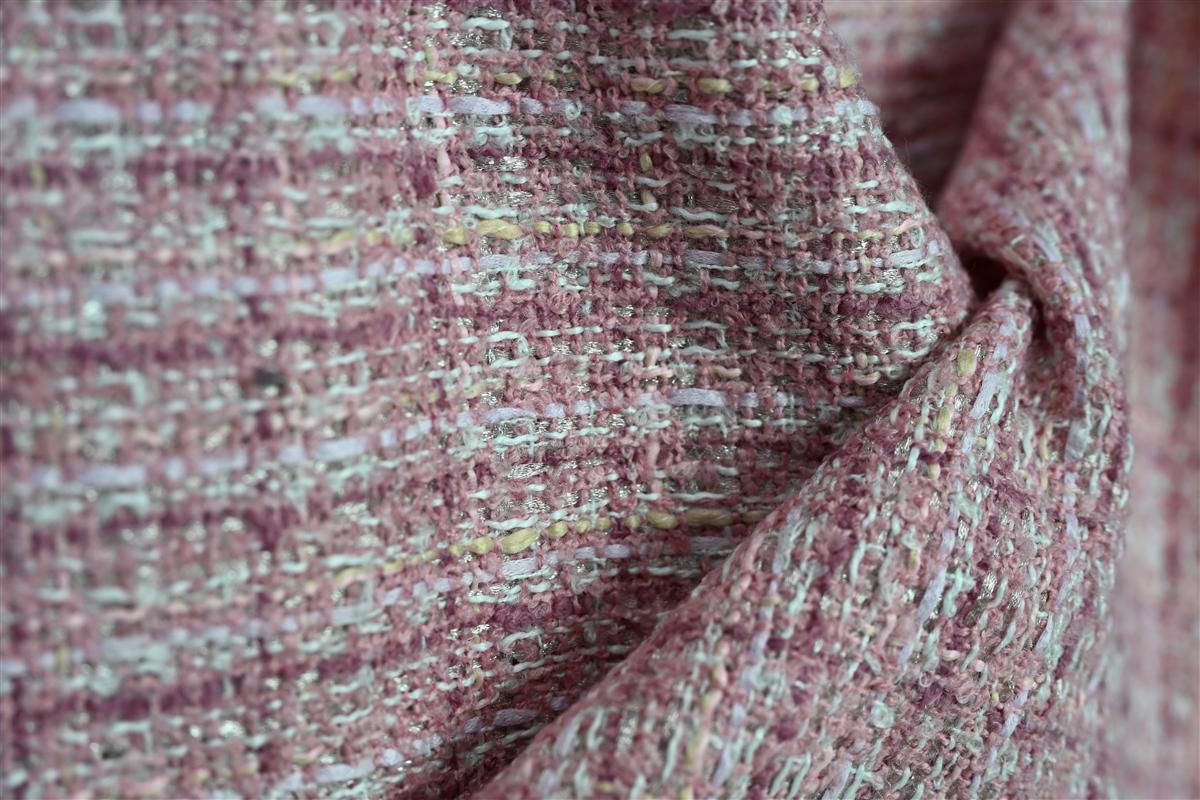
Duty Calculation & Landed Cost Estimation
Most first-time importers underestimate landed cost by 20-30% — here’s where the money actually goes.
When a designer asks me “how much duty to import tweed fabric,” I tell them the duty rate is the easy part. The real trap is ignoring the four cost layers that stack on top of your invoice price before the fabric hits your cutting table. A $15/meter tweed from China doesn’t land at $15. It lands closer to $20-22/meter depending on freight mode, port, and whether your customs broker knows what they’re doing.
- Fabric FOB Price: The ex-factory cost from the Wenzhou mill. For 100m of Chanel-style tweed, expect $8-18/meter depending on wool content and yarn complexity. Japanese lurex blends run higher than standard acrylic bouclé.
- Freight (Ocean or Air): Sea freight for 100-500m runs roughly $0.80-1.50/meter. Air freight jumps to $4-8/meter but delivers in 5-7 days versus 25-35 days by sea. On a 200m order, that’s a $600-1,400 difference.
- Duty (Most Misclassified Cost): Tkany tweed wełniany (≥85% wełny) podlega pozycji wełnianej, takiej jak 5112.19, podczas gdy wiele mieszanek z zawartością syntetyczną podlega Rozdziałowi 55 lub 58 – każda według własnej stawki KNU, a towary pochodzenia chińskiego mogą również podlegać dodatkowym cłom z Sekcji 301 / środkom ochronnym. Błędny kod HS może skutkować przepłatą na całej deklarowanej wartości (sprawdź dokładną aktualną stawkę na podstawie aktualnych danych HTSUS/USTR).
- Customs Broker Fees & Port Charges: Budget $150-400 flat for a broker filing. Add ISF filing ($45-60 if not bundled), terminal handling, and potential exam fees ($200-600 if CBP pulls your container). First-timers always forget the exam risk.
Najdroższym błędem początkujących projektantów jest użycie ogólnego kodu HS zamiast 5112.19 przy imporcie tkanej tweedu wełnianego. Zharmonizowany System Taryfowy dzieli tkaniny według zawartości włókien i struktury splotu. 100% wełniany tweed sklasyfikowany w rozdziale 51 ma inną stawkę niż tweed z mieszanki poliestrowej w rozdziale 55. Błędne zaklasyfikowanie wysokiej jakości tweedu wełnianego do niewłaściwego działu nie oszczędza pieniędzy – przynosi kontrolę CBP i zaległe cła z odsetkami. Ale przepłacanie za użycie zbyt ogólnego kodu? To po prostu utrata marży.
Przy przeciętnym zamówieniu tkaniny różnica między dwoma stawkami celnymi może równać się całej opłacie brokerskiej. Tyle kosztuje błędna klasyfikacja. Zawsze żądaj od młyna dokładnego certyfikatu składu włókien – 85% wełny zamiast 80% wełny całkowicie zmienia rozdział HS. Nasz zakład w Wenzhou dołącza certyfikaty składu od młyna do każdej dostawy, ponieważ wiemy, że agenci celni w Los Angeles, Nowym Jorku i Rotterdamie będą o nie pytać.
Dla importerów po raz pierwszy polecam zacząć od warunków dostawy DDP. W DDP sprzedawca zajmuje się frachtem, cłem i odprawą – otrzymujesz jedną fakturę, jedną dostawę, zero niespodziewanych rachunków od cła. Tak, koszt na metr wygląda na papierze wyżej. Przy zamówieniu 100 m z magazynu DDP dodaje niewielką premię za metr. Ale widziałem zbyt wielu projektantów, którzy dostali niespodziewany rachunek celny dwa tygodnie po dostawie i wpadli w panikę. Gdy zrozumiesz proces, przejdź na wycenę FOB i zarządzaj frachtem samodzielnie, aby uzyskać lepsze marże jednostkowe. Połącz zamówienie 100 m z magazynu z programem 900 m w niestandardowym kolorze, a osiągniesz wolumen 1000 m – odblokowując stawki frachtowe znacznie poniżej stawek LCL za małe przesyłki.
Run the numbers before you commit: take your FOB invoice, multiply by 1.05 for insurance and broker incidentals, add your duty rate percentage, then add freight cost per meter. That’s your real landed cost. If that number exceeds 35% of your target retail price for the finished garment, you don’t have a viable collection — you have an expensive hobby. Benchmark landed cost at or below 28% of retail for a healthy margin on tailored tweed pieces.
| Składnik kosztu | Kluczowy szczegół | Estimated Range | Fursone Strategy |
|---|---|---|---|
| Customs Duty (HS Code 5112.19) | Woven wool tweed fabric containing ≥85% wool by weight; correctly classified under HS 5112.19 instead of generic textile codes (e.g., 5111.19 or 6307.90) | Stawka ad valorem od wartości CIF (różni się w zależności od miejsca przeznaczenia i podpozycji); prawidłowa klasyfikacja może uniknąć wyższej stawki stosowanej do błędnie zaklasyfikowanych ogólnych kodów tekstylnych – potwierdź dokładną stawkę na podstawie aktualnych danych HTSUS/USTR. | Our shipping docs pre-populate HS 5112.19 for all woven wool tweed orders, reducing your duty liability from day one. We provide a harmonized code verification sheet with every commercial invoice. |
| Freight & Insurance (CIF Basis) | Air freight: 4–7 day transit, higher per-kg cost. Sea freight (LCL): 18–25 day transit, volume-break cost efficiency at 300m+. Insurance typically 0.3%–0.5% of declared value | Air freight: ~$3.80–$5.50/kg (suit-weight tweed at 350–500 g/m²). Sea freight LCL: ~$0.80–$1.40/kg. Insurance: $15–$45 per shipment | Combine 100m in-stock with 900m custom color add-ons to reach 1000m total volume and unlock bulk sea freight discounts on mixed orders — no full-container commitment required. |
| Customs Brokerage & Clearance Fees | Broker filing fee, single-entry bond (or continuous bond for frequent importers), merchandise processing fee (MPF), and potential examination charges if flagged by customs | Opłata brokerska: około 85–185 USD za wpis (orientacyjnie). Opłata MPF w USA: 0,3464% deklarowanej wartości z rocznymi limitami min/max (sprawdź aktualne kwoty). Opłaty za kontrolę: 0 USD, jeśli nie jest oznaczona; kilkaset dolarów, jeśli zostanie wybrana do inspekcji. | First order? Opt for DDP incoterm. We absorb all destination-side clearance costs into one landed price — no surprise customs bills, no broker-sourcing stress. Graduate to FOB terms once your process is dialed in. |
| Port-to-Door Delivery & Unloading | Drayage from port/airport to your studio, including lift-gate service for heavy fabric rolls. Suit-weight tweed rolls typically weigh 18–25 kg each for 50m lengths | LTL trucking (last mile): $0.18–$0.35/kg depending on distance and access requirements. Inside delivery with lift-gate: add $65–$95 flat fee | We ship all Fursone tweed orders on heavy-duty tubes with moisture-barrier wrap — zero creases, zero water damage, forklift-ready upon arrival. No re-rolling costs, no pressing delays before cutting. |
| Total Landed Cost Benchmark (Per Meter) | Sum of fabric FOB price + ocean freight allocation + insurance + duty + brokerage + last-mile delivery. Does not include domestic warehousing or sampling preparation | Standard woven wool tweed: FOB $12–$18/m. All-in landed: $15.50–$23.00/m. Premium Chanel-style bouclé blends (with Japanese lurex): FOB $18–$26/m. All-in landed: $23.00–$34.00/m | Nasz młyn w Wenzhou oferuje jakość na poziomie europejskiego młyna za około jedną piątą do jednej trzeciej ceny FOB benchmarku takiego jak Linton – różnica w cenie loco importera powiększa się jeszcze bardziej, gdy uwzględnisz prawidłowe kodowanie HS i optymalizację frachtu przy większych wolumenach. Poproś o wycenę z cłem przed podjęciem decyzji. |
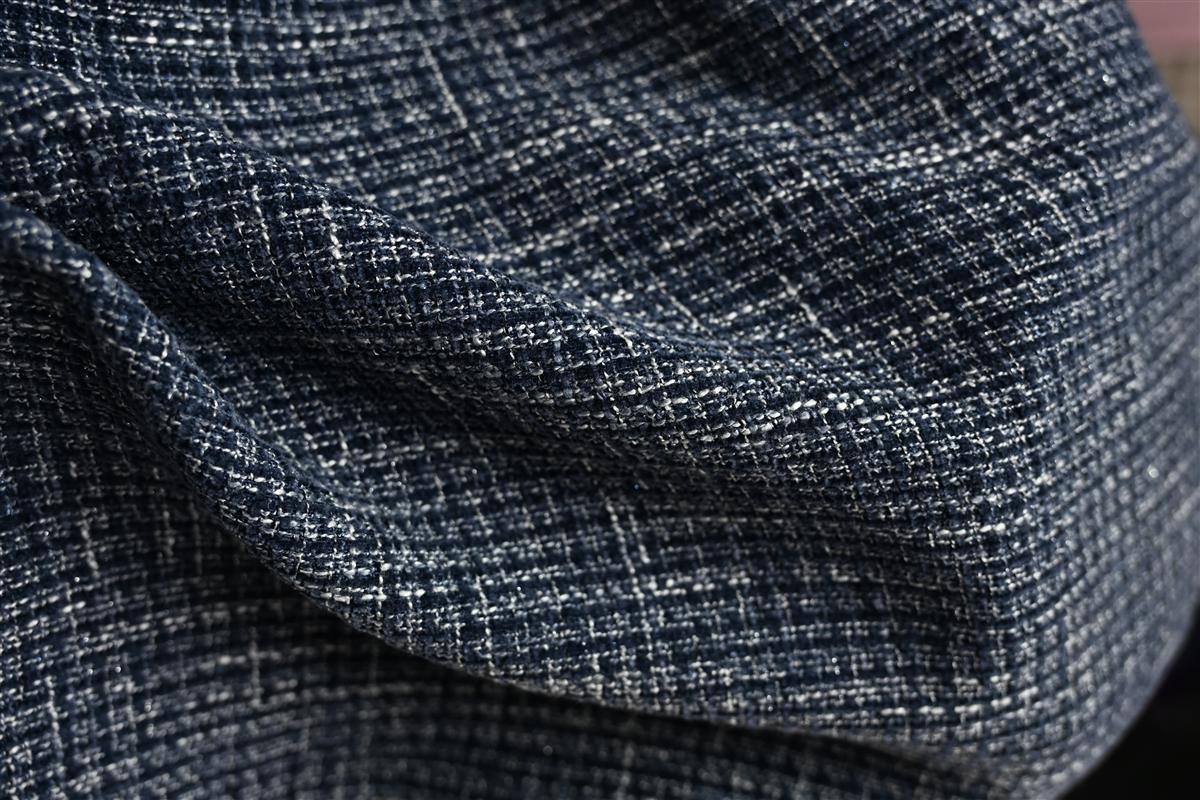
Shipping Options: Air vs. Sea Freight and Lead Times
The cheapest freight quote is rarely the cheapest landed cost.
I’ve watched too many first-time buyers celebrate a $300 sea freight quote, only to miss their launch window by six weeks. The air vs. sea decision for tweed fabric isn’t about the freight invoice — it’s about the true cost of delay versus the true cost of speed.
For a 200-meter order of suit-weight tweed from Wenzhou, air freight runs roughly $4.50–$6.80 per kilogram and lands at your door in 5–8 days. Sea freight on the same volume might quote $0.80–$1.20 per kilogram but eats 28–38 days of your production calendar. The math shifts fast when you factor in a missed trade show or an empty rack during selling season.
- Air Freight Reality: With in-stock tweed shipping in 3–7 days from the mill, plus 5–8 days air transit, you can hold fabric within two weeks of payment. That speed matters when your sample approval runs late or a buyer doubles their order.
- Sea Freight Playbook: Sea freight works when you’re ordering 1000m or more — the per-meter freight cost drops below $0.30. The trick most designers miss: combine 100m of in-stock fabric with 900m of custom color add-ons to hit 1000m total volume. That unlocks bulk freight rates even on mixed orders.
- The DDP Safety Net: On your first import, demand DDP incoterm. The supplier handles freight, duties, and customs clearance — you get a single invoice and zero surprise bills at port. Once you’ve done two or three shipments and understand the landed cost rhythm, switch to Ceny FOB and book your own forwarder to capture the savings directly.
One hard lesson from the ground: freight forwarders quote based on chargeable weight, not actual weight. Tweed fabric on tubes is dense — a 200-meter roll might weigh 80 kg actual but occupy enough volume to bill at 110 kg chargeable. Always ask for both numbers before comparing quotes. A $5/kg rate on actual weight becomes $3.64/kg on chargeable weight — and the forwarder quoting the lower rate might be calculating it differently.
The benchmark I give every emerging designer: if your landed cost per meter (fabric + freight + duty) stays under 22% of your planned wholesale price, you’re in healthy territory. Air freight that pushes you to 25% is still cheaper than a missed season. Sea freight that drops you to 18% is worthless if the fabric arrives after your cut-off date. Run both numbers against your calendar — not just your spreadsheet.
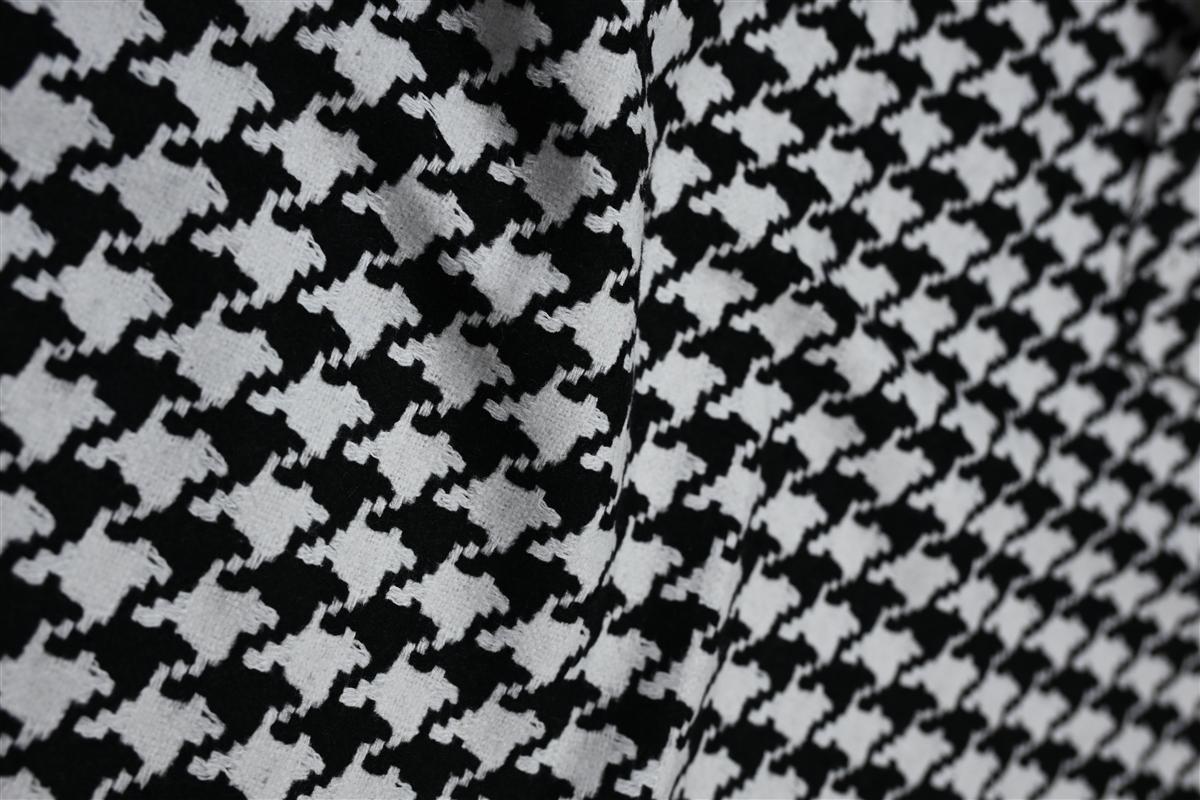
Packaging & Damage Prevention for International Textile Shipments
Folded tweed doesn’t arrive wrinkled—it arrives ruined.
Audytowałem przesyłkę w Rotterdamie, gdzie projektant stracił bolesną sumę na zamówieniu 200 m bouclé wełnianego o gramaturze 420 g/m². Przedprodukcyjna próbka była nienaganna – bogata tekstura, czyste brzegi, idealny układ. Produkcja seryjna dotarła złożona w płaskich kartonach, ponieważ spedytor chciał zaoszczędzić niewielką kwotę na miejscu na palecie. Każda linia złożenia była trwała. Para ich nie podniosła. Prasowanie na sucho nie podniosło. Tkanina była martwa po przyjeździe. To zdarza się częściej, niż się mówi, ponieważ młyny rzadko fotografują swoje błędy w opakowaniach.
Heavy tweed and structured knit fabrics—anything in the 350–500 g/m² range common to suit-weight and coat-weight textiles—develop what the industry calls ‘set creases’ when folded under pressure for 18+ days of ocean transit. The bouclé loops and slub yarns that give tweed its signature hand are the same elements that trap fold memory. Lightweight cotton shirting can forgive a fold. Tweed cannot. Your sample approval process means nothing if the packaging spec isn’t locked down with equal rigor.
- Tube Core Diameter:Specify minimum 75mm (3-inch) heavy-wall spiral cores. Narrower tubes force the innermost layers into a radius tight enough to distort the weave structure on structured cable knits and heavier bou
- Moisture-Barrier Wrap: Require full-coverage 0.15mm minimum polyethylene film, heat-sealed at both ends, with a silica gel desiccant packet rated for the roll weight. Ocean containers sweat. Wool-blend tweeds absorb ambient moisture and develop mildew within 72 hours if the wrap fails. This is not theoretical—I’ve opened containers in Miami in August where the humidity inside hit 85%.
- Outer Protective Layer: Woven polypropylene bagging over the moisture barrier, secured with strapping at three points along the roll length. The outer bag takes the abrasion from container walls and forklift handling. Without it, even a pinhole in the moisture barrier becomes an entry point.
- Roll Orientation: Vertical orientation on pallets, never horizontal stacking. Horizontal stacking under the weight of 8–10 rolls compresses the bottom layers and distorts the fabric face. I specify ‘single-layer pallet loading, vertical orientation only’ in the packaging clause of every contract.
Here’s the line I add to every purchase order, verbatim: ‘All tweed and structured knit fabrics 280 g/m² and above must be rolled on minimum 75mm spiral cores, wrapped in 0.15mm polyethylene moisture barrier with heat-sealed ends, bagged in woven polypropylene, and loaded vertically on single-layer pallets. Supplier must provide packing photographs showing roll condition, core diameter verification, and sealed moisture barrier before shipment release.’ If a mill pushes back on this, they’ve never shipped suiting-weight fabric internationally—or they have, and they’ve paid claims for it. Either way, walk.
Benchmark your supplier against this standard: a properly packed roll of 400 g/m² tweed on a 75mm core, wrapped and palletized as described above, should arrive with zero crease memory, zero moisture ingress, and less than 0.5% fabric loss from selvedge abrasion. If your supplier can’t meet this, the $3–6 per roll they save on packaging will cost you 10–30 times that in unusable yardage. Write that number down. Use it on your next call.
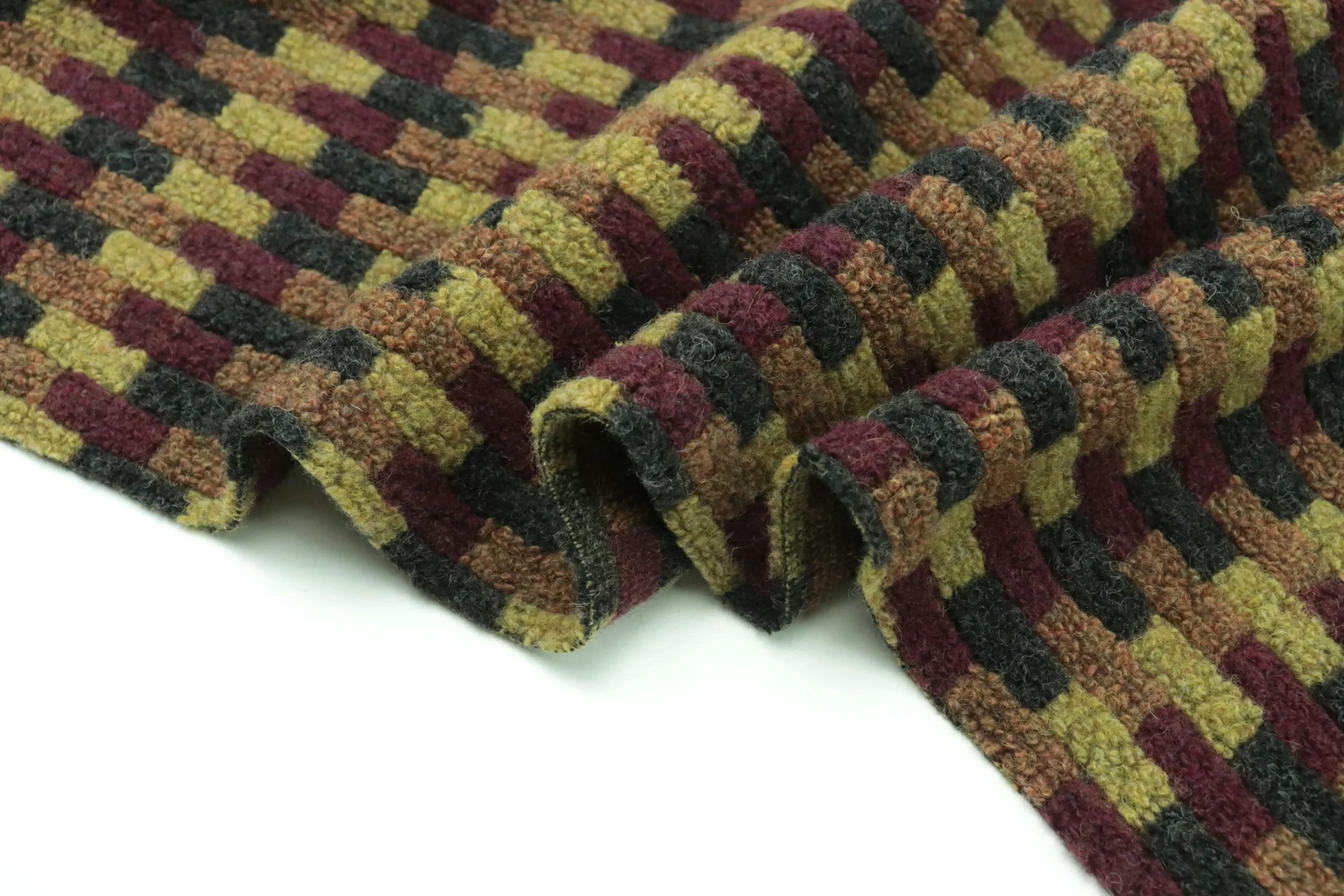
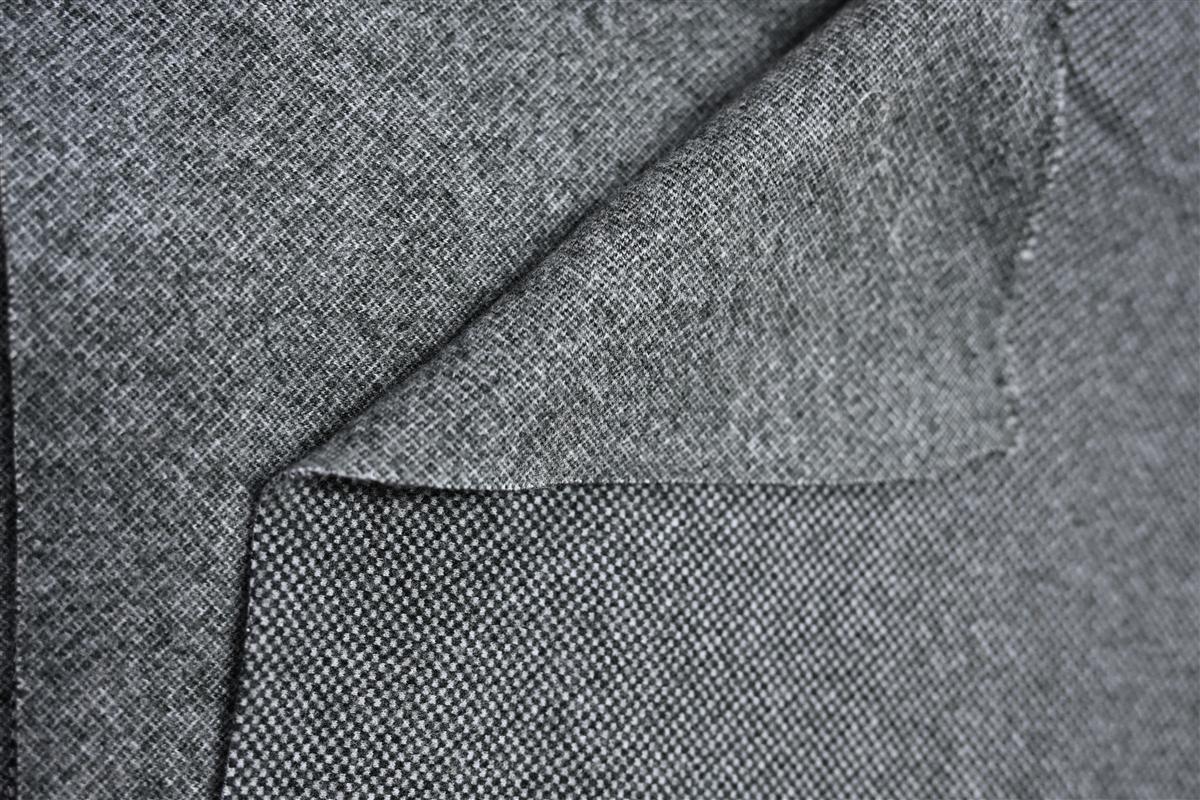
First-Timer Import Checklist: From Payment to Unboxing
Your pre-production sample matches.
I watched a first-time buyer unroll 200 meters of heavyweight bouclé w jej pracowni w zeszłym roku. Próbka była idealna – bogata tekstura, ciasny splot, dokładnie ten heather charcoal, który zatwierdziła. To, co zjechało z ciężarówki, było o 50 gram lżejsze, brzeg był nierówny, a dotyk był płaski. Zapłaciła 70% z góry bez klauzuli potrącenia jakości. Młyn obwiniał wilgoć podczas transportu. Jej obciążenie zwrotne nie powiodło się. Ta droga lekcja do dziś stoi w jej magazynie.
Here’s the checklist that would have saved her. It’s the sequence I’ve refined through 12 countries of supplier audits. Skip a step here and the savings disappear into rework, returns, or fabric you can’t cut.
- 1. Lock the Production Swatch — Literally: Before sending any deposit, request two identical swatches from the exact yarn lot that will run your order. Keep one in your studio. Send the other back with your signature and date across the back. This becomes your quality tolerance reference — if the bulk delivery deviates beyond 5% in weight or 10% in colorfastness, you have a documented standard to reject the shipment.
- 2. Payment Terms That Give You Leverage: Never pay more than 30% upfront on a first order under 500 meters. Structure the remaining 70% as 40% against the bill of lading and 30% net 15 days after delivery. This isn’t just cash flow management — it’s your only leverage if the fabric arrives off-spec. A mill holding your full payment has zero incentive to fix anything.
- 3. The HS Code Isn’t Generic — Get It Right: Ta jedna linijka na fakturze handlowej określa twoją stawkę celną. Użyj kodu HS 5112.19 dla tkaniny wełnianej typu tweed zawierającej 85% lub więcej wełny wagowo. Ogólne kody tekstylne mogą skutkować wyższą stawką niż precyzyjny podpozycja. Jeśli twój tweed zawiera metaliczne nici lub mieszanki fantazyjnych przędz, możesz potrzebować kodu 5112.20 lub 5112.30. Poproś dostawcę, aby wpisał dokładny kod HS na liście pakunkowym – nie ‘tkaniny tekstylne’.
- 4. Specify Packaging Down to the Tube:Write this into your purchase order: ‘All fabric must be rolled on
- 5. DDP on Your First Order — No Exceptions: Dostawa z opłaconym cłem (DDP) oznacza, że dostawca zajmuje się odprawą celną, cłami i dostawą „na ostatniej mili” do twoich drzwi. Płacisz jedną fakturę. Żadnych niespodzianek w postaci rachunków celnych, żadnych opłat za magazynowanie w porcie, żadnych telefonów od spedytorów z prośbą o dokumenty, których nie masz. Tak, DDP kosztuje nieco więcej niż cena FOB z góry. Jest jednak tańsze niż to, co się dzieje, gdy 100-metrowa przesyłka zostaje zatrzymana na trzy tygodnie, ponieważ źle ją sklasyfikowałeś. Przejdź na FBO przy drugim zamówieniu, gdy już zobaczysz, jak działa przepływ dokumentów.
- 6. The 100+900 Volume Hack: Nie potrzebujesz 1000 metrów tego samego materiału, aby osiągnąć stawki frachtu masowego. Połącz 100 metrów tweedu z magazynu z 900-metrowym dodatkiem w niestandardowym kolorze. Dopóki oba są wysyłane z tego samego młyna na tym samym konosamencie, większość spedytorów traktuje je jako pojedynczą skonsolidowaną przesyłkę. To odblokowuje progi cenowe LCL do FCL, które mogą znacznie obniżyć koszt frachtu za metr.
- 7. Quality Holdback — The 10% Rule: Reserve 10% of the total order value until you’ve unboxed and inspected at least 20% of the rolls. Check three things immediately: weight per square meter versus the approved swatch, color under natural light versus your lab dip, and selvedge tension along the full roll length. If any of these fail, do not release the holdback until the issue is resolved. This isn’t adversarial — professional mills expect it.
The detail that separates professionals from amateurs isn’t negotiation skill or fabric knowledge. It’s whether you inspect before the holdback period expires. Set a calendar reminder for 48 hours after delivery. Open the cartons. Unroll at least three random bolts. Do it while the clock is ticking and your 10% still matters. After that, the power shifts permanently to the supplier’s side of the table.
Wnioski
You’ve now mapped out the duties, the paperwork, and the shipping timelines—that’s 90% of a smooth import. The final 10%, the detail that separates professionals from amateurs, is combining 100 meters of in-stock tweed with 900 meters of custom color add-ons to reach the 1000m volume threshold for sea freight discounts, and insisting on rolled‑on‑tube packing with moisture‑barrier wrap to prevent permanent creases in suit‑weight fabric.
Gdy będziesz gotowy do złożenia pierwszego zamówienia, zacznij od przesyłki DDP, aby wyeliminować niespodziewane opłaty celne – młyn Fursone w Wenzhou wysyła towar z magazynu w 3–7 dni, klasyfikuje twoją tkaninę pod prawidłowym kodem HS (np. 5112.19 dla czesankowego tweedu wełnianego) i pakuje każdą belkę na tubie, aby chronić jej układanie. Przeglądaj naszą stronę usług lub tkaniną wełnianą na płaszcze zakres, skontaktować się z nami aby zobaczyć, jak szybkie próbkowanie i wysyłka integrują się z harmonogramem twojej kolekcji.
Często zadawane pytania
What customs paperwork do I need to import tweed fabric?
Będziesz potrzebować faktury handlowej, listy pakunkowej i konosamentu lub listu przewozowego lotniczego, a także świadectwa pochodzenia, jeśli ma zastosowanie preferencyjne traktowanie. Twój broker potrzebuje również prawidłowego kodu HS powiązanego ze składem włókien, aby odprawić przesyłkę. Potwierdź kod HS ze swoim brokerem przed wysyłką przesyłki.
How much duty will I pay on tweed from China?
Cło jest obliczane jako procent wartości CIF (koszt, ubezpieczenie, fracht) i różni się w zależności od składu włókien, podpozycji HS, miejsca przeznaczenia oraz wszelkich cel handlowych. Nowi klienci często nie doceniają kosztu z dostawą do miejsca przeznaczenia, jeśli pominą cła i opłaty. Potwierdź dokładną stawkę na podstawie aktualnych danych HTSUS/USTR i poproś o pełny podział kosztów do miejsca przeznaczenia przed złożeniem zamówienia.
Air freight vs sea freight: which is faster for tweed?
Fracht lotniczy dostarcza w około 5–10 dni od drzwi do drzwi, podczas gdy fracht morski zazwyczaj trwa 25–40 dni. Lotniczy jest domyślnym wyborem w przypadku pilnego uzupełnienia zapasów lub napiętych terminów; morski wygrywa pod względem kosztów w przypadku pełnych kontenerów lub zamówień powyżej 1000 m. Wybierz lotniczy dla szybkości, morski dla efektywności kosztowej, gdy pozwala na to harmonogram.
What is the MOQ for custom tweed development?
Programy niestandardowe zaczynają się od 1000 metrów na projekt/kolor, aby pokryć koszty ekskluzywnego przędzenia i konfiguracji, co zapewnia spójność partii z zatwierdzoną próbką. Mniejsze zamówienia próbne są dostępne z kolekcji magazynowej od 100 metrów (wysyłka w 72h). Przed podjęciem decyzji o niestandardowym zamówieniu przetestuj dotyk na dostępnych próbkach.
How do I pack tweed bolts to prevent shipping damage?
Określ pakowanie nawojowe na tubie (rdzenie o minimalnej średnicy 75 mm), termozgrzewalną barierę przeciwwilgociową z pochłaniaczem wilgoci, zewnętrzną warstwę tkanego polipropylenu oraz pionowe jednorzędowe ładowanie na paletę. Wilgoć i zgniecenie to dwa największe zagrożenia podczas transportu morskiego. Potwierdź standardy pakowania w swoim zamówieniu i poproś o zdjęcia pakowania przed wysyłką.

Powiązane spostrzeżenia
Jak importować dzianinę z Chin: Odprawa celna i wysyłka
import dzianiny z Chin jest pierwszym punktem kontrolnym, który kupujący powinni zabezpieczyć przed zatwierdzeniem...

Zamawianie tkanin hurtowo: Negocjowanie MOQ i cen z młynami
{ “@context”: “https://schema.org”, “@type”: “Article”, “id”: “evo301-geo-ai-block”, “definition”: “Bulk fabric ordering MOQ negotiation succeeds when...
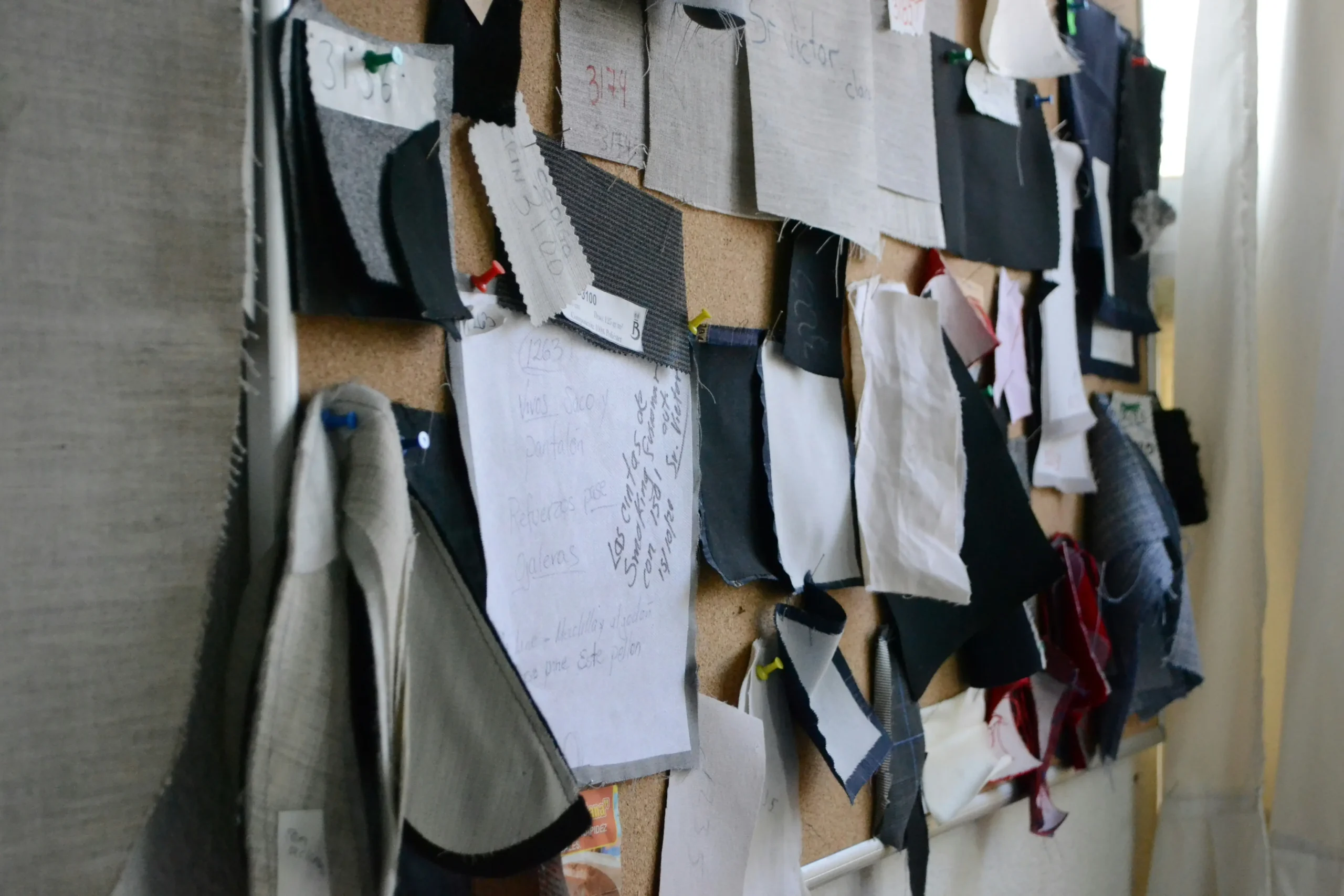
Unikaj opóźnień celnych przy imporcie tweedu
Unikaj opóźnień celnych przy imporcie tkanin – to pierwszy punkt kontrolny, który kupujący powinni zabezpieczyć przed zatwierdzeniem...