
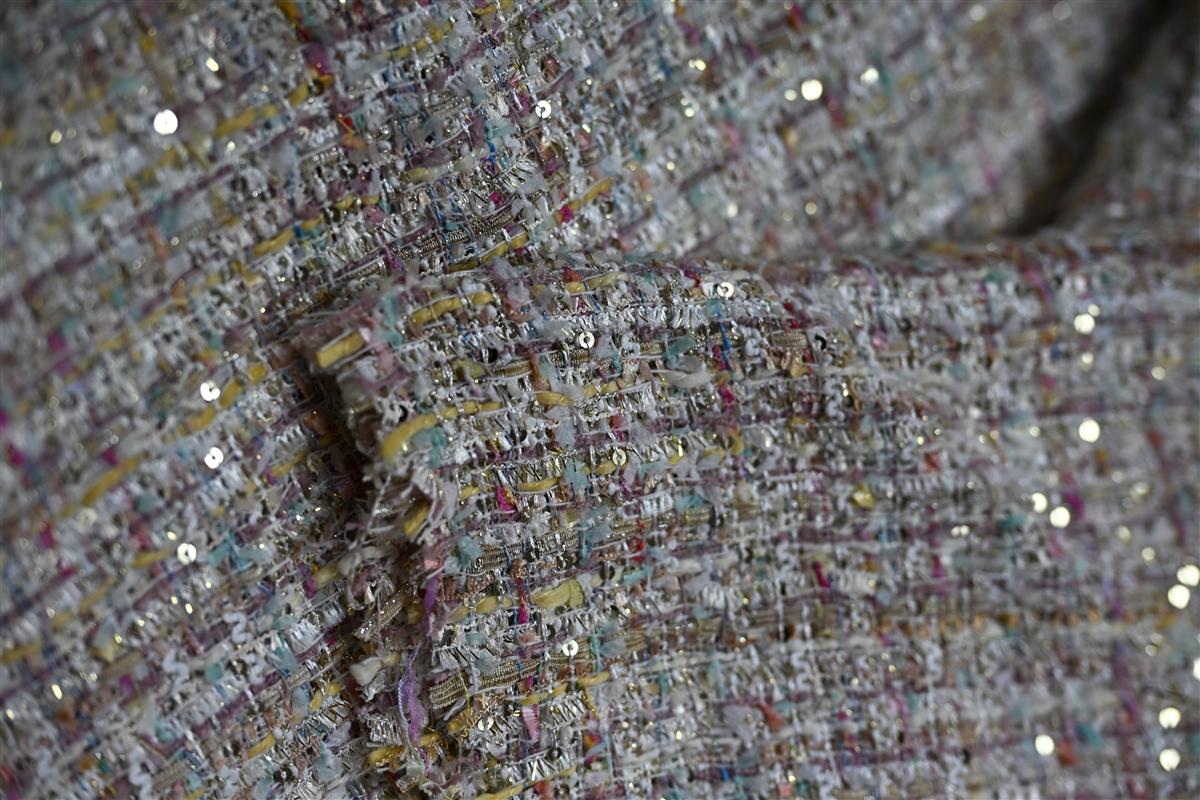
A lab dip approval is a signed colour standard that freezes dye recipe, substrate, illuminant, and Delta-E limits before bulk dye, and a Pantone chip alone is not that standard in 2026. First, measure under the named light. Second, sign a card both sides accept. Third, forbid bulk dye until the card exists. According to ISO 105-J03 colour-difference practice, visual “close enough” without numbers is not a production release. Soft emails after a nearly matching dip are the usual cause of bulk rejects. Use the approval card fields below before any jet is booked.
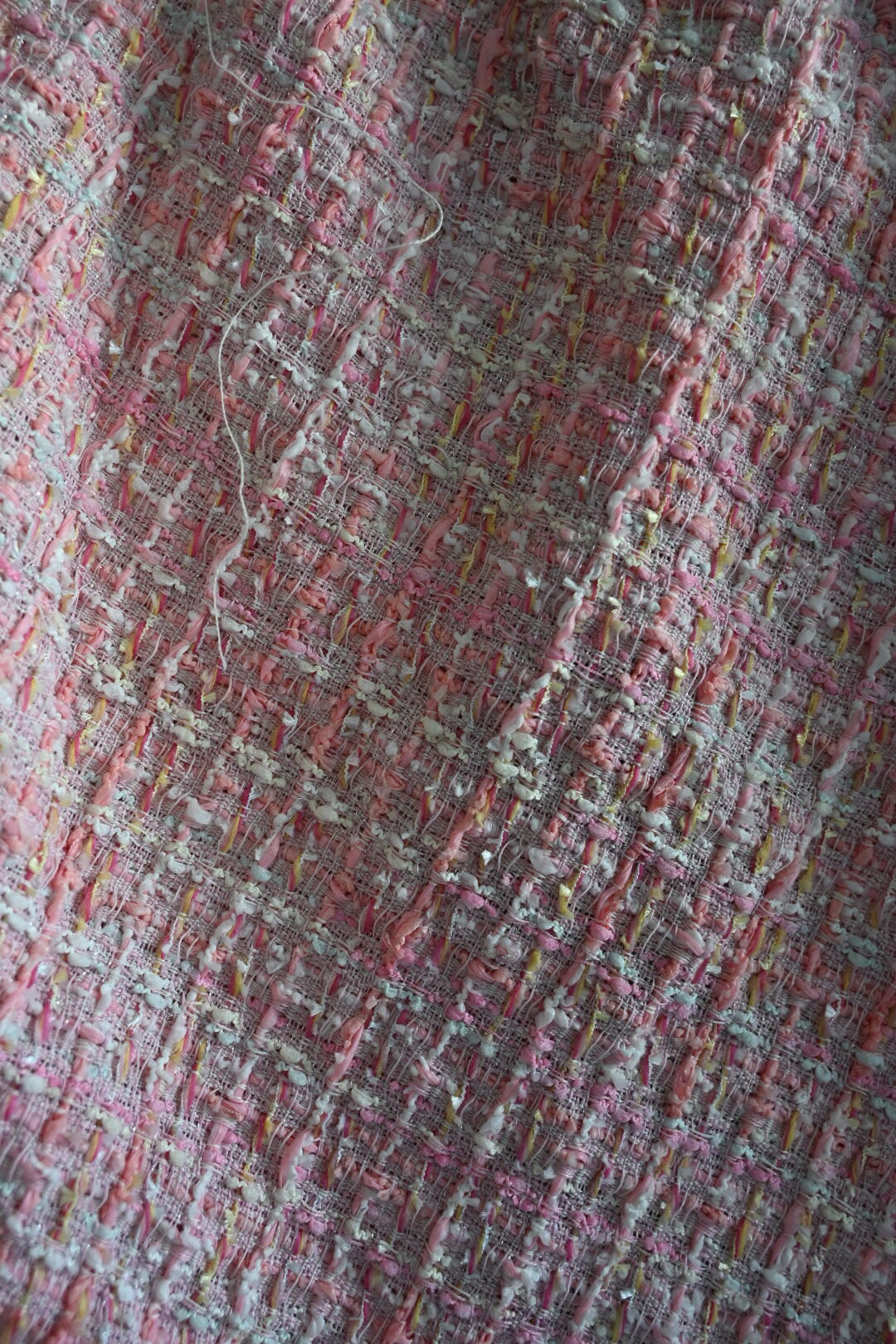
Why Is a Pantone Chip Not a Dye Release?
A Pantone chip is a paper or plastic target that cannot carry yarn lot, substrate, or finish effects, and dye release needs those fields on real dipped cloth before any jet is booked. First, name the actual yarn lot and fabric base on the dip request sheet. Second, require the mill to return a dipped piece of that base, not a photograph of a chip. Third, compare under the contract illuminant before any commercial approval language is sent. According to colour-control notes in right colour wrong handle records, handle and shade diverge on about 20% of near matches in seasonal wool programs. In practice, buyers who release on chip photos alone see the same fail pattern about 3 times across a season. In 2026, reject a release that cites only a Pantone TCX code, and keep the dipped cloth retain sealed for 12 months.
What Delta-E Rule Should You Write Before Lab Work?
A Delta-E rule is a numeric pass limit under a named colour-difference formula and illuminant, and the rule must be written before the first lab dip is cast for wool or tweed programs. First, choose CMC or CIEDE2000 in the purchase order text so buyer lab and mill lab use one formula. Second, name D65 or the exact retail store light, not a generic showroom lamp. Third, set separate limits for solid piece dyes and for flecked Donegal-style tweeds that confuse small apertures. According to ISO 105-J03, changing formula or illuminant moves pass or fail even when unaided eyes still agree. In practice, mills that skip a written rule reopen shade disputes about 3 times more often after bulk dye. In 2026, reject 100% of bulk releases that cite a Pantone TCX chip alone, and keep signed CIEDE2000 cards for 12 months beside the purchase order.
Which Fields Belong on the Lab Dip Approval Card?
An approval card is the one-page record that turns a visual meeting into a bulk authority, and missing fields are why “almost Pantone” disputes reopen after dyeing. First, list dip ID, yarn lot, substrate, and finish. Second, list formula, illuminant, measured Delta-E, and pass limit. Third, list buyer signer, mill signer, and date. According to re-approval practice when lots change in yarn-lot re-approval before bulk weaving, a new yarn lot voids the old card. In 2026, print the card on both sides if photos are attached. File the card with the purchase order before dye booking.
How Do You Compare Instrument Pass With Visual Pass?
An instrument pass is a Delta-E result under the contract formula, and a visual pass is agreement under the named light by trained observers. First, run the instrument read and record three locations on the dip. Second, view the dip beside the retain under the named illuminant. Third, fail the lot if either path fails. According to ISO colour-difference practice, visual-only releases hide metamerism until the garment hits a second light. In 2026, require both paths on fashion wool programs. Never average a fail with a pass to force a release.
What Table Captures Sign-Off Before Bulk Dye?
A sign-off table is the dye-house checklist before capacity is booked in 2026. First, complete every cell. Second, refuse verbal near-passes. Third, photograph the signed table with the retain. According to ISO 105-J03, incomplete cards reopen about 25% of bulk shade disputes.
| Pole | Example entry | Blocker if blank |
|---|---|---|
| Dip ID + yarn lot | LD-2406 / Lot A17 | No bulk dye booking |
| Illuminant + formula | D65 / CIEDE2000 | No numeric pass |
| Delta-E cap + result | 1.2 / 0.9 | No release |
| Buyer + mill signatures | Dated names | No purchase authority |
What Contract Sentence Forbids Dyeing Without a Signed Dip?
A no-dye sentence is a PO clause that treats unsigned dips as an open colourway, and it must name the card ID as the only release token. First, write that bulk dye may start only against a signed approval card ID. Second, write that a new yarn lot requires a new card before any top-up dye. Third, write that shade claims after unsigned dye sit with the party that started the bath. According to 2026 mill commercial practice, chat approvals are discarded in disputes. Paste the sentence under the colour section of the confirmation. Share it with the dye house planner, not only sales.
When Must You Re-Approve After a Close Dip?
A re-approval is a new signed card after substrate, lot, or finish changes, and “close but not identical” often hides one of those changes. First, re-approve when yarn lot, blend, or finish route changes. Second, re-approve when the mill switches jets or water hardness meaningfully. Third, re-approve when retail lighting differs from the lab illuminant used on the first card. According to lot-change re-approval notes, skipping re-approval is the usual path to September returns. In 2026, schedule re-approval days inside the June-to-September calendar. Do not dye temporary bulk against an old card.
How Should You Handle Metamerism Between Lab and Store?
Metamerism is a shade match under one light that fails under another, and it is why a D65 pass can still look wrong in a warm boutique. First, name primary and secondary illuminants on the approval card. Second, fail the dip if either light breaks the Delta-E cap or the visual panel. Third, photograph both lights beside the Pantone only as a reference, never as the standard. According to ISO 105-J03 oriented practice, single-light releases are the usual boutique surprise. In 2026, brief sales that store lamps are part of colour risk. Keep a second retain for store audits.
How Should You Brief Sales After Approval?
A sales brief is a short note that tells wholesale which colourways are orderable, and it must cite approval card IDs rather than Pantone alone. First, list orderable colourways with card IDs. Second, list development-only colourways still awaiting dips. Third, update the brief within twenty-four hours of any fail. According to 2026 wholesale practice, selling unapproved colourways creates credit notes after shade fails. Link each line sheet row to a card ID. Keep the brief beside the June show kit.
How Do Flecked Tweeds Change the Delta-E Conversation?
A flecked tweed is a cloth whose flecks and ground read as different colours on a small aperture, and instrument averages can hide fails that buyers see as mottling. First, agree larger aperture reads or multiple ground-only points. Second, set a separate visual panel for fleck distribution. Third, refuse a single-number pass that ignores mottling. According to ISO-oriented colour practice, mélange programs need both numeric and panel language. In 2026, write fleck rules on the same approval card. Train QC not to chase an average that the eye rejects.
What Retain Storage Rules Protect Shade Claims?
Retain storage is the controlled keeping of approved dips away from light, heat, and humidity swings, and poor storage creates false fails months later. First, seal dips in opaque sleeves with lot labels. Second, store at agreed temperature and humidity bands. Third, pull retains only with a logged checkout. According to 2026 mill QC practice, sunlit sample walls destroy claim evidence. Keep buyer and mill retains under the same rules. Photograph packaging when claims open.
How Do You Sequence Multiple Colourways Without Queue Chaos?
A dye sequence plan is an ordered list of colourways with card IDs and jet dates, and chaos starts when sales inserts unapproved colours into the queue. First, admit only colourways with signed cards. Second, publish the weekly sequence to sales and the dye house. Third, bump only with a written priority note that both sides sign. According to sampling load notes in specification row discipline, silent inserts blow Delta-E discipline. In 2026, freeze the weekly sequence every Friday. Carry slips into the next Monday audit.
What Escalation Path Exists When the Mill Says Close Enough?
An escalation path is the named route from colour tech to commercial lead when a mill pushes a near fail, and missing paths let soft emails become releases. First, colour tech records the fail with numbers. Second, commercial lead offers only two options: recast or drop the colourway. Third, neither party may release bulk without a new signed card. According to ISO-informed colour control and sampling record discipline, “close enough” language is not a status. In 2026, write the path into the quality manual. Train juniors to refuse verbal overrides.
Record every near-fail with instrument screenshots in 2026 so commercial talks stay numeric. Keep dip IDs on the line sheet beside Pantone only as a hint. Refuse any dye booking that cannot cite a signed card path.
What Single Rule Prevents Most September Fights?
A single rule is that no bulk step starts without a signed gate or dip card ID on the same ticket, and that rule beats month-name calendars in 2026. First, print the rule on every PO. Second, train planners to reject tickets that cite Pantone or chat alone. Third, audit one random colourway each week against the folder. According to mill discipline already used across this site, unsigned steps create September credit notes. Keep the rule visible in the planning room. Review breaches in the Monday meeting.

Powiązane spostrzeżenia
Shrink vs Stretch Returns: Separating Cloth From Care
A shrink-versus-stretch attribution is a controlled comparison that separates cloth change from care change on...

Merino Is Not a Fibre Name: Labelling a Wool Coat for Two Markets
A wool coat sold in both markets needs two different fibre lines, and the words...
It Feels Thin: Turning a Complaint into Five Specification Rows
A hand-feel gap is the distance between a measured property and a customer’s report. The...