
A buyer asks for certified wool and gets three documents back that prove three different things. The confusion is structural: wool passes through farming, scouring, spinning, weaving and finishing, and no single certificate covers the whole chain. RWS speaks for the farm, GRS speaks for recycled content and custody, OEKO-TEX speaks for the finished textile. This guide maps each standard to the stage it actually covers, so the next quotation conversation starts from the right document.
The Chain, Stage by Stage
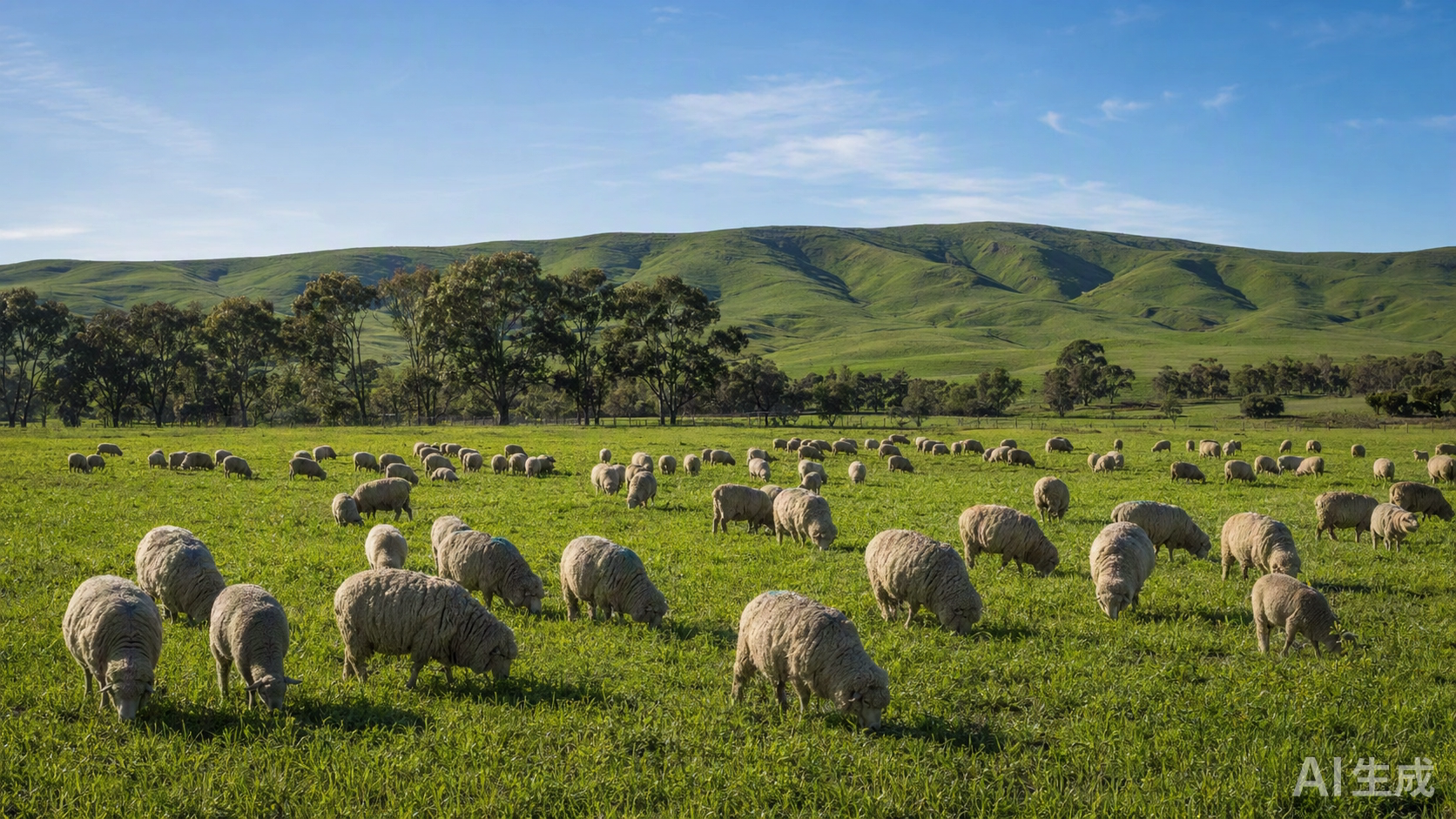
Wool fabric is a relay. At the farm, animal welfare and land management practices are set. At the top-making and scouring stage, grease wool is washed, carbonised and combed into tops. Spinning turns tops into yarn, weaving or knitting turns yarn into cloth, and finishing dyes, washes and treats the surface. Each handoff is a place where claims can go unverified, which is why sustainability paperwork is organized as a chain of certificates rather than one stamp. When a mill claims certified wool, the useful question is not whether a certificate exists but which stage it covers: a farm-level certificate attached to a fabric quote says nothing about what happened at the dye house, and vice versa. Our overview of zrównoważona produkcja tweedu sketches the same relay from the mill side. Mapping your own supply base is the practical first step: write down which entity farms, which combs, which spins, which weaves and which finishes, then attach the certificate you actually hold to each stage. Gaps become visible immediately, and they turn into questions for the supplier rather than surprises at audit.
What RWS, GRS and OEKO-TEX Each Cover
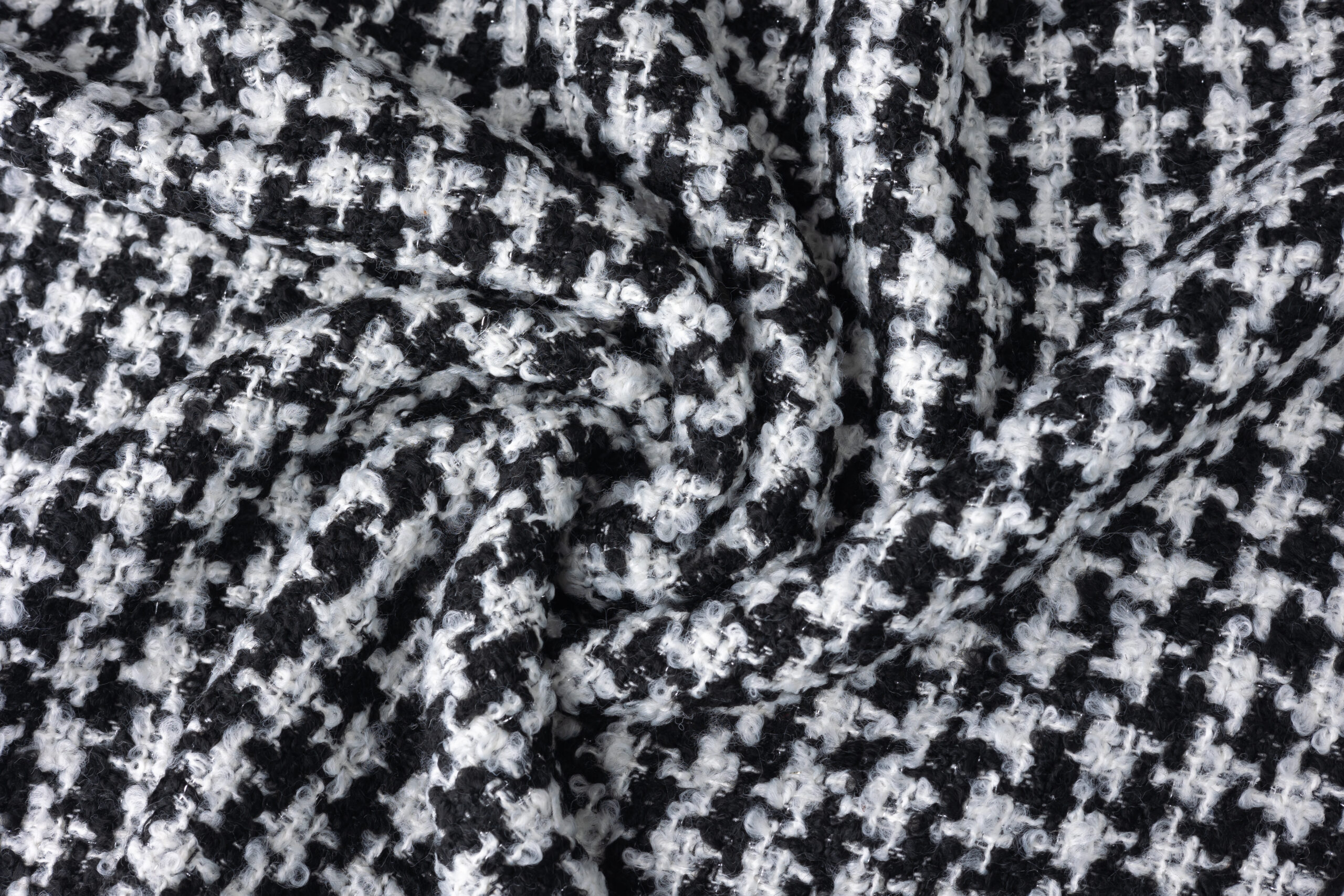
The Responsible Wool Standard, RWS, lives at the beginning of the chain: it certifies farms on animal welfare and land management, and follows the wool through the first processing stages under chain-of-custody rules, so RWS fabric means the wool input is traceable to certified farms. The Global Recycled Standard, GRS, answers a different question: it verifies recycled content percentage and tracks custody of that material through processing, which is what recycled-polyester-blend tweeds are certified against. OEKO-TEX Standard 100 tests the finished textile against harmful substance lists, sitting at the end of the chain regardless of fiber origin. The three are complements: RWS for the input, GRS for recycled content, OEKO-TEX for the output. A fabric can hold all three, and premium retail questionnaires increasingly expect combinations rather than picks; our fiber content label guide pairs this paperwork with what the composition label is legally allowed to say.
Verifying the Paperwork Stack
Certificate verification has a stable shape across standards. Ask for the scope certificate, which names the holder and the certified product categories, and check its number against the certifier public database, along with expiry. Ask for the transaction certificate on the specific shipment, because scope alone does not tie a delivery to the chain. Match product scope to the actual goods: a GRS certificate for yarn does not automatically cover woven fabric finished elsewhere. And keep factory-level audits in the file, because certifications about product do not certify the plant; our own stack combines GRS and OEKO-TEX coverage on fabrics with ISO-certified quality management at the mill. Buyers building vendor files can lean on authenticity frameworks such as those used for Harris Tweed provenance as a model for how provenance claims are policed in this industry. Where the claims matter commercially, put the document stack into a contract annex rather than an email, so the obligation survives staff changes at both companies.
Cost and Program Planning Around Certification
Certified inputs carry a premium at the fiber stage and paperwork overhead at every stage after, so the planning question is which claims a given line actually needs. A recycled-blend seasonal capsule may need GRS plus OEKO-TEX and nothing farm-level; a natural wool heritage line may need RWS on the input and OEKO-TEX on the finish. Custom certified runs start from 1,000 meters with our 7-day sampling clock, and certified fabric stock where available ships from the 100,000-meter program in days, which keeps development timelines close to uncertified ones. Budget the paperwork time, not just the premium: transaction certificates and database checks add days to vendor onboarding the first season, then become routine. Brands that map the chain once can reuse the vendor file across every subsequent line with modest updates. Renewal timing deserves a calendar entry too: scope certificates expire, and a lapsed scope quietly voids the claim on every delivery shipped after expiry, even when the fabric itself is unchanged.
Najczęściej zadawane pytania
Does one certificate cover wool fabric end to end?
No. RWS covers farm-level welfare and custody of the wool input, GRS covers recycled content, and OEKO-TEX tests the finished textile. They are complements.
What does a transaction certificate prove?
That the specific shipment moved through a certified chain of custody. A scope certificate alone does not tie a delivery to the program.
Is OEKO-TEX enough for an organic or welfare claim?
No. It tests the finished textile for harmful substances. Welfare claims need RWS and organic claims need the relevant fiber-level standard.
Does certified fabric delay development?
Not much once set up. Custom certified runs start at 1,000 meters with 7-day sampling, and certified stock ships in days.
Video: A Sustainable Journey Together
Mapping certification for a 2026 program? Our sustainable fabrics program quotes certified routes with the exact document stack per claim, so the buyer questionnaire is answered on the first pass.

Powiązane spostrzeżenia

Etykiety składu włókien dla tweedu i dzianin: jak prawidłowo czytać procenty składu
A composition label is a legal document, a marketing claim and a care instruction all...
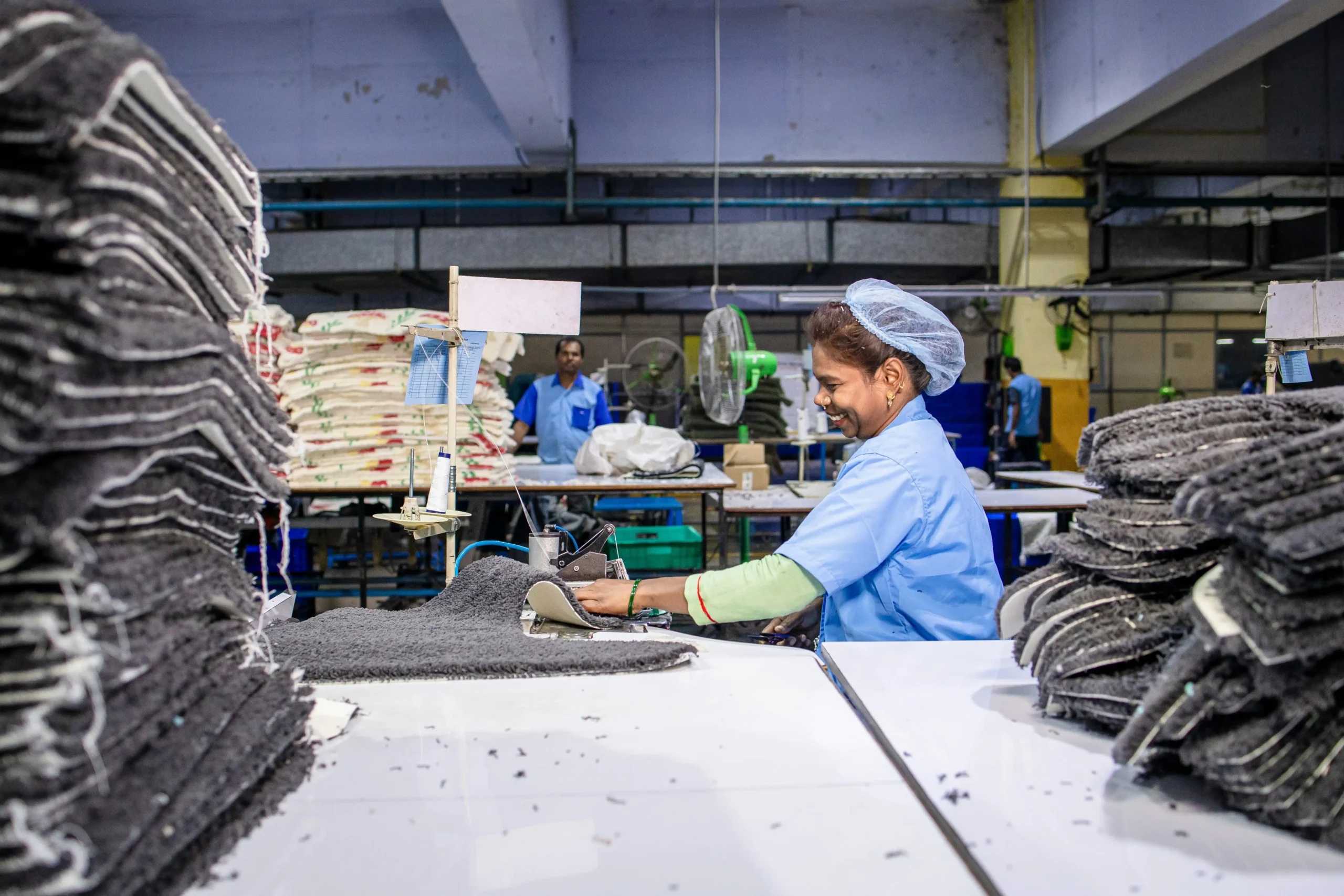
Fabric Waste in Cutting: How Much Your Collection Throws Away
Every collection throws away fabric twice: once in the cutting room, where markers never fit...

Lyocell Knit Blends: Sourcing, Blend Ratios and Verification for Buyers
Lyocell has moved from a niche fiber to a standard line item on knit buyers’...