

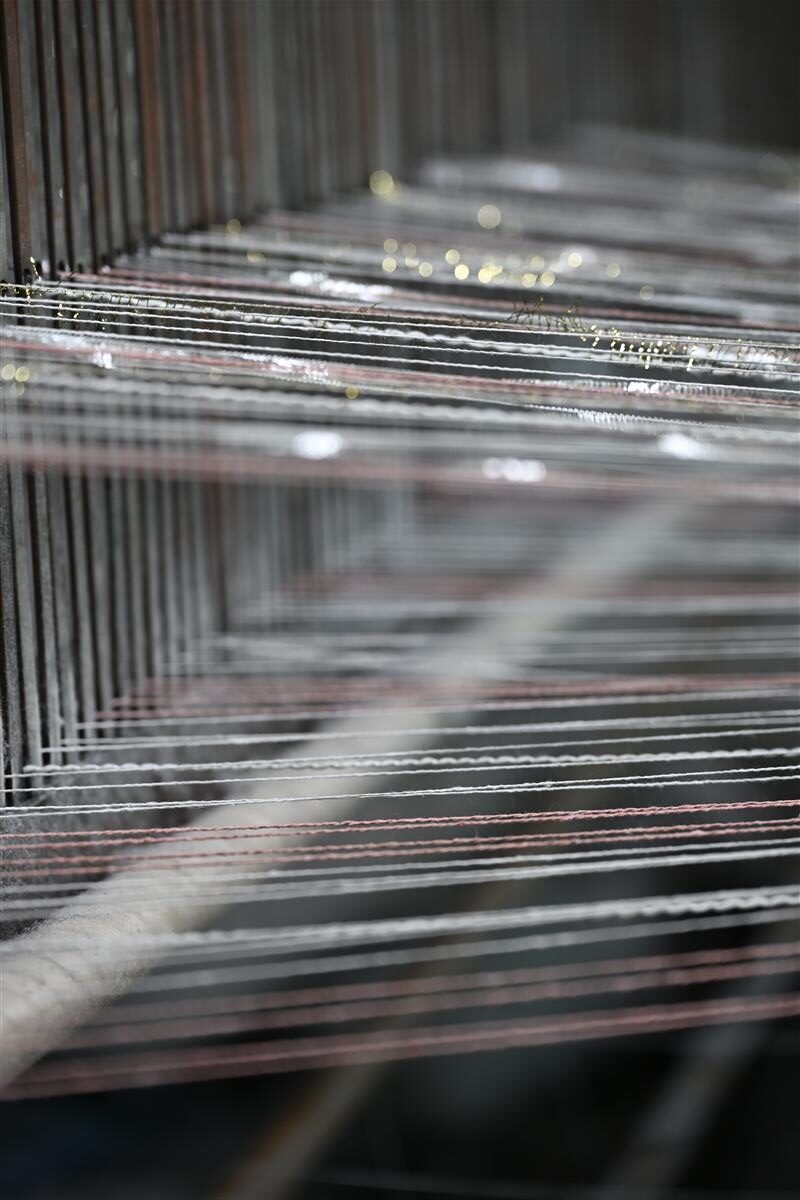
If the sample held its yarns and the bulk cloth is dropping loose yarns across the cutting table, stop that loom before anyone talks about needles. Ask the mill to show three things from the cloth that is already shedding: the yarn package feeding that machine, a short length cut from that same running piece, and those two pieces laid beside the sample you approved. A note about edge fray answers a different problem. Edge fray is what a blade or a needle does to a loop yarn. Loose yarns all over the table, when the approved sample did not leave them, means the yarn or the loom setup changed after the sample. Weaving the rest on that setup locks the change into the order. A fresh sample woven tomorrow is not a substitute.
This is not a sewing problem yet
The first reply you will hear is that boucle frays, so the sewing room should finish the edge. That reply is about a different moment. Sewing boucle and tweed treats loose fiber at a cut edge as something the cutter and the seam have to control. Those are sewing decisions. They belong after you have accepted the cloth.
Your cutting table is earlier than that page. The sample you signed did not shed like this. The bulk does. If the only change were the knife, the sample would shed the same way when you cut a corner off it. Overlocking every panel can hide a raw edge. It cannot put a binder back into yarn that was woven without one, and it cannot stop the next beam if the package on the creel is the package that sheds. Keep the sewing page for a cloth you have already accepted.
A checklist signed on the sample cannot see this beam
How to evaluate tweed and boucle before you order is the right page for the week you approve a mill and a sample. It locks what you will reject before a roll is allowed to leave. It is not a procedure for the morning the cutting table is covered in loose yarns while that order is still on the loom.
A sample can be perfect and the bulk can still change. Someone puts a new package on the creel after the sample is signed. The binder in that package is lighter, the loop is less tightly held, or a different lot of the novelty yarn is tied in halfway down the beam. The pre-order checklist never saw that package. On the call, say the sample passed and this piece did not. You are not reopening the sample approval. You are asking what is on the machine now.
Ask for the yarn package that is on the machine
The first object is the package feeding the loom that made the shedding cloth. Not a cone kept in the cupboard from the sample lot. Not a photo of a yarn they describe as “the same article.” You want the package that is tied into the warp or the weft of the piece on your table. If several packages are running, ask which one feeds the yarn you can see lying loose, and have them pull a length from that package while you watch.
Look at two things until they match or they do not. First, the mark on the package: whatever lot or date code that mill actually prints. If they never recorded the sample package, say so. You cannot compare codes that were never written, and that is a reason to hold the beam. Second, the yarn in the hand: the loop, and the finer yarn that holds the loop. Pull a short length from the running package and a short length from the approved sample. Same light, same distance from the camera.
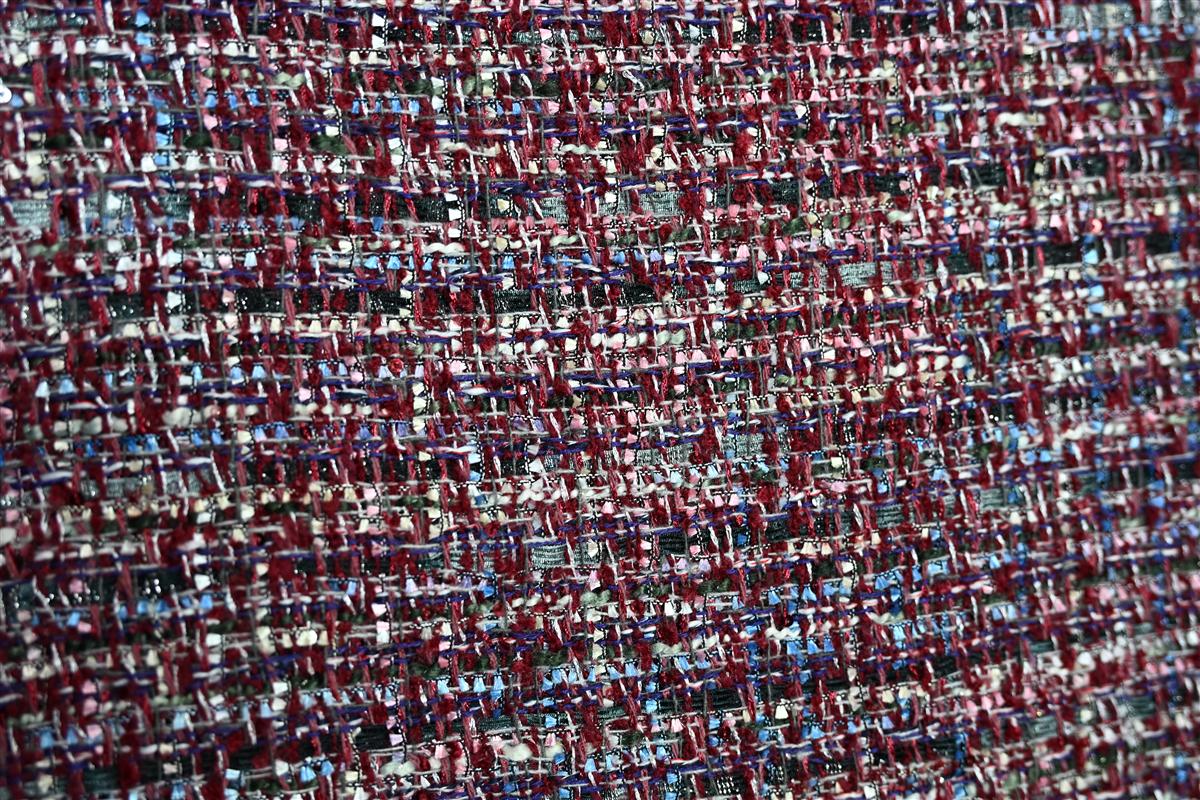
You are not scoring the yarn. You are checking whether the mill changed it. A loop that is larger, a binder that is thinner, or a binder that is missing along parts of the length is enough. If the binder is broken on the running yarn and intact on the sample yarn, weaving more will repeat the shed. Do not let a verbal “same yarn” stand in for the two lengths side by side.
Cut the length from the cloth that is shedding
The second object is a short length of the bulk cloth, long enough to hold in two hands, cut from the piece that is already losing yarns. A meter is a practical size. It is not a lab specimen and it is not a new strike-off. The point of this length is that it is the same cloth as the cloth on the cutting table. Mark which end left the loom last. If only the last part of the piece sheds, the package may have changed mid-beam, and the earlier meters may still match the sample. If the whole length sheds, this setup does not match the sample, and the rest of the beam should not be woven until the yarn is corrected.
Refuse a fresh piece woven the next morning on a sample loom after an adjustment. That piece can look right and still tell you nothing about the beam that failed. You need the failed cloth in your hand, because that is the cloth you are being asked to cut. Cut it before the piece is rolled onto a tube. A pencil mark or a thread of a different color at the start of the shedding has to be on the cloth, not only in a chat message. Once the bad meters are buried in a roll, you will be arguing about a whole roll instead of a place on the beam.
Rub that length beside the approved sample
The third object is the comparison, done in front of you or on a video call where you can see the cloth, not a cropped photo of a clean corner. Lay the approved sample and the meter from the bulk on a dark cloth. Rub each one with the same hand, the same pressure, and the same passes. Then look at the dark cloth under each piece.
A shopping note on boucle says a quality cloth lets go of few fibers when it is rubbed. That page does not tell a mill to stop a loom. The limited claim is on this boucle overview. Use the rub only to see whether your sample and your bulk behave like each other. If the sample leaves almost nothing and the bulk leaves a pile, the two cloths are not the same. Write which piece left yarns, and whether those yarns are the loop, the binder, or both.
Rub the face, and keep that result separate from any rub on a cut edge. Face shedding means the yarn is letting go while the cloth is still whole. Edge shedding can be ordinary loop yarn at a cut, which is the sewing problem, not this one. If you mix the two in one sentence, the mill will answer the edge and ignore the face.
Read the pile, not a new score
When the loose fiber is on the dark cloth, separate it before anyone names a test. Loop yarns are the thicker curly ones that make the face. Binder yarns are the finer ones that were supposed to hold those loops. A pile of binder, with the loops still in the cloth, means the holding yarn is failing. A pile of whole loops means the loops were never locked in. Photograph the pile next to a pen so the scale is obvious, and keep that photo with the package photo.
Do not turn this into a hunt for a pass number. A report on a new cutting, woven after they change the yarn, does not describe the cloth on your table. If they run a test, the specimen has to come from the shedding piece, the same test has to be run on the approved sample, and you have to see both. Until then the hold stands on what you can already see. Also refuse “only a little of it sheds.” Either they can show the mark where the shedding starts, or the piece stays in one lot. Mixed lots are how one jacket leaves with one panel that sheds and one that does not.
A sample woven tomorrow does not explain the table
Mills under pressure offer a new hand-feel sample and a new date. Take it only after the three objects from the failed beam are on the table. A new sample can show what they intend to weave next. It cannot show what they wove yesterday. If you approve the new sample and let them ship the old meters in the same lot, you have approved the cloth you were trying to stop.
Ask which package will feed that new sample, and whether it is the package that was on the machine when the bulk shed. A different package means a new cloth. That can be the right next step, and it belongs with custom cloth development, not with a quiet continuation of this order. Do not let that conversation hide the meters already woven. Those meters still need a yes or a no.
If they say the new sample and the bulk used the same package, the shed is in the weaving, not in a swapped cone. You still need their own words for what changed on the loom after the sample, and a meter from the corrected setup beside a meter from the shedding setup. “We tightened it” is not a record. A photo of the two meters, rubbed the same way, is.
If a lot of the order is already woven
Sometimes the call happens after the beam is off the loom. You cannot stop weaving that has finished. You can stop the rest of the order, and you can stop the bad cloth from being cut as if it were the sample. Split what you have into cloth that matches the sample under the rub and cloth that does not. Do not lay them in one cut. A lay that mixes the two will put both into the same garment.
The cloth that sheds on the face should not be cut until you have decided a style can live with loose fiber. A jacket over a dark lining, or a coat a customer will brush, will show yarns a hanger hid. If the only safe use is a style you did not design, that cloth is a different product and needs your written yes before it is cut. The boucle tweed you specified was the sample, not whatever the beam became.
Keep the shedding meters in their own roll, with the rub photos on the packing note. A rolled face can still look right until it is rubbed. The photos are what stop a later pass.
The note to send the same day
Write the hold the same day, while the package is still on the machine or the piece is still in the weave room. Name the bulk, and say the approved sample did not shed this way. State the hold: no more weaving on this setup, and no cutting of the shedding meters, until you have seen the three objects. Name them: the running package, a length from the shedding cloth with the loom end marked, and the rub of that length beside the approved sample. A release is your note that the running yarn and the bulk face match the sample. A promise in chat, a new sample, or a sewing plan does not release it.
Send it to the person who can stop the loom, not only to a salesperson who will turn it into a note about hand feel. If they weave the rest while the note sits unread, you can still separate that cloth from the sample. You cannot unweave it. Ask for the yarn while it is still on the creel.

Insights Relacionados

RWS Explained: Responsible Wool in Tweed, from Certificates to Claims
The Responsible Wool Standard (RWS) is the wool industry’s most widely recognized animal welfare and...

Recycled Wool vs Virgin Wool Tweed: Hand, Price and Claims Compared
Recycled wool tweed has moved from niche to mainstream rack presence, and buyers now weigh...

Costurar Boucle e Tweed: Controlar o Desfiamento em Produção
Every garment maker who cuts boucle has a story about fray. The looped yarns that...