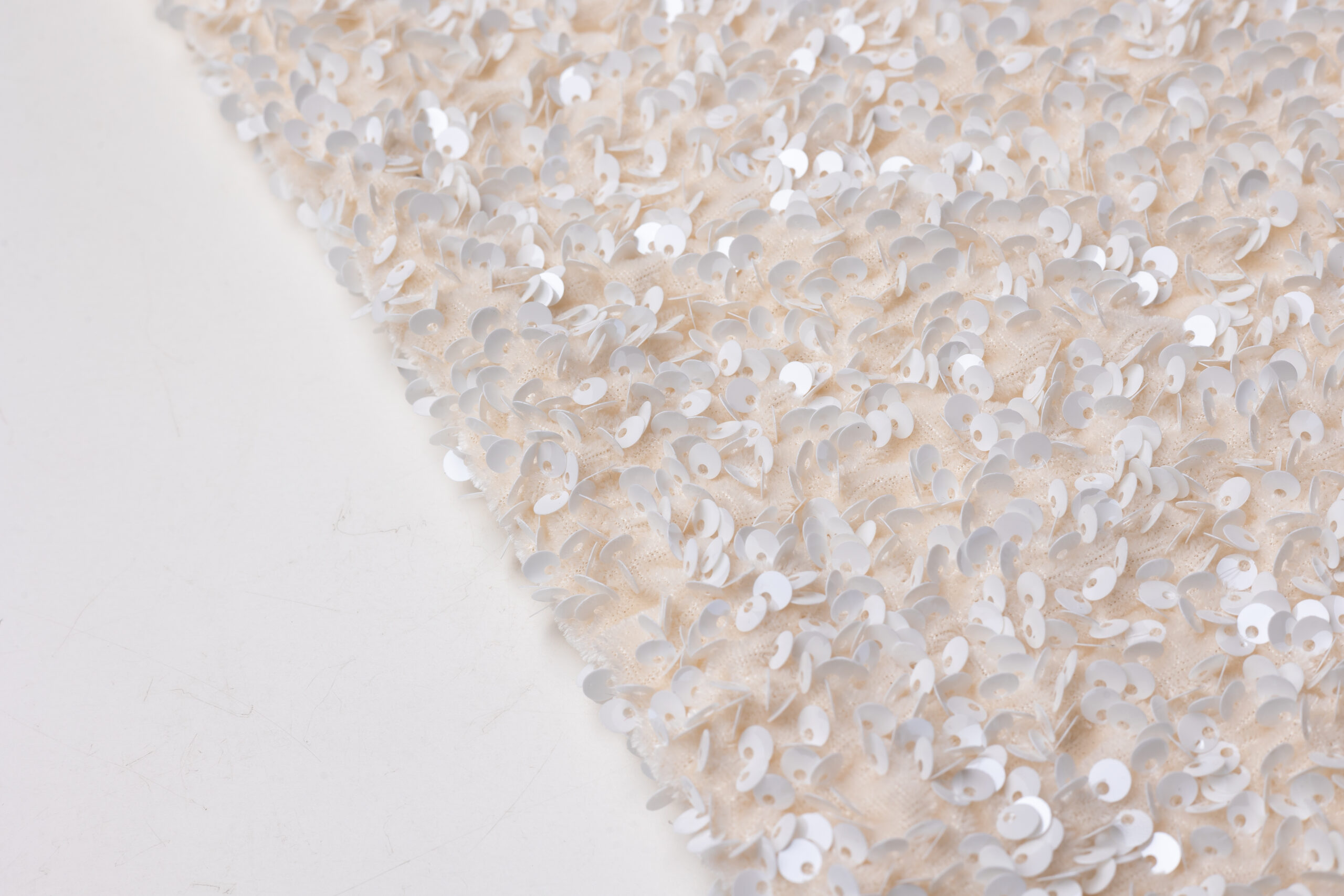
An athleisure brand with a 12-piece eco capsule needed a knit fabric that could carry two claims at once: recycled content that survives a retailer audit, and performance that survives a workout. The brand had burned one sampling round with a previous supplier whose “recycled” story collapsed at the document stage. The line launched instead on GRS-verified eco knits built from post-consumer PET bottle flakes, with the chain-of-custody paperwork assembled before the first meter was woven.
This case study walks the sourcing plan that made the launch work: the GRS rules that shaped the spec, the performance knit construction chosen, the sampling cycle, and the document set the brand collected. Every figure reflects Fursone’s actual production parameters from the Wenzhou mill: 300+ looms, 7-day sampling, 100-meter stock rolls with 72-hour dispatch, and 1,000-meter custom orders.
The Brand and the Brief
The brand sells performance basics direct to consumers: leggings, shorts, and lightweight layer pieces priced in the mid-market band. The eco capsule was planned as 12 SKUs across two fabric weights, with the marketing story built on recycled polyester. The brief to the mill was specific: a GRS-verified knit at two weights, a moisture-management finish, stretch and recovery for movement, and a document package that would survive a retailer’s compliance review.
The brand’s first sourcing attempt had already failed on documents. The previous supplier showed a GRS logo on the website but could not produce a transaction certificate for the shipment, and the brand’s compliance team killed the order. The lesson shaped the new brief: certification claims were treated as contractual requirements, with the documents named in the spec sheet rather than promised after production.
Why Verified Claims Changed the Plan
The GRS rules set the floor for the whole program. The Global Recycled Standard, owned and governed by Intercâmbio Têxtil, requires products to contain at least 50% recycled content with chain-of-custody documentation behind each shipment. That threshold decided the yarn spec before any aesthetic choice: the blend had to carry enough recycled fiber to certify, with virgin fiber available to protect performance.
Chain of custody is where most recycled claims die. GRS requires a transaction certificate for each shipment, connecting the recycled content in the fabric back to certified input material. The brand asked for the certificate structure up front: scope certificate from the mill, transaction certificate per shipment, and the recycled content percentage written into the commercial documents. That request changed the supplier conversation, because it separated mills that run certified material from mills that borrow a logo.
For the athleisure market, the verified claim also carries regulatory weight. Recycled content claims sold in the EU increasingly require third-party certification under the EU Green Claims Directive, and US retailers run their own audits. The brand treated GRS documentation as a listing requirement, not a marketing extra.
Building the Fabric Spec
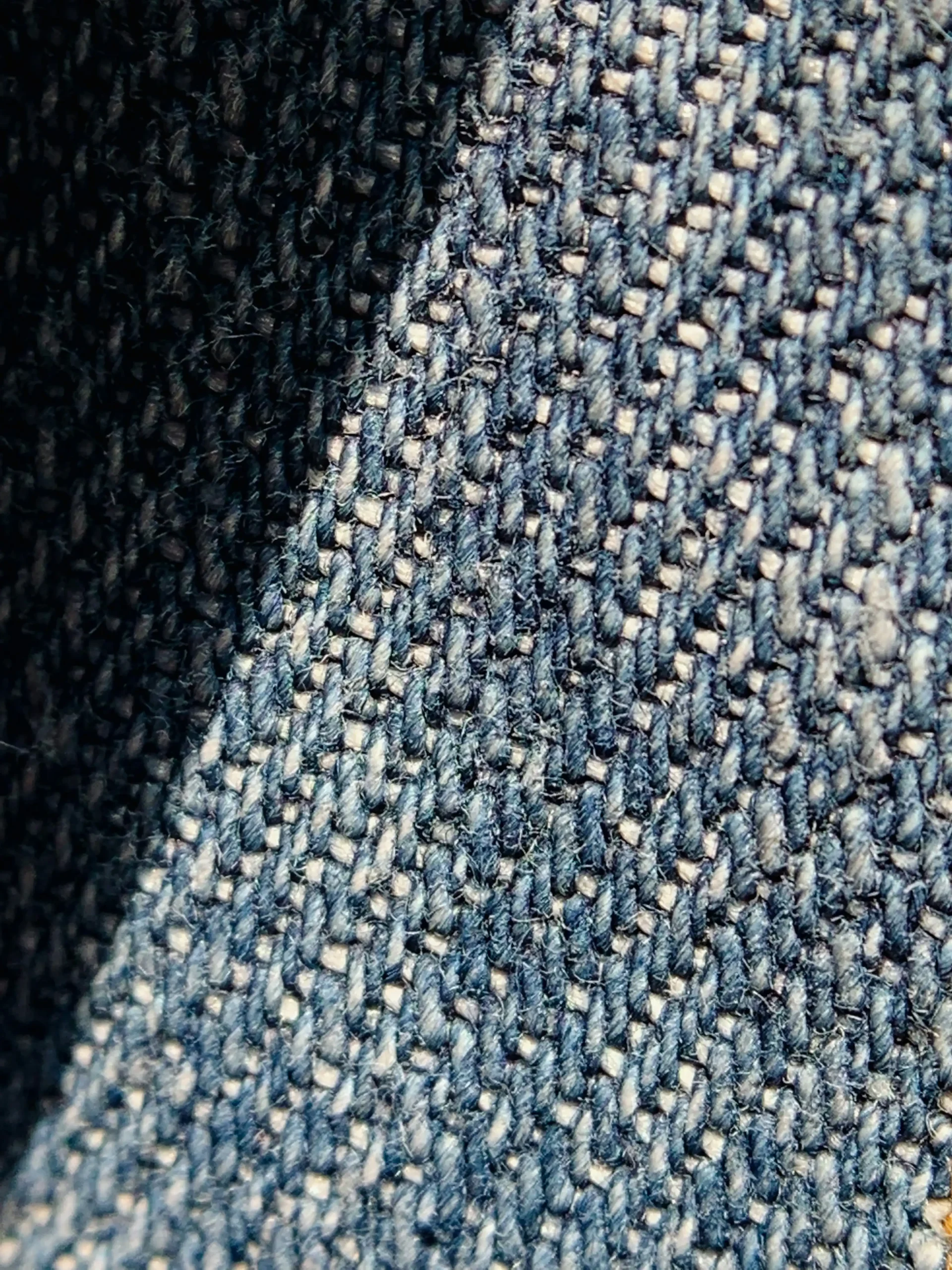
The construction started from the performance knit platform. Fursone’s performance knit fabric collection runs 150-320 GSM at 148-150 cm width with shrinkage held to ±3%, tested to ISO 12945-2 for pilling and ISO 105-C06 for color fastness. The capsule used two weights: 180 GSM for the layer pieces and 240 GSM for leggings and shorts, both inside the platform’s tested range.
The recycled input was locked to the source. The yarns were built from 100% post-consumer PET bottle flakes, not purchased grey yarn, with the bottle-to-fiber chain documented from flake to cone. That choice matters for the claim: post-consumer input carries the stronger sustainability narrative in brand scorecards, though it costs more to collect and sort. The brand accepted the cost because the claim was the product.
Performance required the blend to be engineered, not just certified. Post-consumer recycled yarn runs 15-30% lower in tensile strength than pre-consumer equivalents, so the spec blended recycled polyester with virgin fiber and spandex for stretch and recovery. The practical guidance is a 30-50% post-consumer share with virgin fiber, which clears the 50% GRS threshold while protecting strength and hand. Evenness was specified at CV 5% or below, tighter than typical commodity GRS yarn, so the knit surface stayed clean at 180 GSM where defects show fastest. The pre-consumer vs post-consumer recycled yarn guide covers the strength trade-off in detail.
The blend family came from the platform’s tested range. The performance knit collection builds on cotton/spandex and viscose/nylon/spandex constructions, and the recycled program replaced the cotton or viscose share with recycled polyester while keeping the spandex content for recovery. The finish package added a moisture-management treatment to both weights, and the fabric’s hand was checked against the brand’s existing virgin-fiber line piece by piece, because a recycled capsule that feels different from the core range fails at retail even when the documents pass.
Sampling and Approval
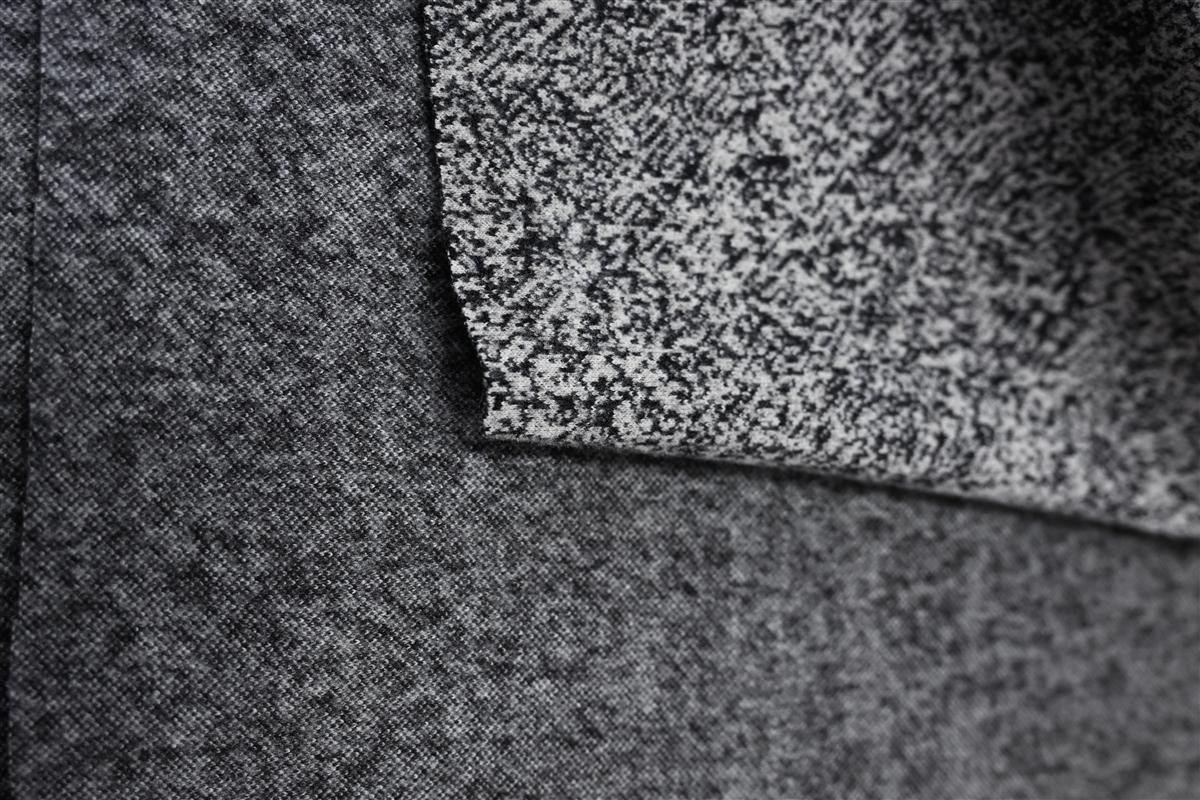
Sampling ran on the standard 7-day cycle with a hard rule: the test data travels with the sample. Each sample shipped with three pre-test wash cycles covering shrinkage, pilling, and colorfastness, so the brand evaluated numbers, not promises. Two weights, two colorways, and one moisture-management finish option came back as a single sampling round, with the 200+ pre-dyed colorway bank removing the third-party yarn sourcing loop from the timeline.
The dye route needed one extra check. Recycled polyester takes disperse dye chemistry like virgin polyester, but dye uptake can vary when the recycled chip has inconsistent intrinsic viscosity. The brand approved the dye lot under D65 light with a 0.5 Delta E tolerance on a 10-meter length before bulk, matching the gate Fursone applies to custom programs. That step is what prevents the classic eco-knit surprise: a recycled fabric that looks perfect as a swatch and drifts across bulk rolls. For a deeper look at dye chemistry and the questions to put to your mill, see our guide on low-impact dyes for wool and knits.
The sample round also settled the hand-feel question. Recycled yarns carry a reputation for scratchiness from early commodity GRS production, but the capsule’s samples passed the brand’s crush test and drape check at both weights. The finish was adjusted once between rounds, and the revised sample returned inside the same 7-day window.
The crush test deserves its place in the approval record. The brand pinched a swatch, held it, and compared the recovery time and surface feel against the control fabric from its virgin-fiber line. The 180 GSM layer piece matched within the brand’s tolerance after the finish adjustment; the 240 GSM legging fabric recovered faster than the control, which the product team read as a benefit of the spandex share in the blend. Those tactile checks, recorded in the same approval file as the test reports, gave the design team the confidence to cut the capsule without a second guessing round.

Production and Chain of Custody
The capsule’s fabric requirement landed at roughly 2,400 meters across the two weights, above the 100-meter stock tier and into custom production. The order ran as 1,000-meter-plus programs per color, which is the tier where GRS chain-of-custody documentation is coordinated on demand. Bulk production took 4-6 weeks on the 300-loom floor, with the recycled input documented from bottle flake to finished cone for each lot.
Two production decisions protected the claim. First, each color ran as a single coordinated program with the recycled content percentage fixed at the spinning stage, because the recycled share is a yarn-level fact that cannot be corrected later. Second, the transaction certificate was issued against the actual shipment, with the recycled content percentage matching the fiber content label and the commercial invoice. The brand’s compliance team checked all three against each other before the container left.
The difference from the failed first attempt was visible in the audit trail. The previous supplier’s claim rested on a website logo; this program had a paper path from bottle flake to delivered roll. The brand’s quality team kept a simple rule: a claim without a named document does not go into the marketing folder. That rule caught one last gap at the finish stage, when the moisture-management finish required its own chemical safety documentation for the EU market, which was added before bulk rather than after shipment.
Ready-stock economics still played a role. The brand ordered two additional stock colors at 100 meters each for photography and influencer seeding, shipped within 72 hours, while the custom bulk ran its 4-6 week cycle. The stock-first approach kept the launch calendar alive without waiting on the full custom timeline. The bottle-to-fabric traceability walkthrough maps each production step to the document that proves it.
Documents the Brand Collected
- GRS scope certificate. Confirms the mill’s certified status and the product categories covered by the certification body.
- GRS transaction certificate per shipment. The per-shipment document that ties recycled content in the delivered fabric to certified input. This is the document the previous supplier could not produce.
- Recycled content percentage on the fiber content label. Written at the spinning stage and repeated in the invoice, matching the TC.
- Production-lot test reports. ISO 12945-2 pilling and ISO 105-C06 color fastness from the bulk lot, not the sample.
- OEKO-TEX documentation where required. For retailers enforcing restricted substances lists, chemical safety proof alongside the recycled claim.
The document set took the compliance review from a risk to a checkbox. The brand’s quality manager noted the audit was the shortest one in the company’s history because every claim had a named document behind it. For a deeper look at the spinning stage, the GRS certified yarn spinning guide covers how boucle, slub, and chenille are built from PET flakes with the evenness held at CV 5%.
Two lessons from the document set carried into the brand’s next season. The scope certificate was stored with an expiry reminder, so renewal was tracked before the next order instead of at the container. And the recycled content percentage was written into the product spec sheet, not just the compliance folder, which kept the marketing team from overstating the claim. Small governance details, but they are what make a verified claims program repeatable across seasons rather than a one-launch achievement.
Perguntas Frequentes
What does GRS certification require?
GRS requires at least 50% recycled content in a product, verified through chain-of-custody documentation including scope and transaction certificates.
What is a GRS transaction certificate?
A transaction certificate is the per-shipment document that ties recycled content in a delivered product back to certified input material. Buyers should request one for every shipment.
Is recycled polyester good for activewear?
Yes, when blended with virgin fiber and spandex. Post-consumer recycled yarn runs 15-30% lower in tensile strength, so a 30-50% recycled share with virgin fiber balances claim and performance.
How do brands verify recycled claims?
Request the scope certificate, a transaction certificate per shipment, and a fiber content label with the recycled percentage. All three should match the invoice.
What is the MOQ for GRS eco knits?
Ready stock starts at 100 meters with 72-hour dispatch. Custom GRS programs start at 1,000 meters per color, the tier where chain-of-custody documentation is coordinated on demand.
Conclusão
The launch worked because the claim was engineered before the fabric was. The GRS 50% threshold set the blend, the transaction certificate structure set the document flow, and the performance platform set the construction at 150-320 GSM with tested shrinkage and fastness. Sampling ran in 7 days, bulk in 4-6 weeks, and the compliance review passed on the first submission because every claim had a named document.
If you are planning a GRS eco knit line, Fursone can build the spec around your recycled content target and performance requirements, with chain-of-custody documentation coordinated for 1,000-meter-plus programs. Solicite um orçamento with your target weights and recycled content percentage, and we will confirm the yarn route and document package before sampling.

Insights Relacionados

Case Study: Regional Brand Reorders Stock Boucle in 3 Weeks
How a regional fashion brand reordered 800 meters of stock boucle in 21 days: timeline...
Case Study: Outerwear Brand Runs a Cable Knit Program Across Two Seasons
Running the same fabric program across two consecutive seasons sounds simple, but it requires careful...
Case Study: Outdoor Brand Sources Water-Repellent Tweed for 3,000-Piece Jacket Line
An outdoor lifestyle brand came to us with an unusual request: they wanted the heritage...