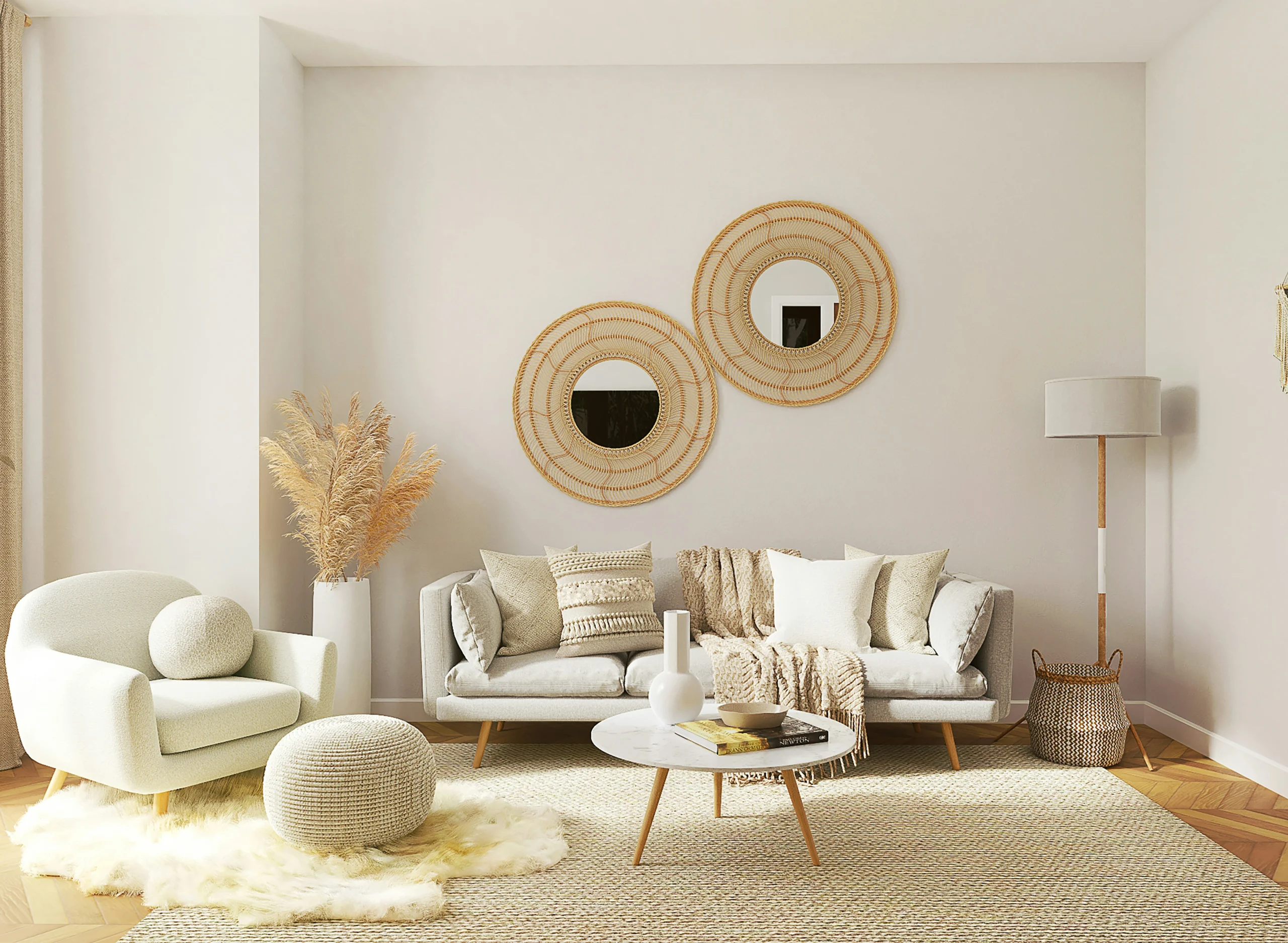
A furniture brand with a six-piece sofa and armchair program needed a tweed that would survive three years of daily living-room use. The buying team had already lost one season to a fabric that looked right in the showroom and wore through at the armrests. This time the order was different: the tweed upholstery testing case study that follows shows how a pre-bulk test round prevents a container of unusable fabric.
The brand’s sourcing manager ran the numbers on the Fursone Wenzhou mill: 300+ looms, ISO certification, 100-meter stock rolls with 72-hour dispatch, and 1,000-meter custom programs. The plan was to test the fabric character on a 100-meter stock roll, lock the test results, then scale into the custom run. The timeline below reflects that path and the published test thresholds the program used.
The Brief: Weight and Abrasion
The first spec decision was weight. Upholstery tweed lands at 500-900 GSM, while apparel tweed runs 280-450 GSM, and the difference decides how the fabric behaves on a cushion. The brand specified 450+ GSM, the band recommended for commercial seating, because below that weight the fabric sags and seam slippage appears on large sofa cushions. The mill-side reference point is the tweed upholstery durability guide, which sets the 2026 project bands.
The abrasion target came second. Residential upholstery tweed needs 15,000-25,000 Martindale cycles. Commercial projects demand 30,000+, and heavy commercial seating runs 40,000+. The brand’s sofas were residential with high daily use, so the spec locked 30,000 cycles as the floor. The fabric had to beat that number on the test report before the bulk contract was signed.
Fire Compliance: US and Export
Fire safety ran in parallel with abrasion. For the US market, upholstered furniture must meet the flammability standard in 16 CFR Part 1640, which replaced the older California Technical Bulletin 117 framework for residential upholstered furniture. The test methods behind cigarette ignition resistance are defined in NFPA 260. The brand shipped into both the US and UK, so the compliance list also covered BS 5867 Part 2 B for contract use.
The fiber choice simplified the fire story. Pure wool upholstery over 13 oz offers natural fire resistance, which is why the brand’s shortlist favored wool-rich tweed over acrylic-heavy blends. Wool-synthetic blends with nylon or polyester raise Martindale performance to commercial levels. The compliance team still checked the flame behavior of the actual blend, not the fiber name on the datasheet.
The Stock Sample Round
The test program started with the 100-meter stock roll. The brand ordered two candidate tweeds, both in the 450-550 GSM band, and ran the full test battery in ten days. Martindale abrasion came first. The weave density mattered here: upholstery weaves exceed 30 ends/cm with heavy yarns to reach ratings above 20,000 rubs, while Fursone caps apparel tweed at 30 ends/cm to preserve drape. The candidates separated cleanly on this number.
Color durability ran second. Crocking and lightfastness tests verified that the yarn-dyed flecks would not transfer to upholstery backing or fade on a sun-facing sofa. The crocking vs lightfastness test guide on this site covers the grading scales the lab used. Seam slippage and tear strength were checked on the actual seam construction, because a woven tweed that passes abrasion can still fail where the cushion seam meets the welt cord.
What the Tests Caught
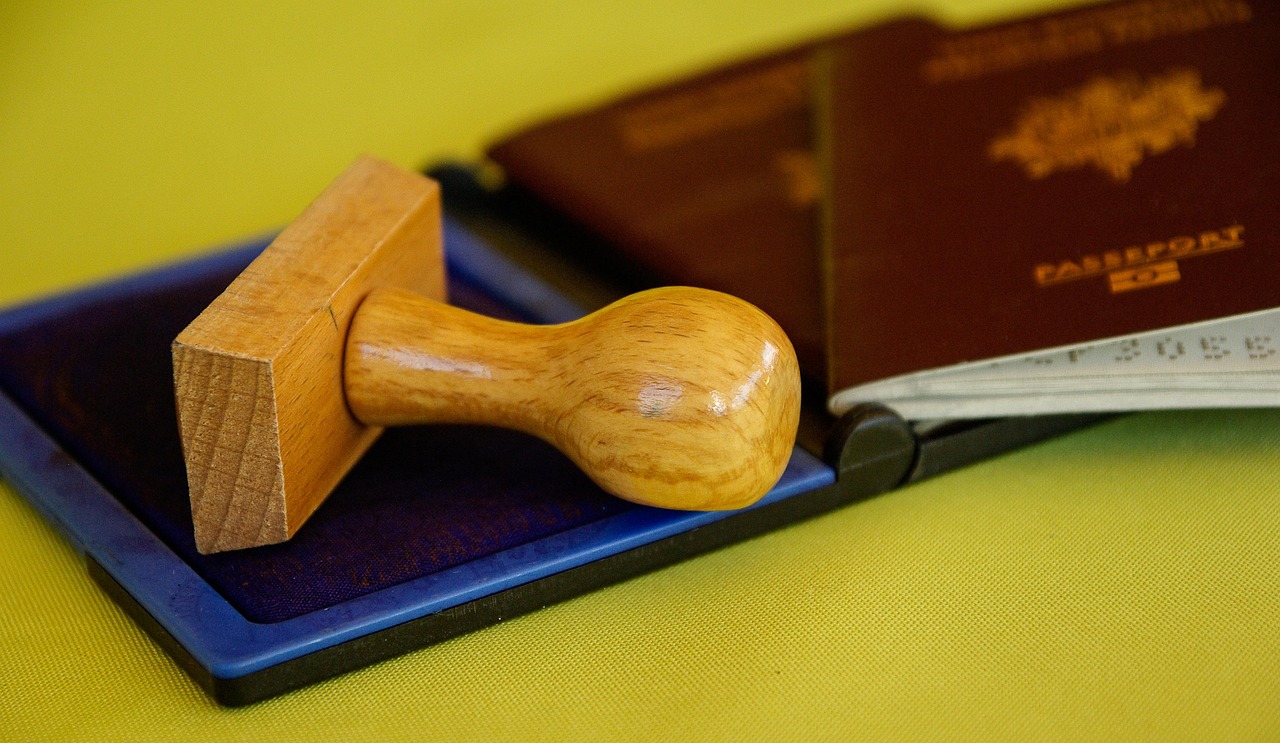
The first candidate failed the abrasion floor at 24,000 cycles, under the 30,000 target. The fabric passed every visual check and felt correct in the showroom mock-up. The Martindale report caught what the hand test could not: the weft yarn was too fine for the density. The surface would wear through at the armrest contact point inside the warranty window. The brand cut that candidate instead of negotiating the spec down.
The second candidate passed abrasion at 34,000 cycles and met the flammability requirement with a wool-rich blend. Two issues surfaced before bulk. The lightfastness result came back one grade below the brand’s minimum for the sun-facing colorway. The mill’s response was a dye-lot adjustment on the weft yarn, not a finish patch. The revised sample passed on the second round. This is the pattern the commercial-grade tweed specifications guide describes: the test report catches the problem, and the fix belongs in the yarn, not the finish.
Timeline and Cost of Testing
| Etapa | Duration | Decision gate |
|---|---|---|
| Stock sample order (100 m) | 72-hour dispatch | Fabric character check |
| Test battery | 10 dias | Martindale, fire, color, seam |
| Dye-lot revision | 7-day sample cycle | Lightfastness re-pass |
| Bulk production | 25-35 dias | Spec-locked custom run |
| Incoming inspection | Per AQL | Bulk matches approved sample |
The testing round added two weeks to the sourcing calendar and cost a fraction of the bulk order value. The alternative was a 1,000-meter custom run cut to a spec that failed at 24,000 cycles. The brand’s program followed the standard lane structure: stock rolls for the test round, then a 1,000-meter custom program. The approved dye-lot and weave parameters were locked into the production order.
How the Bulk Order Was Locked
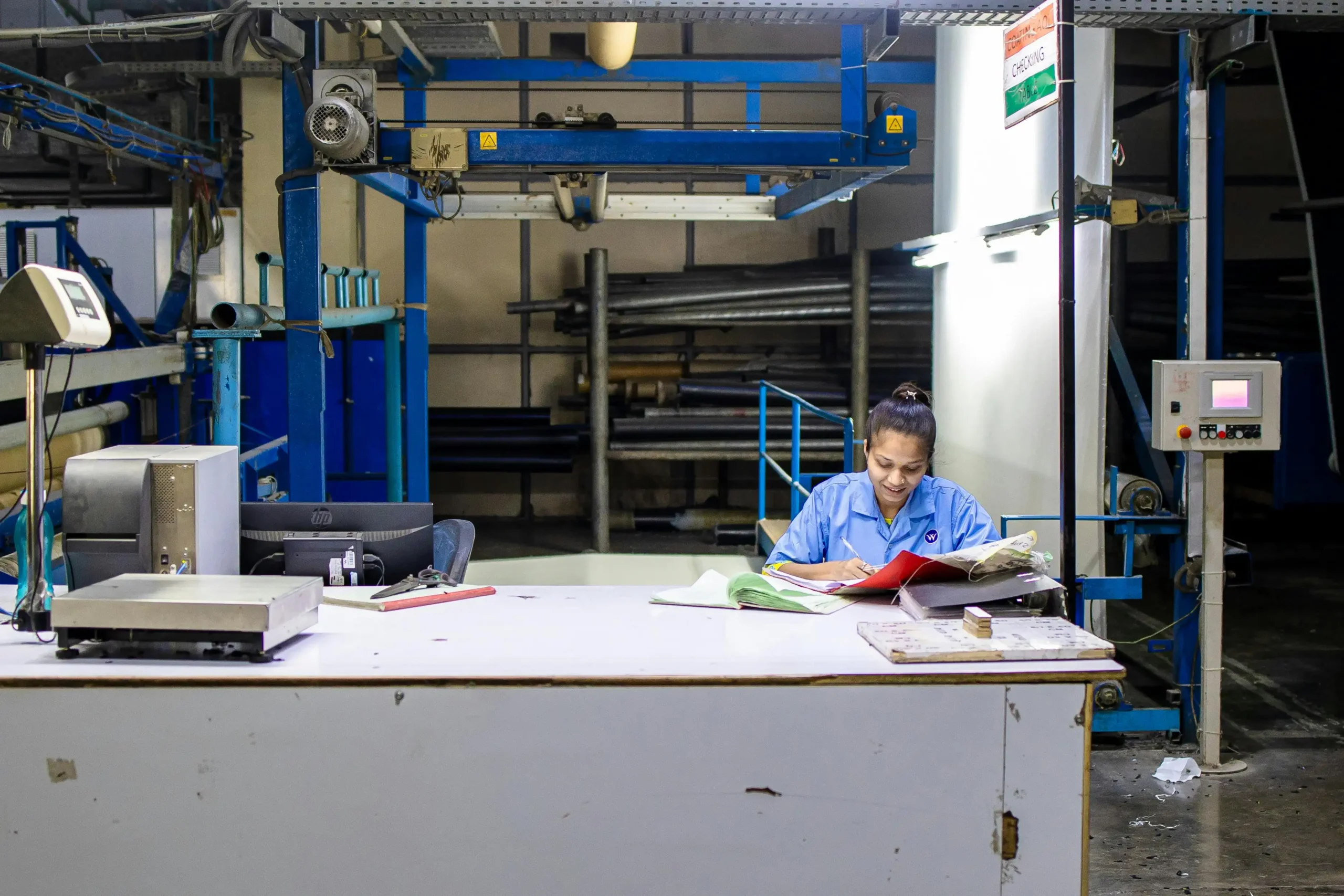
The approved sample became the contract reference. The spec sheet named the GSM band, the Martindale floor, the fire standard, the lightfastness grade, and the dye-lot parameters. The bulk order ran 25-35 days on the Fursone looms, and the incoming inspection compared the delivered rolls against the approved sample under AQL sampling. The fabric that reached the upholstery line matched the fabric that passed the tests. The brand’s QC team also ran the mill through the checks in the factory audit checklist on this site, verifying loom capacity, test equipment, and document flow before production.
Three lessons came out of the tweed upholstery testing case study. Test the fabric at stock scale before committing to custom scale. Write the pass thresholds into the spec, not into a conversation. And treat the test report as a design tool: the yarn change that fixed lightfastness improved the fabric for the whole line. For brands planning the same route, the quote request with target GSM, Martindale floor, and fire standard gets the mill to quote the test program and the bulk lane together.
Perguntas Frequentes
What tests should tweed upholstery fabric pass?
Martindale abrasion at 15,000-25,000 cycles for residential use and 30,000+ for commercial. Flammability per 16 CFR Part 1640 for the US. Plus color fastness, seam slippage, and tear strength on the actual seam construction.
How many Martindale cycles does a sofa need?
Residential sofas need 15,000-25,000 cycles. Commercial seating demands 30,000+, and heavy commercial projects run 40,000+. Testing at 30,000 as a floor covers high-use homes.
Is tweed fire-safe for upholstery?
It depends on the blend and the market. US upholstered furniture must comply with 16 CFR Part 1640. Pure wool over 13 oz offers natural fire resistance, while blends need verification on the actual fabric.
Can upholstery tweed be tested before a bulk order?
Yes. A 100-meter stock roll with 72-hour dispatch is enough for a full test battery, and the approved parameters are then locked into a 1,000-meter custom program.
What weight should upholstery tweed be?
Furniture-grade tweed starts at 330-450 GSM, and 450+ GSM is recommended for commercial seating. Heavy upholstery runs 500-900 GSM, while apparel tweed stays at 280-450 GSM.
Conclusão
The tweed upholstery testing case study ended the way the test program was designed to end. The abrasion test cut one candidate at 24,000 cycles. The lightfastness test caught a dye-lot problem before 1,000 meters of fabric was woven. The passing fabric met 30,000+ Martindale cycles, the 16 CFR Part 1640 flammability requirement, and the brand’s color standard, and the bulk rolls matched the approved sample at incoming inspection.
The cost of the program was two weeks and one stock roll. The cost of skipping it was a season. Test at stock scale, lock the thresholds into the spec, and let the mill quote the test round and the bulk lane together. Solicite um orçamento with your GSM band, abrasion floor, and fire standard, and Fursone will run the same path for your program.

Insights Relacionados
Estudo de Caso: A Amostra de 7 Dias que Garantiu um Contrato de 3.000 Metros de Tweed
Um contrato de tweed de 3.000 metros normalmente leva meses para ser negociado e semanas para a amostragem. Este...

Case Study: Regional Brand Reorders Stock Boucle in 3 Weeks
How a regional fashion brand reordered 800 meters of stock boucle in 21 days: timeline...
Case Study: Outerwear Brand Runs a Cable Knit Program Across Two Seasons
Running the same fabric program across two consecutive seasons sounds simple, but it requires careful...