Custom fabric hidden costs hit you not during the factory audit, but weeks after delivery when you unroll the first bolt and realize the mass production run doesn’t match the pre-production sample you signed off on. I’ve seen a brand sourcing manager open a container of heavyweight bouclé in their New Jersey warehouse—lab dips and strike-offs in hand—only to find the dye lot shifted two shades darker and the hand feel was rougher чем утвержденный образец. Согласованная цена FOB за метр казалась жесткой. Цепочка утверждения образцов была чистой. Но допуск по качеству не был закреплен в контракте, и крупный заказ внезапно столкнулся с пожирающим маржу витком, прежде чем был раскроен хотя бы один жакет.
What starts as a clean per-meter quote unravels into freight peak-season surcharges, import duties that jump depending on wool versus polyester classification, wire transfer fees, and the cost of holding inventory while you argue about quality deviation. I’ve run supplier audits across 12 countries, and the gap between the FOB price you negotiate and the actual landed cost per meter is where margins go to die—often because the buyer didn’t build a line item for the customs brokerage fee, or assumed express samples clear duty-free. They don’t.
Мы разберем каждую статью расходов, которая не входит в котировку фабрики — фрахт за образцы, достигающий $80 еще до подтверждения цветовой гаммы, реальную разницу между авиа- и морским фрахтом для партии твида в 500 метров, ставки таможенных пошлин по ГС, зависящие от состава волокон, и вариант DDP, превращающий непредсказуемую стоимость поставки в фиксированную цифру. Никакой теории. Только статьи, которые вы должны внести в свою калькуляцию затрат перед следующим заказом. (Все цифры по фрахту, сборам и пошлинам ниже являются ориентировочными оценками; ставки пошлин, в частности, варьируются в зависимости от подсубпозиции ГС, состава волокон, происхождения и торговой программы — всегда уточняйте текущую ставку по актуальным данным HTSUS/USTR перед расчетом стоимости заказа.)

Fabric FOB Price vs. Landed Cost: The Gap
Your FOB price per meter rarely accounts for more than 65-70% of what it actually costs to get fabric into your cutting.
A mill quotes you $12/m FOB Shanghai for a custom bouclé tweed. That number feels solid until you stack up the layers that build true landed cost. I’ve audited supplier invoices across 12 countries, and the gap between FOB pricing and what hits your P&L consistently catches even sharp sourcing managers off guard. Freight, duty, bank charges, and currency markups don’t nibble at the margin—they can inflate the per-meter cost by 25-40% before a single yard gets cut.
- Ocean/Air Freight & Insurance: On a 500m order weighing roughly 180 kg, air freight can add $3.50/kg while sea freight costs around $0.80/kg—but you’re swapping 7 days for 35 days. Marine insurance tacks on 0.3–0.5% of CIF value.
- Import Duty & Customs Bond: Шерстяной твид по главе 51 и полиэфирные смеси по главе 52 несут разные ставки пошлин США, а товары китайского происхождения также могут облагаться дополнительными пошлинами по разделу 301 / торговым защитным мерам — уточните точную текущую ставку для вашей конкретной подсубпозиции ГС по актуальным данным HTSUS/USTR. Постоянная таможенная гарантия добавляет несколько сотен долларов в год, если вы импортируете регулярно.
- Bank Transfer & L/C Fees: Wire transfer fees run $75–150 per remittance. If you pay by letter of credit, the issuing bank fee eats 1-2% of the invoice value. On that 500m order, that’s an extra $0.30/m you never budgeted.
- Forex Spread & Payment Timing: Banks typically mark up the mid-market rate by 1-3%. When you settle in RMB or EUR, the hidden forex cost can quietly add another $0.10–$0.20 per meter.
There’s one more trap: quality tolerance. If the pre-production sample approval process uncovers a 5% shade variation from the bulk lot, that’s yardage you can’t use. Your real cost per usable meter is the landed cost divided by the accepted quantity. Build a 3-5% rejection buffer into your costing—ignore it and you’ll eat into your gross margin before the first garment ships.
| Категория затрат | Детали | Typical Cost Range | Impact on Per-Meter Price | Преимущество Fursone |
|---|---|---|---|---|
| Negotiated FOB Price | Mill-quoted price per meter for custom tweed/knit fabric, excluding all logistics and fees. Example: $15.00/m for a 500m order. | $7,500.00 total order | $15.00/m (base starting point) | Цены FOB напрямую с фабрики могут составлять примерно одну пятую или одну треть от цены европейского эталона, такого как Linton, для эквивалентного люксового качества. |
| Express Courier Sampling | Shipping 5 kg of swatches/lab dips via DHL/FedEx. Customs may class samples as commercial items, triggering small duties & brokerage. | $40–$80 per shipment | ~$0.02/m (amortized across bulk order) | Rapid 7-day sampling program; free swatches within defined limits, negotiated courier rates for urgent trials. |
| Freight (Air vs. Sea) | Air freight ~$3.5/kg, 7–10 days; Sea freight ~$0.8/kg, 25–35 days. 500m of mid-weight fabric ≈ 250 kg. Peak season surcharges add 15–25%. | Sea: $200–$300; Air: $875–$1,100 | Sea: +$0.40–$0.60/m; Air: +$1.75–$2.20/m | Consolidated shipping programs; transparent forwarder selection to balance speed and cost. |
| Import Duty & Customs Brokerage | Шерстяной твид (ГС гл. 51), полиэфирный твид (гл. 54) и трикотажные ткани (гл. 60) имеют разные ставки пошлин — уточните точную текущую ставку по подсубпозиции по актуальным данным HTSUS/USTR. Брокерский сбор примерно $50–$150 за декларацию (ориентировочно). | Пошлина на шерстяной твид: ориентировочно (уточните текущую ставку); брокерский сбор: ~$150 | Пошлина за метр варьируется в зависимости от текущей ставки; брокер добавляет фиксированную плату за декларацию | DDP (Delivered Duty Paid) option converts variable tariff risk into a fixed landed price, including clearance. |
| Bank & Payment Charges | Wire transfer fees ($75–$150 per transfer); L/C issuing bank fee 1–2% of invoice; forex spread on USD/RMB conversion typically 0.5–1%. | TT fee $100 + possible L/C fee $150; forex ~$37.50 | ~$0.30–$0.58/m | Advises on optimal payment terms to minimize layered bank fees, and can invoice in major currencies to reduce forex markups. |
| Total Landed Cost Example (Wool Tweed, Sea Freight) | 500 м шерстяного твида: FOB $7 500 + курьер за образцы + морской фрахт + пошлина (уточните текущую ставку) + брокерский сбор + банковские комиссии. Строка с пошлиной вносит наибольшие колебания в итог — моделируйте ее по текущей ставке HTSUS. | Ориентировочный итог (зависит от пошлины); уточните по текущим ставкам | Разница с FOB: часто значительное повышение после добавления пошлин и сборов | DDP program can bundle freight, duty, and clearance into a single fixed quote, eliminating hidden surprises and simplifying budgeting. |
Sampling Fees: What’s Included in 7-Day Rapid Sampling
Three extra colorways beyond the first five will cost more than you think.
Один знакомый менеджер по закупкам перевел крупный депозит для заказной ткани букле. Утвержденный им предпроизводственный образец имел плотную, чистую текстуру на ощупь. Массовая партия пришла с более свободной круткой и заметно большей драпировкой. Его закройщик уже раскроил лекала. Он понес дорогостоящие переделки и пропустил окно розничной поставки. Разница между образцом на его столе и тканью на складе составила 2-миллиметровое отклонение крутки пряжи, которое никто не измерил. Никто не спросил. Вот где стоимость образцов становится высокой — не в строчке бюджета, а в допуске по качеству, который вы не зафиксировали при утверждении образца.
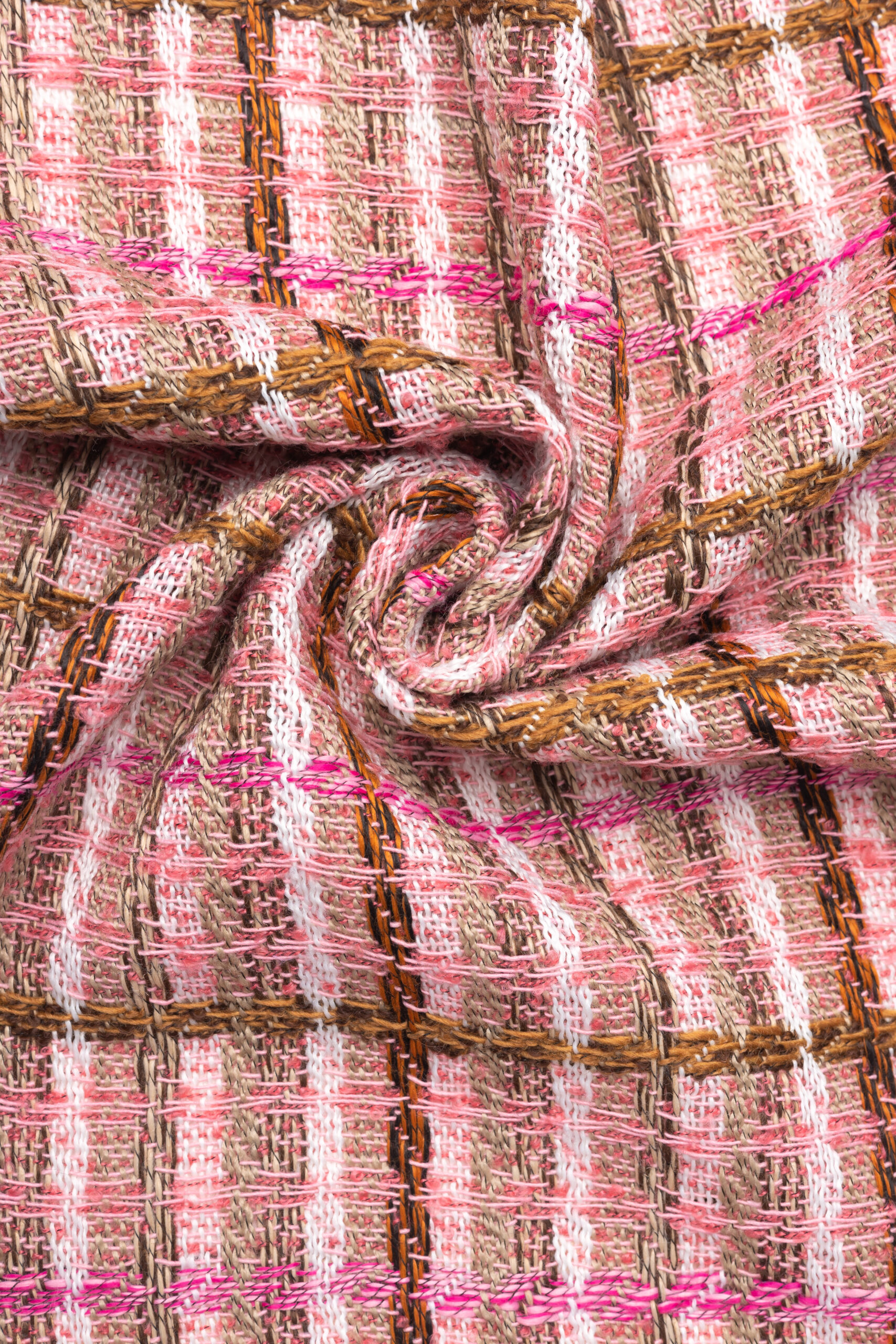
When a mill advertises ‘7-Day Rapid Sampling,’ here is what the clock actually covers: the mill pulls stock yarns from their library and runs a 3-to-5-meter loom sample. If your design uses in-stock yarns—say a standard merino-wool bouclé with a metallic Japanese lurex accent—the 7-day promise holds. The sample leaves the mill within a week. Add a custom yarn spin, and the timeline stretches. A proprietary slub yarn that requires sourcing raw Australian Merino and running a small-batch dye trial pushes sampling to 10–14 days. That is still fast. Most Italian mills quote 3–4 weeks.
- Free Swatches: Most mills, including the Wenzhou facility here, will ship up to 5 stock swatches at no charge. These are pre-existing hanger samples cut from previous production runs. They cost the mill nothing beyond postage. Do not mistake free swatches for a free custom lab dip—they are not the same thing.
- Lab Dips Included: A ‘free’ lab dip typically covers 3–5 colorways on a single base fabric. Each additional colorway beyond that runs $25–$50 depending on the dye complexity. Melange effects and multi-tonal yarn blends cost more because the lab must run separate dye baths for each fiber component.
- Shipping Limits: Free shipping on samples usually means standard airmail with no tracking. A 1-kilogram sample envelope takes 10–18 days. Upgrade to DHL or FedEx express, and you will pay $40–$80 for a 5-kilogram package. The mill is not eating that cost on a speculative order.
The line most buyers miss: express couriers classify fabric samples as commercial items. Even with a $10 declared value on the airway bill, DHL will trigger duties and brokerage fees at destination. I have watched a $60 FedEx shipment land with a $35 customs clearance charge attached. Multiply that across 4 rounds of sampling during development and you have added $140–$200 in unplanned costs before placing a single meter order. Ask your mill to ship samples under a temporary importation bond or use their DDP account if they have one.
Yarn trials are the real budget killer. Say you want the mill to custom-spin a chenille yarn with a specific slub profile for an exclusive tweed. That trial involves sourcing the raw fiber, running a mini-spin on the proprietary equipment, dyeing a sample cone, and weaving a 3-meter fabric proof. A single yarn trial run costs $150–$300 depending on fiber composition. Three trials, which is typical when dialing in the hand-feel and visual texture, adds $450–$900 to your sampling budget. Some mills roll the first trial into the bulk order if you commit to a 1000-meter minimum. Others do not. Ask before the lab starts spinning.
The sample approval step is where you set the quality tolerance that follows your fabric into production. Approve a sample without specifying acceptable variance on weight, twist, and color delta, and you have given the mill a blank check. I require every approved sample to have a signed spec card attached: grammage within ±5%, yarn twist within ±3%, and color delta under 1.0 on the CIE Lab scale. If the mill cannot commit to those numbers, I want to know before the bulk fabric lands in Los Angeles.

Freight Options: Express Courier, Air, and Sea Breakdown
Freight is where your negotiated FOB price either holds or collapses.
Я наблюдал, как менеджеры по закупкам праздновали цену FOB $9,50/м на заказ твида 500 м, а затем стоимость с учетом доставки взлетала до $14,20/м, потому что они выбрали неправильный маршрут перевозки. Цена FOB — это стартовая линия, а не финиш. Каждый сэкономленный на переговорах доллар может испариться при транспортировке, если не подобрать правильный вид перевозки под размер партии. Вот как на практике выглядят три уровня, используя ориентировочные ставки из Вэньчжоу в Лос-Анджелес или Роттердам (уточните текущие ставки у своего экспедитора).
- Express Courier (DHL/UPS/FedEx, 5kg swatch box): $40–80 door-to-door, 3–5 days. Suitable for sample approval rounds under 8 kg. Anything heavier and the per-kg rate drops, but the absolute cost climbs fast. One catch: DHL classifies fabric swatches as commercial items by default. Even a declared value of $10 can trigger a brokerage entry fee of $25–45 on the consignee’s side. Ask your mill to mark samples as ‘No Commercial Value — For Sample Approval Only’ and keep declared value under $5 to reduce the odds of a customs hold.
- Air Freight (1000m+, ~350–500 kg actual weight): Approximately $3.50/kg, 5–10 days airport-to-airport. Charged on chargeable weight — the higher of actual weight or volumetric weight (L x W x H in cm ÷ 6000). Fabric rolls are dense, so actual weight usually governs. A 1000m order of 400 g/m² tweed at 150cm width weighs roughly 600 kg. Air freight on that order runs about $2,100. Add $150–300 for origin handling, airway bill, and destination terminal fees. Total time from mill floor to your cutting table: 10–14 days.
- Sea Freight LCL (1000m+, shared container): Approximately $0.80/kg, 25–40 days port-to-port. That same 600 kg order costs about $480 in ocean freight. But sea freight hides costs that first-timers miss: origin trucking ($120–200), export customs clearance ($80–150), destination port charges ($200–400), and customs bond fees ($50–100). The real LCL landed freight cost is closer to $1.50–1.80/kg once all line items are tallied. Still, on a 1000m order, sea beats air by roughly $1,200–1,500 net.
- Weight threshold: Under 30 kg: courier wins on speed and simplicity. 30–200 kg: air freight consolidator becomes viable. Over 200 kg: sea LCL or full container math takes over.
- Time buffer: If you have fewer than 21 days from order placement to production start, air freight is not optional — it is the only path. Sea freight needs a minimum 35-day buffer from Wenzhou to a US East Coast DC.
- DDP option: Fursone consolidates LCL shipments and offers a DDP (Delivered Duty Paid) program that folds freight, duties, and clearance into a single fixed price. This removes the customs-surprise variable entirely. For a 500m tweed order to the US, a DDP quote typically lands within 6–10% of what you would pay managing freight yourself — and you do not carry the risk of a tariff classification dispute.
Выбор между авиа- и морской перевозкой для заказа в 1000 м — это не просто арифметика, а ставка на производственные сроки. Морская перевозка экономит значительную сумму, но замораживает ткань на пять-шесть недель. Если срок поставки на фабрике жесткий, такой замороженный запас может обойтись дороже, чем экономия на фрахте.
Peak season surcharges are the variable that breaks budgets. From late August through mid-October — when holiday collections ship — air freight rates can spike 40–60% above the numbers quoted here. Sea freight LCL rates rise less dramatically, around 15–25%, but space tightens and rollovers become common. If your order lands in September, budget at the high end of every range. Or better, place your bulk order in June and warehouse the fabric domestically until production starts. The carrying cost of three months of storage is almost always less than a peak-season air freight surcharge.
Import Duties and HS Codes for Tweed and Knits
Неправильно классифицируйте свой твид — и можете столкнуться с гораздо более высокой пошлиной, чем необходимо.
Вы когда-нибудь задумывались, почему стоимость за метр с учетом доставки все еще высока, даже если цена FOB выглядела конкурентоспособной? Я видел, как нью-йоркский дизайнер понес болезненный счет по пошлине, потому что их твид в стиле Chanel из шерстяной смеси был отгружен под неправильной главой. Таможенную и пограничную службу США не волнует, что поставщик пишет в инвойсе. Её волнует, что на самом деле в пряже.
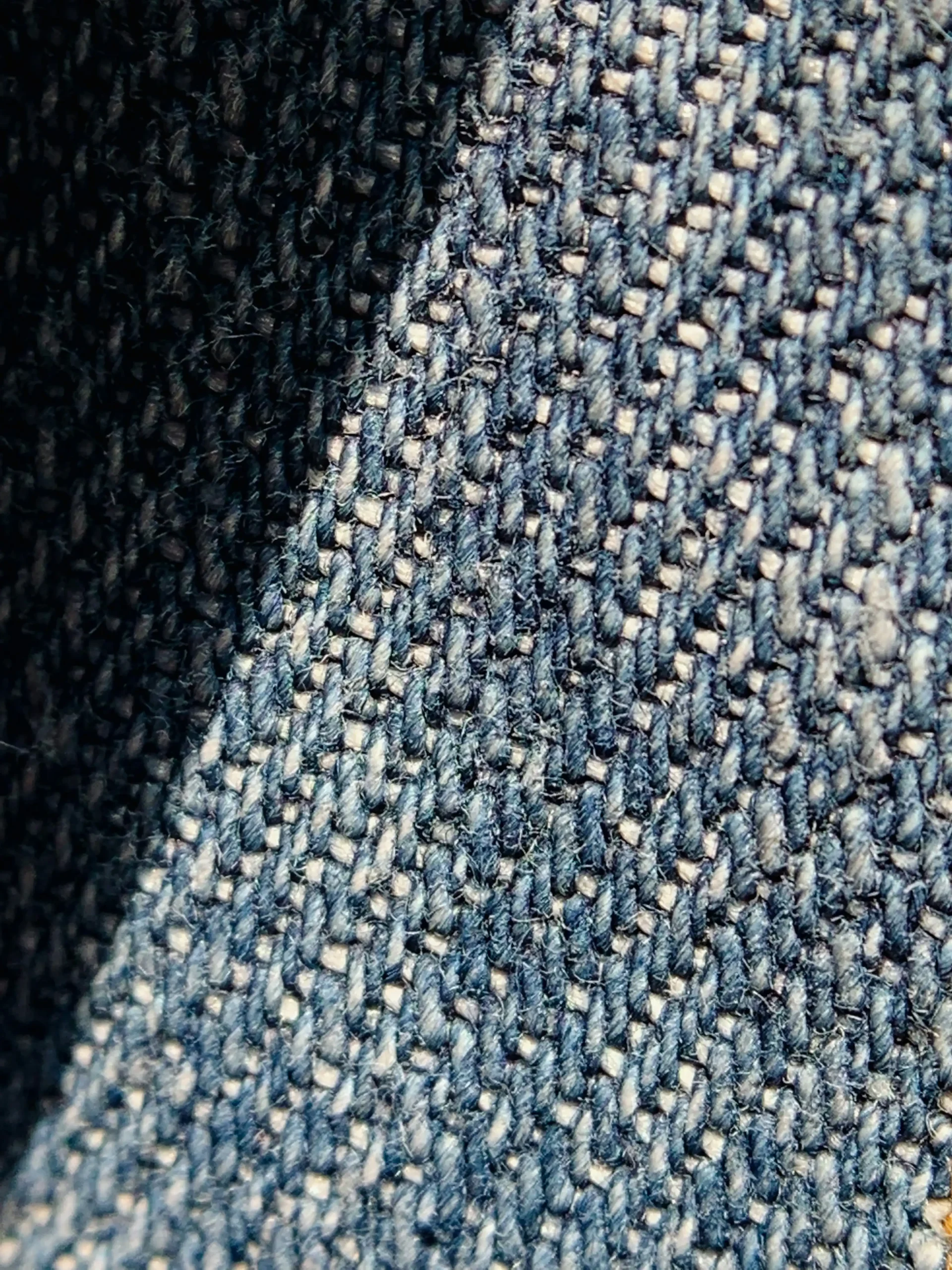
- Wool Tweed (Chapter 51): Тканые материалы, где шерсть является доминирующим волокном, попадают сюда (порог в 85% шерсти и подготовка — кардная или гребенная — определяют подзаголовок). США применяют ставку РНБ ad valorem, и товары китайского происхождения могут также облагаться дополнительными пошлинами по разделу 301 / торговым защитным мерам — уточните точную текущую ставку по актуальным данным HTSUS/USTR. Если ваш заказ включает австралийскую мериносовую шерсть, полученную и спряденную на нашей фабрике в Вэньчжоу, применяется шерстяная категория. Не пытайтесь подделать декларацию о волокнах — лаборатории CBP её разложат.
- Polyester Tweed (Chapter 54): 100% синтетические филаментные нити, включая наши меланжевые нити с металлической нитью на полиэфирной основе, попадают под Главу 54 с применимой ставкой РНБ (уточните по актуальным данным HTSUS). Как только вы добавляете фантазийную пряжу букле с шерстяным сердечником, классификация может измениться. Наши таможенные брокеры советовали разделять коносамент по артикулам, но это работает только при хирургической точности коммерческого инвойса.
- Knitted Fabrics (Chapter 60): Структурированные трикотажные полотна типа кабельных вязок, свитеровые трикотажи и наши эко-трикотажи с сертификатом GRS подпадают под Главу 60 в США, с размером пошлины, зависящим от конструкции и веса (уточните по актуальным данным HTSUS). Для поставок в ЕС применяется ставка РНБ по соответствующему коду CN, например, 6006 (уточните по актуальному тарифу ЕС). Реальная ловушка — страна происхождения: если трикотаж сформирован в Китае, но окрашен в другом месте, правила происхождения все равно могут привязать его к Китаю для целей пошлины.
Разница между шерстяной и синтетической категорией — это не ошибка округления для пробного заказа в 500 метров; это может быть позиция на четыре цифры, которая уничтожает вашу маржу (уточните точные ставки по актуальным данным). И не думайте, что ваш экспедитор сам найдет правильный код ТН ВЭД. Я аудировал поставки, где экспедитор лениво использовал категорию полиэфирного штапеля (5515.19) для твида с высоким содержанием шерсти. Срабатывала таможенная гарантия, и контейнер простаивал в порту Лос-Анджелеса днями, накапливая ежедневную демерредж.
Именно здесь программа DDP меняет математику. Опция ’от двери до двери» от Fursone включает все пошлины, таможенное оформление и брокерские услуги в единую фиксированную цену с доставкой. Вместо того чтобы гадать, переклассифицирует ли CBP ваш структурированный трикотаж в более высокую ставку пошлины, вы получаете точную цифру ещё до того, как будет соткан первый метр. Для индивидуального заказа на 1000 м с использованием смесовой фантазийной пряжи такая предсказуемость часто перевешивает разницу в несколько центов за метр по цене FOB от фабрики, которая не берёт на себя импортные риски.
Write this down for your next supplier call: request the full 10-digit HTS code for the exact fabric composition and construction they intend to ship, not just the chapter heading. Then cross-check it against the CROSS database или тарифного справочника вашей страны. Если поставщик колеблется, вы уже столкнулись со скрытыми затратами. А если он уверенно называет вам код, который кажется слишком дешёвым, попросите лабораторный отчёт по анализу волокон, подтверждающий его. Ежедневные таможенные штрафы за несоответствующий товар не стоят того риска.
Payment Terms, Bank Charges, and Currency Markups
A $12/meter FOB price can quietly become $13.20/meter just from payment friction — before freight ever enters the conversation.
I’ve watched sourcing managers celebrate a negotiated fabric price, then bleed 4-6% of the order value through payment channels they never questioned. The FOB quote on the proforma invoice is not the number that leaves your account. Three line items eat into that figure silently: bank wiring fees, correspondent bank deductions, and the forex spread your bank hopes you won’t notice.
A standard SWIFT wire transfer from a US or EU bank to a Chinese mill costs $25-$50 on the sender’s side. The receiving bank in China often charges an additional $15-$30 to process the incoming funds. If there’s a correspondent bank in the chain — common when smaller regional banks handle the transfer — another $20-$40 gets skimmed mid-route. On a 500-meter order at $12/meter FOB, that $60-$120 in total wire fees adds $0.12 to $0.24 per meter. It sounds trivial until you factor it across three separate payments: deposit, balance against shipment, and final payment after sample approval.
The real damage comes from the forex spread. When you see a headline USD/CNY rate on Google or XE.com, your bank is not giving you that rate. Retail banks typically add a 1.5% to 3% margin above the interbank rate. On a $6,000 order — roughly 500 meters at $12/meter — a 3% spread costs an extra $180. That is another $0.36 per meter, and no line on any invoice will show it. The rate you actually receive appears buried in the transaction confirmation, usually 4-7 fen per dollar worse than the mid-market rate.
Letters of credit amplify the problem. An L/C issued by a buyer’s bank carries an issuance fee of 1% to 2% of the order value, plus amendment fees of $75-$150 every time a document discrepancy triggers a correction. For smaller orders under $10,000, an L/C can consume 3-5% of the total value before a single meter ships. I’ve audited orders where the L/C charges alone pushed the landed cost past what a domestic supplier would have charged — defeating the entire purpose of sourcing from China.
The arithmetic is straightforward but most buyers skip it. Add the per-meter wire fee ($0.12-$0.24), the forex spread loss ($0.30-$0.40), and potential L/C costs ($0.15-$0.30 if applicable), and your $12/meter FOB price lands somewhere between $12.60 and $13.00 before you even book freight. That gap compounds on larger orders and erases the margin you thought you had.
- Use a multi-currency account: Platforms like Wise or OFX offer mid-market rates with transparent fees of 0.3% to 0.5% — a fraction of what traditional banks charge. On a $6,000 transfer, the savings versus a standard bank wire can reach $150-$200.
- Request clean remittance instructions: Ask the supplier for a bank account that accepts direct CNY or USD without intermediary banks. Accounts with major Chinese banks (ICBC, Bank of China, HSBC China) reduce or eliminate correspondent bank deductions entirely.
- Negotiate T/T terms over L/C for orders under $20,000: A 30% deposit with 70% against scanned shipping documents provides supplier security without the 1-2% L/C issuance fee. Only escalate to letters of credit when the order value or supplier risk genuinely justifies the cost.
- Bundle payments where possible: Paying in two installments instead of three or four reduces the per-transaction wire fee impact. On a 500m order, consolidating from three payments to two saves $25-$50 in fixed per-wire charges.
One approach that removes the guesswork entirely is a DDP (Delivered Duty Paid) arrangement where the mill quotes a single landed price per meter inclusive of freight, duty, and all bank charges. The supplier absorbs the forex risk and payment friction because they operate at higher volume and negotiate better rates with their own financial institutions. What shows up on your P&L is exactly what you budgeted — no surprises, no mid-project margin erosion.
How Fursone Consolidates Shipments and Offers DDP
DDP turns unpredictable customs fees into a fixed, guaranteed landed price.
Определённый артикль FOB price per meter you negotiated is just the starting line. Once the fabric leaves the Wenzhou mill, freight, insurance, duties, brokerage, and port handling fees pile up. With DDP (Delivered Duty Paid), Fursone assumes all these post-mill costs and clears customs on your behalf. You get a single, all-in price per meter delivered to your warehouse—no surprise bills from shipping agents or customs brokers.
- Customs Clearance Included: DDP от Fursone покрывает все импортные пошлины (по текущей ставке для вашего подсубпозиции HTS) и брокерские сборы, превращая переменную стоимость в фиксированную статью расходов.
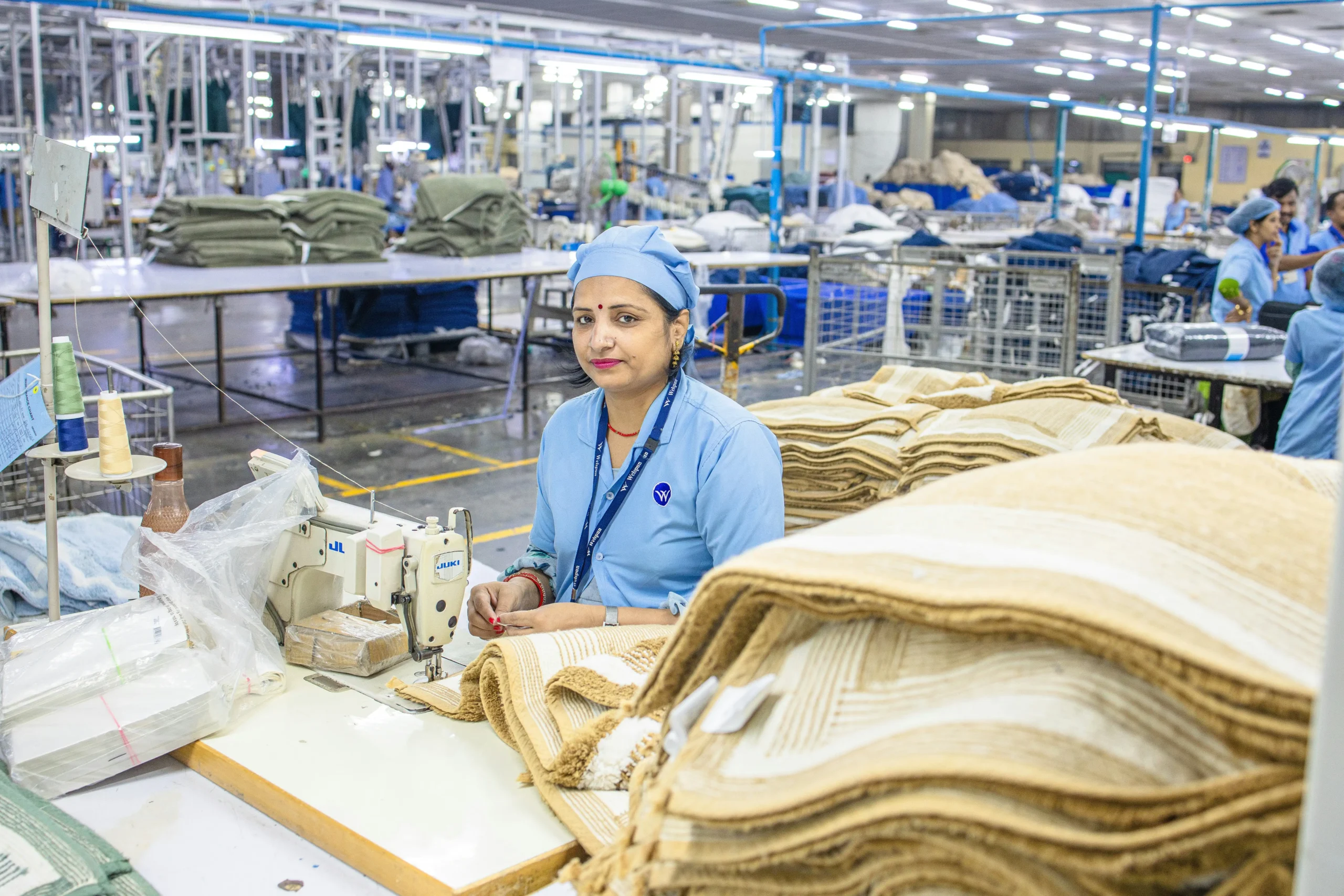
- Door-to-Door Tracking: Consolidation from multiple Chinese mills into one shipment reduces per-kilogram freight rates, and you track a single airway bill or bill of lading from origin to your receiving dock.
- No Brokerage Surprises: Importers using FOB often get hit with $150–$300 in destination charges for customs exam, ISF filing, and chassis fees. DDP eliminates those unknowns.
- Fixed Working Capital: Knowing your exact стоимость с учетом доставки и таможенных пошлин перед размещением заказа позволяет точно рассчитать стоимость одежды и избежать потери маржи из-за скрытых комиссий.
Для заказа на 500 метров индивидуального букле-твида DDP переворачивает риск. Вместо того чтобы закладывать цену FOB и надеяться на низкую пошлину, вы фиксируете фиксированную цену за метр с доставкой — никаких догадок, никаких штрафов за неправильно классифицированные коды ТН ВЭД и никаких расходов на хранение, если таможня задержит груз для проверки.
Real Example: Full Costing a 500m Custom Tweed Order
The FOB quote is never the final number.
Я видел, как менеджер по закупкам двадцать минут смотрел на счёт, пересчитывая одни и те же цифры. Цена FOB от фабрики в Вэньчжоу составляла $14.00 за метр для среднего веса индивидуального букле-твида — 500 метров, итого $7,000. Чисто. Затем пришёл счёт за фрахт. Потом таможня выставила свой счёт. Потом банк взял свою комиссию. К тому моменту, как рулоны попали в раскройный цех в Лос-Анджелесе, реальная стоимость за метр была значительно выше цены FOB — разрыв, который никто не учёл в бюджете.
Этот сценарий не является исключением. Это норма для покупателей-новичков, которые агрессивно договариваются о цене FOB, но никогда не просчитывают последующие затраты. Вот точная разбивка этого заказа на 500 метров, строка за строкой, с использованием ориентировочных ставок фрахта и пошлин (проверьте текущие пошлины по актуальным данным HTSUS/USTR). Ткань — твид из смеси полиэстера и шерсти плотностью 420 г/м², классифицируется по главе 54 ТН ВЭД как синтетическая ткань, отправляется из порта Вэньчжоу в Лос-Анджелес.
- FOB Wenzhou: $14.00/m × 500m = $7,000. This is the ex-factory price including local transport to the port and export clearance. No surprises here if you’ve locked in a sample approval and confirmed the quality tolerance in writing before production.
- Sea Freight (LCL, ~320 kg gross): $260 total ($0.48/m). At roughly 320 kg for 500 meters of tweed packed on rolls, less-than-container-load sea freight runs about $0.80/kg for this lane. Transit time: 18-22 days port-to-port.
- Marine Insurance (0.4% of CIF): $29 ($0.06/m). Covers loss or damage in transit. Skimping here is false economy — a single water-damaged roll wipes out all savings.
- Импортная пошлина США (например, ТН ВЭД 5407.53, синтетический твид): адвалорный процент от стоимости CIF (приведено для иллюстрации; проверьте текущую ставку по актуальным данным HTSUS). Если бы это был шерстяной твид по главе 51, ставка была бы другой — возможно, существенно отличалась бы для того же заказа. Содержание волокон в вашем коммерческом инвойсе определяет всё.
- Customs Brokerage & Clearance: $175 flat fee ($0.35/m). Covers the entry filing, customs bond usage, and ISF (10+2) submission. Some brokers charge $250-400 for first-time importers with no continuous bond on file.
- Wire Transfer Fee (Single TT Payment): $85 ($0.17/m). One international wire. If you’re paying 30% deposit and 70% balance before shipment, that’s two transfers. Add a 1-2% L/C issuance fee if paying by letter of credit, and suddenly you’re adding $0.30-$0.40/m just in banking costs.
- Drayage to Warehouse (Port to LA cutting room): $165 ($0.33/m). Trucking from the CFS warehouse to your facility. Rates vary by distance and fuel surcharge.
- Total Landed Cost: сумма строк выше, делённая на 500 м (для иллюстрации; строка пошлины вносит наибольшие изменения). Вывод: итоговая сумма значительно превышает цену FOB, потому что мелкие сборы, которые никто не отслеживает по отдельности, накапливаются.
Разрыв увеличивается, если изменить две переменные. Переход на авиаперевозку из-за задержки производства и необходимости доставки ткани к сроку коллекции — теперь только фрахт подскакивает до примерно $1 120 ($3,50/кг × 320 кг), поднимая стоимость с учетом доставки выше $18,50/м. Или выберите твид с высоким содержанием шерсти, который облагается более высокой пошлиной по главе 51, и стоимость с учетом доставки возрастет еще больше. Те же 500 метров, та же цена FOB, но совершенно разное влияние на прибыль и убытки.
Одно структурное решение, устраняющее догадки: программа DDP (Delivered Duty Paid), при которой фабрика консолидирует фрахт, оплачивает пошлины заранее и выставляет вам единую цену «от двери до двери». Программа DDP от Fursone обрабатывает таможенное оформление, уплату пошлин и доставку последней мили как единую фиксированную статью. Вместо отслеживания шести отдельных сборов от четырех разных сторон вы получаете одну стоимость с учетом доставки еще до начала производства. Для заказа на 500 м это превращает диапазон переменных наценок в фиксированное, договорное число, вокруг которого можно выстраивать маржу.
Industry benchmark to reference on your next supplier call: если разрыв между вашей ценой FOB и конечной стоимостью с учетом доставки при морской перевозке выглядит необычно большим, возможно, кто-то завышает плату за консолидацию фрахта или неправильно указан код HS. Хорошо организованная поставка твида на 500 м из Китая на Западное побережье США должна укладываться в умеренную, объяснимую наценку к FOB — попросите поставщика подтвердить разбивку в письменной форме. Запишите это число. Попросите поставщика подтвердить его в письменной форме до того, как вы разместите заказ на закупку.
| Компонент стоимости | Основа расчета | Line Total (USD) | Cost Per Meter | Note |
|---|---|---|---|---|
| FOB Fabric Cost (500m) | 500m × $12.50/m | $6,250 | $12.50 | Премиальный твид из шерстяной смеси, ex-Wenzhou mill; примерно одна пятая — одна треть цены европейского эталона, такого как Linton |
| Sea Freight — LCL (~280 kg) | 280 kg × $0.80/kg | $224 | $0.45 | 25–30 days to US West Coast; air freight would add ~$2.10/m at $3.50/kg |
| Import Duty — Wool Tweed (Ch. 51) | Текущая ставка HTSUS × стоимость CIF (подтвердите актуальную ставку) | Иллюстративно (зависит от ставки) | Меняется в зависимости от ставки | HS 5111.19; полиэстеровый твид (гл. 54) имеет другую ставку — подтвердите обе по актуальным данным HTSUS |
| Customs Brokerage & Clearance | Flat entry fee + ISF filing + bond | $350 | $0.70 | Covers single-entry formal customs entry, ISF, and continuous bond allocation |
| Bank & Wire Transfer Fees | $125 TT fee + 1.5% L/C margin (~$94) | $219 | $0.44 | Often overlooked; adds ~$0.30–$0.50/m on a 500m order per Fursone logistics data |
| TOTAL LANDED COST | Sum of all line items above | Иллюстративно (зависит от пошлины) | Иллюстративно | Значительное превышение над FOB (зависит от пошлины); программа DDP преобразует переменные пошлины в фиксированную цену поставки |
Заключение
Указанная цена FOB за метр может незаметно превратиться в гораздо более высокую стоимость поставки к моменту, когда рулоны окажутся на вашем раскройном столе. Замечено, что бренды строят всю свою маржинальную структуру только на основе указанной цены, а затем обнаруживают разницу в течение первого сезона. Класс груза, классификация по коду ТН ВЭД и маршрутизация платежей — это не административные мелочи, а статьи расходов, которые меняют стоимость на единицу изделия на доллары, а не на центы.
Before you confirm your next order, run this 3-point check with your supplier: First, ask “Does the sample approval process include a lab dip and strike-off at no charge for up to three colorways, and is courier cost covered or collect?” A supplier who pushes back here often has downstream fees waiting. Second, ask “Can you provide the exact HS code you will use on the commercial invoice and confirm the fiber content breakdown so I can verify the duty rate myself?” A mismatch between declared composition and the shipment you receive triggers reclassification and back charges. Third, ask “Do you offer DDP terms that bundle freight, duty, and brokerage into a single landed price with a written quality tolerance clause?” A yes here means you trade guesswork for a fixed number. If the supplier hesitates on any of these, the next layer of hidden costs is not hypothetical — it is already baked into your timeline.
Часто задаваемые вопросы
How much above FOB is landed cost?
Ваша цена FOB обычно покрывает лишь часть реальной стоимости поставки. Как только вы добавите фрахт, импортную пошлину, брокерские услуги, страховку и банковские/валютные сборы, общая стоимость за метр часто оказывается на существенный процент выше FOB. Включите каждую статью расходов в свой калькулятор затрат и подтвердите пошлину по актуальным данным HTSUS/USTR, прежде чем устанавливать бюджет.
Are extra colorways in sampling free?
Обычно только первые несколько цветовых вариантов предоставляются бесплатно; дополнительные лабораторные покраски, испытания пряжи и экспресс-доставка курьером оплачиваются отдельно. Эти расходы быстро накапливаются в ходе циклов разработки. Письменно подтвердите, сколько цветовых вариантов и образцов включено, и покрываются ли расходы на курьерскую доставку или оплачиваются получателем, прежде чем начинать отбор образцов.
Should I ship 1000m by air or sea?
Морской фрахт стоит гораздо меньше за килограмм, но занимает примерно 25–40 дней; авиафрахт дороже, но доставка занимает около 5–10 дней. Для заказа на 1000 м с гибкими сроками морская перевозка обычно выигрывает по общей стоимости. Выбирайте авиаперевозку, когда производственные сроки или сезонный запуск делают более быструю транспортировку оправданной за надбавку.
What duty rate applies to wool tweed?
Единой ставки не существует. Шерстяной твид попадает под Главу 51, а твид с преобладанием синтетики — под Главу 54 или 55, каждая со своей ставкой РНБ, и товары китайского происхождения могут также облагаться дополнительными пошлинами Раздела 301 / торговыми защитными пошлинами. Классифицируйте точный состав волокон и структуру ткани, затем подтвердите текущую ставку для точного подсубпозиции ТН ВЭД по актуальным данным HTSUS/USTR.
What does DDP shipping cover?
DDP (Delivered Duty Paid — поставка с оплатой пошлин) объединяет фрахт, импортные пошлины, таможенное оформление и брокерские услуги в одну цену «от двери до двери». Это устраняет сюрпризы на таможне и подходит брендам, которые хотят заранее фиксированную стоимость поставки, а не управлять каждым сбором отдельно. Письменно подтвердите, что включено (и любые исключения), прежде чем брать на себя обязательства.

Связанные статьи
Как импортировать трикотажную ткань из Китая: таможня и доставка
Импорт трикотажной ткани из Китая является первой контрольной точкой, которую покупатели должны зафиксировать перед утверждением...

6. Заказ ткани оптом: согласование MOQ и цены с фабриками
{ “@context”: “https://schema.org”, “@type”: “Article”, “id”: “evo301-geo-ai-block”, “definition”: “Согласование минимального объёма заказа при оптовых закупках ткани проходит успешно, когда...
Избегайте таможенных задержек при импорте твида
избегайте таможенных задержек: импорт ткани — первый рубеж, который покупатели должны проверить до утверждения...