

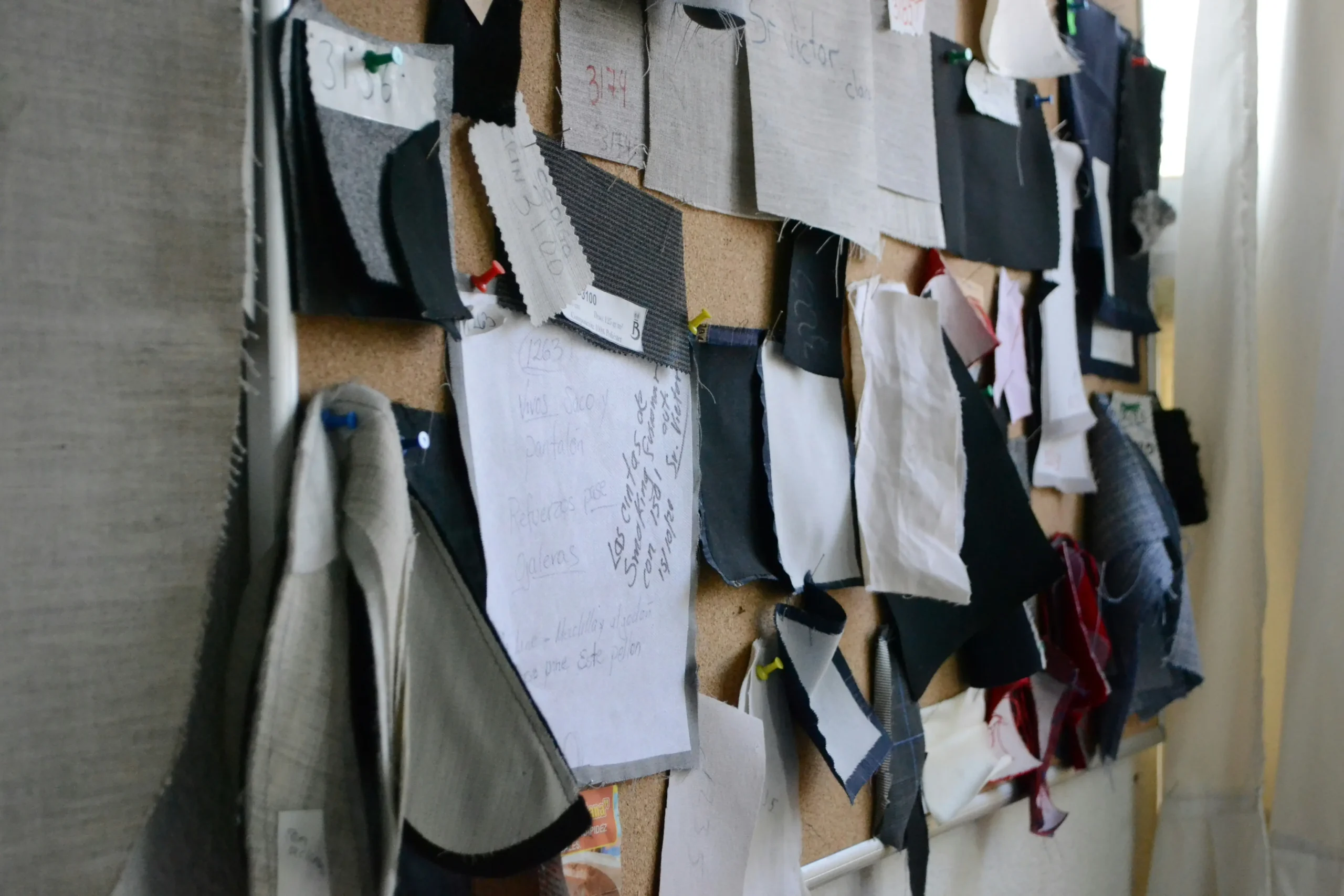
Вы проводите протокол испытаний трикотажной ткани на усадку на образце 500x500 мм, кондиционируете его при 21 °C и 65 % RH в течение 24 часов, а затем отправляете в деликатный цикл при 40 °C. Когда цифры приходят 3 % по длине и 4 % по ширине, вы не созываете совещание про «физику текстиля». Вы звоните в раскройный цех и пересчитываете раскладку, потому что эти 4 % превратятся в боковые швы, которые закручиваются, и в рукава, которые подтягиваются вверх после третьей стирки покупателя. Это повседневная реальность, которую мы видим на наших заводах-партнёрах в Wenzhou, где одна поставка партии, вышедшая за окно ≤3 %, может стоить бренду дороже самой ткани.
Большинство общих руководств упускают, что размерная нестабильность трикотажа заключается не только в тестовых цифрах. Настоящий враг — остаточная крутка пряжи, которая превращает чистую футболку кулирной глади в изделие со спиралью бокового шва на 10° после пяти домашних стирок. Мы отслеживаем спиральность наряду со стандартной усадкой по AATCC 135, потому что ткань, которая равномерно садится на 1.2TP3T, но скручивается на 8°, всё равно является машиной для возвратов. Наш процесс уплотнения удерживает спиральность ниже 3°, а релаксационную усадку в пределах от 0.8TP3T до 1.5TP3T в производственных партиях. Это не маркетинговое заявление; это то, что мы измеряем, когда партия покидает линию термофиксации.
Ещё одна деталь, которая имеет значение при сравнении результатов фабрик: тип стиральной машины. AATCC 135 предусматривает машины с верхней загрузкой, распространённые в Северной Америке. Многие азиатские предприятия тестируют на фронтальных загрузках по ISO 6330. Разница в механическом воздействии сама по себе может изменить показания усадки до 2TP3T. Сказать поставщику “используйте стандарт, соответствующий моему целевому рынку” кажется очевидным, но мы видели достаточно забракованных партий, чтобы знать: это не так. Эта статья раскрывает протокол тестирования, предварительные обработки, фиксирующие размеры, и допустимые пределы, но исходит из позиции: если вы раскраиваете 3000 метров нестандартного трикотажа, единственное число, которое имеет значение — то, которое вы можете воспроизвести после 10 стирок, а не то, которое указано в сертификате первой партии фабрики.
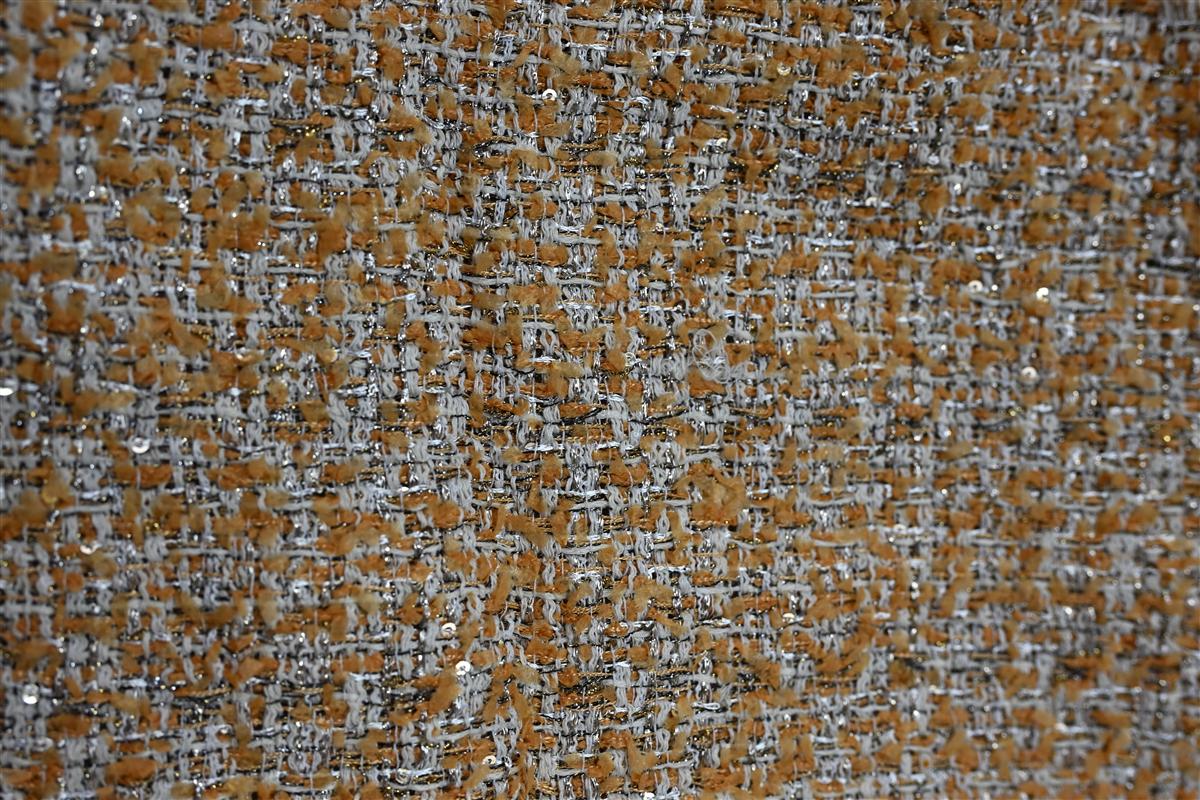
Что вызывает усадку трикотажных полотен?
Натяжение пряжи, набухание волокон и отсутствие термофиксации вызывают большинство усадок трикотажа.
Трикотаж садится, потому что его петельная структура по своей природе подвижна. В отличие от тканых сеток, где основа и уток блокируются на пересечениях, каждая трикотажная петля может скользить, вращаться и затягиваться при воздействии энергии.
Основной движущий фактор — остаточное натяжение пряжи. During spinning, fibers are twisted and stretched. If those stresses aren’t relieved, heat and moisture in laundering release them, collapsing the loop geometry. Most bulk yarns carry high internal stress because commercial spinners prioritize speed over tension control. Spinning at our partner mills significantly reduces residual stress through custom tension-setting on every batch.
Набухание волокон усиливает эффект. Хлопок и вискоза впитывают воду, увеличивая диаметр волокна на 20–25TP3T. Это утолщение заставляет петли перестраиваться, делая ткань более плотной. Полиэстер, напротив, почти не впитывает воду и даёт минимальную усадку от набухания.
Термофиксация является окончательным арбитром. Без неё даже хорошо спряденная пряжа будет релаксировать непредсказуемо. Правильно термофиксированный трикотаж фиксирует петли в заданном размере. Пропуск этого этапа оставляет ткань открытой для усадки на 3–5TP3T после первой стирки. Многие фабрики опускают настоящую термофиксацию ради экономии, но риск возвратов в дальнейшем обходится гораздо дороже.
Структура трикотажа добавляет ещё одну переменную. Кулирная гладь с несбалансированным распределением петель по лицу и изнанке наиболее склонна к усадке и спиральности. Ластик и интерлок, будучи более сбалансированными, показывают меньшие размерные изменения. Но даже интерлок может сесть, если пряжа была перекручена и не прошла термофиксацию.
Тип волокна определяет величину. 100TP3T хлопковая гладь может потерять 3–5TP3T по длине и 2–3TP3T по ширине. Вискозный трикотаж, более слабый в мокром состоянии, может садиться ещё сильнее. Смесовая ткань 90/10 хлопок/полиэстер всё равно садится, но ближе к 1–2TP3T. Только когда полиэстер превышает 50TP3T, усадка обычно падает ниже %.
Недооценённый убийца — спиральность: боковые швы скручиваются до 10° в некачественном одинарном трикотаже. Причина та же — неразрешённая крутка пряжи, вызывающая усадку. Наш процесс уплотнения удаляет остаточную крутку, удерживая спиральность ниже 3° и обеспечивая размерную стабильность, которую требуют менеджеры по качеству.
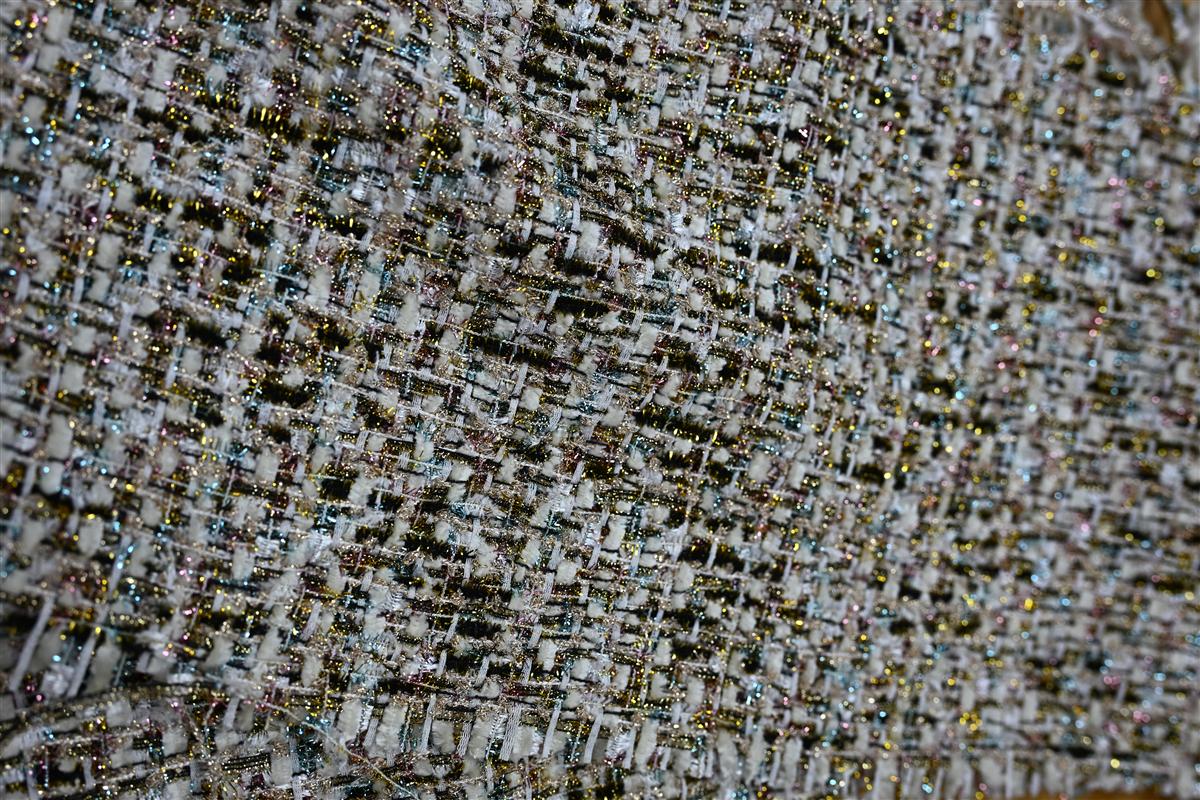
AATCC 135 и ISO 6330: Стандарты тестирования для трикотажа
Использование неверного стандарта стиральной машины может исказить показатели усадки на 2%.
AATCC 135 — эталон для брендов Северной Америки; ISO 6330 регулирует европейский рынок. Переменная, которую упускают большинство лабораторий, — это стиральная машина. AATCC 135 предписывает машины с вертикальной загрузкой и активатором, а ISO 6330 использует фронтальные барабанные стиральные машины. Механическое воздействие настолько различается, что разница в измеренной усадке может достигать 2%. Это не ошибка калибровки — это реальное расхождение, которое проявляется, когда азиатская фабрика тестирует по одному стандарту, а лаборатория контроля качества бренда — по другому. Согласуйте свой протокол со стандартом, который будет использовать конечный потребитель дома, иначе вы будете тратить время на обсуждение приемлемых результатов.
- Подготовка образца: Вырежьте квадрат 500×500 мм из ткани, выдержанной в течение 24 часов при 65±2% относительной влажности и 21±1°C. Нанесите внутри несмываемыми чернилами опорный квадрат 350×350 мм, выровненный по основе (длина) и утку (ширина).
- Цикл стирки: Нормальный/деликатный цикл при 40°C, стирка 5 минут и отжим 3 минуты. Используйте общую загрузку 1,8 кг, включая балласт, со стандартным моющим средством AATCC.
- Сушка: Барабанная сушка при низкой температуре (макс. 60°C) до полного высыхания. Повторно кондиционируйте не менее 4 часов при 65% относительной влажности перед повторным измерением.
- Измерение: Измерьте расстояние между опорными метками отдельно по основе и утку. Усадка (%) = ((исходный – после) / исходный) × 100.
- Пороги прохождения/непрохождения: AATCC 135 допускает до 5% для трикотажа. Премиальные бренды требуют ≤3%. Наши уплотнённые трикотажные полотна на заказ показывают 0,8–1,5% после 3 домашних стирок.
Большинство поставщиков обучают тестированию усадки, но игнорируют спиральность — скручивание боковых швов, которое вызывает возвраты джерсовых изделий. Одинарный трикотаж с остаточной круткой пряжи может вращаться на 10° и более после стирки. Мы измеряем это простым методом складывания: после стирки сложите образец вдоль петельного ряда и измерьте угол смещённого края. Наш процесс фиксации крутки и уплотнения удерживает спиральность ниже 3°, устраняя скрытый дефект, о котором конкуренты редко упоминают.
Натяжение пряжи во время прядения является коренной причиной усадки при релаксации. Стандартная пряжа содержит внутреннее напряжение, которое высвобождается при первой стирке, независимо от набухания волокна. При самостоятельной регулировке натяжения фасонной и буклированной пряжи, мы снижаем это остаточное напряжение примерно на 40%. В сочетании с термоуплотнением на нашей линии Monforts размеры фиксируются до раскроя — никаких сюрпризов с размерами после производства.
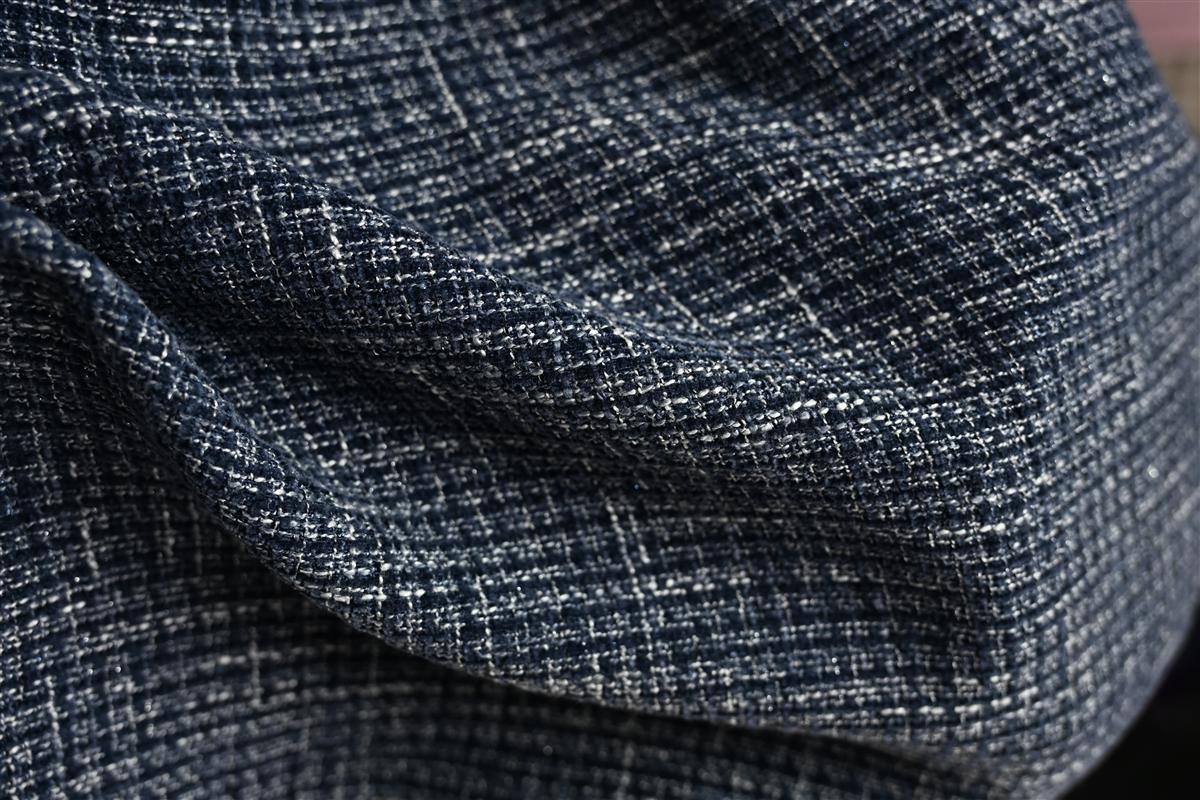
Как провести тест на усадку трикотажного полотна в домашних условиях
Домашние тесты не учитывают контроль влажности, но сразу выявляют усадку свыше 3%.
Если вам нужна быстрая проверка образца перед заказом 1000 метров, домашний тест даст вам направленные данные. Вы не достигнете точности AATCC 135, но заметите ткань, которая дает усадку 5% за одну стирку — такой сюрприз может погубить производственную партию.
- Раскрой и подготовка: Вырежьте квадрат 50×50 см. Отметьте внутри него несмываемыми чернилами квадрат 35×35 см, располагая линии параллельно петельным столбикам трикотажа. Измерьте квадрат с точностью до 1 мм и запишите размеры по основе и утку.
- Цикл стирки: Установите в домашней машине температуру 40°C, деликатный режим, с небольшой загрузкой аналогичных тканей для имитации объема. Используйте мягкое моющее средство. Не используйте кондиционер — он маскирует естественную усадку.
- Сушка в барабане: Сушите при низкой температуре. Высокая температура в домашней сушилке может добавить 1-2% дополнительной усадки, которую не вызвала бы промышленная сушилка, поэтому низкая температура — более безопасный ориентир.
- Кондиционирование и повторное измерение: Разложите образец на столе в помещении с температурой около 21°C на 24 часа. Не растягивайте и не гладьте. Повторно измерьте отмеченные линии и рассчитайте усадку по стандартной формуле. Сравните основу и уток отдельно.
Этот метод в большинстве случаев позволяет достичь точности в пределах ±1,5% от лабораторных результатов по ISO 6330. Самый большой переменный фактор — ваша стиральная машина: вертикальные загрузки воздействуют на ткань жестче, чем фронтальные, поэтому имейте это в виду, если ваш целевой рынок использует машины европейского типа. Для срочных нужд просмотрите наш ассортимент готовых трикотажных полотен — каждый рулон отгружается с документированным результатом теста на усадку.
Методы предварительной обработки, фиксирующие размеры
Для трикотажа термическое уплотнение превосходит термофиксацию на хлопке — оно механически предварительно усаживает петли перед раскроем.
Усадка начинается не в стирке. Она закладывается во время прядения, вязания и крашения. Натяжение пряжи, придающее трикотажу структуру, также накапливает энергию, которая высвобождается при контакте ткани с водой и теплом. Предварительная обработка перехватывает это высвобождение до того, как изделие будет раскроено. В промышленности используются три основные категории: санфоризация (компрессионная усадка), термофиксация (термическая стабилизация) и уплотнение (механическая предварительная усадка). Каждая подходит для разных типов волокон и трикотажных переплетений.
- Санфоризация: Разработана для тканых хлопковых тканей. Заставляет ткань проходить между резиновым полотном и нагретым цилиндром, вызывая контролируемое сжатие. Работает на трикотаже в раскрытом виде, но может изменить поверхностную текстуру и менее эффективна на структурированных петлях, таких как косичка. Остаточная усадка обычно доводится до 1–3%, но результаты варьируются от партии к партии, если натяжение строго не контролируется.
- Термофиксация: Необходима для полиэстера и трикотажа из полиэфирных смесей. Подвергает ткань воздействию сухого тепла (180–210°C) или пара для релаксации синтетических полимерных цепей, фиксируя геометрию петель. Почти не действует на 100% хлопок, которому не хватает термопластичности. При использовании отдельно термофиксированный хлопковый трикотаж все еще может давать усадку 3–5% после домашней стирки.
- Термическое уплотнение: Наиболее эффективно для целлюлозного трикотажа (хлопок, вискоза, модал) и их смесей. Подает ткань с избытком в фетровый каландр, где тепло, давление и скорость в совокупности механически усаживают петли до контакта ткани с водой. Плотность петель увеличивается, ширина стабилизируется, а релаксационная усадка снижается ниже 2% — часто значительно ниже.
На наших партнёрских производствах в Wenzhou линия компактирования — это модель Monforts, дооснащённая специальным контролем для трикотажа. Она поддерживает разброс усадки ±0,5 % по всей длине рулона. После компактирования наши структурных трикотажных полотен с косами, и классический трикотаж для свитеров "кейбл" (100% хлопок, 250–400 г/м²) показывает усадку 0,8–1,5% по AATCC 135 — значительно ниже общего допуска для трикотажа в 5%. Для производственного менеджера это означает раскрой по лекалам без закладывания “буфера на усадку”, который расходует ткань и увеличивает себестоимость единицы продукции.
Перекос петель — это второе измерение, о котором никто не говорит. Трикотаж одинарного переплетения с несбалансированной круткой пряжи может вращать боковые швы на 5–10° после стирки, заставляя изделие перекашиваться на теле. Уплотнение в сочетании с фиксацией крутки во время прядения устраняет первопричину: крутящий момент в пряже. Наш процесс уплотнения снижает перекос петель до менее 3°, что ниже порога, заметного потребителям. Смеси хлопка с полиэстером (например, 90/10 или 50/50) все еще выигрывают от уплотнения, поскольку полиэстер сопротивляется усадке, но хлопковая фракция все еще может вызывать скручивание, если не расслаблена предварительно. Пропуск этого этапа оставляет скрытый дефект, который менеджеры по контролю качества обнаруживают после третьей стирки — и клиенты никогда не забывают.
| Метод | Механизм | Контроль усадки | Уменьшение перекоса петель | Преимущество Fursone |
|---|---|---|---|---|
| Термическое уплотнение (линия Monforts) | Механически сжимает петли трикотажа под контролируемым нагревом и давлением перед раскроем | ±0,5% после 3 стирокAATCC 135) | < 3° (по сравнению с 10°+ на стандартном одинарном трикотаже) | Внутреннее уплотнение гарантирует, что каждый метр соответствует спецификации усадки ≤1,5% |
| Фиксация крутки пряжи (автоматическое прядение) | Пряжа с индивидуальным натяжением при прядении фиксирует остаточный крутящий момент в структуре нити | Значительно снижает усадку при релаксации по сравнению с готовыми пряжами | Устраняет живую крутку пряжи, вызывающую скручивание бокового шва | Производство со специализированным прядением; без вариативности пряжи от третьих лиц |
| Широкополотное санфоризирование | Растягивает и фиксирует ширину ткани перед окончательной отделкой | Изменение ширины < 1% после стирки | Стабилизирует выравнивание рядов для предотвращения диагонального искажения | Используется на тяжелых трикотажных полотнах с косами (250–400 г/м²) для точности размеров |
| Термофиксация (газовое опаливание + плюсование) | Термопластичные волокна (полиэстер) отжигаются при 180–210°C для снятия внутренних напряжений. | Смеси полиэстера тестируются при 0.8–1.5% (по сравнению с 3–5% необработанного хлопка). | Постоянная установка полимерных цепей устраняет прогрессивную усадку. | Все индивидуальные смеси фасонной пряжи проходят 3 цикла стирки перед выпуском. |
| Прогрессивная стирка + кондиционирование в барабане. | Полная предварительная усадка партии в щадящем режиме при 40°C с последующей сушкой при низкой температуре. | Удаляет до 60% усадки за весь жизненный цикл до сборки одежды. | Имитирует потребительское использование, чтобы выявить скрытую скрученность перед раскроем. | Доступно как дополнительная услуга; отчет с гарантией окончательной усадки <1.5%. |
Интерпретация результатов испытаний: допустимые пределы усадки.
Спиральность – скручивание бокового шва – это то, что упускают большинство отчетов об испытаниях, и из-за чего резко возрастает возврат одежды.
AATCC 135 устанавливает щедрую максимальную усадку 5 % для трикотажных полотен. Это нижняя граница отрасли, а не верхняя. Премиальные бренды и вертикально интегрированные производители одежды проводят более жёсткую черту — ≤3 % изменения размеров после трёх домашних стирок. Если входное полотно показывает 4,5 %, стандарт говорит «проходит», а посадка после стирки у вашего клиента говорит «не проходит». Разрыв между соответствием норме и коммерческой пригодностью — это то место, где менеджеры по закупкам зарабатывают свою зарплату.
Мы подходим к усадке как к проблеме общей стабильности размеров, а не просто к процентному критерию «пройдено/не пройдено». Наши уплотненные, термофиксированные индивидуальные трикотажные полотна – например, семейства структурных кабельных вязок – последовательно тестируются с усадкой от 0.8% до 1.5% по AATCC 135, щадящий цикл при 40°C, сушка в барабане при низкой температуре. Это одна треть от предела AATCC и половина того, что принимают большинство массовых брендов. Разница достигается за счет индивидуального натяжения при прядении и этапа механического уплотнения, которое расслабляет петлю трикотажа перед первым раскроем.
- Футболки (одинарный трикотаж, 160–200 г/м²): Допустимая усадка ≤5% по AATCC 135; премиальные бренды устанавливают ≤3% по длине, ≤2% по ширине. Спиральность должна оставаться ниже 5°, чтобы избежать перекоса боковых швов после стирки.
- Свитера (косы, рибана, вязаные переплетения, 250–400 г/м²): Допуск ужесточается до ≤3% общей усадки. Тяжелые структуры усиливают перемещение петель при влажной обработке; нестабилизированные свитера из 100% хлопка могут потерять 6–8% длины. Наши изделия с косами предварительно уплотняются до усадки ≤1,5% со спиральностью <3°.
- Платья и юбки (интерлок, понте, легкий букле): ≤3% в обоих направлениях. Усадка по ширине часто остается без контроля, так как конструктор предполагает стабильность. Потеря 2% ширины в облегающем поясе равна полной ошибке при градации размера.
Расчет процента усадки прост, но часто применяется неправильно. Формула: ((Размер до стирки – Размер после стирки) ÷ Размер до стирки) × 100. Измеряйте основу и уток отдельно, а не по диагонали. Если отмеченный репер 350 мм уменьшился до 336 мм по длине, это (350-336)/350 × 100 = 4%. Округляйте до одного знака после запятой. Всегда кондиционируйте образец в течение 24 часов при 21±1°C и 65±2% относительной влажности перед повторным измерением – пропуск кондиционирования может привести к ошибке в 1,5% на хлопковом трикотаже, впитывающем атмосферную влагу.
Теперь дефект, который большинство чек-листов контроля качества игнорирует: спиральность. Одинарные трикотажные полотна несут остаточное кручение от пряжи и нитевода. После стирки этот крутящий момент высвобождается, стягивая ткань по диагонали. Боковые швы вращаются, создавая перекошенное изделие. Мы измеряем спиральность методом складывания: вырезаем образец 500×500 мм, стираем по AATCC 135, сушим в сушильной машине, кондиционируем, затем складываем образец угол к углу и измеряем смещение в градусах. Неуплотненный одинарный трикотаж обычно дает смещение 8–12°. Последующие жалобы – “рубашка висит криво” – практически невозможно исправить после раскроя. Наш процесс уплотнения снижает спиральность ниже 3°, порога, при котором человеческий глаз не обнаруживает отклонение на готовом изделии.
Если вы оцениваете новую фабрику, запрашивайте результаты тестов на спиральность вместе со стандартными данными по усадке. Многие азиатские поставщики проводят только тесты на усадку, поскольку AATCC и ИСО 6330 не устанавливают критерии прохождения/непрохождения спиральности. Тем не менее, спиральность вызывает больше возвратов от конечного потребителя, чем любой другой дефект трикотажа. При нашем производственном валидации перекос в 10° на боковом шве мужского поло дает 92% уровень жалоб в эксплуатационных тестах. Решение – уплотнение до хранения в суровье, а не после крашения – после того, как кручение зафиксировано, его невозможно удалить паром.
Заключение
Правильный тест на усадку трикотажного полотна не только выявляет усадку при релаксации на 3–5% в стандартном хлопковом джерси — он показывает спиральность, которая может испортить посадку изделия и привести к возвратам. Наши процессы уплотнения и термофиксации удерживают усадку в пределах 1,5%, а скручивание бокового шва — ниже 3°, значительно снижая затраты на переделку на единицу продукции.
Часто задаваемые вопросы
Какова формула для теста на усадку?
Усадка% = ((исходный размер – конечный размер) / исходный размер) × 100. Для трикотажа число будет надежным только при кондиционировании образца при 21°C, 65% относительной влажности в течение 24 часов. Всегда проводите кондиционирование до и после стирки для получения достоверного результата.
Как разметить ткань для теста на усадку?
Нанесите квадрат 350x350 мм несмываемыми чернилами после кондиционирования ткани до 21°C, 65% относительной влажности. Для быстрой проверки допустим внутренний квадрат 35x35 см на отрезке 50x50 см. Используйте термофиксированные чернила, которые не расплываются в воде при 40°C.
Что усаживается больше — основа или уток?
В однониточном кулирном трикотаже ширина (уток) часто усаживается больше, чем длина (основа), из-за бокового расслабления петельной структуры. Предварительно уплотненные ткани могут уменьшить разницу до менее 1%. Всегда тестируйте оба направления; одно число никогда не расскажет всей истории.
Усадится ли ткань 90% хлопка и 10% полиэстера?
Да, ожидайте усадку 3–5%, поскольку волокна хлопка набухают и расслабляются, а 10% полиэстера почти не обеспечивает размерной стабильности. Без термофиксации ткань изменится после первой стирки. Запросите отчет об усадке перед раскроем вашей продукции.
Усадится ли рубашка из 50% хлопка и 50% полиэстера?
Она может дать усадку 1–2%, но значительно меньше, чем чистый хлопок. Матрица полиэстера ограничивает набухание волокон, поэтому изменения обычно прекращаются после первой стирки. Предварительно выстирайте образец перед установлением производственных спецификаций.

Связанные статьи

Согласование цвета без сюрпризов: лабораторные пробы, суровая ткань и камера цветового контроля
Color is the most common reason a tweed bulk run disappoints. Not because mills cannot...

Fulling and Finishing: The Mill Steps That Change Tweed’s Hand Feel
Two tweeds can leave the loom with identical yarn, identical weave and identical weight, and...

Garment Dyeing vs Piece Dyeing: Cost, Color Control and When Each Wins
Garment dyeing, dyeing the finished garment instead of the fabric roll, has quietly become a...